

Mountains or Beaches: Which Vacation is Better?

Ananya Sharma
February 18, 2026
Can't decide between mountains or beaches? Compare experiences, costs, weather & find your perfect vacation type in this comprehensive guide.
Introduction: The Eternal Vacation Debate
When it comes to planning a vacation, few questions spark as much debate as "mountains or beaches?" This age-old dilemma has divided travelers for generations, with passionate advocates on both sides defending their preferred paradise. Whether you're drawn to the majestic peaks of mountain ranges or the soothing rhythm of ocean waves, both destinations offer unique experiences that can create unforgettable memories.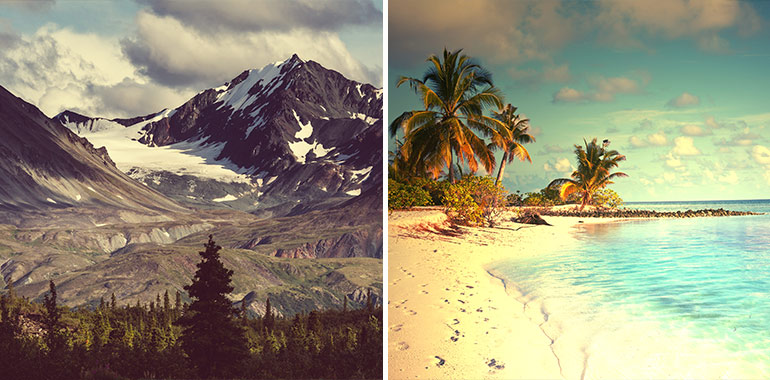 The choice between mountains and beaches goes beyond mere scenery—it's about the type of experience you seek, the activities you enjoy, and the kind of atmosphere that rejuvenates your soul. Mountains offer adventure, tranquility, and a chance to connect with nature at higher altitudes. Beaches provide relaxation, water sports, and the therapeutic sound of waves against the shore.
In this comprehensive guide, we'll dive deep into the pros and cons of each vacation type, compare costs, explore activities, and help you discover which destination aligns perfectly with your travel personality. Whether you're planning a family vacation, a romantic getaway, or a solo adventure, understanding what each option offers will help you make the right choice for your next escape.
The choice between mountains and beaches goes beyond mere scenery—it's about the type of experience you seek, the activities you enjoy, and the kind of atmosphere that rejuvenates your soul. Mountains offer adventure, tranquility, and a chance to connect with nature at higher altitudes. Beaches provide relaxation, water sports, and the therapeutic sound of waves against the shore.
In this comprehensive guide, we'll dive deep into the pros and cons of each vacation type, compare costs, explore activities, and help you discover which destination aligns perfectly with your travel personality. Whether you're planning a family vacation, a romantic getaway, or a solo adventure, understanding what each option offers will help you make the right choice for your next escape.
Mountain Vacations: Pros & Cons
Mountain vacations have an irresistible allure for those seeking elevation—both literally and metaphorically. The crisp mountain air, panoramic vistas, and sense of peace that comes from being surrounded by peaks make mountain destinations incredibly appealing for millions of travelers worldwide.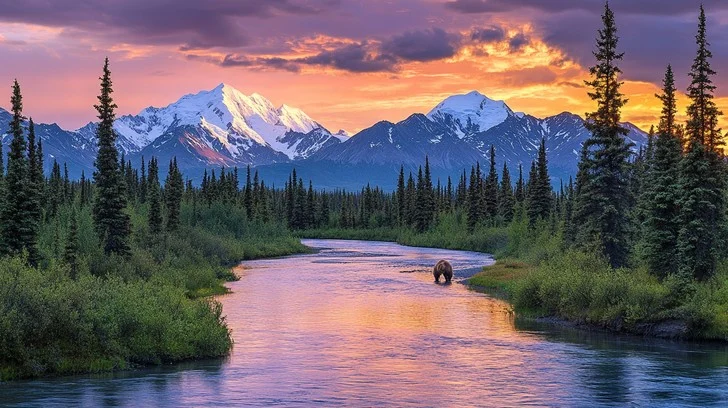
The Advantages of Mountain Getaways
Cool Weather and Fresh Air: One of the biggest draws of mountain vacations is the escape from sweltering summer heat. Mountain regions offer refreshing temperatures that make outdoor activities enjoyable year-round. The air at higher altitudes is cleaner and fresher, which many find invigorating and rejuvenating. Adventure Activities: Mountains are playgrounds for adventure enthusiasts. From trekking and hiking to rock climbing and paragliding, mountain destinations offer endless opportunities for adrenaline-pumping experiences. In winter, these same terrains transform into skiing and snowboarding paradises. Places like Himachal Pradesh offer some of the best trekking routes in India. Scenic Beauty and Tranquility: The natural beauty of mountains is unmatched. Towering peaks, cascading waterfalls, verdant valleys, and pristine lakes create a serene environment that's perfect for relaxation and introspection. Mountain sunrises and sunsets are spectacular, offering photographers endless opportunities to capture nature's grandeur. Health Benefits: Mountain vacations can significantly improve your physical and mental well-being. The reduced oxygen levels at higher altitudes can improve cardiovascular fitness, while the physical activities commonly associated with mountain travel—hiking, trekking, climbing—provide excellent workouts. The peaceful environment also reduces stress levels and promotes mental clarity. Unique Cultural Experiences: Mountain regions often have distinct cultures and traditions that have evolved in isolation. From local cuisine to traditional architecture and festivals, mountain communities offer rich cultural experiences that differ significantly from lowland regions.The Challenges of Mountain Travel
Limited Accessibility: Mountain destinations can be challenging to reach. Winding roads, steep climbs, and unpredictable weather conditions can make access difficult, especially for those with mobility issues. Transportation options are often limited, and travel times can be significantly longer than expected. Weather-Dependent: Mountain weather is notoriously unpredictable and can change rapidly. Sudden storms, fog, and temperature drops can disrupt outdoor activities. In winter, heavy snowfall can block roads and make certain areas completely inaccessible. Altitude Challenges: Some people experience altitude sickness when traveling to high elevations. Symptoms can include headaches, nausea, and shortness of breath. Acclimatization takes time, and not everyone adjusts well to higher altitudes, which can limit enjoyment and activities. Limited Dining Options: Remote mountain locations often have fewer restaurant choices compared to cities or beach towns. While local cuisine can be delicious, options may be limited, and international cuisine might be hard to find. Potential Costs: Mountain resorts, especially popular ski destinations, can be expensive. Accommodation, equipment rentals, and lift tickets add up quickly. During peak seasons, prices can skyrocket, making mountain vacations costlier than expected.Beach Vacations: Pros & Cons
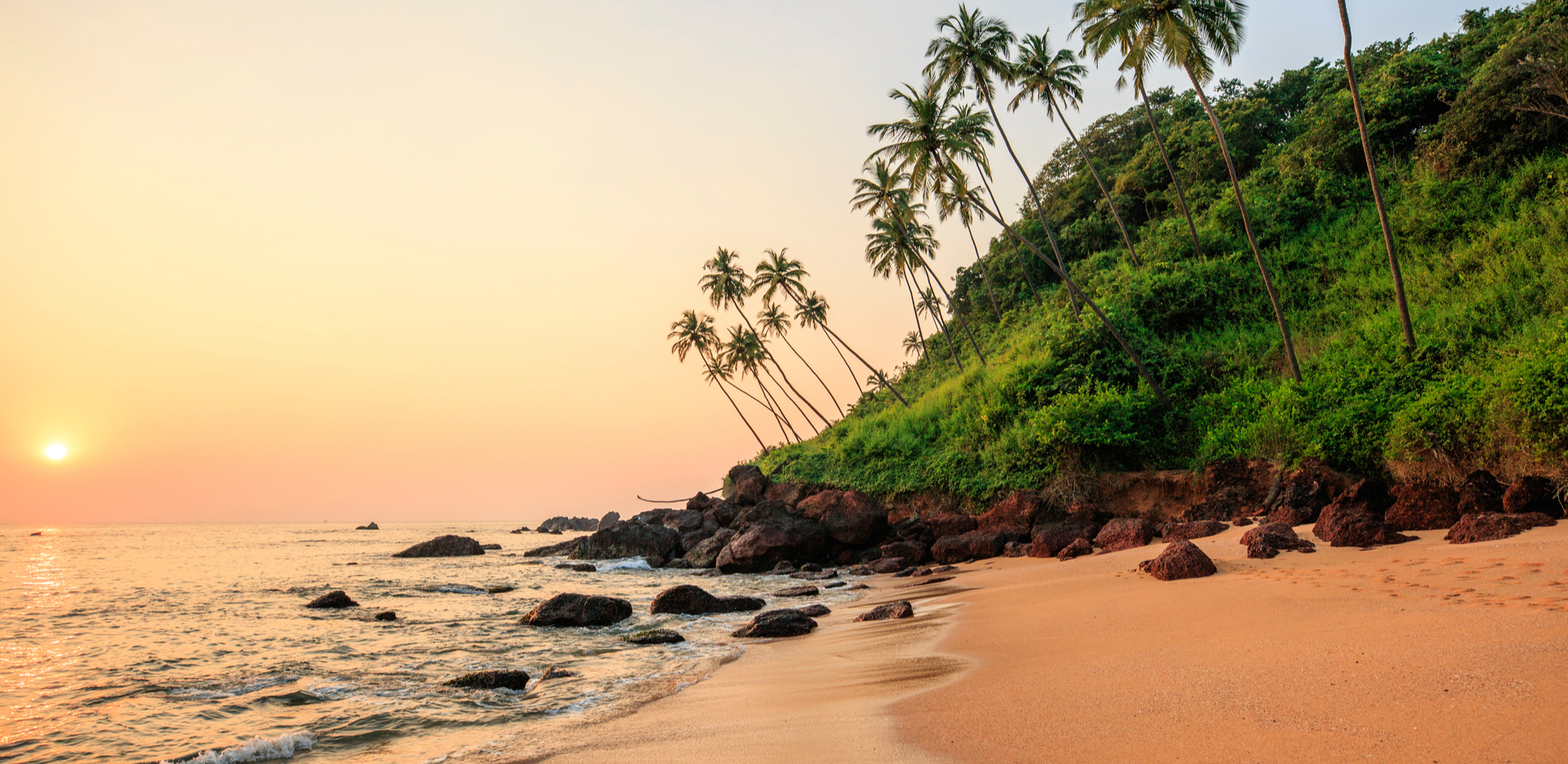
Beach vacations represent the ultimate escape for many travelers. The combination of sun, sand, and sea has an almost universal appeal, drawing millions to coastal destinations around the world each year. Whether you prefer the vibrant energy of popular beaches or the secluded charm of hidden coves, coastal getaways offer a distinct vacation experience.
The Allure of Coastal Destinations
Water Sports and Activities: Beaches are natural playgrounds for water enthusiasts. Snorkeling, scuba diving, surfing, kayaking, jet skiing, and parasailing are just a few activities available at most beach destinations. The variety of water sports caters to all skill levels, from beginners to experienced adventurers. Destinations like Goa's beaches offer excellent water sports facilities. Relaxing Atmosphere: There's something inherently calming about the beach. The sound of waves, the feeling of warm sand between your toes, and the vast expanse of the ocean create a naturally relaxing environment. Beach vacations are perfect for unwinding, reading, and simply doing nothing—a luxury in our busy lives. Abundant Sunshine: For those seeking vitamin D and a golden tan, beaches deliver. Sunny days improve mood and energy levels, making beach destinations ideal for combating winter blues. The warmth and sunshine create an instant vacation feeling from the moment you arrive. Fresh Seafood: Coastal destinations offer some of the best culinary experiences, particularly when it comes to seafood. Freshly caught fish, prawns, crabs, and lobsters are often highlights of beach vacations. Many beach towns also feature vibrant beachside cafes and restaurants with ocean views. Easy Accessibility: Most popular beach destinations are well-connected by air, road, and rail. Infrastructure is generally better developed in coastal areas compared to remote mountain regions, making travel easier and more convenient. Transportation options are plentiful, and getting around is usually straightforward. Vibrant Nightlife: Beach towns often come alive after dark with beach parties, bars, and entertainment venues. The relaxed daytime atmosphere transforms into energetic nightlife, offering options for those who want to dance under the stars or enjoy cocktails by the sea.The Drawbacks of Beach Holidays
Crowds and Noise: Popular beaches can get incredibly crowded, especially during peak season and weekends. Finding a quiet spot can be challenging, and the noise level might be overwhelming if you're seeking peace and tranquility. Beach vendors and tourists can sometimes intrude on your relaxation. Heat and Humidity: While sunshine is appealing, excessive heat can be uncomfortable and even dangerous. High temperatures combined with humidity can make outdoor activities exhausting. Sunburn and heat exhaustion are real risks that require careful management. Sun Exposure Concerns: Prolonged sun exposure increases the risk of skin damage and requires constant vigilance with sunscreen application. Some people simply don't tolerate strong sun well, which can limit beach enjoyment. The reflection from sand and water intensifies UV exposure. Seasonal Limitations: Beach destinations often have distinct seasons. Monsoons can bring heavy rain and rough seas, making water activities impossible. Even in good weather, some beaches have jellyfish seasons or periods of rough surf that limit swimming and water sports. Commercialization: Many popular beach destinations have become heavily commercialized, with rows of hotels, restaurants, and shops replacing natural beauty. The authenticity can feel diminished, and prices in tourist areas are often inflated compared to local standards.Comparing Experiences: What Each Destination Offers
When choosing between mountains and beaches, it's essential to consider the type of experience you're seeking. Each destination type excels in different areas, catering to different travel personalities and preferences.| Experience Factor | Mountains | Beaches |
|---|---|---|
| Adventure Level | High - trekking, climbing, skiing | Moderate - water sports, beach activities |
| Relaxation | Peaceful and meditative | Therapeutic and laid-back |
| Social Scene | Quieter, intimate gatherings | Vibrant, party-friendly |
| Family-Friendly | Good for active families | Great for all ages |
| Photography | Dramatic landscapes and wildlife | Sunsets, seascapes, marine life |
| Culinary | Local mountain cuisine | Fresh seafood and beachside dining |
Adventure: Mountains Lead the Way
For thrill-seekers and adventure enthusiasts, mountains are the clear winners. The terrain naturally lends itself to challenging activities that test your limits and provide incredible rewards. Multi-day treks, technical climbing, mountain biking, and white-water rafting in mountain rivers offer experiences that are difficult to replicate elsewhere. The sense of accomplishment after reaching a mountain summit is unmatched. While beaches offer adventure through water sports, the adrenaline factor is generally lower. However, for those who prefer their adventure with a splash—surfing massive waves, diving deep reefs, or parasailing high above the ocean—beach destinations deliver their own brand of excitement.Relaxation: Different Forms of Peace
Both destinations offer relaxation, but the quality differs significantly. Mountain relaxation is active and meditative—hiking through forests, sitting by mountain streams, or enjoying the view from a peak. It's a peace that comes from being surrounded by nature's grandeur. Beach relaxation is more passive and sensory—the sound of waves, the feeling of sand, the warmth of the sun. It's about doing nothing and letting the ocean's rhythm dictate your pace. This form of relaxation can be profoundly restorative, especially for stressed urban dwellers.Romance: Both Have Their Charm
Romantic getaways work well in both settings, depending on the couple's preferences. Mountain resorts offer cozy cabins, fireplace dinners, and intimate settings perfect for couples seeking privacy and romance. The dramatic backdrop of peaks creates an atmosphere of intimacy. Beach destinations provide sunset walks on the sand, candlelit beachside dinners, and the natural romance of ocean vistas. The sound of waves creates a naturally romantic ambiance that's hard to replicate. For honeymooners, many destinations offer both mountain and beach experiences to choose from.
Cost Comparison: Beach vs Mountain Vacation
Budget considerations often play a crucial role in vacation planning. While costs vary significantly based on destination and season, understanding general cost patterns can help you plan better.Accommodation Costs
Beach destinations, especially popular ones, often have a wide range of accommodation options—from budget hostels to luxury resorts. Competition among beachfront properties can lead to better deals, particularly in the off-season. However, prime oceanfront rooms command premium prices. Mountain accommodations can be pricier, especially in famous ski resorts or popular hill stations. The remote location of many mountain properties drives up costs due to transportation and logistics. However, smaller, less-known mountain destinations can offer excellent value and unique experiences at reasonable prices.Activity Costs
Beach activities can range from free (swimming, sunbathing, beach volleyball) to expensive (scuba diving certification courses, private boat charters). Many water sports require equipment rental or instruction fees, which add up. Mountain activities often require specialized equipment and sometimes guides or instructors—skiing and snowboarding are particularly expensive activities. However, hiking and trekking can be relatively inexpensive if you have basic gear. National park entry fees are generally modest.Food and Dining
Beach destinations typically offer diverse dining options at various price points. Fresh seafood is often affordable in coastal areas, and beach shacks provide budget-friendly meals. Fine dining beachfront restaurants, of course, command premium prices. Mountain dining can be more limited and thus pricier. Transporting ingredients to remote mountain locations increases costs. However, local mountain cuisine is often hearty and reasonably priced. Hotel dining in mountain resorts tends to be more expensive.Transportation
Beaches are generally more accessible, with better road connections and often airports nearby. This keeps transportation costs reasonable. Many beach towns can be explored on foot or by bicycle, reducing local travel expenses. Reaching mountain destinations often involves longer journeys on challenging roads, increasing fuel costs or taxi fares. Remote mountain locations may require multiple modes of transport. However, once there, getting around on foot is usually free and scenic.Best Time for Each Destination
Timing is everything when planning a mountain or beach vacation. Each destination has optimal seasons that maximize enjoyment and value.Mountain Seasons
Summer (March-June): Ideal for trekking, hiking, and exploring mountain meadows in full bloom. The weather is pleasant, and views are clear. This is peak season in many mountain regions, so expect crowds and higher prices. Autumn (October-November): Many consider this the best time for mountain visits. The weather is crisp but not cold, crowds are thinner, and the autumn colors create spectacular scenery. Perfect for photography and outdoor activities. Winter (December-February): The season for snow sports. Ski resorts come alive, and mountain landscapes transform into winter wonderlands. This is the most expensive season in popular ski destinations. Some remote areas become inaccessible. Monsoon (July-September): Mountains during monsoon are lush and green, with waterfalls at their most spectacular. However, landslides and road blockages are common risks. Some areas receive very heavy rainfall that can disrupt travel plans.Beach Seasons
Winter (November-February): Peak season for most beach destinations, especially in tropical regions. The weather is perfect—sunny but not too hot. This is the best time for water activities, though it's also the most crowded and expensive period. Summer (March-June): Coastal areas can get very hot and humid, making daytime activities uncomfortable. However, this is off-season with lower prices and fewer crowds. Early mornings and late evenings are pleasant. Monsoon (July-September): Many beach destinations experience rough seas and heavy rain, limiting water activities. Some beaches issue warnings against swimming. However, the rain-washed coast can be beautiful, and this is the quietest and most affordable time to visit.Who Should Choose What?
Understanding your travel personality and preferences is key to making the right choice between mountains and beaches. Here's a framework to help you decide.Choose Mountains If You:
- Love Adventure and Physical Activity: If you enjoy challenging yourself physically, trekking, climbing, or skiing, mountains offer the terrain and activities you seek. The sense of accomplishment from mountain adventures is deeply satisfying.
- Prefer Cooler Weather: If heat and humidity drain your energy, the crisp mountain air will be refreshing. Mountain climates are ideal for those who want to be active outdoors without the discomfort of excessive heat.
- Want Peaceful Surroundings: If you're seeking solitude and tranquility away from crowds, mountains (especially lesser-known destinations) provide the perfect escape. The peaceful environment is ideal for introspection and stress relief.
- Enjoy Nature Photography: Mountain landscapes offer diverse photo opportunities—wildlife, wildflowers, dramatic peaks, and changing light conditions. If photography is your passion, mountains will keep your camera busy.
- Appreciate Cultural Diversity: Mountain communities often have unique traditions and lifestyles shaped by their geography. If cultural immersion interests you, mountain regions offer fascinating insights.
- Seek Digital Detox: Mountain resorts often have limited connectivity, which can be a blessing if you're looking to disconnect from technology and reconnect with nature and yourself.
Choose Beaches If You:
- Love Water Activities: If swimming, diving, surfing, or simply playing in the water brings you joy, beaches are your natural habitat. The ocean offers endless ways to have fun in the water.
- Prefer Relaxation Over Adventure: If your idea of a perfect vacation is lounging with a good book, taking naps, and moving at a slow pace, beaches provide the ideal setting for doing nothing.
- Want Vibrant Nightlife: If you enjoy parties, socializing, and entertainment after dark, beach towns generally offer more options. The atmosphere transitions naturally from daytime relaxation to evening excitement.
- Enjoy Sunbathing and Warmth: If you crave sunshine and warmth, beaches deliver. The combination of sun, sand, and sea is physically and mentally rejuvenating for sun lovers.
- Travel with Family: Beaches are often more family-friendly, with activities suitable for all ages. Children love building sandcastles, playing in waves, and the general freedom of beach environments.
- Seek Convenience: If you prefer well-developed infrastructure, easy transportation, and plenty of amenities, beach destinations generally offer more convenience and accessibility.

Conclusion: Finding Your Perfect Vacation
The mountains vs beaches debate ultimately has no winner—because the right choice depends entirely on what you seek from your vacation. Both destinations offer unique experiences that can create lasting memories and provide the rejuvenation we all need from time away. Perhaps the solution isn't to choose one over the other but to appreciate what each offers. Many travelers find that different life stages call for different types of vacations—adventurous mountain treks in their younger years, relaxing beach getaways as they age, or alternating between the two based on mood and season. The most important factor is aligning your destination with your current needs, preferences, and circumstances. Consider your travel companions, budget, activity level, and what type of experience will leave you feeling refreshed and fulfilled. Whether you find yourself breathing in the crisp mountain air or listening to waves crash against the shore, the best vacation is the one that speaks to your soul and creates memories you'll cherish forever. So next time you're faced with the mountains or beaches question, don't worry about making the "right" choice—just choose what feels right for you right now. Both mountains and beaches will be waiting, ready to offer their unique brand of magic whenever you're ready to visit.If beaches win your decision, destinations like Kovalam Beach deliver a classic sand-and-palm experience without the extra travel time of an international trip.
Frequently Asked Questions
Q1.Which is better: mountains or beaches?
Q2.How do I choose between mountains and beaches for vacation?
Q3.Are beaches cheaper than mountains?
Q4.What activities can you do in mountains?
Q5.What activities can you do at beaches?
Q6.Which is better for families: mountains or beaches?
Q7.Which is better for honeymoon: mountains or beaches?
Q8.What's the best time for mountain vs beach vacation?
Recommended For You
15 Best Hill Stations in Himachal Pradesh
Explore the best hill stations in Himachal Pradesh with practical route planning, traveler-type recommendations, and season-wise travel tips.
Honeymoon Places India January: Top
Discover best honeymoon places in India in January. Romantic winter destinations including beaches, hills & international options.
Goa in July: Monsoon Weather, Waterfalls & Travel Tips
Discover the best places to visit in Goa in July with monsoon-friendly itineraries, Dudhsagar plans, heritage routes, weather tips, and safety guidance.
Never Miss an Adventure
Get the latest trekking guides, travel tips, and exclusive offers delivered straight to your inbox.
