

Outdoor Activities in Visakhapatnam: Beaches, Trails & Adventure Sports

Ananya Sharma
February 20, 2026
Discover outdoor activities in Visakhapatnam with day-structure tips, activity categories, and practical weather-smart planning guidance.
Introduction
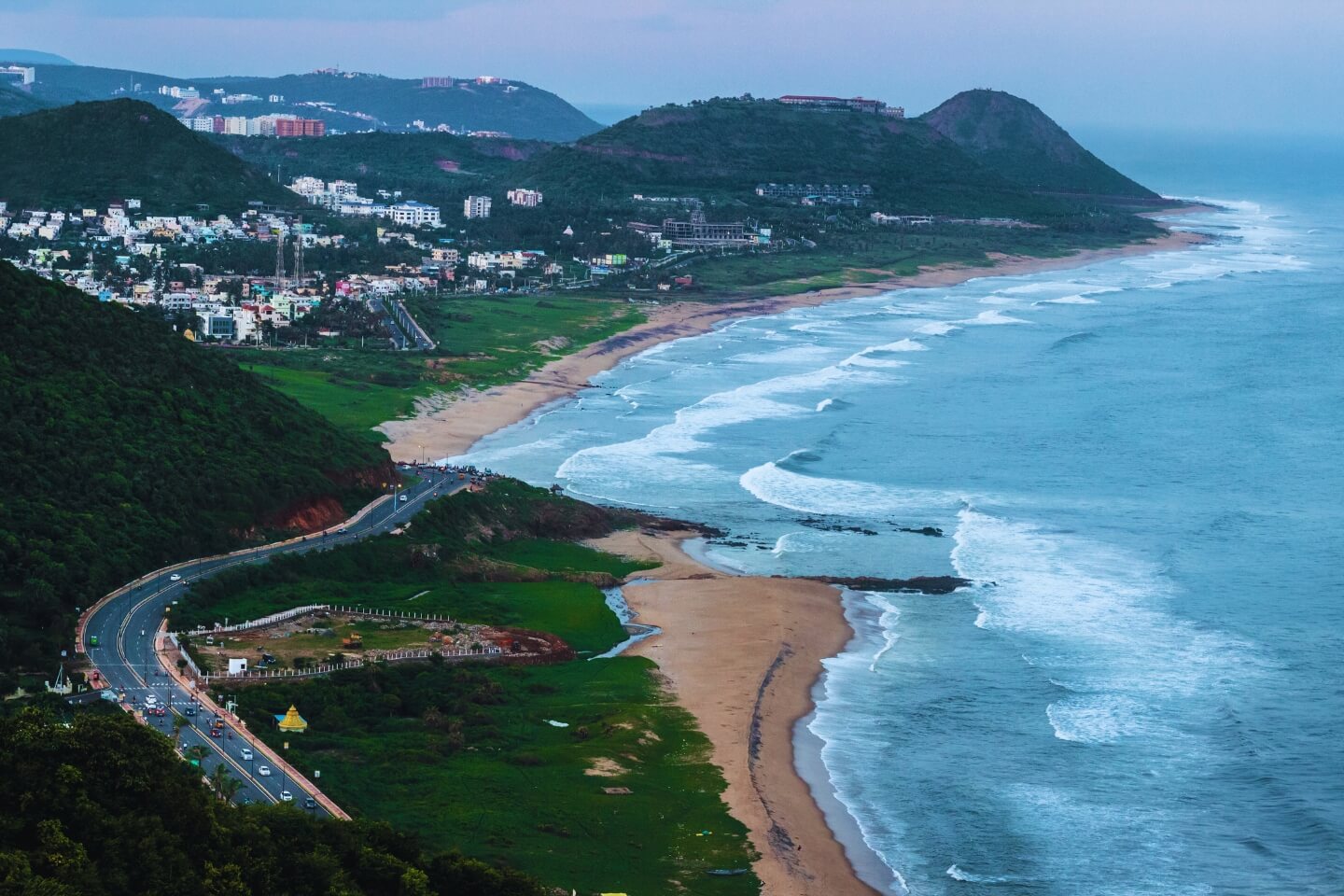
Visakhapatnam offers a balanced outdoor mix with beach activities, hill viewpoints, light adventure options, and waterfront recreation that suits both families and active travelers. The key is selecting activity intensity based on weather and daily energy, rather than stacking too many segments.
For route depth, pair this with things to do in Visakhapatnam, coastal support from beaches in Visakhapatnam, and timing context via best time to visit Visakhapatnam.
Top Outdoor Activity Types
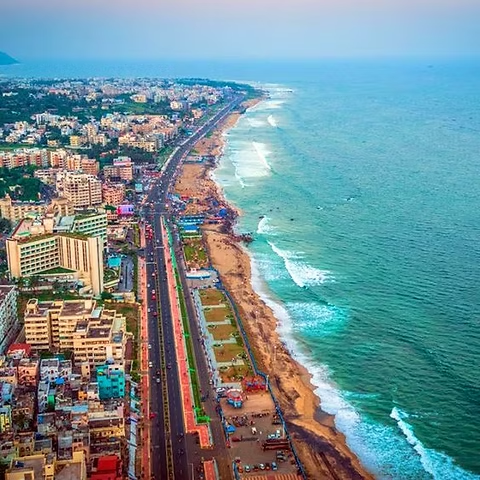
- Beach-led activities: sunrise walks, light waterside recreation.
- Hill viewpoints: photo-friendly, low-intensity nature blocks.
- Adventure add-ons: selected activities based on season and operator quality.
How to Structure an Outdoor Day
| Time | Focus | Tip |
|---|---|---|
| Early morning | Outdoor anchor activity | Best weather and energy |
| Midday | Indoor/light break | Heat management |
| Evening | Coastal walk + food | Low-stress closure |
Operational Planning Layer
High-performing travel plans use a clear execution model. Start with one anchor objective per half-day and treat all secondary stops as optional extensions. This keeps your itinerary resilient under delays. If transfer time expands beyond your threshold, switch to a nearby backup stop and preserve the anchor. Quick adaptation prevents schedule collapse and helps maintain experience quality.
Use zone clustering for movement efficiency. Keep activities in one geographic area per time block to reduce transfer fatigue and improve local immersion. In group travel, assign roles for navigation, timing, and booking confirmations. Role clarity reduces friction and keeps the day predictable, especially when weather or crowds change faster than expected.
Budget control should prioritize certainty. Spend for reliable transport, verified access, and essentials that directly affect outcomes. Save on low-impact extras. Keep confirmations offline and maintain a compact essentials kit with hydration, weather layer, power backup, and basic medical support. This practical discipline creates consistent results across multi-day itineraries.
End each day with a short review: what worked, what slipped, and what should be adjusted tomorrow. This iteration loop improves accuracy and comfort with every day of travel.
Operational Planning Layer
High-performing travel plans use a clear execution model. Start with one anchor objective per half-day and treat all secondary stops as optional extensions. This keeps your itinerary resilient under delays. If transfer time expands beyond your threshold, switch to a nearby backup stop and preserve the anchor. Quick adaptation prevents schedule collapse and helps maintain experience quality.
Use zone clustering for movement efficiency. Keep activities in one geographic area per time block to reduce transfer fatigue and improve local immersion. In group travel, assign roles for navigation, timing, and booking confirmations. Role clarity reduces friction and keeps the day predictable, especially when weather or crowds change faster than expected.
Budget control should prioritize certainty. Spend for reliable transport, verified access, and essentials that directly affect outcomes. Save on low-impact extras. Keep confirmations offline and maintain a compact essentials kit with hydration, weather layer, power backup, and basic medical support. This practical discipline creates consistent results across multi-day itineraries.
End each day with a short review: what worked, what slipped, and what should be adjusted tomorrow. This iteration loop improves accuracy and comfort with every day of travel.
Conclusion
Outdoor activities in Visakhapatnam are most rewarding when planned with weather-smart timing and a balanced effort-recovery pattern.
Focus on one anchor activity and keep the rest of the day flexible for better outcomes.
Extended Practical Guidance
To improve execution quality, treat each travel day as an operations workflow rather than a static list. Start by validating live conditions: route status, weather risk, local advisories, and ticketing windows. Once confirmed, commit to one anchor objective and avoid distraction until it is complete. This prevents fragmented days and ensures the most important experience is protected even if delays appear later.
After the anchor, evaluate real-time conditions before choosing the next move. If conditions are favorable, continue to your support activity. If not, activate a fallback within the same area. Keeping fallback options geographically close is critical because it preserves time and limits fatigue. Travelers who switch quickly based on pre-decided rules generally report more stable and enjoyable itineraries.
Daily pacing should alternate higher-energy blocks with lighter recovery windows. This is especially important in humid, high-altitude, or high-crowd environments. Hydration, meal timing, and short reset breaks protect energy and decision quality. When groups travel together, clear role assignment for navigation, timing, and payments reduces confusion and keeps movement predictable.
Budget efficiency comes from spending on certainty. Prioritize reliable transport, verified reservations, and quality-critical purchases. Avoid impulse decisions late in the day when fatigue is high. Keep digital confirmations and key contacts available offline so network instability does not interrupt execution. Small preparedness steps dramatically improve resilience.
Responsible conduct should remain consistent across all destination types. Respect local norms, follow access rules, and avoid unsafe photo positioning. In cultural and community spaces, low-noise behavior and permission-based photography improve both safety and local interaction quality. Good travel outcomes combine logistics discipline with respectful conduct.
End each day with a short review: what worked, what delayed, and what should change tomorrow. Remove one low-value element and strengthen one high-value element in the next-day plan. This feedback loop improves every subsequent day and helps maintain overall trip momentum.
Extended Practical Guidance
To improve execution quality, treat each travel day as an operations workflow rather than a static list. Start by validating live conditions: route status, weather risk, local advisories, and ticketing windows. Once confirmed, commit to one anchor objective and avoid distraction until it is complete. This prevents fragmented days and ensures the most important experience is protected even if delays appear later.
After the anchor, evaluate real-time conditions before choosing the next move. If conditions are favorable, continue to your support activity. If not, activate a fallback within the same area. Keeping fallback options geographically close is critical because it preserves time and limits fatigue. Travelers who switch quickly based on pre-decided rules generally report more stable and enjoyable itineraries.
Daily pacing should alternate higher-energy blocks with lighter recovery windows. This is especially important in humid, high-altitude, or high-crowd environments. Hydration, meal timing, and short reset breaks protect energy and decision quality. When groups travel together, clear role assignment for navigation, timing, and payments reduces confusion and keeps movement predictable.
Budget efficiency comes from spending on certainty. Prioritize reliable transport, verified reservations, and quality-critical purchases. Avoid impulse decisions late in the day when fatigue is high. Keep digital confirmations and key contacts available offline so network instability does not interrupt execution. Small preparedness steps dramatically improve resilience.
Responsible conduct should remain consistent across all destination types. Respect local norms, follow access rules, and avoid unsafe photo positioning. In cultural and community spaces, low-noise behavior and permission-based photography improve both safety and local interaction quality. Good travel outcomes combine logistics discipline with respectful conduct.
End each day with a short review: what worked, what delayed, and what should change tomorrow. Remove one low-value element and strengthen one high-value element in the next-day plan. This feedback loop improves every subsequent day and helps maintain overall trip momentum.
Deep Execution Notes
Practical travel quality comes from disciplined sequencing. Use a fixed planning cycle at the start of each day: validate conditions, commit to anchor, monitor drift, and execute fallback when needed. Avoid reactive overcorrection after delays; it usually reduces quality and increases risk. Instead, preserve the most meaningful stop and simplify the rest. This single decision framework prevents rushed schedules and creates better outcomes.
Time-blocking should include buffer placement by design. Keep micro-buffers between each transition and one macro-buffer near end-of-day. This protects transport reliability and lowers decision stress. If conditions remain favorable, convert spare buffer into depth time at one high-value location rather than adding random extra movement. Depth typically improves memory quality, content quality, and overall satisfaction.
In collaborative travel, clarity beats flexibility. Assign decision roles and communicate the next move before finishing the current one. This removes ambiguity and improves pace. Where crowds are heavy, establish regroup points and timeout rules in advance. If anyone in the group is delayed, everyone knows the default action without repeated calls.
Financial control depends on upfront boundaries. Set per-block spending ranges, define priority purchases, and avoid late fatigue purchases. Keep proof of bookings and payment records accessible offline. In weather-sensitive environments, preserve a contingency fund for transport adjustments and schedule changes.
Finally, reinforce safety and local respect. Follow access rules, avoid unstable terrain and unsafe photo positions, and maintain appropriate behavior in community or cultural spaces. Responsible conduct is operationally efficient: it reduces conflict, protects access, and improves interactions. Repeat these standards daily and the trip stays stable even when conditions are dynamic.
Deep Execution Notes
Practical travel quality comes from disciplined sequencing. Use a fixed planning cycle at the start of each day: validate conditions, commit to anchor, monitor drift, and execute fallback when needed. Avoid reactive overcorrection after delays; it usually reduces quality and increases risk. Instead, preserve the most meaningful stop and simplify the rest. This single decision framework prevents rushed schedules and creates better outcomes.
Time-blocking should include buffer placement by design. Keep micro-buffers between each transition and one macro-buffer near end-of-day. This protects transport reliability and lowers decision stress. If conditions remain favorable, convert spare buffer into depth time at one high-value location rather than adding random extra movement. Depth typically improves memory quality, content quality, and overall satisfaction.
In collaborative travel, clarity beats flexibility. Assign decision roles and communicate the next move before finishing the current one. This removes ambiguity and improves pace. Where crowds are heavy, establish regroup points and timeout rules in advance. If anyone in the group is delayed, everyone knows the default action without repeated calls.
Financial control depends on upfront boundaries. Set per-block spending ranges, define priority purchases, and avoid late fatigue purchases. Keep proof of bookings and payment records accessible offline. In weather-sensitive environments, preserve a contingency fund for transport adjustments and schedule changes.
Finally, reinforce safety and local respect. Follow access rules, avoid unstable terrain and unsafe photo positions, and maintain appropriate behavior in community or cultural spaces. Responsible conduct is operationally efficient: it reduces conflict, protects access, and improves interactions. Repeat these standards daily and the trip stays stable even when conditions are dynamic.
Location
Frequently Asked Questions
Q1.What are top outdoor activities in Visakhapatnam?
Q2.When should I start outdoor activities?
Q3.Can families do outdoor routes easily?
Q4.Is one day enough?
Q5.What should I pack?
Q6.Are activities weather dependent?
Q7.How to avoid itinerary fatigue?
Q8.Can I combine outdoor and nightlife?
Recommended For You
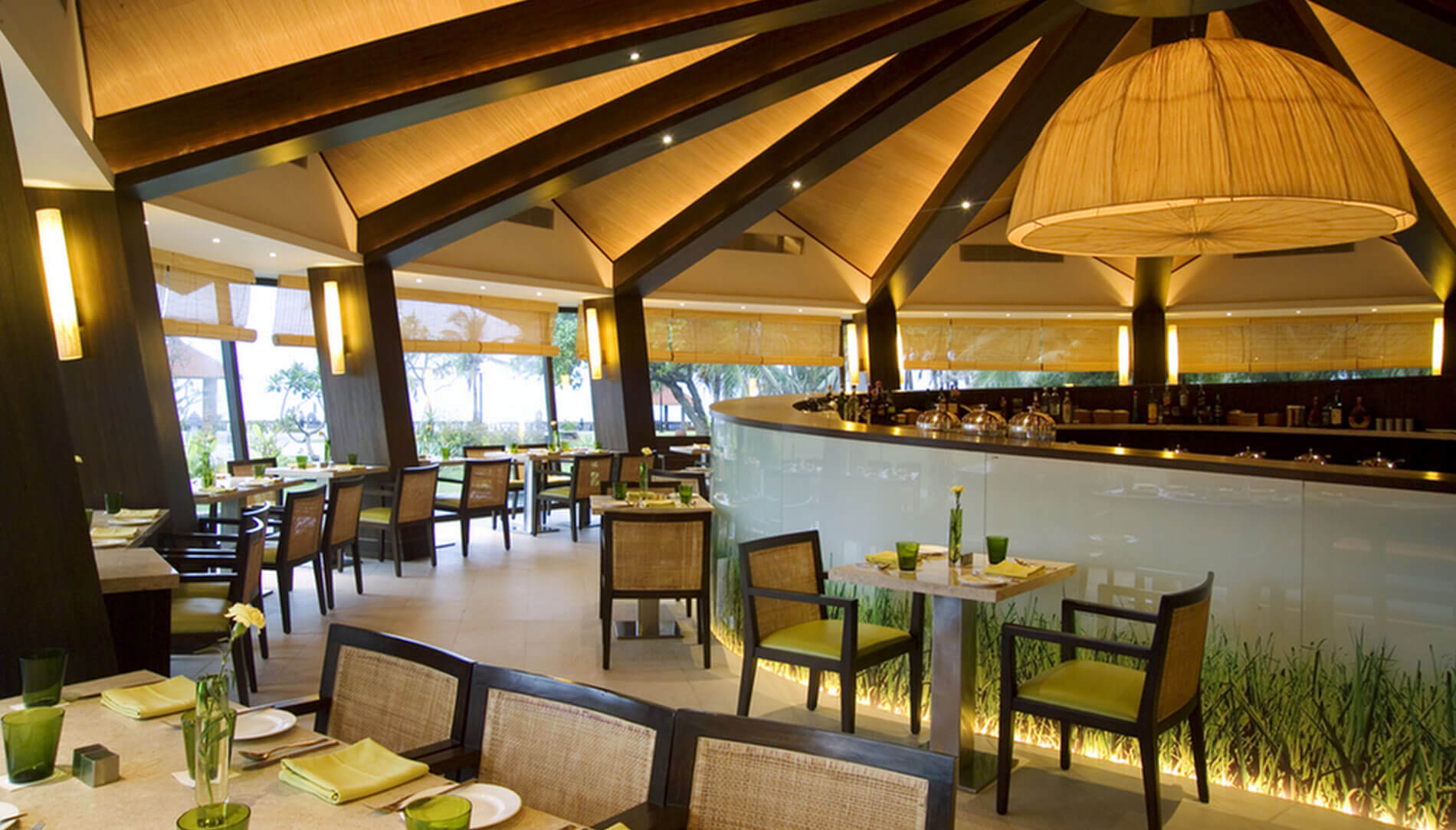
Places to Eat in Visakhapatnam: Seafood Spots, Cafes & Beachside Dining
Explore places to eat in Visakhapatnam with seafood specialties, Andhra meals, beachside dining, street food, dessert picks, and practical local dining tips.
Nightlife in Visakhapatnam: Beach Bars & Pubs
Explore nightlife in Visakhapatnam (Vizag) - beach bars, Rushikonda pubs, nightlife on RK Beach & evening entertainment. Complete Vizag nightlife guide.

Shopping in Visakhapatnam: Malls, Street Markets & Local Buys
Complete shopping guide for Visakhapatnam featuring malls like CMR Central, traditional markets, Beach Road shopping, jewelry shops, and local shopping areas.
Never Miss an Adventure
Get the latest trekking guides, travel tips, and exclusive offers delivered straight to your inbox.
