
Nature
Periyar Lake Thekkady: Complete Guide to Kerala's Pristine Waters
Rohit Verma
February 19, 2026
15 min read2,579 views
Complete Periyar Lake guide. Boat safaris, wildlife viewing, bamboo rafting, photography tips & best time to visit Kerala's most beautiful lake.
Why Periyar Lake is Thekkady's Crown Jewel
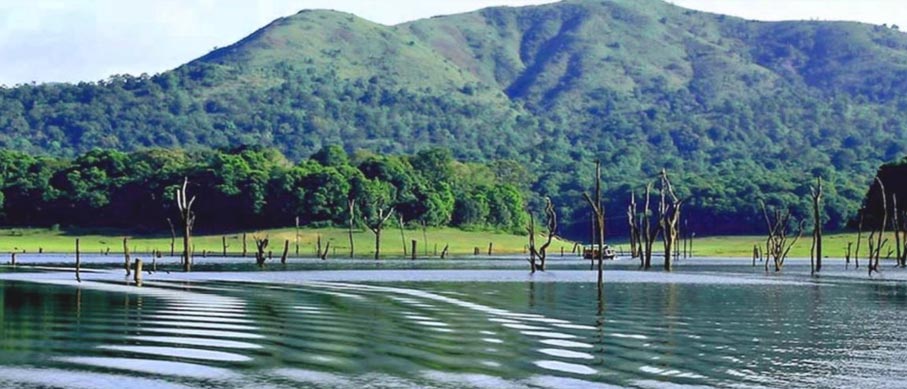
Imagine gliding across a mirror-smooth lake at dawn, watching mist rise off the water as wild elephants emerge from the forest to bathe, the sun painting the sky in brilliant oranges while birds call from the surrounding hills. This isn't a scene from a nature documentary—it's the daily reality at Periyar Lake in Thekkady, and it's one of South India's most mesmerizing natural experiences. Periyar Lake, also known as Thekkady Lake, is an artificial reservoir created by the Mullaperiyar Dam built in 1895. Spanning 26 square kilometers, this stunning body of water sits at the heart of the Periyar Tiger Reserve and has transformed this region into one of India's most unique ecosystems. What makes Periyar Lake special is its dual identity—it's both a lifeline for wildlife and a spectacular destination for nature lovers. For visitors to Thekkady, Periyar Lake is the main attraction and the stage upon which most wildlife experiences unfold. Whether you're on a boat safari watching elephants swim, bamboo rafting through remote sections, or simply enjoying the serene views from the shoreline, the lake provides a peaceful counterpoint to the dense forests that surround it. The landscape here is incredibly dramatic—steep forested hills rise directly from the water, creating a bowl-like effect that's breathtakingly beautiful, especially at sunrise and sunset. What sets Periyar Lake apart from other Indian lakes is its wildlife. This isn't just a pretty body of water—it's a crucial water source that attracts animals from miles around. During dry months, the lake becomes the area's only reliable water source, drawing elephants, gaur, sambar deer, and countless birds to its shores. For visitors, this means incredible wildlife viewing opportunities from the safety and comfort of a boat. The lake's history adds another layer of fascination. Built over 125 years ago by British engineers, the Mullaperiyar Dam was an engineering marvel of its time, diverting water eastward to Tamil Nadu. Today, the dam still stands, creating this beautiful lake while generating controversy between Kerala and Tamil Nadu over its safety and water sharing. It's a reminder of how human intervention can sometimes create unexpected ecological treasures.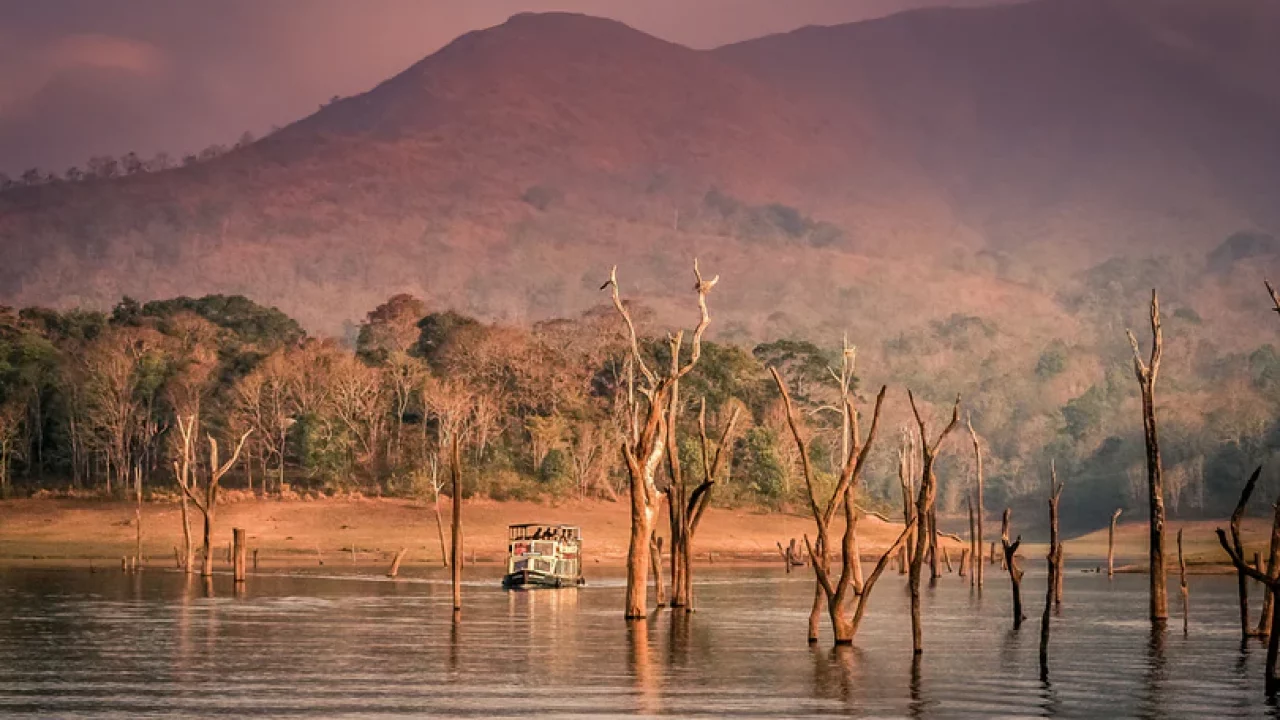
Formation & History of Periyar Lake
Understanding how Periyar Lake came to be adds depth to your visit.The Mullaperiyar Dam: Engineering Marvel
In the late 19th century, the British wanted to divert water from the west-flowing Periyar River eastward to the rain-shadow region of Madurai in Tamil Nadu. Construction of the Mullaperiyar Dam began in 1887 and was completed in 1895—a remarkable feat of engineering given the difficult terrain and limited technology of the era. The dam is 53.6 meters tall and 365.7 meters long, built with limestone and surkhi (a traditional mortar). It created a reservoir that submerged much of the existing forest, creating what we now know as Periyar Lake. What was once a valley became a lake, fundamentally transforming this ecosystem. The dam's design was ahead of its time. It incorporated features like overflow sections and inspection galleries that are still used today. More than 125 years later, the dam continues to function, though it's been the subject of ongoing safety concerns and political disputes between Kerala and Tamil Nadu.Ecological Transformation
When the lake was created, it submerged forests and grasslands, dramatically changing the local ecosystem. What emerged was a unique habitat—the combination of a permanent water body surrounded by dense tropical forest created ideal conditions for diverse wildlife. Animals that once ranged across larger territories became concentrated around the lake's shores. The constant water source meant wildlife could survive dry seasons that previously would have forced migration. Over time, the lake became the heart of the ecosystem, with animals developing regular routes to and from the water. Today, this human-made lake supports one of India's richest wildlife populations—a testament to nature's ability to adapt and sometimes even benefit from human changes to the landscape.Wildlife Around Periyar Lake
The lake is a wildlife magnet, attracting species throughout the day, especially during drier months.Asian Elephants: The Lake's Stars
Elephants are Periyar Lake's most famous and frequently seen visitors. These intelligent giants come to the lake daily—to drink, bathe, and socialize. Watching elephants from a boat is one of Thekkady's signature experiences. You'll often see elephant families—mothers leading babies through the water, submerging themselves to cool off, spraying water with their trunks. Sometimes you'll see solitary bulls, often with impressive tusks, feeding on aquatic plants at the lake's edge. The best time for elephant sightings is early morning (6:30-8:30 AM) when elephants are most active and the lake is calm. During summer (March-May), elephant sightings increase dramatically as more herds congregate around the lake.Gaur (Indian Bison): Forest Giants at the Water
Gaur are among the largest wild cattle species globally and are commonly seen at Periyar Lake, especially along grassy shorelines. These massive animals can weigh up to 1,000 kg and are impressive to see up close from a boat. You'll often spot gaur grazing near the water or wading in to cool off. They're generally peaceful but deserve respect—their size and strength make them potentially dangerous if threatened, which is why all viewing is from boats at a safe distance.Deer Species: Sambar, Spotted Deer & More
Several deer species frequent the lake's shores. Sambar deer—large, dark deer with impressive three-tined antlers—are commonly seen, often in groups of 5-15 animals. Spotted deer (chital) are abundant and frequently graze on forest edges near the water. Both species are most active during early morning and late afternoon. Watching a sambar stag standing in the mist at dawn, with antlers silhouetted against the rising sun, is one of Periyar Lake's most beautiful scenes.Birdlife: A Birding Paradise
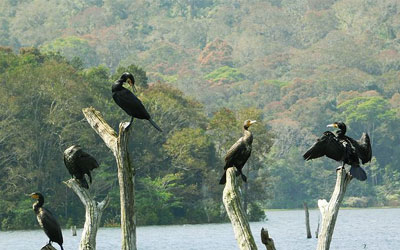
Periyar Lake is a birding paradise with 320+ bird species recorded in the surrounding reserve. The lake itself attracts numerous water birds:- Great Cormorants: Frequently seen perched on dead trees in the water, spreading their wings to dry.
- Darters (Snakebirds): Elegant birds with long, snake-like necks, often seen swimming with only their necks above water.
- Egrets & Herons: Multiple species including large egrets, pond herons, and grey herons fishing in shallow waters.
- Kingfishers: Both small blue kingfishers and larger stork-billed kingfishers are commonly seen hunting along the shore.
- Osprey: These fish eagles are sometimes seen soaring above the lake or diving for fish.
Reptiles & Other Wildlife
The lake supports various reptile species though they're less frequently seen. Monitor lizards sometimes swim in the lake, and various snake species inhabit the surrounding forests. The lake itself has fish including the famous mahseer, prized by anglers (though fishing is prohibited in the sanctuary). Otters occasionally seen playing in the water are a special treat—these playful, curious creatures are a joy to watch.Experiencing Periyar Lake
There are several ways to experience Periyar Lake, each offering a different perspective.Boat Safari: The Classic Lake Experience
The boat safari is the most popular and accessible way to experience Periyar Lake. Operated by the Kerala Forest Department, these 1.5-2 hour cruises take you around the lake perimeter, offering excellent wildlife viewing and spectacular scenery. Boat Details: The boats are large, motorized vessels that carry 40-60 passengers. They have covered seating areas and open decks for better viewing and photography. Boats depart from the main boat landing near the sanctuary entrance. Timing: Boat safaris operate from 6:30 AM to 11:00 AM and 2:30 PM to 5:30 PM. Each slot runs approximately 1.5-2 hours. Cost: Approximately ₹300 per person for Indian nationals and ₹1,000 for foreign nationals. Prices are subject to change—check the official Periyar Tiger Reserve website for current rates. Booking: Book online through the official Periyar Tiger Reserve website. Advance booking is highly recommended, especially for the popular 6:30 AM morning slot and during peak season (December-January). Tickets often sell out days in advance. Route: Boats typically follow a circular route around the lake, passing different habitats—open water, marshy edges, and forest-fringed shorelines. The boat stops frequently for wildlife viewing and photography. Best Slot: The 6:30 AM slot is undoubtedly the best. Wildlife is most active in the cool morning, the lake is often calm and misty, creating magical scenes, and you'll beat the heat and crowds. If you can only do one boat safari, make it the early morning one.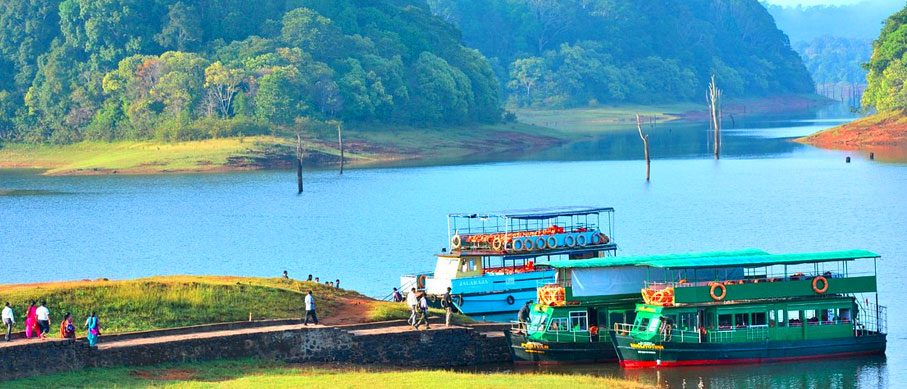
Bamboo Rafting: Into the Lake's Remote Corners
For the adventurous, bamboo rafting offers an intimate lake experience that takes you to parts of Periyar Lake that regular boats never reach. This full-day program is operated by the forest department with tribal guides who know these waters intimately. The Experience: You'll board a traditional bamboo raft that seats 4-6 people plus armed guards and guides. The raft is poled silently through the water, allowing you to approach wildlife more closely than motorized boats. The program includes 4+ hours on the lake combined with trekking through forest trails. Wildlife: This is your best chance for diverse wildlife sightings. You'll explore remote inlets and shoreline areas where animals are less accustomed to boats, offering more natural behavior. While tiger sightings are still rare, this program offers better chances than any other. Difficulty: This is a physically demanding program. You'll be sitting on a bamboo raft for hours (uncomfortable for some), trekking through forest trails, and exposed to the sun. Bring water, sunscreen, and be prepared for some discomfort. Cost & Booking: Approximately ₹1,500 per person including lunch and armed guard escort. Limited to 10 tourists per day with mandatory advance booking through the forest department. Book as early as possible—this program fills up weeks in advance during peak season.Lakeside Viewing: From the Shore
For those who prefer to stay on solid ground, there are several spots along the lake's perimeter where you can view wildlife from the shore. The area near the boat landing has watchtowers and viewpoints where you can sometimes see animals coming to drink, especially during quieter times. The Mullaperiyar Dam area offers excellent views of the lake and is worth visiting for the engineering spectacle alone. There's a viewpoint where you can see the dam structure and understand the scale of this engineering feat.Photography at Periyar Lake
Periyar Lake is a photographer's dream, offering opportunities for wildlife, landscape, and cultural photography.Best Times for Photography
Sunrise (6:30-7:30 AM): This is golden hour at its finest. Mist often hangs over the lake, creating ethereal scenes. The soft, golden light is perfect for wildlife photography. Elephants and other animals are most active. This is when you'll get your most atmospheric shots. Late Afternoon (4-5:30 PM): Golden light returns as the sun dips toward the horizon. The lake often calms down, creating mirror-like reflections. Wildlife becomes active again before nightfall. Overcast Days: Don't despair if it's cloudy. Overcast conditions provide soft, even light that's excellent for wildlife photography. Colors pop against grey skies, and you avoid harsh shadows that bright sun creates.Equipment Tips
- Telephoto Lens: Essential for wildlife. 200mm minimum, 400mm+ ideal for getting frame-filling shots from a distance.
- Wide-Angle Lens: For landscape shots showing the lake surrounded by forested hills.
- Camera Body: A camera with good high-ISO performance is useful for early morning shots when light is low.
- Binoculars: Essential for spotting wildlife before photographing it.
Best Time to Visit Periyar Lake
Winter (October to February): Ideal Season
Winter brings the best combination of weather and wildlife viewing. Pleasant temperatures (15-25°C) make boat rides comfortable. As summer fades and forest water sources dry up, wildlife congregates around the lake, increasing sighting chances significantly. December and January are peak season—best wildlife viewing but also biggest crowds. Book well in advance for winter visits. Winter mornings often have spectacular mist over the lake, creating unforgettable photographic opportunities.Summer (March to May): Excellent Wildlife, Warm Weather
As temperatures rise (30-35°C daytime) and water sources dwindle further, animal dependence on the lake increases. This is actually excellent for wildlife viewing—you'll often see large elephant herds, sometimes 20-30 animals, coming to drink. The big advantage of summer is fewer tourists. You'll have better boat availability and the lake feels less crowded. Plan safaris for early morning or late afternoon to avoid peak heat. Mornings can still be pleasantly cool.Monsoon (June to September): Dramatic but Limited
Monsoon brings intense rainfall and dramatic skies. The lake fills up, waterfalls cascade down surrounding hills, and the entire landscape turns impossibly green. It's beautiful but challenging for tourism. Boat safaris operate with reduced frequency or get cancelled due to rain. Views can be obscured by rain and mist. However, for photographers, monsoon offers dramatic cloud formations, rain on the water, and incredibly lush scenery. You'll also have places largely to yourself.Around Periyar Lake: Other Attractions
While the lake is the main attraction, the surrounding area offers complementary experiences.Mullaperiyar Dam Viewpoint
The 125-year-old Mullaperiyar Dam is an engineering marvel worth seeing. There's a viewpoint where you can view the dam structure and appreciate the scale of this historic project. The dam creates the lake and continues to be a subject of interstate water disputes between Kerala and Tamil Nadu.Spice Plantations
The area around Thekkady is famous for spice plantations. Cardamom, pepper, cinnamon, cloves, and vanilla grow in the forests surrounding the lake. Many plantations offer informative tours where you'll see how spices are grown and processed, and enjoy fragrant walks through cardamom and pepper plants.Periyar Tiger Reserve Museum
Located near the lake, this museum offers information about the sanctuary's wildlife, ecosystem, and conservation efforts. It's worth a quick visit to better understand what you're seeing on the lake.Where to Stay Near Periyar Lake
Luxury Resorts
- Spice Village - CGH Earth: Eco-luxury resort with tribal-style cottages. Excellent restaurant, beautiful grounds, and strong sustainability focus.
- Cardamom County: Upscale resort with excellent lake views, pool, and spa.
- Thekkady Wild Corridor: Modern luxury resort with convenient location near the sanctuary entrance.
Mid-Range Options
- Greenwoods Resort: Well-maintained property with pool and decent restaurant.
- Abad Green Forest: Good value resort with comfortable rooms and helpful staff.
Periyar Lake Budget
Realistic budget for a 2-day Periyar Lake experience for two.Mid-Range: ₹25,000-35,000
- Accommodation (2 nights): ₹6,000-10,000
- Boat safaris: ₹1,500-2,500
- Food: ₹4,000-7,000
- Transport: ₹6,000-10,000
- Activities: ₹3,000-5,000
- Miscellaneous: ₹4,500-500
Luxury: ₹50,000-80,000+
- Accommodation (2 nights): ₹16,000-30,000
- Special tours: ₹8,000-15,000 (bamboo rafting, etc.)
- Food: ₹8,000-15,000
- Transport: ₹10,000-15,000
- Activities: ₹5,000-8,000
Practical Tips for Visiting Periyar Lake
- Book safaris in advance through the official Periyar Tiger Reserve website, especially for 6:30 AM slot and peak season.
- Choose the early morning slot for the best wildlife sightings and most beautiful light.
- Bring binoculars—essential for spotting wildlife, especially birds.
- Carry a camera with zoom lens for wildlife photography from the boat.
- Wear neutral colors that blend with the forest environment.
- Bring sunscreen, sunglasses, and a hat—the lake reflects sun, making it brighter.
- Carry a light jacket for early morning boat rides—it can be chilly on the water.
- Insect repellent is recommended, especially for the boat landing area.
- Be patient and quiet—wildlife viewing requires silence and waiting.
- Follow forest department rules—no littering, no feeding animals, stay seated during boat safari.
How to Reach Periyar Lake
- By Air: Madurai Airport (Tamil Nadu) is 140 km away (3.5 hours). Cochin International Airport is 160 km (4.5 hours).
- By Train: Kottayam Railway Station is 110 km away (3 hours). Then taxi or bus to Thekkady.
- By Road: Thekkady is well connected—4.5 hours from Cochin (160 km), 3 hours from Munnar (90 km), 5 hours from Alleppey (150 km).
Combining Periyar Lake with Other Destinations
Periyar Lake + Munnar
After Thekkady's lake and forests, drive to Munnar (3 hours) for tea gardens and hill station romance. Wildlife plus mountains creates perfect contrast.Periyar Lake + Alleppey/Kumarakom
Combine Thekkady's lake with backwaters of Alleppey or Kumarakom (4-5 hours). Experience both mountain lake and tranquil backwaters.Complete Kerala Experience
Munnar (3 nights), Thekkady (2 nights), Alleppey (2 nights) for mountains, wildlife lake, and backwaters—the ultimate Kerala combination.Creating Unforgettable Periyar Lake Memories
Periyar Lake offers the kind of experience that reminds us why we travel—to witness nature's majesty, to see wild animals living freely, and to find peace in beautiful places. Whether you're watching wild elephants at dawn, photographing colorful birds, or simply breathing in the crisp mountain air surrounded by water and forest, Periyar Lake connects you with something larger than yourself. What makes this place special is its timelessness. The lake has existed for over 125 years, surrounded by forests that are millions of years old, hosting wildlife that has roamed here for millennia. When you're on that boat, watching elephants do what their ancestors have done for centuries, you're briefly part of this ancient continuity. It's a profound feeling that stays with you long after you've returned home. For more on Thekkady's incredible wildlife sanctuary, check out our complete Periyar Tiger Reserve guide. If you're exploring Kerala beyond Thekkady, our guides on Munnar hill station and Alleppey backwaters have everything you need to plan the perfect Kerala trip. For more incredible lakes in South India, our Kerala lakes guide showcases the state's most beautiful water bodies.Location
Frequently Asked Questions
Q1.What is the best time to visit Periyar Lake?
The best time to visit Periyar Lake is from October to February (winter season). Weather is pleasant (15-25°C), making boat safaris comfortable. As forest water sources dry up, wildlife congregates around the lake, increasing sighting chances significantly. December and January offer the best wildlife viewing and beautiful misty mornings, but also have the biggest crowds. Summer (March-May) also offers excellent wildlife viewing as animals depend more on the lake, with fewer tourists. For the best experience, choose the 6:30 AM boat safari slot year-round for optimal wildlife sightings and photography.
Q2.How much does Periyar Lake boat safari cost?
Periyar Lake boat safari costs approximately ₹300 per person for Indian nationals and ₹1,000 for foreign nationals. The 1.5-2 hour boat cruise is operated by the Kerala Forest Department. Prices are subject to change, so check the official Periyar Tiger Reserve website for current rates. Book online in advance through the forest department website, especially for the popular 6:30 AM morning slot and during peak season (December-January) when tickets sell out days in advance. The cost is excellent value for the wildlife viewing experience.
Q3.Can we see elephants at Periyar Lake?
Yes, elephants are frequently seen at Periyar Lake, and they're the main attraction for most visitors. Wild Asian elephants come to the lake daily to drink, bathe, and socialize. From the boat, you can watch elephant families with babies, solitary bulls with impressive tusks, and sometimes large herds of 20+ animals, especially during summer months. The best time to see elephants is early morning (6:30-8:30 AM) when they're most active. During drier months (March-May), elephant sightings increase dramatically as more herds congregate around the lake's shores.
Q4.What is the Mullaperiyar Dam and Periyar Lake connection?
Periyar Lake is an artificial reservoir created by the Mullaperiyar Dam, built in 1895 by British engineers. The dam, 53.6 meters tall and 365.7 meters long, was built to divert water from the west-flowing Periyar River eastward to Tamil Nadu's rain-shadow region. When completed, the dam submerged existing forests and valleys, creating the 26-square-kilometer Periyar Lake we see today. This human-made lake transformed the local ecosystem, creating a year-round water source that now supports incredible wildlife diversity. The 125-year-old dam still stands and functions, though it's been the subject of safety concerns and interstate water disputes.
Q5.Is bamboo rafting on Periyar Lake worth it?
Bamboo rafting on Periyar Lake is absolutely worth it for adventurous nature enthusiasts. This full-day program (8 AM to 5 PM) takes you to remote parts of the lake that regular boat safaris never reach. You'll board a traditional bamboo raft poled silently through the water with tribal guides and armed guards, offering intimate wildlife viewing experiences. The program includes 4+ hours on the lake plus trekking through forest trails. Limited to 10 tourists per day, costing approximately ₹1,500 per person including lunch. It's physically demanding but offers your best chance for diverse wildlife sightings and pristine forest experiences. Book well in advance through the forest department.
Q6.What wildlife can be seen at Periyar Lake?
Periyar Lake supports incredible wildlife diversity. Most commonly seen are Asian elephants (frequently spotted bathing and drinking), gaur or Indian bison (massive wild cattle), sambar deer and spotted deer (often in groups near shores), and wild boar. Birdlife is abundant—320+ species including great cormorants, darters, egrets, herons, kingfishers, and if lucky, the magnificent Great Hornbill. With extreme luck, you might see otters playing in the water or even tigers (though incredibly rare). The lake is a birding paradise and offers excellent photography opportunities. Early morning safaris offer the best wildlife viewing chances.
Q7.How to book Periyar Lake boat safari?
Book Periyar Lake boat safari online through the official Periyar Tiger Reserve website (periyartigerreserve.org). Advance booking is highly recommended, especially for the popular 6:30 AM morning slot and during peak season (December-January, weekends). Tickets often sell out days in advance. You can choose your preferred time slot during booking. Payment is made online, and you'll receive a confirmation email to show at the boat landing. Arrive 30 minutes before your scheduled time for check-in. Same-day tickets are sometimes available at the counter but aren't guaranteed, especially during busy periods.
Q8.What should I carry for Periyar Lake boat safari?
Essential items for Periyar Lake boat safari include binoculars (crucial for spotting wildlife), camera with zoom lens (200mm minimum, 400mm+ ideal), sunscreen and sunglasses (the lake reflects sun), and a hat or cap for shade. Carry a light jacket or sweater for early morning safaris—it can be chilly on the water. Insect repellent is recommended. Wear neutral-colored clothing that blends with the forest. Comfortable, closed shoes with good grip are recommended. Bring water and snacks if needed, though you can buy these near the boat landing. Don't forget to carry your ID proof and safari booking confirmation.
Recommended For You
Romance
Alleppey Honeymoon: Backwaters, Houseboats & Canal Dreams
Complete Alleppey honeymoon guide with houseboats, backwaters, beaches & 3-day itinerary. Experience Kerala's Venice of the East on your romantic getaway.
Feb 19Read More
Romance
Munnar Honeymoon: 2-3 Day Itinerary, Budget & Couple Tips
Plan your Munnar honeymoon with practical 2-3 day itineraries, romantic experiences, stay-area guidance, and season-smart travel tips.
Feb 7Read More
Wildlife
Thekkady Wildlife Sanctuary: Periyar Safari, Boating & Travel Plan
Complete Thekkady Wildlife Sanctuary guide. Periyar Tiger Reserve safaris, best time to visit, wildlife to spot, bamboo rafting & 2-day itinerary.
Feb 19Read More
Never Miss an Adventure
Get the latest trekking guides, travel tips, and exclusive offers delivered straight to your inbox.
