
Wildlife
Thekkady Wildlife Sanctuary: Periyar Safari, Boating & Travel Plan

Neha Kapoor
February 19, 2026
15 min read2,490 views
Complete Thekkady Wildlife Sanctuary guide. Periyar Tiger Reserve safaris, best time to visit, wildlife to spot, bamboo rafting & 2-day itinerary.
Why Thekkady Wildlife Sanctuary is Kerala's Ultimate Wildlife Experience
Imagine walking through dense tropical forests where the silence is broken only by bird calls, spotting wild elephants bathing in a pristine lake, watching elusive tigers leave paw prints on forest trails, and experiencing one of India's most diverse ecosystems up close. Welcome to Thekkady Wildlife Sanctuary (Periyar Tiger Reserve), Kerala's premier wildlife destination and an experience that belongs on every nature lover's bucket list. Located in the Cardamom Hills of the Western Ghats, Thekkady is home to the Periyar Tiger Reserve—one of India's 50 tiger reserves and among its most successful wildlife conservation projects. What makes Periyar special is its unique ecosystem centered around Periyar Lake, created by the Mullaperiyar Dam in 1895. This human-made lake transformed the landscape, creating a stunning habitat that attracts wildlife year-round. For wildlife enthusiasts and adventure seekers, Thekkady offers something rare: the opportunity to see diverse wildlife in a relatively accessible, well-managed reserve. Unlike many Indian parks where sightings are purely luck, Periyar's design—with the lake at its center—increases your chances of memorable encounters significantly. Whether you're on a boat safari watching elephants swim, trekking through forest trails with tribal guides, or taking a unique bamboo rafting trip, Thekkady delivers wildlife experiences that stay with you forever. The sanctuary spans 925 square kilometers of protected area, encompassing evergreen and moist deciduous forests, grasslands, and the stunning Periyar Lake. The biodiversity here is incredible—62 mammal species, 320 bird species, 45 reptile species, 38 fish species, and 160 butterfly species have been recorded. It's a living laboratory of nature, where every visit brings new discoveries.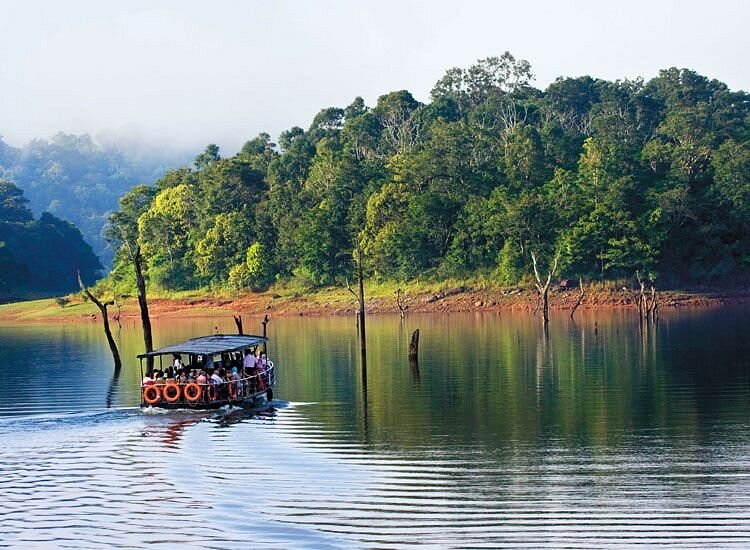
Best Time to Visit Thekkady Wildlife Sanctuary
Choosing when to visit Thekkady significantly impacts your wildlife viewing experience. Here's what you need to know about seasons and wildlife sightings.Winter (October to February): Peak Season
Winter is undoubtedly the best time for wildlife sightings in Thekkady. The weather is pleasant (15-25°C), making outdoor activities comfortable. More importantly, as summer heat fades and water sources in the forest dry up, animals congregate around Periyar Lake—your chances of seeing elephants, gaur (Indian bison), sambar deer, and if you're incredibly lucky, tigers, increase dramatically. December and January are peak season, bringing the best sightings but also the biggest crowds. Boat safaris sell out days in advance, and the sanctuary can feel busy. If you're visiting during winter, book your safaris online through the official Periyar Tiger Reserve website well in advance. The winter landscape is beautiful—mornings often have mist hanging over the lake, creating ethereal scenes as you cruise past elephants bathing. The light is perfect for photography, and the comfortable temperatures mean you can spend hours exploring without fatigue.Summer (March to May): Good Sightings, Fewer Crowds
Summer brings heat (30-35°C) but also excellent wildlife viewing. As water sources dwindle further, animal dependence on the lake increases. You'll often see large herds of elephants, sometimes 20-30 animals, coming to drink and bathe. Gaur, sambar, and wild boar are frequently spotted at the water's edge. The big advantage of summer is significantly fewer tourists. You'll have better boat safari availability, and the sanctuary feels more peaceful. Mornings and evenings are still pleasant enough for activities—plan treks and safaris for early morning or late afternoon to avoid peak heat. Summer also brings beautiful blooming trees and clearer views through the forest as undergrowth dries out. Photography is excellent in the golden hour light.Monsoon (June to September): Lush but Limited
The monsoon transforms Thekkady into an impossible shade of green. The forest comes alive—waterfalls flow spectacularly, streams burst their banks, and the entire region vibrates with life. It's beautiful but challenging for wildlife tourism. Many activities, including boat safaris, operate with reduced frequency or get cancelled due to rain. Forest trails become muddy and slippery. However, for hardy wildlife enthusiasts, monsoon has its rewards—you'll see the forest at its most vibrant, bird watching is excellent, and you'll have places almost entirely to yourself. Some activities like the bamboo rafting program may be suspended during heavy rain. Check with the forest department before planning a monsoon visit.Wildlife You Can Spot in Thekkady
Thekkady's biodiversity is among the richest in India. Here's what you might encounter on your visit.Elephants: The Stars of Periyar
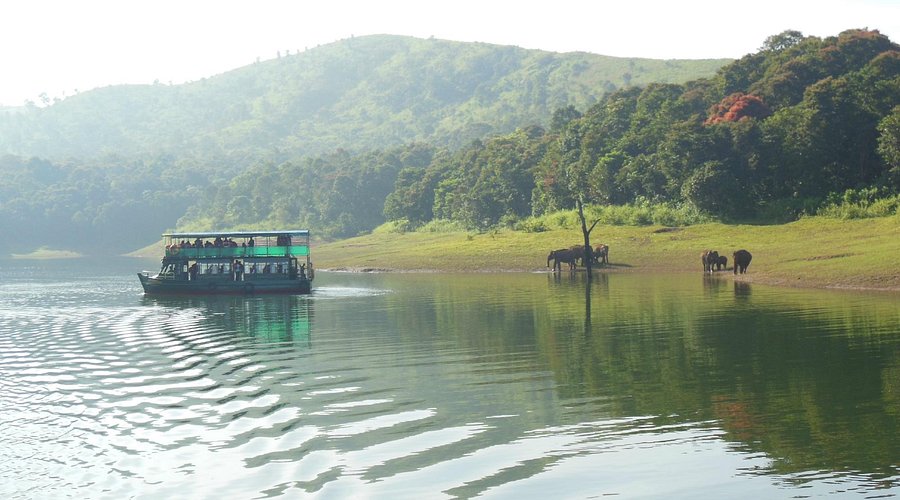
Asian elephants are Thekkady's biggest attraction and the animals you're most likely to see. Periyar has a healthy elephant population, and these intelligent giants are frequently spotted around the lake, especially during summer and winter mornings. Watching wild elephants from a boat is an unforgettable experience. You'll see mothers guiding babies through the water, bulls feeding on aquatic plants, and herds socializing on the banks. The boat maintains a respectful distance, but you're close enough to see their trunks, ears, and incredible expressions. Early morning boat safaris (6:30 AM) offer the best elephant sightings. The lake is calm, mist hangs over the water, and elephants are most active before the heat sets in.Tigers: Elusive Royals
Periyar is a tiger reserve, and while these magnificent cats are here, sighting them is purely a matter of extraordinary luck. The reserve has around 35-40 tigers, but they're masters of camouflage and prefer dense forest where they can't be seen. Very few visitors actually see tigers in Thekkady—perhaps 1-2% of tourists. However, even without sightings, knowing you're in tiger territory adds excitement to every forest walk. You'll likely see tiger pug marks (footprints) on trails, scratch marks on trees, and if you're lucky, hear their calls in the distance. For serious tiger enthusiasts, the Nature Walk and Bamboo Rafting programs offer better chances than boat safaris—these take you deeper into tiger habitat.Gaur (Indian Bison): Massive Forest Giants
Gaur are among the largest wild cattle species and are commonly seen in Thekkady, especially around the lake edges. These impressive animals can weigh up to 1,000 kg and are often spotted grazing in herds or cooling off in the water. Seeing a gaur up close is awe-inspiring—their muscular build, distinctive white stockings, and curved horns create a striking appearance. They're generally shy but can be aggressive if threatened, which is why viewing is always from a safe distance on boats or watchtowers.Other Mammals
Thekkady is home to numerous other mammal species. Sambar deer (large, dark deer with impressive antlers) are commonly seen, often in large groups near the water. Spotted deer (chital) are abundant and frequently graze on forest edges. Wild boar are often seen rooting around, and if you're lucky, you might spot the elusive Nilgiri langur (a primate species endemic to the Western Ghats) or lion-tailed macaque.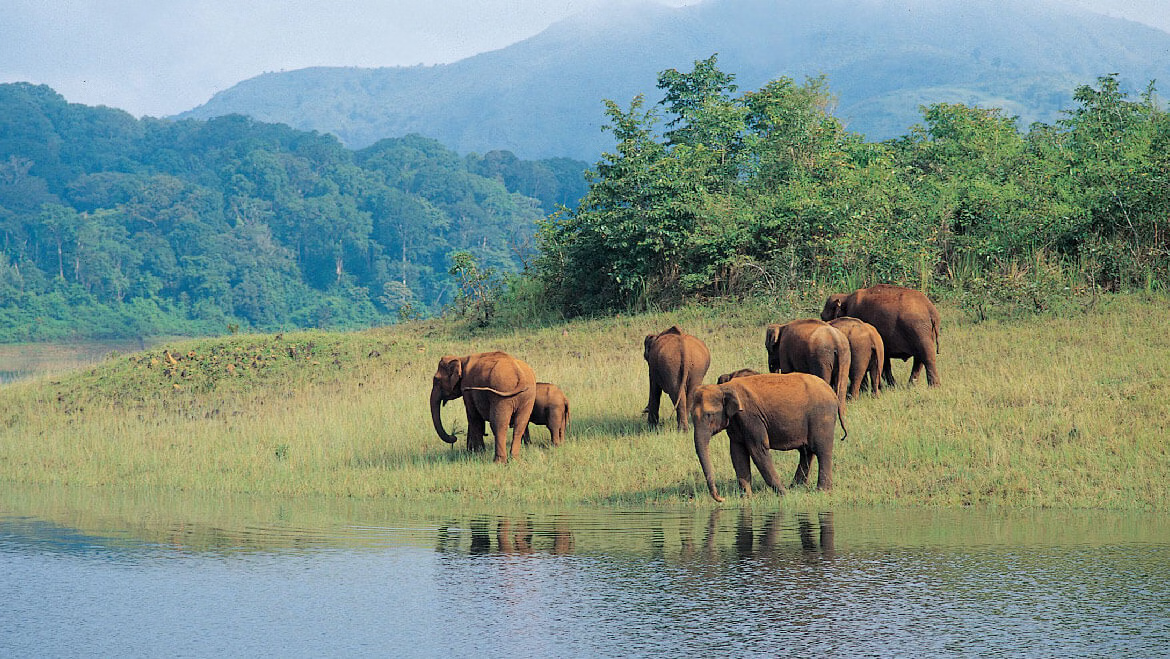
Birds: A Paradise for Bird Watchers
With 320+ bird species recorded, Thekkady is a birding paradise. The lake attracts numerous water birds including great cormorants, darters (snakebirds), egrets, herons, and kingfishers. The forest is alive with songbirds—woodpeckers, drongos, barbets, and if you're lucky, the magnificent Great Hornbill or the rare Malabar Trogon. Early morning is best for birding. The bamboo rafting and nature walk programs offer excellent opportunities for forest bird species, while boat safaris are better for water birds.Top Wildlife Experiences in Thekkady
Thekkady offers diverse ways to experience wildlife, each providing a different perspective on the forest.Boat Safari on Periyar Lake: The Classic Experience
The boat safari is Thekkady's most popular activity and for good reason—it's accessible, relatively affordable, and offers excellent wildlife viewing around the lake perimeter. Boats depart from the boat landing near the sanctuary entrance and cruise for 1.5-2 hours. The boat slowly circles the lake, stopping frequently for wildlife viewing. You'll pass through different habitats—open water, marshy edges, and forest fringe—each attracting different species.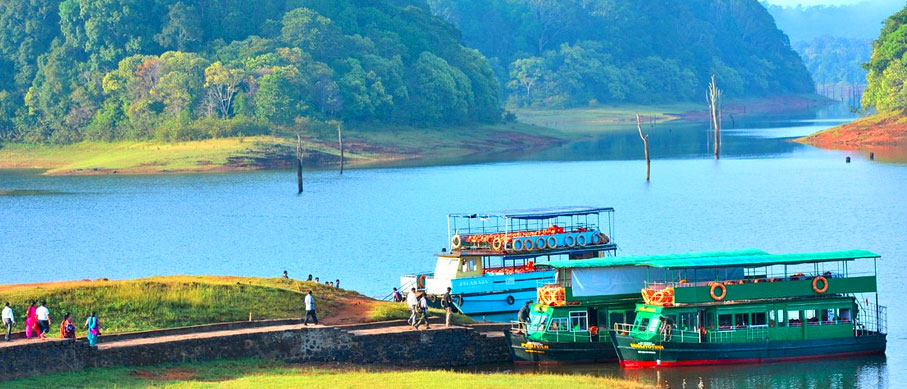 Boat safaris run from 6:30 AM to 11:00 AM and 2:30 PM to 5:30 PM. Morning slots are generally better for wildlife sightings and photography. The boat costs around ₹300 per person for Indians and ₹1,000 for foreigners.
Pro tip: Book the first slot (6:30 AM) for the best experience. Animals are most active in the cool morning, and the lake is often calm and misty, creating magical scenes.
Boat safaris run from 6:30 AM to 11:00 AM and 2:30 PM to 5:30 PM. Morning slots are generally better for wildlife sightings and photography. The boat costs around ₹300 per person for Indians and ₹1,000 for foreigners.
Pro tip: Book the first slot (6:30 AM) for the best experience. Animals are most active in the cool morning, and the lake is often calm and misty, creating magical scenes.
Bamboo Rafting: The Ultimate Wildlife Adventure
For serious wildlife enthusiasts, the Bamboo Rafting program is Thekkady's premier experience. This full-day program takes you deep into the core forest area, accessible only by this specialized tour. You'll board a traditional bamboo raft with armed guards and tribal guides who know the forest intimately. The raft silently glides through remote parts of the lake and forest, offering chances to see wildlife that boat tours rarely encounter. It's physically demanding but incredibly rewarding. The program runs from 8 AM to 5 PM and includes a packed lunch, trekking through forest trails, and about 4 hours on the raft. Limited to 10 tourists per day with advance booking mandatory through the forest department. Cost is approximately ₹1,500 per person. This is your best chance for tiger sightings, though still rare. You'll definitely see more elephants, gaur, and other wildlife, plus pristine forest sections few tourists ever visit.Nature Walk: Forest Trails with Tribal Guides
The Nature Walk program offers a different perspective—exploring the forest on foot with expert tribal guides who've lived in these forests for generations. These 3-4 hour walks take you through diverse habitats and offer opportunities to see smaller wildlife, birds, and plants that boat-based tours miss. Groups are limited to 5 people, and two armed guards accompany each group. The terrain can be steep and trails sometimes muddy, but the immersion in the forest is incomparable. You'll learn about medicinal plants, track animals, and experience the forest as the tribal communities do. Walks depart at 7 AM and cost around ₹500 per person. Booking in advance is recommended, especially during peak season.Periyar Tiger Trail: Overnight Camping
For the ultimate adventure, the Periyar Tiger Trail offers overnight camping in the forest. This multi-day program involves trekking deep into the reserve, camping in tents, and experiencing the forest at night—when it's most alive. Limited to small groups with advance booking, this program is physically demanding but offers the most authentic wildlife experience possible. You'll camp at designated sites, eat food prepared by guides, and possibly hear tigers calling at night—an incredible, spine-tingling experience.Border Hiking: Ridge Walk with Views
Border Hiking is a challenging full-day program that takes you along the forest boundary, following ridgelines with spectacular views of the sanctuary below. You'll traverse different forest types, climb up and down steep hills, and see the landscape from a unique vantage point. This program offers excellent exercise plus chances to see wildlife that inhabit higher elevations. Like all trekking programs, you're accompanied by armed guards and tribal guides.Periyar Lake: The Heart of the Sanctuary
Periyar Lake isn't just beautiful scenery—it's the lifeblood of the sanctuary. Created by the Mullaperiyar Dam built in 1895, the 26-square-kilometer lake transformed this ecosystem into what we see today. The lake provides year-round water for wildlife, which is why animals congregate here especially during dry months. It's also a birding hotspot, attracting numerous water bird species. The lake's varying depth and shoreline habitats—from marshy edges to steep forested banks—support diverse wildlife. Boat safaris are the best way to experience the lake, but you can also walk along certain sections of the shore near the sanctuary entrance. The Mullaperiyar Dam itself is an engineering marvel worth viewing—it's over 120 years old and still functional.Beyond Wildlife: Other Thekkady Experiences
While wildlife is Thekkady's main draw, the area offers other experiences that complement your sanctuary visit.Spice Plantation Tours
Thekkady is surrounded by spice plantations that grow cardamom, pepper, cinnamon, cloves, and vanilla. Many plantations offer informative tours where you'll see how these spices are grown, processed, and learn about their history and uses. Walking through fragrant cardamom plants and pepper vines is a sensory experience. Many tours include spice tastings and the opportunity to buy fresh spices directly—a great way to support local farmers.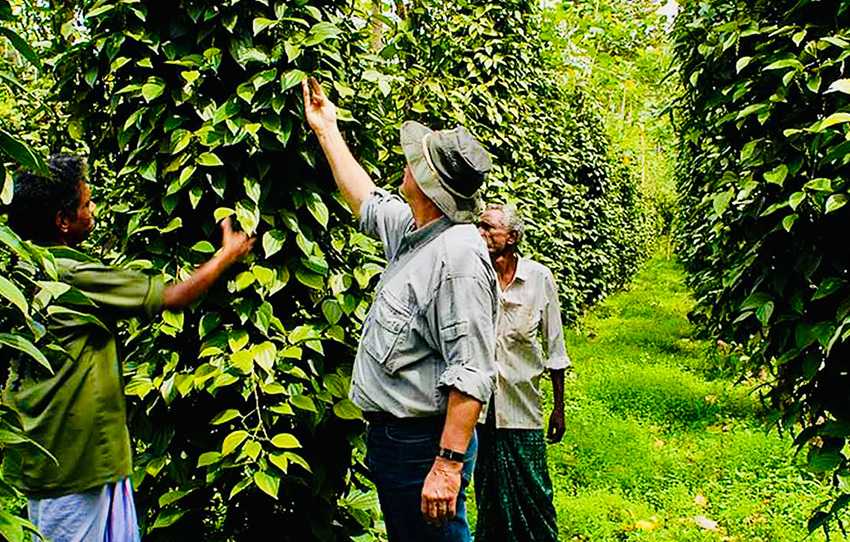
Elephant Junction: Ethical Elephant Experiences
Elephant Junction offers elephant experiences including feeding, bathing, and short rides. While elephant riding is controversial, this facility is generally better than many in Kerala—animals appear well-cared-for, and the focus is more on education and interaction than riding. If you choose to visit, prioritize the feeding and bathing experiences over riding. Always research any elephant facility carefully to ensure ethical treatment of animals.Kathakali Performance: Traditional Kerala Art
Thekkady has excellent Kathakali centers where you can watch this traditional Kerala dance-drama. Performances typically happen in the evening (6-7 PM) and include a detailed explanation of the elaborate makeup, costumes, and storytelling. It's a wonderful cultural experience that complements your wildlife adventures. Most shows last 1-2 hours and cost around ₹200-300 per person.Kalaripayattu: Kerala's Martial Art
Kalaripayattu is one of the world's oldest martial arts, and Thekkady has excellent centers where you can watch demonstrations. Performances showcase weapons, agile movements, and traditional training methods. Shows typically happen in the late afternoon or evening. It's impressive to watch and provides insight into Kerala's rich cultural heritage.Where to Stay in Thekkady
Thekkady offers accommodation options across all budgets.Luxury Resorts (₹8,000-15,000+ per night)
- Spice Village - CGH Earth: Eco-luxury resort with individual cottages designed like tribal dwellings. Excellent food, beautiful grounds, and strong sustainability focus.
- Cardamom County: Upscale resort with excellent views, pool, and spa. Good restaurant and convenient location.
- Thekkady Wild Corridor: Modern luxury resort with spacious rooms, pool, and close proximity to the sanctuary entrance.
Mid-Range Hotels (₹3,000-8,000 per night)
- Greenwoods Resort: Well-maintained property with comfortable rooms, pool, and decent restaurant.
- Abad Green Forest: Good value resort with clean rooms, pool, and helpful staff.
- Sandra Palace: Budget-friendly option with basic but clean rooms and restaurant.
Homestays (₹1,500-3,000 per night)
For authentic local experience, several homestays in the area offer basic rooms and home-cooked meals. You'll get Kerala hospitality and insider tips for wildlife viewing.Thekkady Travel Budget
Realistic budget for a 2-day Thekkady trip for two.Mid-Range: ₹25,000-40,000
- Accommodation (2 nights): ₹6,000-12,000
- Safari tickets: ₹1,500-3,000
- Food: ₹4,000-7,000
- Transport: ₹6,000-10,000
- Activities: ₹3,000-5,000
- Miscellaneous: ₹4,500-3,000
Luxury: ₹50,000-80,000+
- Accommodation (2 nights): ₹16,000-30,000
- Special tours: ₹8,000-15,000 (bamboo rafting, etc.)
- Food: ₹8,000-15,000
- Transport: ₹10,000-15,000
- Activities: ₹5,000-10,000
How to Reach Thekkady
- By Air: Madurai Airport (Tamil Nadu) is 140 km away (3.5 hours). Cochin International Airport is 160 km away (4.5 hours).
- By Train: Kottayam Railway Station is 110 km away (3 hours). Then take a taxi or bus to Thekkady.
- By Road: Thekkady is well connected by road. From Cochin: 4.5 hours (160 km). From Munnar: 3 hours (90 km). From Alleppey: 5 hours (150 km).
2-Day Thekkady Itinerary
Day 1: Arrival & Boat Safari
Arrive in Thekkady by afternoon. Check into your hotel and rest. Visit a spice plantation in the late afternoon. Evening Kathakali or Kalaripayattu show. Dinner and overnight stay.Day 2: Safari & Departure
Early morning boat safari on Periyar Lake (6:30 AM slot). Breakfast and rest. Morning nature walk OR bamboo rafting (if booked in advance). Lunch, then depart for your next destination or return journey.Practical Tips for Thekkady Visit
- Book safaris in advance through the official Periyar Tiger Reserve website, especially for weekends and peak season.
- Choose early morning slots for better wildlife sightings and photography.
- Wear neutral colors—green, brown, or khaki that blends with the forest.
- Bring binoculars—essential for spotting wildlife, especially birds.
- Carry sunscreen, hat, and insect repellent—forest activities expose you to the elements.
- Wear comfortable walking shoes with good grip for trekking programs.
- Be quiet and patient—wildlife viewing requires silence and waiting.
- Follow forest department rules—don't litter, don't feed animals, stay with your group.
Beyond Thekkady: Combining with Other Destinations
Thekkady combines beautifully with other Kerala destinations.Thekkady + Munnar
After Thekkady's wildlife, drive to Munnar (3 hours) for hill station romance and tea gardens. Wildlife plus mountains creates a diverse Kerala experience.Thekkady + Alleppey/Kumarakom
Combine Thekkady's forests with Alleppey or Kumarakom's backwaters (4-5 hours drive). You'll experience both jungle and water ecosystems.Complete Kerala Circuit
Munnar (3 nights), Thekkady (2 nights), Alleppey (2 nights) for mountains, wildlife, and backwaters—the ultimate Kerala combination.Creating Unforgettable Thekkady Memories
Thekkady Wildlife Sanctuary offers the kind of wildlife experience that stays with you forever—watching wild elephants from a boat as mist rises off the lake, trekking through forests that feel unchanged from ancient times, and knowing that somewhere in those trees, tigers are moving silently. Whether you're spotting gaur at the water's edge, watching great hornbills fly overhead, or simply breathing in the rich forest air, Thekkady connects you with wild nature in profound ways. What makes Thekkady special is its accessibility combined with authenticity. You don't need to be an experienced wildlife enthusiast or spend a fortune on exclusive safaris. A simple boat ride can bring you face-to-face with wild elephants, and a basic nature walk introduces you to forest wonders few people ever see. The sanctuary manages to be welcoming while remaining genuinely wild—a rare and precious balance. For more on Kerala's incredible destinations, check out our guides on Munnar hill station, Alleppey backwaters, and the complete Kerala wildlife guide. If you're planning a broader South India adventure, our Kerala travel guide has everything you need to plan the perfect trip.Location
Frequently Asked Questions
Q1.What is the best time to visit Thekkady for wildlife sightings?
The best time for wildlife sightings in Thekkady is from October to February (winter season). Weather is pleasant (15-25°C), and as water sources in the forest dry up, animals congregate around Periyar Lake—increasing your chances of seeing elephants, gaur, sambar deer, and possibly tigers. December and January are peak season with the best sightings but also biggest crowds. Summer (March-May) also offers excellent wildlife viewing as animals depend more on the lake, with fewer tourists. Morning boat safaris (6:30 AM slot) offer the best sightings year-round.
Q2.How can I see tigers in Thekkady?
Tiger sightings in Thekkady's Periyar Tiger Reserve are rare and purely a matter of luck. The reserve has around 35-40 tigers, but they're elusive and prefer dense forest. Only 1-2% of visitors actually see tigers. However, you might see tiger pug marks (footprints) on forest trails, scratch marks on trees, or hear their calls. For better chances, choose specialized programs like the Bamboo Rafting or Periyar Tiger Trail which take you deeper into tiger territory. Remember that even without sightings, being in a tiger reserve is an incredible experience.
Q3.What is the cost of Periyar Lake boat safari?
Periyar Lake boat safari costs approximately ₹300 per person for Indian nationals and ₹1,000 for foreign nationals. The 1.5-2 hour boat cruise operates from 6:30 AM to 11:00 AM and 2:30 PM to 5:30 PM. Prices are subject to change, so check the official Periyar Tiger Reserve website for current rates. Book in advance online through the forest department website, especially for weekends and peak season (December-January). The first slot (6:30 AM) is best for wildlife sightings and sells out fastest.
Q4.Is bamboo rafting in Thekkady worth it?
Bamboo rafting in Thekkady is absolutely worth it for serious wildlife enthusiasts. This full-day program (8 AM to 5 PM) takes you deep into the core forest area, accessible only through this specialized tour. You'll silently glide through remote sections of Periyar Lake with tribal guides and armed guards, offering chances to see wildlife that boat tours rarely encounter. It's physically demanding but incredibly rewarding. Limited to 10 tourists per day, costing around ₹1,500 per person including lunch. This is your best chance for diverse wildlife sightings and pristine forest experiences. Book well in advance through the forest department.
Q5.How many days are enough for Thekkady?
Two days is ideal for Thekkady. This allows for a morning boat safari on Periyar Lake (day 1), spice plantation visit, cultural show in the evening, and either a nature walk or bamboo rafting program on day 2 before departure. If you're combining Thekkady with other Kerala destinations like Munnar or Alleppey, 2 nights in Thekkady works well. For a wildlife-focused standalone trip, you could spend 3 days doing all the trekking programs—bamboo rafting, nature walk, and border hiking—but 2 days is sufficient for most visitors.
Q6.What wildlife can we see in Thekkady?
Thekkady is home to incredible biodiversity. You're most likely to see Asian elephants (frequently spotted around the lake), gaur or Indian bison (massive wild cattle), sambar deer and spotted deer (common), and wild boar. With luck, you might see Nilgiri langur, lion-tailed macaque, or if extremely lucky, tigers. Birdlife is abundant—320+ species including great hornbills, darters, egrets, herons, kingfishers, and numerous forest birds. Reptiles include various snake species and monitor lizards. The lake also has fish and sometimes otters. Morning boat safaris offer the best chances for mammal sightings, while all activities are excellent for birding.
Q7.What should I wear for Thekkady wildlife sanctuary?
Wear neutral-colored clothing—greens, browns, or khaki that blends with the forest. Avoid bright colors or white that can disturb wildlife. Comfortable walking shoes with good grip are essential, especially for trekking programs. Carry a light jacket or sweater for early morning boat safaris—it can be chilly on the lake. Sunscreen, sunglasses, and a hat are necessary for sun protection. Insect repellent is highly recommended. For trekking programs like bamboo rafting, wear long pants and full-sleeved shirts for protection from thorns and insects. Don't forget binoculars and a camera with zoom lens for wildlife photography.
Q8.How to reach Thekkady from major cities?
Thekkady is accessible by air, train, and road. By Air: Madurai Airport (Tamil Nadu) is 140 km (3.5 hours), Cochin International Airport is 160 km (4.5 hours). By Train: Kottayam Railway Station is 110 km (3 hours)—then take a taxi or bus to Thekkady. By Road: Thekkady is well connected—4.5 hours from Cochin (160 km), 3 hours from Munnar (90 km), 5 hours from Alleppey (150 km), and 6 hours from Trivandrum. The roads are scenic but winding through the hills. Private taxis are the most convenient option for the road journey.
Recommended For You
Adventure
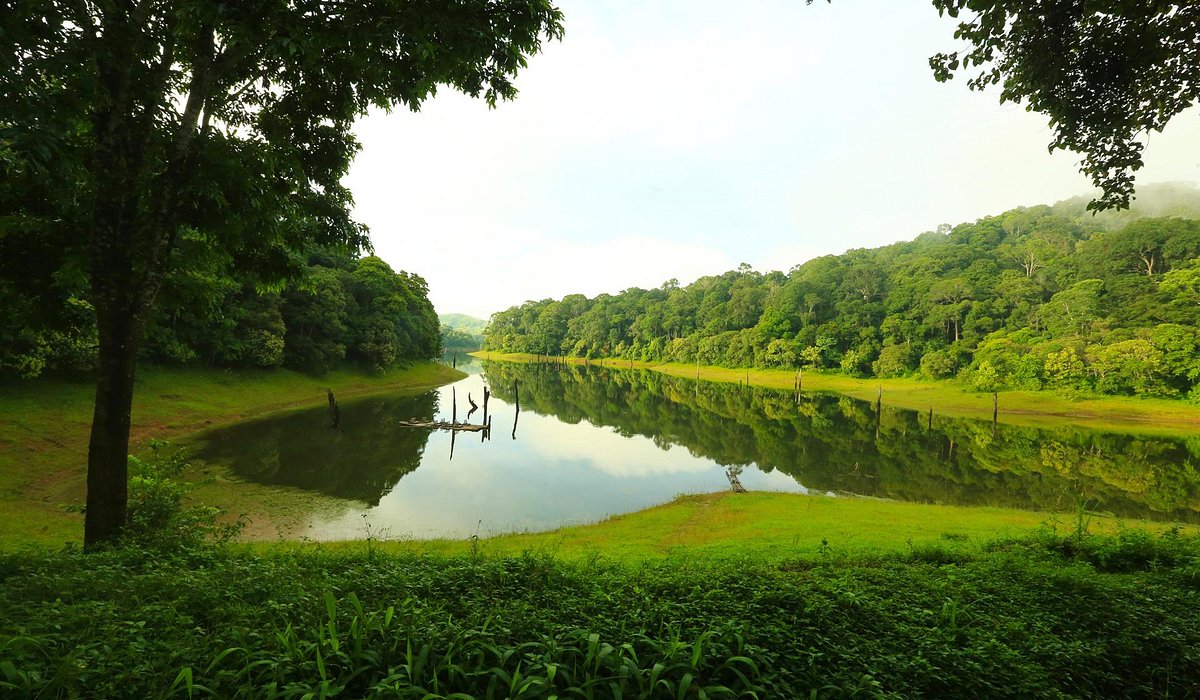
Thekkady Adventure Activities: Complete Guide to Periyar Wildlife Experiences
Complete guide to Thekkady adventure activities including Periyar boating, bamboo rafting, border hiking, nature walks, tiger trail camping, prices, best time, and booking tips.
Feb 18Read More
Wildlife
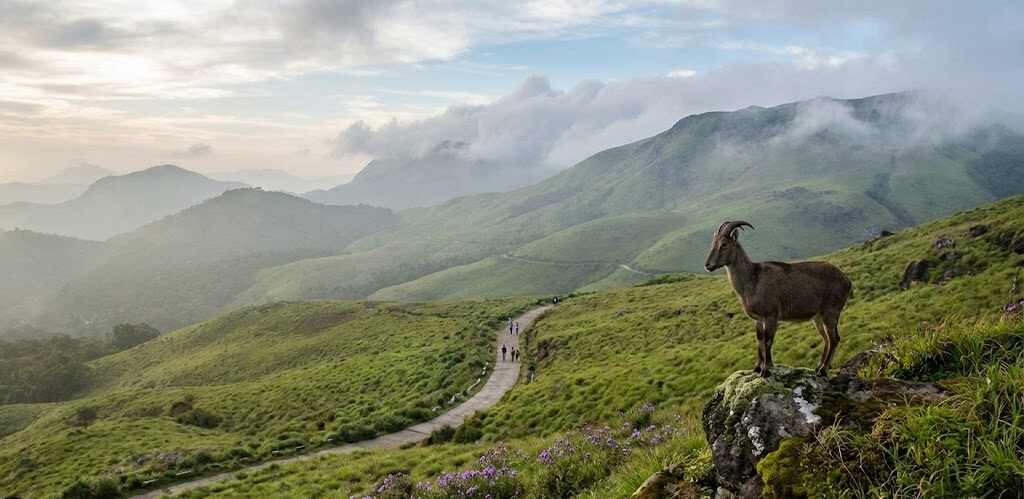
National Parks in Kerala: Wildlife Zones, Safari Types & Travel Tips
Explore Kerala's national parks with this complete wildlife travel guide featuring Eravikulam, Periyar, Silent Valley, and more with practical planning tips.
Feb 18Read More
Wildlife
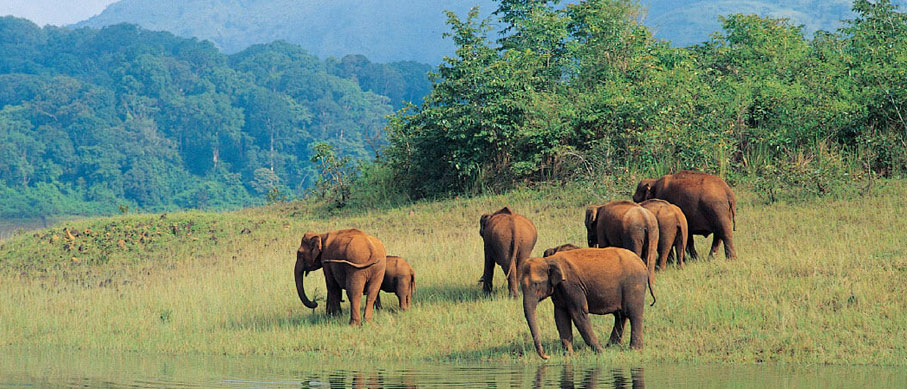
Periyar Wildlife Sanctuary Thekkady: Boating Safari & Entry Details
Complete guide to Periyar Wildlife Sanctuary Thekkady - boat safari booking, timings, best time to visit, elephants, and accommodation.
Feb 19Read More
Never Miss an Adventure
Get the latest trekking guides, travel tips, and exclusive offers delivered straight to your inbox.
