
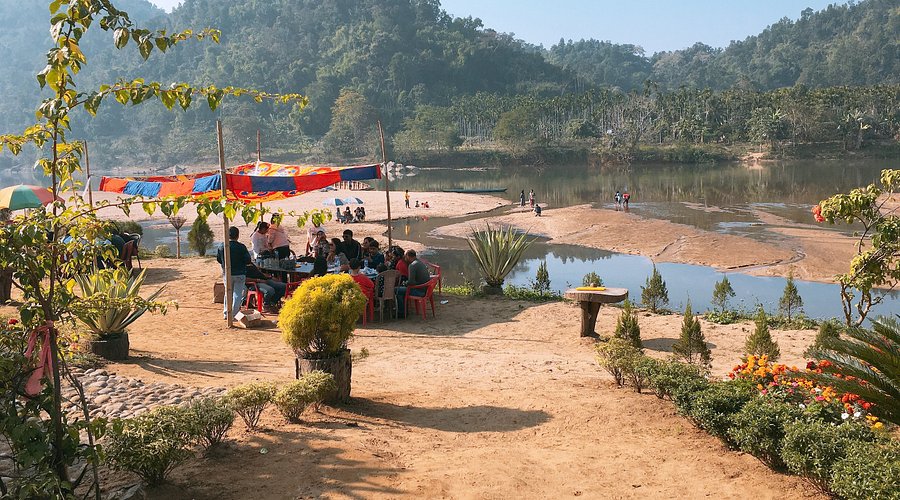
Places to Eat in Guwahati: Assamese Cuisine, Cafes & Dinner Places

Rahul Garg
February 4, 2026
Discover places to eat in Guwahati with Assamese specialties, popular restaurants, market snacks, sweet shops, and practical food-planning tips.
Introduction: Gateway to Assamese Cuisine
Guwahati is often treated as a transit city to the Northeast, but its food scene is strong enough to be a dedicated travel reason. If you are searching for restaurants in Guwahati, you will discover a wide spread: traditional Assamese kitchens, family restaurants, market-side snack routes, tea-led food culture, and modern cafes. The city works best when you eat with intent, not by random ratings.
A practical Guwahati food plan includes one Assamese meal-focused lunch, one street-food or market snack round, and one balanced dinner at a comfortable restaurant. This gives authentic coverage without fatigue. Because the city blends local Assam flavors with Bengali, Tibetan, and pan-Indian influences, structured planning helps you taste more without repeating the same dish style.
For full itinerary planning, pair this guide with cafes in Guwahati, places to visit in Guwahati, and resorts in Guwahati.
Traditional Assamese Food You Should Try First
The core of any Guwahati food guide is Assamese cuisine. Flavor style here is generally ingredient-led rather than heavy masala-led, with balanced spice, fermented accents, and fish-forward meal patterns in many kitchens.
Assamese Essentials
- Assamese Thali: best first order for new visitors because it covers multiple local components.
- Khar: alkaline dish and a defining element of Assamese culinary identity.
- Masor Tenga: light sour fish curry, excellent as lunch main.
- Aloo Pitika: mustard-oil mashed side that appears in many meal formats.
- Xaak preparations: seasonal greens that represent everyday Assamese eating.
- Pitha varieties: rice-based preparations linked strongly to Assamese food culture.
- Duck and bamboo shoot dishes: available in selected traditional kitchens.
If this is your first Assamese meal, ask for moderate spice and local daily recommendations instead of ordering only generic menu favorites.
Popular Restaurants in Guwahati
Top local listings for places to eat in Guwahati show strong demand for family dining, Assamese specialty restaurants, and reliable multi-cuisine options. The city supports both budget and mid-range diners effectively.
Restaurant Formats to Use
- Assamese specialty restaurants: best for local thali and regional fish/meat dishes.
- Family multi-cuisine restaurants: useful for mixed age groups and varied food preferences.
- Modern casual restaurants: practical for lighter evening meals.
- Hotel dining: often more predictable on service and timing.
How to Choose Better
- Check recent reviews for consistency, not just legacy popularity.
- Prefer lunch for traditional dishes and dinner for mixed-cuisine comfort.
- Reserve on weekends in high-demand localities.
- Keep one backup option in the same area.
This approach protects both time and meal quality, especially during peak tourist and festival windows.
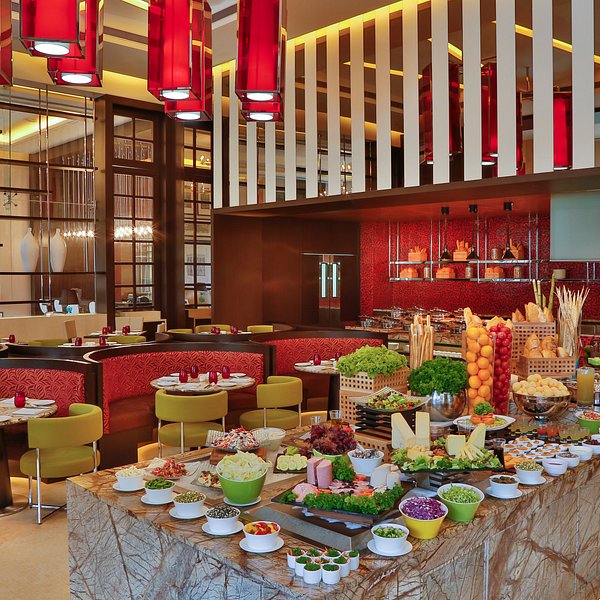
Ethnic Cuisine Diversity in the City
Guwahati dining reflects Northeast diversity beyond Assamese food. Depending on area, you can also find Bengali meal formats, Tibetan-style quick foods, and pan-Indian options with local influence. This diversity helps groups with varied tastes travel comfortably without skipping regional cuisine.
- Bengali influence: fish and sweet traditions visible in many market-linked restaurants.
- Tibetan and hill-style quick foods: common in snack and college-side pockets.
- North and South Indian menus: useful for routine meal comfort.
- Cafe-led mixed menus: convenient for shorter work or transit breaks.
Use diversity strategically: keep one Assamese meal mandatory each day, then adjust other meals for comfort and logistics.
Street Food and Local Market Eating
Street-food intent is high for Guwahati, and for good reason. Busy market zones and evening corridors offer compact snack culture with strong variety. A tasting approach works best.
What to Try in Street Sessions
- Assorted chaat and tea-side snacks
- Momo and noodle quick-bite counters
- Pitha and local snack formats in seasonal windows
- Fried evening bites with tea in high-footfall lanes
| Street Food Timing | Best Format | Tip |
|---|---|---|
| Late afternoon | Tea snacks and light bites | Start small and keep appetite for dinner |
| Evening peak | Momos, chaat, mixed snacks | Share portions for variety |
| Late evening | Quick comfort bites | Prefer high-turnover counters |
Pick clean, crowded stalls and avoid over-ordering at the first stop. The goal is coverage, not one heavy plate.
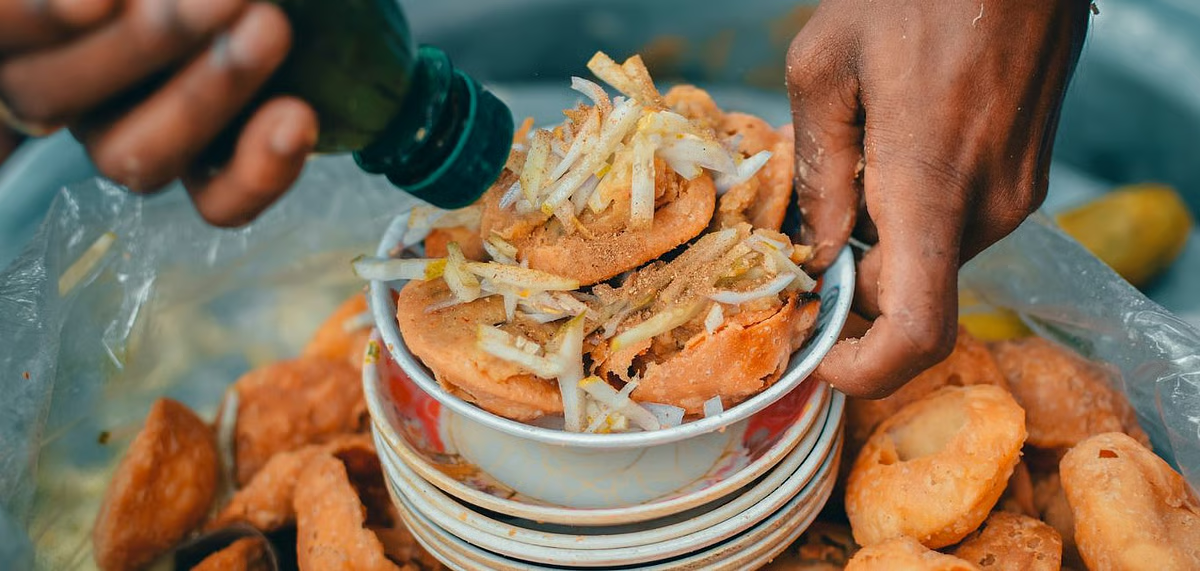
Riverfront and Scenic Dining Potential
Because Guwahati is shaped by the Brahmaputra corridor, many travelers look for scenic dining and sunset meal options. While ambience varies by venue type, river-adjacent and view-based dining can add meaningful experience value when used as one planned slot, not every meal.
For best results, combine one scenic evening stop with a local lunch elsewhere. This keeps the itinerary balanced between authenticity and atmosphere.
Sweet Shops and Dessert Culture
Desserts in Guwahati include Assamese sweet traditions, Bengali-style mithai influence, and bakery-led modern options. Sweet stops are ideal as late-afternoon breaks or post-dinner takeaways.
- Pitha and coconut-linked sweets: tied to Assamese cultural food identity.
- Bengali sweet counters: common across established city markets.
- Bakery desserts: useful for lighter urban dessert sessions.
- Festival-specific sweets: seasonal and worth asking about.
If carrying sweets during onward travel, ask for shelf-life and heat-safe packing.
Food Tours and Culinary Experiences
Guwahati is increasingly suitable for food-focused experiences, especially for first-time Northeast travelers. Informal market walks, tea-and-snack circuits, and regional thali exploration can be done in one or two days with good planning.
Simple Experience Model
- Day 1: Assamese lunch + evening snack walk
- Day 2: Cafe break + specialty dinner + sweet stop
- Optional: pair with city sightseeing and riverfront sunset
This model gives broad coverage without overloading one day.
Dining Budget in Guwahati
Guwahati is generally value-friendly, with enough variety for budget, mid-range, and occasional premium dining.
| Dining Type | Budget Pattern | Best Use |
|---|---|---|
| Street snacks and tea stalls | Low | Short tasting rounds |
| Local Assamese meal houses | Low to mid | Authentic regional meals |
| Family restaurants | Mid | Group comfort dining |
| Premium/scenic dining | Mid to higher | One planned ambience meal |
For best value, keep snacks local and save spend for one strong sit-down Assamese meal daily.
One-Day Guwahati Food Trail Plan
Morning
Start light with tea and regional snack or a cafe breakfast.
Lunch
Traditional Assamese meal with khar/masor tenga and side components.
Evening
Short market snack loop for momo, chaat, and tea-break tasting.
Dinner
Balanced family or specialty restaurant meal with one local signature dish.
This structure keeps pace manageable and covers the citys main food styles.
Dining Tips for First-Time Visitors
- Use lunch for authentic Assamese dishes where kitchens are most stable.
- Begin with moderate spice if unfamiliar with regional flavors.
- Reserve popular dinner venues on weekends.
- Carry cash backup for smaller food counters.
- Hydrate during humid or hot weather windows.
- Keep one backup venue in each zone.
- Avoid over-ordering early in street-food sessions.
These simple steps make Guwahati food exploration smoother and more rewarding.
Area-Wise Food Routing in Guwahati
Route by zone instead of chasing isolated recommendations. Breakfast near your stay, lunch in established meal areas, evening snacks in market zones, and dinner in a nearby sit-down venue works for most travelers. This reduces commute waste and keeps meal timing aligned with active kitchen hours.
Families should especially maintain one backup restaurant per zone due weekend waits. Solo travelers can use the same method for predictable post-sunset planning.
Meal Timing Strategy in Guwahati
Meal timing has a direct impact on food quality in Guwahati. Traditional Assamese dishes are usually strongest at lunch when kitchens are fully active and daily components are freshest. If you want complete thali experiences with proper sides, lunch should be your main food priority. Evening works better for snack-based exploration, tea stalls, and lighter tasting rounds before dinner.
Dinner planning should depend on your day. If you have already done a heavy lunch and evening snack loop, choose a simpler dinner with one local signature and one lighter side. This avoids fatigue and helps you keep appetite for the next day. During weekends or city events, earlier dinner slots are usually smoother and faster than late-night attempts in crowded areas.
Where to Eat by Traveler Type
Families: prioritize family multi-cuisine restaurants for dinner and keep lunch in Assamese meal venues.
Solo travelers: combine local lunch spots with short market snack rounds and one cafe break.
Budget travelers: focus on local eateries, tea stalls, and selective sit-down meals.
Food-focused visitors: plan one Assamese thali session, one street-food circuit, and one dessert-focused stop daily.
This traveler-type approach reduces decision fatigue and helps you allocate time and budget more effectively. It also makes the city easier to navigate when you have limited days and want both cultural depth and practical comfort.
Two-Day Practical Food Plan
Day 1: Assamese lunch + evening market snacks + family dinner.
Day 2: cafe breakfast + regional specialty lunch + dessert and tea circuit in the evening.
This structure prevents repetition and ensures you cover traditional dishes, street texture, and modern dining formats in balanced proportion. It also leaves flexible room for local recommendations. This improves both comfort and discovery for visitors.
Final Take
The best places to eat in Guwahati come from balance: Assamese core cuisine, diverse city dining, market snack culture, and selective scenic experiences. Plan by timing and locality, and Guwahati delivers one of the strongest urban food introductions to Northeast India.
Continue your city plan with cafes in Guwahati, places to visit in Guwahati, and things to do in Guwahati in one day.
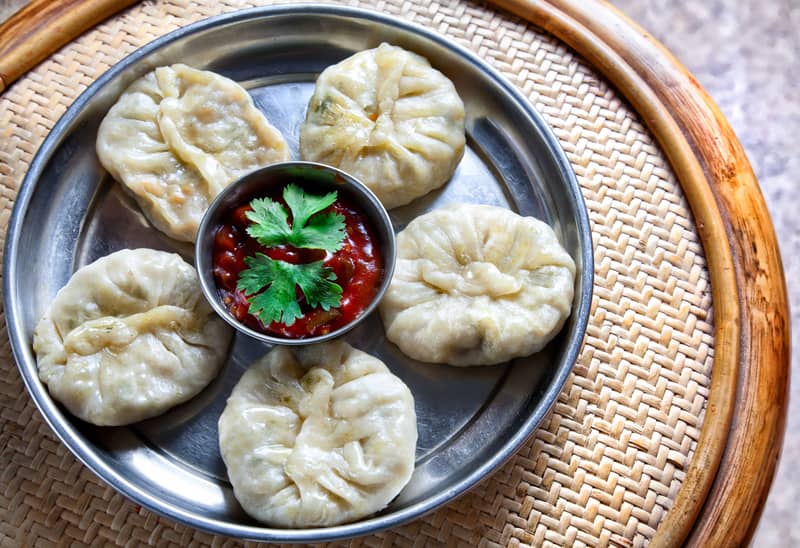
Travelers often pair this with Cafes in Guwahati for a fuller itinerary. Many visitors combine this with Places to Visit in Guwahati while in the region. If you're extending this trip, Resorts in Guwahati is worth adding to your plan. It also helps to read up on Things to Do in Guwahati One Day before you finalize your plans.
Location
Frequently Asked Questions
Q1.What are the best places to eat in Guwahati?
Q2.Where can I try authentic Assamese thali in Guwahati?
Q3.Which restaurants serve traditional Assamese food in Guwahati?
Q4.What is famous food of Guwahati?
Q5.Are Assamese dishes in Guwahati very spicy?
Q6.Is vegetarian food easily available in Guwahati?
Q7.What is the dining budget in Guwahati?
Q8.What is the best time for a food walk in Guwahati?
Recommended For You
Places to Eat in Agartala: Best Restaurants, Cafes & Local Food
Explore places to eat in Agartala with Tripuri cuisine, city restaurants, market snacks, sweet shops, and practical food route planning tips.
Places to Eat in Dibrugarh: Assamese Meals, Cafes & Family Restaurants
Explore places to eat in Dibrugarh with Assamese thali, fish specialties, tea-city dining, local eateries, and practical food planning tips.

Things to Do in Guwahati One Day: Smart City Plan
Plan one perfect day in Guwahati with a practical 24-hour itinerary covering temples, ferry rides, food, and sunset river experiences.
Never Miss an Adventure
Get the latest trekking guides, travel tips, and exclusive offers delivered straight to your inbox.
