

Things to Do in Guwahati One Day: Smart City Plan

Rohan Malhotra
February 20, 2026
Plan one perfect day in Guwahati with a practical 24-hour itinerary covering temples, ferry rides, food, and sunset river experiences.
Introduction
If you have only one day in Guwahati, the goal should be depth with efficient movement, not an unrealistic list of distant stops. Guwahati blends temple culture, Brahmaputra river views, local markets, and modern food spots within a practical city radius. A smart itinerary starts early, avoids long backtracking, and reserves late evening for riverfront experiences. This guide gives a time-slot plan that works for solo travelers, couples, and families.
Use this plan with places to visit in Guwahati and a quick side-trip idea from Guwahati to Shillong road trip if you are extending your stay.
6:00 AM to 9:30 AM: Kamakhya Temple Start
Begin at Kamakhya Temple on Nilachal Hill before city traffic builds. Morning entry generally helps with crowd management, especially on weekends and festival dates. Dress respectfully and keep footwear storage and queue timing in mind. If your schedule is tight, start as early as feasible and avoid adding extra hill stops in the same slot.
The hilltop area also gives broad city views and helps you orient the rest of the day. Keep this segment spiritually focused and avoid rushing through temple spaces just for photos.
10:00 AM to 12:00 PM: Umananda Island and Ferry
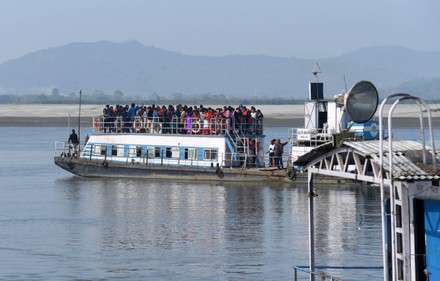
Move to the ferry point for Umananda Temple on Peacock Island, often cited as one of the smallest inhabited river islands. Ferry timing and frequency can vary, so confirm locally before finalizing your hour-by-hour sequence. The crossing itself is short and scenic, making this stop one of the best low-effort additions to a one-day itinerary.
| Time Slot | Focus | Tip |
|---|---|---|
| Morning | Temple visits | Start early to reduce queues |
| Mid-day | Island ferry | Check return timing before boarding |
| Evening | Riverfront/cruise | Book in advance during weekends |
12:30 PM to 2:00 PM: Assamese Lunch Break
Keep lunch close to your next stop and try an Assamese thali for a complete regional experience. Balanced lunch timing helps prevent day fatigue, especially in humid months. Include at least one local fish or vegetarian preparation based on your dietary preference.
Do not over-extend this slot if you plan to include ropeway or museum visits later.
2:15 PM to 5:00 PM: Ropeway or Museum Block
For views and quick activity value, choose the river ropeway if operational. For history and artifacts, choose Assam State Museum. In a one-day plan, doing both can feel rushed, so pick one as the priority and keep one as backup.
If you are traveling with children, a museum plus short riverside walk often works better than squeezing multiple transport-heavy stops.
5:30 PM to 8:00 PM: Brahmaputra Sunset Experience

Evening is the strongest part of a Guwahati day itinerary. A river cruise or riverfront promenade gives a softer finish after temple and city activity. Sunset timing changes by season, so reach early for boarding and seating. Keep a light jacket during cooler months and avoid relying on last-minute ticketing during weekends.
You can combine this segment with planning from best time to visit Guwahati to align weather and sunset quality.
8:00 PM to 10:00 PM: Local Market and Dinner
Use the final slot for practical shopping and dinner in active market zones. Prioritize local snacks, tea, textiles, and lightweight souvenirs if you are in transit the next morning. Keep your pickup point fixed if you are using app cabs to avoid delays in crowded areas.
One-Day Guwahati Itinerary Checklist
- Start before 6:30 AM for temple-first flow.
- Carry water and cash backup for ferry/market needs.
- Keep one backup indoor stop for weather changes.
- Avoid overfilling the afternoon with long transfers.
- Confirm cruise/ropeway status on the same day.
How to Spend One Full Day in Guwahati Efficiently
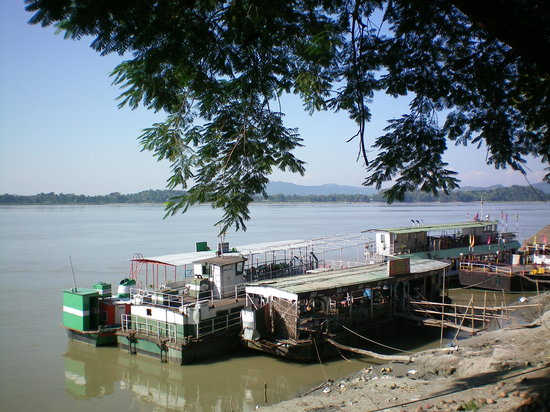
Guwahati can be covered in one day if you plan with clear priority and route logic. Start early with a spiritual or cultural anchor such as a major temple visit, then move to riverfront or city viewpoint sessions before midday heat. Keep lunch near your second activity zone and reserve the late afternoon for a market walk, museum block, or local neighborhood exploration. Evening works best for a Brahmaputra-side experience and structured dinner.
The goal is not to maximize stop count. The goal is to combine city identity, local flavor, and practical movement. A one-day Guwahati plan should feel complete, not rushed.
Morning Block: Spiritual and Cultural Start
Many travelers begin with Kamakhya-focused planning or a temple route because mornings are cooler and crowd management is easier. If religious travel is not your focus, choose a heritage or viewpoint alternative in the same time window. Keep one hour buffer for access and local traffic near major pilgrim areas.
After the first stop, avoid crisscrossing distant sectors. Move in one directional loop toward your next planned cluster.
Afternoon Block: Local City Experience
Use afternoon hours for museums, local food corridors, or controlled shopping blocks. Indoor or shaded activities are practical in warm weather windows. If you are interested in Assamese culture, prioritize one focused museum or curated local market rather than trying to visit many places superficially.
Travelers with kids should include one low-intensity rest stop before evening movement. This keeps the day smooth and prevents burnout.
Evening Block: Brahmaputra and Food
Evening river experiences are among the strongest things to do in Guwahati one day, especially when combined with local dining. Sunset windows provide good light, calmer atmosphere, and social energy. Keep transport pre-arranged after dinner to avoid late-hour uncertainty.
If you have additional time, add one short market stop for regional snacks or handicrafts before heading back.
One-Day Budget Framework
- Budget plan: local transport + focused temple/market + local meals
- Mid-range plan: app-cab mix + curated food + riverfront add-on
- Comfort plan: private transfers + premium dining + structured experiences
Clear budgeting prevents small overspend patterns and makes decision-making faster through the day.
Common One-Day Mistakes
The most frequent error is selecting too many far-apart locations in one itinerary. Another is skipping buffer time near major temple and market areas. Keep your route compact and realistic. Guwahati rewards focused exploration much more than aggressive citywide coverage.
Also avoid starting late; morning planning is the key to finishing one-day routes comfortably.
High-Value One-Day Sequence
7:30-10:00: primary cultural/spiritual stop.
10:30-12:30: city transfer and second attraction.
1:00-2:30: Assamese lunch and short rest.
3:00-5:00: market or museum block.
5:30-8:00: riverfront/sunset and dinner.
This sequence balances culture, local life, and evening atmosphere while keeping commute manageable.
Conclusion
The best things to do in Guwahati in one day come from tight routing, realistic timing, and smart stop selection. Temple heritage, river views, and local food can all fit comfortably when you avoid unnecessary detours. Build around this core sequence and adjust based on your flight or train window.
Practical Add-On Ideas If You Have Extra Time
If your schedule opens by one or two extra hours, prioritize one meaningful local add-on instead of rushing many points. A focused market stop, a river-facing tea break, or one cultural museum section can add depth without causing route stress. The key is to keep add-ons near your existing path. Avoid crossing the city for low-priority attractions late in the day.
Guwahati one-day plans are strongest when they maintain momentum but still leave breathing room. Keep one backup option for weather or traffic disruption so your day never feels blocked. This adaptability is often the difference between a hectic itinerary and a smooth city experience.
For repeat visitors, rotate one module each trip: on one visit prioritize cultural sites, on another prioritize food and riverfront, and on another choose local neighborhoods and shopping blocks. Modular planning keeps Guwahati fresh without requiring complex logistics.
Even with a one-day limit, disciplined sequencing can provide a complete sense of the city’s rhythm, heritage, and social energy.
Fast Decision Framework for Same-Day Changes
One-day city itineraries need quick decision rules when delays happen. Use a simple framework: keep your primary anchor fixed, drop one low-priority mid-day stop, and protect your evening riverfront or dining block. This prevents the entire day from collapsing due to one delay. Guwahati responds well to this structure because major experiences are still possible when plans are compressed intelligently.
If heavy traffic appears, switch from distance-heavy movement to nearby alternatives. Prioritize experiences that represent city identity: one cultural stop, one local food stop, and one Brahmaputra-facing session. Even with changes, this trio creates a complete one-day narrative.
Carry a short backup list in advance so changes are immediate instead of stressful. This practical preparation keeps the trip enjoyable and ensures you finish the day with meaningful highlights.
For travelers with strict return schedules, keep the final two hours geographically close to your departure corridor. This reduces risk from evening traffic spikes and helps close the day calmly. Guwahati one-day success comes from realistic sequencing and controlled flexibility, not maximum stop count.
Use a single day-end review: what to keep, what to skip, and what to revisit on a future trip. This habit helps you travel with less pressure and more clarity, especially in compact city itineraries where every hour matters.
Start early, stay flexible, and keep transport decisions simple throughout.
Location
Frequently Asked Questions
Q1.Is one day enough for Guwahati?
Q2.What should I visit first in Guwahati?
Q3.How do I reach Umananda Island?
Q4.Is Brahmaputra cruise worth it in a one-day trip?
Q5.Which local food should I try in Guwahati?
Q6.Can I cover museum and ropeway both in one day?
Q7.How should I travel within Guwahati for one day?
Q8.When is the best season for one-day Guwahati sightseeing?
Recommended For You
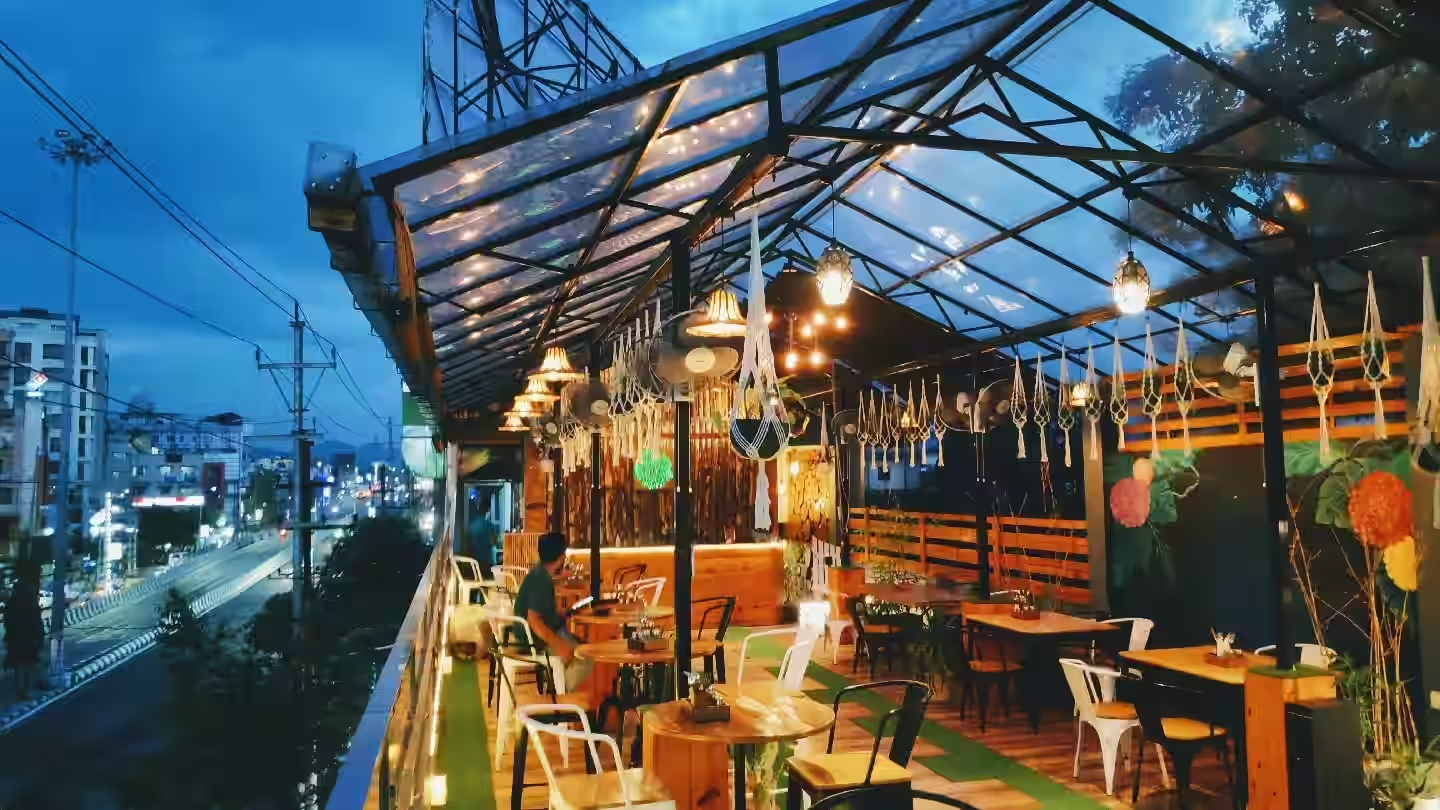
Best Cafes in Guwahati: Tea, Coffee & City Vibe Hangouts
Discover the best cafes in Guwahati with Assam tea spots, rooftop views, work-friendly seating, and practical area-wise planning for smoother city outings.
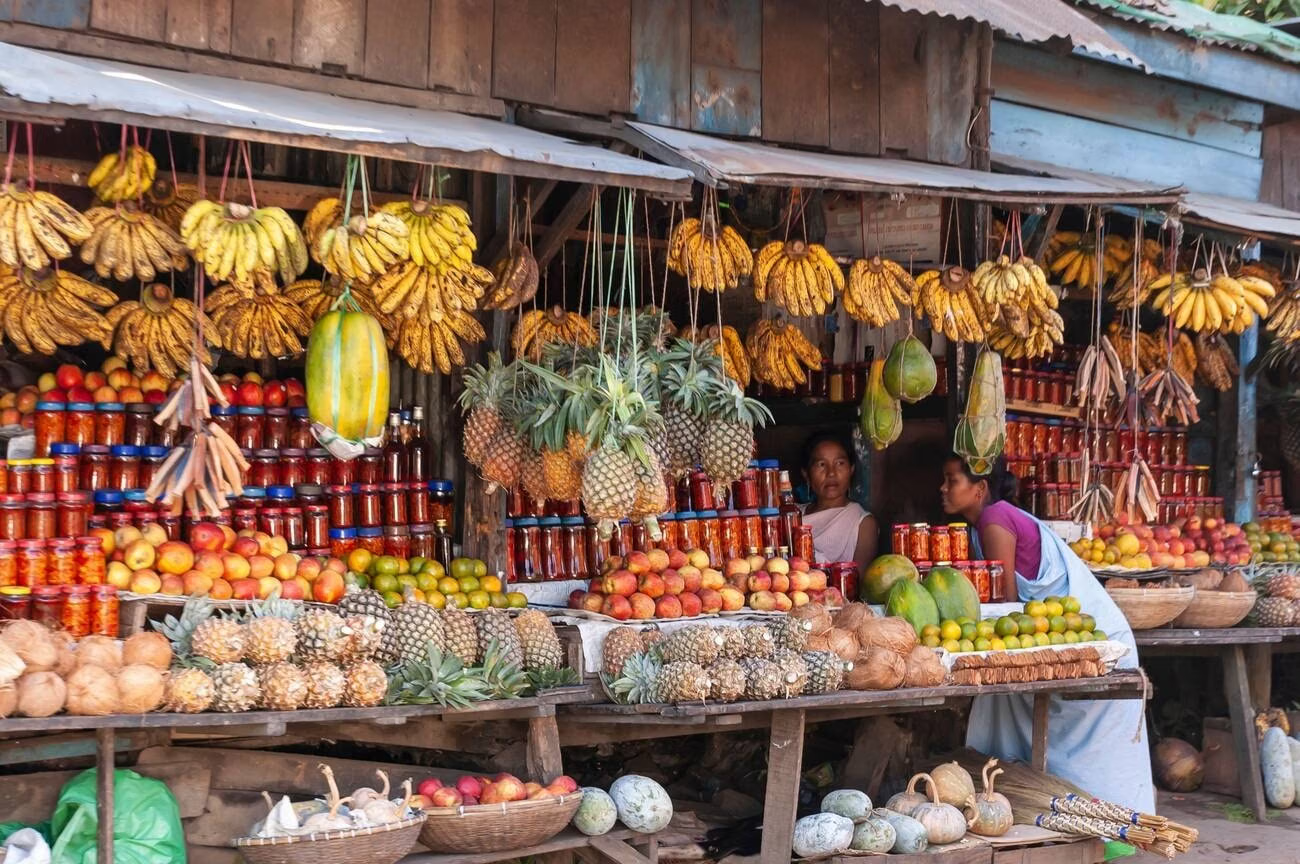
Shopping in Guwahati: Assam Silk, Tea, Handicrafts & Top Markets
Discover shopping in Guwahati with our guide to Assam silk, Muga and Pat silk, handicrafts, tea, bamboo products, and traditional markets.
Temples in Guwahati: 15 Sacred Sites
Explore 15 famous temples in Guwahati, Assam. From Kamakhya to Umananda, discover Shakti Peeth & spiritual heritage.
Never Miss an Adventure
Get the latest trekking guides, travel tips, and exclusive offers delivered straight to your inbox.
