
Trekking
Places To Visit Chikmagalur: Top Attractions, Itinerary and Travel Tips

Rahul Garg
February 20, 2026
12 min read3,721 views
Plan Chikmagalur with top places by route cluster, one-day/two-day itinerary templates, seasonal strategy, and practical transport-budget tips.
Chikmagalur overview and trip suitability
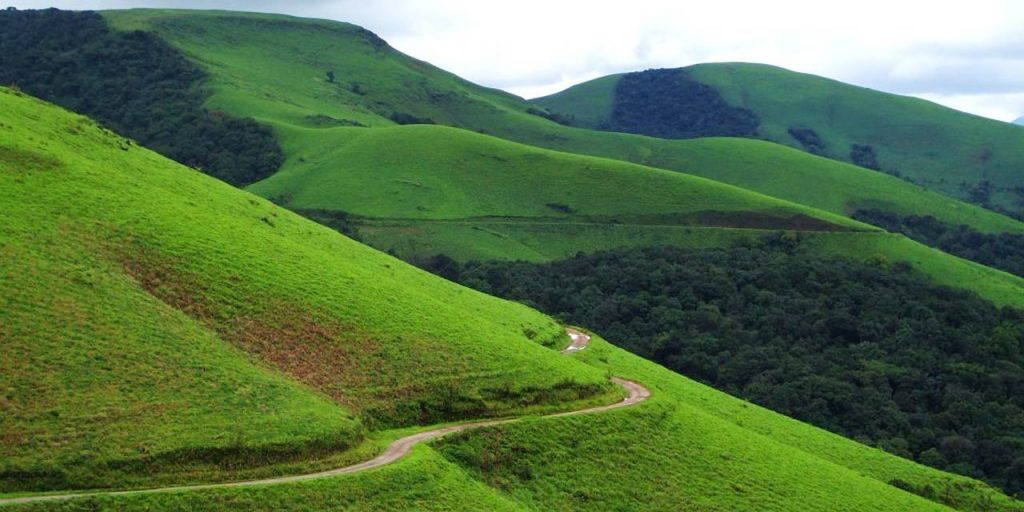
Chikmagalur is one of Karnataka’s most rewarding hill escapes, known for coffee landscapes, viewpoint drives, trekking options, and a slower mountain-town pace. It suits weekend travelers, families, and first-time hill visitors because experiences can be grouped into manageable route clusters without excessive backtracking. The most common mistake is treating Chikmagalur as a checklist destination. Real trip quality improves when you plan by experience type: one scenic-drive block, one coffee-estate block, and one trek or viewpoint block. This keeps the itinerary balanced and practical for changing weather windows. Situated in the foothills of the Mullayanagiri range, Chikmagalur offers an altitude that provides relief from the plains while remaining accessible year-round. The town itself serves as a convenient base, but the real magic lies in the surrounding areas where coffee plantations carpet the hills, misty peaks catch the morning light, and waterfalls come alive during monsoon months. The region’s coffee heritage dates back to the 17th century when coffee was first introduced to India. Today, these plantations are not just agricultural landscapes but living museums where visitors can learn about coffee cultivation from seed to cup. The coffee culture permeates everything in Chikmagalur - from plantation stays to the omnipresent aroma of freshly brewed coffee that greets you throughout the town.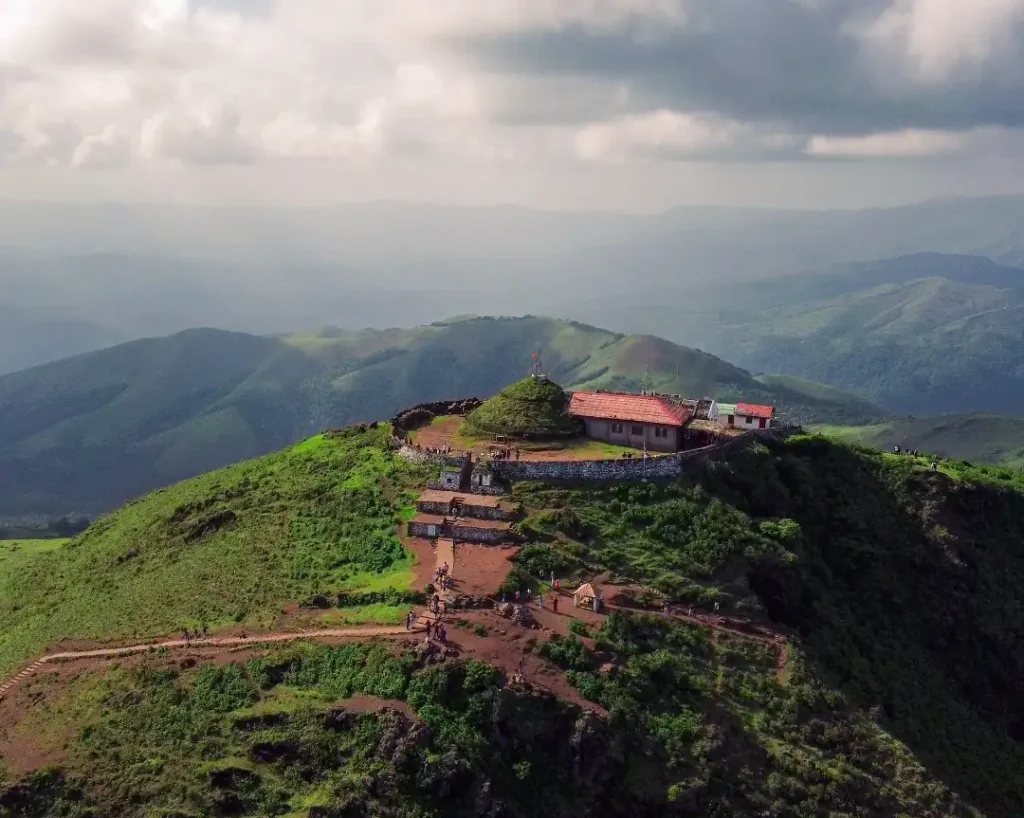
Viewpoints and scenic drives
Chikmagalur’s mountain roads offer some of Karnataka’s most satisfying driving experiences, with hairpin bends, thick canopy cover, and sudden openings to dramatic valley views. The journey itself becomes part of the attraction, making morning drives particularly rewarding when the air is crisp and visibility is at its best. Mullayanagiri, the highest peak in Karnataka, is the most prominent viewpoint. The drive to the summit is an experience in itself, with each switchback revealing new perspectives of the surrounding hills and valleys. At the peak, a small temple marks the summit, and visitors can hike the final few steps to the highest point. The sunrise views here are legendary, attracting early risers who want to see the first light painting the mountains in golden hues. Hebbe Falls requires a combination of driving and short trekking, making it a perfect half-day experience. The falls cascade in two stages - the main Hebbe Falls and the smaller Dodda Hebbe Falls above. The approach through thick forests adds to the sense of discovery, and the cool spray at the falls provides welcome relief after the hike. Post-monsoon visits offer the most dramatic water flow, while drier months reveal interesting rock formations and pools. Baba Budangiri offers a different experience with its religious significance and distinctive geological formations. The peaks, named after the Sufi saint Baba Budan, are associated with both Hindu and Muslim traditions, creating a unique cultural synthesis. The panoramic views from the shrine area encompass vast stretches of coffee plantations and distant hills, making it particularly worthwhile for photographers. Kemmangundi, once a summer retreat for British officials, combines hill-station charm with excellent viewpoints. The Rose Garden, Z Point, and various sunset points offer varied perspectives of the Western Ghats. The area has accommodation options making it a viable base for multi-day exploration of the surrounding hills.Coffee estate experiences
Coffee plantations in Chikmagalur range from small family-owned operations to large commercial estates. What makes estate visits special is not just seeing coffee plants but understanding the entire ecosystem that supports premium coffee cultivation. These are not mono-crop farms - they’re diverse agroforestry systems where coffee grows alongside pepper, areca nut, cardamom, and various fruit trees. A comprehensive estate tour typically starts with a walk through the plantation where guides explain the difference between Arabica and Robusta varieties, show the coffee plants at different growth stages, and point out the shade trees that protect the coffee bushes. The timing of your visit determines what you’ll see - flowering season in March brings fragrant white blossoms, harvest season (November to February) shows coffee berries at various stages of ripening, while processing season reveals the complex journey from cherry to bean. Many estates offer coffee tasting sessions where you can learn to distinguish between different roast profiles, understand how processing methods affect flavor, and appreciate the nuances of single-origin coffee. Some estates also offer hands-on experiences like picking coffee cherries during harvest or participating in traditional processing methods. Staying at a coffee estate offers an immersive experience that goes beyond a day visit. You wake up to the sounds of birds, enjoy home-cooked meals featuring local ingredients, and have evenings free for estate walks or simply relaxing with a book. Estate stays range from basic plantation houses with authentic character to luxury resorts with premium amenities, suiting various budgets and preferences.Trekking and nature activities
The trekking options around Chikmagalur cater to all experience levels, from gentle nature walks to challenging multi-day expeditions. What makes these treks special is the variety of terrain - dense forests, grassland plateaus, rocky peaks, and stream crossings within relatively compact geographic areas. Mullayanagiri trek is accessible yet rewarding, suitable for families with older children and casual trekkers. The well-marked trail takes about two to three hours round trip, with frequent stops to catch your breath and enjoy the increasingly impressive views. The final ascent involves some scrambling over rocks, adding a touch of adventure without requiring technical skills. For experienced trekkers, the Baba Budangiri to Mullayanagiri ridge trek offers a more challenging full-day expedition. This trail connects two major peaks, following the mountain ridge with panoramic views throughout. It requires good fitness, proper trekking gear, and ideally a local guide who knows the route and can point out interesting flora and fauna along the way. Kudremukh National Park, while requiring a separate trip planning, offers some of the region’s most pristine trekking experiences. The rolling grasslands, shola forests, and possibility of spotting wildlife create a trekking environment quite different from the coffee-covered hills around Chikmagalur town. Permits and advance planning are essential here as the park authorities regulate visitor numbers strictly.Top places to visit by experience type
Route-based grouping helps cover more with less travel stress.| Experience Cluster | What to Expect | Best Time Slot | Planning Note |
|---|---|---|---|
| Viewpoint and hill-drive circuit | Scenic roads, peaks, and valley views | Early morning and sunset windows | Keep weather backup for fog/rain conditions |
| Coffee estate and local culture | Estate visits, tasting, relaxed trails | Late morning to afternoon | Pre-book guided estate visits where required |
| Trek and nature activity block | Short to moderate trail options | Morning slots | Match trail difficulty to fitness and weather |
One-day and two-day itinerary templates
Trip duration should control route intensity, not the other way around.| Trip Length | Template | Ideal For |
|---|---|---|
| One Day | Viewpoint loop + one estate stop + local food circuit | Short weekend stopovers |
| Two Days | Day 1 scenic route and town, Day 2 trek or deeper estate exploration | First-time and family travelers |
Practical two-day route
1. Day 1: Arrival + scenic circuit + sunset viewpoint. 2. Day 2: Morning activity (trek/estate trail) + relaxed return.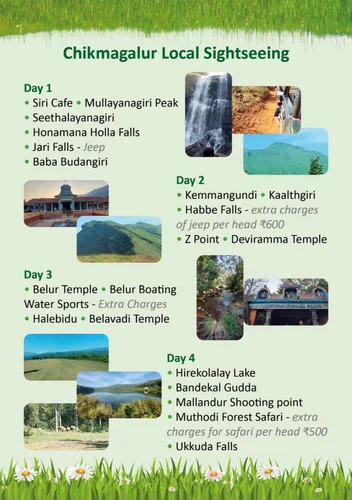
Detailed one-day experience
A well-planned one-day Chikmagalur trip can be incredibly satisfying if you focus on quality experiences rather than trying to see everything. Start your day early with departure from your base city or accommodation by 6:00 AM. The early start serves two purposes - you catch the mountain roads in minimal traffic and morning fog hasn’t yet settled, ensuring better visibility. Arrive at Mullayanagiri by 7:30 AM for sunrise views. The morning light on the Western Ghats is extraordinary, with successive ridges appearing in shades of blue and the occasional cloud floating below the peaks. Spend an hour here walking around, visiting the small temple, and taking photographs. The air at this altitude is significantly cooler, so carry a light jacket. By 9:30 AM, head to a nearby coffee estate for a pre-booked tour and breakfast. Most estates serve a traditional Karnataka breakfast after the plantation walk. The combination of estate exploration, coffee tasting, and a hearty meal typically takes until 12:30 PM. This is also the time when midday heat starts building, so the shaded plantation environment provides perfect conditions. Afternoon (1:30 PM to 4:00 PM) is best spent at one major waterfall rather than multiple smaller stops. Hebbe Falls or Jhari Falls offer excellent afternoon experiences with opportunities for wading in the pools below the falls. The drive to these falls is itself scenic, passing through villages and more plantation landscapes. Conclude your day with a sunset viewpoint stop around 5:30 PM. Several viewpoints along the return route offer excellent sunset opportunities. This also places you closer to your departure route for the evening journey back. End with dinner at a roadside restaurant serving local cuisine - neer dosa, chicken curry, and filter coffee are Chikmagalur specialties worth trying.Best season and weather planning
Season fit strongly affects visibility, road condition, and activity quality. - Cooler and dry windows: ideal for longer outdoor coverage. - Monsoon periods: rich greenery but variable road and trek conditions. - Shoulder months: useful for moderate crowd and balanced weather. When building seasonal plans, compare nearby options with Hill Stations Karnataka to pick the best-fit destination for your dates. Winter (October to February) is Chikmagalur’s peak season for good reason. Days are pleasantly cool, skies are generally clear, and morning mist creates atmospheric views without obscuring visibility. This is also harvest season, making it ideal for coffee estate visits where you can see the entire production cycle. Book accommodation well in advance during weekends and holidays. Summer (March to May) sees temperatures rising, though the altitude keeps it significantly cooler than the plains. Early morning and late afternoon remain comfortable, but midday outdoor activities require sun protection and hydration. This is flowering season for coffee plants, so estate visits offer a different visual spectacle with coffee bushes covered in fragrant white blossoms. Monsoon (June to September) transforms Chikmagalur into a green paradise. Waterfalls come alive, streams flow vigorously, and the hills are carpeted in vibrant green. However, expect frequent rain, fog that can obscure views for extended periods, and challenging road conditions. Trekking trails can be slippery, and some viewpoints may be inaccessible. If you choose monsoon travel, plan extra buffer days, pack proper rain gear, and have backup indoor activities ready.Transport, stay zones and budget strategy
Stay selection in Chikmagalur should prioritize route convenience, not only property photos.| Cost Bucket | Includes | Optimization Tip |
|---|---|---|
| Intercity transfer | Fuel, tolls, bus/cab fare | Start early to maximize same-day sightseeing |
| Stay | Town hotel, estate stay, resort options | Choose base by planned route cluster |
| Local movement | Site transfers and parking | Keep one directional route each day |
| Activities and food | Trek fees, estate experiences, meals | Select one primary paid activity per day |
 Road conditions to Chikmagalur are generally good, with well-maintained state highways from major cities like Bangalore, Mangalore, and Hassan. However, once you’re in the hills, expect narrow roads with frequent hairpin bends. Self-drive enthusiasts will enjoy these roads, but if you’re not comfortable with mountain driving, hire a local driver who knows the terrain.
Accommodation choices significantly impact your experience quality. Staying at an estate offers immersion but may involve traveling to other attractions. Town hotels provide easy access to restaurants and services but less atmospheric charm. Resorts near key attractions minimize travel time but typically cost more. Choose based on what matters more for your trip - convenient access to multiple sites or deep experience in one location.
Road conditions to Chikmagalur are generally good, with well-maintained state highways from major cities like Bangalore, Mangalore, and Hassan. However, once you’re in the hills, expect narrow roads with frequent hairpin bends. Self-drive enthusiasts will enjoy these roads, but if you’re not comfortable with mountain driving, hire a local driver who knows the terrain.
Accommodation choices significantly impact your experience quality. Staying at an estate offers immersion but may involve traveling to other attractions. Town hotels provide easy access to restaurants and services but less atmospheric charm. Resorts near key attractions minimize travel time but typically cost more. Choose based on what matters more for your trip - convenient access to multiple sites or deep experience in one location.
Food, coffee estate and trek add-ons
Chikmagalur’s identity is deeply linked to coffee and outdoor rhythm. Add-ons work best when placed between core route blocks, not as distant detours. - Keep estate visits in daytime visibility windows. - Place food breaks near route midpoints. - Keep trek days lighter on driving load. For coffee-focused planning, use Coffee Plantations Chikmagalur as a dedicated reference before booking estate experiences. Chikmagalur’s cuisine reflects its location at the intersection of Karnataka’s Malnad and coastal regions. Neer dosa (water pancakes), akki roti (rice roti), and various bamboo shoot preparations are local specialties you should try. Non-vegetarian options, especially chicken and mutton dishes, are excellent and widely available. Most estate stays and restaurants serve home-style Karnataka cuisine made with fresh local ingredients. Beyond estate tours and treks, consider visiting local temples, spice plantations (pepper, cardamom, and areca nut), and handicraft centers. The region has a tradition of brassware and other metal crafts, and supporting local artisans is a meaningful way to connect with the culture beyond typical tourist activities.Common mistakes to avoid
1. Overloading two days with too many far-apart spots. 2. Choosing high-difficulty treks without weather and fitness checks. 3. Planning no buffer for hill-road and rain-related delays. 4. Selecting stays far from the day’s route cluster. 5. Starting late and missing prime viewpoint slots. 6. Ignoring rest pacing for family or mixed-age groups.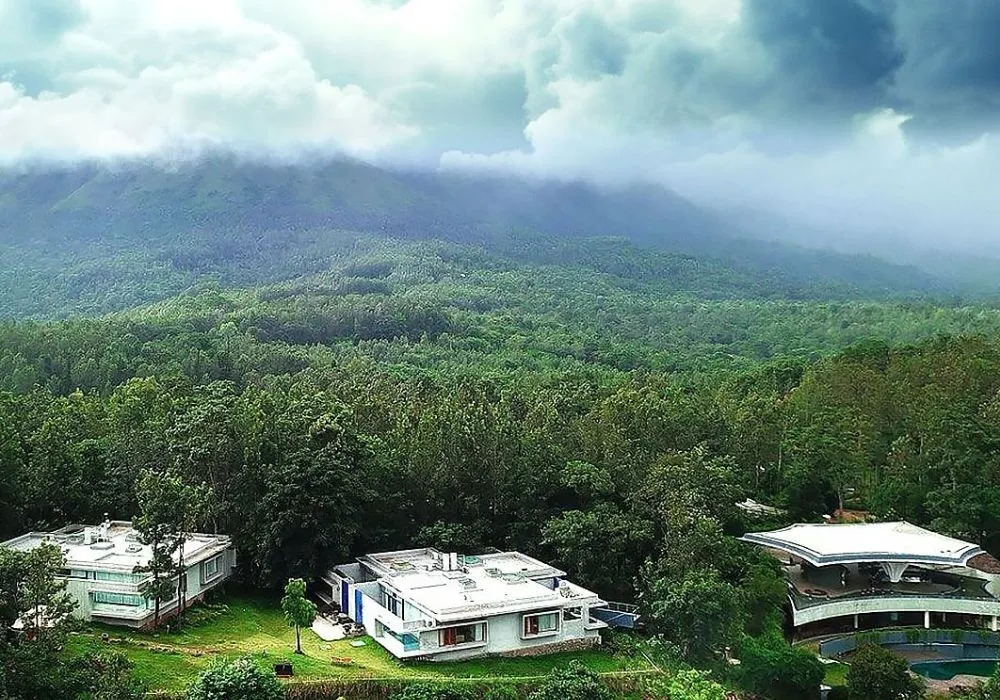 Many travelers also underestimate the temperature difference between day and night in the hills, especially during winter. Evenings can get surprisingly cool, so pack layers regardless of when you’re visiting. Additionally, road conditions can change rapidly with weather - a pleasant morning can turn foggy by afternoon, reducing visibility and affecting driving speed. Always have buffer time built into your schedule.
Another common issue is not respecting estate visit timing rules. Some plantations have specific visiting hours, require advance booking, or don’t allow casual visitors during harvest or processing seasons. Always call ahead to confirm availability rather than showing up unannounced.
Many travelers also underestimate the temperature difference between day and night in the hills, especially during winter. Evenings can get surprisingly cool, so pack layers regardless of when you’re visiting. Additionally, road conditions can change rapidly with weather - a pleasant morning can turn foggy by afternoon, reducing visibility and affecting driving speed. Always have buffer time built into your schedule.
Another common issue is not respecting estate visit timing rules. Some plantations have specific visiting hours, require advance booking, or don’t allow casual visitors during harvest or processing seasons. Always call ahead to confirm availability rather than showing up unannounced.
Conclusion
Chikmagalur trip success comes from route discipline and season-aware planning, not attraction count. Pick your cluster, keep realistic day blocks, and integrate coffee, views, and activity in balanced slots. With this structure, one-day and two-day trips both become efficient and highly memorable. The region rewards thoughtful exploration with experiences that go beyond typical hill-station tourism - from understanding the craft behind your morning coffee to watching the sun paint mist-shrouded peaks in colors that words can’t capture. Whether you’re seeking spiritual refreshment in mountain solitude, family bonding through gentle nature activities, or adventure on challenging trekking trails, Chikmagalur offers experiences that create lasting memories of India’s coffee country.Location
Frequently Asked Questions
Q1.What are the top places to visit in Chikmagalur?
Most travelers prioritize a mix of viewpoints, coffee-estate experiences, and one trek or nature activity based on trip length and weather.
Q2.Is one day enough for Chikmagalur sightseeing?
One day can cover core highlights, but two days gives better pace for scenic drives, estate visits, and activity add-ons.
Q3.Which season is best for a Chikmagalur trip?
Cooler and drier periods are typically most comfortable, while monsoon brings lush views with more route and weather variability.
Q4.Is Chikmagalur suitable for family travelers?
Yes, with moderate pacing, clustered routes, and balanced day blocks that avoid long continuous driving.
Q5.What budget is required for a short Chikmagalur trip?
Budget varies by stay type and activity choices. Plan separate buckets for transport, accommodation, meals, and optional experiences.
Q6.How should first-time travelers plan local transport?
Use one directional route cluster per day, start early, and avoid crossing between distant zones multiple times.
Q7.Can trekking and coffee estate visits be combined in one day?
Yes, but keep the trek moderate and route-efficient. High-intensity trekking plus long drives in one day can reduce safety and comfort.
Q8.What planning mistakes should travelers avoid?
Avoid overloaded itineraries, weather-blind trek plans, late starts, and choosing stays disconnected from your daily route clusters.
Recommended For You
Beaches
Places to Visit in Karnataka: Coast, Hills & Heritage Cities
Explore the best places to visit in Karnataka with a complete guide to Hampi, Coorg, Mysore, beaches, wildlife parks, trekking routes, and practical travel planning.
Dec 26Read More
Travel
Coorg: Complete Travel Plan Places And Weather
Complete Coorg travel guide featuring coffee plantations, Abbey Falls, Madikeri, trekking, how to reach, accommodation, food and shopping tips.
Feb 19Read More
Travel
Hill Stations Karnataka: Best Destinations, Itinerary and Travel Tips
Plan Karnataka hill station trips with destination comparison, weekend/long-weekend route templates, weather strategy, and practical budget tips.
Feb 20Read More
Never Miss an Adventure
Get the latest trekking guides, travel tips, and exclusive offers delivered straight to your inbox.
