
Coffee Plantations in Chikmagalur: Tours, Stay & Best Months

Rahul Garg
February 18, 2026
Discover Chikmagalur's coffee plantations where India's coffee story began. Complete guide to plantation stays, best time to visit, tours, and buying fresh coffee.
Where India's Coffee Story Began
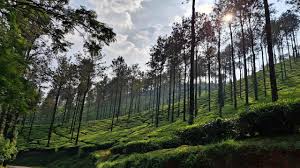
Nestled in the Baba Budan Hills of Karnataka, Chikmagalur is where India's love affair with coffee began over 350 years ago. This picturesque hill station, often called the "Coffee Land of Karnataka," offers visitors an enchanting blend of lush green plantations, misty hills, and colonial charm. For travelers seeking hill stations in Karnataka, Chikmagalur provides a perfect escape into nature's embrace.
The story goes that Baba Budan, a Sufi saint, brought seven coffee beans from Yemen in the 17th century and planted them on these hills. Today, those humble beginnings have transformed Chikmagalur into one of India's premier coffee-growing regions, producing some of the finest Arabica and Robusta beans that find their way into cups across the country and around the world.
What makes Chikmagalur truly special is not just the coffee, but the immersive experience it offers. Walking through verdant plantations, learning about the journey from bean to cup, staying in colonial-era bungalows surrounded by coffee trees, and waking up to the aroma of freshly brewed coffee – these are experiences that transform a simple vacation into a sensory journey.
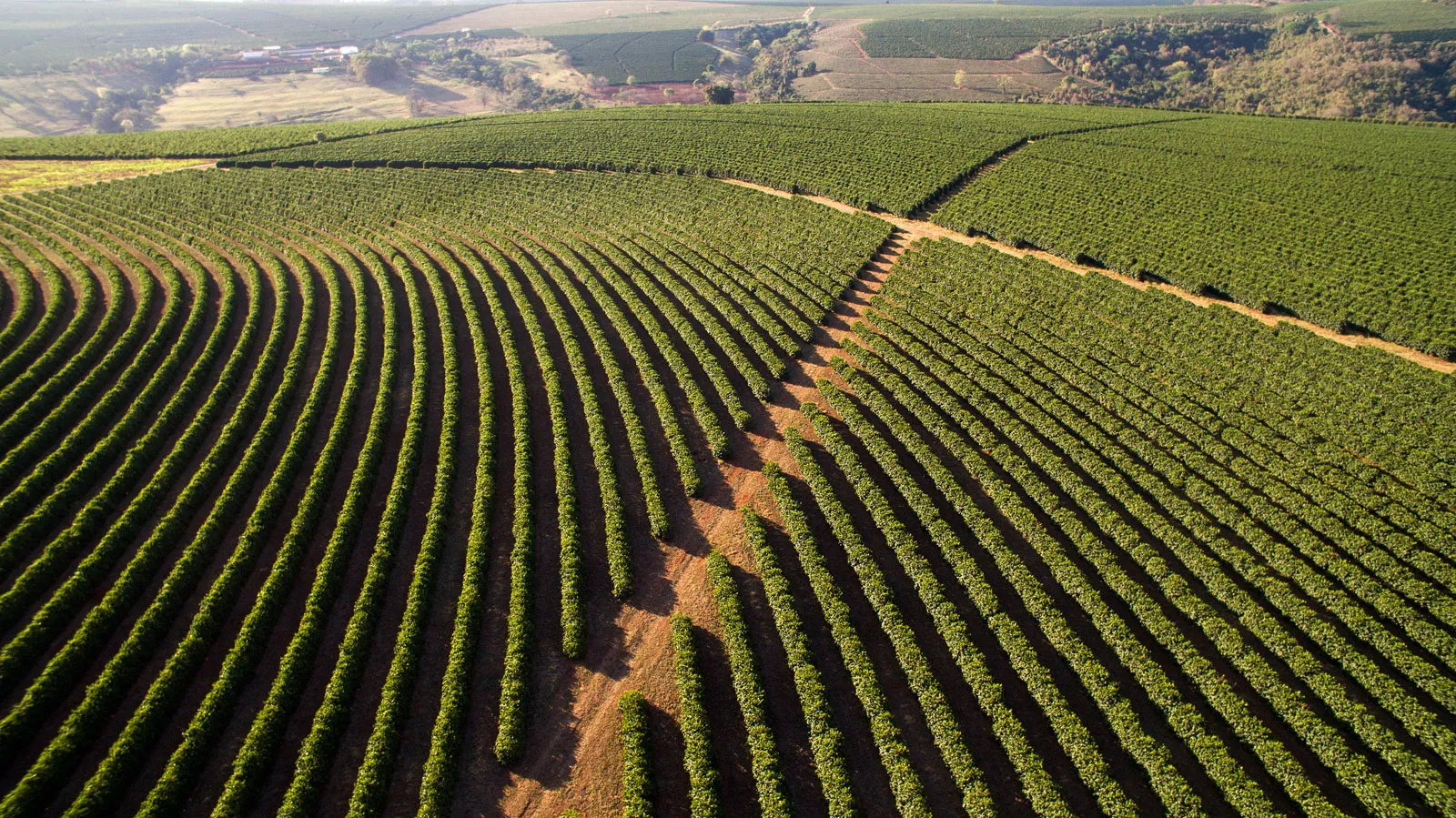
Whether you're a coffee connoisseur looking to understand your favorite brew better, a nature lover seeking tranquility, or simply someone who appreciates the finer things in life, Chikmagalur's coffee plantations promise an unforgettable experience. Let us guide you through everything you need to know about exploring India's coffee heartland.
Understanding Coffee Plantations in Chikmagalur
Chikmagalur is part of the Western Ghats, one of the world's biodiversity hotspots, and its unique geography creates ideal conditions for coffee cultivation. The region's coffee plantations are not just agricultural estates but complex ecosystems that demonstrate sustainable farming practices perfected over centuries.
Coffee Varieties
Chikmagalur primarily grows two main varieties of coffee:
Arabica Coffee: Known for its delicate flavor, mild acidity, and complex aroma, Arabica beans are considered premium coffee. They grow at higher elevations (3,000-6,000 feet) and require specific conditions – moderate temperatures, ample rainfall, and well-drained soil. Chikmagalur's Arabica is highly regarded in the specialty coffee market.
Robusta Coffee: As the name suggests, Robusta is hardier and grows at lower elevations. It has a stronger, more bitter taste and higher caffeine content. While often considered inferior to Arabica, Robusta from Chikmagalur is prized for espresso blends and adds body to coffee mixes.
The Shade-Grown Difference
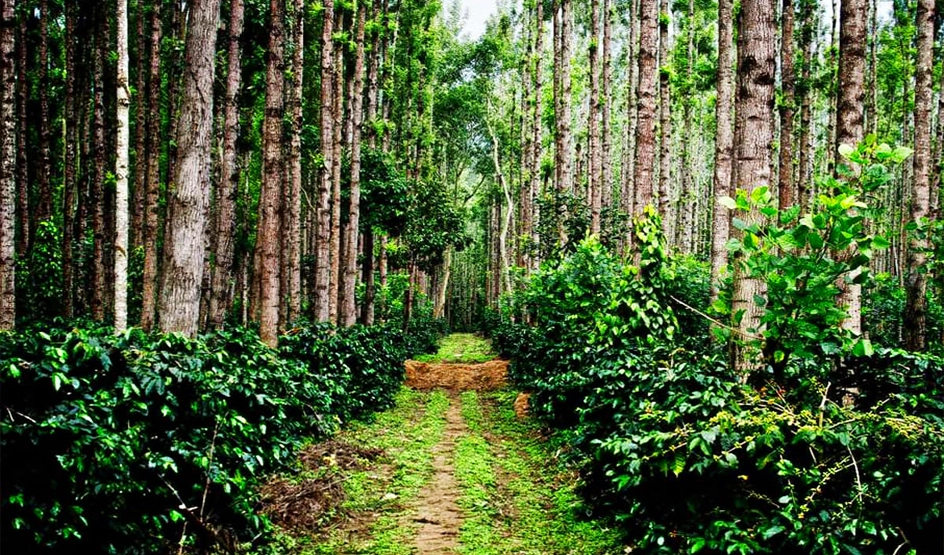
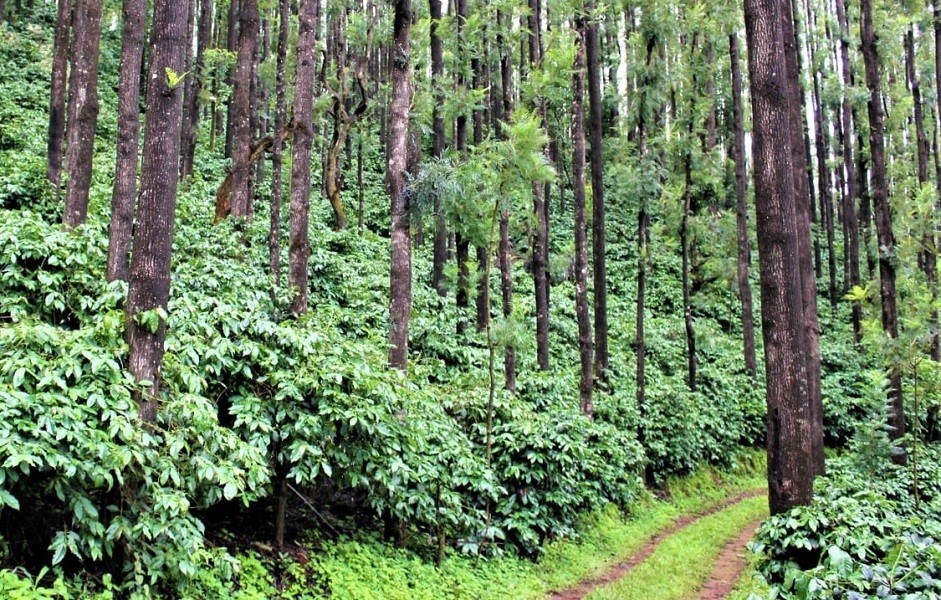
What sets Chikmagalur's coffee apart is the traditional shade-grown method. Coffee plants are grown under the canopy of taller trees, creating a multi-tiered ecosystem. Silver oak, rosewood, and fig trees provide the perfect shade that coffee plants need to thrive.
This traditional method offers multiple benefits: it protects coffee plants from harsh sunlight, maintains soil moisture, creates biodiversity, and provides habitat for birds and wildlife. The shade trees also prevent soil erosion and maintain the ecological balance of the region.
The Inter-cropping System
Coffee plantations in Chikmagalur typically practice inter-cropping, growing pepper, cardamom, oranges, and areca nuts alongside coffee. This diverse agricultural system provides farmers additional income while maintaining soil health. Pepper vines climbing coffee trees are a common sight, and the region's famous Malabar pepper often grows in these very plantations.
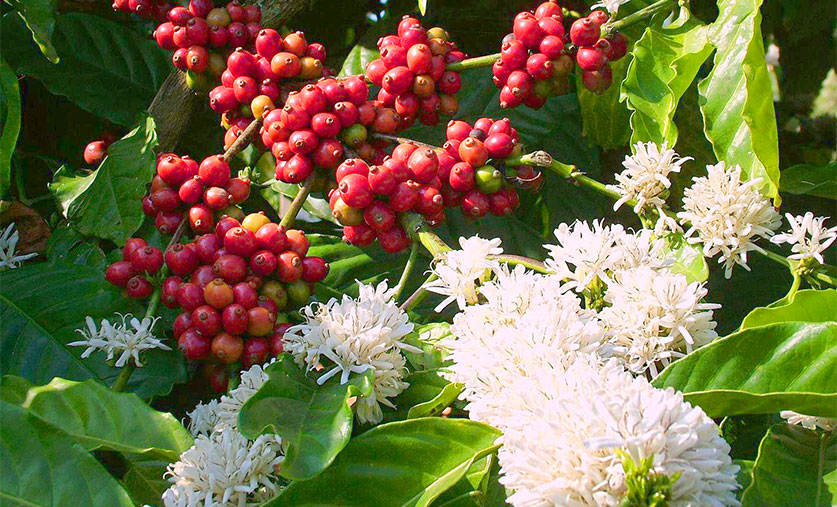
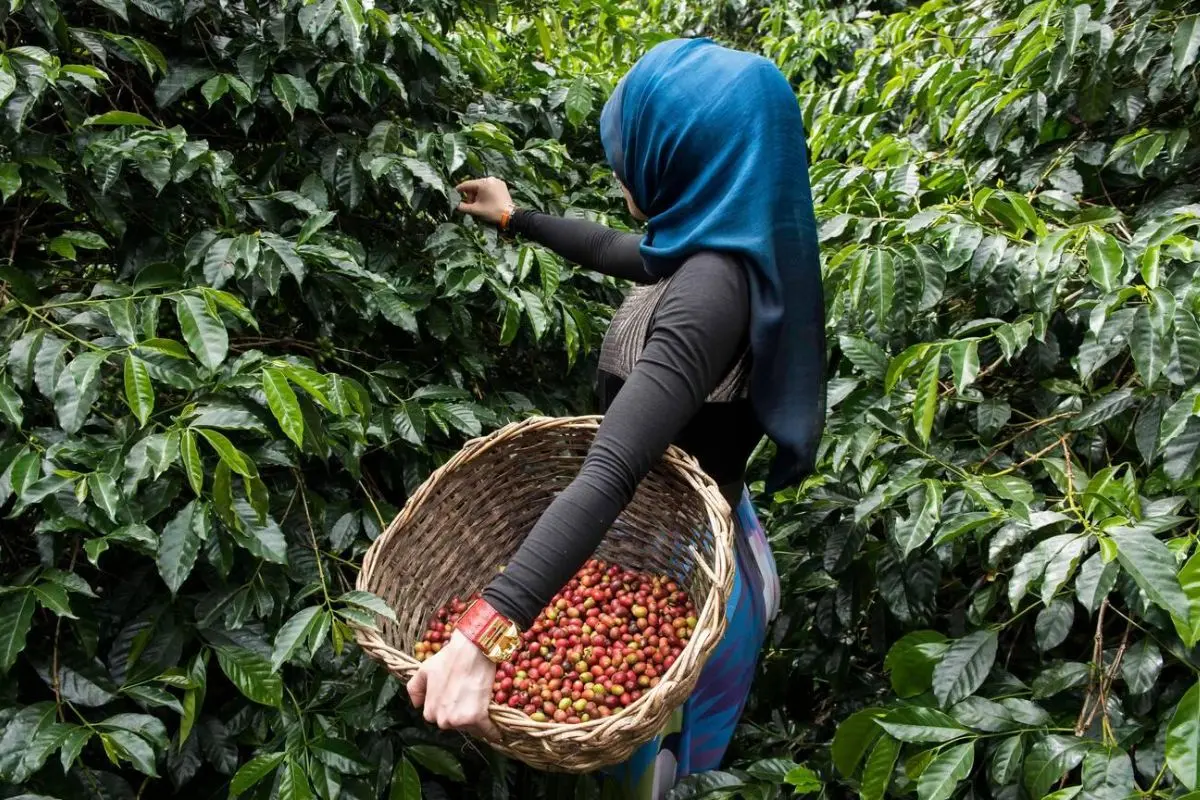
The coffee cycle in Chikmagalur follows the rhythm of nature. Flowering occurs in March-April after the first summer showers, covering the plantations in snow-white blossoms whose fragrance fills the air. The berries develop over the next few months, with harvesting happening from November to March. Each coffee cherry is hand-picked at the perfect stage of ripeness – a labor-intensive process that ensures quality.
Processing Methods
Chikmagalur plantations use different processing methods, each imparting unique characteristics to the final product:
Natural Process: Coffee cherries are dried whole, allowing the fruit to ferment slightly around the bean. This produces sweeter, fruitier coffee.
Washed Process: The fruit is removed before drying, resulting in cleaner, brighter coffee that highlights the bean's natural characteristics.
Honey Process: A middle ground where some fruit flesh is left during drying, creating complex sweetness.
Understanding these processes during your plantation visit will deepen your appreciation for every cup of coffee you drink afterward.
Best Time to Visit Chikmagalur Coffee Plantations
Timing your visit to Chikmagalur can significantly impact your experience. Each season offers a different perspective on coffee cultivation and plantation life.
Winter (November to February) – Peak Season
This is harvesting season, when plantations are bustling with activity. Workers hand-pick ripe coffee cherries, and the processing facilities are in full operation. This is the best time to see the complete coffee-making process firsthand.
- Temperature: Pleasant, 15°C to 25°C
- Highlights: Harvesting activity, coffee processing, clear weather
- Crowds: Moderate – peak tourist season
- Best For: Understanding the complete coffee production cycle
The weather is perfect for plantation walks, and you might even be invited to participate in picking coffee cherries – a hands-on experience that connects you directly to your morning brew.
Summer (March to May) – Blossom Season
Summer brings a magical transformation to Chikmagalur. The first pre-monsoon showers trigger mass flowering, covering the plantations in millions of white coffee blossoms. The fragrance is intoxicating, and the sight of snow-white flowers against green leaves is spectacular.
- Temperature: Warm, 20°C to 30°C
- Highlights: Coffee flowering, green landscapes
- Crowds: Fewer tourists
- Best For: Photography, witnessing the bloom
This is also the time for pepper harvesting, and you'll see pepper vines being harvested and dried. The summer heat is moderate compared to plains, making plantation walks comfortable in mornings and evenings.
Monsoon (June to September) – Lush Greenery
The monsoon transforms Chikmagalur into a verdant paradise. The coffee plants are at their greenest, and the entire region is covered in mist. While outdoor activities might be limited, the plantation views are spectacular.
- Temperature: Cool, 18°C to 24°C
- Highlights: Lush greenery, waterfalls at their best
- Crowds: Few – off-season
- Best For: Nature lovers, budget travelers
Rain can be heavy and continuous, but watching rain sweep across the plantation from your veranda is an experience in itself. The nearby waterfalls in Karnataka are at their most spectacular during monsoon.
Post-Monsoon (October) – Refreshed Beauty
October is perhaps the most beautiful time to visit. The rains have just ended, everything is fresh and green, and the weather is perfect. The coffee berries are beginning to ripen, and the entire region looks washed and clean.
- Temperature: Cool, 16°C to 24°C
- Highlights: Fresh greenery, pleasant weather
- Crowds: Moderate
- Best For: Pleasant weather, plantation walks
How to Reach Chikmagalur
Chikmagalur is well-connected by road and rail, making it accessible from major cities in South India. Here's how to plan your journey:
| From City | Distance | Travel Time | Best Route |
|---|---|---|---|
| Bangalore | 250 km | 5-6 hours | Bangalore → Hassan → Chikmagalur |
| Mangalore | 150 km | 3-4 hours | Mangalore → Mudigere → Chikmagalur |
| Mysore | 200 km | 4-5 hours | Mysore → Hassan → Chikmagalur |
| Hassan | 110 km | 2-3 hours | Hassan → Belur → Chikmagalur |
By Road
Driving to Chikmagalur is part of the experience. The roads are generally good, especially the Bangalore-Hassan highway. The Hassan-Chikmagalur stretch is scenic but has some winding sections through hills. Self-driving gives you flexibility to explore, but many visitors prefer hiring a taxi.
From Bangalore: Take NH75 towards Hassan, then continue on NH173 to Chikmagalur. Start early to avoid city traffic and reach Chikmagalur by lunch.
From Mangalore: The route through Mudigere is scenic but passes through forest reserves and ghats. Drive carefully, especially in monsoon when roads can be slippery.
By Train
The nearest railway station is Kadur (50 km away), but it's not well-connected. Hassan Junction (110 km away) is better connected with trains from Bangalore and Mysore. From Hassan, hire a taxi or take a bus to Chikmagalur.
By Air
The nearest airports are:
- Mangalore Airport: 150 km – 3.5 hours drive
- Bangalore Airport: 280 km – 6 hours drive
- Hassan Airport: Planned but not yet operational
Mangalore airport is more convenient for international travelers or those flying from other parts of India.
Local Transportation
Once in Chikmagalur, you'll need private transport to explore plantations. Most homestays and hotels arrange plantation tours. Hiring a taxi for the duration of your stay is recommended if you want to explore multiple plantations and nearby attractions.
Top Coffee Plantations to Visit
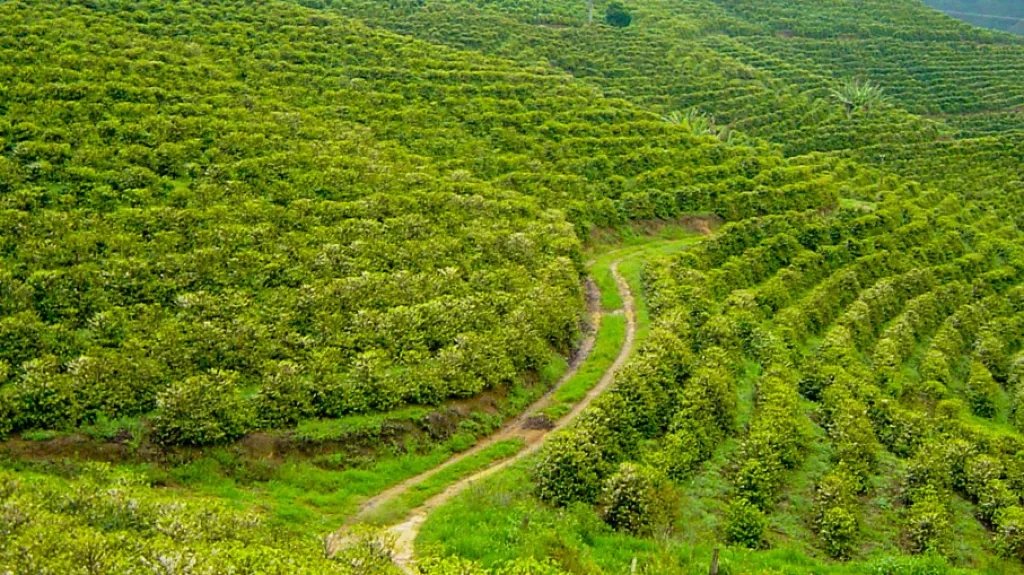
Chikmagalur has numerous coffee plantations, each offering unique experiences. Here are some of the most notable ones that welcome visitors:
Tranquil Plantation Stay
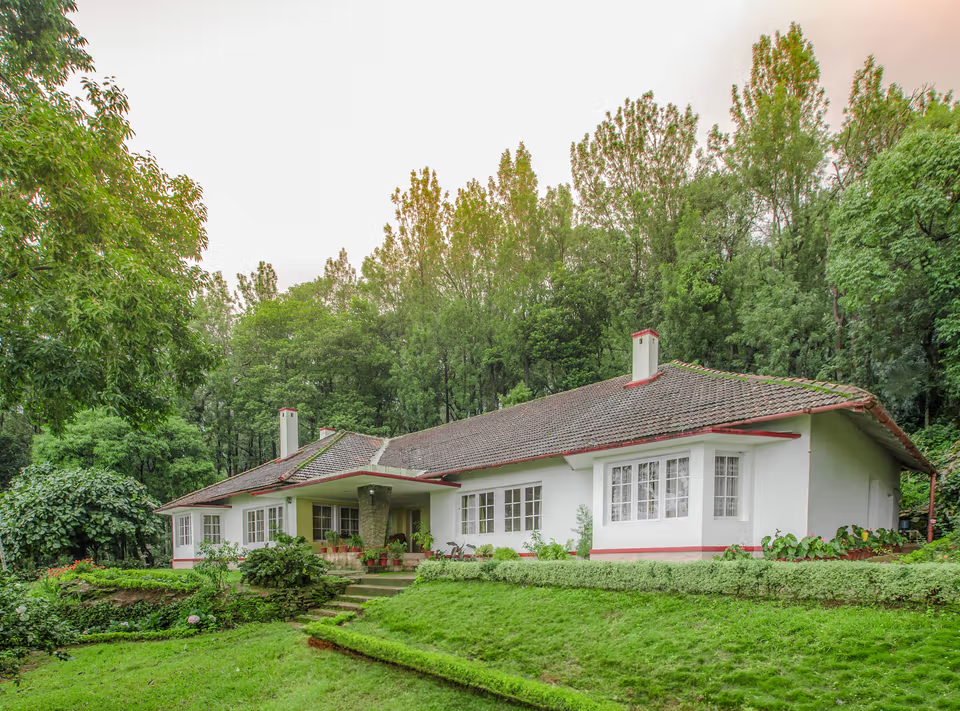
One of Chikmagalur's most famous plantation stays, Tranquil offers an immersive coffee experience spread across 300 acres. This colonial bungalow, built in the 1930s, has hosted guests from around the world. The guided plantation walks here are comprehensive, covering everything from coffee varieties to processing methods.
Highlights: Historic bungalow, extensive plantation tours, home-cooked food
Best For: Luxury seekers, history buffs
Halleri Estate
A family-run plantation known for its commitment to sustainable and organic farming practices. Halleri Estate specializes in shade-grown Arabica and offers personalized tours where you can interact with the family and learn about their generations-old coffee legacy.
Highlights: Organic farming, personal interaction, pepper and spice cultivation
Best For: Eco-conscious travelers, authentic experiences
Bababudangiri Plantations
Located on the historic hills where coffee was first planted in India, these plantations offer a connection to coffee history. The terrain is rugged, and the views are spectacular. Visiting these plantations is often combined with a trek to Baba Budan Giri.
Highlights: Historical significance, scenic views, trekking opportunities
Best For: Adventure seekers, history enthusiasts
Devigiri Estate
Known for its premium Arabica beans, Devigiri Estate offers comprehensive tours that include coffee tasting sessions. The estate's location at higher elevation produces some of Chikmagalur's finest coffee.
Highlights: Coffee tasting, premium Arabica, scenic location
Best For: Coffee connoisseurs
Gangadhar Estate
A medium-sized plantation that offers an intimate look at coffee cultivation. The owners personally conduct tours, sharing their passion and knowledge. The estate also grows areca nut and pepper.
Highlights: Personal tours, mixed cropping, warm hospitality
Best For: Learning about plantation life
What to Expect on a Plantation Tour
A coffee plantation tour in Chikmagalur is a sensory journey that engages sight, smell, touch, and taste. Here's what a typical comprehensive tour includes:
The Walking Tour
Your plantation experience begins with a guided walk through the estate. Knowledgeable guides – often the plantation owners or managers themselves – lead you through rows of coffee plants, explaining everything from soil conditions to pruning techniques.
You'll learn to identify Arabica versus Robusta plants, understand the importance of shade trees, and see how intercropping works in practice. The walk is leisurely, with plenty of stops for explanations and questions.
Seasonal Activities
Depending on when you visit, you might participate in different activities:
Harvest Season (Nov-Mar): Try your hand at picking coffee cherries. It's harder than it looks! Only the perfectly ripe red cherries should be picked, and each plant requires multiple passes as berries ripen at different times.
Blossom Season (Mar-Apr): Witness and smell the mass flowering. The plantation looks like it's covered in snow, and the fragrance is unforgettable.
Processing: Watch the transformation from cherry to bean. See how berries are sorted, pulped, fermented, washed, and dried. Each step affects the final flavor.
Coffee Tasting
The culmination of your plantation tour is typically a coffee tasting session. Many estates have dedicated tasting areas where you'll sample different varieties and processing methods. You'll learn to identify flavor notes, acidity, body, and aroma – the same terms used by professional coffee tasters.
Some estates offer barista workshops where you can learn to brew the perfect cup using various methods – filter coffee, French press, espresso, and more.
The Farm-to-Table Experience
Many plantation stays include meals prepared with ingredients grown on the estate. Fresh coffee, of course, accompanies every meal. You might also taste pepper, cardamom, fruits, and vegetables grown alongside the coffee.
Some estates offer cooking classes where you can learn traditional Karnataka cuisine using estate-grown ingredients. The connection between land, labor, and food becomes beautifully clear during these meals.
Where to Stay: Plantation Stays
Staying within a coffee plantation is the best way to experience Chikmagalur. These range from colonial-era bungalows to modern luxury resorts, but all offer the unique experience of waking up surrounded by coffee plants.
Heritage Bungalows
Colonial-era planters' bungalows offer a glimpse into the past. These historic homes, often built by British or Scottish planters, feature high ceilings, verandas, fireplaces, and period furniture. Staying here feels like stepping back in time.
Features: Antique furniture, colonial architecture, sprawling lawns, personal service
Best For: History lovers, those seeking atmosphere and character
Modern Plantation Resorts
For those who want luxury with their coffee experience, modern resorts offer all amenities while maintaining plantation charm. Infinity pools, spas, fine dining restaurants, and plantation views are standard.
Features: Modern amenities, professional service, organized activities
Best For: Luxury travelers, families
Homestays
For authentic local experiences, nothing beats a homestay. Local families open their homes to guests, offering comfortable rooms, home-cooked meals, and genuine hospitality. You'll become part of the family during your stay.
Features: Authentic food, local interaction, budget-friendly, warm atmosphere
Best For: Cultural immersion, budget travelers, repeat visitors
Tented Camps
Some plantations offer luxury tented accommodations – glamping in the coffee estate. These canvas tents have proper beds, attached bathrooms, and private decks overlooking the plantation.
Features: Nature immersion, unique experience, eco-friendly
Best For: Adventure seekers, nature lovers, honeymooners
Booking Tips
- Book in Advance: Especially for weekends and peak season (Dec-Jan)
- Stay Minimum 2 Nights: One night is too short to experience plantation life
- Choose Based on Interest: Some plantations focus on luxury, others on authentic experiences
- Check Inclusions: Most stays include meals and plantation tours
- Read Reviews: Recent guest experiences are the best indicator of quality
Things to Do Beyond Coffee
While coffee is the main attraction, Chikmagalur offers plenty more to see and do. Combine your plantation tour with these experiences:
Historic Temples
Belur and Halebidu: These 12th-century Hoysala temples are architectural marvels and UNESCO World Heritage sites. Intricate carvings, stunning architecture, and historical significance make these essential visits. Both are within an hour of Chikmagalur.
Shringeri Sharada Peetham: One of the four cardinal mutts established by Adi Shankaracharya, this temple complex is both spiritually significant and architecturally beautiful. Set on the banks of the Tunga River, it offers peace and serenity.
Wildlife and Nature
Bhadra Wildlife Sanctuary: A short drive from Chikmagalur, this sanctuary is home to elephants, tigers, leopards, and diverse birdlife. Safari tours offer opportunities to spot wildlife in their natural habitat.
Kudremukh National Park: Known for its scenic beauty and trekking trails, Kudremukh (Horse Face) peak gets its name from its distinctive shape. The rolling grasslands and shola forests create a unique landscape.
Waterfalls
Hebbe Falls: A stunning waterfall that cascades down in two stages. A jeep ride followed by a trek through forest leads to this beautiful falls. The pool at the base is perfect for a dip.
Mullayanagiri: Besides being the highest peak in Karnataka, Mullayanagiri has small waterfalls along the trek route. The trek itself is rewarding for the panoramic views.
Kalahatti Falls: Located near Kemmangundi, this falls is spectacular during monsoon. The drive to Kemmangundi itself is scenic, passing through coffee plantations and forests.
Trekking
Mullayanagiri Trek: The highest peak in Karnataka offers a moderate trek with spectacular views. The summit has a small temple and 360-degree views of the surrounding hills and valleys.
Kudremukh Trek: A more challenging trek through grasslands and forests. The unique landscape and shola forests make this one of Karnataka's most scenic treks.
Baba Budan Giri Trek: Historic and scenic, this trek takes you through the hills where coffee was first planted in India. The cave where Baba Budan meditated is here.
Adventure Activities
Several operators offer adventure activities including:
- Off-road Jeep Tours: Explore rugged terrain in modified jeeps
- Mountain Biking: Ride through plantations and forest trails
- Rock Climbing and Rappelling: For adventure enthusiasts
- Zip-lining: Soar over the canopy with plantation views
Practical Tips for Your Plantation Visit
To make the most of your Chikmagalur coffee plantation experience, keep these practical tips in mind:
What to Pack
- Comfortable Walking Shoes: Essential for plantation walks and treks
- Light Woolens: Evenings can be cool, especially in winter
- Rain Gear: If visiting during monsoon
- Sun Protection: Hat, sunglasses, sunscreen for outdoor activities
- Insect Repellent: Especially for nature walks and treks
- Camera: You'll want to capture the scenery
- Books: For lazy afternoons on the veranda
Health and Safety
- Carry any personal medications – plantation medical facilities are basic
- Drink bottled water – though plantation water is usually safe
- Be cautious of leeches during monsoon – wear leech socks
- Follow guide instructions during plantation walks
- Stay hydrated during treks
- Respect wildlife during sanctuary visits
Responsible Tourism
- Ask permission before photographing local people
- Don't pluck coffee cherries or other produce
- Respect the privacy of plantation workers
- Support local by buying coffee and spices directly from estates
- Minimize plastic use – many plantations are eco-sensitive
- Follow designated paths during walks
Etiquette
- Dress modestly, especially when visiting temples
- Remove footwear before entering homes and temples
- Accept hospitality graciously – refusing tea or snacks can be seen as impolite
- Be punctual for plantation tours and meals
- Tip staff appropriately – check if it's included or expected separately
Buying Coffee: What to Look For
No visit to Chikmagalur is complete without buying coffee to take home. Here's how to choose the best beans:
Freshness Matters
Buy from plantations or local roasters rather than generic tourist shops. Estate-fresh coffee has a flavor profile that mass-market coffee can't match. Ask when the coffee was roasted – fresher is better.
Whole Beans vs. Powder
Buy whole beans if possible. They stay fresh longer, and grinding just before brewing releases the best flavors. Most plantations will grind beans for you on request, or you can do it at home.
Understanding Varieties
Arabica: Smoother, more complex, higher acidity, preferred by specialty coffee drinkers
Robusta: Stronger, more bitter, higher caffeine, good for espresso blends
Blends: Many estates offer custom blends balancing both varieties
Processing Methods
Ask about processing – washed coffees are cleaner and brighter, while natural process coffees are fruitier. Honey process offers a middle ground with complex sweetness.
Other Products
Don't limit yourself to just coffee. Many estates also sell:
- Pepper: Chikmagalur's Malabar pepper is world-famous
- Cardamom: Fresh from the plantation
- Honey: From estate bees that pollinate coffee blossoms
- Spices: Vanilla, cinnamon, cloves grown as intercrops
Price Guide
Expect to pay more than supermarket prices, but remember you're buying premium, fresh coffee directly from the source. Prices vary by variety and processing, but the difference in quality is worth it.
Conclusion: More Than Just a Beverage
A visit to Chikmagalur's coffee plantations is transformative. It changes how you think about and appreciate your daily cup of coffee. When you understand the journey – from the high-altitude forests of the Western Ghats, through the careful nurturing of plants, the meticulous harvesting, the precise processing, to the final roast that unlocks complex flavors – coffee becomes more than just a beverage. It becomes a connection to land, to history, to the people who dedicate their lives to bringing us this beloved brew.
Chikmagalur offers not just tours, but experiences. Walking through misty plantations at dawn, watching the sunrise over coffee-covered hills, sipping fresh brew while birds sing in the shade trees – these moments stay with you long after you've returned home. Every future cup of coffee will carry the memory of where it came from.
Whether you're a serious coffee enthusiast or simply someone who appreciates beauty and tranquility, Chikmagalur's coffee plantations have something to offer. The blend of natural beauty, agricultural heritage, and warm hospitality creates an experience that's both enriching and rejuvenating.
So plan your visit, pack your bags, and prepare to discover the magic of India's coffee heartland. Your morning coffee will never taste the same again – it will taste like Chikmagalur, like misty hills and dedicated hands, like history and nature working together to create something extraordinary.
For more travel inspiration, check out our guides on Kerala's hill stations and Coorg travel guide – other beautiful destinations in South India's coffee country.
Location
Frequently Asked Questions
Q1.Where is Chikmagalur located and how do I reach there?
Q2.What is the best time to visit Chikmagalur coffee plantations?
Q3.Can I stay inside a coffee plantation in Chikmagalur?
Q4.What can I expect during a coffee plantation tour?
Q5.How many days are sufficient to explore Chikmagalur?
Q6.What should I buy from Chikmagalur coffee plantations?
Q7.Is Chikmagalur safe for families and solo travelers?
Q8.Are there activities beyond coffee plantations in Chikmagalur?
Q9.What is the difference between Arabica and Robusta coffee?
Q10.Why is Chikmagalur called the birthplace of Indian coffee?
Recommended For You
Top 10 Hill Stations in Kerala: Misty Escapes
Explore the best hill stations in Kerala. Munnar, Wayanad, Vagamon & more. Perfect for honeymooners and nature lovers. Plan your misty mountain getaway.
Tea Plantations in Kerala: Munnar Estate Visits, Timings & Photo Spots
Explore Kerala's tea plantations in Munnar. Guide to tea gardens, plantation tours, Tata Tea Museum & best places to experience Kerala's tea estates with tasting sessions.
Munnar: Complete Travel Plan Places And Weather
Complete Munnar travel guide. Best time to visit, top attractions, tea garden tours, adventure activities, accommodation, costs, and practical tips for Kerala's famous hill station.
Never Miss an Adventure
Get the latest trekking guides, travel tips, and exclusive offers delivered straight to your inbox.
