
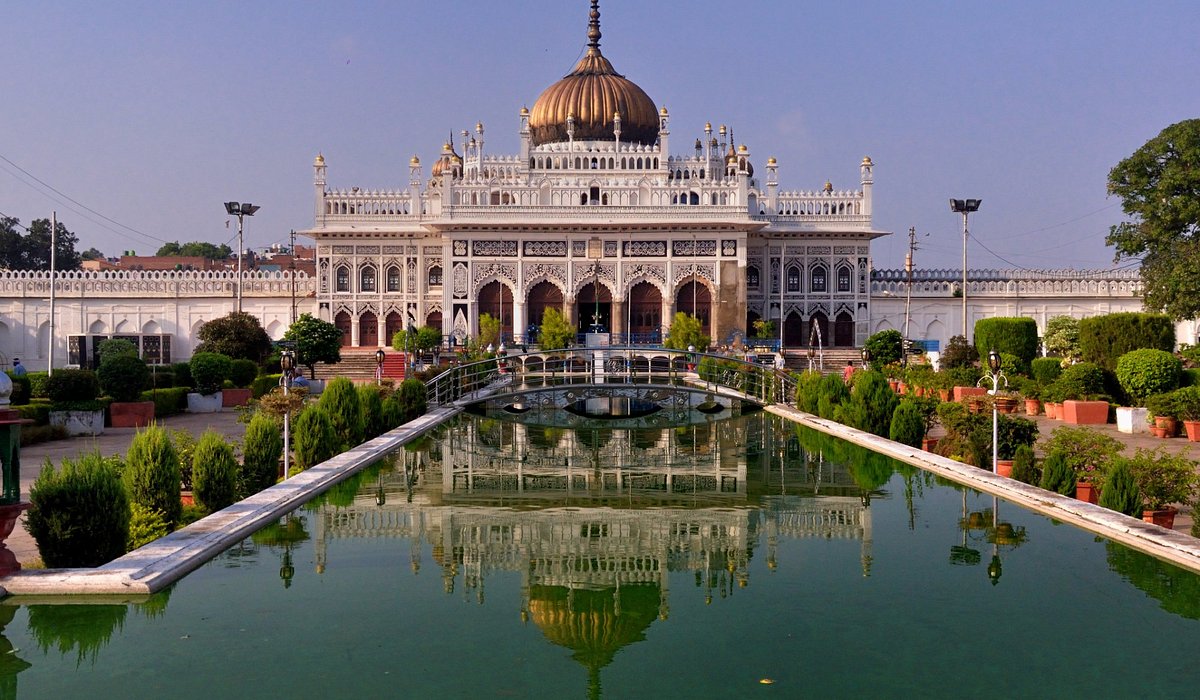
Best Places to Visit in Lucknow: Nawabi Heritage & Food Streets

Rohit Verma
November 27, 2025
Explore Lucknow top attractions including Bara Imambara, Rumi Darwaza, Residency and Hazratganj, with food trails, local tips, and travel planning.
Introduction: Exploring Lucknow Beyond the Usual Checklist
Lucknow is often introduced as the City of Nawabs, but the experience goes far beyond one or two monuments. The city combines grand Awadhi-era architecture, 1857 revolt history, busy old bazaars, refined food culture, and modern neighborhood life across Gomti-side districts. If you plan well, Lucknow is one of the easiest heritage cities in North India to explore in a structured one-day or two-day route.
What makes Lucknow special is its continuity of culture. Heritage sites are not isolated museum zones; they connect directly to living markets, traditional food streets, and neighborhoods that still carry old-city rhythm. A strong itinerary should include Bara Imambara, Chota Imambara, Rumi Darwaza, Residency, and one evening food-shopping block. This guide covers top attractions, route logic, best visiting windows, and practical planning tips.
For extended planning, also read Bhool Bhulaiya Lucknow, best restaurants in Lucknow, and shopping places in Lucknow.
1. Bara Imambara: The Defining Landmark of Lucknow
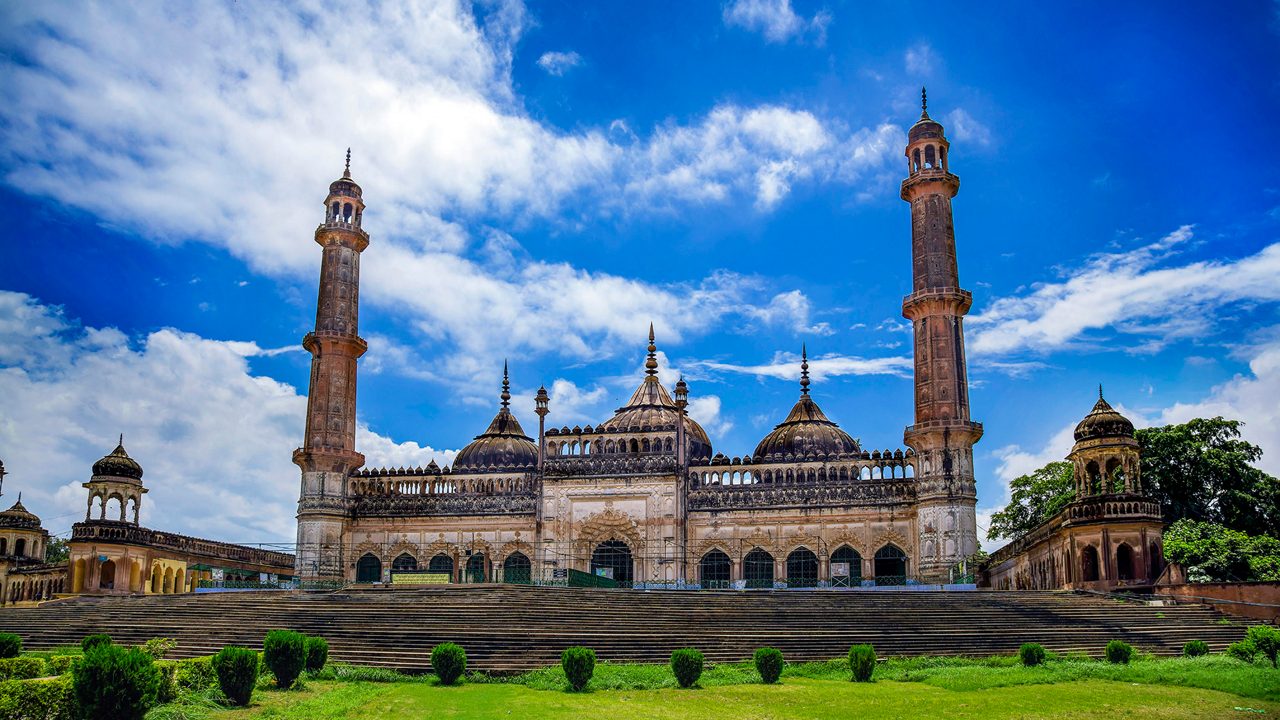
Bara Imambara is the most iconic site in Lucknow and a must-visit for first-time travelers. Built in the late 18th century under Nawab Asaf-ud-Daula, the complex is known for large vaulted halls, intricate passage geometry, and the famous Bhool Bhulaiya section. This is where architecture, history, and city identity intersect most clearly.
Do not rush this stop. Keep enough time for the guided maze experience, exterior courtyards, and surrounding historical context. Morning and late-afternoon visits are usually more comfortable than peak midday hours.
Why Bara Imambara Matters
- Represents major Awadhi architectural heritage.
- Includes Bhool Bhulaiya, one of Lucknow's most recognized experiences.
- Works as the anchor point for old-city monument circuits.
- Best visited with a guide for structural and historical interpretation.
2. Chota Imambara: Decorative Elegance and Light Aesthetics
Chota Imambara offers a different visual tone compared with Bara Imambara. It is known for ornate design elements, chandeliers, and ceremonial architecture that feel more decorative and intimate. Many travelers underestimate this site, but it is one of Lucknow's most rewarding short visits for both photography and heritage appreciation.
If your time is limited, pair Chota Imambara and Rumi Darwaza in the same block because they are often included in connected heritage routes. This keeps transfers low and sightseeing efficiency high.
3. Rumi Darwaza: Symbolic Gateway of the Nawabi City
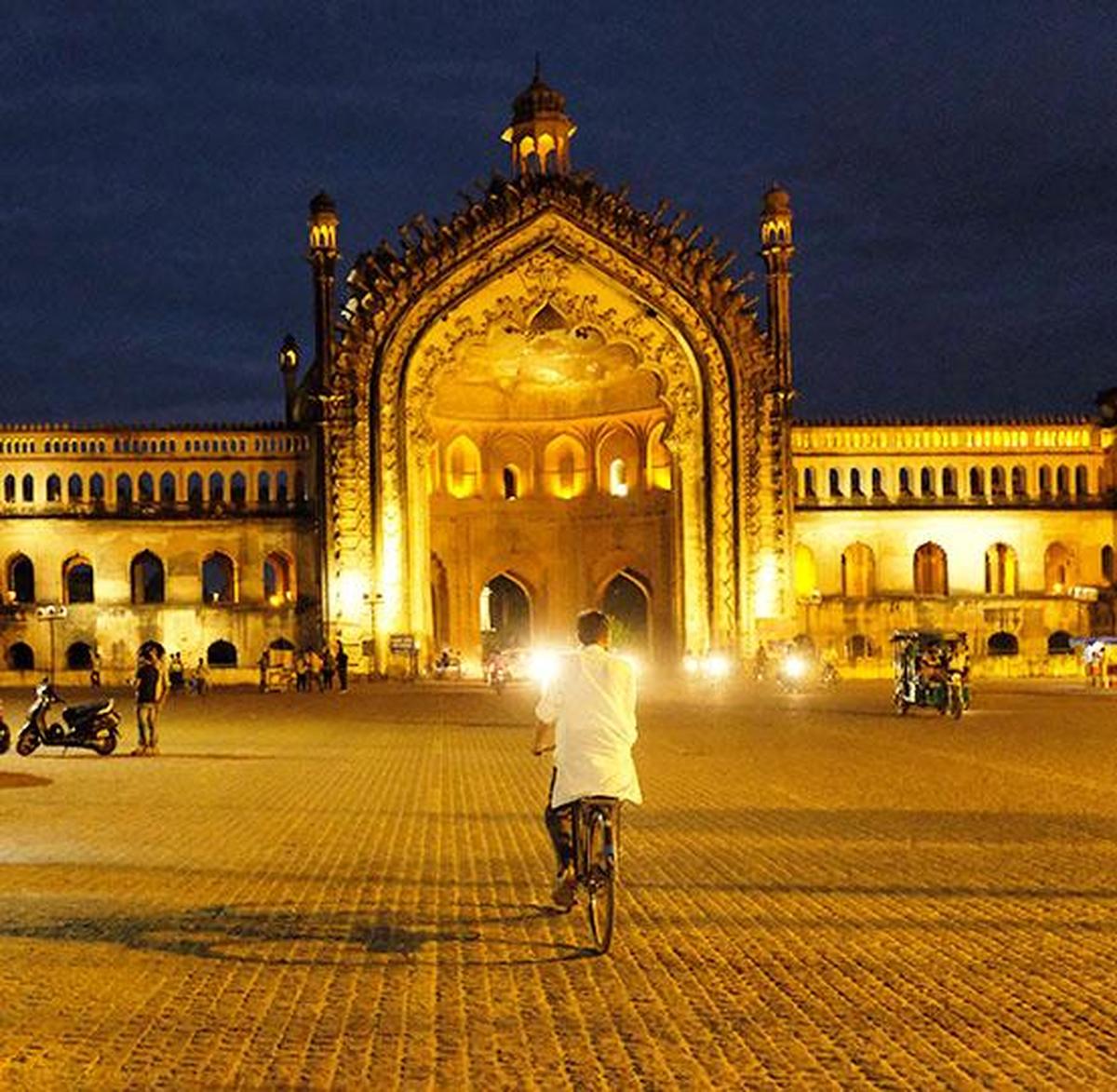
Rumi Darwaza is one of the most photographed structures in Lucknow and a visual emblem of the city. The gateway is often seen as a quick roadside stop, but it deserves a proper pause in your route. Visit with enough buffer to observe details, traffic rhythms, and old-city atmosphere around the monument.
For photographers, softer morning or evening light gives better architectural contrast than harsh noon glare. Since this is an open public structure, you can combine it naturally with nearby heritage points without extra ticket planning.
| Monument | Best For | Recommended Time |
|---|---|---|
| Bara Imambara | History + maze exploration | 2-3 hours |
| Chota Imambara | Architecture and interior detailing | 1-1.5 hours |
| Rumi Darwaza | Iconic city photo stop | 30-45 minutes |
4. British Residency: 1857 History and Urban Memory
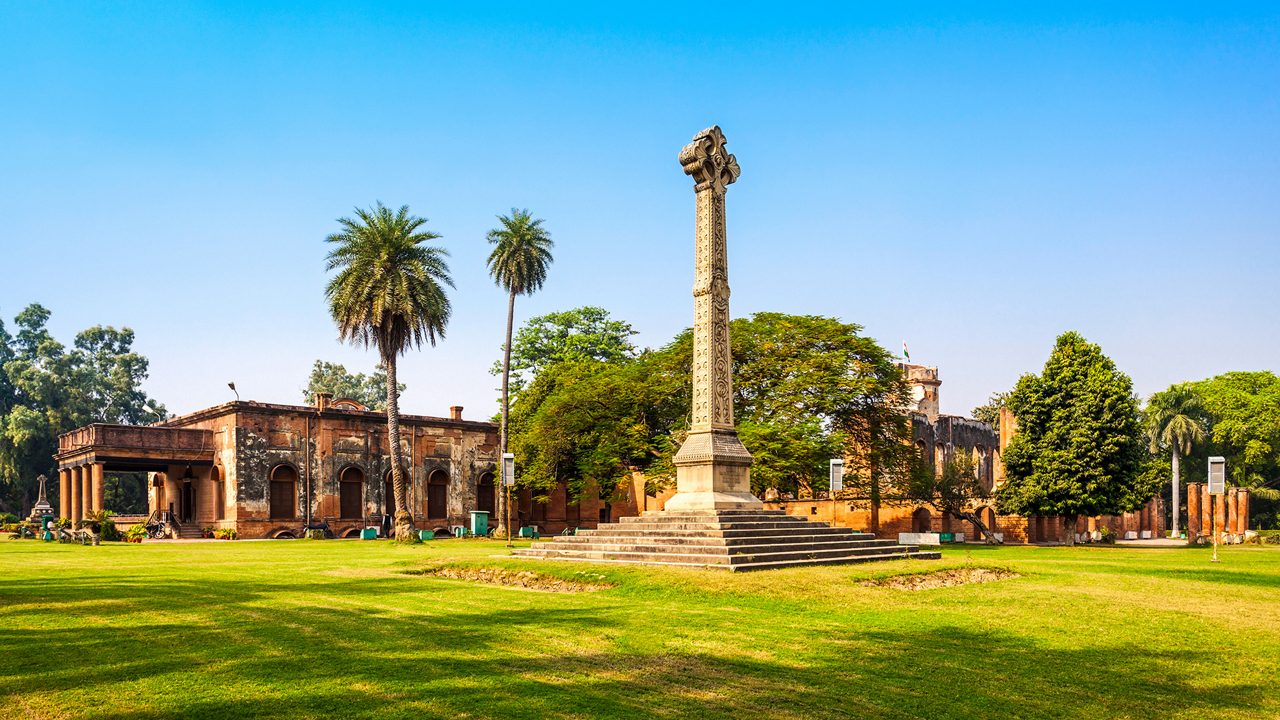
The British Residency complex is one of the most important historical sites in Lucknow for understanding the 1857 uprising context. The ruins, lawns, and preserved structures provide a powerful contrast to the Nawabi architectural belt. This site is especially valuable for travelers interested in layered history rather than only aesthetic monument visits.
Plan at least 60-90 minutes here. A slower walk helps you understand the geography of the complex and its role in colonial-era conflict history. Keep this stop in cooler hours if possible, because open sections can get warm.
5. Hazratganj: Classic Urban Walk + Shopping + Food
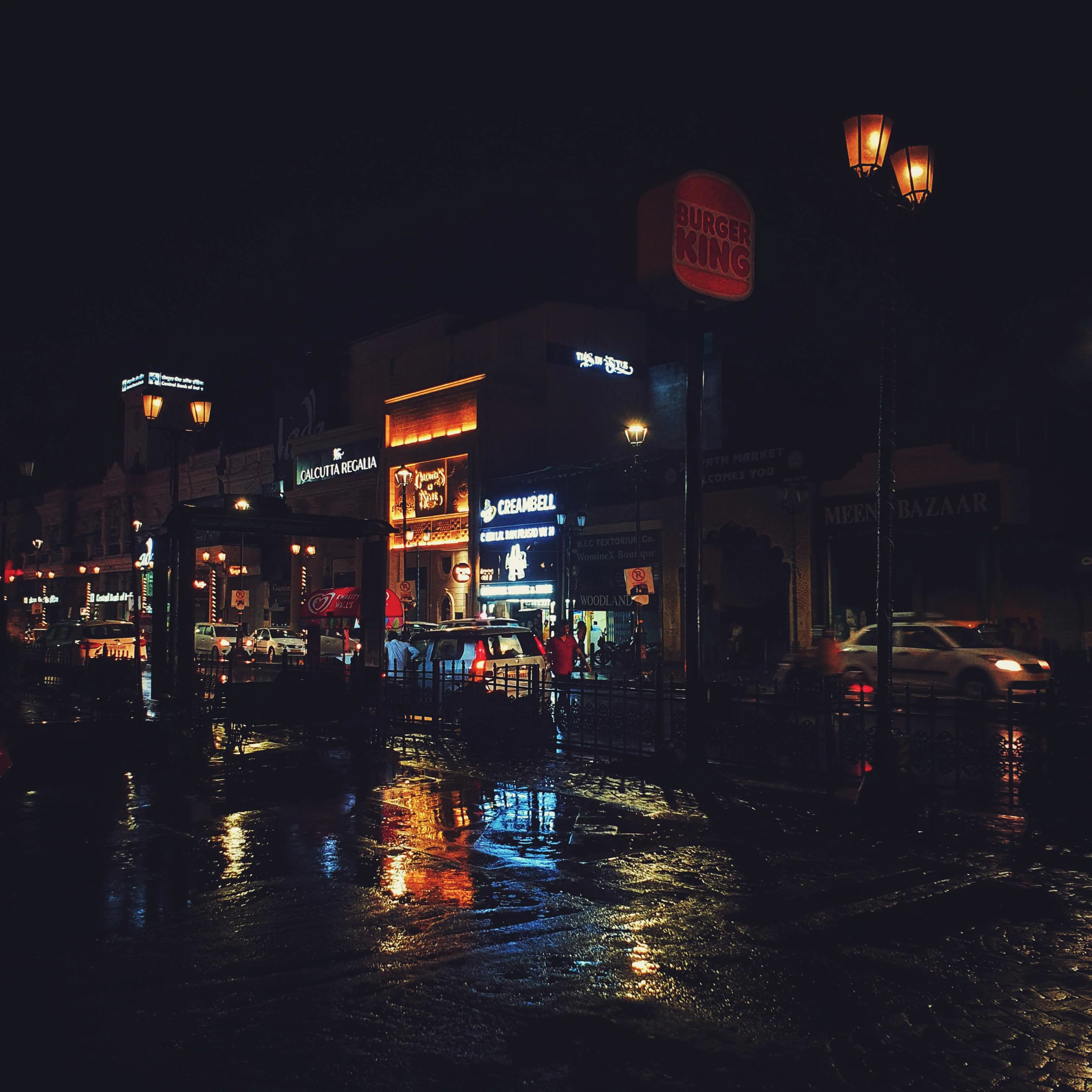
Hazratganj remains one of Lucknow's most practical city experiences, combining shopping, cafes, old institutions, and evening social movement. It may not be a heritage monument, but it is essential for understanding the city's modern public culture. A good Lucknow itinerary usually ends one day in Hazratganj after monument visits.
If you want shopping and snacks without old-city crowd intensity, Hazratganj is a reliable choice. Keep a flexible evening block so you can walk, dine, and browse at your own pace.
6. Dilkusha and Green Heritage Pockets
Dilkusha and associated green-heritage zones are useful for travelers who prefer quieter, less crowded historical environments. While not as high-footfall as Imambara circuits, these places add balance to a Lucknow trip by offering open surroundings and slower walking pace.
If your schedule is tight, treat this as an optional add-on. If you have two days, include at least one lower-crowd heritage stop to avoid monument fatigue from packed circuits.
7. Lucknow Zoo and Family-Friendly Circuits
Lucknow Zoo is a practical family stop, especially for travelers with children who need a break from monument-heavy routes. It works well as a half-day segment with manageable walking and easy transport access compared with deep old-city lanes.
Families can combine zoo time with nearby food or shopping blocks depending on stay location. Keep hydration and sun protection handy, particularly in warmer months.
8. Awadhi Food Culture: Core to the Lucknow Experience
No list of places to visit in Lucknow is complete without its food culture. The city's identity is deeply connected to Awadhi culinary traditions, including kebab lines, slow-cooked gravies, rich breads, and dessert culture. Food in Lucknow is not just about one famous restaurant; it is a full neighborhood experience across old and new districts.
How to Plan a Better Food Route
- Split food exploration across two sessions: late lunch and late evening.
- Combine classic spots with one local street segment.
- Avoid over-ordering early; Lucknow meals are rich and filling.
- Use trusted recommendations for hygiene and queue management.
For dedicated food planning, use best restaurants in Lucknow and party places in Lucknow based on your preferred vibe.
9. One-Day Lucknow Itinerary
If you have only one full day, focus on core landmarks and one market-food evening block.
- 8:30 AM - 11:00 AM: Bara Imambara + Bhool Bhulaiya.
- 11:15 AM - 12:15 PM: Chota Imambara.
- 12:30 PM - 1:00 PM: Rumi Darwaza stop and photos.
- 1:30 PM - 2:30 PM: Lunch break.
- 3:00 PM - 4:30 PM: British Residency.
- 6:00 PM onward: Hazratganj walk + food circuit.
This route balances history and city life while minimizing unnecessary cross-city movement.
10. Two-Day Lucknow Itinerary
Two days allows better pacing and deeper food-culture immersion. Keep Day 1 for core monuments and Day 2 for market experience, family-friendly stops, neighborhood exploration, and optional heritage pockets. This format works best for families and travelers who do not want back-to-back heavy monument blocks.
If your trip includes events or festive dates, reserve evening flexibility because traffic and crowd levels can shift quickly in key zones.
11. Best Time to Visit Lucknow
The most comfortable period for sightseeing is generally October to March, when outdoor walks are easier and evenings are pleasant for market and food exploration. Summer afternoons can be intense, so in warmer months place indoor or shaded stops in midday slots.
Monsoon can add atmospheric charm but may slow mobility in some city pockets. If traveling in rainy periods, keep route buffers and footwear suited for wet surfaces.
12. How to Reach Lucknow and Move Around
By Air
Lucknow is well connected to major Indian cities by flight, making it suitable for weekend heritage and food trips.
By Rail
Rail access is strong and practical for budget and overnight travelers from nearby states and metro cities.
By Road
Road connectivity to neighboring regions supports self-drive and intercity bus trips, though city traffic planning is important for day itineraries.
| Transport Option | Best Use Case | Tip |
|---|---|---|
| Cab + walking | Monument clusters and food routes | Group old-city stops together |
| Metro + short cab hops | Budget-efficient city movement | Plan last-mile transfer buffers |
| Self-drive | Flexible multi-stop schedules | Account for parking near old-city zones |
13. Where to Stay in Lucknow
Stay choice should depend on your trip intent. If this is a heritage-first visit, choose locations with easy access to old-city corridors and central transit links. If this is a food and leisure trip, modern zones with wider roads and newer hotels may be more practical.
For short trips, prioritize travel efficiency over luxury extras. Saving one hour on daily transfers often improves the overall city experience more than premium room features.
14. Practical Tips for First-Time Visitors
- Start major monuments early to avoid mid-day crowding.
- Use guided interpretation at Bara Imambara for better context.
- Keep old-city movement and evening market blocks separate.
- Carry water, light sun protection, and comfortable walking shoes.
- Plan food sessions with gaps; Awadhi meals are rich and heavy.
- Use pre-booked ride apps for late-evening returns.
For event-season planning, check New Year party in Lucknow style city crowd guides before travel dates.
15. Suggested 3-Day Lucknow Plan for Deeper Exploration
If you have three days, Lucknow becomes significantly richer. Keep Day 1 for core Nawabi monuments: Bara Imambara, Chota Imambara, Rumi Darwaza, and evening Hazratganj. Day 2 can focus on Residency history, market browsing, and a dedicated Awadhi food trail. Day 3 is best for slower neighborhoods, family-friendly stops, and shopping pickups. This structure prevents monument fatigue and gives enough time to absorb the city's cultural pace.
Travelers often make the mistake of compressing all old-city landmarks into one short window and then losing time in traffic. A better approach is to keep old-city monuments in one contiguous block and modern districts in another block. The city rewards sequence-based planning more than random attraction hopping.
16. Budget and Timing Strategy for Lucknow Visitors
Lucknow can be explored comfortably across budget ranges. Heritage entry tickets are usually manageable, and the biggest cost difference comes from transport style, accommodation choice, and how you plan food experiences. If your goal is cultural depth with moderate spending, choose one premium meal and balance it with local food trails.
- Budget style: public transport + selective cabs + local eateries.
- Mid-range style: cab-heavy movement + mixed dining + central stay.
- Leisure style: curated tours, premium stays, and structured food experiences.
The most important optimization is time, not only cost. Starting early at monuments and moving to markets after sunset gives better value than paying extra for last-minute transport in peak windows.
17. Local Culture and Etiquette Tips
Lucknow is known for its refined social manners and conversational culture. A respectful tone, patient queue behavior, and polite interactions in heritage and food spaces make your travel experience smoother. In religious and memorial spaces, dress modestly and avoid loud behavior. For photography, ask when entering sensitive or crowded areas.
If you are exploring popular food streets, keep your group movement compact and avoid blocking stall fronts. Small etiquette choices help maintain positive interactions with locals and vendors and improve overall trip quality.
Final Take
The best places to visit in Lucknow combine architecture, history, market culture, and one of India's most respected culinary traditions. Bara Imambara, Chota Imambara, Rumi Darwaza, Residency, and Hazratganj together create a complete first-time itinerary when planned by area and time of day. Add food deliberately, keep transit realistic, and Lucknow becomes a deeply rewarding heritage-city experience.
Location
Frequently Asked Questions
Q1.How many days are enough for Lucknow?
Q2.What is Lucknow famous for?
Q3.What is the best time to visit Lucknow?
Q4.Which attractions should first-time visitors prioritize in Lucknow?
Q5.Is Bara Imambara worth visiting?
Q6.What is special about Bhool Bhulaiya in Lucknow?
Q7.Where can I eat famous Lucknow food?
Q8.Is Hazratganj good for shopping and evening walks?
Recommended For You
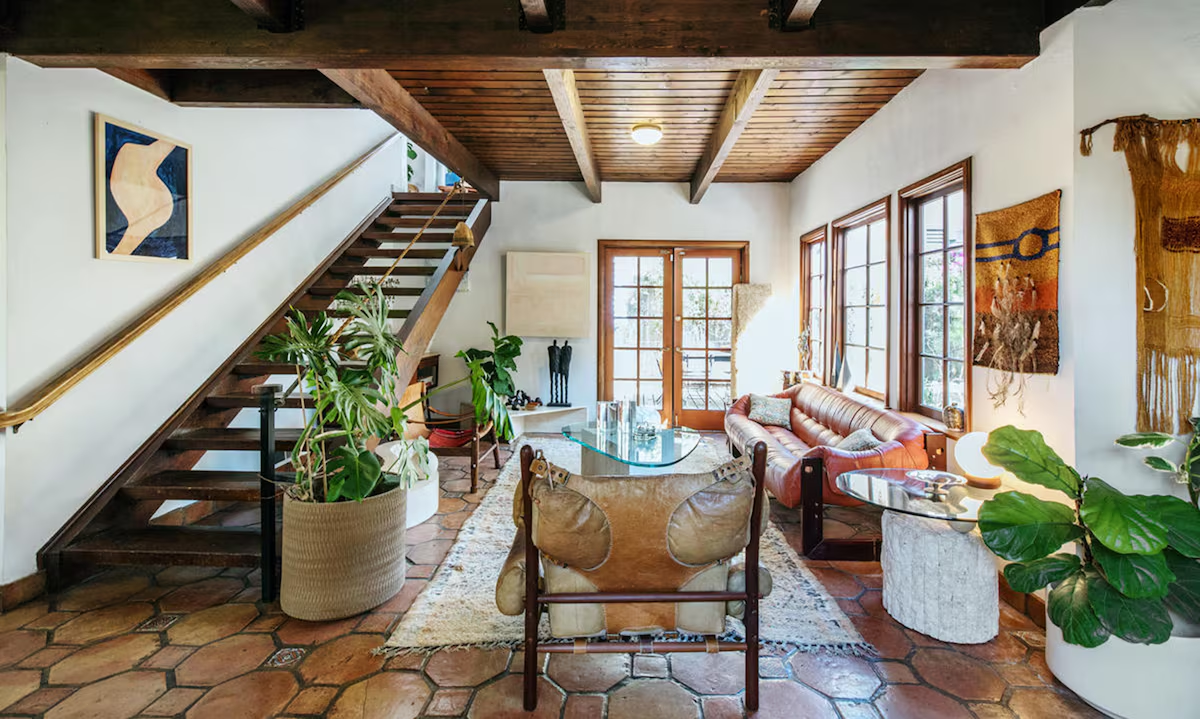
Best Airbnbs in Lucknow: Areas, Price Range & Stay Picks
Find the best Airbnbs in Lucknow. Explore Hazratganj, Gomti Nagar, and airport stays with prices, local tips, and booking advice for every budget.
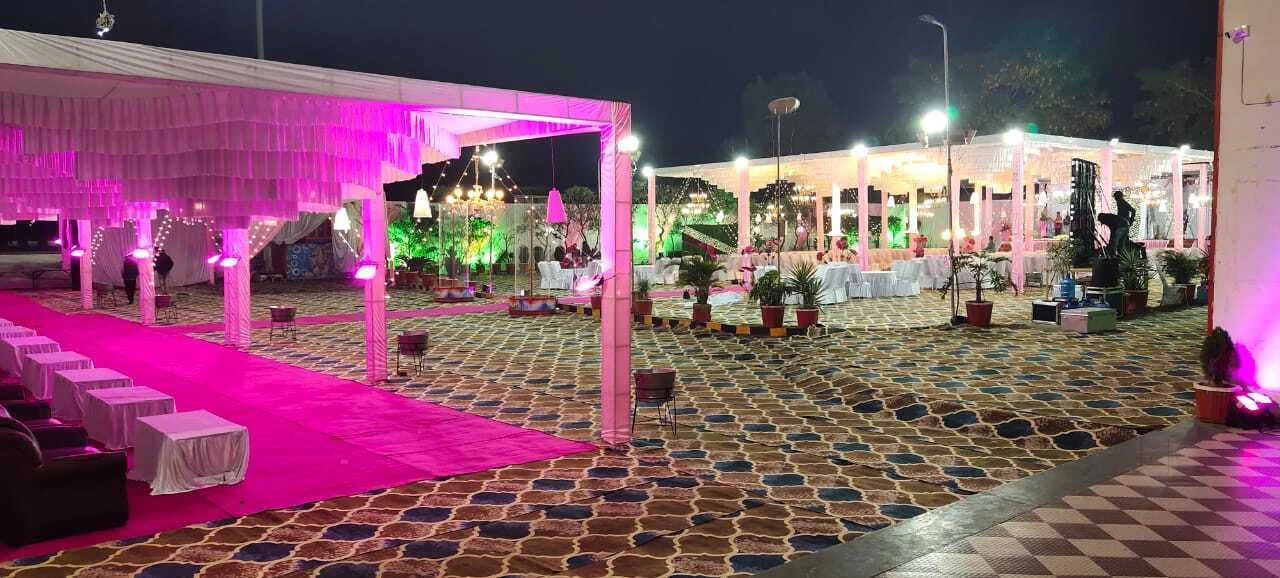
Party Places in Lucknow: Pubs, Breweries & Nightlife Zones
Explore party places in Lucknow with area-wise pub and club guidance, rooftop options, couple-friendly plans, budget tips, and nightlife safety advice.
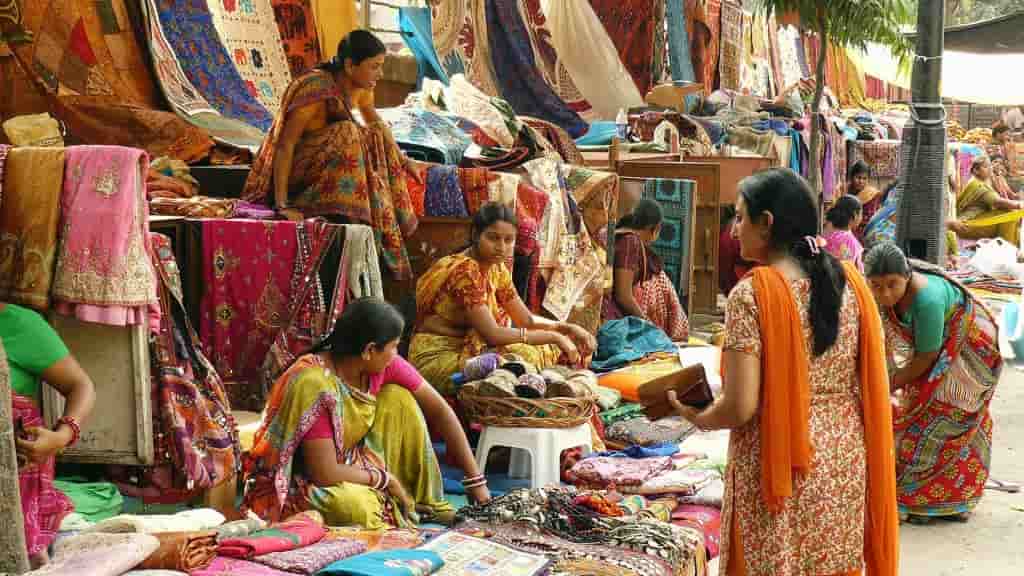
Shopping in Lucknow: Chikankari, Chowk Bazaar & Heritage Crafts
Discover shopping in Lucknow with our guide to Chikankari embroidery, Chowk market, zardozi work, ittar perfumery, and traditional crafts.
Never Miss an Adventure
Get the latest trekking guides, travel tips, and exclusive offers delivered straight to your inbox.
