
Heritage
Adalaj Stepwell Ahmedabad: History, Timings & Architecture Highlights

Rohit Verma
February 18, 2026
8 min read4,640 views
Adalaj Stepwell guide with history, architecture, timings, entry fee, how to reach, and photography tips. Plan your visit from Ahmedabad with ease.
1. Introduction: The Five-Storied Wonder
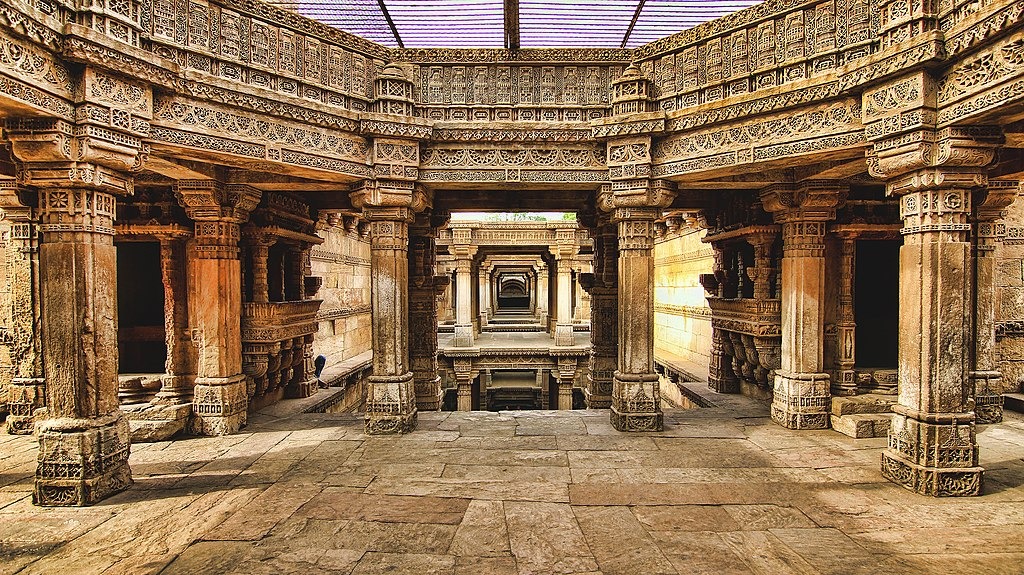
Adalaj Stepwell, locally called Adalaj ni Vav, is one of Gujarat’s most celebrated water monuments. Tucked in Adalaj village near Ahmedabad, this five-level stepwell was designed to be both a water reservoir and a social space where communities could gather, rest, and escape the heat. As you descend, the air turns cooler, the light becomes softer, and the carvings grow more intricate with every level. That sensory journey is why Adalaj Stepwell stands out from other heritage sites in the region. This guide helps you plan a meaningful visit with the right historical context, architecture highlights, and visitor tips. You will find practical details like timings, entry fee, how to reach from Ahmedabad, and the best time for photography. If you are planning a longer heritage circuit, pair this visit with best places to visit in Ahmedabad and spiritual landmarks like Akshardham Temple. For a deeper look into Gandhi-era history, add Sabarmati Ashram to your itinerary. Even a short visit reveals how water engineering shaped daily life in Gujarat, from community rituals to climate-smart architecture that still feels relevant today.
2. History of Adalaj Stepwell
The story of Adalaj Stepwell is rooted in the late 15th century. Construction began under Rana Veer Singh of the Vaghela dynasty to address the region’s water needs. After the king’s death, the stepwell was completed under Sultan Mahmud Begada, which is why you see a striking mix of Hindu-Jain motifs with Islamic geometry. The site is also associated with the legend of Queen Rudabai, who is credited with commissioning the vav and preserving its cultural legacy. Beyond the legends, Adalaj Stepwell represents the practical genius of water management in semi-arid Gujarat. Stepwells were engineered to collect monsoon water, keep it cool, and make it accessible through a series of descending staircases. They were not only utility structures but also places of ritual, rest, and community life. That layered purpose explains the ornate detailing, the multiple levels for gathering, and the careful climate control built into the architecture. Historical records and local oral tradition emphasize that the vav served as a lifeline during dry months. Traders and pilgrims used the shaded landings as rest stops, and the community performed rituals around water, which was viewed as sacred. The careful alignment of steps and landings allowed people to access water at varying depths throughout the year, a practical design that also influenced the site’s cultural relevance.3. Architecture & Design Features
Adalaj Stepwell is famed for its five stories and octagonal plan. The carved sandstone pillars show floral patterns, dancers, animals, and devotional imagery. Each level feels like a separate pavilion, connected by stairways that lead toward a deep central well. The craftsmanship reveals a fusion of Indo-Islamic aesthetics: floral motifs and geometric patterns sit alongside Hindu and Jain iconography. This blend makes the site a living example of Gujarat’s plural architectural history.Design highlights
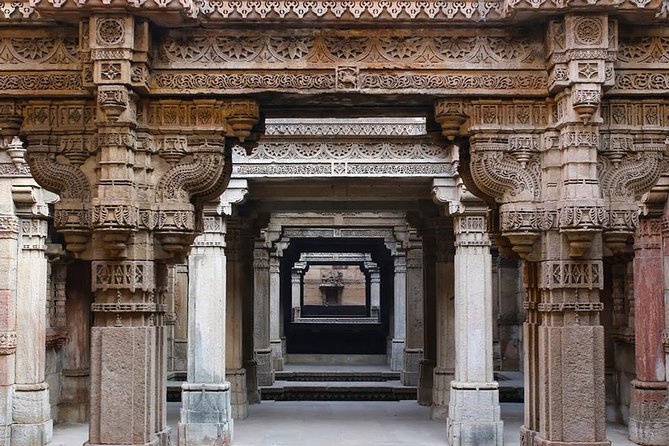
The octagonal well is framed by a grid of pillars that create repeating patterns and strong symmetry. Carved brackets depict scenes of daily life, floral scrollwork, and motifs like elephants and celestial figures. This layered carving work makes every level look different, so a slow walk down the steps reveals new details at each landing.Climate and acoustics
One reason stepwells were called water temples is their atmospheric interior. The descending geometry channels cool air upward and softens sound, so voices echo gently across the levels. Even on hot afternoons, the temperature remains noticeably lower, making the vav a natural retreat for villagers and travelers. A major highlight is how the stepwell moderates temperature. The deeper you go, the cooler it becomes, sometimes several degrees lower than the outside air. Light filters in through openings at the top, creating dramatic shafts across the carvings. The step arrangement is also practical, allowing access to water at different levels depending on the season. These design features make Adalaj Stepwell both a visual masterpiece and a functional water system.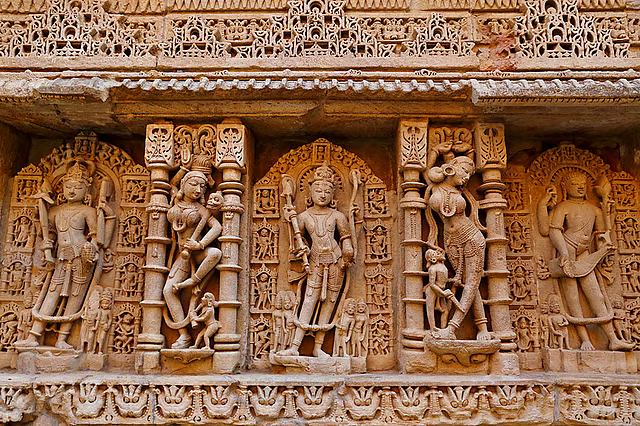
4. Best Time to Visit
The most comfortable months to visit Adalaj Stepwell are October to March. Winter skies are clear, and the pleasant temperature makes it easier to explore each level slowly. If you visit in summer, plan for early morning when the sun is softer; the stepwell itself stays cool, but the outer approach can be hot. Monsoon months bring lush greenery and beautiful light, though the steps can be slippery, so wear shoes with good grip. For photography, early morning works best because the crowd is smaller and the light is gentle enough to capture the carvings clearly. Late afternoon also creates dramatic contrasts as light filters down through the openings. Avoid peak midday if you prefer less crowd and softer light inside the well. Weekday mornings are the least crowded, especially outside school holiday periods. If you want to combine Adalaj Stepwell with other Ahmedabad attractions, start here early, then move toward the city by late morning to avoid highway traffic.5. How to Reach from Ahmedabad
Adalaj Stepwell is around 18 km from central Ahmedabad and sits near the Ahmedabad–Gandhinagar highway. It is an easy half-day trip by road, and most travelers combine it with nearby attractions in Gandhinagar.- By cab or self-drive: The most convenient option, with travel time of 45 minutes to 1 hour depending on traffic.
- By bus: Gujarat State Transport buses run toward Adalaj village. You may need an auto for the final stretch.
- Nearest railway station: Gandhinagar and Ahmedabad are the closest major railheads.
- Nearest airport: Ahmedabad Airport is the most practical air hub for Indian travelers.
6. Visitor Information: Timings, Entry Fee, Duration
Adalaj Stepwell is generally open every day, and most visitors spend 1 to 2 hours here depending on photography and exploration time. Timings and fees can occasionally change, so it is wise to confirm on-site notices when you arrive.| Detail | Information |
|---|---|
| Timings | 8:00 AM to 6:00 PM (all days) |
| Entry Fee | ₹25 for Indians, ₹300 for foreign visitors |
| Ideal Visit Duration | 1–2 hours |
| Best Time of Day | Morning or late afternoon |
Facilities and etiquette
Basic facilities such as parking and small refreshment stalls are usually available near the entrance, though options are limited. Keep noise low inside the stepwell so the ambience is preserved, and avoid touching carvings to protect the stonework. If you see school groups or guided tours, allow space on staircases as the passageways can be narrow.Accessibility notes
The monument is not wheelchair-friendly due to the steep steps and multiple landings. If you are visiting with elderly family members, plan for a slower pace and stay near the upper levels where the light is brighter and the steps are easier to manage.7. Photography Tips
Adalaj Stepwell is a photographer’s dream because of its symmetry, repeating pillars, and dramatic light. A wide-angle lens helps capture the geometry and depth, while a mid-range zoom works well for carvings and detail shots. If you are using a phone camera, shoot in HDR mode to balance the bright openings and darker interiors. Move slowly and observe how the light falls from above. The most striking frames often appear when beams of light cut across the central shaft or when a figure stands on a landing for scale. Avoid blocking stairways during peak hours, and be mindful of other visitors who may be moving up and down the steps. For compositions, position yourself at the center staircase and align the pillars for perfect symmetry. Including a person in a bright outfit can add contrast and scale. If you have a tripod, keep it compact and use it only when the crowd is thin to avoid obstructing pathways.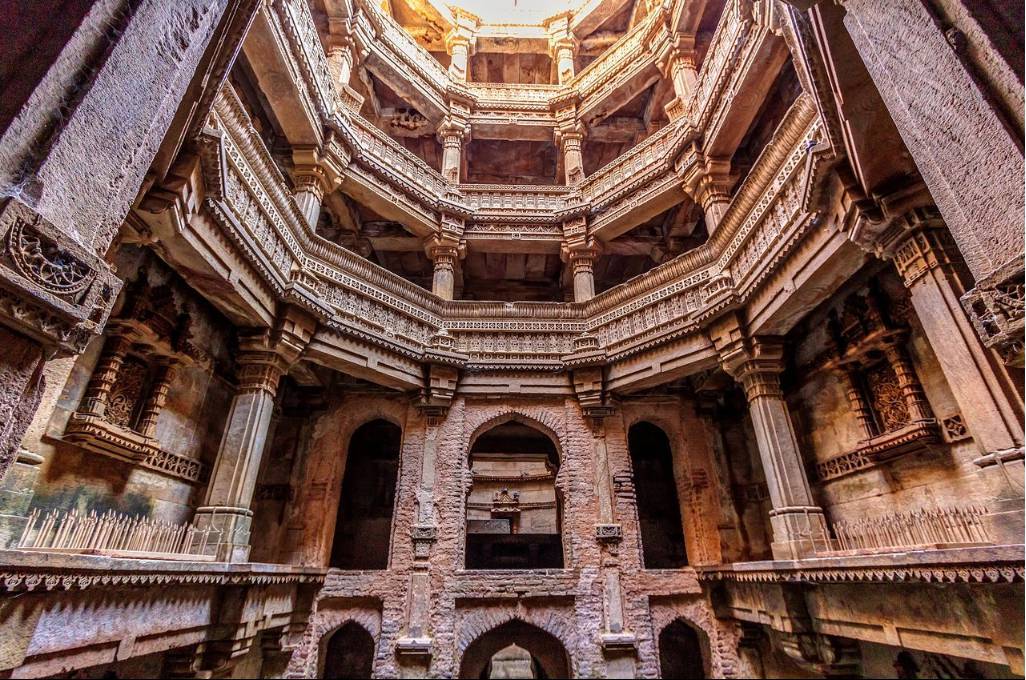
8. Nearby Attractions
Adalaj Stepwell is close to several Ahmedabad and Gandhinagar landmarks, making it easy to plan a combined day. If you are short on time, pick one or two sites to complement your visit. For a broader city tour, start with Ahmedabad’s top attractions and include cultural spaces, riverfront walks, and museums. Popular nearby options include:- Akshardham Temple: A major spiritual complex in Gandhinagar, known for architecture and evening aarti.
- Sabarmati Ashram: A historic site connected with Mahatma Gandhi and India’s freedom movement.
- Adalaj Village: The local village around the stepwell, worth a brief stroll for everyday life scenes.
- Indroda Nature Park: A green space in Gandhinagar for a short, relaxed walk.
Location
Frequently Asked Questions
Q1.Where is Adalaj Stepwell located?
Adalaj Stepwell is in Adalaj village, Gandhinagar district, around 18 km from Ahmedabad on the Ahmedabad–Gandhinagar highway. It is a convenient half-day trip from Ahmedabad.
Q2.What is the history behind Adalaj Stepwell?
The stepwell began under Rana Veer Singh of the Vaghela dynasty and was completed in the late 15th century under Sultan Mahmud Begada. It blends Hindu-Jain motifs with Islamic geometry and is associated with Queen Rudabai’s legend.
Q3.Who built Adalaj Stepwell?
Construction started under Rana Veer Singh and is traditionally linked to Queen Rudabai, with completion during Sultan Mahmud Begada’s rule. The result is a classic Indo-Islamic stepwell in Gujarat.
Q4.What are Adalaj Stepwell timings?
Adalaj Stepwell is typically open from 8:00 AM to 6:00 PM daily. Timings can vary slightly during special events, so checking the on-site notice board is recommended.
Q5.Is there an entry fee for Adalaj Stepwell?
The usual entry fee is ₹25 for Indian visitors and ₹300 for foreign visitors. Fees can change, so verify at the ticket counter during your visit.
Q6.How much time to spend at Adalaj Stepwell?
Plan for 1–2 hours. This allows time to explore all five levels, photograph the carvings, and understand the architectural details without rushing.
Q7.What is special about Adalaj Stepwell?
Its five-storey octagonal design, intricate carvings, and the naturally cool interior make it unique. The mix of Hindu-Jain motifs with Islamic geometry is a highlight of Gujarat’s heritage architecture.
Q8.How to reach Adalaj Stepwell from Ahmedabad?
You can reach by cab or self-drive in about 45–60 minutes. State buses run toward Adalaj village, and the nearest rail and air hubs are Ahmedabad and Gandhinagar.
Recommended For You
Heritage
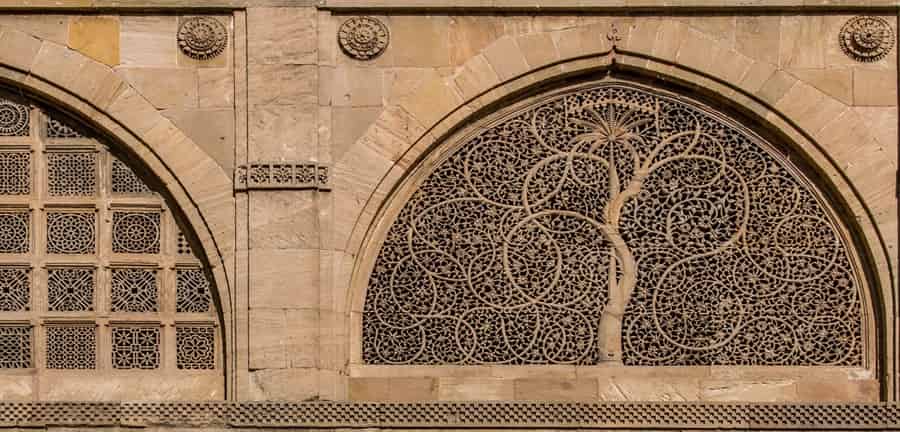
Sidi Saiyyed Mosque Ahmedabad: Iconic Jaali, History & Visitor Tips
Explore Sidi Saiyyed Mosque Ahmedabad with history, jaali architecture insights, visitor tips, and nearby heritage walk suggestions.
Feb 18Read More
Spiritual
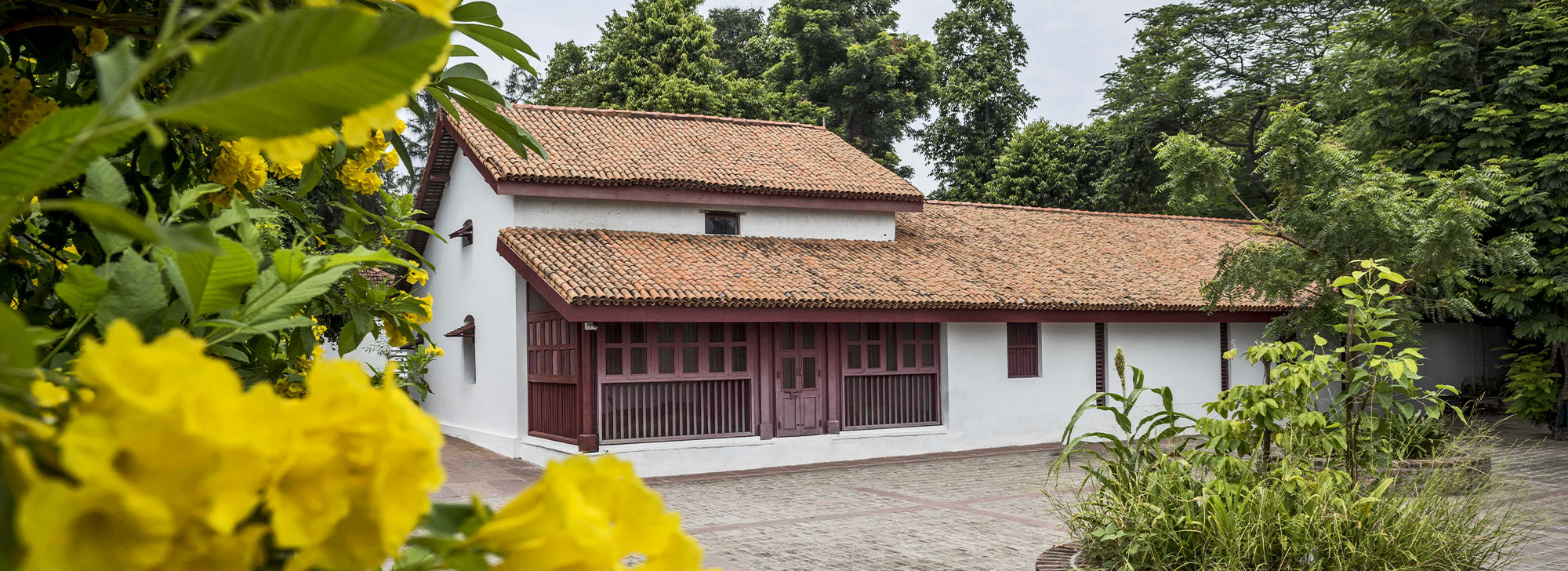
Sabarmati Ashram Ahmedabad: Gandhi Museum, Timings & Entry Details
Visit Sabarmati Ashram Ahmedabad. Complete guide with timings, entry fee, museum collections, Dandi March history, light & sound show, and travel tips.
Nov 15Read More

Wildlife
Places to Visit Near Ahmedabad Gujarat: One-Day & Weekend Trips
Explore top places to visit near Ahmedabad Gujarat with practical distances, travel times, and route ideas for wildlife, spiritual, coastal, and heritage weekend trips.
Feb 9Read More
Never Miss an Adventure
Get the latest trekking guides, travel tips, and exclusive offers delivered straight to your inbox.
