
Sabarmati Ashram Ahmedabad: Gandhi Museum, Timings & Entry Details

Rahul Garg
November 15, 2025
Visit Sabarmati Ashram Ahmedabad. Complete guide with timings, entry fee, museum collections, Dandi March history, light & sound show, and travel tips.
Introduction: Gandhi's Spiritual Home
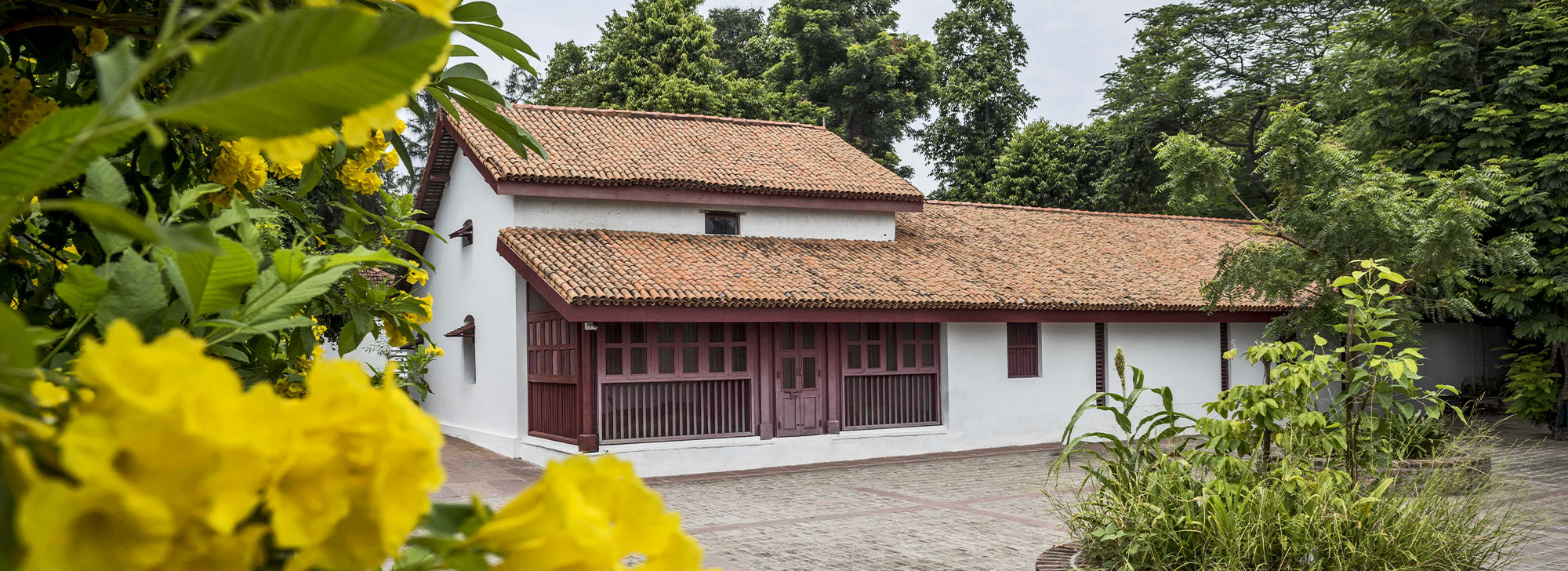
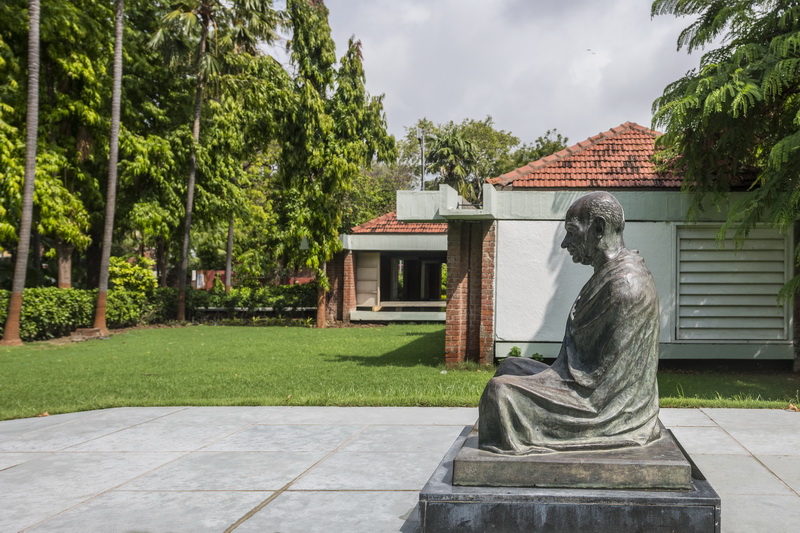
Sabarmati Ashram, also known as Gandhi Ashram or Satyagraha Ashram, stands on the banks of the Sabarmati River in Ahmedabad, Gujarat as a powerful symbol of India's freedom struggle. This was the residence of Mahatma Gandhi for twelve crucial years (1917-1930), from where he launched the famous Dandi March and shaped many of his ideas about non-violent resistance. Today, the ashram serves as a museum and memorial to the Father of the Nation, offering visitors insights into Gandhi's life, philosophy, and the freedom movement that transformed India. For those exploring places to visit in Ahmedabad, this ashram is an essential stop.
More than just a historical monument, Sabarmati Ashram is a place of pilgrimage for those seeking to understand the principles of truth, non-violence, and simple living that Gandhi championed. The peaceful atmosphere, simple whitewashed buildings, and well-maintained gardens create an environment that transports visitors back to the era when India's struggle for independence was being planned within these walls.
History and Significance
Sabarmati Ashram's history is intertwined with the most pivotal period of India's freedom struggle and Gandhi's philosophical evolution.
Founding and Early Years
Mahatma Gandhi established Sabarmati Ashram in 1917 when he returned from South Africa and was searching for a place to settle and continue his work. He chose this location on the banks of the Sabarmati River for several strategic reasons - it was between a jail and a crematorium, symbolizing that a satyagrahi (follower of truth and non-violence) should have no fear of either. The ashram was originally called Satyagraha Ashram, reflecting Gandhi's philosophy of passive resistance.
When Gandhi first established the ashram, the area was relatively remote, surrounded by open fields. This isolation provided the perfect environment for contemplation, planning, and experimentation with Gandhian principles of simple living and self-sufficiency. The early years saw the ashram develop as a community where everyone, regardless of caste or religion, lived and worked together - revolutionary in the context of early 20th century India.
The Dandi March
The most significant event associated with Sabarmati Ashram is the Dandi March (Salt Satyagraha) of 1930. On March 12, 1930, Gandhi embarked on his famous 240-mile march to the coastal village of Dandi to protest the British salt tax. Starting with 78 followers from the ashram, this peaceful protest challenged the British monopoly on salt production and marked a turning point in India's freedom struggle. Visitors interested in Gandhi's influence can also explore other historical sites like Agarthalu in Bangalore and Mani Bhavan in Mumbai.
The march captured the world's attention and demonstrated the power of non-violent resistance. Gandhi never returned to live at Sabarmati Ashram after the Dandi March, as he had pledged not to return until India achieved independence. However, the ashram continued to be a center of nationalist activity and remained a symbol of the freedom movement.
Planning Center for Freedom Movement
During Gandhi's residence here, Sabarmati Ashram became the de facto headquarters of India's freedom struggle. Many crucial decisions about the independence movement were made within these walls. Freedom fighters from across India visited the ashram to meet Gandhi and plan strategies. The ashram also served as a training ground where Gandhi's ideas about non-violent resistance, self-reliance, and communal harmony were practiced and refined.
National Monument
After India gained independence, the ashram was designated a national monument. The government of India, recognizing its historical significance, has preserved and maintained the ashram as a memorial to Gandhi and the freedom struggle. Today, it's managed by the Sabarmati Ashram Preservation and Memorial Trust, which continues Gandhi's work of promoting peace, non-violence, and sustainable living.
Museum and Collections
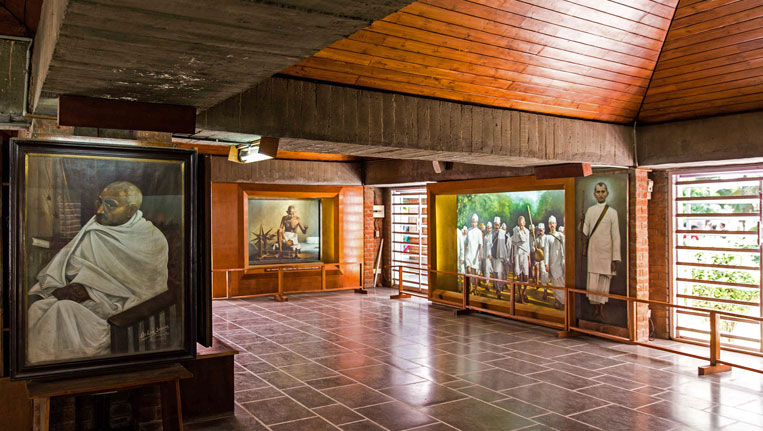
The Gandhi Smarak Sangrahalaya (Gandhi Memorial Museum) at Sabarmati Ashram houses an impressive collection that provides deep insights into Gandhi's life and India's freedom struggle.
Gandhi's Personal Belongings
The museum displays many of Gandhi's personal items that offer intimate glimpses into his simple lifestyle:
- Charkha (Spinning Wheel): Gandhi's personal charkha, symbolizing self-reliance and the Swadeshi movement
- Walking Stick: The simple wooden staff he used during the Dandi March
- Personal Effects: Glasses, bowls, and other everyday items he used
- Clothing: Examples of the simple khadi clothes he wore
- Books and Writings: Gandhi's personal library and collection of his writings
Letters and Correspondence
The museum houses a remarkable collection of Gandhi's correspondence:
- Letters to World Leaders: Correspondence with figures like Tolstoy, Hitler, and Roosevelt
- Letters to Freedom Fighters: Communications with other leaders of India's independence movement
- Personal Letters: Intimate correspondence that reveals his thoughts, fears, and hopes
- Official Documents: Papers related to the planning and execution of various freedom movement activities
Photographs
The extensive photograph collection documents:
- Gandhi's Life: From his early years as a lawyer in South Africa to his final days
- The Freedom Movement: Key events, protests, and moments from the independence struggle
- Dandi March: Extensive coverage of the historic salt satyagraha
- Daily Life at Ashram: Photos showing the simple, communal life Gandhi led
Manuscripts and Publications
- Gandhi's Writings: Original manuscripts of his books, articles, and speeches
- Young India and Harijan: Original issues of newspapers Gandhi edited
- Autobiography: Early drafts and editions of "The Story of My Experiments with Truth"
Key Attractions Within Ashram
The ashram complex contains several important buildings, each with its own historical significance.
Hriday Kunj
Hriday Kunj (Heart's Corner) was Gandhi's residence during his time at the ashram. This simple cottage has been preserved exactly as it was when Gandhi lived here, offering visitors a glimpse into his austere lifestyle. The cottage contains Gandhi's room and Kasturba Gandhi's room, along with a small kitchen where simple vegetarian food was prepared. The sparseness of the furnishings - a few mats, simple wooden furniture, and minimal personal belongings - powerfully conveys Gandhi's commitment to simple living.
Vinoba-Mira Kutir
This cottage was the residence of Vinoba Bhave, one of Gandhi's closest followers and a key figure in the Bhoodan (land gift) movement. Mira Kutir was named after Mira Behn (Madeleine Slade), a British woman who became Gandhi's devoted follower. These residences showcase how the ashram housed Gandhi's core group of followers who lived as a community dedicated to the freedom struggle.
Upasana Mandir
The Upasana Mandir (Prayer Ground) is an open-air space where daily prayers were held. This is where Gandhi and ashram residents would gather each morning and evening for prayer and meditation. The space, with its simple design and peaceful atmosphere, continues to be used for prayer meetings and reflective gatherings. Visitors often sit here to experience the tranquility that must have permeated the ashram during Gandhi's time.
Gandhi's Room
Preserved exactly as it was when Gandhi lived here, his room contains only the bare essentials - a mat on the floor for sleeping, a small writing desk, a few books, and minimal personal items. The room's stark simplicity is a powerful statement about Gandhi's philosophy of renunciation and focus on essentials. Looking at this room, visitors understand how Gandhi lived his message of simple living and high thinking.
Kasturba's Cottage
Kasturba Gandhi, Gandhi's wife, had her own cottage in the ashram. Like Gandhi's room, it's been preserved with simple furnishings and personal items. The cottage provides insights into Kasturba's role in the ashram and the freedom movement. She was not just Gandhi's wife but an active participant in the struggle, leading movements and managing ashram affairs during Gandhi's frequent imprisonments.
Magan Niwas
This building served as the ashram's guest house, where visitors and freedom fighters would stay when visiting Gandhi. Many important meetings were held here, and it housed numerous national leaders who came to consult with Gandhi. The guest house represents the ashram's role as a hub of nationalist activity.
Activities and Experiences
Beyond viewing the buildings and museum, visitors to Sabarmati Ashram can participate in activities that connect them to Gandhian philosophy:
- Spinning Demonstrations: Watch demonstrations of charkha (spinning wheel) and learn about its significance in Gandhi's philosophy of self-reliance
- Prayer Meetings: Attend the daily evening prayer meetings that continue Gandhi's tradition of interfaith prayers
- Film Shows: Educational films about Gandhi's life and the freedom movement are shown regularly
- Library: The ashram's library contains extensive resources on Gandhi and related subjects
Light and Sound Show
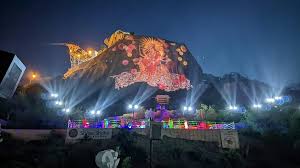
The evening light and sound show is one of the ashram's most popular attractions, bringing Gandhi's story to life through dramatic narration, lighting effects, and music.
Show Details
- Timing: Typically 7:00 PM (check current timings when visiting as they may vary seasonally)
- Duration: 30-45 minutes
- Language: Shows are conducted in both Hindi and English (separate shows or bilingual)
- Venue: Open-air amphitheater within the ashram complex
- Ticket: Separate ticket required (check current pricing)
Show Content
The show covers Gandhi's life with special focus on his time at Sabarmati Ashram and the Dandi March. Through dramatic narration, archival photographs projected on screens, sound effects, and carefully designed lighting, the show creates an emotional and educational experience. Visitors often find it deeply moving, particularly the portions depicting the Dandi March and Gandhi's relationship with his ashram residents.
Experience
Watching the show under the stars in the peaceful ashram surroundings is a memorable experience. The combination of history, emotion, and atmosphere makes it one of the best ways to understand Gandhi's legacy. The show is particularly effective for younger visitors who may find traditional museums less engaging.
Timings and Entry Fee
Opening Hours
- Days: Open all days except Wednesdays
- TIMING: 8:30 AM to 6:30 PM
- Museum: Same timings as the ashram
Entry Fee
- Admission: Free for all visitors
- Photography: Free, no restrictions (except for commercial photography)
- Light and Sound Show: Separate ticket required (nominal charge)
Best Time to Visit
Morning (8:30-11:00 AM): The ashram is peaceful and less crowded. The soft morning light creates a serene atmosphere perfect for contemplation. This is the best time for photography and quiet reflection.
Late Afternoon (3:00-5:00 PM): Afternoon light is good for exploring the grounds. Less crowded than evenings. You can combine your visit with the evening light and sound show.
Duration of Visit
Most visitors spend 1-2 hours exploring the ashram, museum, and grounds. History enthusiasts may want 2-3 hours to thoroughly read all the displays and watch the films. Those attending the light and sound show should plan additional time.
How to Reach
Location
Sabarmati Ashram is located on Ashram Road in Ahmedabad, on the banks of the Sabarmati River. The address and location are well-known, and most locals can direct you.
From Airport
Sardar Vallabhbhai Patel International Airport is approximately 8 km from the ashram. Taxis and app-based cabs are available at the airport. The journey takes 20-30 minutes depending on traffic and costs approximately ₹150-200. The airport connects to major cities across India, with convenient flights from airports in Kerala, Maldives, and other destinations.
From Railway Station
Ahmedabad Railway Station is approximately 5 km from the ashram. Auto-rickshaws are the most convenient option, costing ₹70-80. Taxis are also available. The journey takes 15-20 minutes.
From Bus Stand
The main GSRTC bus stand (Geeta Mandir) is approximately 4 km from the ashram. Auto-rickshaws cost approximately ₹60-70. City buses also connect the bus stand to the ashram area.
Public Transport
AMTS (Ahmedabad Municipal Transport Service) buses serve the area. Route numbers 101, 102, 107, and others connect to the ashram. Buses are the most economical option but may be crowded.
Parking
Parking is available within the ashram premises for private vehicles. The parking area is well-organized but can fill up during peak hours and special occasions.
Nearby Landmark
The ashram is located near Nehru Bridge, which is a well-known landmark. Use this as a reference point when asking for directions.
Sabarmati Ashram is more than a tourist attraction - it's a place that connects visitors with the ideals and sacrifices that shaped modern India. Whether you're a history buff, a student of Gandhi's philosophy, or simply someone interested in understanding India's freedom struggle, the ashram offers a meaningful, moving experience. The simplicity of Gandhi's lifestyle, as preserved in these buildings, stands in stark contrast to today's materialistic world, prompting reflection on what truly matters. A visit to Sabarmati Ashram is not just about seeing where Gandhi lived - it's about understanding how he lived and why his message remains relevant today. Consider combining your visit with exploring the nearby Sabarmati Riverfront or Kankaria Lake.
Location
Frequently Asked Questions
Q1.What is Sabarmati Ashram famous for?
Q2.Where is Sabarmati Ashram located?
Q3.Who founded Sabarmati Ashram?
Q4.What are the timings of Sabarmati Ashram?
Q5.Is there an entry fee for Sabarmati Ashram?
Q6.How much time is needed to visit Sabarmati Ashram?
Q7.What can we see at Sabarmati Ashram?
Q8.What is the timing of light and sound show at Sabarmati Ashram?
Recommended For You
20 Best Places to Visit in Ahmedabad: Heritage & Fun
Explore top places to visit in Ahmedabad with heritage landmarks, food streets, shopping hubs, and practical 1-day/2-day itinerary planning.
Kankaria Lake Ahmedabad: Timings, Entry Fee & Activities
Complete guide to Kankaria Lake Ahmedabad with timings, entry fee, attractions, zoo, toy train, Kids City, boating, carnival details, and practical travel tips.
Places to Visit in Gujarat During Monsoon: Scenic Routes & Short Stays
Plan places to visit in Gujarat in monsoon with route filters, safety-first pacing, and practical trip models for rain-season travel.
Never Miss an Adventure
Get the latest trekking guides, travel tips, and exclusive offers delivered straight to your inbox.
