
Adventure
Scuba Diving in Andaman: Best Spots & Prices

Rohan Malhotra
February 18, 2026
8 min read4,939 views
Scuba diving in Andaman guide with best dive spots, price ranges, beginner safety rules, no-fly timing, and practical planning tips for Havelock and Neil.
Introduction
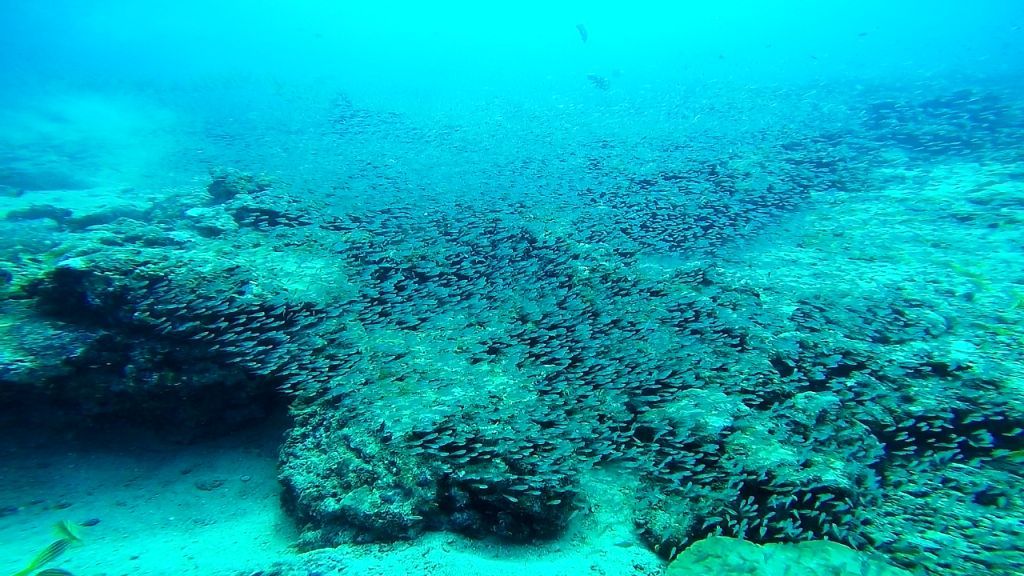
Scuba diving in Andaman is one of the most beginner-friendly underwater experiences in India. Clear water, healthy reef pockets, easy access from major islands, and a large number of certified dive centers make it ideal for both first-timers and certified divers. You do not need to be an expert swimmer for an introductory discover dive. With proper briefing and instructor supervision, most travelers can safely try their first dive here.
The biggest planning mistake is treating all Andaman dive options as identical. Havelock, Neil, and North Bay offer different entry styles, marine visibility patterns, and depth comfort. This guide breaks down where to dive, what each package usually includes, realistic price ranges, and the safety rules you should not skip. If you are building a longer island itinerary, combine this with Havelock Island guide and Andaman travel tips before you book dive slots.
Top Dive Locations in Andaman
Havelock (Swaraj Dweep)
Havelock is the top choice for most travelers. It has the highest concentration of dive operators and a broad range of sites for beginners and certified divers. Intro dives are often scheduled around calm windows, while boat dives open better reef access. Commonly Discussed Sites:- Nemo Reef style beginner sites for discover sessions
- Intermediate reef sections with better fish density
- Deeper sites for certified fun dives and training modules
Neil Island (Shaheed Dweep)
Neil is quieter and often preferred by travelers who want slower-paced diving without busier harbor movement. Many divers combine Havelock and Neil to compare reef style and visibility. Best For:- Travelers doing a multi-island dive plan
- Divers who like less crowded schedules
- Couples and slow-travel groups
Port Blair and North Bay Belt
Port Blair side options are practical for travelers with tighter schedules. You may not always get the same vibe as Havelock, but it is useful for entry-level exposure or short-trip adventure planning.Types of Diving You Can Book
| Dive Type | Who It Is For | Typical Duration | Skill Requirement |
|---|---|---|---|
| Discover Scuba Dive (DSD) | First-time beginners | 2-3 hours including briefing | No prior certification |
| Shore Dive | Beginners and relaxed sessions | Short transfer + guided entry | Center-specific briefing clearance |
| Boat Dive | Better reef access | Half day commonly | Often preferred for visibility |
| Open Water Course | New certification seekers | Multiple sessions over days | Training completion required |
| Fun Dive | Certified divers | Center-dependent | Valid certification needed |
Scuba Diving Price Guide in Andaman
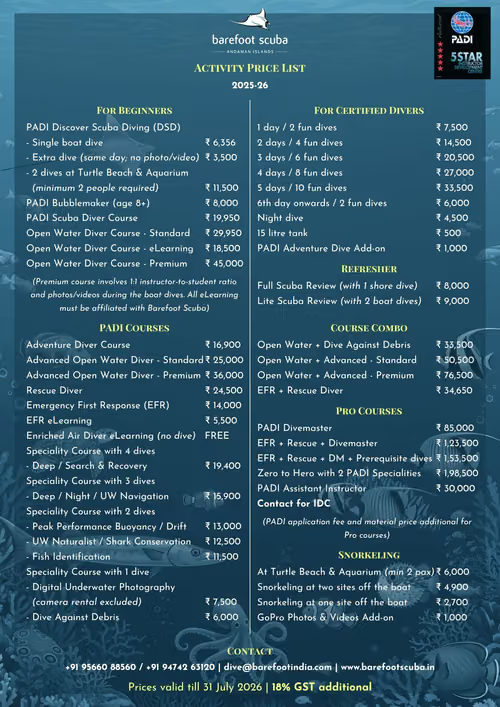 Pricing varies by island, dive style, and media add-ons. The table below reflects common traveler-facing ranges, not fixed tariffs.
| Package Type | Typical Price Range | Usually Included |
|---|---|---|
| Discover Shore Dive | INR 2,500 - 3,500 | Briefing, equipment, instructor support |
| Discover Boat Dive | INR 4,500 - 5,500 | Boat transfer, equipment, guided dive |
| Certified Fun Dive | INR 3,000 - 5,000 per dive | Site transfer + tank + guide (center-specific) |
| Open Water Certification | INR 20,000+ | Training modules + confined/open water sessions |
| Underwater Photo/Video Add-on | INR 500 - 2,000+ | Media clips depending on package |
- Ask if taxes and transfer are already included
- Confirm exact underwater time, not only total session time
- Check if one-on-one ratio is guaranteed or not
Marine Life You May See
Andaman reefs host rich biodiversity, but sightings always depend on season, visibility, and site depth. Typical encounters include: clownfish, parrotfish, surgeonfish, butterflyfish, and reef formations with hard and soft coral patches. Turtle sightings are possible at select sites. Rare pelagic sightings are not guaranteed and should not be sold as standard outcomes for beginner dives.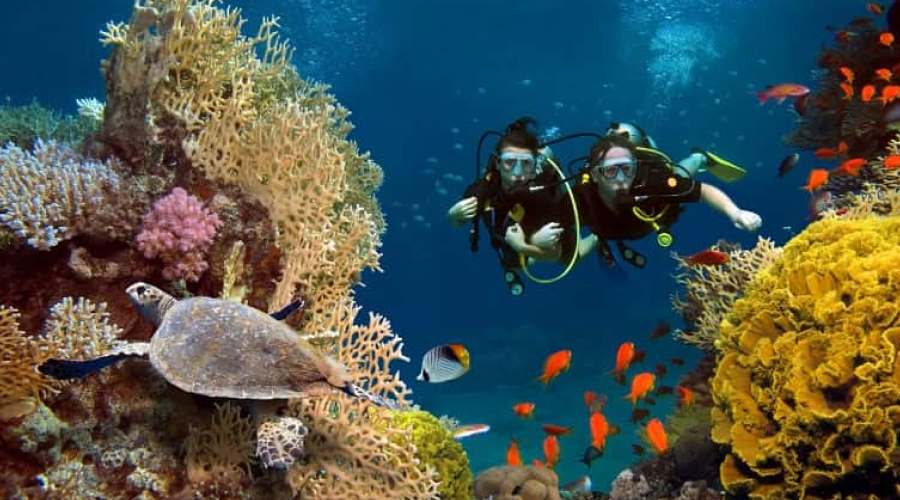
Safety and Eligibility: What Really Matters
Do You Need to Know Swimming?
For discover-level introductory dives, many centers accept non-swimmers under close instructor control, subject to onsite assessment and comfort checks.Minimum Age
Many global training standards use age 10 as a common baseline for beginner program eligibility, but centers may apply stricter internal policies. Always verify current operator rules before booking.Medical Disclosure
You may need to declare respiratory, cardiac, ENT, or recent surgery history. If flagged, operators can request doctor clearance.No-Fly Rule After Diving
A common safety recommendation is to wait before flying after scuba activity. Many operators advise at least 12-18 hours depending on profile and number of dives. Follow the instructor's final clearance, not guesswork.Operator Quality Checklist
- Current equipment condition and pre-dive checks
- Clear, patient briefing for first-time divers
- Emergency oxygen and safety protocol visibility
- Reasonable instructor-to-diver ratio
- No pressure to exceed comfort depth
Best Time for Scuba Diving in Andaman
Most travelers prefer October to May due to calmer sea conditions and better planning reliability. Monsoon months can bring stronger sea movement and schedule changes. Instead of choosing dates only by calendar, ask your operator about current visibility and wave conditions for the exact dive site.How to Plan Your Dive Day
| Step | Recommended Action |
|---|---|
| Day Before | Sleep well, avoid alcohol excess, reconfirm slot timing |
| Pre-Dive | Eat light, hydrate, carry ID and basic change of clothes |
| Briefing Stage | Listen carefully to hand signals and equalization tips |
| Post-Dive | Rest, hydrate, avoid immediate flight planning |
Common Mistakes First-Time Divers Make
- Choosing cheapest package without checking safety quality
- Booking flights too soon after dives
- Skipping hydration and basic rest
- Expecting deep advanced sites in first intro sessions
- Ignoring weather-day flexibility in island itineraries
Andaman Dive Itinerary Idea (3 Days)
Day 1: Arrival and orientation, light activity only Day 2: Discover dive in Havelock, evening rest Day 3: Optional second session or transfer to Neil for comparison This sequence helps new divers avoid fatigue and improves comfort progression.Detailed Dive Site Comparison
| Zone | Entry Style | Typical Experience Level | Planning Risk |
|---|---|---|---|
| Havelock beginner reefs | Shore + boat options | First-timers and repeat beginners | High demand, slots fill early |
| Havelock deeper sites | Mostly boat access | Certified divers | Weather and visibility sensitive |
| Neil Island sites | Usually boat-focused | Beginner-intermediate | Transfer timing coordination needed |
| North Bay side | Shorter access planning | Intro and short-format divers | Can be crowded in peak windows |
Certification Pathway in Andaman
Travelers often ask whether they should jump directly to a certification course. A practical approach is to do one discover session first, then decide. If comfort is high and schedule allows, continue with entry certification. If not, one safe discover dive is still a complete achievement. Recommended progression:- Step 1: Discover session with focus on comfort and breathing control
- Step 2: Optional second guided session to build confidence
- Step 3: Open Water course only if you can dedicate multiple days
- Step 4: Fun dives after certification and proper refresher review
Health and Pre-Dive Readiness Checklist
Before diving, your body state matters more than people expect. Fatigue, dehydration, and sinus blockage reduce dive comfort and can make equalization harder.- Sleep well before dive day
- Avoid alcohol the previous night
- Do not dive with active chest congestion or severe cold
- Inform the instructor about any previous panic episodes in water
- Eat light; avoid heavy oily meals immediately pre-dive
- Carry seasickness medication only after consulting center guidance
Responsible Diving and Reef Etiquette
Good diving is not only about photos. Andaman reefs are ecologically sensitive. Beginner movement mistakes can damage coral or stress marine life if not corrected. Core rules:- Do not touch coral, turtles, or fish
- Maintain neutral movement and avoid random fin kicks near reef
- Do not chase marine life for close video shots
- Choose operators who actively enforce reef-safe behavior
Beginner Communication Signals You Must Remember
Underwater communication is limited, so hand signals are central to safety. Before entering water, every beginner should clearly understand stop, okay, problem, up, and down signals. If any signal is unclear, ask again before the session starts. Many first-time divers hesitate to report ear pressure or discomfort because they do not want to interrupt the dive. That is unsafe. Good operators prefer early communication and controlled correction over forced continuation.Post-Dive Recovery Tips
After the dive, hydrate, avoid intense physical exertion, and keep your schedule light. If you are doing a second day of diving, sleep quality and hydration between days significantly improve comfort and equalization. Do not stack too many water activities on the same day if you feel tired.Should You Do Shore Dive or Boat Dive First?
For many beginners, a guided shore-entry experience feels less intimidating because entry is gradual. Boat dives can offer better site quality but may add transfer anxiety for first-timers who are unsure about sea movement. If you are anxious, begin with a simpler entry profile and upgrade on the second session.Final Pre-Booking Reminder
Always compare at least two operators on safety briefing quality and instructor ratio, not only package price.Conclusion
Scuba diving in Andaman is one of the strongest entry points for underwater adventure in India. It works for complete beginners, non-swimmers with guided support, and certified divers who want better reef variety across islands. The right operator and realistic expectations matter more than aggressive package marketing. Plan by site quality, safety briefing depth, and no-fly timing discipline. If you do that, your first Andaman dive is far more likely to feel controlled, memorable, and genuinely enjoyable.Location
Frequently Asked Questions
Q1.Do I need to know swimming for scuba diving in Andaman?
For many discover-level beginner dives, non-swimmers can participate under direct instructor supervision, subject to center policy and comfort checks.
Q2.What is the minimum age for scuba diving in Andaman?
Many operators follow age 10 as a common beginner baseline, but final eligibility depends on the dive center and program rules.
Q3.How much does scuba diving cost in Andaman?
Beginner discover dives commonly start around INR 2,500-3,500 for shore options, while boat-based sessions often fall around INR 4,500-5,500 depending on inclusions.
Q4.Is scuba diving in Andaman safe for beginners?
Yes, when done with a reputable operator, proper briefing, and instructor-led control. Safety quality varies by center, so operator selection is critical.
Q5.What is the best time to do scuba diving in Andaman?
October to May is commonly preferred for calmer planning conditions. Site-level weather and visibility checks are still important before each session.
Q6.How deep do beginners usually go?
Discover dives are generally kept at introductory depths under instructor control, based on comfort, briefing response, and center safety policy.
Q7.Can I fly immediately after scuba diving?
No. Most operators advise waiting before flying after dives, often around 12-18 hours depending on dive profile. Follow your instructor's final guidance.
Q8.Which is better for diving: Havelock or Neil Island?
Havelock has wider operator choice and high demand, while Neil often offers a quieter pace. Many travelers combine both for a better overall experience.
Recommended For You

Beaches
Jolly Buoy Island Andaman: Booking, Timings and Fee
Plan your Jolly Buoy Island Andaman trip with booking sequence, permit logic, ferry timing, snorkeling tips, and protected-island rules.
Feb 18Read More

Shopping
Aberdeen Bazaar Port Blair: Shopping Streets, Best Buys & Timings
Discover Aberdeen Bazaar Port Blair Andaman—the ultimate shopping destination featuring pearls, handicrafts, local cuisine & more. Complete guide with timing, tips & what to buy.
Feb 18Read More

Travel
Ross Island Andaman: History Ruins And Visit Details
Complete Ross Island Andaman guide with history, ferry planning, timings context, things to see, and practical tips for a smooth Port Blair day trip.
Feb 18Read More
Never Miss an Adventure
Get the latest trekking guides, travel tips, and exclusive offers delivered straight to your inbox.
