
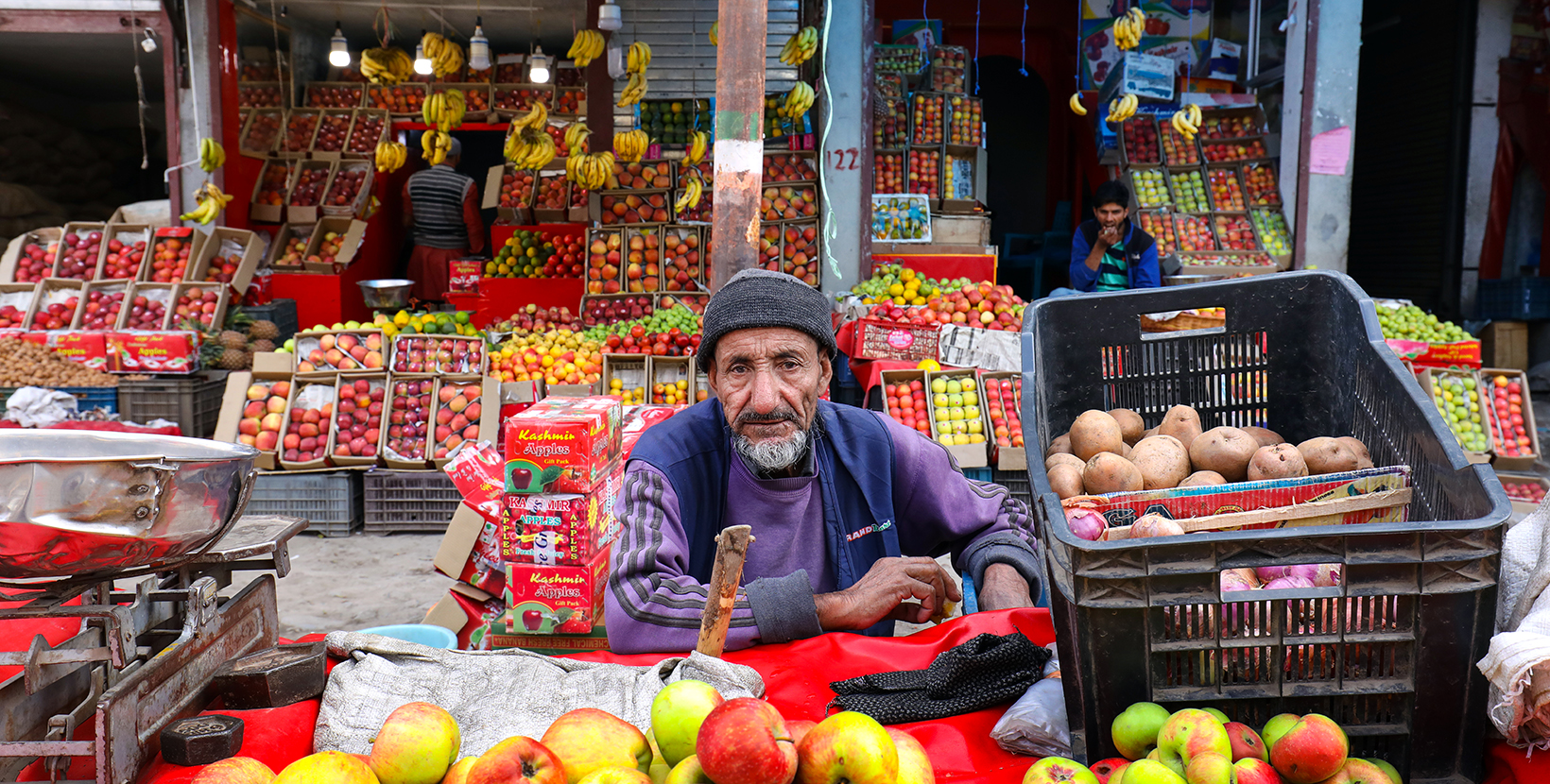
Shopping in Gulmarg: Pashmina Shawls, Handicrafts & Souvenir Stores

Priya Mehta
February 20, 2026
Plan shopping in Gulmarg with pashmina quality checks, winter essentials strategy, and practical market timing for better purchase decisions.
Introduction: Shopping in a Mountain Resort Setting
Shopping in Gulmarg is smaller in scale than city shopping circuits but valuable for travelers looking for Kashmiri woolens, handcrafted souvenirs, and practical winter accessories. Because Gulmarg itineraries often revolve around snow activities and gondola timing, shopping works best in focused blocks instead of open-ended browsing.
To build a complete plan, combine this with places to visit in Gulmarg, activity context from Gulmarg Gondola, and seasonal prep through skiing in Gulmarg.
Main Shopping Zones in Gulmarg
Shopping points are usually near central movement corridors and tourism-heavy stretches. You can find shawls, winter gear, handicrafts, and regional gift items in compact market clusters. Because options are limited compared with Srinagar, prioritize high-importance purchases first.
If you need specialty items, confirm availability early in the day before committing the full schedule.
Pashmina, Woolens, and Authenticity Checks
Pashmina and woolens are top shopping interests in Gulmarg, but quality and price vary significantly. Inspect texture, weave consistency, and finishing details carefully. For higher-value purchases, ask for product information and compare across at least two or three vendors before finalizing.
Avoid impulse buying in peak rush windows after snow activities when fatigue affects decision quality.

Handicrafts, Souvenirs, and Winter Essentials
Besides shawls, Gulmarg shops often carry handicrafts, dry-fruit packs, winter caps, gloves, and small gift pieces. For travelers continuing to colder destinations, this can be a useful restock point. Keep a strict packing filter and prioritize durable items over bulky decorative buys.
Travel-safe packaging is important if your itinerary includes multiple road transfers afterward.
Budget and Timing Strategy
| Shopping Type | Best Time | Practical Tip |
|---|---|---|
| Woolens and essentials | Morning | Buy before weather changes |
| Souvenirs | Afternoon | Compare stalls first |
| Premium purchases | Any low-crowd window | Take time for quality checks |
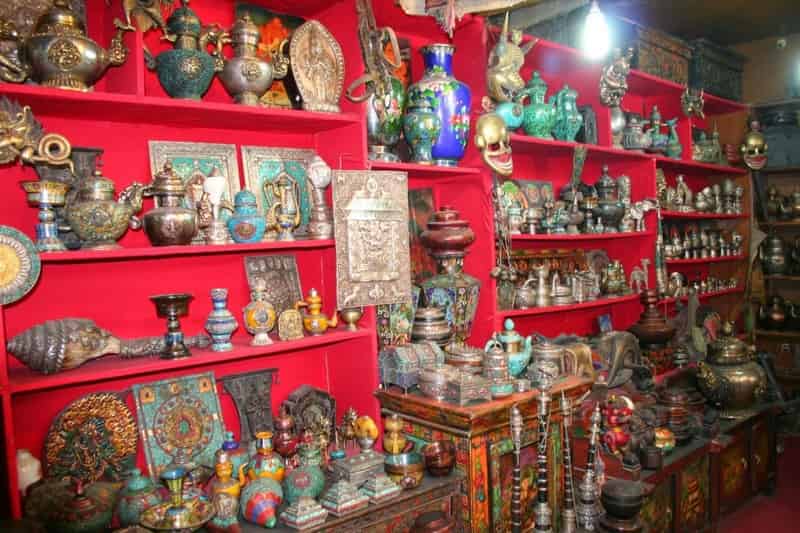
Execution Framework for Gulmarg shopping in winter itineraries
Successful travel planning depends on structured decision-making. For Gulmarg shopping in winter itineraries, define one non-negotiable anchor block and one optional support block in each half-day. This prevents over-scheduling and helps preserve quality when transport or weather changes unexpectedly. Keep one fallback location ready in the same zone so if delays grow beyond your threshold, you can switch quickly without wasting time. This approach reduces stress, protects energy, and improves satisfaction over multi-day travel.
Group coordination should be explicit: assign one person for navigation, one for timing, and one for payments or reservations. This avoids repeated confusion and keeps movement predictable. Add short hydration and recovery windows between high-energy segments. Even a 15-minute reset can improve decision quality and reduce fatigue-driven mistakes later in the day. If you are combining shopping or food experiences with sightseeing, cluster nearby stops and avoid long cross-city transitions during peak hours.
Responsible behavior also improves outcomes. Follow local etiquette, keep noise low in community spaces, and avoid risky photo positions. Use offline maps and backup contact details so network issues do not disrupt your itinerary. High-performing travel days are not built on attraction quantity; they are built on realistic pacing, respectful conduct, and reliable execution under changing conditions.
Execution Framework for Kashmiri souvenir buying in Gulmarg
Successful travel planning depends on structured decision-making. For Kashmiri souvenir buying in Gulmarg, define one non-negotiable anchor block and one optional support block in each half-day. This prevents over-scheduling and helps preserve quality when transport or weather changes unexpectedly. Keep one fallback location ready in the same zone so if delays grow beyond your threshold, you can switch quickly without wasting time. This approach reduces stress, protects energy, and improves satisfaction over multi-day travel.
Group coordination should be explicit: assign one person for navigation, one for timing, and one for payments or reservations. This avoids repeated confusion and keeps movement predictable. Add short hydration and recovery windows between high-energy segments. Even a 15-minute reset can improve decision quality and reduce fatigue-driven mistakes later in the day. If you are combining shopping or food experiences with sightseeing, cluster nearby stops and avoid long cross-city transitions during peak hours.
Responsible behavior also improves outcomes. Follow local etiquette, keep noise low in community spaces, and avoid risky photo positions. Use offline maps and backup contact details so network issues do not disrupt your itinerary. High-performing travel days are not built on attraction quantity; they are built on realistic pacing, respectful conduct, and reliable execution under changing conditions.
Conclusion
Shopping in Gulmarg is best approached with clear priorities: quality checks, timing discipline, and practical packing choices.
Use short focused sessions and integrate shopping around your activity windows for smoother trip flow.
Expanded Operational Playbook
Good itineraries are designed to perform well under real conditions, not ideal assumptions. Start every day by identifying one priority block that cannot be missed and one optional block that can be removed without reducing overall trip value. This structure prevents over-commitment and makes it easier to recover from delays. If you face heavy traffic, a queue surge, or weather disruption, shift immediately to a nearby fallback instead of waiting for uncertain recovery. Fast switching preserves momentum and protects your next high-value stop.
For multi-stop days, apply zone clustering. Keep activities within one geographic area per half-day and avoid long cross-city transitions at peak traffic times. This saves time and reduces energy drain. In group travel, assign simple responsibilities: navigation, timing, and payment coordination. Role clarity cuts confusion and keeps movement smooth. Add 10-15 minute reset windows between intensive segments, especially when dealing with heat, altitude, or crowd pressure. Small pauses dramatically improve decision quality and reduce late-day fatigue.
Budget and Experience Optimization
Budget efficiency is strongest when you spend for certainty. Prioritize costs that reduce risk: reliable transfers, verified reservations, and quality-critical purchases. Save on low-impact add-ons that do not improve outcome. For food and shopping days, define per-block spending limits in advance. This prevents impulsive overspending and makes it easier to compare value objectively. If you are buying multiple items, use bundle negotiation with clear quality checks rather than chasing random discounts stall-by-stall.
Track your day in three checkpoints: planned arrival, actual arrival, and adjustment made. This quick review helps you improve the next day with real data. Travelers who iterate daily usually see stronger outcomes by day two or three because their plans become realistic and better aligned with local conditions. Treat adaptability as a core travel skill, not a backup tactic.
Safety, Etiquette, and Responsible Conduct
Responsible conduct improves both personal safety and local experience quality. Follow area-specific norms, avoid risky photo positions, and respect restricted sections at all times. In markets, food lanes, and community spaces, keep pathways clear and noise low. In religious or heritage zones, dress and behavior should align with local expectations. These simple actions reduce friction and often create better interactions with local hosts and vendors.
Keep an essentials kit available through the day: hydration, weather layer, power backup, and basic medical support. Save key contacts offline, including transport drivers and accommodation details. If network service drops, this preparation prevents stress and wasted time. A resilient traveler is not the one with the most plans, but the one who can adjust safely without losing quality.
End-of-Day Review Method
Before ending the day, run a 5-minute review: What worked? What caused delay? What should be simplified tomorrow? Use this review to reduce one low-value stop and extend one high-value block next day. Over a multi-day trip, this method significantly raises quality while lowering stress. Preserve one flexible hour each evening for recovery, transport variation, or a repeat visit to the best location from the day.
When applied consistently, this framework turns average itineraries into reliable, high-performing travel plans. It helps protect time, improve comfort, and ensure each activity delivers meaningful value rather than rushed checkbox movement.
Final Practical Addendum
A final travel principle applies across all destination types: protect quality by reducing unnecessary movement. Build every day around one anchor objective, one nearby support activity, and one flexible recovery window. If conditions shift, adapt quickly and preserve the anchor rather than forcing every item in the plan. This keeps travel outcomes stable and enjoyable.
Before ending your day, confirm next-day transport, pre-check weather and operating windows, and keep essentials ready for an efficient start. Small preparation routines prevent morning delays and allow deeper experiences at your highest-priority stops.
Use this system consistently and your trip will feel calmer, more organized, and significantly higher in value.
Execution note: protect a final flexibility window at day-end for transfer variance, weather delays, or one meaningful repeat stop. This small buffer consistently improves comfort, prevents rushed decisions, and helps maintain quality across multi-day travel plans with changing on-ground conditions.
One final tactic improves consistency: pre-decide your exit point before you begin a shopping or dining block. This prevents late overrun, protects transport timing, and keeps the rest of the day stable. Travelers who set clear end-times usually enjoy better pacing and fewer rushed decisions.
Keep a calm closing window for payment checks, packing, and transport confirmation before leaving the area.
Choose quality, warmth, and authenticity over rushed impulse buying in crowded hours.
Plan purchases wisely.
Location
Frequently Asked Questions
Q1.What is Gulmarg famous for shopping?
Q2.Where can I shop in Gulmarg?
Q3.Can I buy authentic pashmina in Gulmarg?
Q4.Is bargaining possible?
Q5.When should I shop during winter trip?
Q6.What should I prioritize buying?
Q7.Can I combine shopping with gondola day?
Q8.How long should I keep for shopping?
Recommended For You
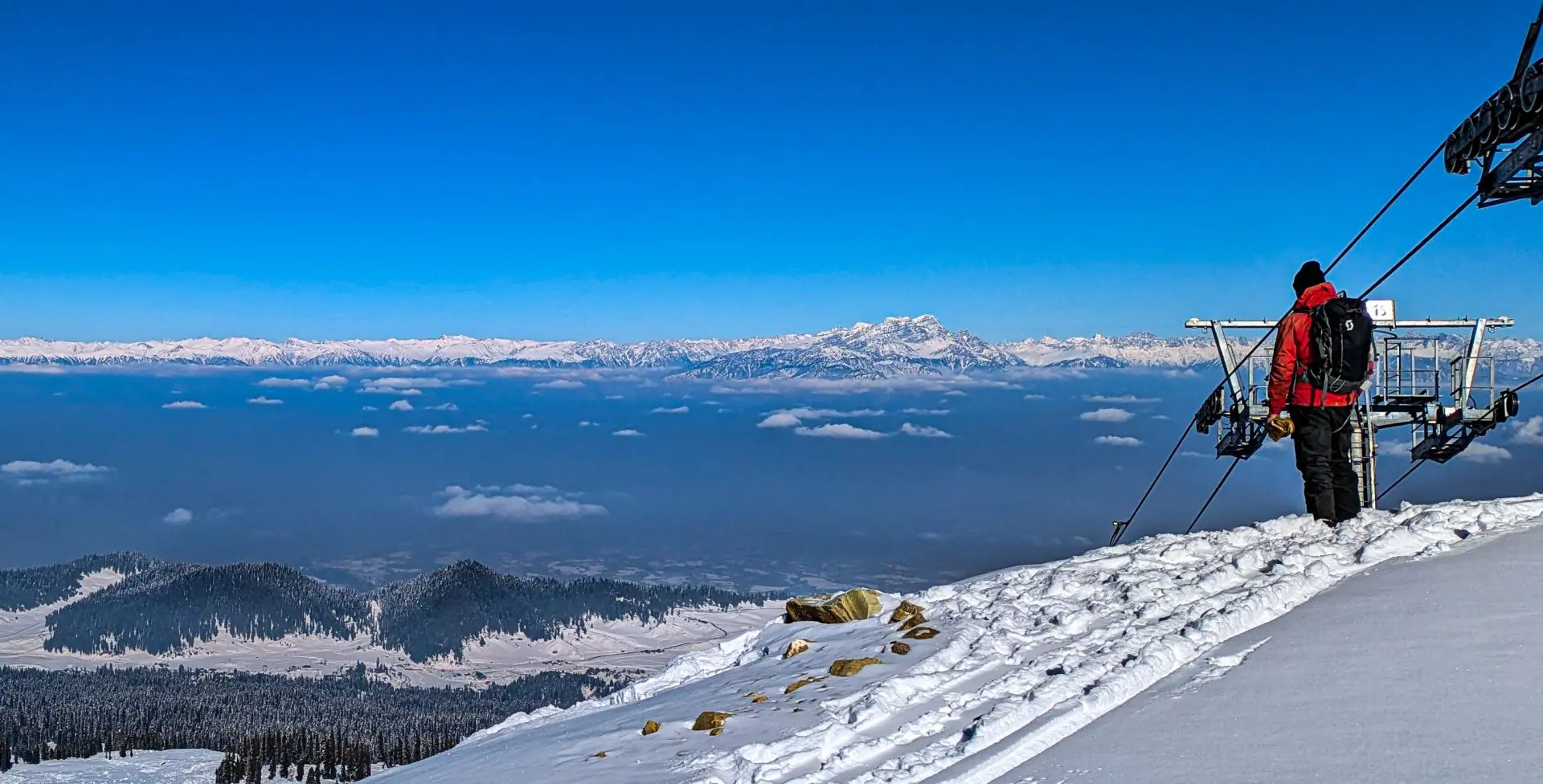
Skiing in Gulmarg: Complete Guide, Prices & Best Season 2026
Complete skiing Gulmarg guide featuring gondola prices, best season, lessons, equipment rental, accommodation, and travel tips for 2026.
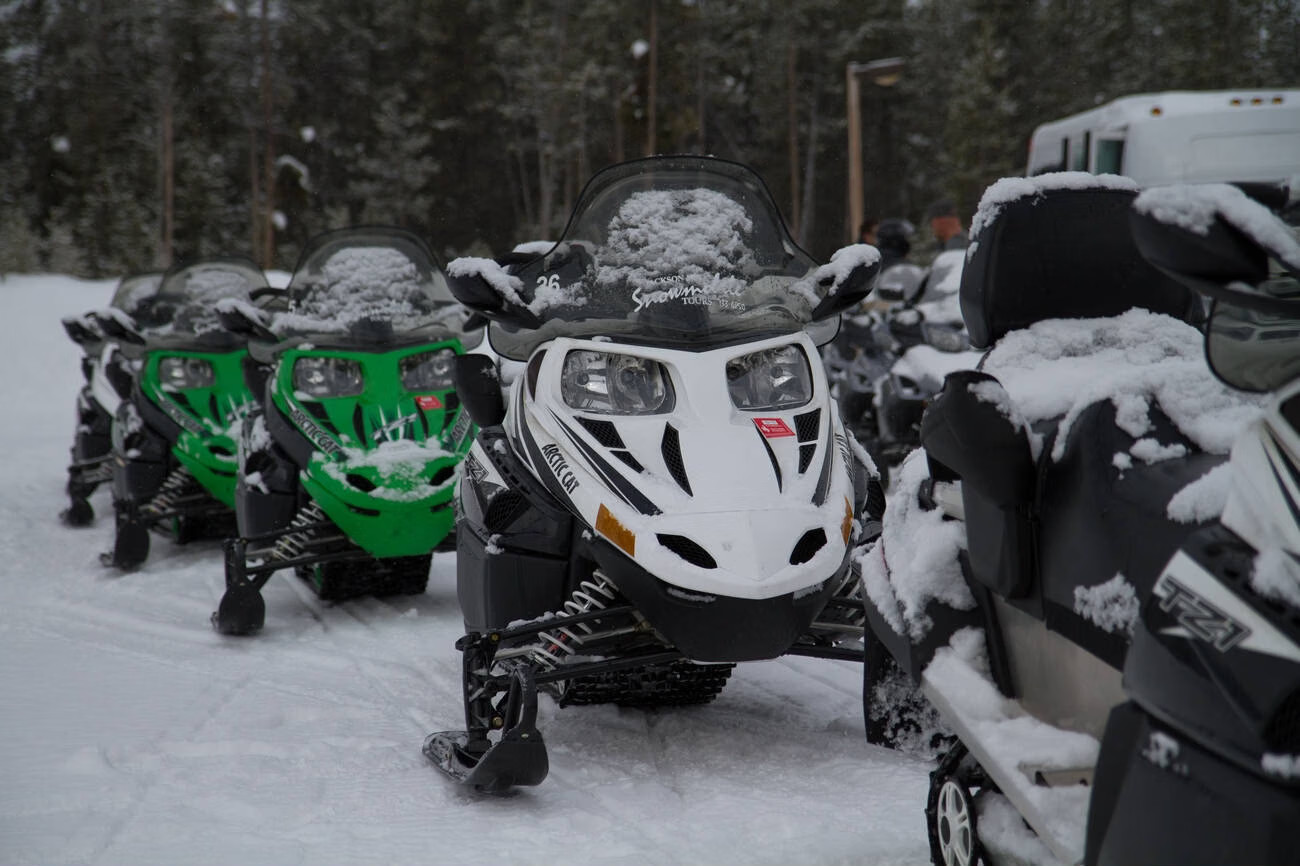
Snowmobile Ride in Gulmarg: Price, Routes & Safety
Plan your snowmobile ride in Gulmarg with route options, price guidance, best season timing, booking checks, and practical safety tips.
Kashmir: Complete Travel Plan Places And Weather
Complete Kashmir travel guide! Discover best time to visit, places to visit, itineraries, things to do, budget planning & tips for your Kashmir valley trip.
Never Miss an Adventure
Get the latest trekking guides, travel tips, and exclusive offers delivered straight to your inbox.
