
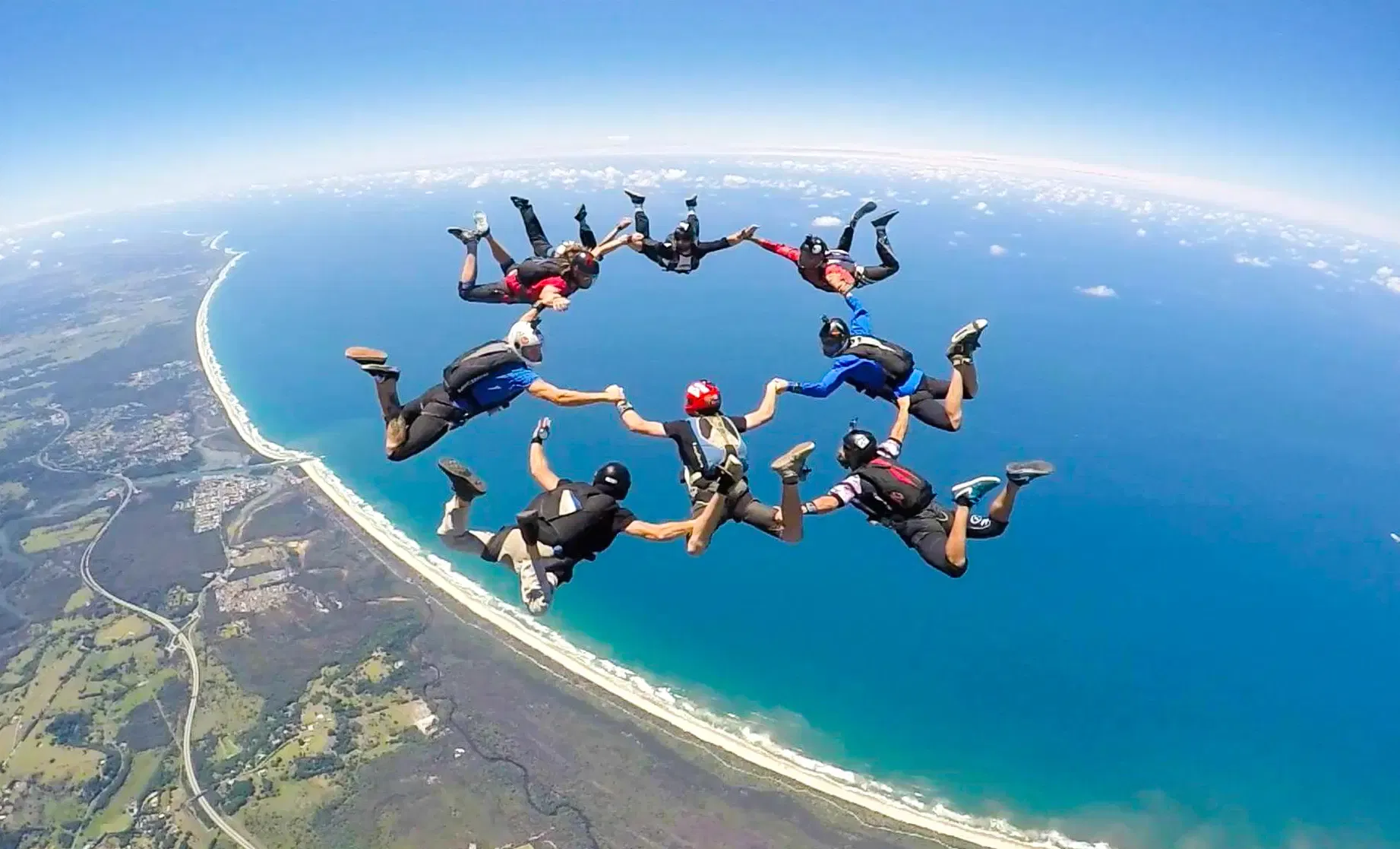
Adventure
Skydiving in Thailand: Complete Guide, Locations & Prices 2026

Priya Mehta
February 4, 2026
12 min read4,088 views
Complete skydiving Thailand guide featuring Pattaya, Rayong, Hua Hin locations, tandem jump prices, AFF courses, best season, and booking tips for 2026.
Skydiving in Thailand: An Ultimate Adventure Experience
Thailand, renowned for its pristine beaches, vibrant culture, and exotic cuisine, also offers one of Southeast Asia's most exhilarating adventure activities - skydiving. For those seeking adventure in other parts of Asia, consider exploring bungee jumping in Thailand or other adventure sports in the region. With world-class drop zones, experienced instructors, and breathtaking views, Thailand has emerged as a premier destination for both first-time tandem jumpers and experienced skydivers. The combination of professional safety standards, affordable pricing, and spectacular aerial views makes skydiving in Thailand an unforgettable experience. Whether you're floating above Pattaya's coastline, soaring over tropical islands, or experiencing the thrill of freefall for the first time, Thailand's skydiving scene caters to all levels of adventure seekers. The country's favorable weather conditions and multiple drop zones ensure year-round opportunities for adrenaline enthusiasts.
Best Skydiving Locations in Thailand
Thailand offers several premier skydiving locations, each providing unique experiences and stunning aerial views. Understanding these locations helps you choose the perfect destination based on your preferences, budget, and travel itinerary.Pattaya - The Most Popular Drop Zone
Pattaya remains Thailand's most established skydiving destination, offering consistent operations and excellent facilities. Located approximately 150 kilometers from Bangkok, this coastal city provides stunning views of the Gulf of Thailand, beaches, and surrounding countryside during your jump.| Specification | Details |
|---|---|
| Drop Zone | Pattaya Airpark, Nong Prue |
| Altitude | 13,000 feet (standard) |
| Freefall Time | 60 seconds |
| Canopy Ride | 5-7 minutes |
| Best Season | November to March |
| Views | Gulf of Thailand, beaches, Pattaya city |
Rayong - Coastal Adventure
Rayong offers a slightly different skydiving experience with its less developed coastline and pristine beaches. Located approximately 180 kilometers from Bangkok, Rayong provides quieter operations and beautiful views of Thailand's eastern coastline.| Specification | Details |
|---|---|
| Drop Zone | Rayong Airport |
| Altitude | 13,000 feet |
| Freefall Time | 60 seconds |
| Canopy Ride | 5-7 minutes |
| Best Season | November to March |
| Views | Coastal beaches, islands, countryside |
Hua Hin - Royal Coast Skydiving
Hua Hin, Thailand's classic beach resort town, offers skydiving with views of the Gulf of Thailand's western coast. Located approximately 200 kilometers southwest of Bangkok, Hua Hin combines skydiving with a relaxed coastal vacation atmosphere.| Specification | Details |
|---|---|
| Drop Zone | Hua Hin Airport |
| Altitude | 13,000 feet |
| Freefall Time | 60 seconds |
| Canopy Ride | 5-7 minutes |
| Best Season | November to March |
| Views | Gulf of Thailand, Hua Hin coastline, mountains |
Chiang Mai - Mountainous Views
Chiang Mai offers skydiving with spectacular views of Thailand's northern mountains, valleys, and rice paddies. Located in northern Thailand, this location provides a completely different aerial perspective compared to coastal drop zones.| Specification | Details |
|---|---|
| Drop Zone | Chiang Mai Airport |
| Altitude | 13,000 feet |
| 60 seconds | |
| Canopy Ride | 5-7 minutes |
| Best Season | November to February |
| Views | Doi Suthep mountains, rice paddies, valleys |
Skydiving Options and Packages
Tandem Skydiving - First-Timer's Choice
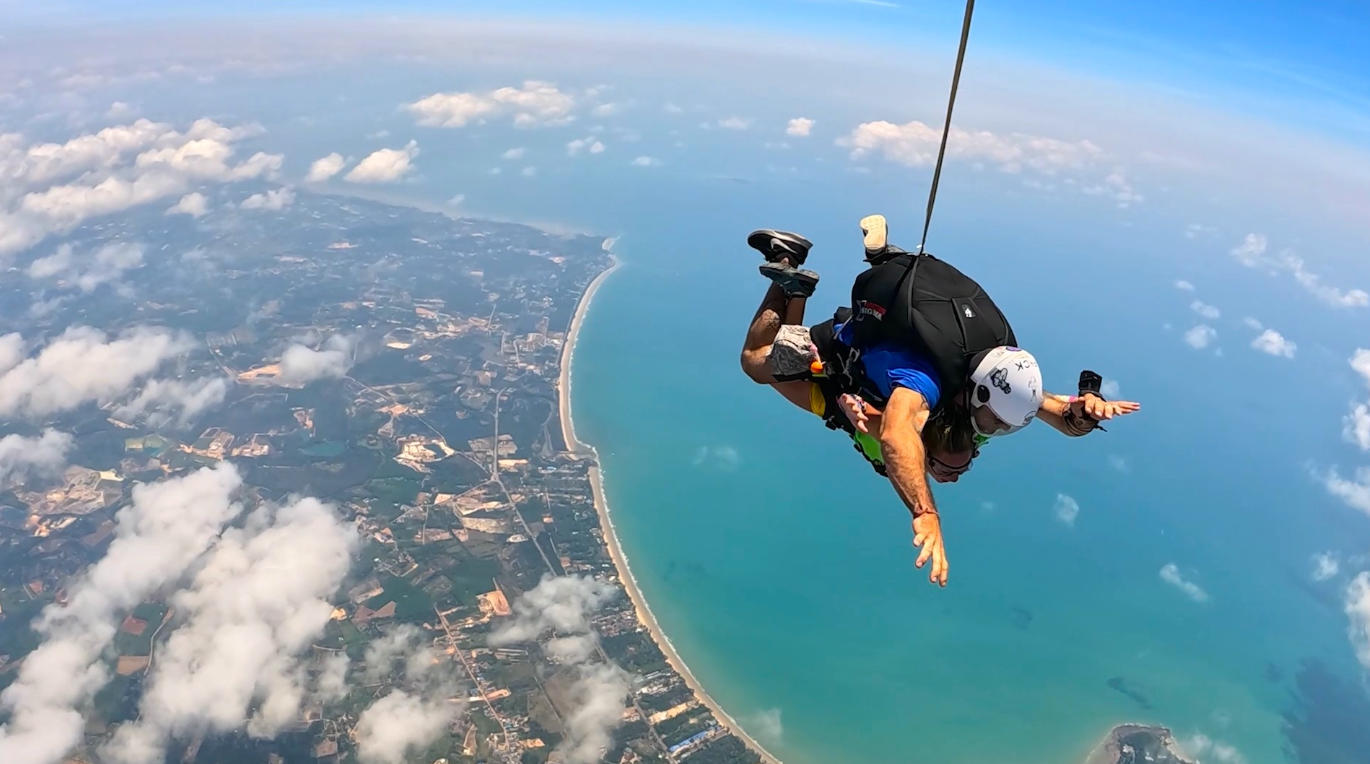
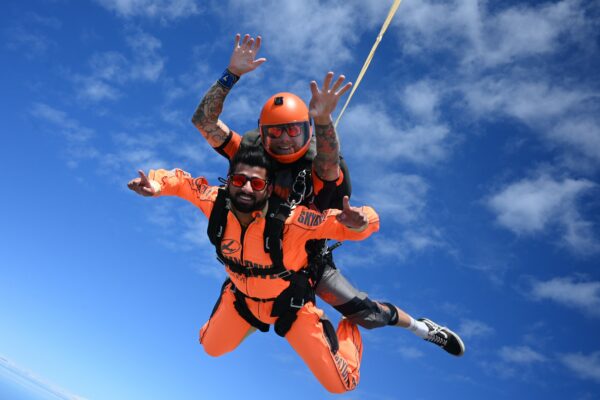
Tandem skydiving is the perfect introduction for first-time jumpers, offering the thrill of freefall with the safety and guidance of an experienced instructor. You're harnessed to a certified instructor who controls the entire jump, allowing you to focus on the experience.| Package | Altitude | Freefall | Price Range (THB) |
|---|---|---|---|
| Basic Tandem | 10,000 feet | 40 seconds | 11,000 - 13,000 |
| Standard Tandem | 13,000 feet | 60 seconds | 13,000 - 15,000 |
| Tandem with Photos | 13,000 feet | 60 seconds | 15,000 - 17,000 |
| Tandem with Video | 13,000 feet | 60 seconds | 16,000 - 18,000 |
| Tandem with Photo & Video | 13,000 feet | 60 seconds | 18,000 - 22,000 |
The Tandem Experience Step by Step
- Registration: Complete paperwork, health declaration, and waiver forms
- Training: 30-minute briefing covering body position, safety procedures, and landing techniques
- Gearing Up: Put on jumpsuit, harness, goggles, and helmet
- Aircraft Ascent: 15-20 minute flight to jump altitude
- Jump: Exit the aircraft with your instructor
- Freefall: Experience 60 seconds of freefall at 200 km/h
- Canopy Deployment: Instructor deploys parachute, enjoy 5-7 minutes of canopy flight
- Landing: Gentle landing with your instructor's guidance
Accelerated Freefall (AFF) - For Aspiring Skydivers
For those wanting to learn skydiving independently, the AFF course provides a structured path to solo skydiving certification. This comprehensive course teaches you all necessary skills to skydive solo under supervision.| Component | Details |
|---|---|
| Duration | 4-7 days (depending on weather and student progress) |
| Jumps | 7-10 jumps |
| Ground School | 6-8 hours classroom training |
| Price | 70,000 - 90,000 THB |
| Certificate | USPA AFF License (upon completion) |
Solo Jumps - Certified Skydivers
For licensed skydivers, Thailand offers affordable solo jump packages with spectacular views. Bring your own license and logbook, or get a temporary assessment from local instructors.| Package | Price (THB) | Includes |
|---|---|---|
| 1 Jump | 7,000 - 8,000 | Altitude, equipment rental, rigging |
| 3 Jumps | 18,000 - 21,000 | 3 jumps, equipment rental |
| 5 Jumps | 28,000 - 35,000 | 5 jumps, equipment rental |
| 10 Jumps | 50,000 - 60,000 | 10 jumps, equipment rental, coaching |
Best Time to Skydive in Thailand
Thailand's tropical climate creates distinct skydiving seasons. Understanding these patterns ensures the best experience with optimal weather conditions.| Season | Months | Weather Conditions | Pros | Cons |
|---|---|---|---|---|
| High Season | November to February | Dry, cool, clear skies | Best conditions, clear views | Crowded, higher prices |
| Shoulder Season | March to May | Hot, dry, occasional haze | Less crowded, good prices | Hot weather, reduced visibility |
| Monsoon Season | June to October | Rainy, humid, cloudy | Lowest prices | Frequent cancellations, poor visibility |
November to February - Peak Season
The dry season offers the best skydiving conditions with clear skies, cool temperatures, and excellent visibility. This is the optimal time for first-time jumpers who want reliable weather and maximum comfort. However, this is also peak tourist season, so book well in advance.March to May - Shoulder Season
While temperatures rise during these months, the weather remains relatively dry with acceptable skydiving conditions. Fewer tourists mean shorter wait times and potentially better deals. Morning jumps are recommended during hot months to avoid midday heat.June to October - Monsoon Season
The monsoon season brings unpredictable weather with frequent rain showers and cloud cover. Skydiving operations may be frequently cancelled. While prices are lowest, the unpredictable weather makes this season risky for travelers with fixed itineraries.What to Expect on Jump Day
Arrival and Check-In
Arrive at the drop zone at least 1-2 hours before your scheduled jump time. Complete registration paperwork, provide valid identification, and watch a safety briefing video. Your instructor will introduce themselves and explain the equipment.Training and Equipment
The 30-minute training session covers body position during freefall, emergency procedures, and landing techniques. You'll be fitted with a jumpsuit, harness, goggles, and helmet. Your instructor will demonstrate the correct body position and practice the exit position with you.The Jump Experience
The aircraft ascent takes 15-20 minutes, during which your instructor conducts final equipment checks. At jump altitude, you'll move to the door with your instructor. The exit happens quickly - suddenly you're in freefall, experiencing the exhilarating rush of wind and speed. During freefall, you'll fall at approximately 200 km/h (120 mph). Your instructor controls the entire descent while you focus on body position and enjoying the experience. The sensation is often described as "flying" rather than "falling." After 60 seconds of freefall, your instructor deploys the parachute. The sudden deceleration from freefall to canopy flight is dramatic. The canopy ride lasts 5-7 minutes, providing a peaceful, gliding experience with spectacular views.Landing and Post-Jump
Your instructor will guide you through landing patterns and flare the canopy for a soft touchdown. After landing, your instructor will help you out of the harness and present you with a certificate of completion. If you ordered photos or video, the media team will have your footage ready within 30-60 minutes.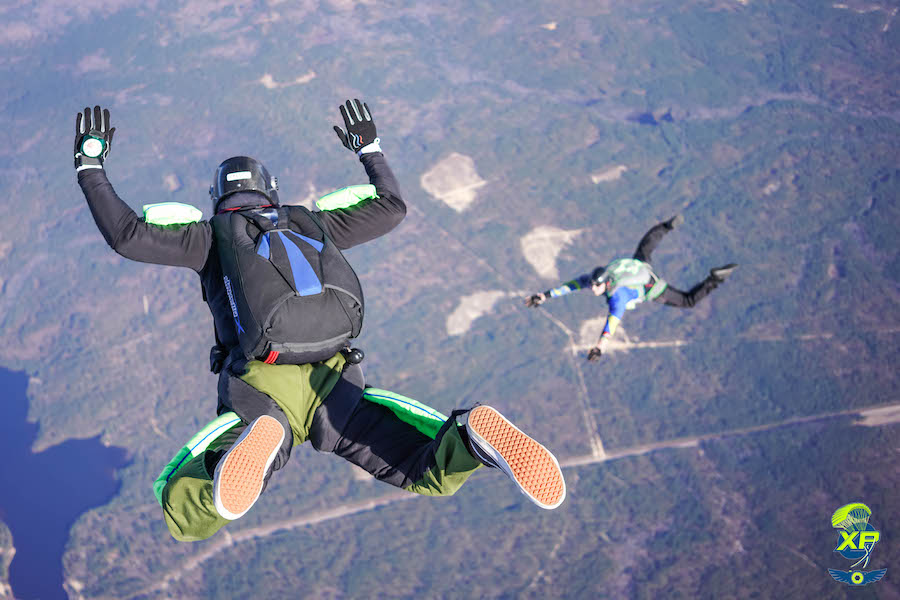
Requirements and Eligibility
Age Requirements
- Minimum Age: 18 years for tandem skydiving
- Maximum Age: No strict upper limit, subject to health assessment
- Identification: Valid passport or government ID required
Health Requirements
While skydiving is generally safe, certain conditions may preclude participation:- Heart Conditions: History of heart attacks, arrhythmia, or uncontrolled blood pressure
- Respiratory Issues: Severe asthma or breathing problems
- Recent Surgery: Less than 3 months after major surgery
- Pregnancy: Not permitted under any circumstances
- Neurological Conditions: Epilepsy or seizure disorders
- Back Problems: Severe back injuries may not tolerate landing impact
Weight Restrictions
| Height | Maximum Weight | Notes |
|---|---|---|
| Under 150 cm | 80 kg | Strict limit for safety |
| 150-170 cm | 90 kg | Standard limit |
| Over 170 cm | 100 kg | Subject to instructor assessment |
Booking and Reservations
How to Book
- Online: Most drop zones offer online booking through their websites or third-party platforms
- Phone: Direct call to drop zone for booking and inquiries
- Travel Agency: Book through local Thai travel agents
- Hotel Concierge: Many hotels can arrange skydiving bookings
Booking Tips
- Advance Booking: Book 2-4 weeks in advance during peak season
- Flexible Dates: Have backup dates in case of weather cancellations
- Group Discounts: Ask about group rates for 3+ jumpers
- Confirm Booking: Reconfirm 24-48 hours before jump date
- Cancellation Policy: Understand cancellation terms before booking
Safety Standards and Regulations
Thailand's skydiving industry adheres to international safety standards:
- Instructor Certification: All instructors hold USPA (United States Parachute Association) or equivalent international certifications
- Equipment: Modern equipment featuring automatic activation devices (AAD) as backup safety systems
- Aircraft: Professional aircraft maintained according to aviation regulations
- Weather Monitoring: Strict weather policies with conservative safety margins
- Emergency Protocols: Established emergency procedures and medical response plans
Getting to Drop Zones
Pattaya Drop Zone
- From Bangkok: 2-2.5 hours by taxi (1,500-2,000 THB), 3 hours by bus (150 THB)
- From Pattaya City: 30-40 minutes by taxi (300-400 THB)
- Airport: Fly to U-Tapao International Airport, then 30 minutes by taxi
Rayong Drop Zone
- From Bangkok: 2.5-3 hours by taxi (2,000-2,500 THB)
- From Pattaya: 1 hour by taxi (600-700 THB)
Hua Hin Drop Zone
- From Bangkok: 2.5-3 hours by taxi (2,000-2,500 THB)
- From Hua Hin City: 20-30 minutes by taxi (200-300 THB)
Chiang Mai Drop Zone
- From Chiang Mai City: 20-30 minutes by taxi (200-300 THB)
- Airport: Fly to Chiang Mai International Airport, then 30 minutes by taxi
What to Wear and Bring
Clothing
- Footwear: Secure, closed-toe shoes (sneakers or sport shoes are ideal)
- Clothing: Comfortable, weather-appropriate clothes. The drop zone provides jumpsuits.
- Accessories: Avoid jewelry, scarves, or loose items that could become entangled
Personal Items
- Identification: Valid passport or government ID
- Payment: Credit card or cash for additional charges (photos, video)
- Camera: Personal cameras not allowed during jump, use professional videography services
- Sunscreen: High SPF sunscreen for protection at altitude
- Water: Stay hydrated, especially during hot season
Photography and Videography
Professional photos and videos capture your skydiving experience:
- Handcam Video: Instructor wears camera on hand, close-up footage (most popular)
- Outside Camera: Freefall photographer jumps separately, provides dynamic angles
- Still Photos: High-resolution photos during freefall and canopy flight
- Social Media Package: Video optimized for social media sharing
Media is delivered digitally within 30-60 minutes after landing. Book photos and video when making your reservation for best rates.
Common Concerns and Questions
Fear of Heights
It's completely normal to be nervous before your first skydive. Most first-time jumpers report that their fear transforms into excitement once in the air. The freefall sensation is often described as "flying" rather than "falling." Trust your instructor and focus on enjoying the experience.
Motion Sickness
Motion sickness is rare during tandem skydiving, as the freefall is straight down and canopy flight is smooth. If you're prone to motion sickness, inform your instructor - they can adjust the landing pattern to minimize turns and smooth the canopy ride.
Can I Breathe at 13,000 Feet?
Yes, you can breathe comfortably during freefall. The sensation is similar to sticking your head out of a moving car window. The freefall lasts only 60 seconds, and your oxygen needs are minimal. During canopy flight, you'll have plenty of time to breathe normally and enjoy the views.
Combining Skydiving with Other Activities
Thailand offers countless opportunities to combine skydiving with other adventures. After your skydive, explore the best cities to visit in Thailand or discover beautiful islands like Koh Tao and Koh Lipe:
- Island Hopping: Visit nearby islands after your Pattaya skydive
- Beach Relaxation: Unwind on Thailand's beautiful beaches post-adventure
- Water Sports: Try jet skiing, parasailing, or scuba diving
- Cultural Exploration: Visit temples, markets, and historical sites
- Food Tours: Experience Thailand's renowned street food scene
- Nightlife: Enjoy Pattaya or Bangkok's vibrant nightlife
Tips for First-Time Jumpers
- Listen to Your Instructor: Follow all instructions during training and the jump
- Stay Relaxed: Tense muscles make freefall less comfortable
- Focus on the Horizon: During freefall, look at the horizon to maintain orientation
- Trust the Equipment: Modern skydiving equipment is extremely safe with backup systems
- Eat Light: Have a light meal 2-3 hours before jumping, don't arrive hungry or overfull
- Stay Hydrated: Drink water, but avoid excessive caffeine
- Don't Overthink: The training prepares you, trust your instructor and enjoy
Conclusion
Skydiving in Thailand offers an unforgettable adventure combining professional safety standards, spectacular views, and world-class facilities. Whether you're seeking the thrill of your first tandem jump, pursuing skydiving certification, or logging jumps as an experienced skydiver, Thailand's drop zones provide excellent experiences.
The combination of affordable pricing, favorable weather, and stunning scenery makes Thailand an ideal skydiving destination. With proper preparation, respect for safety protocols, and an adventurous spirit, skydiving in Thailand becomes a life-changing experience you'll cherish forever.
- Instructor Certification: All instructors hold USPA (United States Parachute Association) or equivalent international certifications
- Equipment: Modern equipment featuring automatic activation devices (AAD) as backup safety systems
- Aircraft: Professional aircraft maintained according to aviation regulations
- Weather Monitoring: Strict weather policies with conservative safety margins
- Emergency Protocols: Established emergency procedures and medical response plans
Getting to Drop Zones
Pattaya Drop Zone
- From Bangkok: 2-2.5 hours by taxi (1,500-2,000 THB), 3 hours by bus (150 THB)
- From Pattaya City: 30-40 minutes by taxi (300-400 THB)
- Airport: Fly to U-Tapao International Airport, then 30 minutes by taxi
Rayong Drop Zone
- From Bangkok: 2.5-3 hours by taxi (2,000-2,500 THB)
- From Pattaya: 1 hour by taxi (600-700 THB)
Hua Hin Drop Zone
- From Bangkok: 2.5-3 hours by taxi (2,000-2,500 THB)
- From Hua Hin City: 20-30 minutes by taxi (200-300 THB)
Chiang Mai Drop Zone
- From Chiang Mai City: 20-30 minutes by taxi (200-300 THB)
- Airport: Fly to Chiang Mai International Airport, then 30 minutes by taxi
What to Wear and Bring
Clothing
- Footwear: Secure, closed-toe shoes (sneakers or sport shoes are ideal)
- Clothing: Comfortable, weather-appropriate clothes. The drop zone provides jumpsuits.
- Accessories: Avoid jewelry, scarves, or loose items that could become entangled
Personal Items
- Identification: Valid passport or government ID
- Payment: Credit card or cash for additional charges (photos, video)
- Camera: Personal cameras not allowed during jump, use professional videography services
- Sunscreen: High SPF sunscreen for protection at altitude
- Water: Stay hydrated, especially during hot season
Photography and Videography
Professional photos and videos capture your skydiving experience:
- Handcam Video: Instructor wears camera on hand, close-up footage (most popular)
- Outside Camera: Freefall photographer jumps separately, provides dynamic angles
- Still Photos: High-resolution photos during freefall and canopy flight
- Social Media Package: Video optimized for social media sharing
Media is delivered digitally within 30-60 minutes after landing. Book photos and video when making your reservation for best rates.
Common Concerns and Questions
Fear of Heights
It's completely normal to be nervous before your first skydive. Most first-time jumpers report that their fear transforms into excitement once in the air. The freefall sensation is often described as "flying" rather than "falling." Trust your instructor and focus on enjoying the experience.
Motion Sickness
Motion sickness is rare during tandem skydiving, as the freefall is straight down and canopy flight is smooth. If you're prone to motion sickness, inform your instructor - they can adjust the landing pattern to minimize turns and smooth the canopy ride.
Can I Breathe at 13,000 Feet?
Yes, you can breathe comfortably during freefall. The sensation is similar to sticking your head out of a moving car window. The freefall lasts only 60 seconds, and your oxygen needs are minimal. During canopy flight, you'll have plenty of time to breathe normally and enjoy the views.
Combining Skydiving with Other Activities
Thailand offers countless opportunities to combine skydiving with other adventures. After your skydive, explore the best cities to visit in Thailand or discover beautiful islands like Koh Tao and Koh Lipe:
- Island Hopping: Visit nearby islands after your Pattaya skydive
- Beach Relaxation: Unwind on Thailand's beautiful beaches post-adventure
- Water Sports: Try jet skiing, parasailing, or scuba diving
- Cultural Exploration: Visit temples, markets, and historical sites
- Food Tours: Experience Thailand's renowned street food scene
- Nightlife: Enjoy Pattaya or Bangkok's vibrant nightlife
Tips for First-Time Jumpers
- Listen to Your Instructor: Follow all instructions during training and the jump
- Stay Relaxed: Tense muscles make freefall less comfortable
- Focus on the Horizon: During freefall, look at the horizon to maintain orientation
- Trust the Equipment: Modern skydiving equipment is extremely safe with backup systems
- Eat Light: Have a light meal 2-3 hours before jumping, don't arrive hungry or overfull
- Stay Hydrated: Drink water, but avoid excessive caffeine
- Don't Overthink: The training prepares you, trust your instructor and enjoy
Conclusion
Skydiving in Thailand offers an unforgettable adventure combining professional safety standards, spectacular views, and world-class facilities. Whether you're seeking the thrill of your first tandem jump, pursuing skydiving certification, or logging jumps as an experienced skydiver, Thailand's drop zones provide excellent experiences.
The combination of affordable pricing, favorable weather, and stunning scenery makes Thailand an ideal skydiving destination. With proper preparation, respect for safety protocols, and an adventurous spirit, skydiving in Thailand becomes a life-changing experience you'll cherish forever.
Clothing
- Footwear: Secure, closed-toe shoes (sneakers or sport shoes are ideal)
- Clothing: Comfortable, weather-appropriate clothes. The drop zone provides jumpsuits.
- Accessories: Avoid jewelry, scarves, or loose items that could become entangled
Personal Items
- Identification: Valid passport or government ID
- Payment: Credit card or cash for additional charges (photos, video)
- Camera: Personal cameras not allowed during jump, use professional videography services
- Sunscreen: High SPF sunscreen for protection at altitude
- Water: Stay hydrated, especially during hot season
Photography and Videography
Professional photos and videos capture your skydiving experience:
- Handcam Video: Instructor wears camera on hand, close-up footage (most popular)
- Outside Camera: Freefall photographer jumps separately, provides dynamic angles
- Still Photos: High-resolution photos during freefall and canopy flight
- Social Media Package: Video optimized for social media sharing
Media is delivered digitally within 30-60 minutes after landing. Book photos and video when making your reservation for best rates.
Common Concerns and Questions
Fear of Heights
It's completely normal to be nervous before your first skydive. Most first-time jumpers report that their fear transforms into excitement once in the air. The freefall sensation is often described as "flying" rather than "falling." Trust your instructor and focus on enjoying the experience.
Motion Sickness
Motion sickness is rare during tandem skydiving, as the freefall is straight down and canopy flight is smooth. If you're prone to motion sickness, inform your instructor - they can adjust the landing pattern to minimize turns and smooth the canopy ride.
Can I Breathe at 13,000 Feet?
Yes, you can breathe comfortably during freefall. The sensation is similar to sticking your head out of a moving car window. The freefall lasts only 60 seconds, and your oxygen needs are minimal. During canopy flight, you'll have plenty of time to breathe normally and enjoy the views.
Combining Skydiving with Other Activities
Thailand offers countless opportunities to combine skydiving with other adventures. After your skydive, explore the best cities to visit in Thailand or discover beautiful islands like Koh Tao and Koh Lipe:
- Island Hopping: Visit nearby islands after your Pattaya skydive
- Beach Relaxation: Unwind on Thailand's beautiful beaches post-adventure
- Water Sports: Try jet skiing, parasailing, or scuba diving
- Cultural Exploration: Visit temples, markets, and historical sites
- Food Tours: Experience Thailand's renowned street food scene
- Nightlife: Enjoy Pattaya or Bangkok's vibrant nightlife
Tips for First-Time Jumpers
- Listen to Your Instructor: Follow all instructions during training and the jump
- Stay Relaxed: Tense muscles make freefall less comfortable
- Focus on the Horizon: During freefall, look at the horizon to maintain orientation
- Trust the Equipment: Modern skydiving equipment is extremely safe with backup systems
- Eat Light: Have a light meal 2-3 hours before jumping, don't arrive hungry or overfull
- Stay Hydrated: Drink water, but avoid excessive caffeine
- Don't Overthink: The training prepares you, trust your instructor and enjoy
Conclusion
Skydiving in Thailand offers an unforgettable adventure combining professional safety standards, spectacular views, and world-class facilities. Whether you're seeking the thrill of your first tandem jump, pursuing skydiving certification, or logging jumps as an experienced skydiver, Thailand's drop zones provide excellent experiences.
The combination of affordable pricing, favorable weather, and stunning scenery makes Thailand an ideal skydiving destination. With proper preparation, respect for safety protocols, and an adventurous spirit, skydiving in Thailand becomes a life-changing experience you'll cherish forever.
Fear of Heights
It's completely normal to be nervous before your first skydive. Most first-time jumpers report that their fear transforms into excitement once in the air. The freefall sensation is often described as "flying" rather than "falling." Trust your instructor and focus on enjoying the experience.Motion Sickness
Motion sickness is rare during tandem skydiving, as the freefall is straight down and canopy flight is smooth. If you're prone to motion sickness, inform your instructor - they can adjust the landing pattern to minimize turns and smooth the canopy ride.Can I Breathe at 13,000 Feet?
Yes, you can breathe comfortably during freefall. The sensation is similar to sticking your head out of a moving car window. The freefall lasts only 60 seconds, and your oxygen needs are minimal. During canopy flight, you'll have plenty of time to breathe normally and enjoy the views.Combining Skydiving with Other Activities
Thailand offers countless opportunities to combine skydiving with other adventures. After your skydive, explore the best cities to visit in Thailand or discover beautiful islands like Koh Tao and Koh Lipe:
- Island Hopping: Visit nearby islands after your Pattaya skydive
- Beach Relaxation: Unwind on Thailand's beautiful beaches post-adventure
- Water Sports: Try jet skiing, parasailing, or scuba diving
- Cultural Exploration: Visit temples, markets, and historical sites
- Food Tours: Experience Thailand's renowned street food scene
- Nightlife: Enjoy Pattaya or Bangkok's vibrant nightlife
Tips for First-Time Jumpers
- Listen to Your Instructor: Follow all instructions during training and the jump
- Stay Relaxed: Tense muscles make freefall less comfortable
- Focus on the Horizon: During freefall, look at the horizon to maintain orientation
- Trust the Equipment: Modern skydiving equipment is extremely safe with backup systems
- Eat Light: Have a light meal 2-3 hours before jumping, don't arrive hungry or overfull
- Stay Hydrated: Drink water, but avoid excessive caffeine
- Don't Overthink: The training prepares you, trust your instructor and enjoy
Conclusion
Skydiving in Thailand offers an unforgettable adventure combining professional safety standards, spectacular views, and world-class facilities. Whether you're seeking the thrill of your first tandem jump, pursuing skydiving certification, or logging jumps as an experienced skydiver, Thailand's drop zones provide excellent experiences.
The combination of affordable pricing, favorable weather, and stunning scenery makes Thailand an ideal skydiving destination. With proper preparation, respect for safety protocols, and an adventurous spirit, skydiving in Thailand becomes a life-changing experience you'll cherish forever.
- Listen to Your Instructor: Follow all instructions during training and the jump
- Stay Relaxed: Tense muscles make freefall less comfortable
- Focus on the Horizon: During freefall, look at the horizon to maintain orientation
- Trust the Equipment: Modern skydiving equipment is extremely safe with backup systems
- Eat Light: Have a light meal 2-3 hours before jumping, don't arrive hungry or overfull
- Stay Hydrated: Drink water, but avoid excessive caffeine
- Don't Overthink: The training prepares you, trust your instructor and enjoy
Conclusion
Skydiving in Thailand offers an unforgettable adventure combining professional safety standards, spectacular views, and world-class facilities. Whether you're seeking the thrill of your first tandem jump, pursuing skydiving certification, or logging jumps as an experienced skydiver, Thailand's drop zones provide excellent experiences. The combination of affordable pricing, favorable weather, and stunning scenery makes Thailand an ideal skydiving destination. With proper preparation, respect for safety protocols, and an adventurous spirit, skydiving in Thailand becomes a life-changing experience you'll cherish forever.Location
Frequently Asked Questions
Q1.How much does skydiving cost in Thailand?
Skydiving in Thailand costs approximately 13,000-15,000 THB (approximately $360-420 USD) for a standard tandem jump from 13,000 feet. Tandem jumps with photos cost 15,000-17,000 THB, and with video cost 16,000-18,000 THB. Premium packages with both photos and video cost 18,000-22,000 THB. AFF certification courses cost 70,000-90,000 THB. Solo jumps for licensed skydivers cost 7,000-8,000 THB per jump, with discount packages available for multiple jumps.
Q2.Where can I go skydiving in Thailand?
Thailand's main skydiving locations include Pattaya (most popular drop zone at Nong Prue Airpark), Rayong (coastal drop zone with quieter operations), Hua Hin (royal coast with beautiful Gulf views), and Chiang Mai (northern mountains with spectacular valley views). Pattaya remains the most accessible and well-established drop zone with consistent operations, year-round availability, and professional videography services.
Q3.What is the best time for skydiving in Thailand?
The best time for skydiving in Thailand is during the dry season from November to February. These months offer clear skies, cool temperatures, and excellent visibility with minimal chance of weather cancellations. March to May is shoulder season with hot but acceptable conditions and fewer crowds. June to October is monsoon season with unpredictable weather and frequent cancellations - not recommended for travelers with fixed itineraries.
Q4.Do I need experience to skydive in Thailand?
No experience is needed for tandem skydiving in Thailand. Tandem jumps are designed for first-timers and involve jumping while harnessed to a certified instructor who controls the entire jump. The experience includes a 30-minute training session covering body position and safety procedures. For those wanting to skydive solo, AFF (Accelerated Freefall) courses are available over 4-7 days, leading to a USPA skydiving license upon completion.
Q5.What are the age and weight limits for skydiving in Thailand?
The minimum age for tandem skydiving in Thailand is 18 years with valid identification. There's no strict upper age limit, but participants must be in good health. Weight limits vary by height: under 150 cm maximum 80 kg, 150-170 cm maximum 90 kg, over 170 cm up to 100 kg subject to instructor assessment. Overweight jumpers may face additional charges or require special arrangements. Medical conditions such as heart problems, severe asthma, pregnancy, and recent surgery may preclude participation.
Q6.How long does a skydive last in Thailand?
A complete tandem skydive in Thailand takes approximately 2-3 hours total. The aircraft ascent takes 15-20 minutes to reach 13,000 feet altitude. Freefall lasts 60 seconds, reaching speeds of approximately 200 km/h (120 mph). The canopy ride after parachute deployment lasts 5-7 minutes, providing peaceful gliding and spectacular views. Additional time is needed for registration, training, equipment fitting, and post-jump media collection.
Q7.Is skydiving in Thailand safe?
Yes, skydiving in Thailand is safe when conducted through reputable drop zones that adhere to international safety standards. All instructors hold USPA or equivalent international certifications. Equipment features modern parachutes with automatic activation devices (AAD) as backup safety systems. Aircraft are maintained according to aviation regulations. Drop zones maintain strict weather policies with conservative safety margins and established emergency procedures. Choose established operators with good reviews for the safest experience.
Q8.How do I book skydiving in Thailand?
Book skydiving in Thailand through the drop zone's website, direct phone call, travel agencies, or hotel concierge services. Advance booking is recommended, especially during peak season (November to February) - book 2-4 weeks ahead. Have backup dates in case of weather cancellations. Ask about group discounts for 3+ jumpers. Reconfirm your booking 24-48 hours before your jump date. Understand cancellation policies before booking as weather can cause last-minute changes.
Recommended For You

Adventure
Bungee Jumping in Thailand: Top Locations, Prices & Safety Rules
Plan bungee jumping in Thailand with current location insights, price ranges, safety checks, eligibility rules, and booking tips for first-time jumpers.
Feb 19Read More
International
Scuba Diving in Thailand: Complete Guide 2026
Complete guide to scuba diving in Thailand featuring Similan Islands, Koh Tao, Richelieu Rock, whale sharks, liveaboards, and seasonal information.
Jan 31Read More

Travel
Thailand Cities to Visit: Top 10 Places & Itinerary
Discover the best Thailand cities to visit with practical itinerary combinations, city highlights, trip duration advice, and budget planning tips for first-timers.
Dec 19Read More
Never Miss an Adventure
Get the latest trekking guides, travel tips, and exclusive offers delivered straight to your inbox.
