
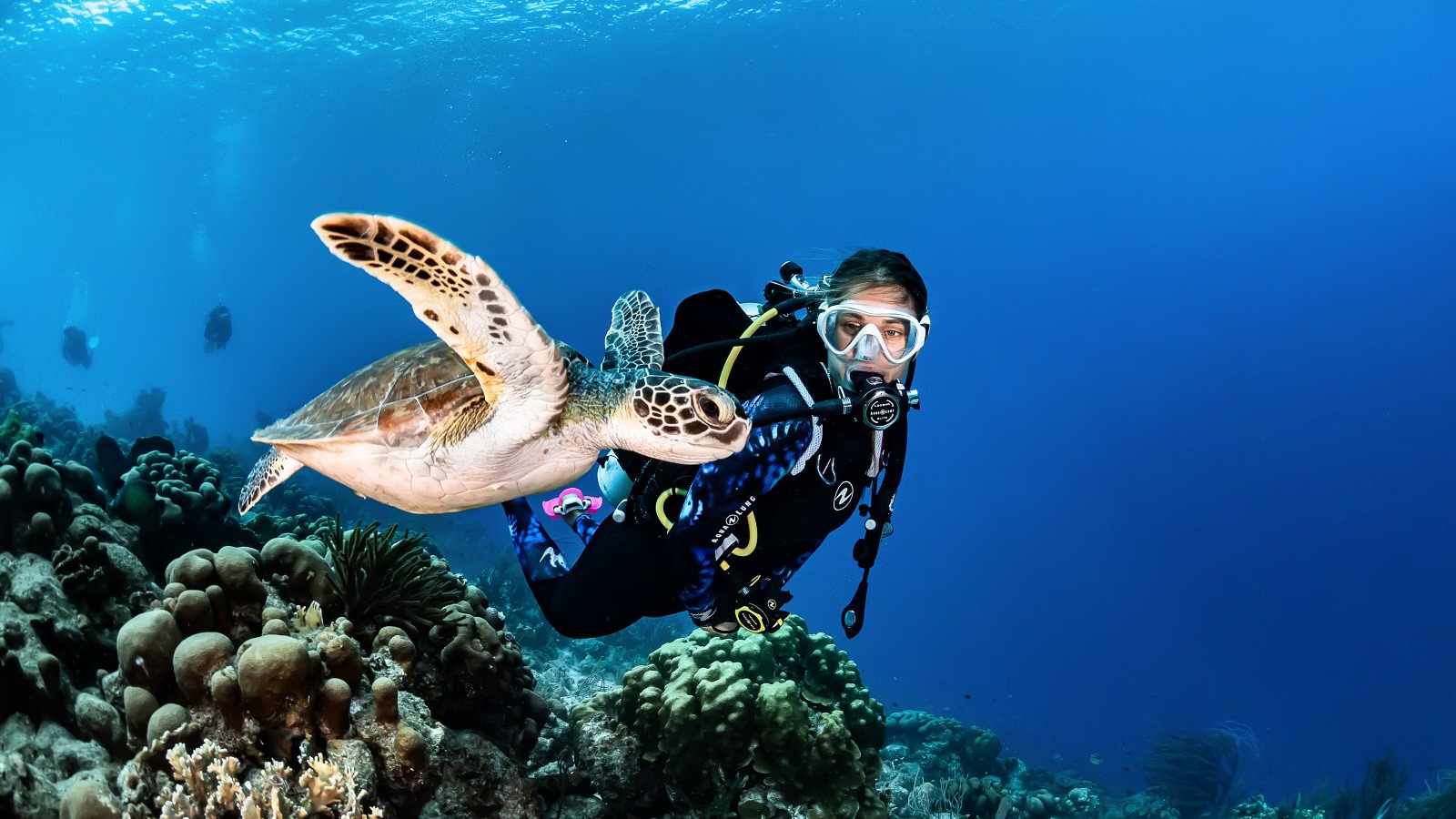
Scuba Diving in Thailand: Complete Guide 2026

Rohit Verma
January 31, 2026
Complete guide to scuba diving in Thailand featuring Similan Islands, Koh Tao, Richelieu Rock, whale sharks, liveaboards, and seasonal information.
Scuba Diving in Thailand: Southeast Asia's Underwater Paradise
Thailand stands as one of Southeast Asia's premier diving destinations, offering world-class coral reefs, incredible marine biodiversity, excellent infrastructure, and remarkably affordable diving. The country's extensive coastline along the Andaman Sea and Gulf of Thailand provides diverse diving environments from deep walls and drift dives to gentle coral gardens suitable for beginners. With over 300 dive sites spread across multiple regions, Thailand offers something for divers of every level and interest. What makes Thailand truly special is the combination of diving quality with convenience and value. Professional dive operators abound in all major diving areas, offering internationally recognized training through PADI, SSI, and other agencies. Liveaboard boats access remote sites that day boats cannot reach. The year-round diving season varies by region, meaning some part of Thailand always offers excellent diving conditions. Above water, Thailand's famous hospitality, delicious cuisine, and affordable accommodation create complete holiday experiences. Thailand's diving reputation rests on several crown jewels. The Similan Islands National Park, accessible November through May, consistently ranks among the world's top diving destinations with crystal-clear waters, healthy coral reefs, and frequent manta ray sightings. Koh Tao in the Gulf of Thailand has become one of Asia's largest diving training centers, certifying thousands of new divers annually while offering fun diving for experienced divers. Further south, Hin Daeng and Hin Muang provide thrilling pelagic encounters with manta rays and whale sharks.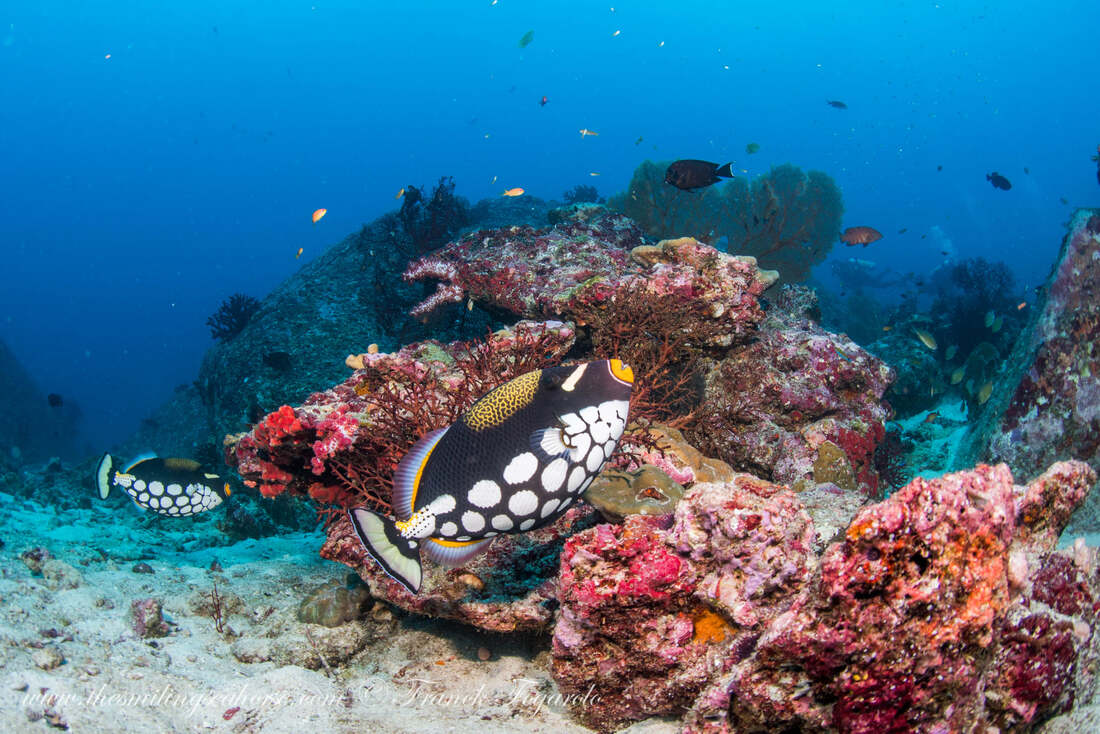
Best Diving Regions in Thailand
Thailand's diving divides into two primary regions: the Andaman Sea (west coast) and the Gulf of Thailand (east coast), each with distinct characteristics, seasons, and highlights. Understanding these regions helps plan optimal diving based on timing and preferences. The Andaman Sea hosts Thailand's most famous diving destinations including Phuket, Koh Lanta, Krabi, and the Similan and Surin Islands. This region features spectacular granite boulder formations, healthy hard coral reefs, and excellent visibility often exceeding 30 meters. The Similan Islands represent the crown jewel with underwater terrain including swim-throughs, arches, and dramatic drop-offs. Richelieu Rock, between the Similans and Surin Islands, is legendary for whale shark and manta ray encounters. The Andaman season runs from November to May when seas are calm and visibility peaks. The Gulf of Thailand offers year-round diving with different highlights depending on season. Koh Tao, the diving capital of the Gulf, provides excellent training conditions with shallow, calm bays perfect for beginners while offering deeper sites like Chumphon Pinnacle for experienced divers seeking pelagic encounters. Koh Samui and Koh Phangan offer additional diving options, though they receive less diving traffic than Koh Tao. Further south, Koh Tao's sister islands including Koh Nang Yuan provide additional dive sites with healthy coral gardens. Southern Thailand offers additional world-class diving worth noting. Hin Daeng (Red Rock) and Hin Muang (Purple Rock), located south of Koh Lanta, are cleaning stations for manta rays with reliable sightings almost year-round. These deep pinnacles feature dramatic drop-offs to 70 meters and attract large pelagic species including whale sharks, particularly during March-April. The diving here is advanced due to depths and currents, but rewards experienced divers with unforgettable encounters.Thailand Diving Regions Comparison:
| Region | Best Season | Difficulty | Key Highlights |
|---|---|---|---|
| Similan Islands | Nov-May | All levels | World-class reefs, mantas |
| Koh Tao | Year-round | Beginner-friendly | Training center, affordable |
| Richelieu Rock | Feb-Apr | Advanced | Whale sharks, macro life |
| Hin Daeng/Muang | Year-round | Advanced | Manta ray encounters |
Top Dive Sites in Thailand
The Similan Islands National Park encompasses nine islands featuring Thailand's most spectacular diving. Underwater, massive granite boulders create dramatic terrain including arches, swim-throughs, and tunnels. Elephant Head Rock at Island 7-8 exemplifies this terrain with boulders stacked creating multiple swim-throughs and channels. The site's topography alone makes it worth diving, but abundant marine life including reef sharks, rays, and schooling fish elevate it to world-class status. Visibility often exceeds 30 meters during the peak season of February-April. Richelieu Rock, often called Thailand's best dive site, is a submerged horseshoe-shaped pinnacle covered in soft corals, sea fans, and anemones. This nutrient-rich attractor supports incredible biodiversity including huge schools of barracuda and trevally, groupers, lionfish, scorpionfish, and numerous crustaceans. The real draw is the large pelagics—whale sharks are spotted regularly from March to April, while manta rays appear throughout the season. The site's small size means divers circumnavigate it multiple times during a single dive, discovering new details with each circuit. Koh Tao's most popular sites include Chumphon Pinnacle, a submerged granite pinnacle reaching to within 14 meters of the surface and dropping to 36 meters below. This site attracts batfish, barracuda, and occasionally whale sharks (particularly March-April and September-October). The site requires advanced certification due to depth, but rewards experienced divers with Koh Tao's best pelagic encounters. Beginners prefer shallower sites like Japanese Gardens with coral gardens at 5-12 meters sheltering numerous reef fish and green turtles. Hin Daeng and Hin Muang, located in the southern Andaman Sea, are Thailand's most reliable locations for manta ray encounters. These deep pinnacles rise from depths exceeding 70 meters. Hin Daeng features red soft coral covering its upper portions, while Hin Muang displays purple soft coral—hence their names meaning "Red Rock" and "Purple Rock." Both sites serve as cleaning stations for manta rays, with sightings occurring on most dives. The sites are exposed to strong currents and deep, making them suitable only for experienced divers comfortable with blue water descents and drift diving.Diving Courses and Certification
Thailand's dive centers offer comprehensive training programs with competitive pricing making it one of the world's most affordable places to learn diving. Koh Tao has earned fame as the diving certification capital of Asia, with dozens of dive centers certifying thousands of new divers annually. The island's calm, shallow bays provide ideal training environments, while the presence of numerous dive operators creates competitive pricing and high standards. Open Water Diver courses in Thailand typically cost 10,000-15,000 THB (₹24,000-36,000) including all materials, equipment, instruction, and certification fees. This 3-4 day course includes theory modules, five confined water dives, and four open water dives. Thailand's warm waters (28-30°C) and excellent visibility create comfortable learning environments. Many divers complete Advanced Open Water Diver certification concurrently, adding just 2-3 days and two additional adventure dives for 8,000-12,000 THB (₹19,000-29,000). Specialty certifications popular in Thailand include Enriched Air Nitrox for extended bottom times (particularly useful for liveaboard diving), Deep Diver for accessing sites beyond 30 meters, and Underwater Photography for capturing Thailand's vibrant reefs. Dive centers offer these specialties individually or as part of advanced packages. Professional-level training through Divemaster and Instructor certifications is also available, with many centers offering internship programs combining training with work experience.Liveaboard Diving in Thailand
Liveaboard boats represent the ultimate Thai diving experience, accessing remote sites unreachable by day boats and maximizing diving time. The Similan and Surin Islands liveaboard season runs from November to May, with boats departing from Phuket or Khao Lak. Typical itineraries span 4-7 days with 3-5 dives daily including night dives. These trips provide opportunities to dive world-class sites like Richelieu Rock multiple times during different conditions. Liveaboard prices vary based on duration and boat luxury level. Budget liveaboards cost 20,000-30,000 THB (₹48,000-72,000) for 4-day trips, while luxury vessels with private bathrooms and gourmet cuisine cost 60,000+ THB (₹144,000+) for similar itineraries. Liveaboards include all meals, diving, equipment rental, and accommodation. Thailand's liveaboards offer excellent value compared to similar destinations globally. The liveaboard experience extends beyond diving. Evenings are spent under starlight skies, often with calm seas and new friends made during the day. The boat crew's famous Thai hospitality ensures excellent service throughout trips. Social atmospheres develop as divers share experiences from the day's diving. Many divers return annually for liveaboard holidays, creating lasting friendships with fellow divers and crew members. Southern Thailand liveaboards exploring Hin Daeng, Hin Muang, and Koh Haa Yai operate year-round but see peak demand from December to April. These trips typically last 2-3 days and combine world-class pelagic encounters with beautiful coral reefs. Some itineraries combine southern Thailand sites with stops at Koh Lipe or even venture toward Malaysian sites around Langkawi.Diving Season and Weather
Thailand's diving seasons vary significantly by region due to monsoon patterns affecting the Andaman Sea and Gulf of Thailand differently. The Andaman Sea (west coast including Phuket, Similans, Koh Lanta) experiences its diving season from November to May when northeast monsoons create calm seas and excellent visibility. The peak months of February-April offer the best conditions with visibility often exceeding 30 meters and minimal rainfall. The southwest monsoon from May-October brings rougher seas and many dive sites close, though some areas around Phuket remain accessible year-round. The Gulf of Thailand (east coast including Koh Tao, Koh Samui, Koh Phangan) offers year-round diving, though conditions vary seasonally. November to January sees the best conditions with good visibility and calm seas. February to April brings plankton blooms that reduce visibility slightly but attract whale sharks, particularly around Koh Tao's deeper pinnacles. May to September sees excellent conditions as the monsoon affects the west coast. October brings transitional weather with occasional rain and variable conditions. Water temperatures remain warm throughout Thailand year-round, typically 28-30°C in the Andaman Sea and slightly warmer at 29-31°C in the Gulf of Thailand. Most divers are comfortable in 3mm wetsuits during December-February and can switch to shorties or rash guards during warmer months. Thermoclines are uncommon in Thailand's generally warm waters, though some deeper sites like Richelieu Rock occasionally experience cooler water layers. Planning timing based on priorities is essential. Those seeking the absolute best conditions should target February-April in the Andaman Sea. Divers hoping for whale shark encounters might prefer March-April when plankton blooms increase chances. Budget-conscious travelers visit during shoulder seasons (May-June, September-October) when prices drop and crowds thin, accepting occasional weather disruptions in exchange for lower costs and more relaxed diving.Marine Life and Photography
Thailand's marine biodiversity ranks among the world's richest. Healthy coral reefs support thousands of fish species including angelfish, butterflyfish, groupers, snappers, triggerfish, and countless reef inhabitants. The Andaman Sea's coral reefs feature both hard and soft coral varieties creating vibrant underwater gardens. Giant clams, some over a meter across, inhabit reef flats. Anemones host numerous clownfish species, made famous by Finding Nemo. Pelagic encounters create Thailand's most memorable diving moments. Whale sharks, the world's largest fish, appear regularly at Richelieu Rock (March-April), Chumphon Pinnacle in Koh Tao (March-April, September-October), and occasionally at other sites. These gentle giants filter feed on plankton, allowing close approaches by respectful divers. Manta rays, with wingspans reaching 5-7 meters, are reliably encountered at Hin Daeng and Hin Muang, and occasionally visit Similan sites like Koh Bon. Macro photographers discover remarkable diversity upon closer inspection. Thailand's reefs harbor numerous nudibranch species including the famous Spanish dancer and various chromodoris varieties. Seahorses, pipefish, and ghost pipefish inhabit seagrass beds and coral crevices. Various shrimp species including cleaner shrimp, anemone shrimp, and mantis shrimp provide macro subjects. Frogfish, stonefish, and scorpionfish—masters of camouflage—challenge observers to spot them. Underwater photographers should bring appropriate equipment for Thailand's conditions. Wide-angle setups (16-35mm or fisheye lenses) capture reef scenes and large pelagic encounters. Macro lenses (60mm or 100mm) reveal the reef's smaller inhabitants. External strobes are essential for restoring color lost at depth. Many dive centers rent camera equipment for those wanting to try photography without investing in gear. Liveaboard boats often have camera rinse tanks and dedicated camera tables for photographer convenience.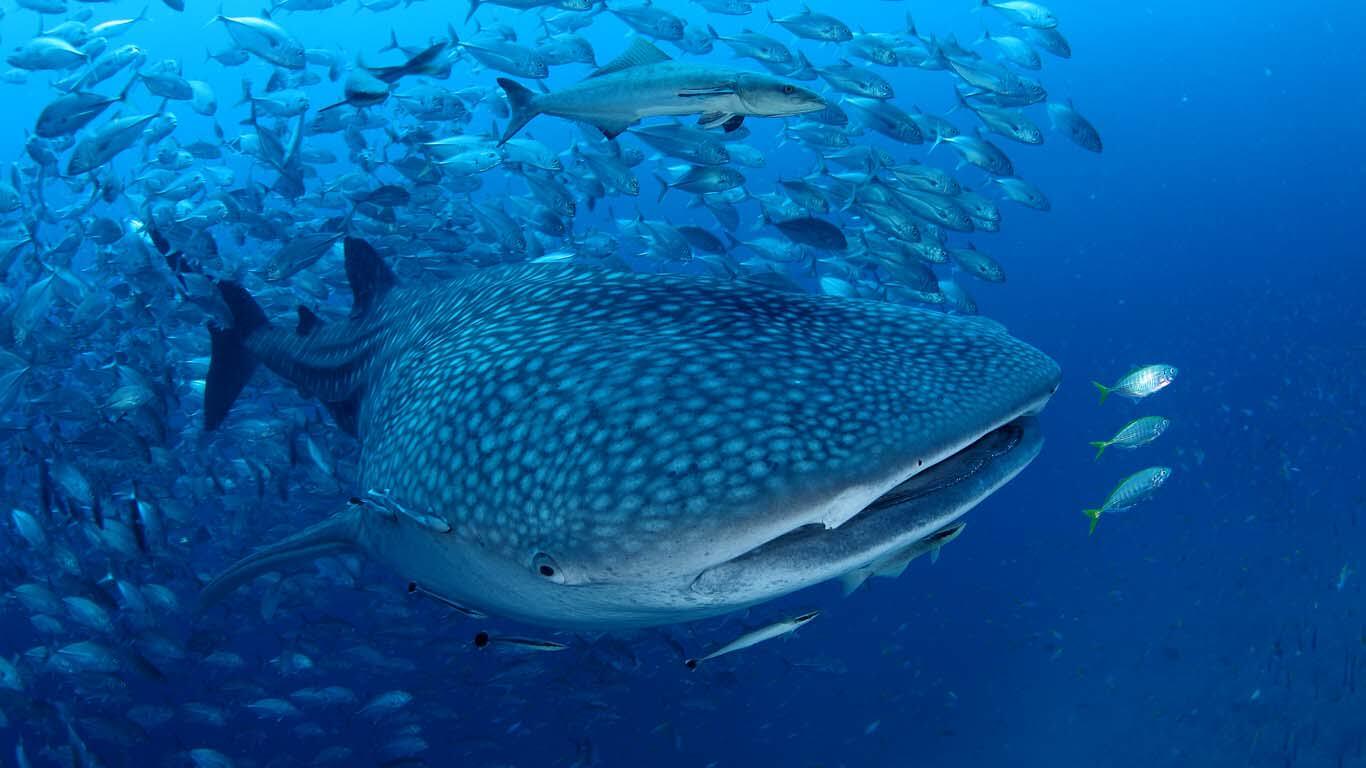
Diving Costs and Budget Planning
Thailand offers excellent value for diving compared to most global destinations. Fun dives for certified divers typically cost 2,500-3,500 THB (₹6,000-8,500) per dive including equipment rental and boat transfers. Multi-dive packages and dive cards offer better rates—10-dive packages typically cost 20,000-25,000 THB (₹48,000-60,000). Night dives cost slightly more due to additional equipment and staffing requirements. Liveaboard prices vary significantly based on duration and luxury level. Budget 4-day liveaboards cost 20,000-30,000 THB (₹48,000-72,000) including all meals, diving, and accommodation. Mid-range boats with private bathrooms cost 35,000-50,000 THB (₹84,000-120,000). Luxury liveaboards with premium amenities, gourmet cuisine, and smaller groups cost 60,000+ THB (₹144,000+). Liveaboard diving represents Thailand's best value for serious divers wanting maximum underwater time. Diving courses in Thailand are among the world's most affordable. Open Water Diver certification costs 10,000-15,000 THB (₹24,000-36,000). Advanced Open Water adds 8,000-12,000 THB (₹19,000-29,000). Specialty certifications typically cost 4,000-8,000 THB (₹9,500-19,000). Divemaster internships cost 40,000-60,000 THB (₹96,000-144,000) and often include unlimited diving during training periods, representing excellent value for those seeking professional qualifications. Budget-conscious travelers should consider shoulder seasons (May-June, September-October) when many operators offer discounts and accommodation prices drop significantly. These periods may see occasional weather disruptions, but reduced crowds and lower costs create appealing trade-offs for flexible travelers. Weekday diving is always less crowded and sometimes cheaper than weekends, particularly in popular areas like Koh Tao.Planning Your Thailand Diving Trip
Planning Thailand diving requires considering region, season, and diving goals. First-time visitors seeking world-class diving typically choose the Andaman Sea (Similans, Richelieu Rock) during November-May for the absolute best conditions. Budget travelers and those primarily seeking certification might prefer Koh Tao with its year-round diving, competitive prices, and vibrant backpacker scene. Combining both regions—flying between Phuket and Koh Samui—allows experiencing Thailand's complete diving diversity. International flights typically arrive in Bangkok, with connections to Phuket, Krabi, or Surat Thani for ferry access to islands. Phuket International Airport provides direct access to Andaman diving, while flights to Koh Samui connect to ferry transfers to Koh Tao. Overland travel from Bangkok to diving regions is possible but time-consuming—domestic flights save considerable time and are reasonably priced. Accommodation options suit all budgets from backpacker hostels to luxury resorts. Koh Tao famously offers budget-friendly rooms near dive centers, perfect for extended stays completing multiple courses. The Similans require liveaboards or day trips from Phuket/Khao Lam, with these mainland areas offering extensive accommodation choices. Booking accommodation with dive centers often provides package deals and convenient transport. Beyond diving, Thailand offers incredible cultural experiences, delicious cuisine, beautiful beaches, and adventure activities. Most divers combine diving with other Thailand highlights. A typical 2-week itinerary might include Koh Tao diving certification, cultural sightseeing in Bangkok or Chiang Mai, and beach relaxation in Phuket or Krabi. Liveaboard trips fit well into longer itineraries, maximizing diving while minimizing logistics.Internal Links for Further Reading
For more Southeast Asian island adventures, explore Koh Lipe in Thailand which offers excellent diving near the Thai-Malaysian border. Understanding Thailand's best cities helps plan diving around cultural experiences. Those seeking additional Thai islands might consider Koh Tao island guide for complete diving and travel information.Location
Frequently Asked Questions
Q1.What is the best time for scuba diving in Thailand?
Q2.How much does scuba diving cost in Thailand?
Q3.Which are the best dive sites in Thailand?
Q4.Is Thailand good for beginner scuba divers?
Q5.Can you see whale sharks while diving in Thailand?
Q6.Do I need to be a good swimmer for scuba diving in Thailand?
Q7.What is the water temperature for diving in Thailand?
Q8.Should I choose the Andaman Sea or Gulf of Thailand for diving?
Recommended For You
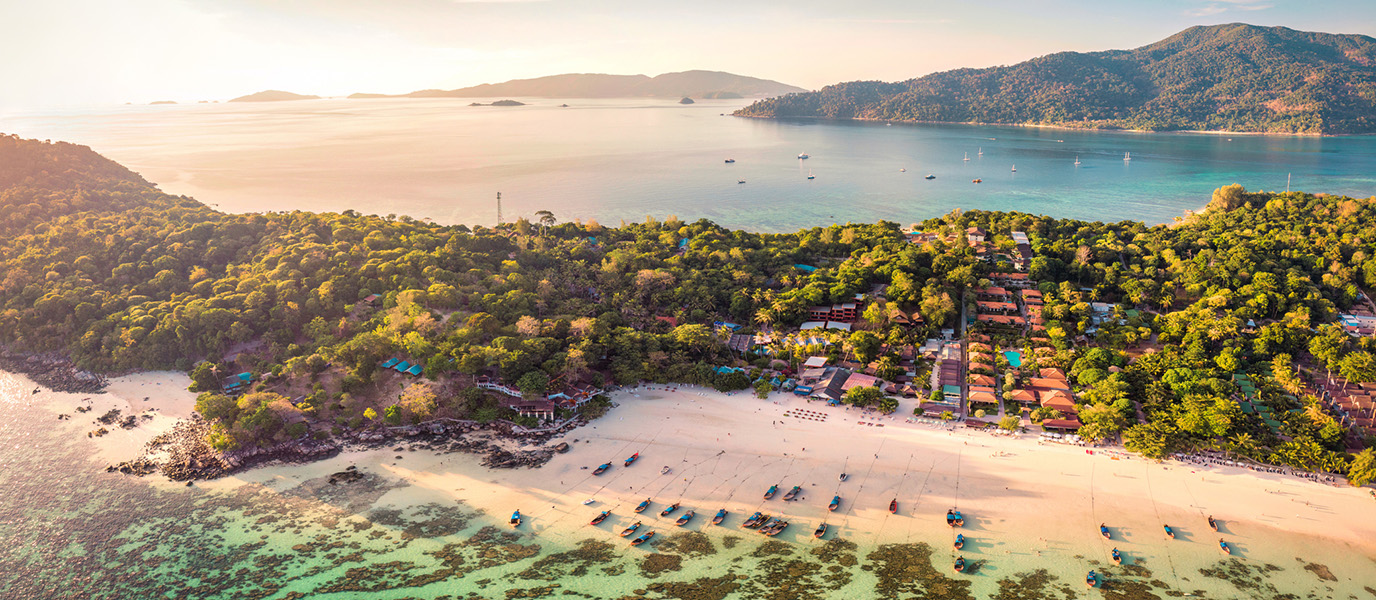
Koh Lipe Thailand: Beaches, Snorkeling Spots & Island Transfers
Koh Lipe Thailand guide covering beaches, snorkeling, route planning, best season, stay zones, and practical tips for a smooth island trip.
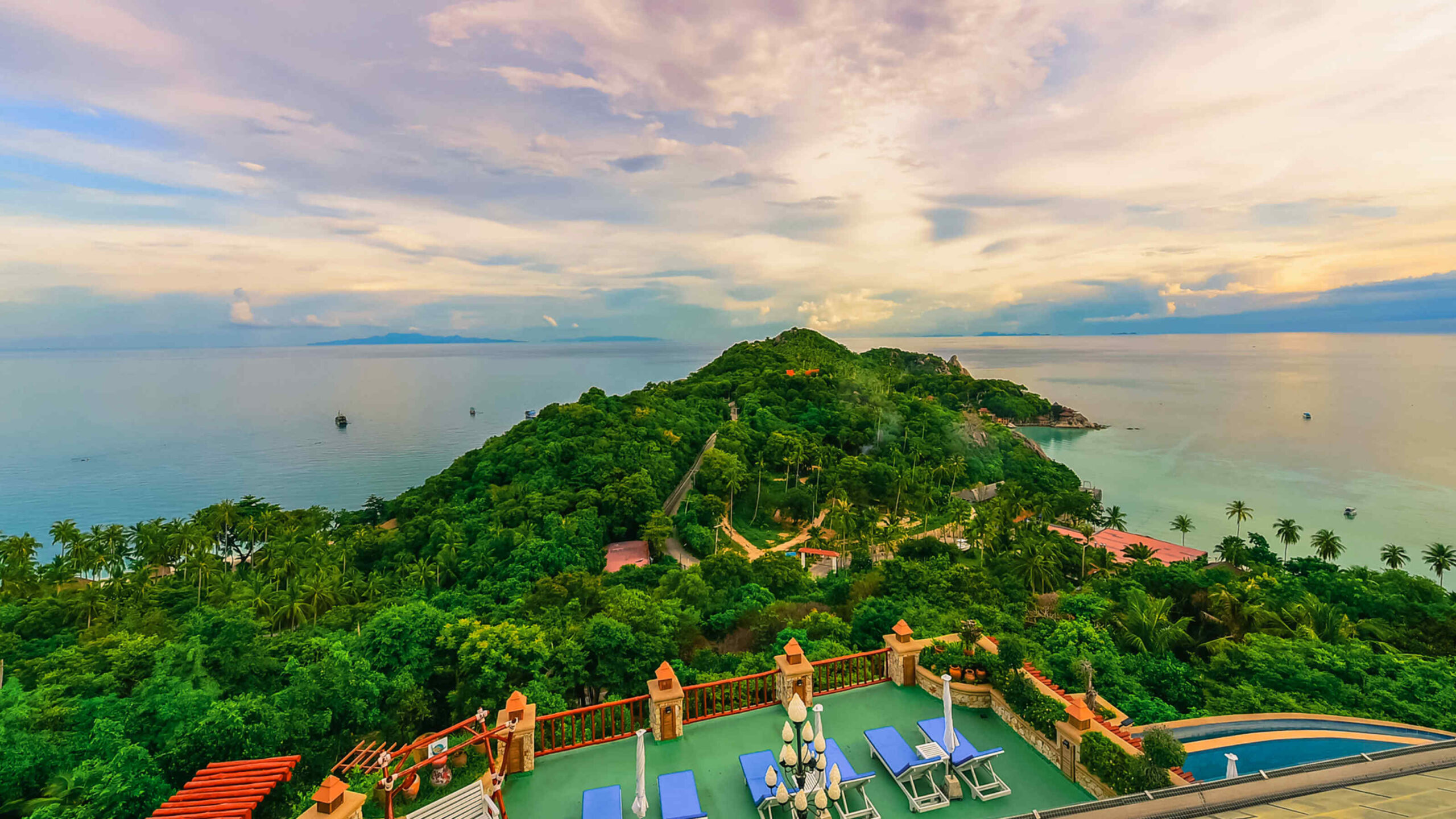
Koh Tao Thailand: Diving Courses, Beaches & Ferry Routes
Complete Koh Tao Island Thailand travel guide. Discover best diving spots, pristine beaches, snorkeling locations, how to reach, accommodation & travel tips for Turtle Island paradise.
Thailand Cities to Visit: Top 10 Places & Itinerary
Discover the best Thailand cities to visit with practical itinerary combinations, city highlights, trip duration advice, and budget planning tips for first-timers.
Never Miss an Adventure
Get the latest trekking guides, travel tips, and exclusive offers delivered straight to your inbox.
