
Things to Do in Panipat: Historic Sites, Museums & Local Food

Ananya Sharma
February 20, 2026
Explore top things to do in Panipat with battlefield history, museums, heritage landmarks, market experiences, and practical one- or two-day planning.
Introduction
Panipat is one of North India’s most historically important cities and is ideal for travelers who want battlefield history, museums, heritage landmarks, and practical short-trip planning from Delhi NCR. If you are searching for things to do in Panipat, the strongest strategy is to combine battle-history sites with cultural and market experiences instead of only doing monument stops.
This guide helps you structure one-day and two-day Panipat routes with practical timing, local context, and travel efficiency. It covers battlefield memorials, museums, temples, shopping areas, and logistics. For supporting reads, pair this with places to visit in Panipat and focused landmarks such as Panipat Battle Field Memorial.
Battlefield Legacy and Memorial Sites
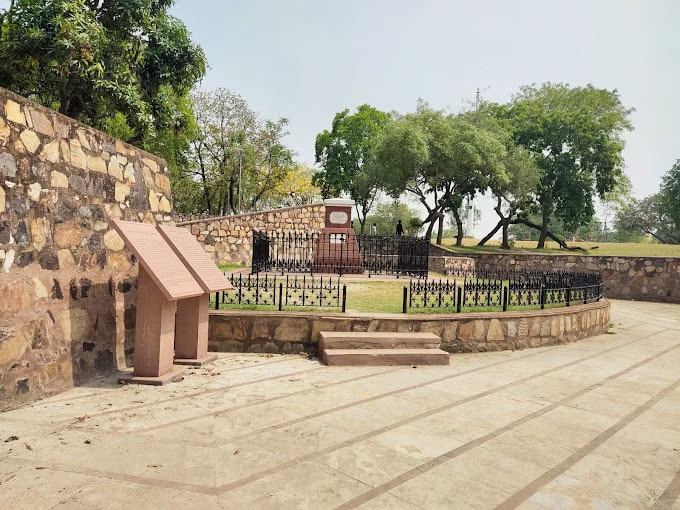
Panipat is best known for the three historic battles that shaped Indian political history. Visiting battle-related memorial spaces adds context beyond textbook references. Start with one primary memorial stop and allocate enough time for interpretation and site reading rather than rushing through photos.
History enthusiasts should combine memorial visits with museum exhibits to connect events, timelines, and regional impact. A structured sequence improves understanding significantly.
Museums and Historical Interpretation
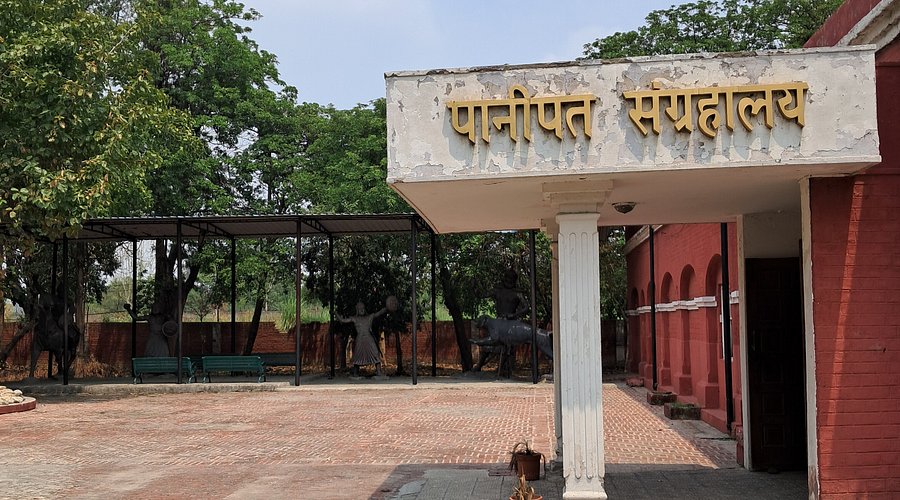
Museums in Panipat are valuable for weapons, archival context, and curated narratives linked to the city’s past. Midday is usually a good time for museum sessions, especially in warmer months. Keep one to two hours for meaningful engagement with exhibits.
For students and researchers, carrying a short checklist of key battle timelines and personalities helps turn a casual visit into a deeper learning experience.
Forts, Tombs, and Heritage Landmarks
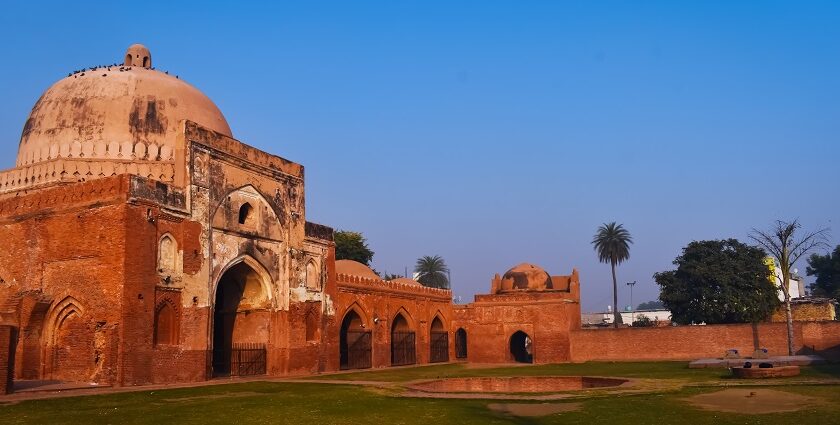
Beyond battlefields, Panipat includes forts, tombs, and heritage structures that reflect layered political history. These sites are often less crowded and useful for slower exploration. Keep expectations realistic around restoration status, but the historical value remains high.
Pairing one monument with a local market or food stop in the same zone helps maintain a balanced itinerary.
Religious and Cultural Stops
Panipat has temples and spiritual spaces that add social and cultural depth to history-heavy travel plans. These visits are best in cooler hours and should be approached with respectful dress and behavior.
For family travelers, spiritual stops can be useful low-intensity breaks between museum and heritage blocks.
Shopping and Local City Experience
Panipat is also known for textile and market activity. If shopping is a priority, reserve one focused market block with a clear purchase list. This prevents overspending and keeps your route efficient. For location-specific guidance, refer to shopping in Panipat.
A short market session can also provide insight into the city’s modern economic identity beyond its battle history.
One-Day and Two-Day Panipat Plans
| Duration | Suggested Flow |
|---|---|
| 1 Day | Battle memorial + museum + heritage stop + market and food |
| 2 Days | Add spiritual stops, deeper museum time, and nearby attraction loop |
For Delhi-based travelers, early departure and zone clustering make one-day trips much more effective.
Best Time to Visit Panipat
Winter and cooler months are most comfortable for historical exploration and walking routes. Summer visits require early starts and indoor-heavy midday planning. Monsoon can be managed with flexible movement windows.
Festival and weekend crowd variations should be considered if your route includes busy religious or market zones.
Budget and Mobility Tips
- Budget plan: public/shared transport + key heritage and museum stops
- Mid-range plan: cab segments + structured multi-site day
- Comfort plan: private movement + two-day deeper history circuit
Most costs depend on transport and time depth rather than high entry fees. Smart routing improves both budget and experience quality.
Common Mistakes to Avoid
A frequent mistake is treating Panipat as only a quick memorial photo stop. The city’s value comes from combining battle context, museum interpretation, and local culture. Another mistake is underestimating day-trip timing from Delhi.
Keep your itinerary realistic and focused on high-value clusters rather than scattered attractions.
How to Experience Panipat Beyond the Textbook
Panipat becomes more meaningful when travelers link battlefield history with place-based observation. Instead of only reading plaques, ask what each site reveals about military strategy, political transition, and social memory. Museums provide artifacts and timeline anchors, while open memorial grounds show scale and terrain context. When these pieces are combined, Panipat’s historical significance becomes easier to understand and remember.
Students and history enthusiasts should plan one focused learning block with notes, then one reflective walking block at a related site. This format turns casual tourism into active interpretation and often makes the visit far more memorable than rapid stop-hopping.
Panipat as a Delhi-NCR Heritage Day Trip
Panipat is well suited for one-day trips from Delhi, but success depends on early departure and strict clustering. Keep your first stop fixed and avoid adding distant extras before noon. A practical day can include one battlefield memorial, one museum, one heritage structure, and one market-food stop. This gives variety without overload.
If traffic or delays increase, drop low-priority stops instead of compressing all visits. Preserving quality at fewer sites is a better outcome than rushing through every location.
Textiles, Markets, and Modern Economic Layer
Panipat’s textile economy is a major part of its present-day identity. Including one market or sourcing visit balances the historical narrative with contemporary local life. Set a clear shopping goal before entering markets: home textiles, specific fabrics, or local specialties. This keeps the visit efficient and avoids time loss.
Combine market time with a local meal to understand everyday city rhythm. For visitors interested in economic geography, this modern layer is as informative as monuments.
Detailed 2-Day Heritage Plan
Day 1: battle memorial route, Panipat Museum, old landmark walk, evening market.
Day 2: temple/shrine circuit, textile zones, nearby heritage extension.
This layout supports both first-time visitors and repeat travelers who want deeper context. Keep one flexible buffer in each day for traffic and rest.
Practical Readiness Checklist
Carry water, sun protection, and comfortable walking footwear. Keep site timings handy and verify holiday schedules before departure. In summer, front-load outdoor stops to morning and move indoor museum blocks to afternoon. Basic planning discipline significantly improves comfort and coverage in Panipat.
Conclusion
The best things to do in Panipat blend historical depth, cultural context, and practical route planning. With a well-structured one- or two-day plan, Panipat can be a highly rewarding heritage destination.
Prioritize battlefield interpretation, museum time, and local city layers to get a complete Panipat experience beyond textbook history.
Planning Panipat for Students, Families, and History Enthusiasts
Panipat is especially valuable for student groups and history-first travelers because the city offers both site-based context and museum interpretation. A strong educational route starts with one battlefield or memorial point, continues to museum exhibits, and ends with guided discussion or notes. This sequence helps convert abstract historical events into place-based understanding.
Families can use a lighter version of this route with shorter site windows and one park or market break in between. The city is manageable for mixed-age travel when days are structured with comfort and not overloaded with long drives.
How to Build a High-Value One-Day Circuit
Start early with your top-priority historical site, then move to a museum before lunch. Use afternoon for one heritage monument and close with a market or local-food block. This order preserves attention for learning-heavy stops and keeps lower-intensity experiences for later hours.
If you have extra time, include a textile-focused shopping segment with clear purchase goals. Panipat’s textile identity is a practical modern layer that complements its historical narrative.
Common Day-Trip Logistics from Delhi NCR
Road timing can vary by weekday and season, so keep flexible buffers both morning and evening. Avoid planning rigid return windows immediately after a final attraction. A small delay at any one site can cascade through the rest of the day if buffers are missing.
Smart day-trip planning means fewer high-value stops, not maximum stop count.
Practical Safety and Comfort Checklist
Carry water, sun protection, and comfortable walking footwear for memorial grounds and museum routes. Keep cash and digital payment options for markets. Verify site timings in advance, especially on holidays, to avoid closure surprises.
For repeat visitors, Panipat can be approached as a themed city each time: one trip for battle history, another for museum and archival interpretation, and another for market and textile economy. This layered approach keeps the city relevant beyond a single day trip and helps travelers build a stronger understanding of how history and modern commerce coexist in one place.
Another high-value tip is to pre-read one short battle summary before you arrive. This context makes memorial spaces and museum exhibits easier to understand on-site and helps you connect locations to timelines quickly. Even 10 minutes of prep improves the quality of a Panipat day trip.
When possible, end your Panipat route with one reflective stop rather than another rushed transfer. This helps retain historical context and gives closure to the day’s learning journey.
Carry a simple site list with priorities so you can adjust quickly if traffic causes delays.
A calm pace improves historical understanding and makes each stop more meaningful.
Keep one flexible buffer slot so traffic changes do not affect your key history stops.
Start early for smoother city movement.
If you're extending this trip, Places to Visit in Panipat is worth adding to your plan. Many travelers also pair this with Shopping in Panipat Haryana for a fuller itinerary. It's worth reading up on Panipat Museum Haryana before you finalize your plans.
Location
Frequently Asked Questions
Q1.How many days are enough for Panipat?
Q2.What is Panipat famous for?
Q3.Can Panipat be done as a day trip from Delhi?
Q4.Is Panipat Museum worth visiting?
Q5.What can I buy in Panipat?
Q6.Best time to visit Panipat?
Q7.Is Panipat suitable for family travel?
Q8.What are key places to visit in Panipat?
Recommended For You
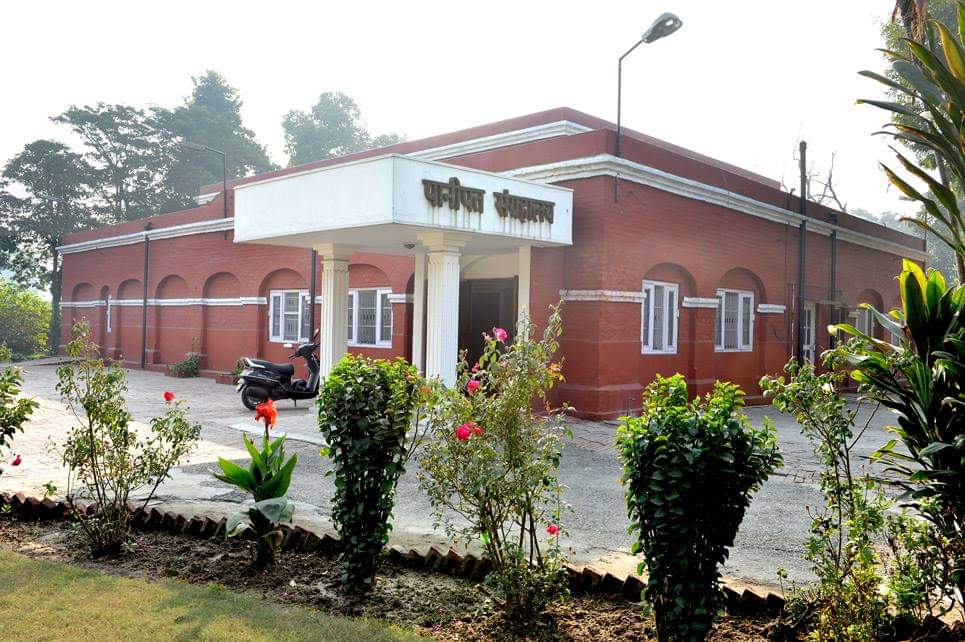
Panipat Museum Haryana: Timings, Entry and History
Visit Panipat Museum Haryana with this practical guide on exhibits, historical context, timings, entry planning, and nearby heritage add-ons.
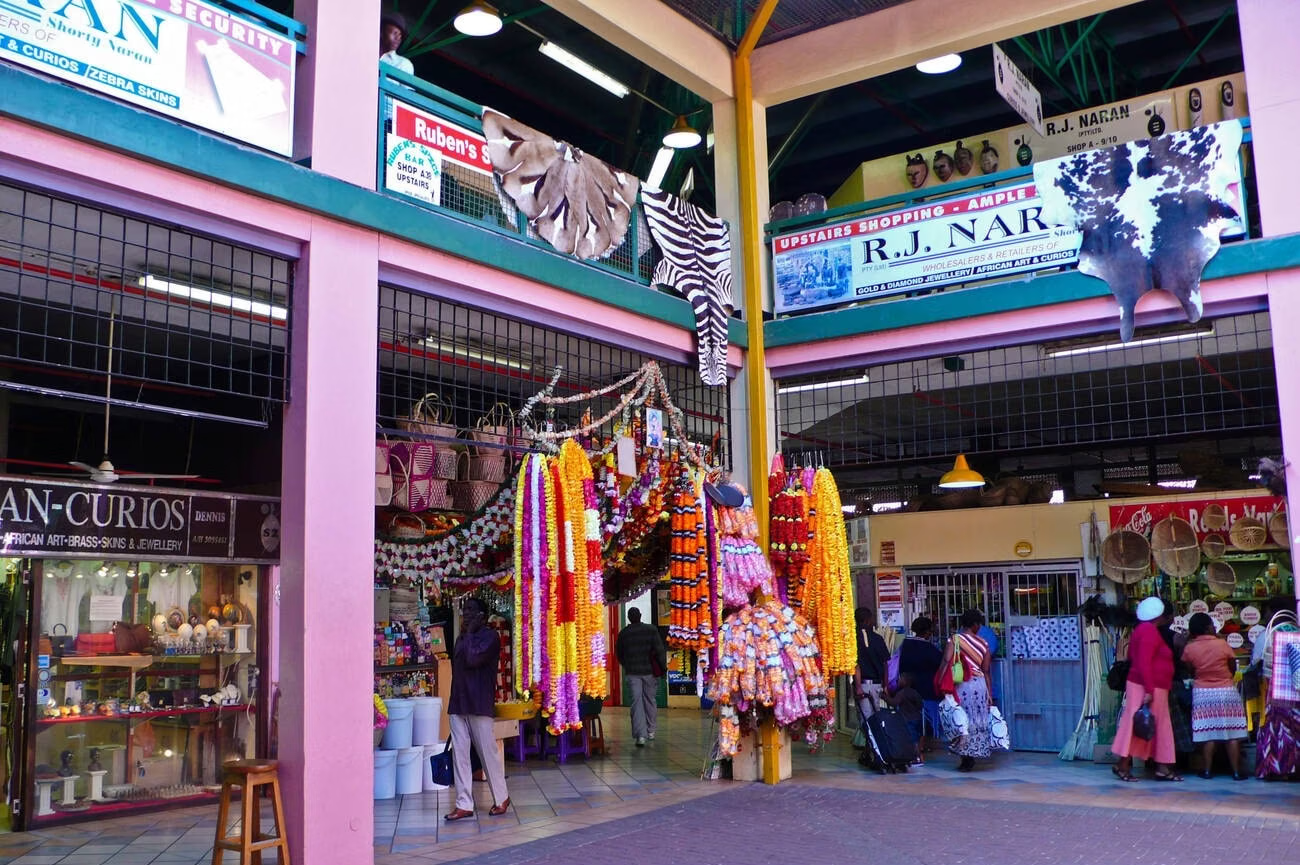
Shopping in Panipat Haryana: A Complete Guide to Textile Hub
Shopping in Panipat Haryana - Discover India's textile city. Complete guide to factory outlets, home furnishings, carpets, bed linen with prices, timing and shopping tips.
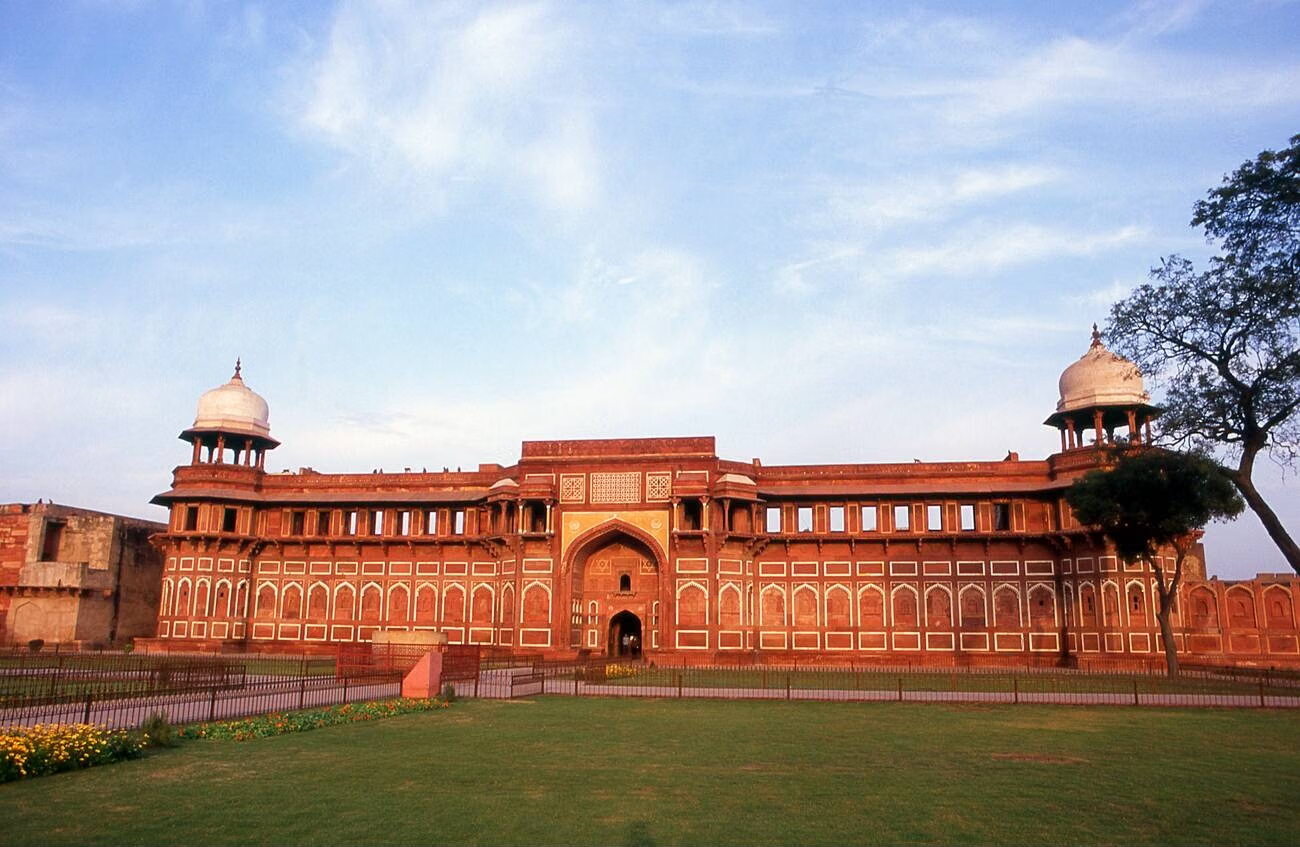
Places Near Panipat Haryana: 15 Best Spots
Explore the best places to visit near Panipat Haryana including Kurukshetra, Delhi, Karnal, museums and nature getaways with practical trip tips.
Never Miss an Adventure
Get the latest trekking guides, travel tips, and exclusive offers delivered straight to your inbox.
