
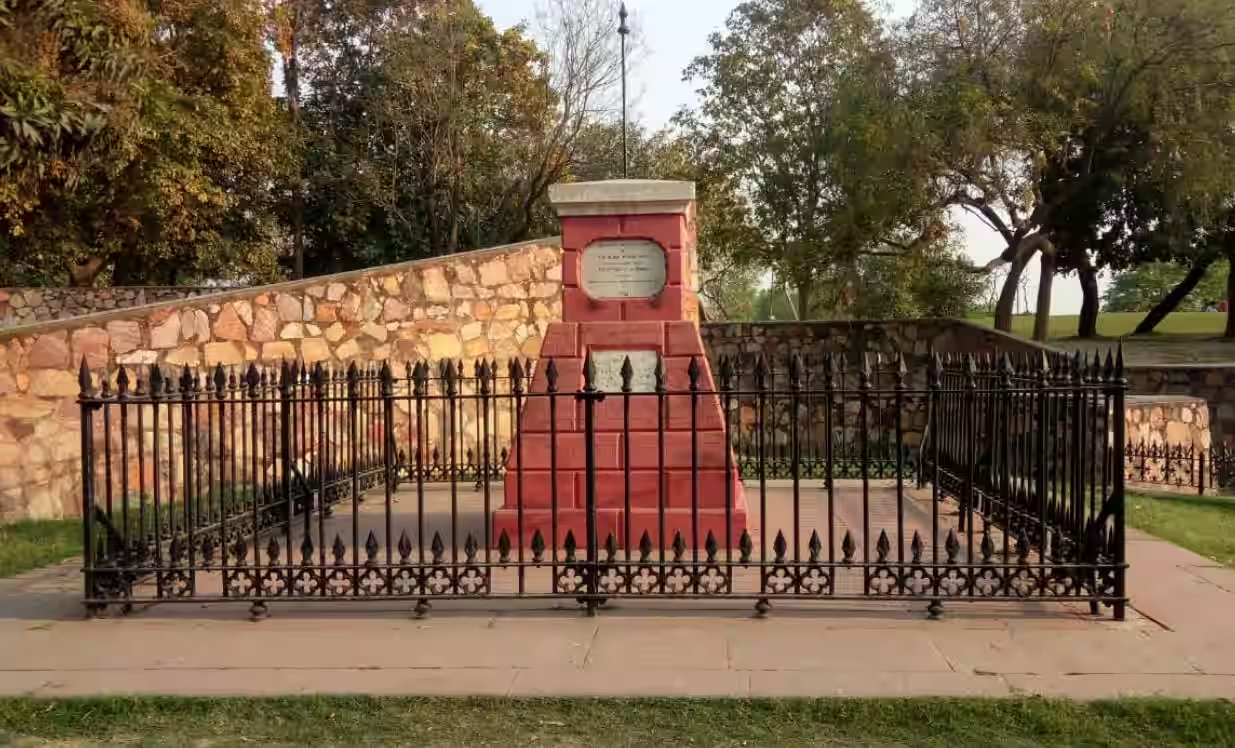
Panipat Battlefield Memorial: History, Museum & Visitor Details

Priya Mehta
February 20, 2026
Plan your visit to Panipat Battle Field Memorial Haryana with battle history, timings guidance, entry details, nearby attractions, and practical travel tips.
Introduction: Why Panipat Battle Field Memorial Matters
Panipat Battle Field Memorial in Haryana stands on one of the most consequential landscapes in Indian history. The plains around Panipat witnessed three major battles in 1526, 1556, and 1761, each changing power equations across North India. For modern travelers, this is not just a stop for photos. It is a place where military strategy, political ambition, and collective memory meet in a single geography.
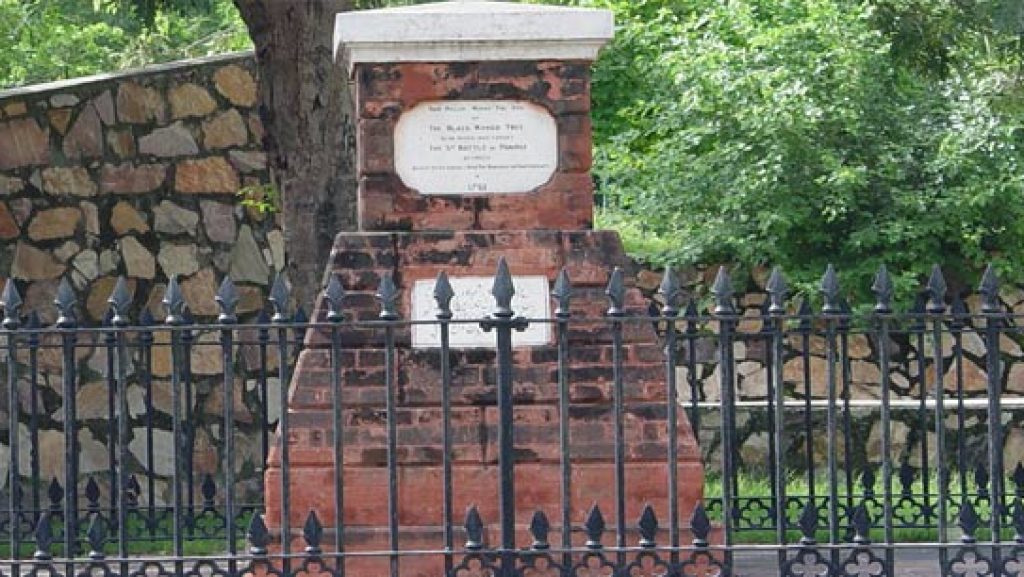
The memorial complex is closely associated with Kala Amb and the obelisk commemorating the Third Battle of Panipat. Together with Panipat Museum and nearby historical points, it forms a compact but high-value heritage circuit. If you are planning a short historical trip from Delhi-NCR or a weekend learning route in Haryana, this guide gives you practical and context-first information: what the site represents, what to see, how much time to keep, and how to combine it with nearby places.
History of Panipat Battles: The Context Behind the Memorial
To understand the memorial, you need a quick map of the three battles of Panipat. This is the foundation of the entire site narrative.
First Battle of Panipat (1526)
Babur defeated Ibrahim Lodi in 1526, opening the path for Mughal consolidation in North India. The battle is frequently cited as a turning point because of battlefield tactics and the eventual establishment of Mughal rule.
Second Battle of Panipat (1556)
The second battle, fought between Akbar's forces and Hemu, reinforced Mughal political control after a period of turbulence. Panipat again emerged as a decisive military zone rather than a random battlefield choice.
Third Battle of Panipat (1761)
The third battle between Ahmad Shah Durrani and the Marathas is remembered for its scale, losses, and long-term political consequences. The Kala Amb memory tradition and the commemorative obelisk are closely tied to this battle.
| Battle | Year | Main Forces | Historical Significance |
|---|---|---|---|
| First Battle of Panipat | 1526 | Babur vs Ibrahim Lodi | Foundation phase of Mughal power in North India |
| Second Battle of Panipat | 1556 | Akbar's forces vs Hemu | Reassertion of Mughal political control |
| Third Battle of Panipat | 1761 | Ahmad Shah Durrani vs Marathas | Major strategic rupture in 18th-century Indian politics |
About Panipat Battle Field Memorial
The memorial zone is part symbolic, part educational, and part reflective. Official district references in Panipat identify Kala Amb and the obelisk as major historic points linked to the third battle. The site is designed to preserve memory, not recreate combat spectacle. That difference is important for visitor expectations.
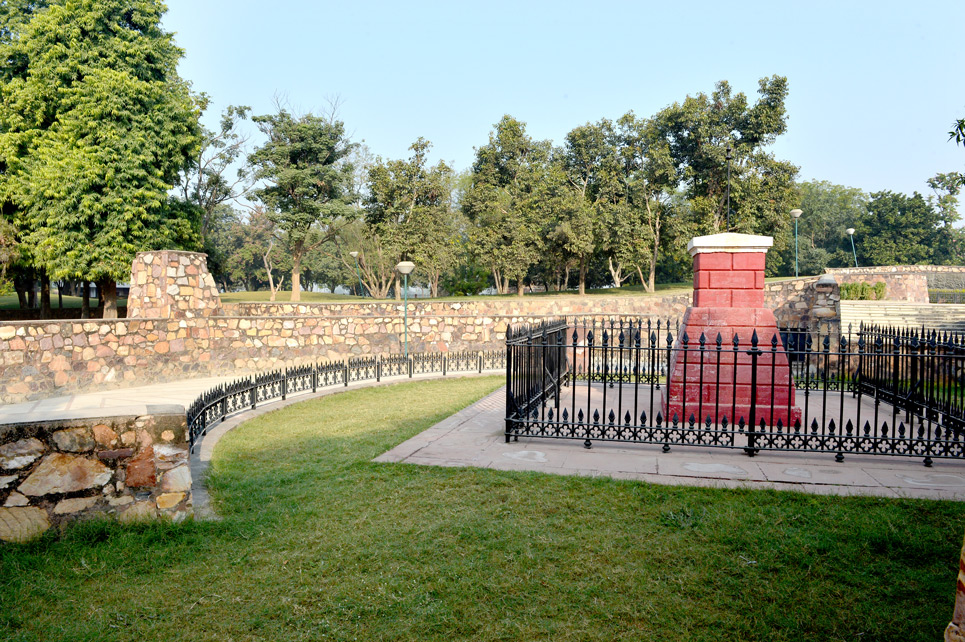
Instead of a single enclosed monument, think of this experience as a landscape of remembrance. You will notice commemorative elements, information markers, and open grounds that help visitors connect historical narrative with physical space. Many visitors pair this with the museum for fuller context. If you want a combined route, use Panipat Museum Haryana and things to do in Panipat as your companion guides.
What to See at the Memorial Complex
1. Obelisk Commemorated to the Third Battle
The obelisk is one of the most recognized markers on this circuit. Official Panipat district tourism pages describe it as a memorial point tied to the Third Battle and to Sadashiv Rao Bhau's final stand tradition.
2. Kala Amb Association
Kala Amb is deeply tied to local memory and visitor storytelling around the 1761 battle. Even if specific folkloric details vary by source, the location remains central to the way Panipat's battlefield history is interpreted on the ground.
3. Open Memorial Grounds
The larger battlefield memory zone gives a sense of scale. It is useful for students and history enthusiasts who want to connect text-based battle narratives with terrain and distance.
4. Interpretation Through Nearby Museum
The memorial and museum are best consumed together. The site gives emotional and spatial context; the museum gives documentary and artifact context. If your schedule allows, combine both in the same half day.
5. Nearby Historic Nodes
Panipat's broader historical cluster includes sites such as Hemu Samadhi references, Ibrahim Lodi's tomb context, Kabuli Bagh, and old gate structures. This makes Panipat a layered heritage city rather than a one-point destination.
Light and Sound Show: What Travelers Should Know
Many travelers search for a fixed light and sound show timetable at Panipat Battle Field Memorial. In practice, programming can be seasonal, event-linked, or subject to local administration decisions. Some private travel guides mention show windows, but these are not always synchronized with official updates.
The best approach is simple: treat the light and sound show as a possible bonus, not the only reason to visit. Plan your trip around the core memorial and museum experience first. If an event is scheduled, you can extend your visit into the evening.
Before finalizing your route, verify current status through local tourism contacts, district channels, or same-day local inquiry. This avoids missed expectations and helps you time your transport back to Delhi, Karnal, or nearby cities.
| Experience Item | Reliability for Planning | What To Do |
|---|---|---|
| Core memorial visit | High | Plan as your primary activity |
| Museum pairing | High | Add for deeper historical context |
| Light and sound show | Variable | Verify same day before relying on it |
Timings, Entry Fee, and Visitor Practicals
One challenge with Panipat battlefield planning is variation across listing platforms. You may find different timing blocks and fee mentions on different websites. Official pages establish historical significance and place details but may not always carry a real-time ticketing matrix.
For practical planning, use this safe framework:
- Prefer morning to late afternoon visits for heat comfort and better exploration.
- Keep at least 60 to 120 minutes for memorial grounds alone.
- If combining with museum and one nearby site, keep 3 to 5 hours total.
- Carry water, cap, and comfortable walking shoes in all seasons.
- Treat fee details as dynamic and verify at the site or through local help before travel.
This approach keeps your plan robust even when online listings conflict.
Best Time to Visit Panipat Battle Field Memorial
The most comfortable season is October to March. Winter and post-monsoon weather make open-ground walking easier and improve overall experience quality. Summer afternoons in Haryana can be harsh, so early hours or late afternoon windows are better if you travel between April and June.
Monsoon visits are possible but can reduce comfort for extended outdoor exploration. If you are doing a multi-stop route including old city points and museum, winter weekdays usually offer the best balance of weather and crowd levels.

How to Reach Panipat Battle Field Memorial
By Air
The nearest major airport for most travelers is Indira Gandhi International Airport, Delhi. From there, Panipat is typically reached by road or rail.
By Train
Panipat Junction is well connected on major North Indian routes. From the station, local autos and taxis can take you to the memorial zone.
By Road
Panipat is accessible via NH-44 from Delhi and nearby Haryana cities. Road travel is common for day trips and weekend history circuits.
Local Movement
Auto-rickshaws and cabs are practical for covering multiple heritage points in one route. Keep some buffer for city traffic during peak hours.
| Mode | Best For | Planning Tip |
|---|---|---|
| Train to Panipat Junction | Solo and budget travelers | Use local auto/cab for final transfer |
| Road via NH-44 | Family and group day trips | Start early to avoid return congestion |
| Airport via Delhi | Outstation visitors | Combine with rail or road onward |
Nearby Attractions to Combine
Panipat becomes more meaningful when seen as a cluster, not a single stop. Add one or more of the places below:
Panipat Museum
Useful for artifacts, documented narratives, and battle-focused interpretation. Read Panipat Museum Haryana before you go.
Devi Temple Panipat
A prominent local temple linked to regional memory and devotional travel. See Devi Temple Panipat Haryana.
General Panipat Circuit
For a wider route including city essentials, use places to visit Panipat Haryana and places to visit near Panipat Haryana.
Suggested Half-Day and Full-Day Itineraries
Half-Day Plan (History Focused)
- Start at memorial grounds and obelisk zone.
- Move to Panipat Museum for contextual exhibits.
- Finish with one local heritage stop.
Full-Day Plan (History + Local Culture)
- Morning memorial and battlefield interpretation.
- Late morning museum visit.
- Afternoon temple or tomb circuit.
- Evening market walk and local food stop.
If you are traveling from nearby NCR, this can be managed as a strong one-day educational trip.
Travel Tips for a Better Visit
- Read basic battle context before arriving to improve on-site understanding.
- Do not depend only on one online listing for timings.
- Wear walking-friendly footwear and carry hydration year-round.
- Respect memorial space behavior; this is a remembrance site first.
- If traveling with children, combine open grounds with museum interpretation for balanced learning.
Final Take
Panipat Battle Field Memorial is one of those rare places where Indian history is both visible and discussable in the same visit. The value of the site is not in decorative architecture alone, but in the way it anchors memory of three decisive battles and links visitors to wider Panipat heritage.
Plan with flexible timing, pair the memorial with the museum, and treat Panipat as a connected historical landscape. For broader context, continue with historical places in India, places to visit in Haryana, and historical places in Delhi.
Location
Frequently Asked Questions
Q1.Where is Panipat Battle Field Memorial located?
Q2.Why is Panipat Battle Field important in Indian history?
Q3.Which three battles were fought at Panipat?
Q4.What are the timings of Panipat Battle Field Memorial?
Q5.What is the entry fee for Panipat Battle Field Memorial?
Q6.Is there a light and sound show at Panipat Battle Field Memorial?
Q7.How much time is needed to explore the memorial?
Q8.How do I reach Panipat Battle Field Memorial?
Recommended For You
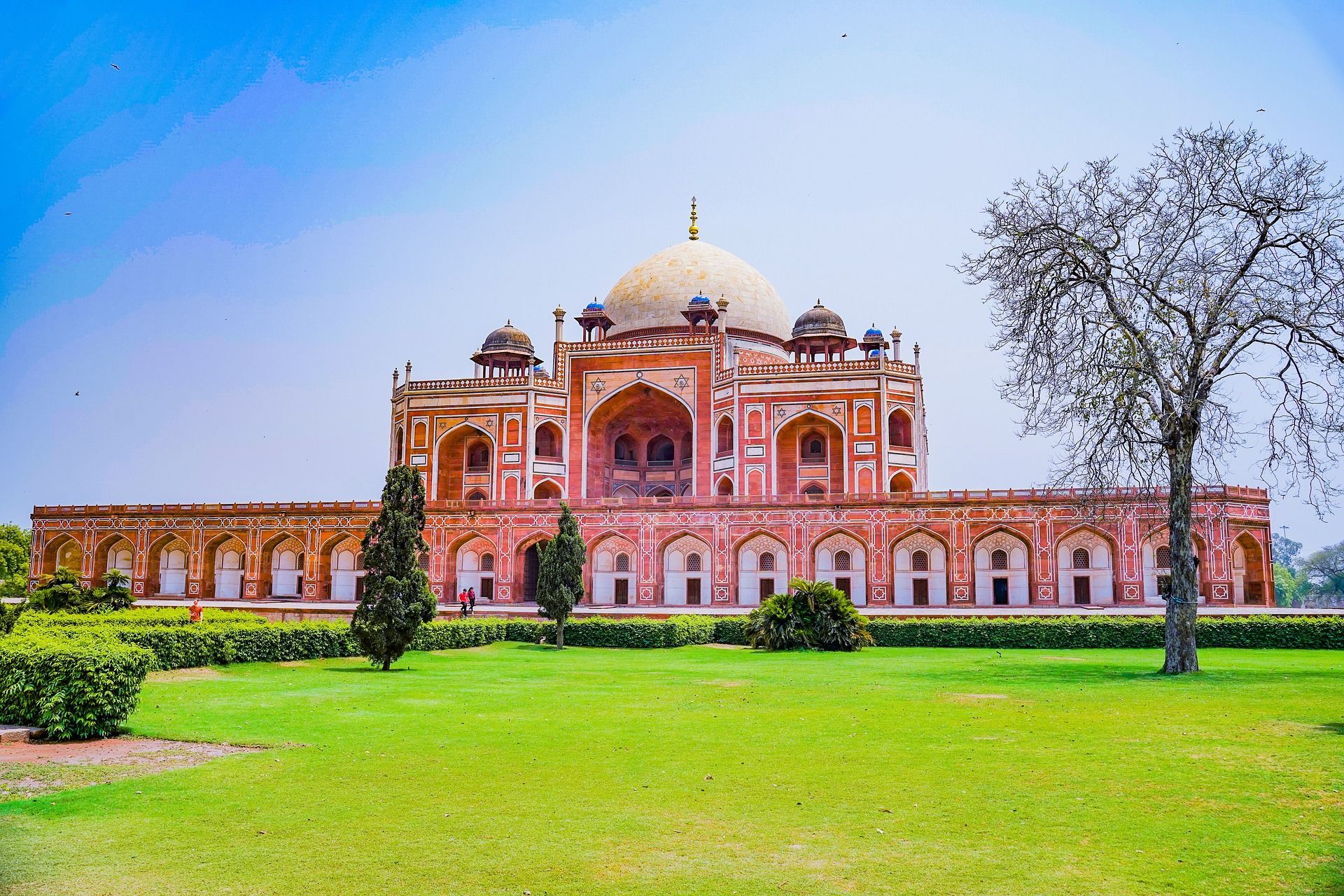
Historical Places in Delhi: Top 30 Heritage Monuments
Discover best historical places in Delhi! Find Red Fort, Qutub Minar, Humayun's Tomb, and complete travel guide to India's capital heritage monuments.
Historical Places in India: Top 50 Heritage Sites
Plan historical places in India with region-wise strategy, realistic daily circuits, and practical heritage travel tips.

15 Best Places to Visit in Haryana: Heritage, Lakes & Weekend Trips
Discover the best places to visit in Haryana including Kurukshetra, Sultanpur, Panipat, Damdama Lake, Surajkund, and Pinjore with a practical travel plan.
Never Miss an Adventure
Get the latest trekking guides, travel tips, and exclusive offers delivered straight to your inbox.
