
Tibumana Waterfall Bali: Route, Entry Fee & Best Hours

Rohan Malhotra
November 25, 2025
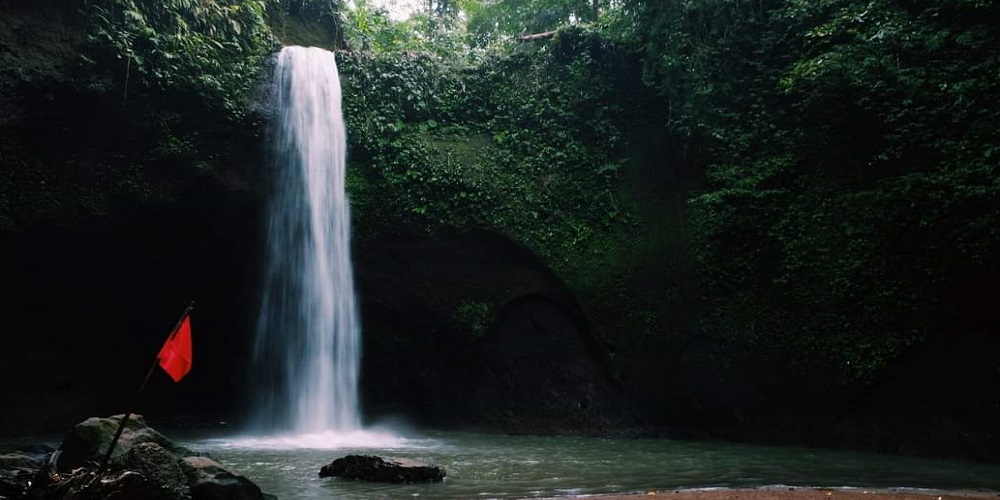
Discover the enchanting Tibumana Waterfall in Bali, featuring stunning twin cascades, a crystal-clear natural pool perfect for swimming, and a serene jungle setting. Complete guide with practical tips on how to reach, best time to visit, and what to expect.
Introduction: Bali's Twin Cascades Paradise
Hidden deep within the lush jungles of Bali's Gianyar region lies Tibumana Waterfall, a mesmerizing natural wonder that captures the essence of tropical paradise. This stunning waterfall, known for its unique twin streams cascading down moss-covered cliffs, offers visitors a serene escape from the bustling tourist areas of Ubud and the southern beaches. Unlike more crowded waterfalls like Tegenungan, Tibumana maintains an atmosphere of tranquility and untouched beauty, making it a perfect destination for nature lovers and photography enthusiasts alike.
The journey to Tibumana Waterfall takes you through traditional Balinese villages, emerald rice terraces, and dense tropical forests, setting the stage for the magical experience that awaits. As you approach the falls, the sound of rushing water grows louder, and the air becomes cooler and more refreshing. What makes Tibumana particularly special is its accessibility combined with its pristine natural setting – you don't need to embark on an arduous trek to reach this hidden gem, yet once you're there, you feel completely removed from modern civilization.
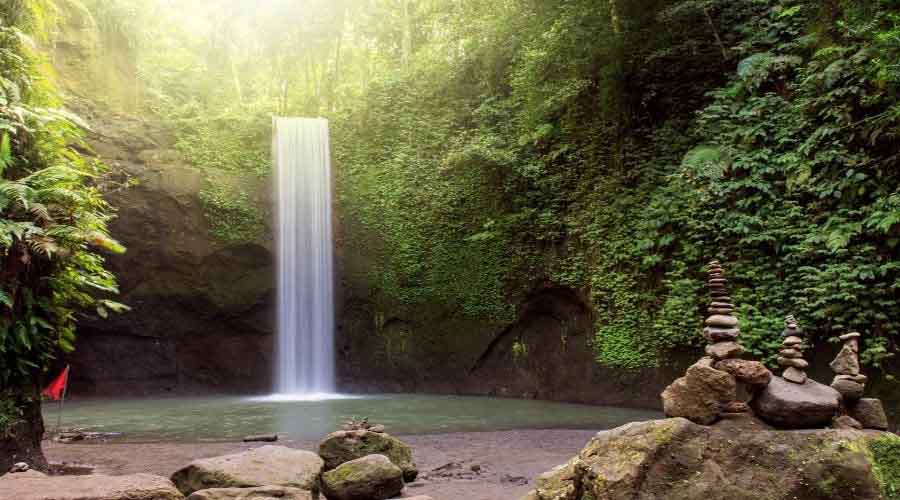
The waterfall forms a crystal-clear natural pool at its base, perfect for swimming and cooling off in Bali's tropical heat. Surrounded by towering cliffs draped in verdant vegetation, Tibumana creates a natural amphitheater of beauty that changes with the light throughout the day. Whether you're seeking adventure, relaxation, or simply a connection with nature, Tibumana Waterfall delivers an unforgettable Balinese experience that will leave you enchanted and refreshed.
About Tibumana Waterfall
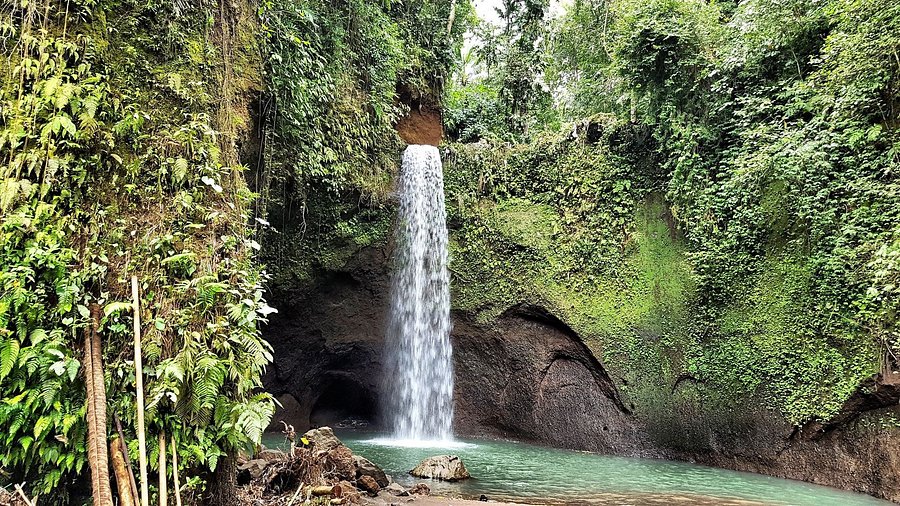
Tibumana Waterfall stands approximately 20 meters high, making it one of Bali's more impressive waterfalls in terms of height. What sets it apart from other waterfalls on the island is its distinctive twin-stream formation, where the water splits into two separate channels before converging in the pool below. This unique characteristic creates a visually stunning spectacle, especially when the water flow is strong during the rainy season.
The waterfall is fed by natural mountain springs that flow through the volcanic rock formations of Bali's central highlands. The water is remarkably clean and refreshing, maintaining a cool temperature year-round that provides welcome relief from the tropical heat. The pool at the base varies in depth, with areas suitable for wading and others deep enough for swimming, making it accessible for visitors of all ages and swimming abilities.
The surrounding jungle creates a canopy of green that filters the sunlight, creating dramatic light patterns on the water and surrounding rocks. Large banyan trees, bamboo groves, and tropical ferns frame the waterfall, adding to its mystical appeal. The area around the falls is meticulously maintained by local communities, who have built bamboo platforms and seating areas where visitors can relax and enjoy the scenery.
One of the most appealing aspects of Tibumana is its relative seclusion compared to other popular waterfalls. While it has gained popularity in recent years, it still receives fewer visitors than Tegenungan or Kanto Lampo, allowing for a more intimate experience with nature. The waterfall flows year-round, though the volume of water varies significantly between seasons, offering a different experience depending on when you visit.
Best Time to Visit Tibumana Waterfall
Choosing the right time to visit Tibumana Waterfall can significantly enhance your experience. The timing affects not only the water flow and pool conditions but also the crowd levels and overall atmosphere. Bali has two distinct seasons, and each offers a different perspective on this natural wonder.
Dry Season (April - October)
The dry season is generally considered the best time to visit Tibumana Waterfall. During these months, the weather is more predictable, with sunny days and minimal rainfall. The water flow is gentler, making it safer for swimming, and the pool is clearer and more inviting. The trail to the waterfall is less slippery and easier to navigate, making it accessible for families with children and elderly visitors.
Within the dry season, the months of May, June, and September are particularly ideal as they fall outside the peak tourist periods of July-August and December-January. During these shoulder months, you're more likely to have the waterfall to yourself, especially if you arrive early in the morning or late in the afternoon.
Wet Season (November - March)
The wet season transforms Tibumana into a more dramatic and powerful spectacle. The increased rainfall means the waterfall flows at full strength, creating thunderous sounds and impressive spray. However, the trail can become muddy and slippery, requiring extra caution when navigating. The water in the pool may be murkier due to runoff, but the sheer force of the cascading water is worth the visit for adventure seekers.
During the wet season, it's essential to check weather conditions before making the journey. Heavy rains can make the trail hazardous, and the water level in the pool may rise to unsafe levels for swimming. However, visiting just after rain can reward you with spectacular views of the waterfall at its most powerful.
Daily Timing
Regardless of the season, the time of day you choose to visit dramatically affects your experience. Early morning visits (8:00-10:00 AM) offer several advantages: the light is softer and more photogenic, the air is cooler, and crowds are minimal. This is also when wildlife is most active, and you might spot tropical birds or butterflies around the waterfall.
Late afternoon (3:00-5:00 PM) is another excellent time to visit, as most day-trippers have departed and the golden hour light creates beautiful reflections in the water. The only consideration is that the waterfall closes at 6:00 PM, so ensure you allow enough time to enjoy the experience without rushing.
How to Reach Tibumana Waterfall
Reaching Tibumana Waterfall requires some planning, but the journey is part of the adventure. The waterfall is located in the Gianyar regency, approximately 30 kilometers northeast of Ubud, making it accessible as a day trip from Bali's cultural center.
From Ubud
Ubud serves as the most convenient base for visiting Tibumana Waterfall. The journey takes approximately 45-60 minutes by scooter or car, covering a distance of about 30 kilometers. The route takes you through traditional Balinese villages and scenic countryside, making the drive itself enjoyable.
By scooter, the most popular option for adventurous travelers, take the route east from Ubud towards Gianyar, then head north through the village of Apuan. The road is generally in good condition, though there are some narrow sections and minor hills. Scooter rental in Ubud costs approximately IDR 70,000-100,000 per day, making it an economical choice.
For those less comfortable riding scooters, hiring a private driver is recommended. The cost for a private car and driver for a waterfall tour typically ranges from IDR 500,000 to 700,000 for a full day, allowing you to visit multiple waterfalls in the area. Many drivers are familiar with Tibumana and can provide valuable local insights.
From Seminyak/Canggu/Kuta
Traveling from southern Bali requires more time, typically 1.5 to 2 hours depending on traffic. The journey takes you north through Denpasar and then east towards Gianyar. It's highly recommended to leave early in the morning (before 8:00 AM) to avoid the notorious Bali traffic, which can significantly extend travel time.
From Sanur
Sanur offers a more direct route to Tibumana compared to southern beach areas. The journey takes approximately 1-1.5 hours, heading east through Gianyar. Sanur's central location makes it a convenient base for exploring Bali's eastern attractions, including several waterfalls.
Navigating to the Trailhead
Once you reach the general area, Google Maps provides accurate navigation to the waterfall's parking area. Look for signs pointing to "Air Terjun Tibumana" (Tibumana Waterfall). The parking area is clearly marked, and locals will direct you if needed. Parking costs approximately IDR 5,000 for scooters and IDR 10,000 for cars.
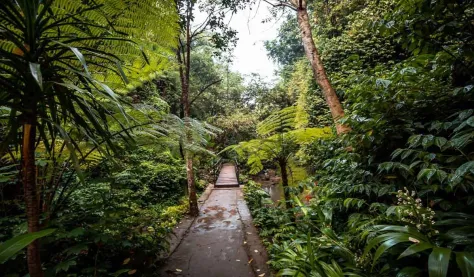
From the parking area, it's a scenic 5-10 minute walk to the waterfall through lush jungle. The trail is well-maintained but includes some stairs and can be slippery when wet. Wear appropriate footwear and take your time enjoying the surroundings as you make your way to this natural wonder.
For travelers interested in exploring more of Bali's natural attractions, you might want to check out our guide on Kanto Lampo Waterfall, another hidden gem in the Gianyar region that can easily be combined with your Tibumana visit.
Entry Fee and Facilities
Tibumana Waterfall maintains an affordable entry fee structure that makes it accessible to all travelers while supporting local community development and conservation efforts.
Entrance Fees
The entrance fee for Tibumana Waterfall is IDR 20,000 per person (approximately $1.30 USD), which is quite reasonable compared to other tourist attractions in Bali. Children typically enter at a reduced rate or free, depending on age. The fee includes access to the waterfall area and use of the basic facilities.
Additional costs to consider include:
- Parking: IDR 5,000 for scooters, IDR 10,000 for cars
- Shower facilities: IDR 5,000-10,000 (optional)
- Lockers: Available for a small fee if you need secure storage
All payments are in cash (Indonesian Rupiah), so ensure you carry sufficient small bills. ATMs are not available in the immediate vicinity, so withdraw money in Ubud or Gianyar town before heading to the waterfall.
Opening Hours
Tibumana Waterfall is open daily from 8:00 AM to 6:00 PM. These hours allow visitors to experience the waterfall during daylight hours when the trail is safe and the lighting is optimal for photography. The last entry is typically around 5:00 PM to give visitors enough time to enjoy the area before closing.
Available Facilities
While Tibumana maintains a natural, undeveloped atmosphere, several basic facilities enhance visitor comfort:
- Changing Rooms: Basic bamboo structures provide privacy for changing into swimwear
- Toilets: Simple but clean toilet facilities are available near the entrance
- Warungs (Local Food Stalls): Small local eateries serve Indonesian dishes, cold drinks, and snacks. Prices are reasonable, and supporting these local businesses helps the community
- Bamboo Seating: Multiple bamboo platforms and gazebos provide places to rest and enjoy the scenery
- Shower Facilities: Basic outdoor showers allow you to rinse off after swimming
The facilities are basic but well-maintained, reflecting the balance between tourism development and preservation of the natural environment. Don't expect luxury amenities, but everything necessary for a comfortable visit is available.
What's Not Available
To set appropriate expectations, note that certain facilities are NOT available at Tibumana:
- Lifeguards - swim at your own risk
- Rentals for swimwear or towels - bring your own
- ATMs or card payment facilities - cash only
- Equipment rental - no snorkeling gear or floats available
This lack of commercialization is part of Tibumana's charm, maintaining its natural appeal while still providing necessary visitor services.
Swimming and Activities at Tibumana
The primary draw of Tibumana Waterfall is undoubtedly the opportunity to swim in its crystal-clear natural pool, but the area offers various activities for different interests and energy levels.
Swimming
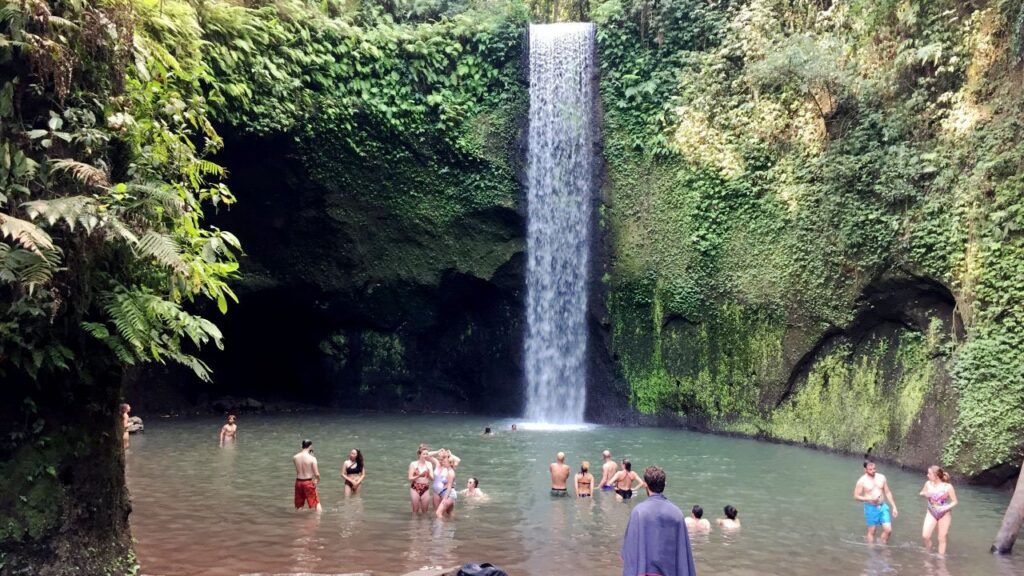
Swimming in Tibumana's natural pool is the highlight of any visit. The water is refreshingly cool, typically around 20-22°C (68-72°F), providing a perfect respite from Bali's humid tropical climate. The pool varies in depth, with shallow areas near the edges perfect for wading and gradual slopes leading to deeper sections where you can fully submerge.
The water quality is exceptional, fed by mountain springs and constantly refreshed by the flowing waterfall. The pool's natural filtration system keeps the water clean and clear, though visibility may decrease temporarily after heavy rainfall. Natural mineral content in the water is said to have therapeutic properties, making the swim both enjoyable and potentially beneficial for your skin.
For strong swimmers, you can swim directly under the waterfall for a natural massage from the cascading water. However, be cautious of the water pressure, which can be surprisingly strong, especially during the wet season when flow is increased. Always assess conditions before swimming under the falls.
Natural Spa Experience
Small fish in the pool provide a natural fish spa experience. These tiny, harmless fish are attracted to exposed skin and will gently nibble at dead skin cells, creating a tingling sensation. This natural exfoliation treatment is similar to what you'd pay for at professional fish spas, but here it's completely free and part of the natural ecosystem.
Photography
Tibumana offers incredible photography opportunities, from wide landscape shots capturing the entire waterfall scene to intimate close-ups of water details and surrounding flora. The bamboo platforms provide perfect vantage points for photos, and the changing light conditions throughout the day create dramatically different moods.
Popular photo spots include:
- From the pool, looking up at the twin cascades
- From the viewing platform, capturing the entire scene
- From behind the waterfall (accessible during low water flow)
- Silhouette shots against the waterfall backdrop
Relaxation and Meditation
The serene atmosphere makes Tibumana an ideal spot for relaxation and meditation. The sound of falling water naturally induces a meditative state, and the negative ions generated by falling water are believed to have mood-enhancing properties. Many visitors simply sit on the bamboo platforms, enjoying the natural symphony of water, birds, and jungle sounds.
Nature Observation
The area around Tibumana is rich in biodiversity. Tropical birds, butterflies, and occasionally small monkeys can be spotted in the surrounding jungle. The diverse plant life includes orchids, ferns, and massive trees that create a living cathedral around the falls. Taking time to observe these natural details adds depth to your visit.
What NOT to Do
For your safety and the preservation of the site, avoid:
- Cliff jumping - rocks beneath the surface pose serious hazards
- Climbing on slippery rocks around the waterfall
- Disturbing wildlife or removing plants
- Leaving trash - practice responsible tourism
- Visiting during heavy rain when conditions become dangerous
Photography Tips for Tibumana Waterfall
Capturing the beauty of Tibumana Waterfall requires some preparation and technique to do justice to this stunning natural subject. Whether you're shooting with a professional camera or just your smartphone, these tips will help you take memorable photographs.
Best Times for Photography
The golden hours – shortly after sunrise and before sunset – provide the most flattering light for waterfall photography. During these times, the soft, warm light creates beautiful contrasts with the cool water and lush green surroundings. Early morning (8:00-9:00 AM) is particularly ideal as the sun angle creates dramatic light rays through the jungle canopy.
Midday light can be harsh and create strong contrasts, making exposure challenging. However, bright midday conditions do allow for faster shutter speeds, which can freeze the motion of the water for a different effect.
Equipment Recommendations
While you can get great shots with a smartphone, dedicated cameras offer more creative control:
- DSLR/Mirrorless Camera: Allows manual control of shutter speed, aperture, and ISO
- Wide-Angle Lens: Essential for capturing the entire waterfall scene
- Tripod: Crucial for long exposure shots that create the silky water effect
- Polarizing Filter: Reduces glare on wet surfaces and enhances colors
- Waterproof Protection: Essential for protecting your gear near water
Camera Settings for Waterfalls
For the classic silky water effect:
- Shutter Speed: 1/2 to 2 seconds for smooth water
- Aperture: f/8 to f/16 for sharp focus throughout
- ISO: Lowest possible (100-200) to minimize noise
- Use a Tripod: Essential for sharp images at slow shutter speeds
For freezing water motion:
- Shutter Speed: 1/500 or faster
- Aperture: f/4 to f/5.6
- ISO: Adjust based on available light
Composition Tips
Create compelling images by considering these composition techniques:
- Rule of Thirds: Place the waterfall off-center for more dynamic compositions
- Foreground Interest: Include rocks, plants, or people to show scale
- Leading Lines: Use the stream flow or natural lines to guide the eye
- Symmetry: Emphasize the twin waterfall formation for symmetrical compositions
- Human Element: Include people to show scale and add storytelling
Drone Photography
Drone photography can capture spectacular aerial views of Tibumana and its jungle surroundings. However, always check current regulations and respect local customs. Many Balinese consider waterfalls sacred, and flying drones overhead may be considered disrespectful. Always ask permission from local authorities before flying, and never fly over groups of people.
Smartphone Tips
Even with just a phone:
- Use the HDR mode to balance bright and dark areas
- Wipe your lens clean before shooting (water spray accumulates quickly)
- Use the grid overlay for better composition
- Experiment with portrait mode for artistic depth-of-field effects
- Consider a waterproof phone case for shots from the water
Safety First
When focusing on photography, it's easy to forget your surroundings:
- Always watch your step on wet, slippery rocks
- Never risk your safety for a photo
- Protect your equipment from water spray
- Be mindful of other visitors trying to enjoy the space
Nearby Attractions and Combining Visits
Tibumana Waterfall is situated in an area rich with natural attractions, making it perfectly positioned to combine with other sights for a full day of exploration. The Gianyar region is known as Bali's waterfall country, with several spectacular falls within easy driving distance.
Kanto Lampo Waterfall
Just 20 minutes from Tibumana, Kanto Lampo offers a completely different waterfall experience. Known for its unique flat rock face formation and the way water spreads across it like a curtain, Kanto Lampo has become Instagram-famous for its dramatic appearance. Unlike Tibumana's tall twin falls, Kanto Lampo is wider and shorter, creating a natural slide that adventurous visitors can enjoy. Learn more about this spectacular waterfall in our detailed guide on Kanto Lampo Waterfall Bali.
Tegenungan Waterfall
About 30 minutes from Tibumana, Tegenungan is one of Bali's most famous and accessible waterfalls. While significantly more crowded than Tibumana, it's worth a visit for its impressive power and the classic tropical waterfall scene it presents. Tegenungan features a massive cascade that you can view from multiple levels, and swimming is possible in the lower pool. For a comprehensive guide to exploring this natural wonder and other waterfalls in the region, check out our article on the best waterfalls in Bali.
Ubud Attractions
As the cultural heart of Bali, Ubud offers numerous attractions that pair well with a morning waterfall visit:
- Ubud Monkey Forest: Sacred sanctuary with hundreds of monkeys and ancient temples
- Tegalalang Rice Terrace: Iconic layered rice fields with stunning valley views
- Ubud Art Market: Traditional market for handicrafts and souvenirs
- Puri Saren Agung: The historic Ubud Royal Palace
- Campuhan Ridge Walk: Scenic walking trail through rice fields and valleys
Coffee Plantations
The area between Ubud and the waterfalls is dotted with traditional coffee plantations. Many offer tours where you can learn about Bali's famous coffee production, including the controversial Luwak coffee. Tastings are typically free or very affordable, making it a pleasant stop between waterfall visits.
Traditional Villages
En route to Tibumana, you'll pass through traditional Balinese villages where life continues largely unchanged. Villages like Apuan and Sebatu offer glimpses of traditional architecture, family compounds, and the famous subak irrigation system that has made Bali's rice terraces a UNESCO World Heritage site.
Suggested Itineraries
Half-Day Waterfall Tour:
8:00 AM: Depart Ubud
8:45 AM: Arrive at Tibumana Waterfall
10:30 AM: Visit Kanto Lampo Waterfall
12:00 PM: Lunch at local warung
1:00 PM: Return to Ubud
Full-Day Nature Tour:
7:00 AM: Depart Ubud
8:00 AM: Tibumana Waterfall (beat the crowds)
10:00 AM: Kanto Lampo Waterfall
12:00 PM: Lunch and coffee plantation visit
2:00 PM: Tegenungan Waterfall
4:00 PM: Tegalalang Rice Terrace for sunset
6:00 PM: Return to Ubud
Combining multiple attractions maximizes your time and provides diverse experiences, from waterfall adventures to cultural immersion. A private driver is recommended for full-day tours, as they can efficiently navigate between locations and provide local insights.
What to Bring: Essential Packing List
Proper preparation ensures you have a comfortable and enjoyable visit to Tibumana Waterfall. Here's a comprehensive packing list to help you make the most of your experience.
Swimming Gear
- Swimwear: Wear under your clothes or bring to change into
- Quick-Dry Towel: Microfiber towels dry quickly and pack small
- Change of Clothes: Dry clothes for the journey home
- Water Shoes: Highly recommended for protection from slippery rocks
- Rash Guard or T-Shirt: Optional sun protection while swimming
Safety and Comfort
- Waterproof Bag: Protect your electronics and valuables from water spray
- Insect Repellent: Mosquitoes can be present in the jungle
- Sunscreen: Apply before arriving, even on cloudy days
- First Aid Kit: Basic supplies for minor cuts or scrapes
- Waterproof Phone Case: If you want photos from the water
Photography Equipment
- Camera: DSLR, mirrorless, or high-quality smartphone
- Tripod: For long exposure shots
- Lens Cleaning Cloth: Essential for removing water droplets
- Spare Battery: Humidity can drain batteries faster
- Waterproof Case: For cameras and phones
Comfort Items
- Refillable Water Bottle: Stay hydrated in the tropical heat
- Snacks: Energy bars or fruit for after swimming
- Light Rain Jacket: During wet season, weather can change quickly
- Small Backpack: To carry everything comfortably
- Cash (IDR): Small bills for entrance fees, parking, and purchases
What to Leave Behind
For your comfort and safety:
- Valuables - unnecessary and risk of water damage
- Heavy jewelry - can get lost or damaged
- Expensive watches - risk of water damage
- Excessive bags - difficult to manage on wet trails
Dressing Considerations
While swimwear is essential for enjoying the pool, be mindful of local customs when changing and walking to and from the waterfall. Indonesians are generally modest, so cover up when not in the water. A simple sarong or t-shirt over swimwear is respectful and appropriate.
If you plan to visit temples or sacred sites after your waterfall visit, ensure you have appropriate clothing (sarong and sash for women, sarong for men). Many temples rent these items, but having your own is more convenient.
Seasonal Additions
Dry Season: Extra sun protection, hat, sunglasses
Wet Season: Rain jacket, umbrella, extra dry clothes
Practical Tips for Visiting Tibumana
These practical tips will help you make the most of your visit to Tibumana Waterfall while staying safe and respectful of the local environment.
Timing Your Visit
- Arrive Early: 8:00-9:00 AM for the best light and minimal crowds
- Avoid Midday: Tour buses arrive around 11:00 AM - 2:00 PM
- Late Afternoon: After 3:00 PM, crowds thin out again
- Weekdays: Generally less crowded than weekends
Safety First
- Test the Water: Always check current and depth before swimming
- Never Swim Alone: Use the buddy system
- Watch Your Step: Rocks are extremely slippery when wet
- Respect Your Limits: Don't take risks for photos or thrills
- Check Weather: Don't visit during heavy rain
Responsible Tourism
- Take Your Trash: Leave no trace - pack out everything you bring in
- Stay on Trails: Protect vegetation and prevent erosion
- Respect Wildlife: Observe but don't disturb animals
- Support Locals: Buy snacks and drinks from local warungs
- Follow Guidelines: Respect any rules posted at the site
Budget Considerations
- Entrance: IDR 20,000 per person
- Parking: IDR 5,000-10,000
- Food: IDR 20,000-50,000 for a meal at local warungs
- Transport: Budget IDR 500,000-700,000 for private driver
Cultural Respect
- Dress Modestly: Cover up when not swimming
- Lower Your Voice: Speak softly in natural spaces
- Ask Permission: Before photographing local people
- Be Patient: Queues may form at popular spots
- Learn Basic Bahasa: Simple greetings go a long way
Making the Most of Your Experience
- Disconnect: Put away your phone and be present
- Explore Slowly: Don't rush - take time to absorb the atmosphere
- Talk to Locals: Local staff can share fascinating insights
- Visit Nearby: Combine with other waterfalls for a full day
- Return Different Seasons: Experience the waterfall in different conditions
Following these tips ensures not only a better experience for you but also helps preserve Tibumana Waterfall for future generations. The balance between tourism and conservation is delicate, and responsible visitors play a crucial role in maintaining this natural treasure.
When to Skip the Visit
Sometimes conditions make it better to postpone your visit:
- During heavy rain or flooding
- If you're not feeling well or recovering from illness
- When you have limited time and tight schedules
- If you're uncomfortable with stairs and uneven terrain
Conclusion: Embrace the Magic of Tibumana
Tibumana Waterfall represents the perfect balance of accessibility and untouched natural beauty that makes Bali such a special destination. Its twin cascades, crystal-clear pool, and jungle setting create an experience that feels both adventurous and serene. Whether you're seeking photography opportunities, a refreshing swim, or simply a peaceful connection with nature, Tibumana delivers on all fronts.
What makes Tibumana truly memorable is not just its physical beauty but the feeling it evokes – a sense of discovery and connection with something ancient and pure. In a world where many natural wonders have been commercialized beyond recognition, Tibumana retains its authentic charm and peaceful atmosphere.
As you plan your Bali itinerary, make space for this hidden gem. Visit early, stay long, and allow yourself to be fully present in the moment. The symphony of falling water, the cool jungle air, and the stunning visual spectacle combine to create one of those rare travel experiences that stays with you long after you've returned home.
Tibumana Waterfall is more than just another tourist attraction – it's a reminder of nature's power to inspire, refresh, and transform. Pack your swimwear, bring your camera, and prepare for one of Bali's most enchanting natural experiences.
Location
Frequently Asked Questions
Q1.What are the opening hours of Tibumana Waterfall?
Q2.Is there an entrance fee for Tibumana Waterfall?
Q3.What is the best time to visit Tibumana Waterfall?
Q4.Can you swim at Tibumana Waterfall?
Q5.How long does it take to explore Tibumana Waterfall?
Q6.Is it crowded at Tibumana Waterfall?
Q7.Is there parking available at Tibumana Waterfall?
Q8.Is it safe to swim at Tibumana Waterfall?
Recommended For You

Bali Honeymoon: Best Places Packages And Itinerary
Ultimate Bali honeymoon guide with best villas, romantic beaches, sunset dinners & 7-day itinerary. Plan your perfect romantic getaway to the Island of Gods.
How to Reach Bali from India: Flights, Routes & Guide 2026
Complete guide on how to reach Bali from India - flights, routes, visa, best time to visit, costs, and practical travel tips for a smooth journey.
Sekumpul Waterfall Bali: Trek Guide & Tips
Explore Sekumpul Waterfall Bali with trek difficulty, route planning, best timing, and practical waterfall-trip tips.
Never Miss an Adventure
Get the latest trekking guides, travel tips, and exclusive offers delivered straight to your inbox.
