

Tirthan Valley 2-Day Trip Itinerary: A Perfect Weekend Escape
Rohit Verma
August 19, 2026
A complete 2-day Tirthan Valley itinerary covering Gushaini, Chhoie waterfall, the Great Himalayan National Park buffer zone, and an optional Jalori Pass extension for a perfect weekend escape from Delhi.
Introduction to Tirthan Valley
Tirthan Valley, tucked away in the Kullu district of Himachal Pradesh along the banks of the pristine Tirthan river, is one of the last genuinely quiet corners of the Kullu region. Bordering the Great Himalayan National Park, a UNESCO World Heritage Site, the valley offers trout-filled waters, riverside campsites, and villages that have largely escaped the commercialization seen in nearby Manali. A 2-day trip here is enough to experience the valley's slow pace, though many travelers extend their stay once they arrive. This itinerary is designed for weekend travelers from Delhi or Chandigarh who want maximum immersion in minimum time.

Getting to Tirthan Valley
Tirthan Valley is approximately 500km from Delhi, roughly a 12-13 hour overnight drive or bus journey. The most practical option for a 2-day trip is an overnight Volvo bus from Delhi to Aut (on the Kullu-Manali highway), from where a local taxi covers the final 15km into the valley in about 45 minutes. Travelers flying in can land at Bhuntar airport, just 25km from Gushaini, the main base village in the valley. Leaving Delhi on Friday night and arriving early Saturday morning is the standard pattern for this itinerary, giving a full two days on ground before an overnight return on Sunday.
Day 1: Arrival, Gushaini, and River Time
Arrive in Gushaini by mid-morning and check into a riverside homestay or cottage — the valley is dotted with small guesthouses run by local families, many perched directly above the Tirthan river. Spend the first few hours simply acclimatizing to the pace of the valley: sit by the river, watch local anglers casting for trout, and take a short walk along the riverside trail toward Nagini. After lunch, visit the Chhoie waterfall, a short 30-minute walk from Gushaini through pine forest, ending at a modest but scenic cascade that is a popular local swimming spot in summer. In the evening, sample the region's trout preparations — Tirthan is one of the few places in Himachal known for farmed and river trout, and most homestays serve it fresh. For a deeper dive into the valley's fishing culture, our Tirthan Valley fishing guide covers permits and the best casting spots.
Day 2: Great Himalayan National Park Buffer Zone and Jalori Pass Option
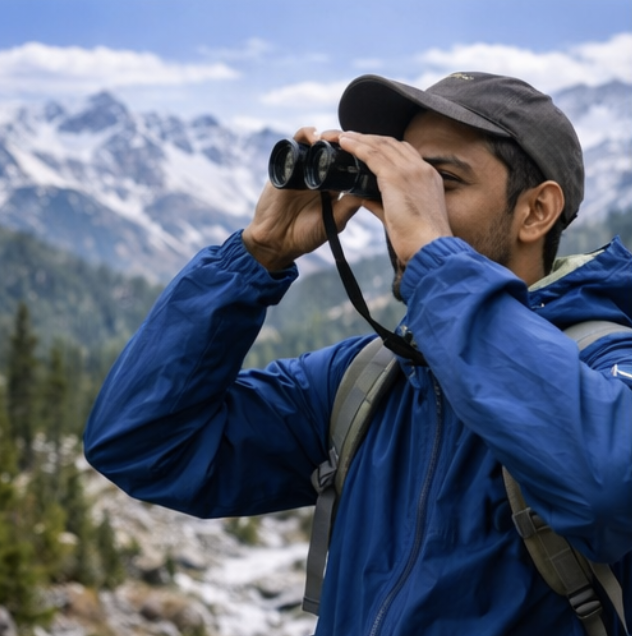
Start the second day early with a walk into the buffer zone of the Great Himalayan National Park, entering from the Gushaini or Ropa side. Even a short 2-3 hour walk here reveals dense temperate forest, waterfalls, and, with luck, sightings of Himalayan monal pheasants or western tragopan. Trekkers with more time can extend this into a longer trek toward Rolla or Nada, but for a 2-day itinerary, a half-day walk is sufficient to appreciate the ecosystem. In the afternoon, those with a private vehicle can drive up to Jalori Pass (3,120m), about 1.5-2 hours from Gushaini, for panoramic views of the Kullu and Seraj valleys, visiting the small Serolsar Lake trail if time allows — this connects well with routes described in our Jibhi Jalori Pass trek itinerary. Begin the return journey to Aut by early evening to catch the overnight bus back to Delhi.
Where to Stay in Tirthan Valley
Accommodation in Tirthan ranges from basic riverside homestays (INR 1,200-2,000 per night including meals) to slightly more upscale eco-cottages and camps (INR 2,500-4,500 per night). Gushaini and Ghushaini's neighboring hamlets of Nagini and Sai Ropa are the main clusters of stays, all within walking distance of the river. Unlike Manali or Kasol, there are no large hotels here — the entire valley's charm rests on small, family-run properties, so booking a couple of weeks ahead during peak season (April-June, October) is advisable.
What to Pack for a Tirthan Weekend
Even in summer, evenings in Tirthan Valley (around 1,600-1,900m elevation) cool down considerably, so a light jacket or fleece is essential. Comfortable trekking shoes or sandals with grip are useful for riverside walks and the Chhoie waterfall trail, which can be slippery near the water. Carry a reusable water bottle, sunscreen, and insect repellent for the forested sections. If planning to fish, check ahead with your homestay about arranging a permit, since license-holding guides are required within the national park buffer zone.
Best Time for a 2-Day Tirthan Trip
March to June and September to November are the best windows for a short Tirthan trip. Summer (March-June) offers pleasant weather and good river flow for trout viewing, while autumn brings clear skies and comfortable daytime temperatures ideal for the Jalori Pass extension. The monsoon months (July-August) bring heavy rain and occasional landslides on approach roads, making this period less suitable for a tightly timed weekend trip. Winter (December-February) is quiet and cold, with occasional snow at Jalori Pass, appealing to travelers seeking solitude but requiring warmer gear.
Extending Beyond 2 Days
While this itinerary is built for a compact weekend, many visitors find two days barely scratches the surface of what Tirthan offers. Those with an extra day can add a full trek into the Great Himalayan National Park core zone (requiring permits arranged in advance) or combine the trip with a visit to the nearby Barot Valley, roughly 3 hours away, for a broader Himachal circuit covering two distinct river valleys.
Food and Local Flavors
Beyond trout, Tirthan Valley homestays typically serve simple Himachali fare — siddu (steamed wheat buns), local rajma, and seasonal vegetables grown in kitchen gardens right outside the kitchen. Most homestays operate on a fixed meal plan included with the stay, and cooking is done fresh for each group, so meals often double as a chance to sit with the host family and hear about life in the valley, including how the Great Himalayan National Park's creation in the 1990s changed grazing and forest-use patterns for surrounding villages. This kind of direct interaction is one of the quieter pleasures of a Tirthan trip that a rushed itinerary elsewhere in Himachal rarely offers.
Connectivity and Practical Logistics
Mobile network coverage in Tirthan Valley is patchy at best — BSNL works intermittently in Gushaini, while other networks may drop out entirely past Nagini. This is worth planning around, particularly for travelers who need to stay reachable for work; informing family or colleagues in advance of limited connectivity avoids unnecessary worry. ATMs are not available within the valley itself, so carrying sufficient cash from Aut or Bhuntar before heading in is essential, as very few homestays or local shops accept digital payments reliably.
Conclusion
A 2-day trip to Tirthan Valley delivers an outsized dose of tranquility for the time invested — river walks, waterfall visits, trout dinners, and a taste of the Great Himalayan National Park's buffer forest, all within an easy overnight journey from Delhi. For travelers tired of the crowds at more commercial Himachal destinations like Manali and Kasol, this compact itinerary is proof that some of the best Himalayan experiences require only a weekend.
Location
Frequently Asked Questions
Q1.Is 2 days enough for Tirthan Valley?
Q2.How far is Tirthan Valley from Delhi?
Q3.What is the best time to visit Tirthan Valley?
Q4.Can I visit Jalori Pass as part of a 2-day Tirthan trip?
Q5.Where should I stay in Tirthan Valley?
Q6.Is fishing allowed in Tirthan Valley?
Recommended For You

Barot Valley Travel Guide: Himachal's Quiet Riverside Escape
A travel guide to Barot Valley in Himachal Pradesh, covering the Uhl River, the historic trout farm, trout fishing, and how to plan a quiet offbeat trip.

Complete Travel Guide: Delhi to Manali Road Trip & Itinerary
A comprehensive guide to planning a trip from Delhi to Manali, covering route options, best time to visit, and a detailed 4 to 5-day itinerary including Solang Valley and Rohtang Pass.

Top Things to Do in Tirthan Valley: GHNP, Trout Angling & Waterfalls
Discover the best things to do in Tirthan Valley: Great Himalayan National Park day hikes, Chhoie waterfall trek, rainbow trout angling, and riverside camping in Gushaini.
Never Miss an Adventure
Get the latest trekking guides, travel tips, and exclusive offers delivered straight to your inbox.
