
Things to Do in Jibhi: Nature Trails, Cafes & Slow Travel Ideas
Rohit Verma
February 20, 2026
Explore Jibhi, Himachal's hidden gem! Discover Serolsar Lake, Jalori Pass, Chehni Kothi, trout fishing & more in this offbeat travel guide.
Introduction: The Unspoiled Valley
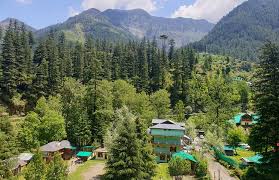
Tucked away in the Banjar Valley of Himachal Pradesh, Jibhi is a picturesque hamlet that has somehow remained untouched by the commercialization that has transformed other Himalayan destinations. While Manali and Kasol brim with tourists, Jibhi continues to offer the kind of serene, authentic Himalayan experience that's becoming increasingly rare.
At an altitude of 1,600 meters, Jibhi is blessed with breathtaking natural beauty - dense cedar and pine forests, crystal-clear rivers, cascading waterfalls, and traditional Himachali architecture. The Tirthan River flows through the valley, its waters so pure you can see the pebbles at the bottom. Ancient wooden temples with intricate carvings stand as testaments to the region's rich cultural heritage.
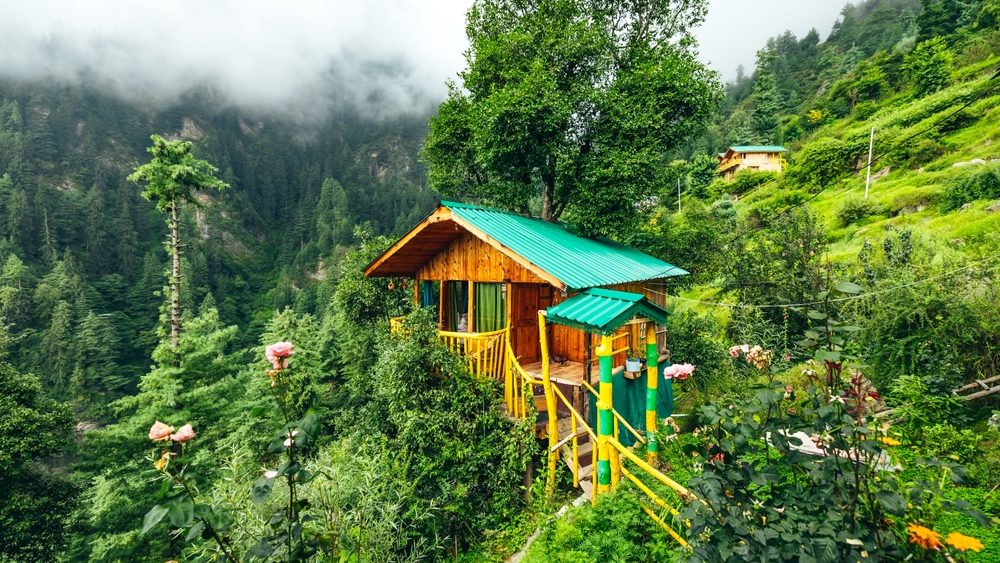
What makes Jibhi special is its unhurried pace of life. This is a place where you can disconnect from the chaos of modern existence and reconnect with nature and yourself. Whether you're trekking through pristine forests, fishing in trout-filled rivers, meditating by waterfalls, or simply doing nothing in a wooden cottage with a cup of chai, Jibhi has a way of slowing time itself.
This comprehensive guide will help you discover everything Jibhi has to offer - from popular attractions to hidden gems that only locals know about.
Best Time to Visit Jibhi
Summer (April - June): The most popular time to visit, with pleasant temperatures (15°C - 25°C) and clear skies. Perfect for trekking, camping, and outdoor activities. The valley is lush green after spring rains, and wildflowers bloom across the meadows.
Monsoon (July - September): Jibhi receives moderate to heavy rainfall. The valley turns incredibly green, and waterfalls are at their most spectacular. However, landslides can block roads, and trekking trails become slippery. Visit only if you enjoy rain and don't mind potential travel disruptions.
Auutumn (October - November): Post-monsoon brings clear skies, comfortable temperatures (10°C - 20°C), and stunning mountain views. This is arguably the best time for photography and trekking. The landscape remains green, and crowds thin out significantly.
Winter (December - March): Jibhi receives snowfall, typically in January and February. Temperatures can drop below freezing. The valley looks magical covered in snow, but many homestays and restaurants close. Only visit in winter if you're prepared for cold conditions and possible road closures.
Top Attractions & Things to Do
Jibhi Waterfall
Just a short walk from the main village, Jibhi Waterfall is the perfect introduction to the valley's natural beauty. The waterfall cascades down in multiple tiers, surrounded by dense forest and moss-covered rocks.
The Experience: A 10-15 minute downhill walk from the main road leads you to this enchanting waterfall. The pool at the base is perfect for a refreshing dip in summer, though the water is bone-chillingly cold even in warmer months.
Best Time: Visit in the morning when the sunlight filters through the trees, creating magical light patterns. Post-monsoon (October) offers the most impressive flow.
Tips: Wear shoes with good grip as rocks can be slippery. Carry a change of clothes if you plan to swim.
Chehni Kothi
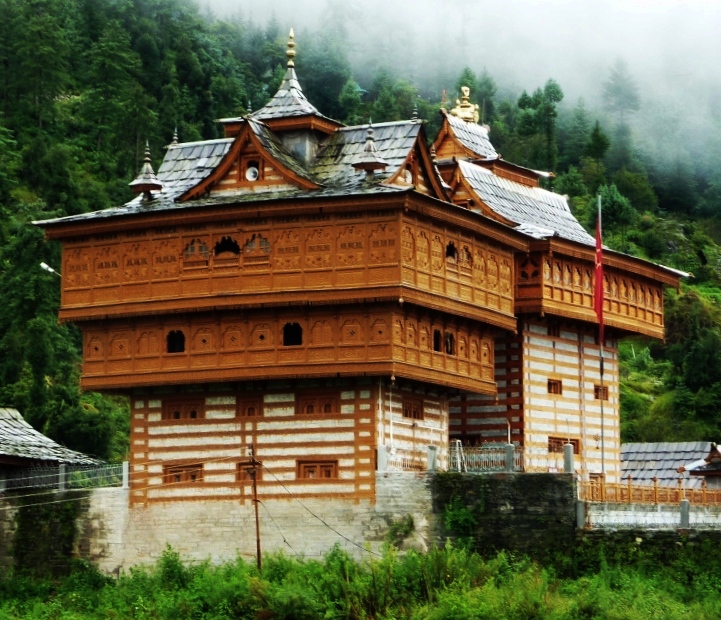
Chehni Kothi is an architectural marvel and one of the largest traditional Himachali structures in the region. This 1500-square-foot, multi-story stone and wood tower stands as a testament to the indigenous building techniques of the area.
Architecture: The kothi (fortified house) was built without using any modern construction materials - no cement, no steel, just interlocking stones and wooden beams held together by precise engineering. Some versions say it's 5 stories high, others claim 7. Regardless, it's an impressive structure that has withstood centuries and earthquakes.
History: Originally built by a local king, Chehni Kothi served as both a residence and a defensive structure. The ground floor was traditionally used for cattle, while upper floors housed the royal family.
Trek: A short but steep 20-minute trek from the main road takes you to Chehni Kothi. The path winds through traditional villages and offers beautiful valley views along the way.
Photography: The kothi's unique architecture against the backdrop of snow-capped peaks makes for incredible photographs. Visit in the afternoon for the best light.
Serolsar Lake
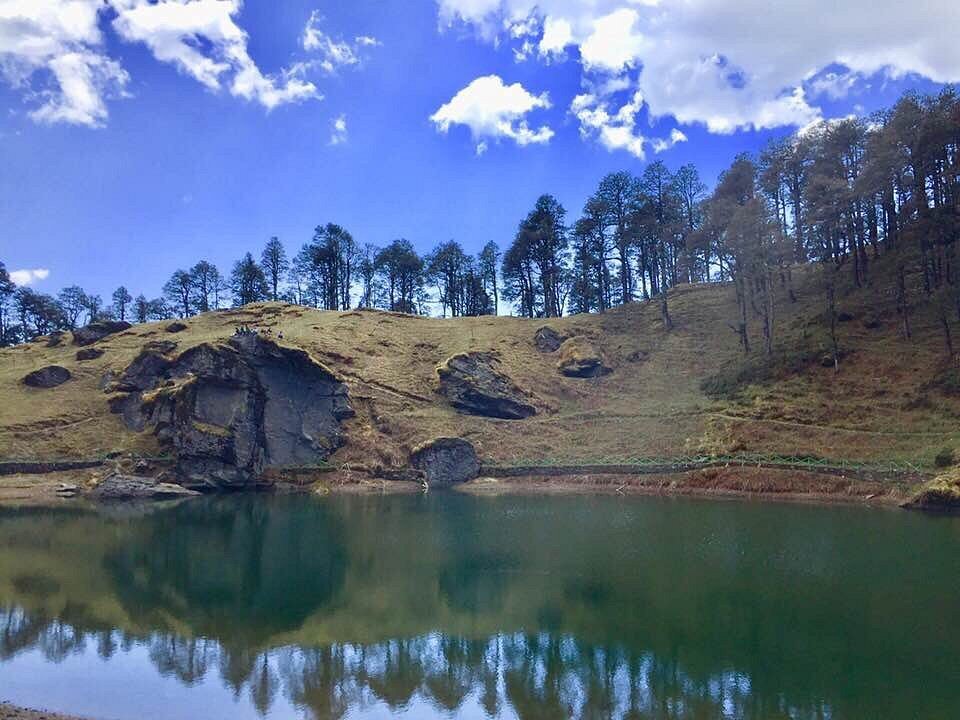
Serolsar Lake is perhaps Jibhi's most magical attraction. This high-altitude lake, considered sacred by locals, sits at 3,100 meters surrounded by thick forests and towering peaks.
The Trek: The 5-kilometer trek to Serolsar Lake takes about 2-3 hours each way. The trail is well-marked and gradually ascends through beautiful cedar and pine forests. It's moderately challenging - not too difficult for beginners but requiring reasonable fitness.
The Lake: Serolsar Lake is crystal clear, reflecting the surrounding forests and mountains in its still waters. According to legend, the lake has no bottom - it's believed to be connected to the gods. Locals say wishes made here come true.
Buddhist Temple: A small Buddhist temple near the lake adds to the spiritual atmosphere. Prayer flags flutter in the mountain breeze, and the chanting of monks carries across the water.
Best Time: Summer (May-June) for clear views and pleasant weather. Winter trekking is possible only for experienced trekkers with proper equipment, as the trail is covered in snow.
What to Carry: Water, snacks, warm clothing (it gets cold at the lake), rain gear, and good trekking shoes. Start early morning to return before dark.
Tirthan River & Trout Fishing
The Tirthan River is the lifeline of the Banjar Valley, and fishing for brown and rainbow trout is one of Jibhi's most popular activities. The river's crystal-clear waters are home to some of the best trout fishing in Himachal Pradesh.
Fishing: You need a permit to fish in the Tirthan River. Permits can be obtained from the Fisheries Department in Banjar or through your homestay. The fishing season runs from April to October.
Spots: Good fishing spots include the area around the Jibhi bridge, further upstream near Gushaini, and downstream towards Banjar. Ask locals for their recommendations - they know the best holes.
Equipment: You can bring your own fishing gear or rent from local operators. Fly fishing is popular here.
Note: Catch-and-release is encouraged to maintain the trout population. Only take what you'll eat.
Jalori Pass
At 3,120 meters, Jalori Pass connects the Banjar Valley to the Sutlej Valley and offers breathtaking panoramic views of the Greater Himalayas.
The Drive: The drive from Jibhi to Jalori Pass is an adventure in itself. The road winds through dense forests, past waterfalls, and offers stunning valley views at every turn. It takes about 1-1.5 hours to reach the pass.
Views: On a clear day, you can see snow-capped peaks stretching into the distance. The pass offers 360-degree views of the surrounding mountains and valleys.
Trekking: Jalori Pass is the starting point for several treks, including the trek to Serolsar Lake and the more challenging Raghupur Fort trek.
Raghupur Fort Trek: From Jalori Pass, a 3-kilometer trek takes you to the ruins of Raghupur Fort. The fort itself is mostly ruins, but the views from the top are spectacular. The trek takes about 1-1.5 hours each way and is moderately steep.
Best Time: May-June and October-November for clear views. The pass is closed in winter due to snow.
Chaini Kothi
Similar to Chehni Kothi but less visited, Chaini Kothi is another traditional fortified house that showcases the indigenous architecture of the region. The structure is impressive, with detailed wood carvings and stone construction.
The Visit: Chaini Kothi requires a short hike from the main road. The path takes you through traditional villages and offers a glimpse of rural Himachali life. The kothi itself is less crowded than Chehni Kothi, allowing for a more peaceful exploration.
Gushaini
Located further up the Tirthan Valley, Gushaini is a small village known for its trout hatchery and as the gateway to the Great Himalayan National Park. The drive from Jibhi to Gushaini is scenic, following the Tirthan River upstream.
Great Himalayan National Park: Gushaini is one of the entry points to UNESCO World Heritage Site, the Great Himalayan National Park. The park is a biodiversity hotspot, home to snow leopards, Himalayan brown bears, musk deer, and over 300 bird species.
Treks: Several treks originate from Gushaini, ranging from easy day walks to multi-day expeditions. Permits are required for park entry and can be obtained at the office in Gushaini.
Shangarh Temple
About 10 kilometers from Jibhi, Shangarh is home to an ancient temple dedicated to the local deity. The temple's wooden architecture and intricate carvings are beautiful examples of Himachali craftsmanship.
The Temple: Shangarh Temple sits in a meadow with stunning mountain views. The peaceful atmosphere and traditional architecture make it worth the visit.
Shangarh Meadow: The meadow in front of the temple is perfect for picnics, meditation, or simply soaking in the mountain scenery. In spring, wildflowers carpet the meadow in colors.
Wildflower spotting and Nature Walks
The Banjar Valley is a botanist's paradise. The region is home to hundreds of plant species, many with medicinal properties.
Spring: In April-May, the valley blooms with wildflowers including rhododendrons, iris, orchids, and primulas.
Medicinal Plants: The region is known for its abundance of medicinal herbs used in traditional Ayurvedic and local medicine. Local guides can show you plants like kutki, balchar, and atis.
Nature Walks: Ask your homestay owner to recommend local walking trails. Some beautiful walks include the path to Jibhi Waterfall, the riverside walk along the Tirthan, and village walks through traditional settlements.
Bangore Village
For a glimpse of traditional Himachali village life, visit Bangore. This village has maintained its traditional character, with beautiful wooden houses, slate roofs, and a way of life that has remained unchanged for generations.
Architecture: The traditional Kath-Kuni style of architecture (interlocking wood and stone without mortar) is on full display here. These houses are designed to withstand earthquakes and extreme weather.
Cultural Experience: Walk through the village, interact with friendly locals, and observe daily rural life. Many villagers farm apples, rajma (kidney beans), and other crops using traditional methods.
Adventure Activities
Trekking
Beyond the popular treks to Serolsar Lake and Raghupur Fort, Jibhi offers numerous trekking opportunities:
- Lamba Dalag: A high-altitude meadow with stunning views
- Tirthan Valley Trek: Multi-day trek through the valley
- Great Himalayan National Park Treks: Various routes inside the national park
Guides: Hire local guides for treks. They know the trails, weather patterns, and can enhance your experience with local knowledge.
Camping
Camping in the Banjar Valley is an incredible experience. Set up camp by rivers, in meadows, or near forests and fall asleep to the sound of the Tirthan River.
Spots: Popular camping spots include near Serolsar Lake (though camping right by the lake is prohibited to maintain its sanctity), along the Tirthan River, and in meadows around Jalori Pass.
Equipment: You can bring your own camping gear or hire from local operators. Some homestays also organize camping experiences.
Leave No Trace: Please practice responsible camping. Pack out all trash, minimize campfire impact, and respect the fragile ecosystem.
Bike Riding
The roads around Jibhi are perfect for motorcycle enthusiasts. Winding mountain roads, stunning scenery, and minimal traffic make for great riding.
Rental: You can rent bikes in Jibhi or bring your own from Manali/Kullu.
Routes: The Jibhi-Jalori Pass-Shoja circuit is particularly beautiful. Another good route is the drive to Gushaini and back.
Relaxation & Wellness
Yoga and Meditation
Jibhi's serene atmosphere makes it perfect for yoga and meditation retreats. Many homestays offer yoga sessions, and the peaceful natural environment enhances the practice.
Spots: Find a quiet spot by the river, in a meadow, or on your homestay's terrace. The sound of flowing water and bird song creates a natural meditation soundtrack.
Reading and Digital Detox
With limited connectivity and no distractions, Jibhi is ideal for catching up on reading. Many homestays have small libraries or book exchanges. There's something magical about reading a book wrapped in a blanket while snow falls outside or sitting in a meadow surrounded by mountains.
Where to Stay in Jibhi
Homestays: The best accommodation option in Jibhi is staying in a local homestay. Families rent out rooms in their traditional wooden houses, offering an authentic Himachali experience. Popular options include Shashi Homestay, Jibhi Backpackers, and various family-run guesthouses.
What to Expect: Homestays are basic but comfortable. Rooms are clean and cozy with warm blankets for cold nights. Home-cooked Himachali meals are usually available.
Booking: While walk-ins are possible in off-season, book in advance for summer (May-June) and October.
Local Cuisine
Himachali cuisine is simple, flavorful, and perfect for the cold mountain climate:
- Siddu: Steamed bread stuffed with poppy seeds and walnuts
- Dham: Traditional festive meal with rice, dal, rajma, and curd
- Trout Fish: Fresh from the Tirthan River, prepared with local spices
- Kadoo ka Khatta: Sweet and sour pumpkin dish
- Akhrot ki Chutney: Walnut chutney, a local specialty
- Chha Gosht: Meat cooked in yogurt gravy
Where to Eat: Most homestays serve home-cooked meals. There are a few small restaurants and dhabas in Jibhi serving basic North Indian and Himachali food.
How to Reach Jibhi
By Air
The nearest airport is Bhuntar Airport (Kullu-Manali Airport), about 50 km from Jibhi. Taxis are available from the airport to Jibhi (2-3 hour drive). The flight from Delhi to Bhuntar offers spectacular mountain views.
By Road
From Delhi: Jibhi is approximately 500 km from Delhi. The drive takes 12-14 hours. Route: Delhi - Chandigarh - Mandi - Aut - Banjar - Jibhi.
From Manali: Jibhi is about 60 km from Manali, a 2-3 hour drive via Kullu and Banjar.
From Chandigarh: Approximately 300 km, 8-10 hours via Mandi.
Buses: HRTC and private buses run from Delhi to Aut/ Banjar. From Aut/ Banjar, take a local bus or taxi to Jibhi.
By Rail
The nearest railway station is Joginder Nagar (narrow gauge), about 100 km from Jibhi. The nearest broad gauge station is Chandigarh (300 km). From there, proceed by road.
Suggested Itineraries
Weekend Itinerary (2 Days)
Day 1:
- Arrive in Jibhi, check into homestay
- Visit Jibhi Waterfall
- Lunch at homestay
- Visit Chehni Kothi
- Evening: Relax at homestay, stargaze
Day 2:
- Early morning: Trek to Serolsar Lake
- Late lunch at homestay
- Afternoon: Visit Chaini Kothi or Shangarh Temple
- Evening: Depart Jibhi
Three-Day Itinerary
Day 1: Arrive, Jibhi Waterfall, Chehni Kothi
Day 2: Serolsar Lake trek or Jalori Pass
Day 3: Fishing/ riverside relaxation, local village exploration, depart
Travel Tips
- ATMs: The nearest ATM is in Banjar (about 8 km away). Carry sufficient cash.
- Connectivity: Mobile connectivity is limited. Jio and BSNL work best. Don't expect 4G everywhere.
- Pack Warm: Even in summer, nights can be cold. Carry layers.
- Respect Local Culture: Jibhi is a traditional area. Dress modestly, especially at religious sites.
- Sustainable Travel: Minimize plastic use. Don't litter. Respect the fragile ecosystem.
- Support Local: Buy local products, eat at local eateries, hire local guides.
- Weather Awareness: Mountain weather changes quickly. Check forecasts, carry rain gear.
- Acclimatization: If coming from plains, take it easy for the first day to acclimatize.
- Emergency Contacts: Note down emergency numbers. Medical facilities are limited.
Jibhi is more than just a destination - it's an experience that stays with you long after you've left. In a world that's constantly rushing, Jibhi reminds us to slow down, breathe, and appreciate the simple beauty of existence. Whether you're seeking adventure in the mountains, peace by the riverside, or a break from the chaos of modern life, Jibhi welcomes you with open arms and promises memories that will last a lifetime.
Helpful Trekgo Links for Jibhi Planning
Use offbeat places in Jibhi for quieter locations, treks in Jibhi for route options, and shopping in Jibhi for local market ideas. These links help customize a route by pace and travel style.
Travelers often pair this with Tirthan Valley for a fuller itinerary.
Location
Frequently Asked Questions
Q1.What is the best time to visit Jibhi?
Q2.How do I reach Jibhi from Delhi?
Q3.Is Serolsar Lake trek difficult?
Q4.Where should I stay in Jibhi?
Q5.What activities can I do in Jibhi?
Q6.Is Jibhi suitable for families with children?
Q7.Do I need permits for fishing in Tirthan River?
Q8.What should I pack for a Jibhi trip?
Recommended For You
Things to Do in Shimla: Mall Road, Viewpoints & Adventure Activities
Plan top things to do in Shimla with Mall Road, heritage walks, temple routes, nature excursions, and practical two- or three-day itinerary guidance.
Shoja Himachal: Offbeat Stays, Waterfalls & Scenic Trails
Explore Shoja Himachal with offbeat-stay planning, season-aware route tips, and practical mountain pacing guidance.
Kasol: Complete Travel Plan Places And Weather
Complete Kasol travel guide featuring Parvati Valley, Kheerganga trek, Manikaran, Tosh village, cafes, trekking & practical tips.
Never Miss an Adventure
Get the latest trekking guides, travel tips, and exclusive offers delivered straight to your inbox.
