
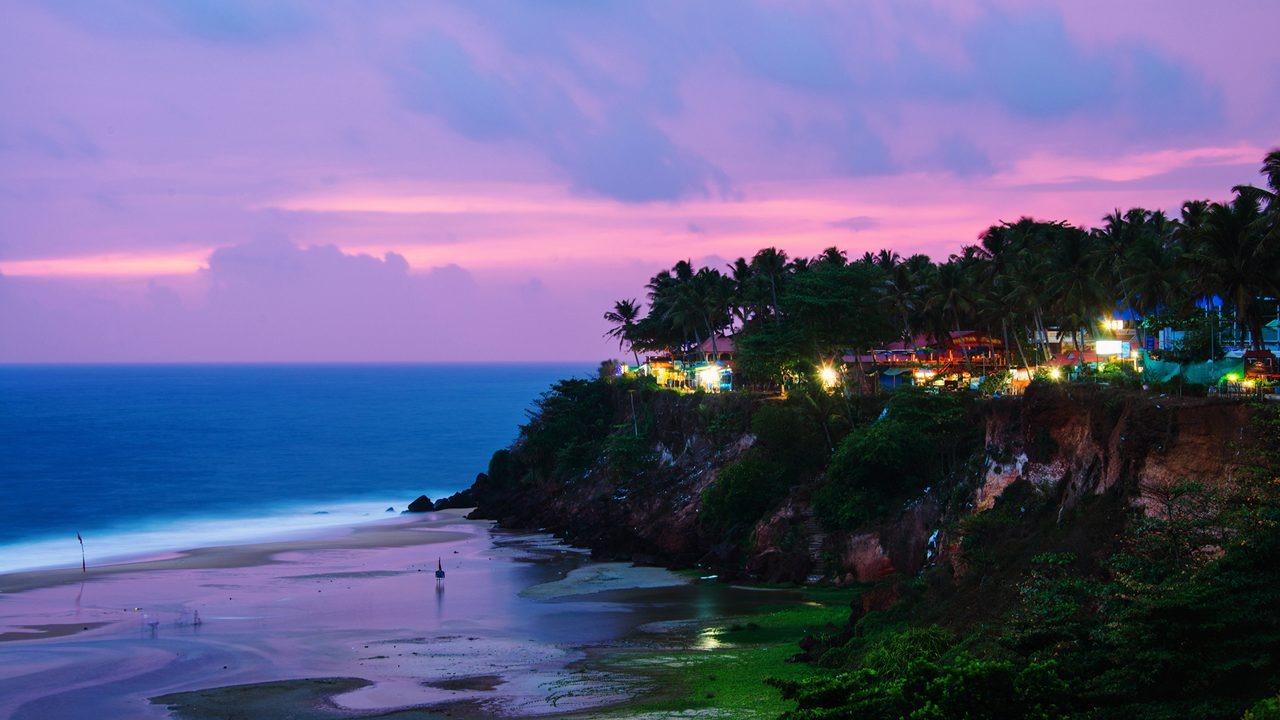
Varkala: Complete Travel Plan Beaches And Weather
Neha Kapoor
February 20, 2026
Complete Varkala travel guide featuring cliffs, Papanasam Beach, yoga, water sports, spiritual attractions & practical tips.
Introduction to Varkala
Varkala, a serene coastal town in Kerala's Thiruvananthapuram district, is one of India's most unique beach destinations. Unlike Kerala's more popular beaches which are known for their golden sands and shallow waters, Varkala is distinguished by stunning red sedimentary cliffs that rise dramatically from the Arabian Sea, creating a landscape unlike anywhere else in India. These cliffs, lined with coconut palms and dotted with cafes and guesthouses, offer spectacular ocean views and a laid-back atmosphere that has made Varkala a favorite among backpackers, yoga enthusiasts, and those seeking tranquility away from the crowds.
What makes Varkala truly special is its character - a blend of natural beauty, spiritual significance, and a relaxed international vibe. The town is home to the famous Papanasam Beach, whose name literally means "destroyer of sins" in Malayalam. According to Hindu mythology, a dip in these holy waters washes away all sins. Devotees come from across India to perform the last rites of deceased relatives and to purify themselves in the sacred waters. This religious significance coexists with a thriving contemporary culture of yoga, meditation, and alternative healing that attracts seekers from around the world.
Varkala's geography is dramatic - the cliffs, approximately 30-40 meters high in most places, run along the coastline for several kilometers. From the cliff top, you get stunning views of the Arabian Sea, especially during sunset when the sky and water glow in shades of orange and pink. The cliff top has numerous cafes, restaurants, shops, and accommodations, making it easy to spend days simply watching the waves, reading, and enjoying the view. The beaches below, accessible by stairs cut into the cliff, offer pristine sand and relatively safe swimming.
The town has two main sections: North Cliff (Papanasam area) and South Cliff (Edava area). North Cliff is more developed with numerous cafes, shops, and the famous Varkala Cliff. South Cliff is quieter and less commercial. Both offer excellent experiences depending on what you seek.
Best Time to Visit Varkala
Varkala enjoys a tropical climate with weather patterns similar to the rest of Kerala. The best time to visit depends on your priorities.
October to March is the best time weather-wise with daytime temperatures 25-32°C and pleasant evenings. The sea is calm, swimming and water activities are safe, and the monsoon has cleaned the beaches. This period offers the most comfortable conditions for beach activities and sightseeing. This is peak tourist season, so expect more visitors and higher prices for accommodations. December and January can get quite busy with domestic tourists during Christmas and New Year holidays.
April to May is summer when temperatures rise to 33-37°C and humidity increases. The heat can be intense during midday, making the beaches less comfortable during peak hours. However, this is off-season with fewer tourists and significantly lower prices (30-50% less than peak season). If visiting in summer, plan beach activities for early morning and late afternoon, rest during the hottest hours, and stay hydrated. The evenings are pleasant and the sunsets are spectacular.
June to September is monsoon when Varkala receives heavy rainfall. The seas turn rough and swimming can be dangerous due to strong currents. Many water activities are suspended. However, this is a beautiful time to experience Varkala - the cliffs and surrounding countryside turn lush green, the monsoon creates a dramatic atmosphere, and there's a certain magic in watching the rain and sea from the comfort of a cliff-top cafe. This is the least popular time to visit with the fewest tourists and lowest prices.
Varkala Beaches
Papanasam Beach
The most famous and significant beach in Varkala, Papanasam Beach stretches approximately 1.5 kilometers along the cliff base. The beach is known for its religious significance - the name means "destroyer of sins" and according to Hindu mythology, a dip in these waters washes away all sins. The beach is particularly holy for performing rituals for deceased ancestors.
The beach itself is beautiful with golden sand, relatively safe swimming (though always check currents), and the dramatic red cliffs as a stunning backdrop. Numerous steps cut into the cliff provide access from the cliff top to the beach below. The beach can get crowded, especially during festivals and religious occasions.
At the northern end of Papanasam is the famous Varkala Cliff, a 15-meter high cliff that has become a popular spot for jumping into the sea (for experienced swimmers only - the water is deep and the cliff is high). The area around the cliff has numerous cafes and restaurants.
Varkala Cliff
The Varkala Cliff is perhaps Varkala's most iconic spot - a 15-meter high red cliff that extends into the sea at Papanasam Beach. The cliff is popular for jumping into the sea, though this should only be attempted by experienced swimmers as the water is deep and the current can be strong.
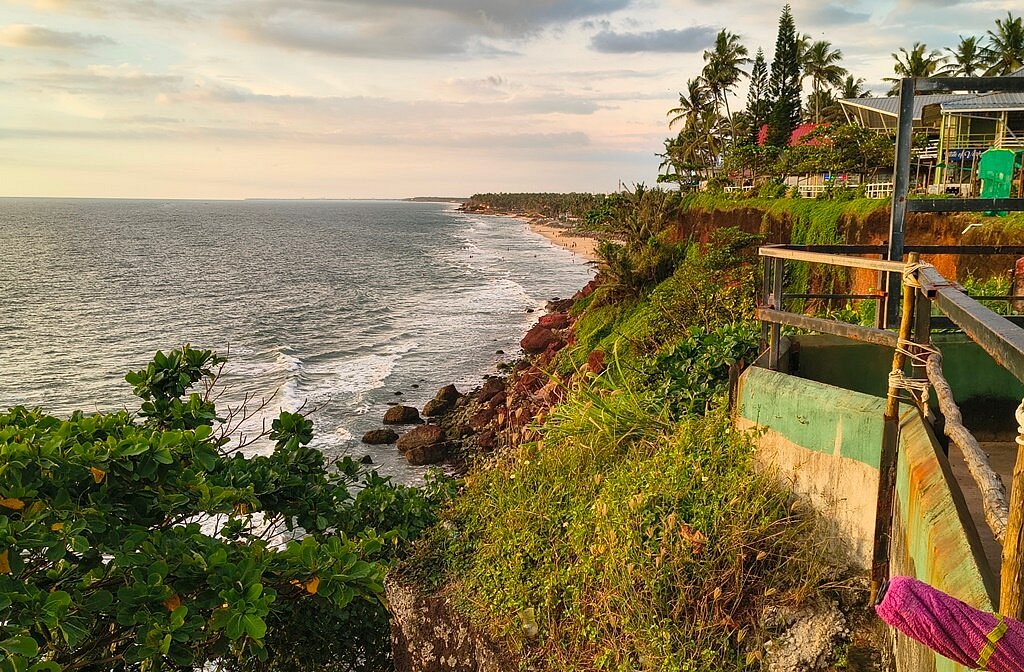
The cliff top has numerous cafes, restaurants, and shops with spectacular ocean views. This is the perfect place to spend hours watching the waves, reading, and enjoying the cool sea breeze. The sunsets from the cliff are magical - the sky and sea paint themselves in stunning colors.
Be cautious if planning to jump from the cliff. The water depth and currents can be dangerous for inexperienced swimmers. Always assess conditions before jumping and never jump under the influence of alcohol.
Edava Beach (South Cliff)
Located south of the main Papanasam area, Edava Beach offers a more quiet and less commercialized experience. The beach is longer and less crowded, with beautiful golden sand and the same dramatic red cliffs. The cliff top here has fewer cafes and more traditional fishing villages.
Edava Beach is perfect if you want to escape the crowds of North Cliff. The beach offers excellent swimming and sunbathing opportunities. The cliff top provides spectacular views and is perfect for long, peaceful walks.
Black Beach
Located between Papanasam and Edava, Black Beach gets its name from the black sand that covers this small stretch of coastline. The beach is less developed and quieter than the main beaches, offering a more secluded experience.
The black sand is unusual and creates a striking contrast with the blue water and red cliffs. The beach is smaller and can be accessed via stairs from the cliff top. It's a beautiful spot for photography and a peaceful escape from the more developed areas.
Activities in Varkala
Yoga and Meditation
Varkala has emerged as one of India's premier yoga and meditation destinations. Numerous yoga schools and retreats offer programs ranging from drop-in classes to month-long teacher training courses. The peaceful atmosphere, stunning natural beauty, and spiritual energy of the place make it ideal for yoga and meditation practice.
Popular yoga centers include the Sivananda Yoga Vedanta Dhanwanthari Ashram which offers traditional yoga and meditation courses, and various smaller yoga schools throughout North and South Cliff. Many hotels and guesthouses also offer yoga classes.
Meditation retreats, Vipassana courses, and other spiritual programs are also available. The town attracts spiritual seekers from around the world, creating a diverse community of practitioners.
Water Sports
When conditions are safe (typically October to May), Varkala offers excellent water sports. The sea is generally calm with manageable currents, making it suitable for various activities.
Popular water sports include surfing (Varkala is one of India's top surfing destinations with consistent waves), parasailing, jet skiing, and banana boat rides. Surfing schools offer lessons for beginners - the gentle breaks at Papanasam are perfect for learning. More experienced surfers can find larger breaks further north.
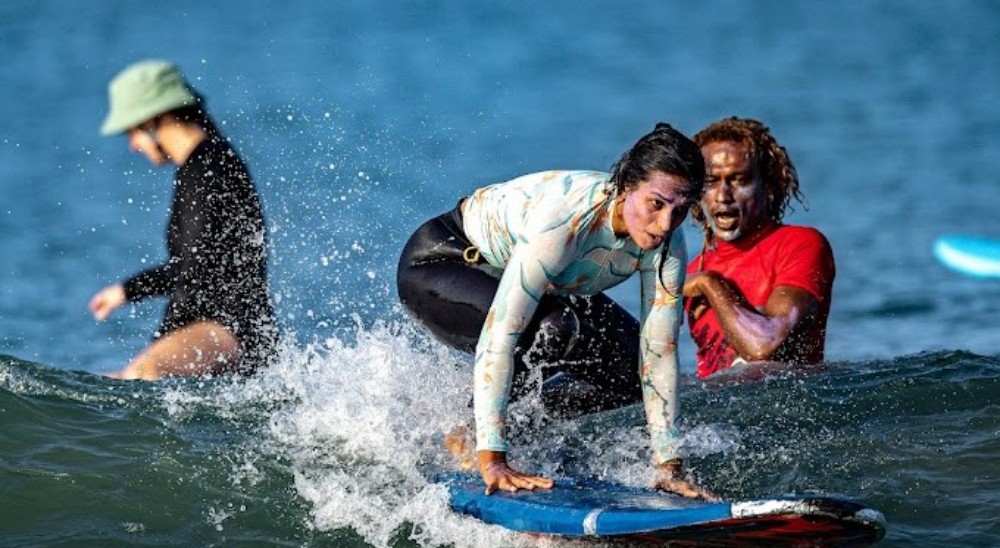
The cliff itself offers adventure - cliff jumping is popular though should only be attempted by experienced swimmers. Snorkeling is possible when the water is clear, though the visibility is not as good as some other Kerala destinations.
Boat Rides
Traditional wooden boats operate from the beaches offering short cruises along the coastline. These boat rides offer spectacular views of the cliffs from the sea - the red sedimentary cliffs rising from the blue Arabian Sea create a striking landscape.
Sunset cruises are particularly popular - watching the sun set over the Arabian Sea from a boat with the cliffs in the background is a memorable experience. Dolphin watching trips are also available - there's a good chance of spotting dolphins in the area.
Adventure Activities
Beyond water sports, Varkala offers other adventure activities. Paragliding is available when conditions permit - the cliffs provide excellent launch points and the views of the coastline and countryside are spectacular.
Rock climbing on the cliffs has become popular in recent years, though this should only be attempted with professional guides and proper safety equipment. The cliff faces provide excellent climbing routes of various difficulty levels.
For those seeking more relaxed activities, fishing trips can be arranged with local fishermen. The traditional fishing techniques are fascinating to observe and the experience of being out on the sea at sunrise or sunset is magical.
Spiritual Attractions
Sivagiri Mutt
Located approximately 12 kilometers from Varkala, Sivagiri Mutt is a famous ashram founded by Sree Narayana Guru, the great social reformer and sage. The ashram is the headquarters of the Sree Narayana Dharma Sangham, a religious organization founded by the guru.
The ashram is situated on a hilltop with beautiful views of the surrounding countryside. The samadhi (tomb) of Sree Narayana Guru is located here and attracts devotees. The ashram offers insight into the teachings of the guru who worked for social reform, education for all castes, and religious harmony.
Janardanaswamy TempleLocated near Varkala Cliff, this ancient temple dedicated to Lord Vishnu is over 2,000 years old and is one of the most important temples in Kerala. The temple's architecture is beautiful, featuring traditional Kerala style with intricate woodcarvings.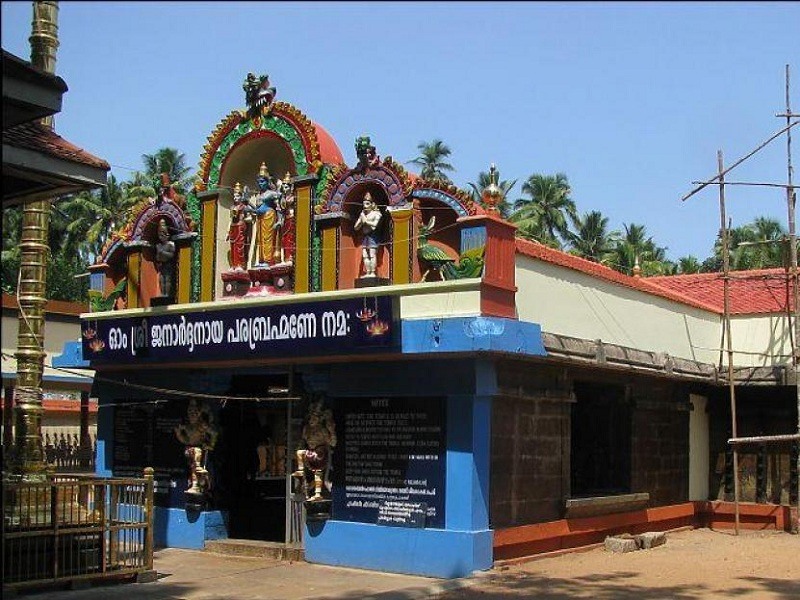
The temple attracts devotees throughout the year but is particularly busy during the festival season. The evening aarti (prayer ceremony) is worth attending - the chanting, bells, and lamps create a spiritually charged atmosphere.
Nearby Attractions
Kappil Lake
Located approximately 7 kilometers from Varkala, Kappil is a beautiful freshwater lake surrounded by lush greenery. The lake is home to numerous migratory birds, making it excellent for birdwatching. Boat rides are available on the lake.The lake is particularly beautiful during and after the monsoon when the water levels are high and the surrounding countryside is lush green. There's a small boating club that operates here. The visit can be combined with a trip to Varkala.
Akkulam Tourist Village
Located approximately 15 kilometers from Varkala, Akkulam Tourist Village is a model village showcasing traditional Kerala architecture, lifestyles, and cultural practices. The village features traditional houses, snake boats, and demonstrations of various traditional activities including coir making, toddy tapping, and fishing.The village offers insight into Kerala's rich cultural heritage. Traditional Kerala meals are available here. The visit can be educational, especially for those interested in understanding traditional Keralan life.
Food in Varkala
Varkala's food scene offers a mix of traditional Keralan cuisine, international food, and seafood specialties. Being a coastal town, seafood is particularly fresh and excellent.
Must-try seafood dishes include karimeen fry (pearl spot fish marinated in spices and fried), fish molee (fish in coconut-based curry), prawn masala fry, and various crab preparations. The seafood is fresh, usually caught that day, and prepared with traditional Keralan spices and coconut milk.
Traditional Keralan vegetarian dishes include avial (mixed vegetable curry with coconut milk), thoran (vegetable stir-fry with coconut), sambar (lentil stew), and various preparations using tapioca and yam. Served with steamed rice, papadum, and pickles, these meals are delicious and wholesome.
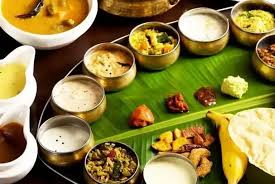
International cuisine is well-represented with numerous cafes serving Italian, Israeli, Continental, and various fusion cuisines. The cliff-top cafes are particularly popular for their breakfast options - everything from traditional Keralan breakfast (appam with stew, puttu with kadala) to English breakfast to pancakes and waffles.
For drinks, fresh coconut water is available everywhere. Toddy (palm toddy) is a traditional alcoholic beverage available at local toddy shops. Fresh fruit juices, milkshakes, and smoothies are popular at the cafes.
Shopping in Varkala
Varkala offers excellent shopping opportunities, particularly for handicrafts, spices, and souvenirs.
The cliff-top area has numerous shops selling traditional Keralan handicrafts including coir products (mats, wall hangings), shell crafts, wooden carvings, and brassware. These make excellent souvenirs and gifts.
Spices are another great buy - Kerala is famous for its spices, and you can buy high-quality cardamom, pepper, cloves, cinnamon, and various spice blends. These are much cheaper than outside India and make excellent gifts.
Traditional Keralan textiles including Kasavu (cream-colored cotton with golden border), cotton and silk sarees, and mundus (traditional two-piece garments) are available. These can be custom-made or purchased ready-made.
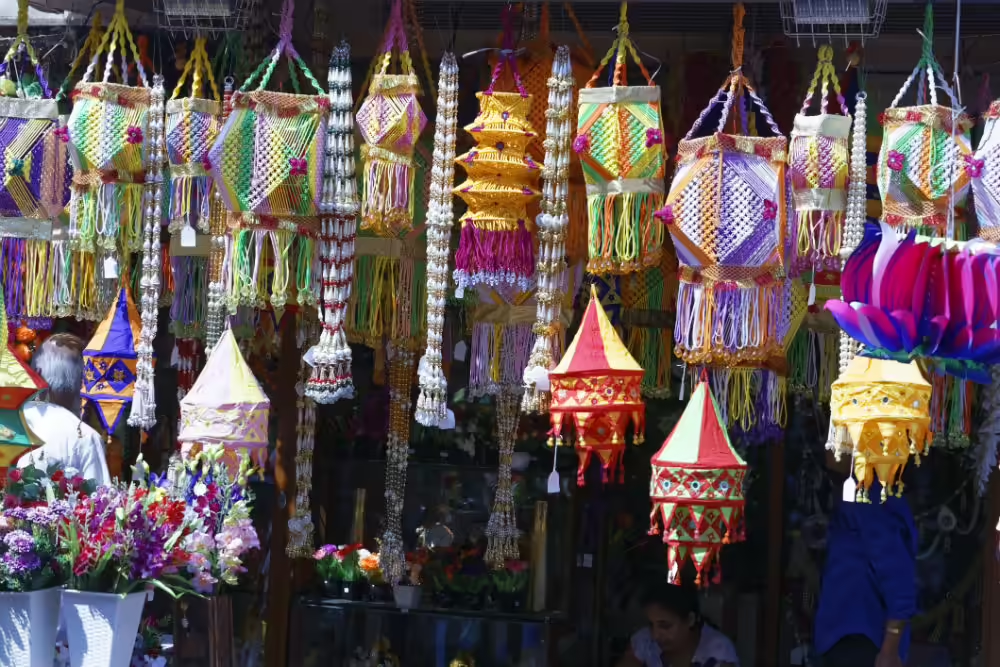
The markets around the cliff also sell beachwear, hippie clothing, jewelry, and various knick-knacks. Bargaining is expected in the smaller shops.
Yoga and Wellness
Varkala has emerged as one of India's premier wellness destinations. The town's natural beauty, spiritual energy, and peaceful atmosphere make it ideal for wellness programs.
Numerous yoga schools and ashrams offer yoga and meditation programs. These range from drop-in classes (₹300-500 per class) to intensive courses (₹10,000-30,000 for month-long programs). Teacher training courses certified by Yoga Alliance are particularly popular.
Ayurveda, the ancient Indian system of medicine, is well-represented in Varkala. Numerous Ayurvedic clinics offer consultations, treatments, and wellness programs. Rejuvenation therapy, stress management programs, and detox programs are available.
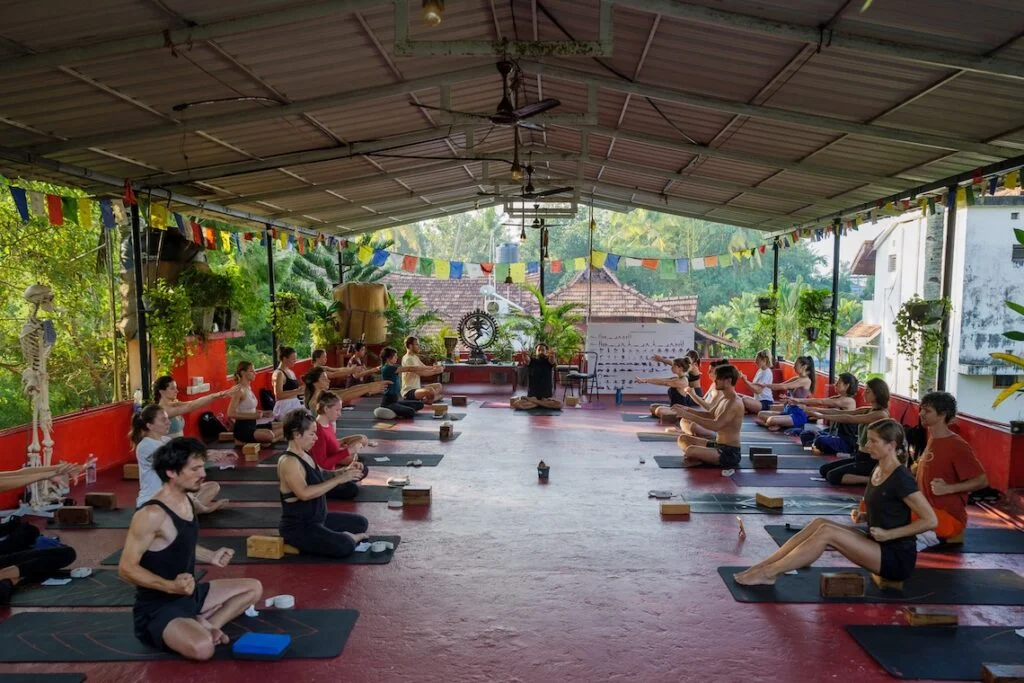
Wellness resorts offer comprehensive programs including yoga, meditation, Ayurveda, massage, and various other therapies. These programs typically last 7-14 days and include accommodation, meals, treatments, and activities.
Where to Stay in Varkala
Varkala offers accommodation options for every budget, from backpacker hostels to luxury resorts.
For budget travelers and backpackers, North Cliff has numerous guesthouses, hostels, and homestays (₹600-1200 per night). These offer basic rooms with common balconies overlooking the sea. Popular options include various backpacker hostels and family-run guesthouses. The vibe is social and it's easy to meet fellow travelers.
For mid-range travelers, numerous cliff-top hotels and resorts (₹2000-5000 per night) offer comfortable rooms with ocean-view balconies, restaurants, and sometimes pools. These provide excellent views and convenient access to the beaches via cliff stairs.
For luxury travelers, cliff-top resorts (₹6000-12000+ per night) offer luxurious rooms, excellent service, pools, spas, and spectacular views. Properties like Taj Green Cove, The Taj Gateway, and various upscale resorts offer world-class amenities.
For a unique experience, consider staying at one of the traditional Kerala homestays in the surrounding villages. These offer an authentic experience of Keralan hospitality and culture.
Getting to Varkala
Varkala is located approximately 50 kilometers north of Thiruvananthapuram (Trivandrum), the capital of Kerala, and approximately 130 kilometers from Kochi (Cochin).
By air: The nearest airport is Trivandrum International Airport (TRV), approximately 50 kilometers away (1.5 hours by road). The airport has excellent connectivity to major Indian cities and international destinations. Pre-paid taxis and app-based cabs are available from the airport to Varkala.
By train: Varkala Railway Station is well-connected and has trains from Thiruvanathapuram, Kochi, and other major Kerala cities. The train journey from Kochi takes approximately 2-3 hours and is scenic, passing through the Kerala countryside.
By road: Varkala is connected by road to major Kerala cities and towns. KSRTC buses connect Varkala to Trivandrum, Kochi, and other towns. Private taxis and app-based cabs are readily available. The drive from Kochi takes approximately 2.5-3 hours.
Travel Tips
Varkala is generally safe for tourists, including solo female travelers. The town sees thousands of international visitors annually without major safety issues. Standard precautions apply - avoid isolated areas at night, secure your belongings, and be cautious when swimming ( currents can be strong).
The cliffs can be dangerous - exercise caution when taking photos near the edge. Never take selfies while standing on cliff edges. Many accidents have occurred when tourists got too close to the edge for photos.
If jumping from the cliff, assess conditions carefully. The water depth and currents can be dangerous. Never jump under the influence of alcohol. Only experienced swimmers should attempt cliff jumping.
Swimming can be dangerous during monsoon (June-September) due to rough seas and strong currents. Always check local conditions before swimming. Swim in designated areas where lifeguards may be present.
Respect local culture and dress modestly when visiting temples (cover shoulders and knees, remove footwear before entering). Ask permission before photographing people, especially during religious ceremonies.
The sun in Kerala is strong, even on cloudy days. Use sunscreen, wear hats, and stay hydrated. Heat exhaustion and sunburn are common, especially on the beaches.
Conclusion
Varkala offers a unique Kerala beach experience that combines natural beauty, spiritual significance, and a relaxed international atmosphere. The dramatic red cliffs, pristine beaches, and sacred waters create a landscape unlike anywhere else in India. Whether you're seeking spiritual cleansing at Papanasam Beach, yoga and meditation, surfing the gentle breaks, cliff-top relaxation, or simply want to escape to a beautiful seaside town, Varkala delivers experiences that stay with you.
What makes Varkala special is its character - a place where the sacred and the secular coexist, where ancient traditions and contemporary international culture blend seamlessly. The town's relaxed pace, friendly locals, and stunning natural beauty create an atmosphere that's conducive to slowing down, reflecting, and rejuvenating.
Many who visit Varkala find themselves returning, drawn back by the cliffs, the beaches, the food, the yoga, and the unique energy that makes Varkala special. Whether you spend a weekend or a month, Varkala works its magic on you, leaving you refreshed, inspired, and longing to return.
For a longer Kerala trip, combine Varkala with Kumarakom backwaters and places to visit in Vagamon. For more travel inspiration, see our guide on Varkala Beach. For more travel inspiration, see our guide on the Varkala Cliff.
Location
Frequently Asked Questions
Q1.What is the best time to visit Varkala?
Q2.Is Varkala good for beginners learning to surf?
Q3.How many days should I spend in Varkala?
Q4.Is Varkala safe for solo female travelers?
Q5.What should I pack for Varkala?
Q6.Is Varkala expensive?
Q7.Can I learn surfing in Varkala if I'm a complete beginner?
Q8.How do I reach Varkala from Trivandrum?
Recommended For You
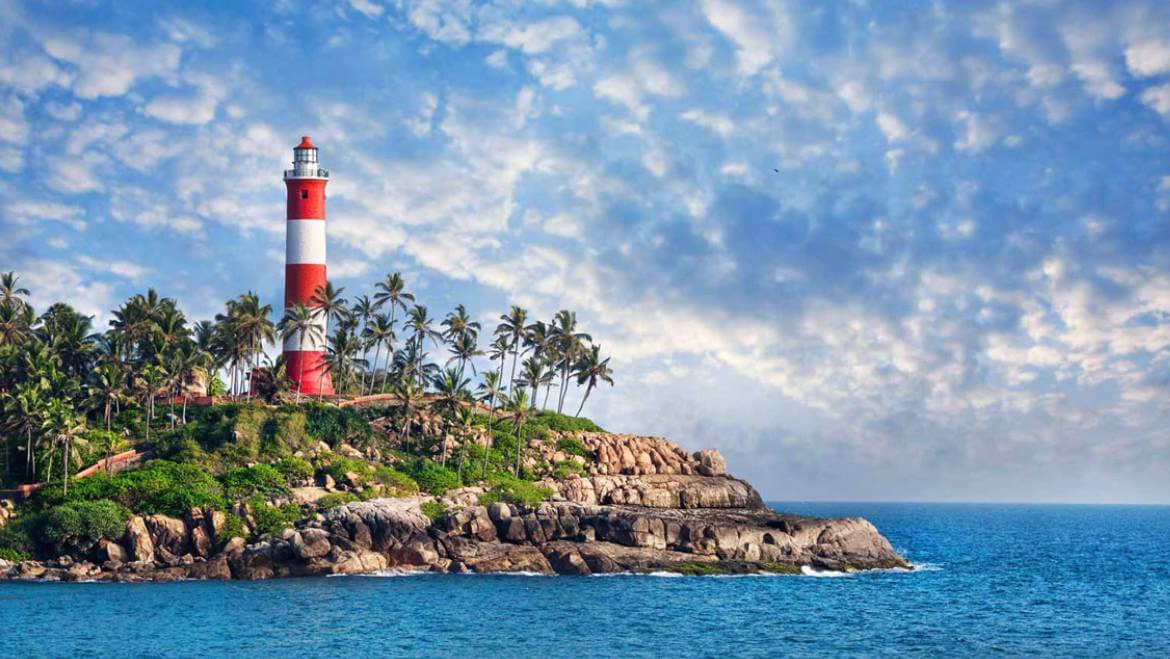
Places to Visit in Kovalam Kerala: Beaches, Lighthouse & Day Trips
Discover places to visit in Kovalam Kerala with beach-by-beach planning, lighthouse views, activities, wellness options, and practical travel tips.
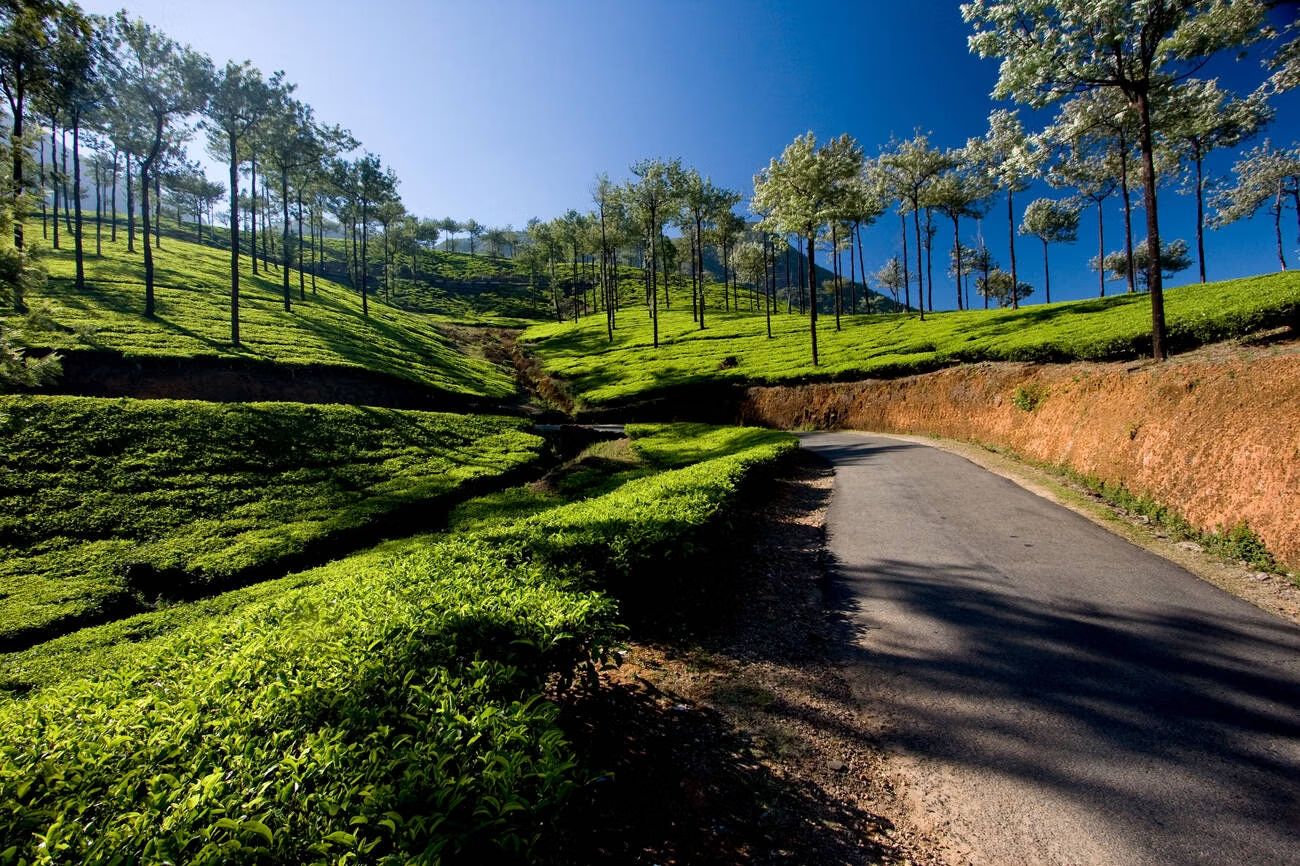
Places to Visit in Vagamon Kerala: Hills, Pine Forest & Meadows
Explore best places to visit in Vagamon, Kerala. Meadows, pine forests, trekking & more. Complete guide to this quiet hill station near Kochi.
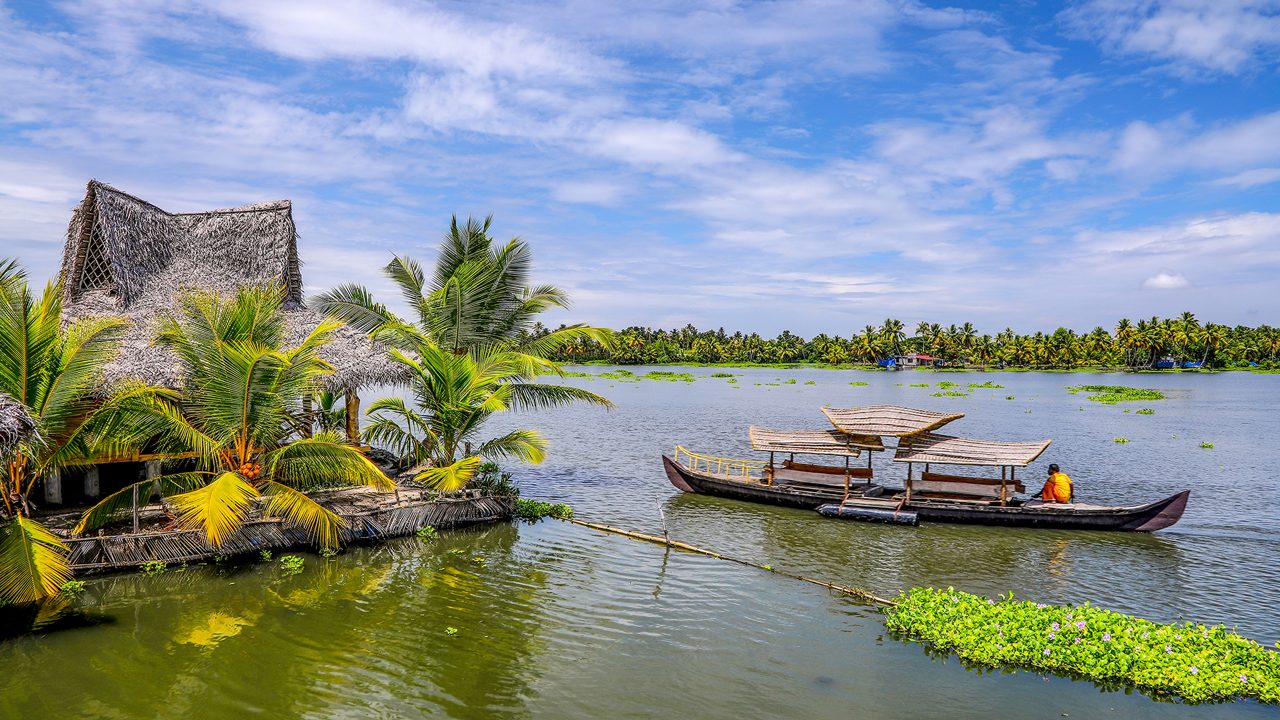
Kumarakom Backwaters: Houseboat Routes, Prices & Booking Tips
Explore Kumarakom backwaters in Kerala with houseboat options, route details, best season, things to do, and accommodation tips for a smooth trip.
Never Miss an Adventure
Get the latest trekking guides, travel tips, and exclusive offers delivered straight to your inbox.
