
Wildlife Sanctuaries in Kerala: Top Sanctuaries, Safaris & Stay Tips

Priya Mehta
November 18, 2025
Explore Kerala's best wildlife sanctuaries - Periyar, Eravikulam, Silent Valley, Wayanad. Complete guide to wildlife viewing, safaris, best time to visit, and travel tips.
Introduction: God's Own Country's Wild Side
Kerala, famous for its backwaters, beaches, and ayurveda, is also home to some of India's most biodiverse wildlife sanctuaries. The Western Ghats that run through Kerala are one of the world's biodiversity hotspots, harboring an incredible variety of flora and fauna. Kerala's wildlife sanctuaries protect endangered species like the Asian elephant, Bengal tiger, Nilgiri tahr, lion-tailed macaque, and countless bird species. These sanctuaries offer visitors the chance to experience pristine forests, spot exotic wildlife, and connect with nature in some of South India's most beautiful landscapes.
What makes Kerala's wildlife sanctuaries special is their diversity - from the high-altitude shola forests and grasslands of Eravikulam to the tropical wet forests of Periyar, from the bamboo groves of Wayanad to the teak forests of Silent Valley. Each sanctuary has its own unique ecosystem, flagship species, and visitor experiences. Whether you're a serious wildlife enthusiast, a photographer, a nature lover, or a family seeking adventure, Kerala's sanctuaries offer memorable experiences for everyone.
This comprehensive guide covers all major wildlife sanctuaries in Kerala, the best time to visit, how to reach them, what wildlife you can expect to see, and practical tips for planning your wildlife adventure in God's Own Country.
Top Wildlife Sanctuaries in Kerala
Periyar Wildlife Sanctuary (Thekkady)
Location: Idukki district, approximately 4 hours from Kochi
Area: 925 square kilometers
Flagship Species: Asian elephants, Bengal tigers, gaurs (Indian bison), Nilgiri langur
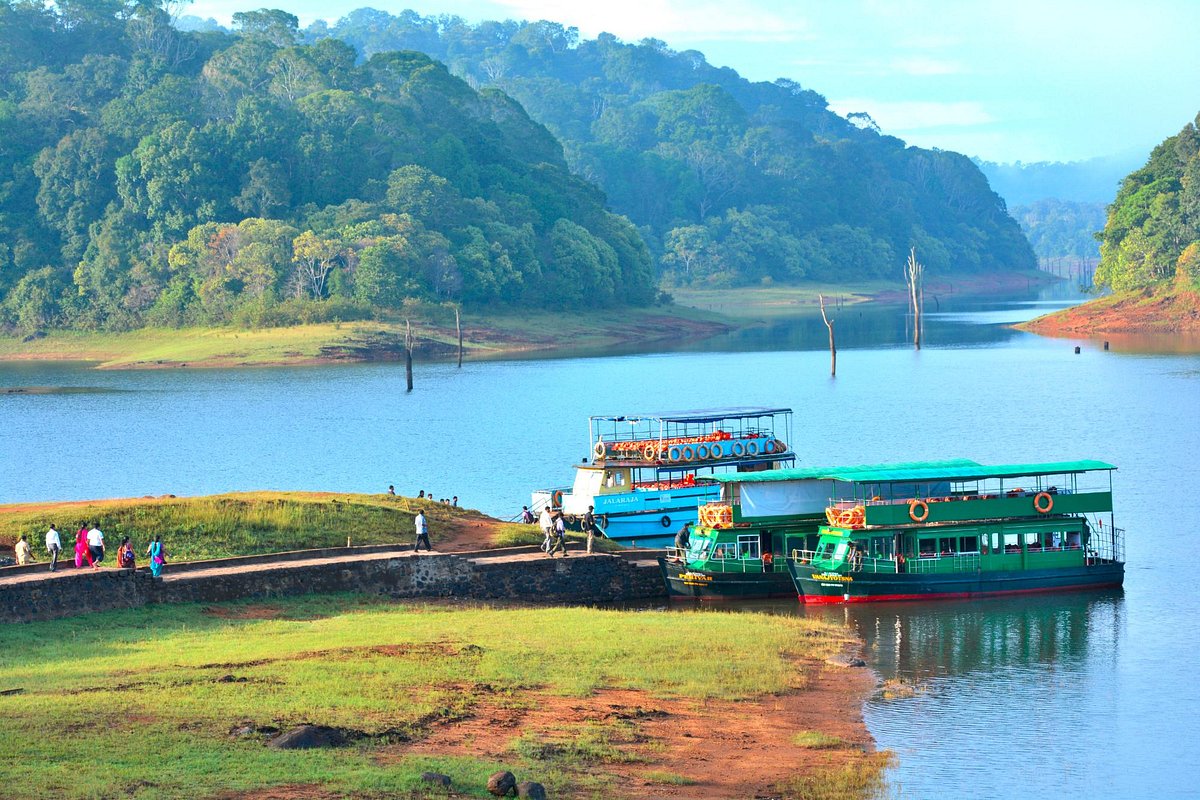
Periyar is Kerala's most popular and accessible wildlife sanctuary, centered around the scenic Periyar Lake. What makes Periyar unique is the boat safari on the lake - you drift across the water watching wildlife come to drink along the shores. The sight of herds of elephants at the water's edge, gaurs wallowing in the mud, and perhaps even a tiger if you're very lucky, creates unforgettable memories.
Key Experiences:
- Boat safaris on Periyar Lake (1.5-2 hours, early morning and afternoon)
- Nature walks with tribal guides (3-4 hours, early morning)
- Bamboo rafting (full day, includes breakfast, lunch)
- Periyar Tiger Trail (overnight camping, advanced booking required)
- Border hiking (full day, moderate to challenging)
- Elephant encounters (at the elephant camp)
Best Time: September to May. The sanctuary is closed during peak monsoon (June-July). March-May is best for wildlife sightings as animals congregate around water sources.
Eravikulam National Park (Munnar)
Location: Near Munnar, approximately 3.5 hours from Kochi
Area: 97 square kilometers
Flagship Species: Nilgiri tahr (endangered mountain goat), elephants, tigers
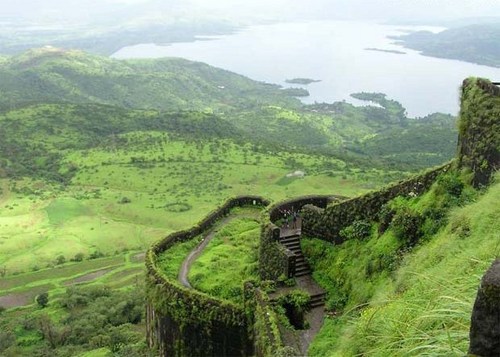
Located in the high ranges of the Western Ghats, Eravikulam protects the largest population of the endangered Nilgiri tahr - a mountain goat found only in the southern Western Ghats. The park's high-altitude shola forests and grasslands create a misty, otherworldly atmosphere. The views from Rajamalai, the main tourist area, stretch across rolling green hills to the plains below.
Key Experiences:
- Nilgiri tahr viewing at Rajamalai (must take park bus, guided tour)
- trekking to Anamudi Peak (South India's highest peak, requires special permit)
- Shola forest walks (guided)
- Photography of the rolling grasslands and endemic flora
Best Time: September to February. April-May also good for tahr sightings. Avoid monsoon (June-August) when park often closed due to landslides.
Wayanad Wildlife Sanctuary
Location: Wayanad district, approximately 5 hours from Kochi or Bangalore
Area: 344 square kilometers
Flagship Species: Asian elephants, Bengal tigers, leopards, dhole (wild dog)
Part of the Nilgiri Biosphere Reserve, Wayanad Wildlife Sanctuary is contiguous with Bandipur and Nagarhole sanctuaries in neighboring Karnataka, creating one of South India's largest protected forest tracts. The sanctuary's diverse habitat includes moist deciduous forests, bamboo groves, and plantations. Wayanad is excellent for elephant sightings and offers good chances of spotting big cats.
Key Experiences:
- Jeep safaris (morning and afternoon, 2-3 hours)
- Trekking to Edakkal Caves (ancient rock shelters with petroglyphs)
- Visit to Tholpetty and Muthanga ranges
- Bird watching (over 200 species recorded)
- Visit to Wayanad's tribal villages
Best Time: October to May. The sanctuary is open year-round but best wildlife viewing is in summer (March-May) when animals visit water holes.
Silent Valley National Park
Location: Palakkad district, approximately 5 hours from Kochi
Area: 237 square kilometers
Flagship Species: Lion-tailed macaque (endangered primate), Nilgiri langur, tigers, leopards
Silent Valley is perhaps Kerala's most pristine and ecologically significant protected area. The park preserves one of the last representatives of undisturbed tropical evergreen rainforest in the Western Ghats. It's home to the endangered lion-tailed macaque, found only in the southern Western Ghats. The park gets its name from the absence of cicadas - remarkably, there are no cicadas in Silent Valley, creating an unusual silence in the forest.
Key Experiences:
- Trekking to Sairandhri (guided trek, requires permit)
- River crossing on suspension bridge
- Dense forest hiking (challenging, experienced trekkers)
- Bird watching (rare endemic species)
- Nature photography (pristine forest conditions)
Best Time: December to April. The park is closed during monsoon (June-October) due to heavy rainfall and leeches. Access requires permits from the Wildlife Warden.
Parambikulam Tiger Reserve
Location: Palakkad district, bordering Tamil Nadu
Area: 643 square kilometers
Flagship Species: Bengal tigers, elephants, dhole (wild dog), gaur
Formerly a wildlife sanctuary, Parambikulam was declared a Tiger Reserve in 2010 due to its healthy tiger population. The reserve's diverse habitat includes tropical evergreen, semi-evergreen, and moist deciduous forests. Parambikulam is less touristy than Periyar, offering more authentic wildlife experiences. The reserve is also known for its Salim Ali Bird Sanctuary and the Kannimara teak tree (Asia's oldest).
Key Experiences:
- Jeep safaris (early morning best)
- Tribal homestay experiences
- Guided treks to various watchtowers
- Bamboo rafting on Parambikulam Reservoir
- Bird watching with expert guides
- Visit to Kannimara Teak (350+ years old)
Best Time: September to May. The reserve is more challenging to visit during monsoon but can be adventurous for experienced travelers.
Chinnar Wildlife Sanctuary
Location: Idukki district, on the Kerala-Tamil Nadu border
Area: 90 square kilometers
Flagship Species: Grizzled giant squirrel (endemic), elephants, star tortoise
Chinnar is unique in that it's located in the rain shadow region of the Western Ghats, receiving less rainfall than other Kerala sanctuaries. The resulting vegetation is predominantly thorny scrub forest, creating a distinct ecosystem. Chinnar is famous for the grizzled giant squirrel, with its bushy tail and striking coloration. The sanctuary also has the largest population of star tortoises in India.
Key Experiences:
- Trekking to Thoovanam Waterfalls (challenging)
- Grizzled giant squirrel watching
- Visit to ancient dolmens (burial chambers)
- Moving with tribal guides (learn about indigenous knowledge)
- Visit to sandalwood forest (regulated)
Best Time: December to April. The sanctuary is open year-round but best weather is winter.
Thattekad Bird Sanctuary
Location: Ernakulam district, approximately 1 hour from Kochi
Area: 25 square kilometers
Flagship Species: Malabar grey hornbill, blue-bearded bee-eater, crimson-throated barbet, over 280 bird species
Also known as the Salim Ali Bird Sanctuary (after India's famous ornithologist), Thattekad is a bird watcher's paradise. The sanctuary's moist deciduous and evergreen forests attract an incredible variety of birds, including rare endemics. It's relatively small and easily accessible, making it perfect for a day trip from Kochi or Munnar.
Key Experiences:
- Guided bird watching walks (early morning essential)
- Spotting rare endemics (Malabar trogon, Malabar gray hornbill)
- Nature photography
- Butterfly watching (over 200 species)
- Night walks for owls and nightjars
Best Time: November to February (winter migrants). The sanctuary is good year-round but bird diversity peaks in winter.
Neyyar Wildlife Sanctuary
Location: Thiruvananthapuram district, approximately 1.5 hours from Trivandrum
Area: 128 square kilometers
Flagship Species: Elephants, tigers, leopards, sloth bear, Nilgiri langur
Neyyar is one of Kerala's older sanctuaries, centered around the Neyyar Reservoir. It's easily accessible from Trivandrum and offers diverse experiences including wildlife viewing, boating, and visits to the lion safari park and crocodile rehabilitation center. The sanctuary's proximity to the city makes it perfect for a quick wildlife fix.
Key Experiences:
- Boat ride on Neyyar Reservoir
- Lion safari park (caged but good for viewing)
- Crocodile rehabilitation center
- Trekking to Agasthyakoodam peak (challenging, requires permit)
- Deer rehabilitation center
- Elephant safaris (subject to availability)
Best Time: October to March. Summer (March-May) is good for wildlife sightings near water sources.
Best Time to Visit Kerala Wildlife Sanctuaries
Winter (October to February)
Weather: Pleasant, 15°C - 30°C (59°F - 86°F), minimal rain
Wildlife Viewing: Excellent. Animals are active, and visibility is good in the drier forest. Winter migrants (birds) arrive in sanctuaries like Thattekad.
Pros: Comfortable weather for trekking and safaris, good visibility, bird diversity peaks
Cons: Peak tourist season, can be crowded, higher prices
Summer (March to May)
Weather: Warm to hot, 24°C - 36°C (75°F - 97°F), dry
Wildlife Viewing: Excellent, perhaps the best season. Animals congregate around water sources as forest streams dry up. Easier to spot wildlife in the thinner vegetation.
Pros: Best wildlife sightings, fewer tourists than winter, lower prices
Cons: Hot and humid, challenging for trekking, can be uncomfortable for some
Monsoon (June to September)
Weather: Very wet, heavy rainfall, 22°C - 28°C (72°F - 82°F)
Wildlife Viewing: Poor to fair. Many sanctuaries close or have restricted access due to rain and leeches. Animals are less active, visibility is poor in dense, wet vegetation.
Pros: Lush green landscapes, fewer tourists, lower prices, good for photography (greenery)
Cons: Difficult trekking conditions, leeches, some sanctuaries closed, poor wildlife sightings
Wildlife You Can Spot
Mammals
- Asian Elephant: The star attraction. Periyar and Wayanad offer excellent sightings. Large herds often seen at water holes.
- Bengal Tiger: Elusive but present in Periyar, Wayanad, Parambikulam. Requires patience and luck.
- Gaur (Indian Bison): Frequently sighted in Periyar and Wayanad. Impressive, massive animals.
- Nilgiri Tahr: Endemic to the Western Ghats. Best seen at Eravikulam (Rajamalai).
- Lion-tailed Macaque: Endangered primate found only in silent Valley and select locations. Very rare sightings.
- Nilgiri Langur: Common in many sanctuaries, distinctive black and white coloring.
- Sloth Bear: Shy, nocturnal, but present in several sanctuaries including Wayanad.
- Leopard: More common than tigers but still elusive. Spotted occasionally.
- Dhole (Wild Dog): Pack animals, seen occasionally in Wayanad and Periyar.
- Sambar and Spotted Deer: Commonly sighted, especially near water sources.
Birds
- Malabar Grey Hornbill: Endemic to Western Ghats, distinctive call.
- Great Hornbill: Largest hornbill, impressive bird.
- Malabar Trogon: Colorful, elusive, Thattekad specialty.
- Blue-bearded Bee-eater: Stunning bird, Thattekad.
- Crimson-throated Barbet: Tiny but colorful, Thattekad.
- Asian Paradise Flycatcher: Winter migrant, beautiful.
- Various Raptors: Crested serpent eagle, crested hawk eagle.
Safari Options and Experiences
Boat Safari
Unique to Periyar, the boat safari on Periyar Lake is one of India's most special wildlife experiences. Drift silently across the water while watching elephants, gaurs, sambar, and birds along the shores. Boats run early morning (6:30 AM) and afternoon (2:30 PM) - book in advance, they sell out quickly.
Jeep Safari
Standard jeep safaris operate in Wayanad (Muthanga and Tholpetty ranges), Parambikulam, and other sanctuaries. Safaris typically run 2-3 hours, early morning (6:00 AM) and late afternoon (3:00 PM) when animals are most active. Book upon arrival at the sanctuary counter.
Trekking
Kerala's sanctuaries offer various trekking options: - Nature Walks: 3-4 hour gentle walks with guides, Periyar - Border Hiking: Full day challenging trek, Periyar - Periyar Tiger Trail: Overnight camping trek, Periyar - Shola Forest Treks: Eravikulam (guided, limited access) - Anamudi Trek: To South India's highest peak, Eravikulam (special permit)
Bamboo Rafting
Unique to Periyar, bamboo rafts take you into remote parts of the sanctuary. The full-day experience includes breakfast, lunch, and excellent wildlife viewing opportunities. Early morning start, advance booking essential.
Practical Information
Permits
All sanctuaries require entry permits and additional fees for cameras, vehicles, and activities. Foreigners pay higher fees than Indians. Some activities (treks, rafting) require advance booking. Check official forest department websites for current fees and booking procedures.
Accommodation
Options range from: - Forest Department Rest Houses: Basic, inside sanctuaries, book through forest department - Government-approved hotels: Various categories outside sanctuaries - Private resorts: Comfortable to luxury near Periyar, Wayanad - Homestays: Budget-friendly, especially in Wayanad - Jungle Lodges: Premium experiences inside Periyar
Getting Around
By Road: All sanctuaries are accessible by road. Private taxis are most convenient. State buses connect major towns to sanctuary entrances.
Nearest Railheads: Kochi (for Periyar, Eravikulam, Silent Valley), Kozhikode (for Wayanad), Shoranur (for Silent Valley)
Nearest Airports: Kochi (COK) for central Kerala, Kozhikode (CCJ) for Wayanad, Trivandrum (TRV) for Neyyar
Tips for Wildlife Viewing
- Be Patient: Wildlife viewing requires patience. Spend time quietly observing.
- Wake Up Early: Early morning safaris offer the best wildlife sightings.
- Wear Earth Tones: Green, brown, or khaki clothing blends with the forest.
- Stay Quiet: Keep voices down, avoid sudden movements.
- Bring Binoculars: Essential for bird watching and distant animals.
- Respect Wildlife: Keep distance, don't feed animals, follow guide instructions.
- Be Prepared: Carry water, snacks, insect repellent, sunscreen.
- Hire Guides: Their knowledge and spotting skills enhance your experience.
- Follow Rules: Stay in vehicles/on trails, don't litter, respect forest regulations.
- Manage Expectations: Not every safari yields tiger sightings. Enjoy the entire forest experience.
Conclusion
Kerala's wildlife sanctuaries offer some of South India's most rewarding wildlife experiences. From the unique boat safaris of Periyar to the pristine forests of Silent Valley, from the endemic Nilgiri tahr of Eravikulam to the bird-rich forests of Thattekad, these protected areas showcase the incredible biodiversity of the Western Ghats. Whether you spot a tiger or not, the experience of being in these forests - the sounds, the smells, the sheer beauty of nature - is unforgettable. Kerala's sanctuaries aren't just about checking animals off a list - they're about connecting with nature, understanding conservation challenges, and experiencing the wild heart of God's Own Country.
For a fuller Kerala nature circuit, combine these with Periyar Wildlife Sanctuary and Munnar travel guide.
Location
Frequently Asked Questions
Q1.Which is the best wildlife sanctuary in Kerala?
Q2.What is the best time to visit Kerala wildlife sanctuaries?
Q3.Can we see tigers in Kerala wildlife sanctuaries?
Q4.How many wildlife sanctuaries are there in Kerala?
Q5.What wildlife can we see in Periyar Sanctuary?
Q6.How do I reach Periyar Wildlife Sanctuary from Kochi?
Q7.Do we need to book safaris in advance in Kerala?
Q8.Is Eravikulam National Park worth visiting?
Recommended For You
Backwaters of Kerala: Best Routes, Houseboats & Ideal Season
Explore Kerala backwaters with houseboats, Alleppey-Kumarakom routes, pricing & authentic experiences. Complete travel guide.
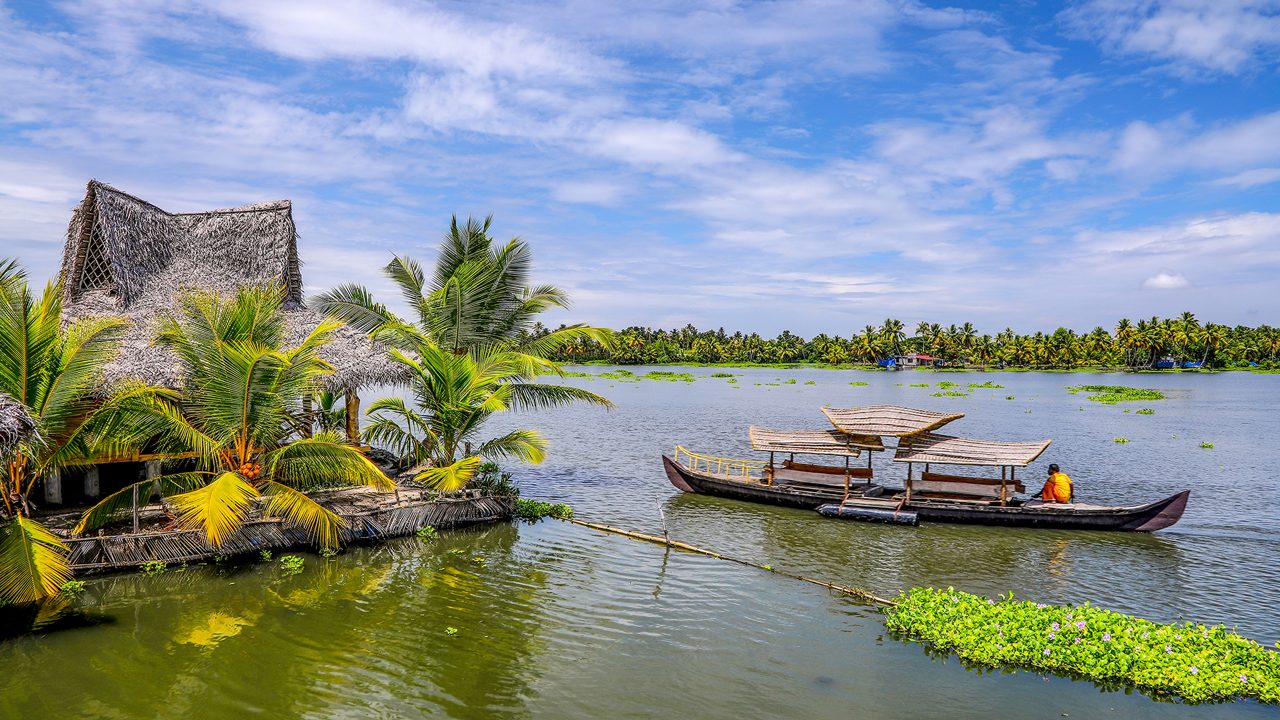
Kumarakom Backwaters: Houseboat Routes, Prices & Booking Tips
Explore Kumarakom backwaters in Kerala with houseboat options, route details, best season, things to do, and accommodation tips for a smooth trip.
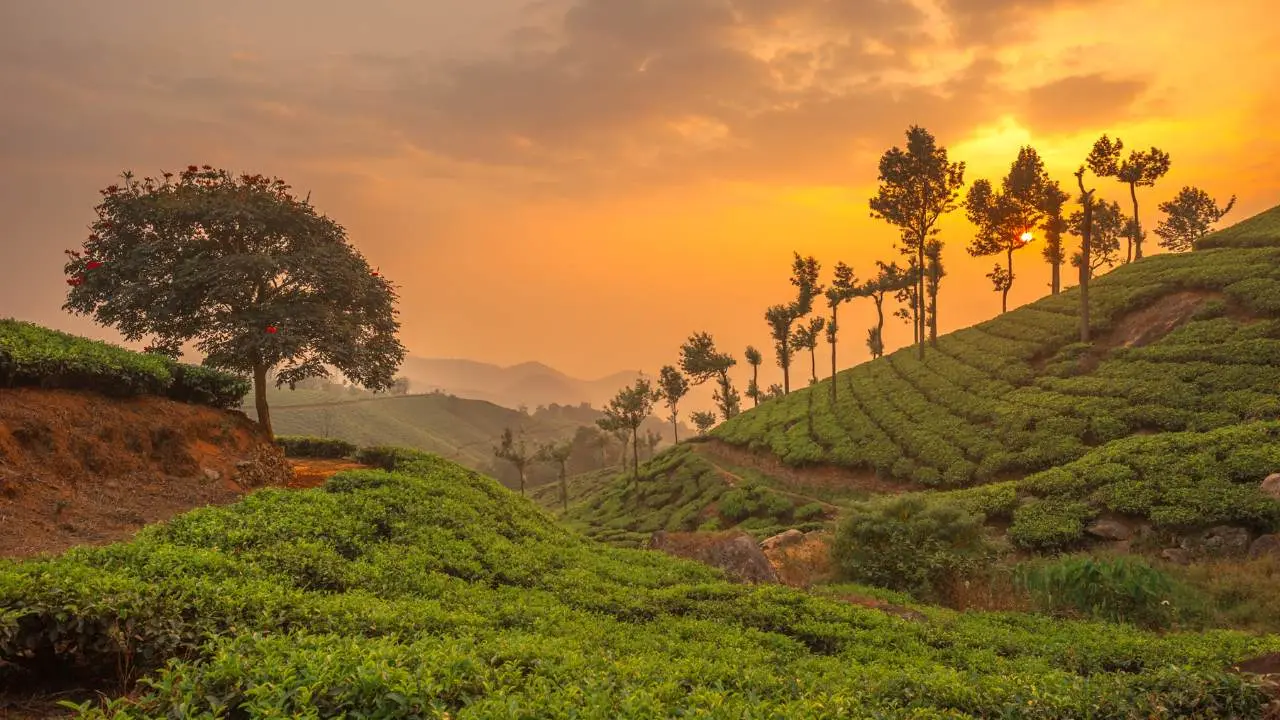
Munnar: Complete Travel Plan Places And Weather
Complete Munnar travel guide. Best time to visit, top attractions, tea garden tours, adventure activities, accommodation, costs, and practical tips for Kerala's famous hill station.
Never Miss an Adventure
Get the latest trekking guides, travel tips, and exclusive offers delivered straight to your inbox.
