

Yanar Dag Azerbaijan: Fire Mountain Timings, Tickets & Best Time

Rahul Garg
January 16, 2026
Discover Yanar Dag (Fire Mountain) in Azerbaijan, where natural gas flames have burned for 4,000 years. Learn history, best time to visit, how to reach from Baku, and practical travel tips.
Azerbaijan's Burning Mountain
Imagine standing before a mountainside engulfed in flames that have burned continuously for thousands of years. This is Yanar Dag, Azerbaijan's legendary "Burning Mountain," where natural gas seeps through the earth's surface and ignites into an eternal fire spectacle. Located on the Absheron Peninsula just 25 kilometers from Baku, this mystical phenomenon has captivated visitors for millennia, from ancient fire worshippers to modern-day travelers.
Unlike many fire attractions that require human intervention or fuel, Yanar Dag's flames are entirely natural—a rare geological wonder where underground natural gas reserves escape through porous sandstone and burn perpetually. The sight is particularly mesmerizing at night when the orange glow illuminates the hillside, creating an almost otherworldly atmosphere that feels connected to Azerbaijan's ancient identity as the "Land of Fire."
What makes Yanar Dag special is its accessibility and authenticity. While Azerbaijan boasts several fire-related attractions, Yanar Dag remains uncommercialized and pure—a simple hillside burning with natural flame. This comprehensive guide covers everything you need to know about visiting this extraordinary natural wonder, from practical logistics to the science behind the flames.
About Yanar Dag
Location and Meaning
Yanar Dag, which translates to "Burning Mountain" in Azerbaijani, is located in the village of Mammadli on the Absheron Peninsula, approximately 25 kilometers northeast of Baku city center. This strategically positioned area sits atop one of the world's richest natural gas reserves, which explains the abundance of fire-related phenomena throughout the region.
The site is easily accessible via good roads from Baku, making it a popular half-day trip for visitors exploring Azerbaijan's capital. The burning section extends approximately 10 meters along the hillside, with flames reaching heights of up to 3 meters (10 feet) at their most intense points. Unlike Azerbaijan's more famous Ateshgah Fire Temple (which was historically man-made), Yanar Dag represents a purely natural phenomenon that requires no human maintenance or fuel supplementation.
Geological Formation
The science behind Yanar Dag is fascinating yet straightforward. The Absheron Peninsula sits atop vast natural gas reservoirs that have formed over millions of years from decomposing organic matter. At Yanar Dag, this gas escapes through porous sandstone rock formations and ignites upon contact with the atmosphere, creating continuous flames that have burned for at least 4,000 years according to historical estimates.
The temperature at the flame source can reach approximately 1,000°C (1,832°F), though visitors feel comfortable warmth from a safe distance. Unlike mud volcanoes (another Azerbaijani geological specialty), Yanar Dag produces only gas and flame—no mud or lava. The hissing sound of escaping gas accompanies the visual spectacle, adding to the sensory experience of visiting this natural wonder.
Historical Significance
Fire has held spiritual significance in Azerbaijan for millennia, and Yanar Dag represents the country's ancient connection to flame worship. The Zoroastrian religion, which dominated this region before Islam, revered fire as divine and considered eternally burning flames as sacred manifestations of Ahura Mazda, the supreme deity.
Historical accounts suggest that Alexander the Great's soldiers discovered Yanar Dag during their campaigns through the region around 330 BCE. The soldiers were reportedly so awed by the sight of a mountain burning without apparent fuel source that they believed it had divine origins. Throughout the centuries, the site has attracted pilgrims, travelers, and curious visitors, all drawn to witness nature's eternal flame.
What makes Yanar Dag historically significant is its continuous burning. Unlike many fire temples that required tending by priests, Yanar Dag's flames have never extinguished, surviving earthquakes, political changes, and the passage of millennia. This permanence contributed to its sacred status in ancient fire-worshipping cultures.
The Eternal Flame Experience
What You'll See
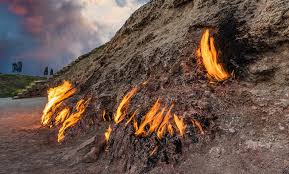
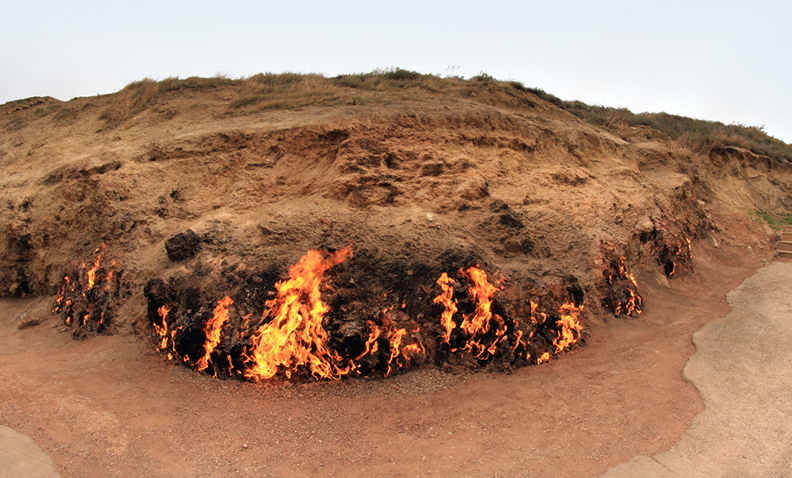
Approaching Yanar Dag, you'll first notice the heat radiating from the hillside before seeing the flames themselves. The burning section appears suddenly along what would otherwise be an ordinary slope—a 10-meter stretch where orange-yellow flames dance continuously, consuming nothing but invisible gas.
The flames vary in intensity from small flickers to impressive bursts reaching 2-3 meters high. Unlike campfires or controlled flames, these burn with a steady consistency, never dying down or flaring dramatically. The effect creates a mesmerizing, almost hypnotic quality as you watch flames that seem to exist independently of any fuel source.
Around the main burning area, you'll notice smaller flames emerging from cracks in the ground, creating a scattered pattern of fire across the hillside. The ground itself appears scorched and blackened from thousands of years of continuous burning, yet vegetation grows surprisingly close to the flames, demonstrating nature's adaptability.
Sensory Experience
Visiting Yanar Dag engages all senses. The visual spectacle dominates—a wall of flame burning against the hillside, especially dramatic at night or dusk. But the experience extends beyond sight. The sound of escaping gas creates a constant hissing backdrop, like a giant, eternal stove burner.
You'll feel the warmth before reaching the barrier—the heat radiates several meters from the flames, welcome on cool evenings but potentially intense on hot summer days. A slight smell of sulfur and natural gas lingers in the air, reminding you of the geological forces at work. Standing before flames that have burned for millennia creates an almost spiritual connection to the ancient peoples who witnessed the same sight thousands of years ago.
Day vs. Night Visits
While Yanar Dag is impressive any time of day, the experience differs dramatically between daylight and darkness. Daytime visits offer clear visibility of the flames against the hillside, making it easier to photograph the entire burning section and observe geological details. You can appreciate the scale and positioning of flames in natural light.
Night visits, however, provide the full dramatic effect. In darkness, the flames illuminate the surrounding area, creating an orange glow that reflects off visitors' faces. The fire appears more intense and mystical after sunset, with the contrast between darkness and flame creating a spectacular visual display. For photography and atmosphere, evening visits (after sunset) are strongly recommended, though daytime visits work better if combining with other Absheron Peninsula attractions in a single trip.
Best Time to Visit Yanar Dag
Seasonal Considerations
Yanar Dag is accessible year-round, as the natural phenomenon continues regardless of weather conditions. However, seasonal factors affect the visitor experience:
Spring (April-May): Pleasant temperatures make this an ideal time for visiting. The countryside around Yanar Dag is green and blooming, creating a beautiful contrast with the burning hillside. Crowds are moderate, and weather allows comfortable outdoor exploration.
Summer (June-August): Peak tourist season brings the most visitors and highest temperatures. While the flames remain spectacular, the heat can be intense when combined with warm summer weather. Evening visits are recommended to avoid midday heat. The advantage of summer is longer daylight hours and the ability to combine Yanar Dag with other attractions in a full day of sightseeing.
Autumn (September-October): Many travelers consider this the best time to visit. Temperatures moderate, summer crowds diminish, and the clear autumn air provides excellent visibility. The golden hour before sunset creates particularly beautiful lighting for photography.
Winter (November-March): Cool to cold weather means fewer tourists and a more intimate experience with the flames. The fire's warmth feels particularly inviting in winter air. Snow occasionally dusts the ground around the flames, creating a striking visual contrast between fire and ice. Evening visits in winter are especially atmospheric—the fire illuminates frosty surroundings for a magical scene.
Time of Day
For the most dramatic experience, plan your visit for sunset or shortly after. The transition from daylight to darkness allows you to see both day and night versions of the flames, and the orange glow of fire combines beautifully with sunset colors. Aim to arrive 30 minutes before sunset so you can watch the flames become increasingly dramatic as darkness falls.
Full darkness (1-2 hours after sunset) provides the classic Yanar Dag experience with maximum flame visibility. The site remains open late, and many tours schedule evening arrivals specifically for the after-dark spectacle. If visiting independently, consider arriving between 6:00 PM and 8:00 PM during summer or 5:00 PM and 7:00 PM during winter for optimal lighting.
How to Reach Yanar Dag from Baku
By Taxi or Ride-Hailing
The most convenient way to reach Yanar Dag is by taxi or ride-hailing service from Baku. The journey takes approximately 30-40 minutes depending on traffic and covers about 25 kilometers.
Taxi Costs: Expect to pay 20-40 AZN ($12-24) for a one-way trip. It's worth negotiating the price before starting the journey, or ask your driver to wait while you visit (typically an extra 10-15 AZN). Many taxi drivers are familiar with Yanar Dag and can take you directly there without needing navigation.
Ride-Hailing: Services like Uber operate in Baku and can take you to Yanar Dag. The advantage is transparent pricing, though availability for return trips from a rural location might be limited. Consider asking your driver to wait or arranging return transportation in advance.
Organized Tours
Tour operators in Baku offer half-day tours combining Yanar Dag with other Absheron Peninsula attractions, particularly the Ateshgah Fire Temple. These tours typically cost 40-60 AZN ($24-36) per person and include transportation, guide services, and entry fees.
The advantage of organized tours is convenience and the combination of multiple attractions in a single trip. Most tours last 4-5 hours and include hotel pickup and drop-off. English-speaking guides provide historical context and geological explanations that enhance the experience. Book through Baku tourism offices, hotels, or reputable tour operators online.
By Public Bus
For budget travelers, public buses connect Baku to villages near Yanar Dag, though this option requires some navigation. Bus routes from Baku's central bus station serve settlements on the Absheron Peninsula. You'll likely need to take a bus toward Mammadli village and walk approximately 1-2 kilometers to reach Yanar Dag.
Bus fares are very inexpensive (under 2 AZN), but the journey takes longer due to stops, and you'll need some Azerbaijani language skills or translation apps to navigate. This option works best for adventurous travelers comfortable with local transportation and willing to walk.
By Rental Car
Renting a car in Baku gives you flexibility to explore the Absheron Peninsula at your own pace. Roads to Yanar Dag are well-paved and clearly signposted. GPS navigation works reliably for the route.
Rental cars cost approximately 40-80 AZN per day depending on the vehicle type. Having your own transportation allows you to combine Yanar Dag with other Absheron attractions like Ateshgah, Mardakan Castles, or beaches along the Caspian Sea. Parking at Yanar Dag is free and readily available.
What to Expect During Your Visit
Site Layout and Facilities
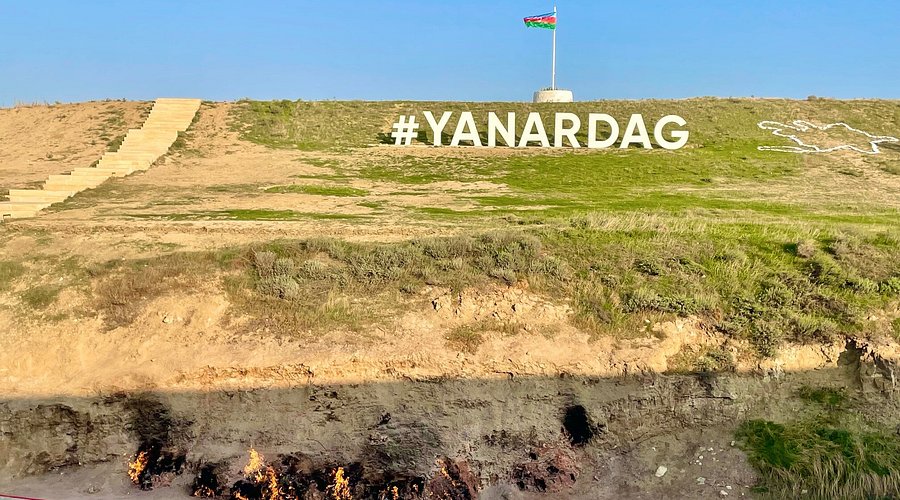
Yanar Dag is relatively compact, and most visitors spend 30-60 minutes at the site. Upon arrival, you'll find a small parking area and basic facilities. The burning hillside is visible immediately upon parking—you don't need to hike or walk far to reach the flames.
The site features a designated viewing area with safety barriers preventing visitors from getting too close to the flames. These barriers are essential for safety, as the heat near the source can be dangerous, and the ground around the flames may be unstable. Informational boards (in Azerbaijani and English) explain the geological formation and historical significance of Yanar Dag.
Basic facilities include a small café/restaurant serving snacks and drinks, a souvenir shop selling Azerbaijan-themed gifts, and clean restrooms. A covered seating area provides relief from sun or heat while still offering views of the flames. The facilities are simple but adequate for the site's needs.
What to Bring
Clothing: Wear comfortable, casual clothing appropriate for the season. The heat from the flames makes the immediate area warmer than surrounding air, so you may feel comfortable in lighter clothing even in cooler weather. Avoid loose, flowing clothes that could catch wind—though safety barriers prevent close contact, it's still wise to dress sensibly around open flames.
Footwear: Closed, comfortable shoes are recommended. The ground around Yanar Dag may be uneven or warm in areas near the flames. sandals or flip-flops aren't advisable.
Photography: Bring your camera or smartphone—Yanar Dag is incredibly photogenic. For night photography, consider bringing a tripod for steady shots in low light. The orange fire creates dramatic images, especially with human silhouettes in the foreground.
Cash: While credit cards might be accepted at the café and shop, cash is always useful for small purchases, tips, or transportation. The Azerbaijani manat (AZN) is the local currency.
Water: Especially in summer, bring water to stay hydrated. The heat from the flames combined with warm weather can be dehydrating. There's water available for purchase on-site, but having your own ensures you stay comfortable.
Safety Considerations
Yanar Dag is generally safe, but basic precautions ensure a comfortable visit:
- Respect Barriers: Stay behind designated safety barriers. The flames are hotter and more powerful than they appear from a distance.
- Maintain Distance: Even outside barriers, avoid leaning over or trying to touch the flames. The ground around the burning area may be unstable or extremely hot.
- Supervise Children: If traveling with children, keep them close and ensure they understand the importance of staying behind barriers.
- Avoid Intoxication: Don't visit under the influence of alcohol or drugs. Good judgment is essential around open flames.
- Fire Safety: While unlikely, be aware of your surroundings and know emergency exits. The site is well-maintained, and risks are minimal when following guidelines.
Duration and Timing
Most visitors spend 30-60 minutes at Yanar Dag. The site is small but mesmerizing—you may find yourself lingering longer than expected watching the flames. There's no minimum or maximum time limit, so stay as long as you wish to absorb the experience.
If combining with other attractions, plan approximately 1 hour for Yanar Dag including arrival, viewing, photography, and departure. If visiting for photography specifically, allow extra time to experiment with different angles, exposures, and lighting conditions.
Nearby Attractions to Combine
Ateshgah Fire Temple
Located approximately 10 kilometers from Yanar Dag, Ateshgah Fire Temple is Azerbaijan's most famous historical fire site. This ancient Zoroastrian temple complex features a central fire altar that burned for centuries fueled by natural gas. Unlike Yanar Dag's natural fire, Ateshgah's flames were historically maintained by priests, though the temple's position atop a natural gas vent was no accident.
The temple complex includes historic chambers, cells for ascetic monks, and informative exhibits about fire worship. Ateshgah and Yanar Dag are commonly combined in half-day tours, offering visitors both historical and natural perspectives on Azerbaijan's fire heritage. Allow 1-1.5 hours for Ateshgah visitation.
Mardakan Castles
The Absheron Peninsula features several historic castles and fortifications, with Mardakan Castles being the most accessible. These medieval fortresses, built from 12th-14th centuries, showcase defensive architecture from the Shirvanshah era. Two castles in Mardakan village are open to visitors, featuring towers, walls, and historical exhibits.
The castles are approximately 15 kilometers from Yanar Dag and provide interesting contrast to the natural fire site—ancient human construction versus natural wonder. Allow 45 minutes-1 hour for castle exploration.
Ramana Castle
This 14th-century castle rises dramatically from the Absheron landscape and is visible from miles around. Built during the Shirvanshah period, Ramana Castle features a distinctive tall tower and well-preserved fortifications. The castle is approximately 12 kilometers from Yanar Dag and offers panoramic views of the surrounding countryside.
Ramana Castle has appeared in several films, adding to its fame. The site is free to visit and requires approximately 30-45 minutes for exploration.
Mud Volcanoes
Azerbaijan boasts nearly half of the world's mud volcanoes, and several are accessible on the Absheron Peninsula. These geological features erupt cold mud rather than lava, creating a lunar-like landscape. Popular mud volcano sites near Baku include Lokbatan and Gobustan (slightly farther but more spectacular).
Mud volcanoes offer a fascinating contrast to Yanar Dag's fire—cool, bubbling mud versus hot, burning flame. If interested in geology, combining both provides excellent insight into Azerbaijan's diverse natural phenomena.
Old City (Icherisheher) Baku
Back in Baku, the Old City (Icherisheher) represents Azerbaijan's historical heart. This UNESCO World Heritage site features ancient walls, the Maiden Tower, Maiden Tower, Palace of the Shirvanshahs, and narrow medieval streets. After exploring natural fire phenomena, the Old City provides cultural and historical context to Azerbaijan's rich heritage.
Old City Baku merits at least half a day, ideally a full day for thorough exploration. It's easily walkable from most Baku hotels and represents a must-see attraction regardless of your itinerary.
Flame Towers
Modern Baku's most iconic buildings, the Flame Towers, reference Azerbaijan's fire heritage in contemporary architecture. These three skyscrapers dominate Baku's skyline and feature LED lighting that creates a burning flame effect at night. Viewing the towers after dark provides a bookend to your fire-themed day—ancient natural fire at Yanar Dag, modern architectural fire at Flame Towers.
The towers are visible from throughout Baku, particularly from the Old City or Flame Towers viewpoint. No entry is required—simply enjoy the exterior spectacle and photo opportunities.
Practical Travel Tips
Planning Your Visit
Combine with Other Attractions: Yanar Dag alone doesn't justify a long journey from Baku unless you have specific interest. Combine it with Ateshgah Fire Temple and Absheron Peninsula attractions for a satisfying half-day excursion. Most visitors allocate 4-5 hours for this combined trip.
Book Return Transport: If traveling independently, ensure you have arranged return transportation before arriving. Taxis aren't always readily available in this rural area, and you don't want to be stranded after dark. Either negotiate with your driver to wait or have a ride-hailing app ready with confirmation that cars are available.
Timing for Sunset: If possible, time your visit for sunset. The golden hour provides beautiful lighting, and the transition to darkness showcases the flames' increasing drama. Arrive 30 minutes before sunset to experience both day and night versions.
Check Weather: While the flames burn regardless of weather, heavy rain can make the viewing experience less pleasant. Check forecasts and plan accordingly. Clear evenings provide the best visibility and photography conditions.
Photography Tips
Night Photography: Yanar Dag is spectacular at night but requires careful camera settings. Use a low ISO (100-400) to minimize noise, slow shutter speed (1/15 to 1 second depending on lens), and a tripod for stability. If no tripod is available, brace your camera against a solid surface.
Human Elements: Photos including people silhouetted against the flames create dramatic scale and storytelling. Have subjects stand to the side rather than directly in front of flames for safety and visual composition.
Multiple Angles: Capture Yanar Dag from various positions along the viewing area. Different angles show varying perspectives on the flame height, spread, and relationship to the hillside. Include some wider shots establishing the location and closer shots focusing on flame details.
Experiment with Exposure: Fire challenges camera meters. Try exposure compensation (+/- EV) to find the right balance—underexposing slightly can intensify flame colors while capturing some surrounding detail.
Cultural Context
Understanding Yanar Dag's cultural significance enhances your visit. This isn't just a geological curiosity—it's a sacred site that represented divine presence to ancient Zoroastrians. The eternal flame symbolizes purity, truth, and the eternal nature of spirit in Zoroastrian philosophy.
Azerbaijan's identity as the "Land of Fire" stems from such phenomena. The country's name itself may derive from "Azer" (fire) and "baijan" (land). This connection to fire influenced everything from ancient religion to modern architecture—evident in Baku's Flame Towers and countless fire references throughout Azerbaijani culture.
When visiting, approach with respect for this cultural heritage. While Yanar Dag isn't actively used for religious worship today, it remains a powerful symbol of Azerbaijan's ancient spiritual traditions. Avoid disrespectful behavior, excessive noise, or treating the site as mere entertainment.
Budget Considerations
| Expense Category | Budget Option (AZN) | Mid-Range Option (AZN) |
|---|---|---|
| Transportation | Public bus: 2-4 | Taxi: 20-40 one-way |
| Organized Tour | Group tour: 40-60 | Private tour: 80-120 |
| Food & Drinks | None (bring your own) | Café snacks: 5-15 |
| Souvenirs | None | 10-50 |
| Total Visit Cost | 2-4 AZN | 35-105 AZN |
These estimates assume you're already based in Baku. Organized tours provide better value if visiting multiple attractions, as transportation costs are shared. Budget travelers can visit Yanar Dag very inexpensively using public transportation, though this requires more time and navigation effort.
Making the Most of Your Visit
Combine with Ateshgah: As mentioned repeatedly, these two sites work perfectly together. Most tour operators offer combined visits, and doing both provides comprehensive understanding of Azerbaijani fire culture—natural at Yanar Dag, human-managed at Ateshgah.
Evening Timing: We can't overemphasize this—visit after sunset if possible. The flames are dramatically more impressive at night, and the difference between day and night visits is substantial. Adjust your schedule accordingly, even if it means postponing Yanar Dag to a second evening in Baku.
Learn Before Visiting: Read about Zoroastrianism, ancient fire worship, and Azerbaijani history before your visit. This context transforms Yanar Dag from "cool burning rocks" to sacred ground that inspired awe for millennia. Even 30 minutes of background reading enhances your appreciation.
Take Your Time: Don't rush. The site is small, but the experience benefits from unhurried observation. Watch the flames for 10 minutes, noticing how they move and change. Sit quietly and absorb the atmosphere. Many visitors rush in, snap photos, and leave quickly—missing the meditative quality the site offers to patient visitors.
Yanar Dag represents one of Azerbaijan's most unique and accessible natural wonders. An eternal flame burning for thousands of years, witnessed by everyone from ancient Zoroastrian priests to modern tourists, connects visitors directly to humanity's ancient relationship with fire. Whether you're interested in geology, history, spirituality, or simply seeking unique experiences, Yanar Dag delivers a memorable encounter with nature's spectacular power.
The burning mountain of Azerbaijan offers more than impressive photos—it provides a moment of awe at natural phenomena that have fascinated humans for millennia. In a world where most experiences are manufactured and temporary, Yanar Dag represents something authentic and eternal, a burning testament to Earth's mysterious power and Azerbaijan's enduring identity as the Land of Fire.
Location
Frequently Asked Questions
Q1.What is Yanar Dag famous for?
Q2.Is Yanar Dag natural fire or man-made?
Q3.How do I reach Yanar Dag from Baku?
Q4.What is the best time to visit Yanar Dag?
Q5.Is there an entry fee for Yanar Dag?
Q6.How long does it take to visit Yanar Dag?
Q7.Can we see Yanar Dag fire during the daytime?
Q8.Is Yanar Dag worth visiting?
Recommended For You

Ateshgah Fire Temple Baku: History, Tickets & Visitor Information
Explore Ateshgah Temple Baku: Ancient Zoroastrian fire temple with eternal flames, Sanskrit inscriptions, and Indian connections. Complete visitor guide with history and practical tips.

Shopping in Baku: Malls, Old City & Souvenirs
Discover shopping in Baku Azerbaijan: from luxury malls like Port Baku to traditional Old City bazaars. Guide to carpets, souvenirs, and best shopping areas.

Baku Azerbaijan: Complete Travel Plan Places And Weather
Plan your Baku trip with itinerary ideas, costs, visa basics, transport tips, best season, and key attractions across Azerbaijan's capital.
Never Miss an Adventure
Get the latest trekking guides, travel tips, and exclusive offers delivered straight to your inbox.
