
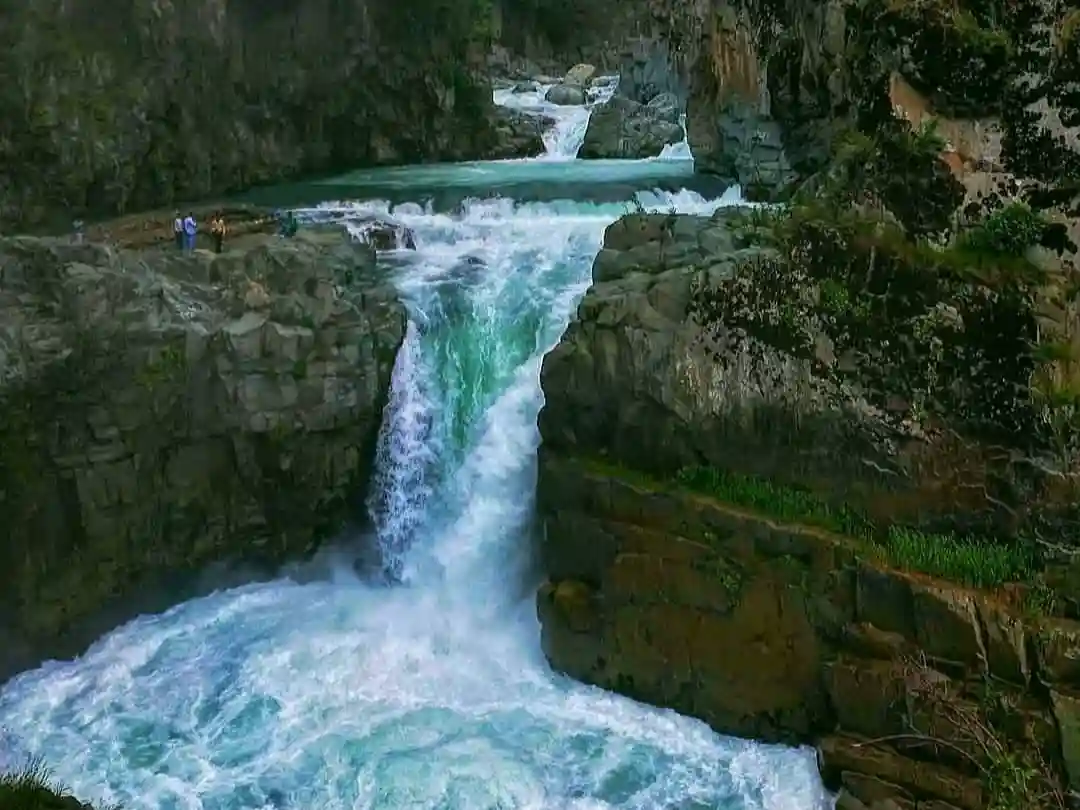
Aharbal Waterfall Kashmir: Trek Guide & Tips

Priya Mehta
December 17, 2025
Discover Aharbal Waterfall, the Niagara of Kashmir. Complete trek guide, best time to visit, how to reach from Srinagar & photography tips for this spectacular Kashmiri waterfall.
The Niagara of Kashmir
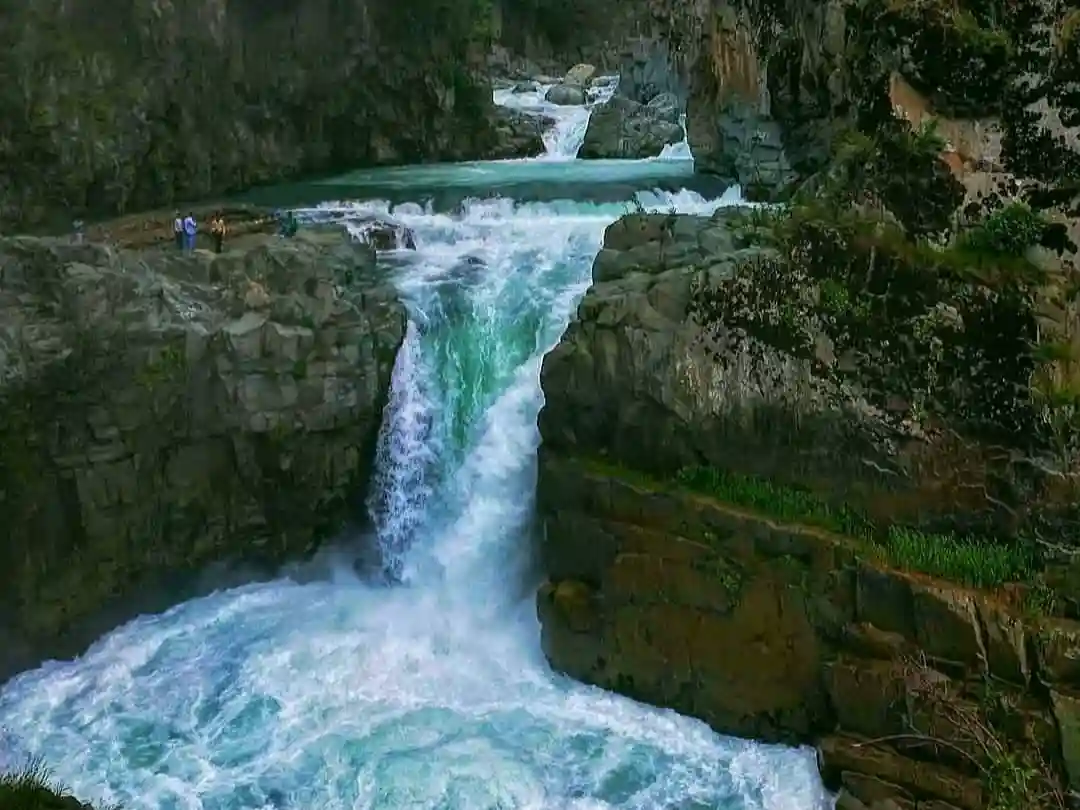
In the verdant valleys of Kashmir, where the majestic Pir Panjal range meets the lush meadows of Kulgam district, lies Aharbal Waterfall – often called the "Niagara of Kashmir" for its sheer power and breathtaking beauty. This spectacular waterfall, formed by the Veshu River as it cascades down a 25-meter drop, is one of Kashmir's most impressive natural wonders and a must-visit destination for nature lovers and adventure enthusiasts.
Unlike many tourist attractions in Kashmir that have become commercialized, Aharbal retains its pristine, untouched character. The waterfall thunders with such force that you can hear it from a distance, and the sight of millions of gallons of water crashing into the pool below is a humbling reminder of nature's raw power. Surrounded by dense pine forests and meandering walking trails, Aharbal offers the perfect escape from the crowds of Srinagar and Gulmarg.
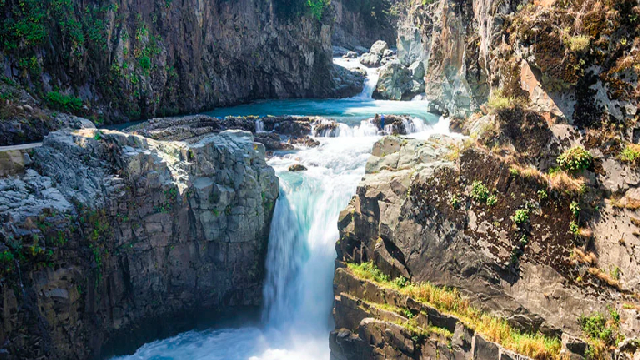
For travelers seeking offbeat places in Srinagar Kashmir, Aharbal Waterfall provides an authentic experience of Kashmir's natural beauty. Whether you're a trekking enthusiast, a photography buff, or simply someone who wants to experience nature at its most magnificent, Aharbal promises an unforgettable adventure.
About Aharbal Waterfall
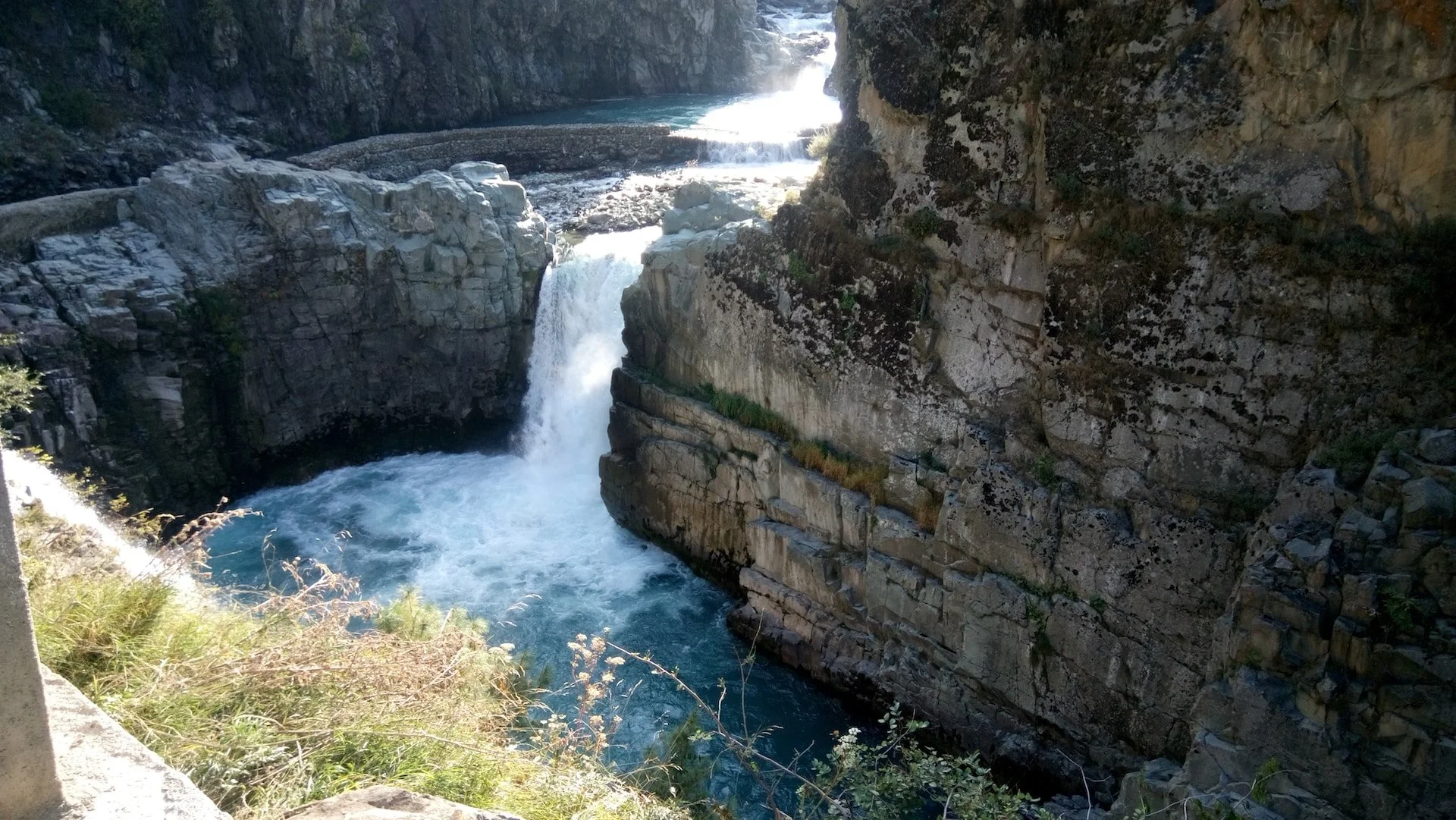
Aharbal Waterfall is formed by the Veshu River, a tributary of the Jhelum, as it flows through the mountains of Kulgam district. The waterfall drops approximately 25 meters (82 feet) over a rocky ledge, creating a spectacular cascade that's particularly impressive during and after the monsoon season when the river is in full flow.
The Majestic Setting
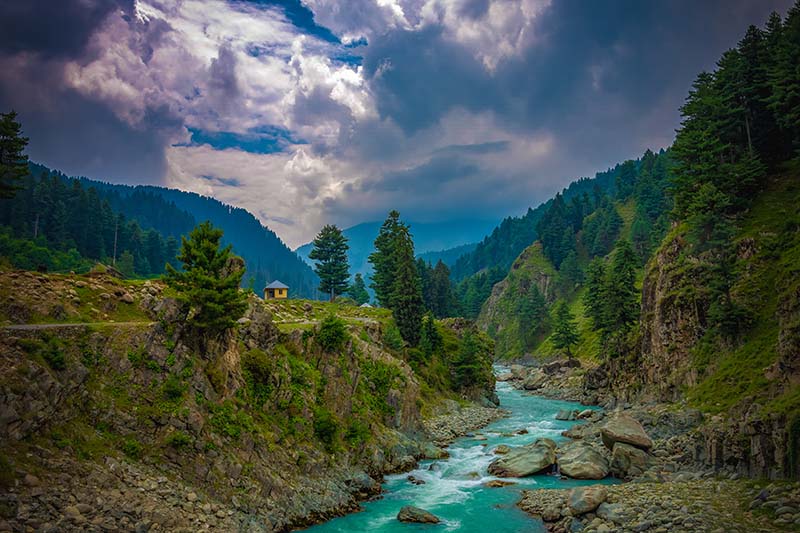
What makes Aharbal truly special is its setting. The waterfall is surrounded by dense coniferous forests of pine and deodar trees, creating a natural amphitheater that amplifies the thunderous sound of falling water. The contrasting colors – white foam, grey rocks, green forests, and blue sky – create a visual spectacle that changes with the seasons.
The Veshu River, both above and below the falls, is crystal clear and originates from the pristine Kousar Nag Lake high up in the mountains. The water remains cold even in summer, and the pool at the base of the waterfall, though dangerous for swimming, offers spectacular views of the falls from below.
Why "Niagara of Kashmir"?
The nickname "Niagara of Kashmir" isn't just marketing hyperbole. While obviously smaller than the actual Niagara Falls, Aharbal shares similar characteristics: the width of the cascade, the volume of water, and the sheer power of the falling water create a comparable experience on a smaller scale. During peak flow, the spray rises meters into the air, creating rainbows in the sunlight and drenching visitors who venture too close.
The Geological Story
The waterfall exists because of the unique geology of the region. The Veshu River has cut through the rock over millennia, creating a natural ledge where the water plunges dramatically. The rocks around the falls are smooth and polished by centuries of flowing water, and the pool below shows signs of the constant erosion caused by the falling water's tremendous force.
Best Time to Visit Aharbal Waterfall
The timing of your visit significantly affects your experience of Aharbal Waterfall. Each season offers a different perspective on this natural wonder.
Summer (April to June) – Recommended
April to June is the ideal time for trekking and outdoor exploration. The weather is pleasant with temperatures ranging from 15°C to 25°C, making it comfortable for walking and photography. The waterfall flow is steady but not overwhelming, and the surrounding forests are lush and green.
- April & May: Perfect weather, wildflowers in bloom, good water flow
- June: Warmer but still comfortable, water levels moderate
This is also the best time for combining your Aharbal visit with a trek to Kousar Nag Lake or exploring other parts of Kashmir.
Monsoon (July to September) – Spectacular but Challenging
The monsoon season brings out Aharbal's most dramatic avatar. The waterfall roars at full capacity, and the volume of water is truly spectacular. However, this comes with challenges:
- Pros: Maximum water flow, dramatic views, lush greenery
- Cons: Slippery trails, leeches in the forest, difficult trekking conditions
If you visit during monsoon, wear good grip shoes, carry leech socks, and be extremely careful on the steep descent to the waterfall's base. The views are worth it, but safety should be your priority.
Autumn (October to November) – Pleasant & Quiet
Autumn brings crisp weather and fewer crowds. The water flow is reduced compared to monsoon but still impressive. The surrounding forests begin to change color, creating a beautiful backdrop for photography. This is an excellent time for trekking in Kashmir.
Winter (December to March) – For the Adventurous
Winter transforms Aharbal into a frozen wonderland. The waterfall partially freezes, creating spectacular ice formations. However, access becomes challenging:
- Road Access: Roads may be closed due to snow
- Trekking: Only for experienced winter trekkers with proper equipment
- Views: Spectacular frozen waterfall, but difficult to reach
Winter visits are not recommended for casual tourists but can be incredibly rewarding for adventure enthusiasts.
How to Reach from Srinagar
Aharbal Waterfall is accessible from Srinagar by road, and the journey itself is scenic, passing through beautiful Kashmiri countryside.
| Route Detail | Information |
|---|---|
| Distance from Srinagar | Approximately 75 km |
| Travel Time | 2.5 – 3 hours by road |
| Route | Srinagar → Pulwama → Shopian → Aharbal |
| By Taxi | ₹2,500 – 4,000 for round trip |
| By Bus | Up to Kulgam, then local taxi |
By Taxi or Private Car
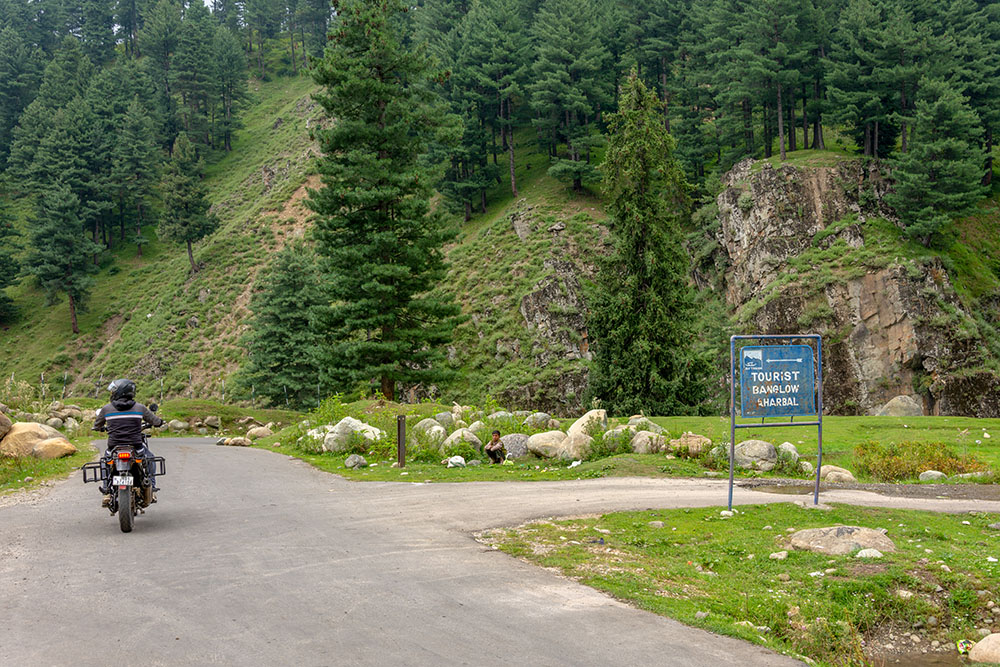
This is the most convenient option. Hire a taxi from Srinagar for a day trip. The drive takes you through Pulwama (famous for saffron fields) and Shopian (known for apple orchards). The roads are generally good, though the last stretch from Kulgam to Aharbal can be narrow and winding.
Most drivers will wait at Aharbal while you explore (typically 2-3 hours). Negotiate the waiting time as part of your fare. If you're planning to do the full trek to the waterfall base and back, let your driver know so they can plan accordingly.
By Bus and Local Transport
For budget travelers, take a bus from Srinagar to Kulgam (buses run regularly throughout the day). From Kulgam, hire a local taxi or share a sumo to Aharbal (approximately 25 km). This is more economical but less convenient, especially if you're carrying trekking gear.
Nearest Towns
- Kulgam: 25 km from Aharbal – main town with facilities
- Shopian: 40 km from Aharbal – known for apple orchards
- Pulwama: On the route from Srinagar
The Trek Experience
While you can see the main waterfall from a viewpoint near the parking area, the real experience of Aharbal lies in the trek to its base. The trek is easy to moderate in difficulty and offers spectacular views along the way.
Trek Overview
- Difficulty Level: Easy to Moderate
- Distance: Approximately 1 km one way
- Duration: 30-45 minutes to descend, 45-60 minutes to climb back
- Best For: Anyone with reasonable fitness
Starting the Trek
The trek begins from the main viewpoint near the parking area. A well-defined path leads down through the pine forest. The initial section is relatively gentle, with information boards about the waterfall and local flora and fauna.
As you descend, the sound of the waterfall grows louder, building anticipation. The path is paved in some sections and rough in others, with stone steps in steeper areas. Wear shoes with good grip – the path can be slippery, especially near the waterfall where mist keeps the ground damp.
Multiple Viewpoints
Along the trek, there are several viewpoints offering different perspectives of the waterfall:
Viewpoint 1 (Upper): About 15 minutes into the trek, this viewpoint offers a panoramic view of the waterfall from above. You can see the Veshu River approaching the falls and the full width of the cascade.
Viewpoint 2 (Middle): Further down, this viewpoint is at approximately the same level as the waterfall's top. From here, you really appreciate the height and power of the falls.
Base of the Falls: The final viewpoint is at the pool below the waterfall. This requires the steepest descent but offers the most dramatic view – looking up at the falling water. The spray here is intense, and you'll get wet if you venture too close. This is where you really feel the raw power of Aharbal.
The Climb Back
The return trek is uphill and can be tiring, especially if you're not used to hiking. Take your time, rest when needed, and carry water. The climb typically takes 45-60 minutes at a leisurely pace. Use the climb to appreciate the forest scenery – you might spot birds, Himalayan squirrels, or if you're lucky, some of the region's more elusive wildlife.
Trekking Tips
- Footwear: Shoes with good grip are essential – the path is often damp
- Water: Carry at least 1 liter of water per person
- Clothing: Layers – it's cooler near the waterfall
- Timing: Start early to avoid crowds and have better lighting for photos
- Fitness: Moderate fitness required – take breaks if needed
- Safety: Don't cross safety barriers – the rocks near the falls are extremely slippery
Photography Tips
Aharbal Waterfall is a photographer's paradise. Here are some tips to capture its beauty:
Best Lighting
Early Morning (8-10 AM): Soft, golden light creates beautiful effects on the waterfall. The morning light comes from behind the falls when viewed from most angles, creating interesting backlighting opportunities.
Late Afternoon (3-5 PM): Similar golden hour effect, with the added bonus of fewer crowds. The setting sun can create spectacular rainbows in the waterfall's spray.
Avoid midday (11 AM – 2 PM) when harsh sunlight creates high contrast and makes exposure challenging. The water reflects a lot of light, often resulting in overexposed highlights.
Camera Settings
Shutter Speed: Use slow shutter speeds (1/15 to 1 second) to create the silky water effect. You'll need a tripod or stable surface. Without stabilization, use faster shutter speeds (1/125 or faster) to freeze the water's motion.
Aperture: f/8 to f/16 for depth of field if you want both foreground and background sharp. Use wider apertures (f/2.8 to f/4) if you want to isolate specific elements.
ISO: Keep ISO low (100-200) for best quality. Increase only if necessary to maintain shutter speed.
Equipment Recommendations
- Wide-Angle Lens: For capturing the full width of the waterfall and surrounding scenery
- Telephoto Lens: For compressing distance and capturing details
- Tripod: Essential for long-exposure shots – the lightweight travel variety works well
- Filters: Polarizing filter reduces glare and enhances colors; ND filter allows longer exposures even in bright light
- Water Protection: Spray from the falls can damage your gear – use a rain cover or plastic bag
Composition Ideas
Wide Shots: Capture the entire waterfall with surrounding forest for context. Include the sky if there are interesting clouds.
Detail Shots: Focus on specific elements – water hitting rocks, the plunge pool, individual streams of water, or the forest floor nearby.
Human Element: Include people in your shots to show scale – the waterfall is much larger than it appears in photos without reference points.
From Below: The base viewpoint offers dramatic upward angles, making the waterfall appear even more impressive.
Nearby Attractions
If you're making the journey to Aharbal, consider combining it with these nearby attractions:
Kousar Nag Lake
For serious trekkers, the trek to Kousar Nag Lake is an excellent extension of the Aharbal visit. This high-altitude lake, at approximately 4,000 meters, is the origin of the Veshu River. The trek takes 2-3 days round trip and passes through some of Kashmir's most beautiful high-altitude meadows.
The lake is considered sacred by locals and is surrounded by snow-capped peaks even in summer. It's a challenging trek recommended only for experienced hikers with proper equipment and preferably a local guide.
Kulgam Town
The main town near Aharbal, Kulgam offers a glimpse into everyday Kashmiri life away from the tourist trail. Visit the local markets, try Kashmiri cuisine at local eateries, and interact with friendly locals. The town is particularly beautiful during apple harvesting season (August-September).
Shopian
Known as the "Apple Town" of Kashmir, Shopian is famous for its apple orchards. If you're visiting during harvest season (August-September), the drive through Shopian offers beautiful views of apple-laden trees. You can stop at orchards to buy fresh apples directly from farmers.
Noorabad Tral
About 30 km from Aharbal, this area has natural springs and beautiful countryside. It's less developed for tourism but offers an authentic rural Kashmir experience.
Combined Itinerary Suggestion
Full Day from Srinagar:
- 7:00 AM: Depart Srinagar
- 9:00 AM: Stop at Pulwama saffron fields (seasonal)
- 10:30 AM: Arrive Aharbal, trek to waterfall base
- 1:00 PM: Picnic lunch near waterfall
- 2:30 PM: Visit Shopian apple orchards (seasonal)
- 5:00 PM: Depart for Srinagar
- 7:30 PM: Arrive Srinagar
Conclusion
Aharbal Waterfall is one of those rare natural attractions that lives up to its reputation. The "Niagara of Kashmir" nickname is well-deserved – the power, beauty, and sheer scale of the falls make it one of Kashmir's most impressive natural sights.
What sets Aharbal apart is its authenticity. Unlike many tourist spots that have been commercialized, Aharbal remains raw and untamed. The trek to the base takes effort, but that effort makes the reward sweeter. Standing at the base of the falls, drenched by spray, overwhelmed by the thunder of falling water, you feel small in the face of nature's grandeur – and that's exactly how it should be.
For travelers planning a Kashmir trip, Aharbal offers a perfect counterpoint to the valley's more famous attractions. While Gulmarg offers skiing and Pahalgam offers meadows, Aharbal offers raw, untamed nature – a reminder of the wild beauty that makes Kashmir special.
Our guide on Kashmir trip cost can help you plan a comprehensive itinerary that includes Aharbal and other offbeat gems. Whether you're a first-time visitor to Kashmir or a returning traveler looking to explore beyond the usual circuit, Aharbal Waterfall deserves a place on your itinerary.
So pack your trekking shoes, charge your camera, and prepare to be awestruck by the thundering majesty of Aharbal – Kashmir's hidden gem that's waiting to be discovered.
Location
Frequently Asked Questions
Q1.Where is Aharbal Waterfall located?
Q2.How far is Aharbal from Srinagar?
Q3.What is the best time to visit Aharbal?
Q4.Is the trek to Aharbal difficult?
Q5.How much time does it take to explore Aharbal?
Q6.Can we visit Aharbal in winter?
Q7.Are there accommodations near Aharbal?
Q8.What should I carry for the trek?
Q9.Is there parking available at Aharbal?
Q10.What are the photography timings at Aharbal?
Recommended For You
Best Time to Visit Kashmir: Month-by-Month Weather & Activities
Plan the best time to visit Kashmir with month-by-month weather, snow and bloom seasons, and practical guidance for sightseeing, honeymoon, and family travel.
Kashmir: Complete Travel Plan Places And Weather
Complete Kashmir travel guide! Discover best time to visit, places to visit, itineraries, things to do, budget planning & tips for your Kashmir valley trip.
Places to Visit in Kashmir in May: Spring Blooms & Pleasant Weather
Discover the best places to visit in Kashmir in May with a complete spring guide to Srinagar, Gulmarg, Pahalgam, Sonamarg, weather, and travel planning.
Never Miss an Adventure
Get the latest trekking guides, travel tips, and exclusive offers delivered straight to your inbox.
