
Trekking
Trekking in Kashmir: Best Routes, Seasons & Preparation Tips
Rohit Verma
February 20, 2026
5 min read3,361 views
Plan trekking in Kashmir with route difficulty comparison, season strategy, fitness checklist, permits, and safety-first logistics.
Kashmir trekking overview and route categories
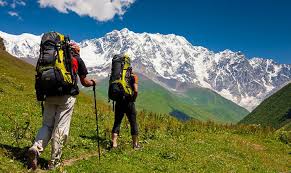
Kashmir offers some of India’s most scenic trekking terrain, ranging from beginner-friendly meadow trails to high-altitude alpine routes with changing weather and technical exposure differences. The best trek choice depends on fitness level, acclimatization time, seasonal window, and on-ground support availability. Most travel pages list popular treks but skip decision logic. For first-time trekkers, route selection should happen in this order: experience level, season fit, altitude tolerance, and evacuation practicality. Once these are clear, your budget and gear plan become easier and safer. If you are combining trekking with city exploration, align this with Kashmir Travel Guide before locking transport dates.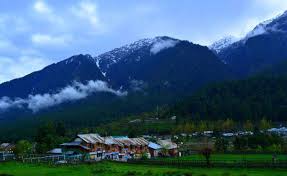
Best treks by difficulty level
Choosing a trek by difficulty prevents overcommitment and reduces avoidable risk.| Trek Level | Route Style | Who It Fits | Preparation Need |
|---|---|---|---|
| Beginner | Short altitude gain, easier walking days | First-time trekkers with basic fitness | Pre-trip walking and stamina routine |
| Moderate | Longer days and mixed terrain | Regular hikers with prior hill exposure | Cardio plus leg-strength preparation |
| Advanced | Higher altitude, unpredictable weather, multi-day load | Experienced trekkers | Structured acclimatization and technical planning |
Best season and weather planning
Season choice determines trail condition, visibility, and safety margins more than any gear upgrade. - Late spring to early autumn windows are commonly preferred for stable trekking conditions. - Shoulder periods need stronger buffer planning for weather shifts. - Monsoon influence and high-altitude rain/snow transitions can alter route feasibility quickly. Use season intelligence from Best Time to Visit Kashmir, then finalize your trek dates with local operator updates close to departure.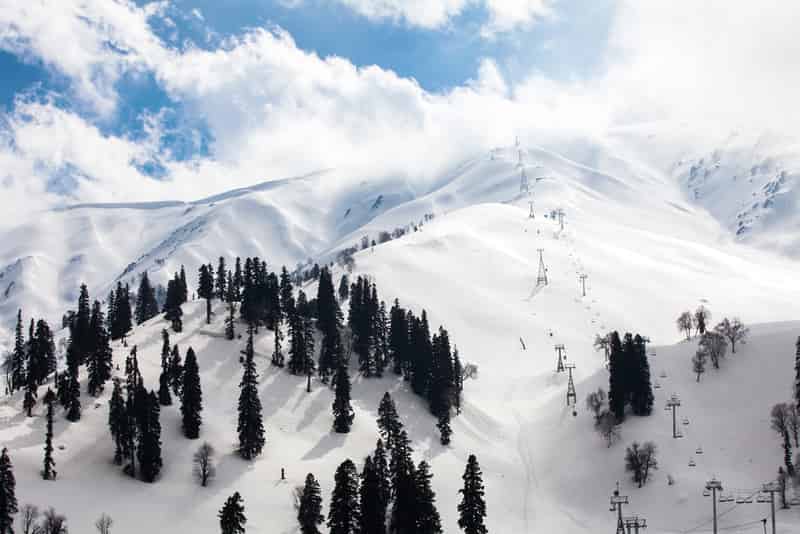
Preparation checklist and fitness baseline
A practical preparation framework is essential, especially for first-time trekkers.| Preparation Area | Baseline Requirement | Why It Matters |
|---|---|---|
| Cardio fitness | Consistent endurance routine before trip | Supports long trek days and steady pace |
| Load tolerance | Practice with daypack weight | Reduces fatigue and posture strain |
| Gear readiness | Layering, footwear, rain and cold protection | Handles fast weather changes |
| Health preparedness | Personal medicines and hydration plan | Improves resilience and safety response |
Essential packing checklist
1. Layered clothing system with waterproof shell. 2. Broken-in trekking shoes and backup socks. 3. Trekking pole, sun protection, and hydration support. 4. First-aid basics, personal medication, and emergency contacts. 5. Power backup and offline route documents.Permits, local logistics and budget planning
Kashmir treks can involve permit checks, local operator coordination, and region-specific entry protocols depending on route.| Cost Bucket | Includes | Planning Tip |
|---|---|---|
| Pre-trek travel | Flights/road transfer and base stay | Keep one acclimatization buffer day |
| Trek operations | Guide, support, permits, logistics | Choose transparent inclusions before booking |
| Gear and safety | Rental/purchase and emergency support | Do not compromise on footwear and weather layers |
| Contingency | Weather delay and schedule extension | Maintain flexible reserve budget |
Safety practices and emergency planning
Safety should be non-negotiable in Kashmir trekking routes where weather and terrain can change rapidly. - Track forecast updates before and during trek days. - Avoid solo risk-taking beyond planned route protocol. - Respect turnaround times and guide-led decisions. - Keep group communication clear and frequent. - Descend early if AMS symptoms rise (headache, nausea, dizziness, breathlessness). For mixed itineraries, do not schedule high-intensity treks immediately after long transit and before acclimatization recovery.Common mistakes to avoid
1. Choosing trek difficulty based only on social media visuals. 2. Ignoring acclimatization and starting hard routes too early. 3. Carrying new, untested shoes on the main trek. 4. Underestimating weather-driven delays and no-buffer itinerary. 5. Overpacking weight and underpacking safety essentials. 6. Skipping local guidance on trail and permit updates.
Conclusion
Trekking in Kashmir is highly rewarding when route ambition matches preparation quality. Choose difficulty honestly, build a season-aware plan, and treat safety logistics as a core part of the itinerary. With structured prep and realistic pacing, first-time and experienced trekkers can both enjoy Kashmir’s alpine trails with greater confidence and lower risk.Location
Frequently Asked Questions
Q1.What are the best beginner treks in Kashmir?
Beginner-friendly options are usually shorter-duration routes with moderate altitude gain and strong local support. Choose routes with clear evacuation access and guided operations.
Q2.Which months are best for trekking in Kashmir?
Late spring to early autumn windows are generally preferred for stable conditions, while exact suitability depends on route altitude and seasonal variation.
Q3.How fit should I be before planning a Kashmir trek?
You should have reliable cardio endurance, basic leg strength, and the ability to walk long hours on uneven terrain with a loaded daypack.
Q4.Is trekking in Kashmir safe for first-time trekkers?
Yes, with proper route selection, guided support, acclimatization buffers, and strict weather-aware decision making.
Q5.What is the average budget for a Kashmir trekking trip?
Budget varies by route, duration, logistics support, and gear choices. Keep separate allowances for travel, trek operations, safety gear, and contingency.
Q6.What essential gear should I carry?
Carry layered clothing, waterproof protection, tested trekking shoes, hydration support, first-aid essentials, and personal medicines.
Q7.Can Kashmir trekking be done in monsoon season?
Some routes may still be possible, but weather volatility is higher. Plan with flexible schedules, backup routes, and stronger risk controls.
Q8.What common mistakes should trekkers avoid?
Avoid overestimating fitness, skipping acclimatization, using untested gear, and planning no weather or emergency buffer.
Recommended For You
Adventure
Camping at Sonmarg Kashmir: Campsites, Weather & Essentials
Experience camping at Sonmarg, Kashmir's meadow of gold. Complete guide to campsites, tents, best time, trekking routes, costs, and safety tips for an unforgettable Himalayan camping adventure.
Feb 19Read More
Adventure
Gulmarg Gondola: Phases, Ticket Booking & Ride Details
Ride Asia's highest cable car in Gulmarg, Kashmir. Complete guide covering ticket prices, two phases, timings, best time to visit, booking & safety tips.
Dec 7Read More
Adventure
Things to Do in Sonmarg: Glacier Walks, Pony Rides & Adventure
Discover top things to do in Sonmarg with glacier routes, Zero Point planning, camping options, and practical altitude-aware itinerary guidance.
Feb 20Read More
Never Miss an Adventure
Get the latest trekking guides, travel tips, and exclusive offers delivered straight to your inbox.
