
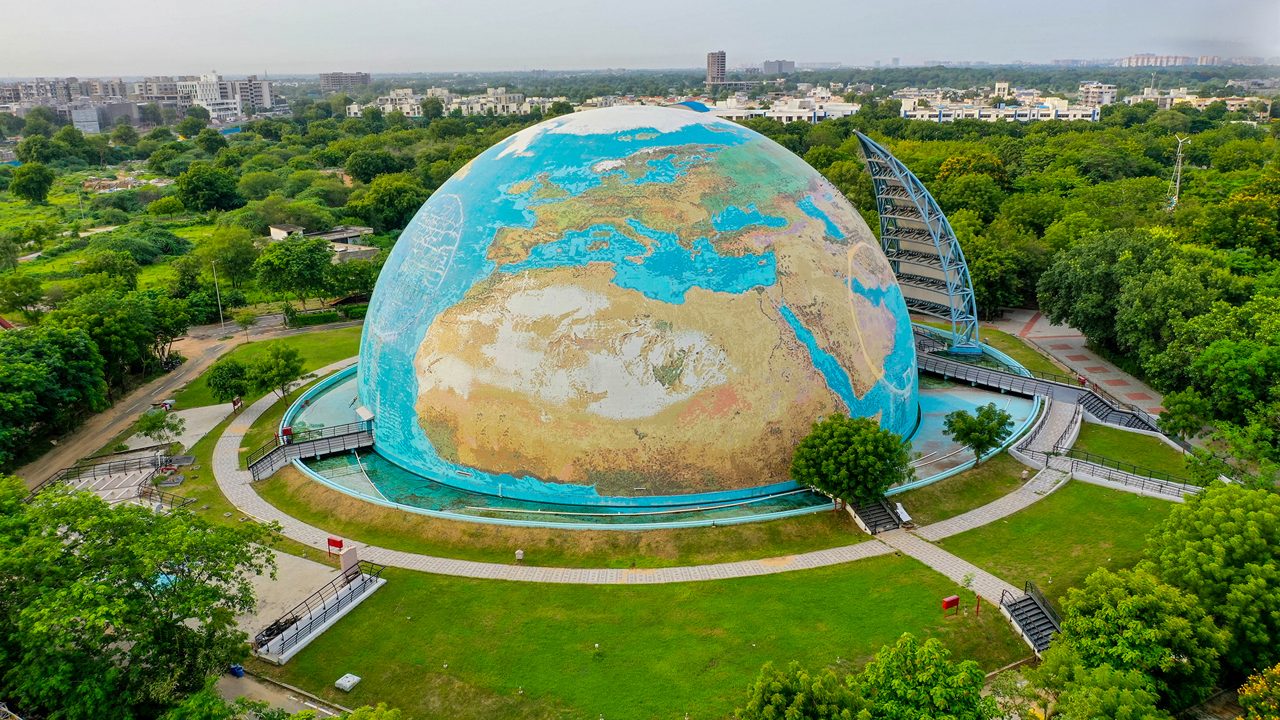
Ahmedabad: Complete Travel Plan Places And Weather

Priya Mehta
February 25, 2026
A practical Ahmedabad travel guide covering heritage zones, food strategy, markets, public spaces, and day-wise itinerary planning.
Introduction
Ahmedabad is one of India’s most rewarding urban destinations for travelers who enjoy living heritage, food culture, local markets, and practical city exploration. The city is large and active, so first-time visitors often lose time in inefficient movement and random stop selection. A better approach is to plan Ahmedabad by clusters: old city heritage, riverfront and modern public spaces, market blocks, and focused food sessions. This guide is designed to help you structure that flow with realistic timing, transport choices, and budget control. If you want to compare landmark picks before finalizing your route, start with places to visit in Ahmedabad, then lock your day blocks based on interests instead of trying to cover everything in one pass.
Best Time to Visit Ahmedabad
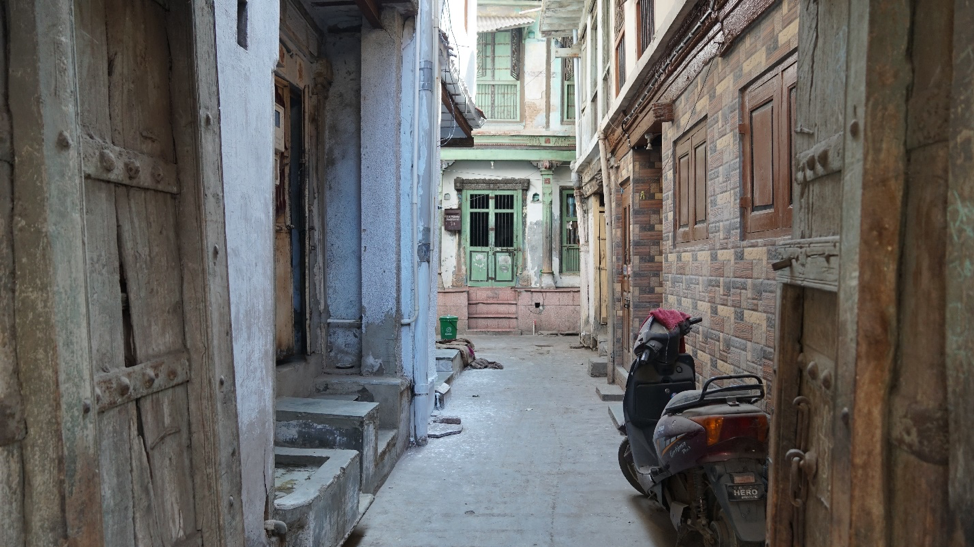
October to February is usually the most comfortable period for city walks, market exploration, and late-evening food sessions. Summer can still work if you shift heavy outdoor movement to early morning and post-sunset windows. Monsoon brings occasional weather interruptions, but also cooler daytime stretches compared to peak summer heat. Festival periods create strong energy across neighborhoods, but they can also increase congestion and wait times in popular zones. For first-time travelers, weekday-heavy plans with one festival-style evening usually provide the best balance between atmosphere and ease. If you are doing photography-focused travel, winter mornings and golden-hour evenings are especially productive in old-city streets and waterfront sections.
How to Plan the City by Zones
A practical Ahmedabad plan uses four core zones: old city heritage lanes, central market-food belt, riverfront-public space block, and one satellite landmark section. This structure keeps movement compact and avoids repeated cross-city transfers. Assign one anchor point per zone and add only one optional stop around it. Travelers who keep this rule typically complete more meaningful experiences with lower fatigue. Use app-based transport for cross-zone shifts and walking for dense heritage pockets. Keep buffer windows because Ahmedabad traffic can change quickly during office and school peaks. Structured zone planning also helps families and senior travelers maintain energy across the day.
Heritage and Architecture Highlights
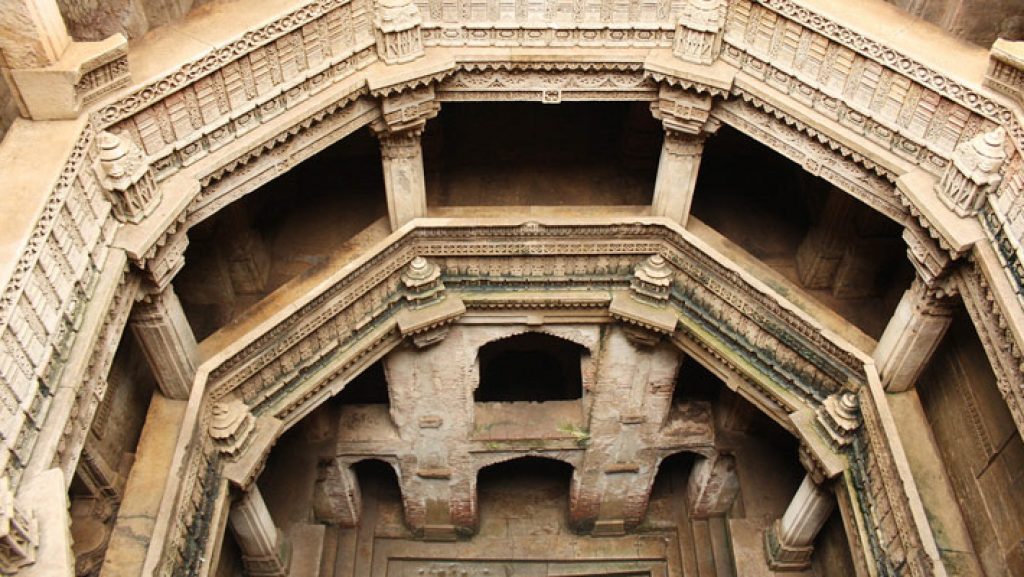
Ahmedabad’s identity is deeply linked to layered architecture, carved facades, stepwell traditions, religious diversity, and evolving public spaces. If you enjoy built heritage, begin with an early old-city session before commercial activity peaks. Keep this segment slow and observational rather than checklist-driven. For stepwell lovers, Adalaj Stepwell remains one of the most valuable extensions near the city. Architecture-focused travelers should avoid overpacking five similar sites in one day; quality drops when every stop is rushed. Instead, pair one deep heritage block with one contemporary urban block to maintain contrast and attention. This rhythm consistently improves trip satisfaction.
Food Strategy for Ahmedabad
Ahmedabad food culture is strong, but random hopping across recommendations can waste both time and appetite. Keep a simple sequence: one local breakfast, one focused lunch lane, one evening street-food block. Choose specialties by area rather than searching city-wide for each dish. This reduces transit time and lets you enjoy food in context. Keep hydration and short breaks in summer months, especially if you are combining food exploration with long heritage walks. If you have limited days, prioritize local flavors over generic café menus. A city food trip should reflect local identity, not repeat what you can find anywhere else. For market-linked tasting routes, combine planned food stops with nearby shopping windows.
Markets and Shopping Flow
Ahmedabad markets are best experienced with category planning. Decide in advance what you are shopping for: textiles, handcrafted items, daily-use souvenirs, or specialty goods. Without category limits, most visitors spend hours browsing without clear outcomes. Keep one fixed spending cap and one optional margin for unexpected finds. Carry both digital payment options and small cash for flexible transactions in older market belts. If shopping is a primary goal, reserve a dedicated half-day and avoid combining it with distant landmarks. When integrated properly, shopping becomes a useful cultural lens rather than a tiring add-on.
Top Public Spaces and Leisure Stops
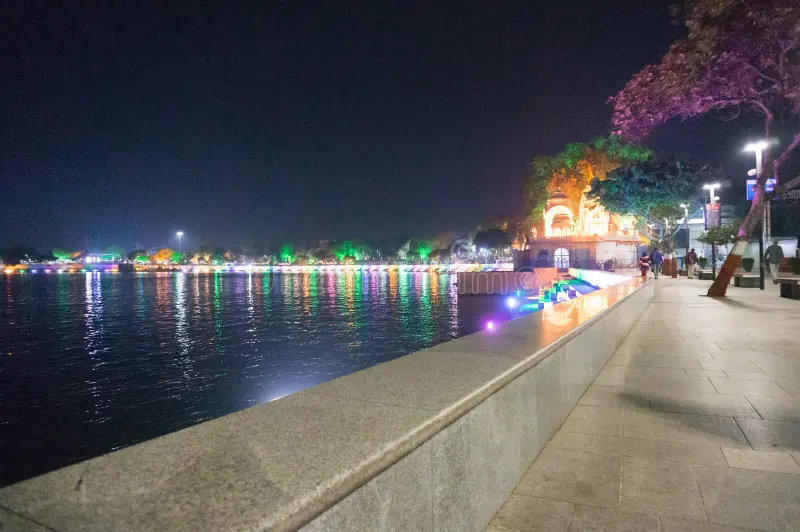
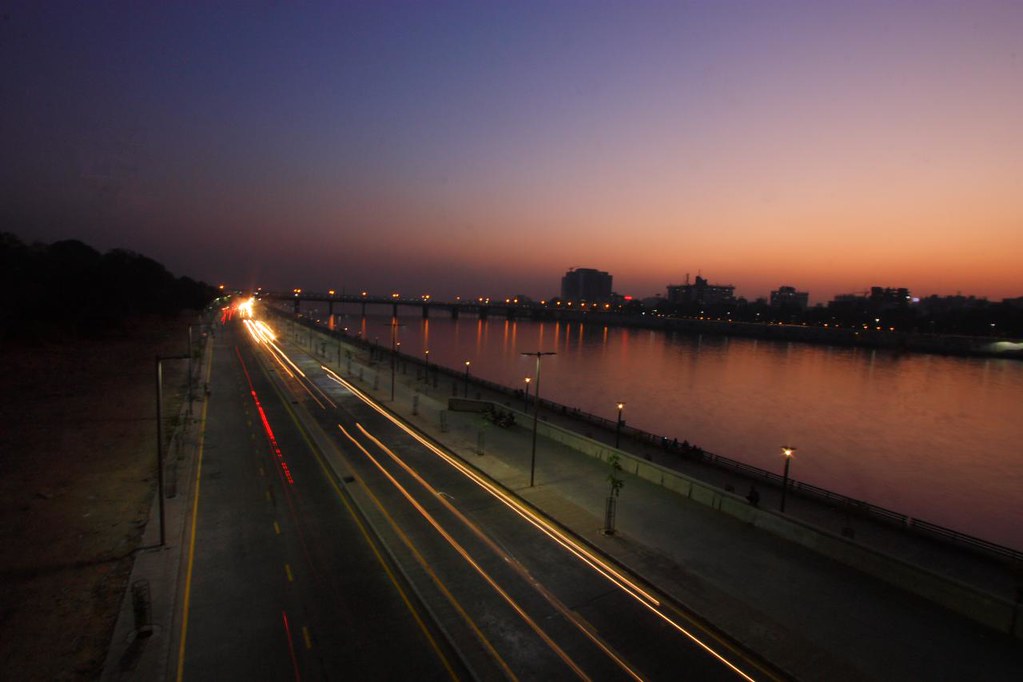
Modern Ahmedabad offers strong leisure options for evening recovery and family-friendly movement. Kankaria Lake Ahmedabad works well for relaxed sessions after heavy daytime sightseeing. For waterfront movement and urban views, Sabarmati Riverfront Ahmedabad is one of the most practical city pauses. These spaces are useful because they let mixed-age groups decompress without intense walking pressure. Keep leisure stops intentional, not leftover. A planned recovery block improves the quality of your next day and helps avoid travel burnout, especially on multi-city Gujarat itineraries.
Sample 3-Day Ahmedabad Itinerary
Day 1: old city heritage walk, local lunch zone, evening market block. Day 2: architectural extension and curated food trail, followed by relaxed evening at a public leisure area. Day 3: riverfront plus shopping category completion and optional satellite landmark. This format keeps each day focused while preserving flexibility for weather, traffic, and personal pace. If you have only two days, merge Day 2 and Day 3 by dropping one optional stop. Do not sacrifice meal windows and breaks for extra pins; better pacing creates better memories and fewer planning mistakes.
Where to Stay and How to Move
Select accommodation based on your dominant travel intent. Heritage-first travelers should stay with easy access to old-city or central connectors. Food and shopping-focused travelers should prefer areas with strong evening transport options. Families usually benefit from hotels near major roads with predictable pickup points. App cabs and autos are practical for most movement, but walking remains best in dense cultural pockets. Keep daily start times early in summer and moderately early in winter to maximize comfort. Pre-mark day endpoints so return travel stays smooth even after long sessions.
Common Mistakes to Avoid
The biggest mistakes are overloading the day, ignoring zone logic, and treating every recommendation as mandatory. Another common error is skipping time buffers between market and meal blocks, which causes schedule spillover and fatigue. Some travelers also underestimate weather impact and plan long afternoon walks in peak heat. Avoid these by setting stop limits, travel caps, and day-end cutoffs in advance. Good city travel is less about maximum coverage and more about consistent experience quality. Ahmedabad rewards thoughtful movement and focused curiosity.
Execution Rules for First-Time Visitors
Keep two fixed rules for each day: one hard start time and one hard stop time. The start time protects your best weather and traffic window, while the stop time prevents overextension and poor next-day energy. Use one navigation list with only priority stops and one optional slot. If optional stops begin to delay meals or transfers, skip them without hesitation. This discipline helps travelers experience Ahmedabad deeply instead of rushing through landmarks. The city rewards steady pace and focused choices more than maximum daily coverage.
Transport Buffer Strategy
In Ahmedabad, always add buffer time between zones even when map distance looks short. Traffic patterns can shift quickly, and small delays can cascade into missed meal windows or rushed market sessions. A realistic buffer keeps your day calm and helps you maintain quality at each stop.
Conclusion
Ahmedabad is a high-value city when you plan by clusters, protect your pace, and combine heritage with food and market depth. Use structured day blocks, realistic transfer timing, and category-based decisions for shopping and sightseeing. With that approach, Ahmedabad becomes more than a stopover; it becomes one of the most memorable urban experiences in western India.
Location
Frequently Asked Questions
Q1.How many days are enough for Ahmedabad?
Q2.What is the best season for Ahmedabad travel?
Q3.Is Ahmedabad good for food-focused travelers?
Q4.Is Ahmedabad walkable for a heritage-focused visit?
Q5.What should first-time visitors to Ahmedabad prioritize?
Q6.Is Ahmedabad a vegetarian-friendly city for travelers?
Recommended For You
Sabarmati Riverfront: Ahmedabad's Waterfront Gem
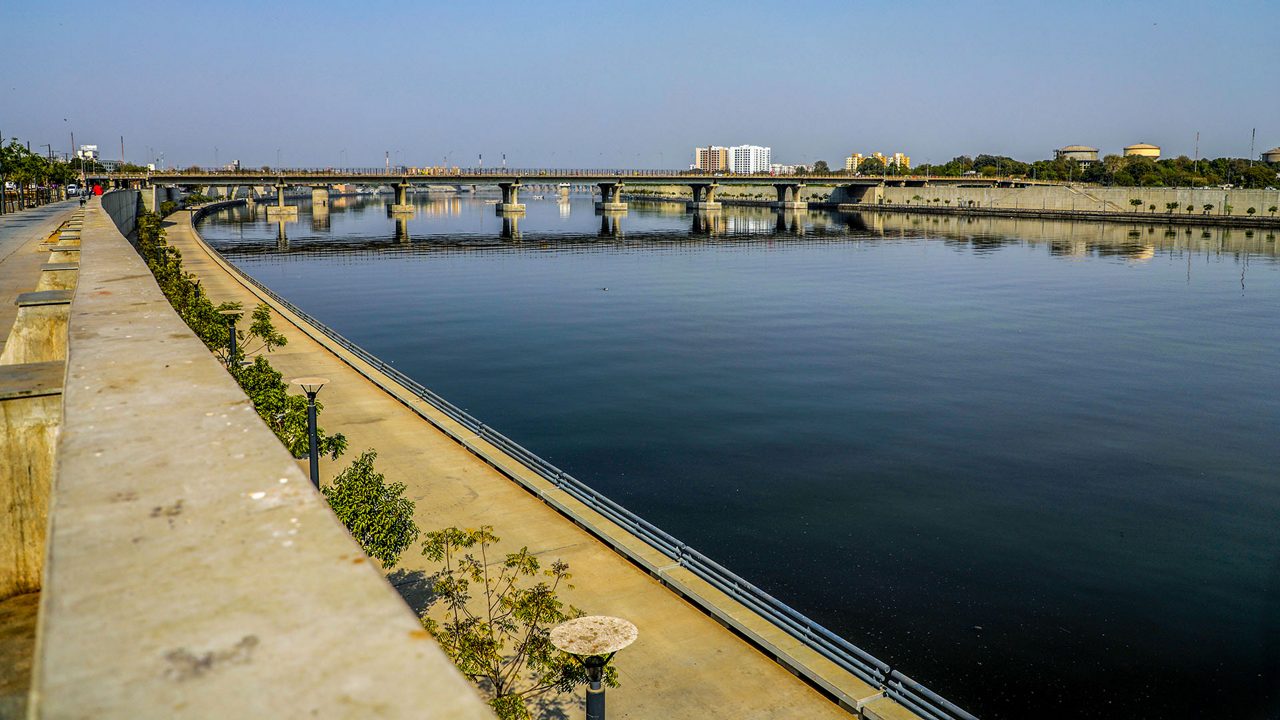
Discover Sabarmati Riverfront in Ahmedabad - a stunning 11.5 km waterfront promenade featuring iconic Atal Bridge, flower gardens, boating, and vibrant food courts. Plan your visit with complete information on timings, entry fees, and best experiences.
Things to Do in Ahmedabad: Heritage Walks, Food & Evening Plans
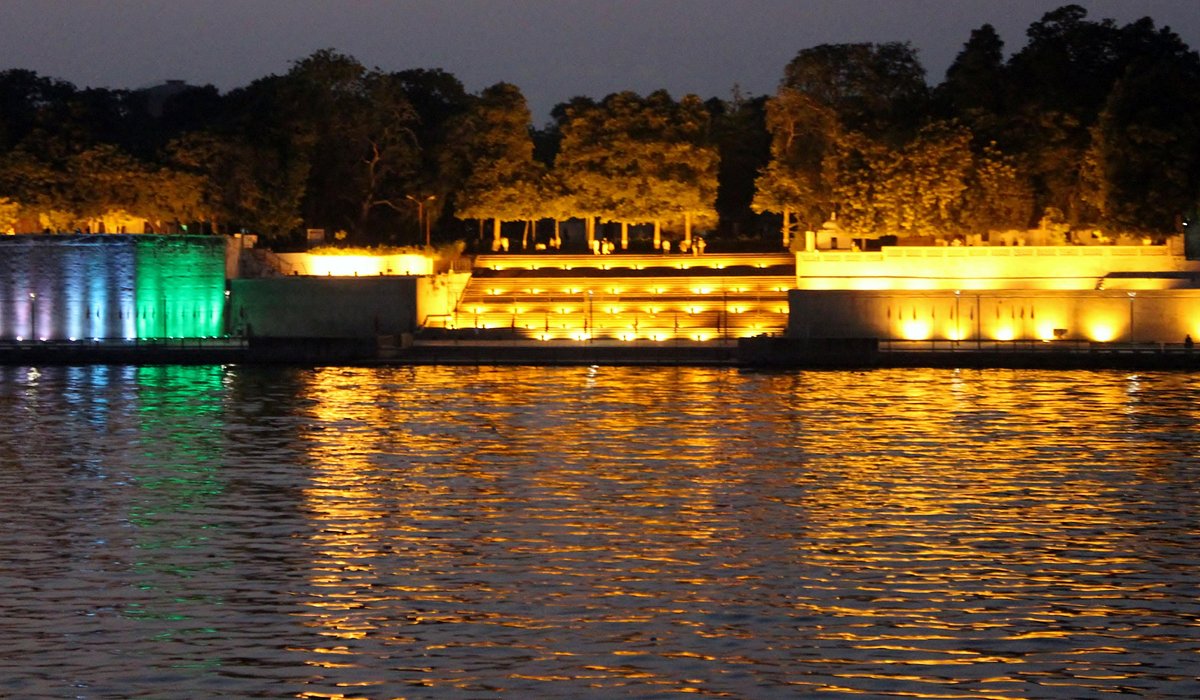
Plan the best things to do in Ahmedabad with heritage walks, food circuits, markets, museums, family activities, and practical 2-3 day itineraries.
Street Food in Ahmedabad: Must-Try Dishes, Markets & Timings
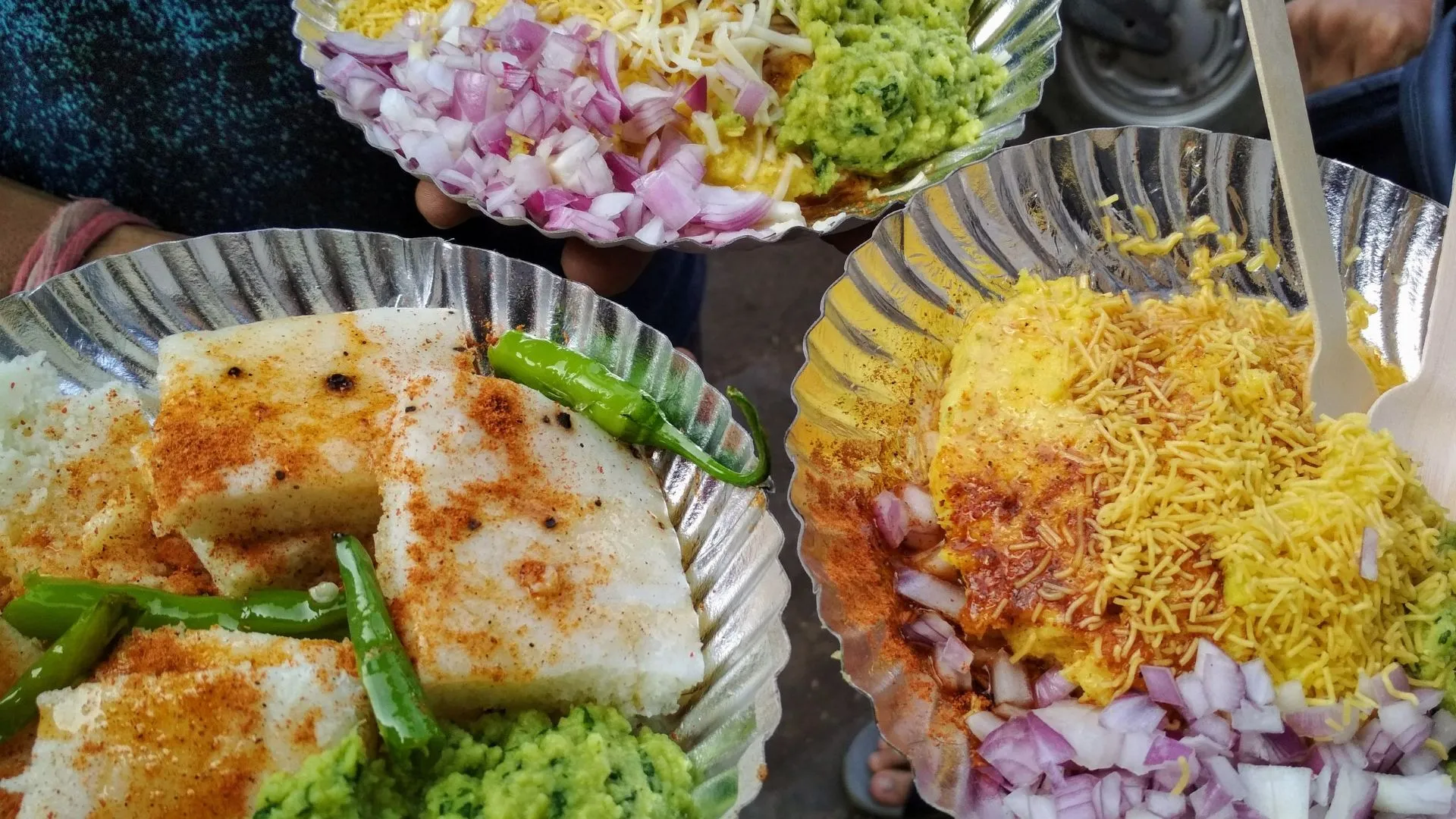
Discover the best street food in Ahmedabad with must-try dishes, famous eating areas like Manek Chowk and Law Garden, ideal timings, and hygiene tips for travelers.
Never Miss an Adventure
Get the latest trekking guides, travel tips, and exclusive offers delivered straight to your inbox.
