
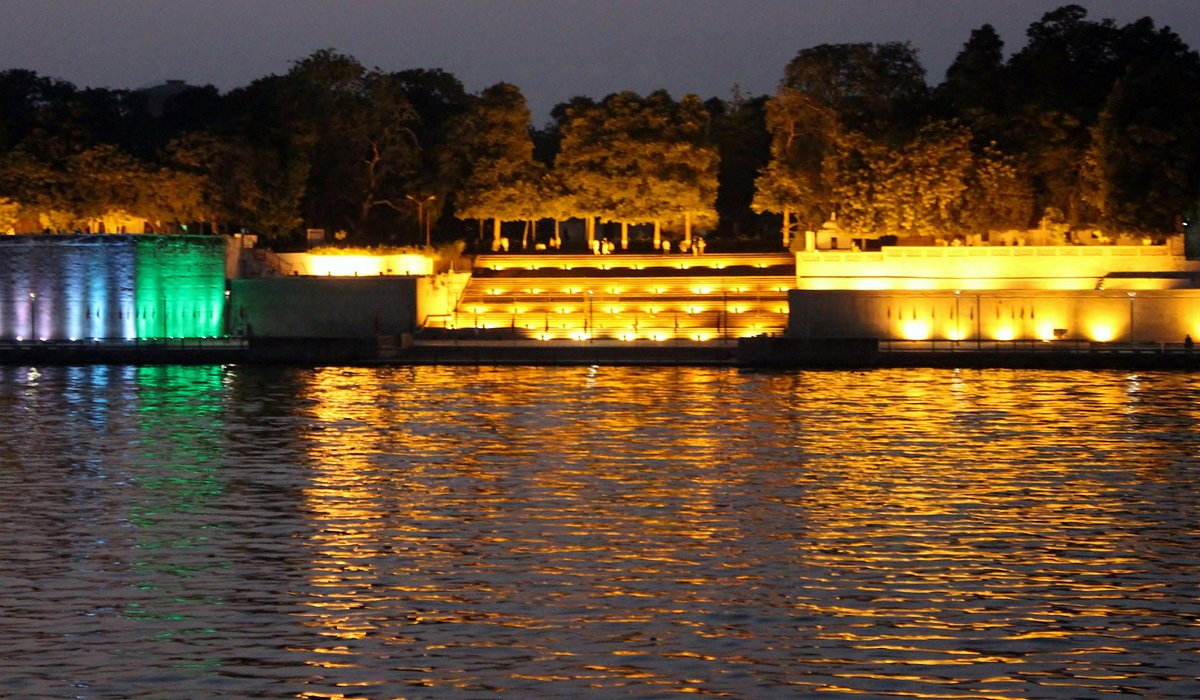
Things to Do in Ahmedabad: Heritage Walks, Food & Evening Plans

Neha Kapoor
February 20, 2026
Plan the best things to do in Ahmedabad with heritage walks, food circuits, markets, museums, family activities, and practical 2-3 day itineraries.
Introduction
Ahmedabad is one of India’s most layered cities for travelers who want history, design, food, and modern urban experiences in one itinerary. The old city carries centuries of architectural heritage, while newer neighborhoods offer riverfront leisure, curated museums, and late-evening food circuits. If you are planning things to do in Ahmedabad, the best approach is to combine heritage blocks with local culture instead of rushing landmark checklists.
This guide is built for first-time and repeat visitors and focuses on practical planning: what to do, in what sequence, how much time to allocate, and what to prioritize in different seasons. It also connects activity choices with family travel, photography interests, and short weekend itineraries. For broader city planning, pair this with places to visit in Ahmedabad and destination-specific guides like Adalaj Stepwell.
Quick Facts for Planning
| Item | Details |
|---|---|
| Ideal trip length | 2 to 3 days |
| Best season | October to February |
| Best for | Heritage walks, food trails, family city breaks |
| Transit | Cabs, BRTS, metro, short walk clusters in old city |
Heritage and Historical Experiences
Start your Ahmedabad itinerary with its UNESCO-recognized old-city character. Early-morning heritage walks through pols (traditional housing clusters) are highly rewarding because weather is cooler and lanes are less crowded. The city’s heritage architecture is not limited to one monument; it is visible in facades, community chowks, religious structures, and old trade streets.
Allocate dedicated time for landmarks such as Jama Masjid, Bhadra precinct areas, and Sidi Saiyyed Mosque. If you enjoy structural detail and urban history, also include niche points like Sidi Saiyyed Mosque and local archives or private museums where available. These visits add depth beyond quick photography.
Sabarmati Ashram should be treated as a reflective stop, not a rushed activity. The site offers context around India’s freedom movement and Gandhi’s life choices. A calm one to two hours here, followed by a short riverfront session, creates a balanced historical and contemporary city day.
Cultural and Museum Circuit
Ahmedabad’s museum ecosystem is one of its underrated strengths. Textile heritage, design thinking, and folk traditions are reflected across curated spaces. Depending on availability and opening schedules, include Calico Museum-type experiences, kite-themed exhibits, and local craft centers. These activities are especially useful during hot afternoons when outdoor exploration becomes tiring.
If you are traveling with children, choose interactive spaces and keep each museum stop to 60-90 minutes. For design students and architecture enthusiasts, plan longer visits and carry a short note checklist for motifs, layout ideas, and interpretation style. This turns tourism into high-value learning.
Parks, Riverfront, and Recreation
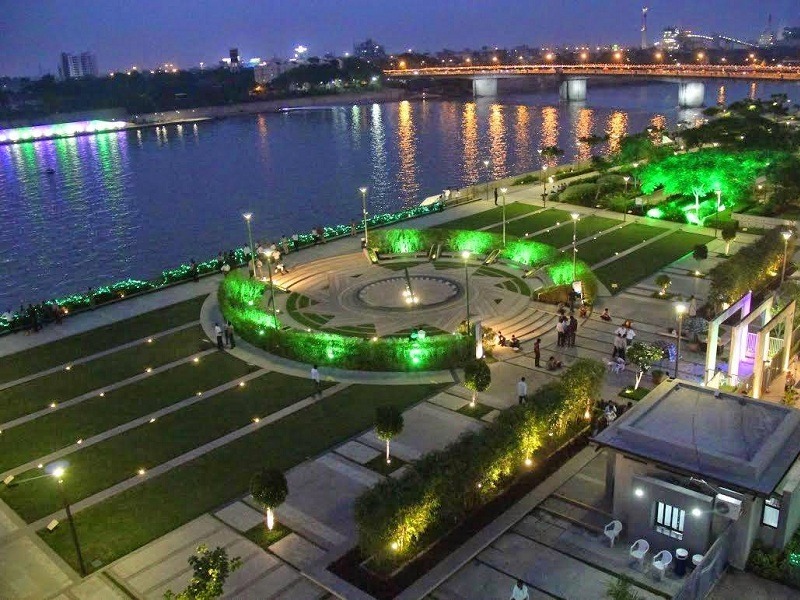
Sabarmati Riverfront is one of the easiest all-ages activities in Ahmedabad. Morning and evening slots are better than noon for comfort and light. You can combine a walk, cycling sections, casual photography, and nearby cafe breaks. If your trip is short, this is a reliable low-effort activity that still gives a strong city feel.
Kankaria Lake remains a popular family zone, especially for travelers with kids. There are recreation elements, food options, and enough space for a flexible half-day plan. The key is timing: go early evening on weekdays if possible to avoid peak crowd pressure.
For quieter green breaks, smaller gardens and urban parks around residential areas can be used as buffer activities between major sightseeing blocks. These short pauses improve trip pace and reduce fatigue, especially in warmer months.
Food Experiences You Should Not Miss
Food is central to things to do in Ahmedabad. A practical strategy is to split experiences into three buckets: traditional Gujarati meals, iconic street-food clusters, and modern cafe or multi-cuisine evenings. This gives range without overwhelming your digestion or budget.
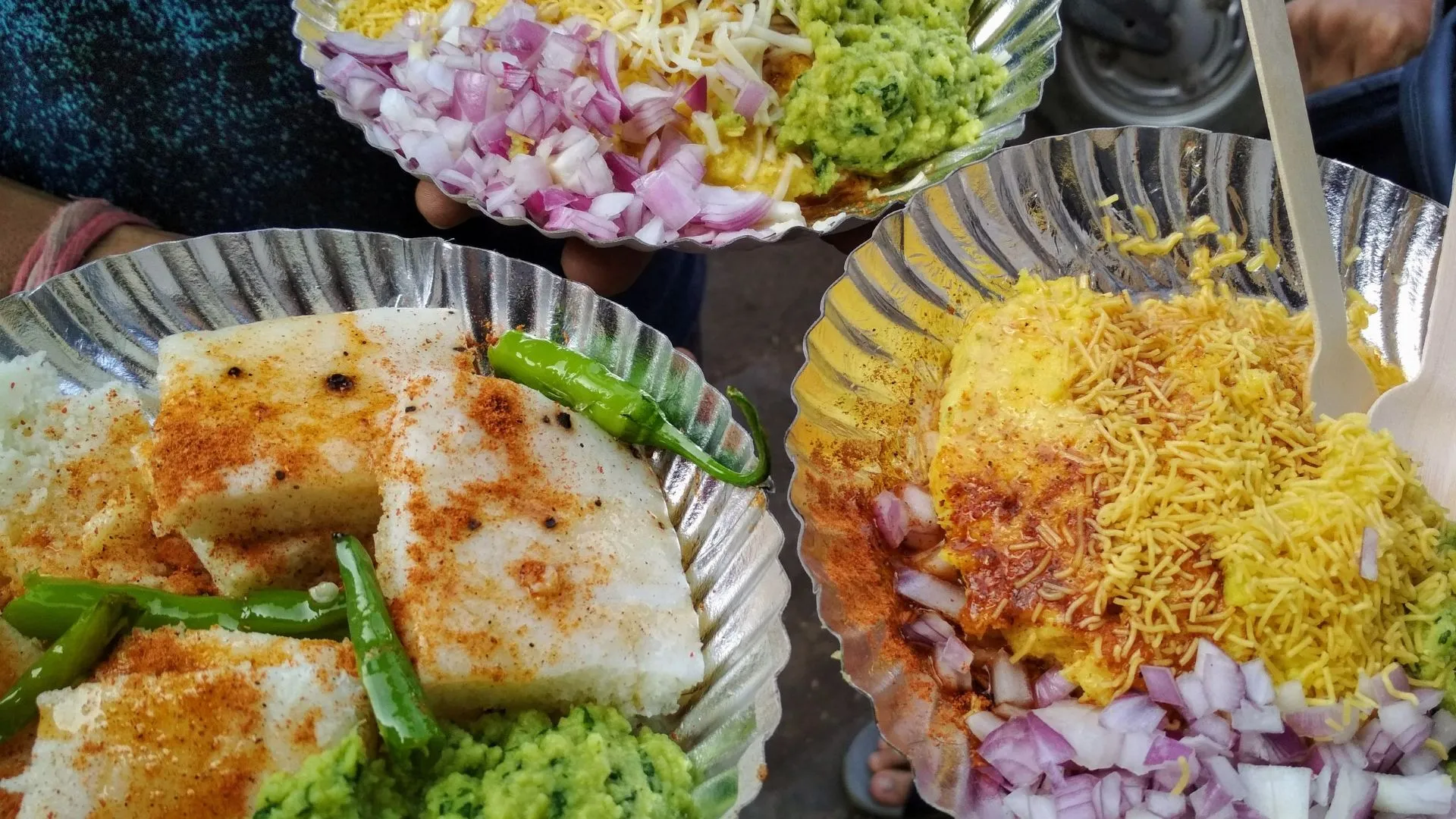
Manek Chowk after dark is one of the city’s most talked-about food experiences. It is energetic, varied, and ideal for groups, though first-timers should keep expectations practical and choose high-turnover stalls for freshness. Add one structured local-food session using references from street food in Ahmedabad to avoid random ordering.
For a complete culinary day, include one thali-style lunch, one snack trail, and one curated dinner. This sequence helps you sample local flavor while keeping meal timing comfortable for sightseeing schedules.
Shopping and Local Market Activities
Ahmedabad shopping is strongest when you target specific categories: textiles, handicrafts, festive wear, and artisan pieces. Law Garden and traditional market belts are good for evening exploration, while modern malls work as climate-safe options in summer afternoons.
If you want practical purchase guidance, use a shortlist from things to buy in Ahmedabad and set a category budget before entering major markets. This avoids impulse overspending and helps focus on authentic local products.
Travelers interested in photography will find market movement and evening light particularly compelling. Always ask before taking close-up portraits of vendors or artisans.
Family-Friendly and Kid-Friendly Activities
Ahmedabad is suitable for family travel when days are sequenced with energy in mind. Keep mornings for heritage or outdoor experiences, afternoons for indoor museums or rest, and evenings for lakefront, markets, or food. Avoid stacking long road transfers and high-walk activities on the same day.
For young children, build a predictable schedule with hydration breaks and less waiting time. For seniors, choose ground-level heritage sites and shorter walking circuits. Family satisfaction generally improves when activity quality is prioritized over number of stops.
2-Day and 3-Day Itinerary Framework
| Plan | Recommended Flow |
|---|---|
| 2 Days | Day 1 old city + ashram + riverfront, Day 2 lake + museum + market + food trail |
| 3 Days | Add stepwell/day trip + deeper shopping + specialty museum blocks |
If you have extra time, include nearby heritage day trips such as Modhera, Patan, or Nalsarovar depending on season and interests. Keep one flexible block open for weather or traffic variability.
Best Time to Visit Ahmedabad for Activities
October to February offers the best overall comfort for mixed activity plans. Summer months can still work if your schedule prioritizes indoor slots during midday and shifts outdoor walks to early morning or late evening. Festival periods add strong cultural energy but also increase hotel rates and crowd levels.
Monsoon travel can be pleasant for reduced heat, but keep mobility buffers and indoor alternatives ready. A weather-aware itinerary is always better than a rigid one.
Transport, Budget, and Practical Tips
Ahmedabad is manageable with app cabs, metro corridors, and short walk circuits. For old-city exploration, guided walks reduce navigation friction and improve context. Budget travelers can mix public transport with focused cab segments for time efficiency.
- Budget day: INR 1,200-2,000 per person with local food and public transit mix
- Mid-range day: INR 2,500-4,500 with curated dining and museum entries
- Premium day: INR 5,500+ with private transfers and specialty experiences
Keep cash for local markets, carry reusable water bottles, and reserve popular dinner spots in advance on weekends.
Common Mistakes to Avoid
A common planning error is trying to cover too many landmarks across opposite city zones in one day. This creates commute-heavy days with low on-ground time. Another mistake is skipping hydration and sun planning in warmer months, which quickly reduces travel energy.
Also avoid treating food exploration as purely night activity. Some of the best local options are distributed through the day, and spacing meals improves comfort and variety.
Detailed Neighborhood Strategy for Ahmedabad
Ahmedabad is easier to explore when you divide the city into activity clusters instead of moving randomly across long distances. Keep old-city heritage walks, mosque and temple architecture, and traditional market lanes in one block. Pair this with one fixed food stop so that you are not searching for options while already tired. On another day, combine Sabarmati Ashram, Riverfront, and selected museums for a calmer modern-city circuit. This cluster method reduces commute fatigue and increases meaningful on-ground time.
Travelers with only 36 to 48 hours should pre-decide one heritage anchor, one food anchor, and one recreation anchor. For example: heritage walk in the morning, thali lunch, museum in afternoon, and riverfront in evening. Families can swap long heritage walks for shorter structured visits plus park time. Seniors benefit from fewer stairs and more seated breaks between stops. Small pacing decisions improve overall trip satisfaction far more than adding extra locations.
If you are interested in architecture and photography, reserve early-morning windows in old pol zones and late-evening windows for riverfront and market light. Carry minimal gear in narrow streets and avoid blocking local movement for photo setups. Ask permission before capturing close portraits. Responsible photography in active neighborhoods keeps the experience respectful for residents and visitors alike.
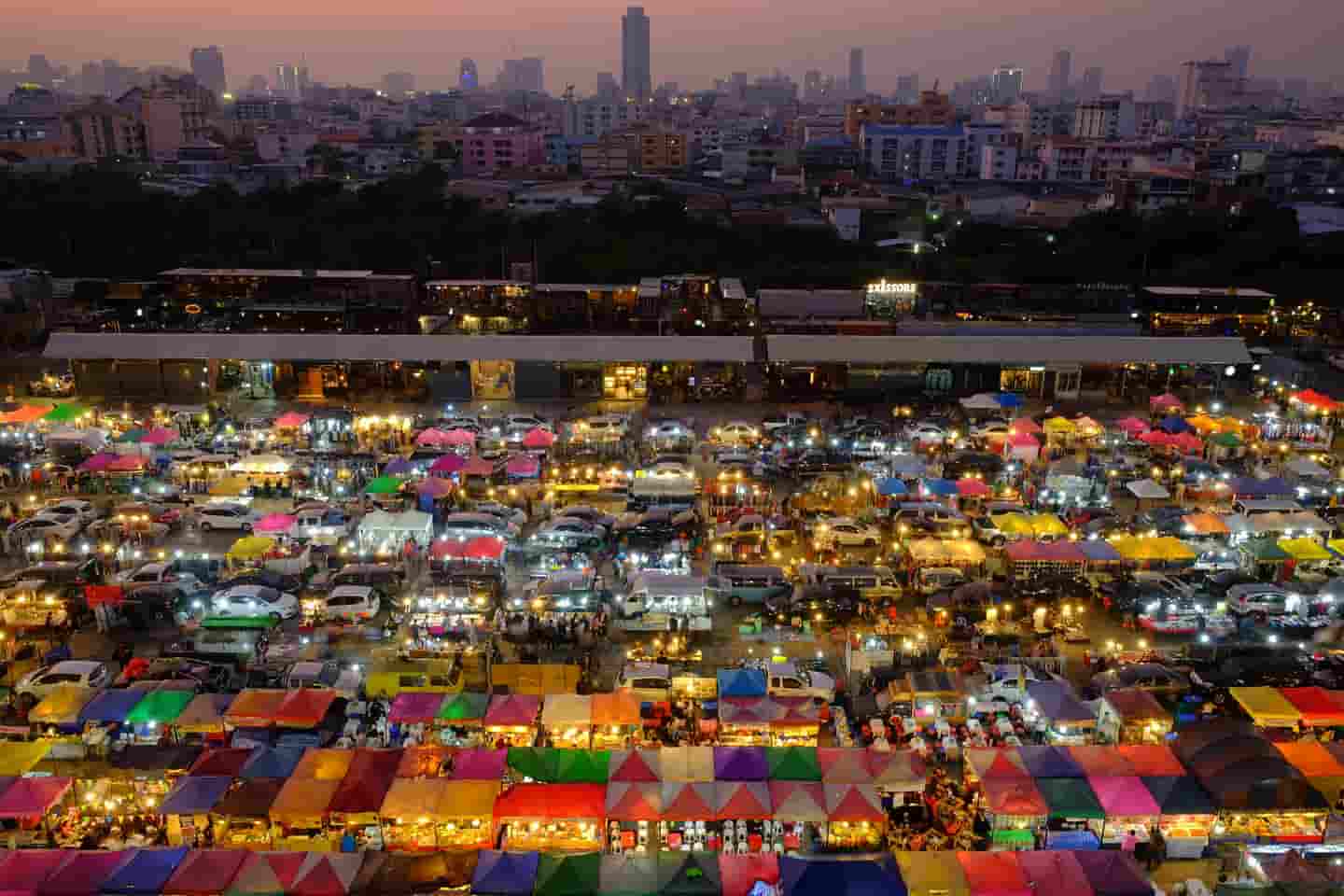
Festival and Weekend Timing Considerations
Ahmedabad’s travel mood changes significantly during festival periods and long weekends. Navratri, Uttarayan, and major holiday windows bring high energy, stronger cultural experiences, and expanded food scenes, but they also increase hotel rates and crowd density at key attractions. If your goal is cultural intensity, these windows are excellent. If your goal is comfort and low-wait sightseeing, choose non-peak weeks.
Weekend evenings can be crowded in major food and recreation zones. Book high-demand dining slots early and keep a backup option nearby. A simple backup list of two cafes and one casual meal stop prevents decision stress in peak time. This level of planning keeps the trip smooth even when the city gets busy.
Conclusion
The best things to do in Ahmedabad come from combining heritage depth, cultural learning, local food, and smart route planning. The city rewards travelers who move with intent instead of rushing through a checklist.
With a two- or three-day structure, realistic timing, and balanced activity mix, Ahmedabad can be one of the most satisfying urban travel experiences in western India.
Location
Frequently Asked Questions
Q1.How many days are enough for Ahmedabad?
Q2.What is Ahmedabad famous for?
Q3.What are top things to do in Ahmedabad at night?
Q4.Is Ahmedabad good for family travel?
Q5.What is the best time to visit Ahmedabad?
Q6.Can I explore Ahmedabad in 2 days?
Q7.How can I travel within Ahmedabad?
Q8.What should I not miss in Ahmedabad?
Recommended For You
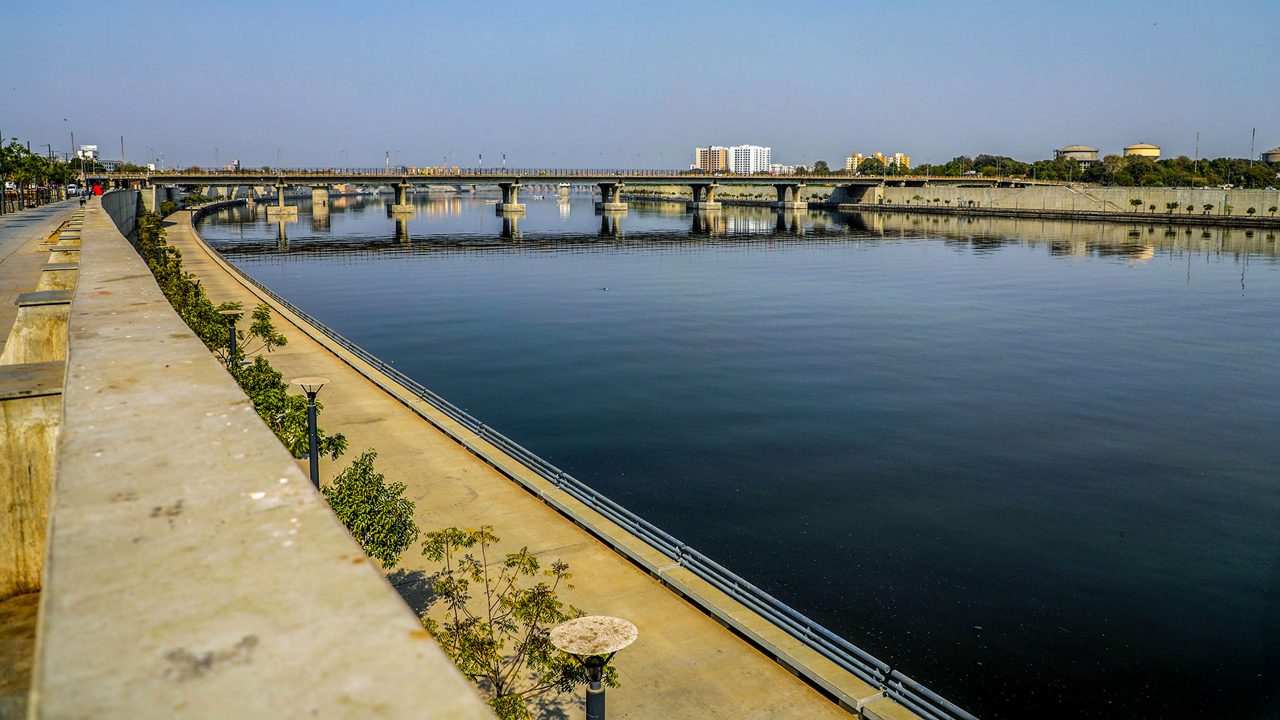
Sabarmati Riverfront: Ahmedabad's Waterfront Gem
Discover Sabarmati Riverfront in Ahmedabad - a stunning 11.5 km waterfront promenade featuring iconic Atal Bridge, flower gardens, boating, and vibrant food courts. Plan your visit with complete information on timings, entry fees, and best experiences.
Street Food in Ahmedabad: Must-Try Dishes, Markets & Timings
Discover the best street food in Ahmedabad with must-try dishes, famous eating areas like Manek Chowk and Law Garden, ideal timings, and hygiene tips for travelers.

Nalsarovar Bird Sanctuary: Complete Guide for Visitors
Plan your Nalsarovar Bird Sanctuary trip near Ahmedabad with migratory bird insights, flamingo-viewing tips, boating guidance, timings, and responsible wetland travel advice.
Never Miss an Adventure
Get the latest trekking guides, travel tips, and exclusive offers delivered straight to your inbox.
