
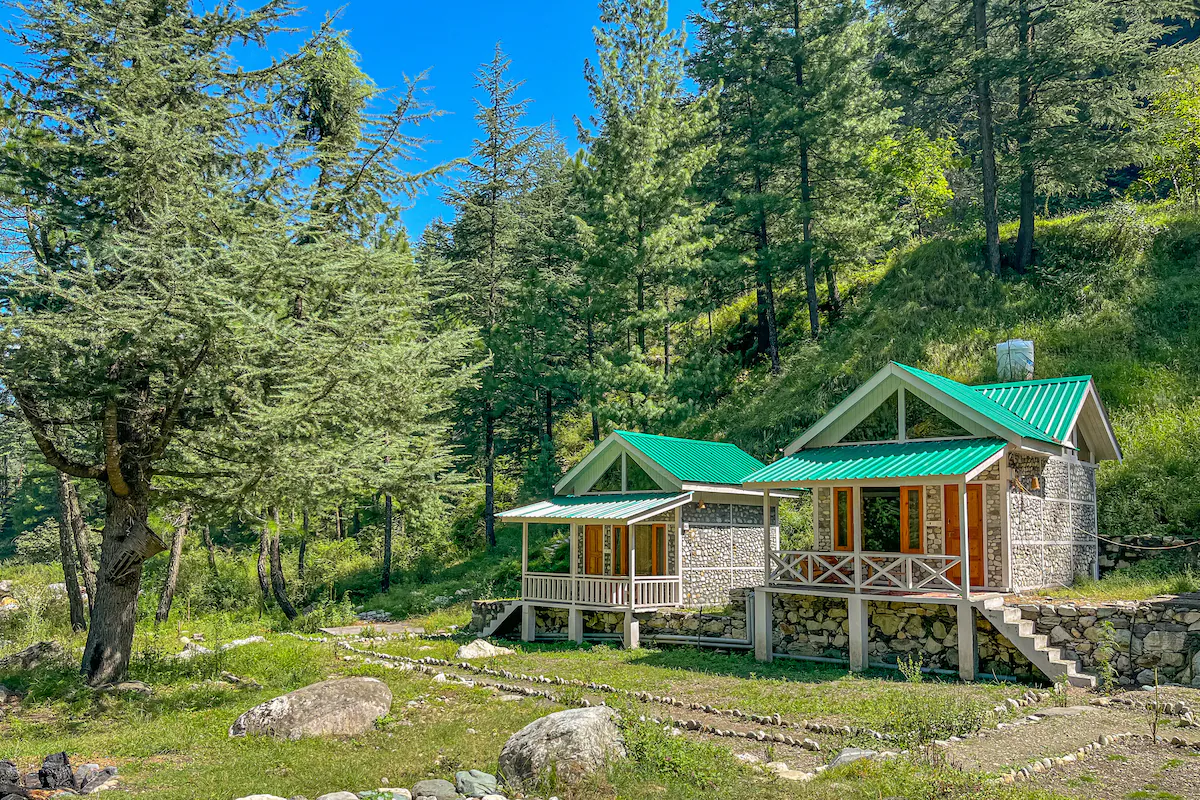
Best Airbnb in Jibhi: Top Homestays, Cottages & Reviews 2026

Priya Mehta
February 19, 2026
Find the best Airbnb stays in Jibhi, from homestays to scenic cottages, with practical booking and location tips.
Discovering Jibhi: The Perfect Airbnb Destination for Peace Seekers
Jibhi, a hidden gem nestled in the Tirthan Valley of Himachal Pradesh, has emerged as one of the most sought-after offbeat destinations for travelers seeking tranquility and natural beauty. Unlike more commercialized hill stations, Jibhi has retained its pristine charm, with cedar forests, crystal-clear rivers, and traditional wooden architecture. Airbnb has transformed accommodation options in Jibhi, offering travelers everything from rustic homestays with local families to stylish wooden cottages with panoramic valley views.
The appeal of choosing an Airbnb in Jibhi lies in its authentic Himalayan village experience. Here, you'll wake up to the sound of the Tirthan River, spend your days exploring hidden waterfalls, and end them stargazing from your cottage balcony. Most Airbnb hosts in Jibhi are warm, hospitable locals who take pride in sharing their slice of paradise. They can guide you to secret fishing spots, off-the-beaten-path treks, and introduce you to traditional Himachali cuisine that you won't find in restaurants.
Why Choose Jibhi for Your Next Mountain Escape
Jibhi offers something increasingly rare in Himalayan tourism – an unspoiled mountain experience without the crowds and commercialization that plague destinations like Manali or McLeod Ganj. The village maintains its traditional character with wooden houses, slate roofs, and narrow paths winding through cedar forests. Yet, it offers enough modern comforts to make your stay enjoyable, including decent WiFi in many properties, hot water (crucial in mountain weather), and comfortable bedding.
The location is perfect as a base for exploring the Tirthan Valley. From Jibhi, you can easily visit the Great Himalayan National Park (a UNESCO World Heritage Site), cross the spectacular Jalori Pass, explore the charming village of Shoja, or simply relax by the riverside. The pace of life in Jibhi is slow – exactly what stressed urban travelers need. Whether you're a solo traveler seeking solitude, a couple looking for a romantic getaway, or a small group wanting to escape the city, Jibhi delivers on all fronts.
Best Areas for Airbnb Stays in Jibhi
Main Jibhi Village
Staying in the main Jibhi village puts you within walking distance of the river, small shops selling basic supplies, and a handful of local eateries. The village has ATM facilities (though they're not always reliable, so carry cash), a few cafes serving simple but delicious food, and easy access to the main road. Airbnb options here range from traditional wooden houses to modern concrete structures designed to look like traditional cottages.
The advantage of staying in the main village is convenience – you can easily buy supplies, find transportation, and interact with locals. However, the village center can be slightly noisy compared to more secluded locations. Properties in the main village typically cost slightly less than those with valley views or riverfront locations, though you're still getting spectacular scenery.
Riverside Locations
Riverside Airbnb properties in Jibhi are among the most sought-after accommodations. Imagine falling asleep to the sound of the Tirthan River and having your morning tea on a balcony overlooking the rushing water. These properties offer unparalleled serenity and direct access to the river for fishing, relaxation, or simply dipping your feet in the cold mountain water.
Riverside stays come at a premium but are worth every rupee for the experience. Most riverside cottages in Jibhi are built in traditional style with wood and stone, featuring private balconies or sitting areas facing the river. These properties are perfect for couples seeking romance or anyone who finds the sound of running water deeply relaxing.
Secluded Forest Cottages
For those seeking maximum privacy and immersion in nature, Jibhi offers several forest cottages tucked away in cedar woods. These properties are often located on hillsides overlooking the valley, providing stunning views and complete privacy. You'll likely need to hike a short distance from the road to reach these cottages, which adds to their secluded charm.
Forest cottages in Jibhi are ideal for writers, artists, or anyone needing a creative retreat. The peace is profound – bird calls, rustling leaves, and distant cowbells are the only sounds you'll hear. These properties typically feature large windows, balconies perfect for yoga or meditation, and sometimes even private hiking trails starting right from your doorstep.
Types of Airbnb Accommodations in Jibhi
Traditional Homestays
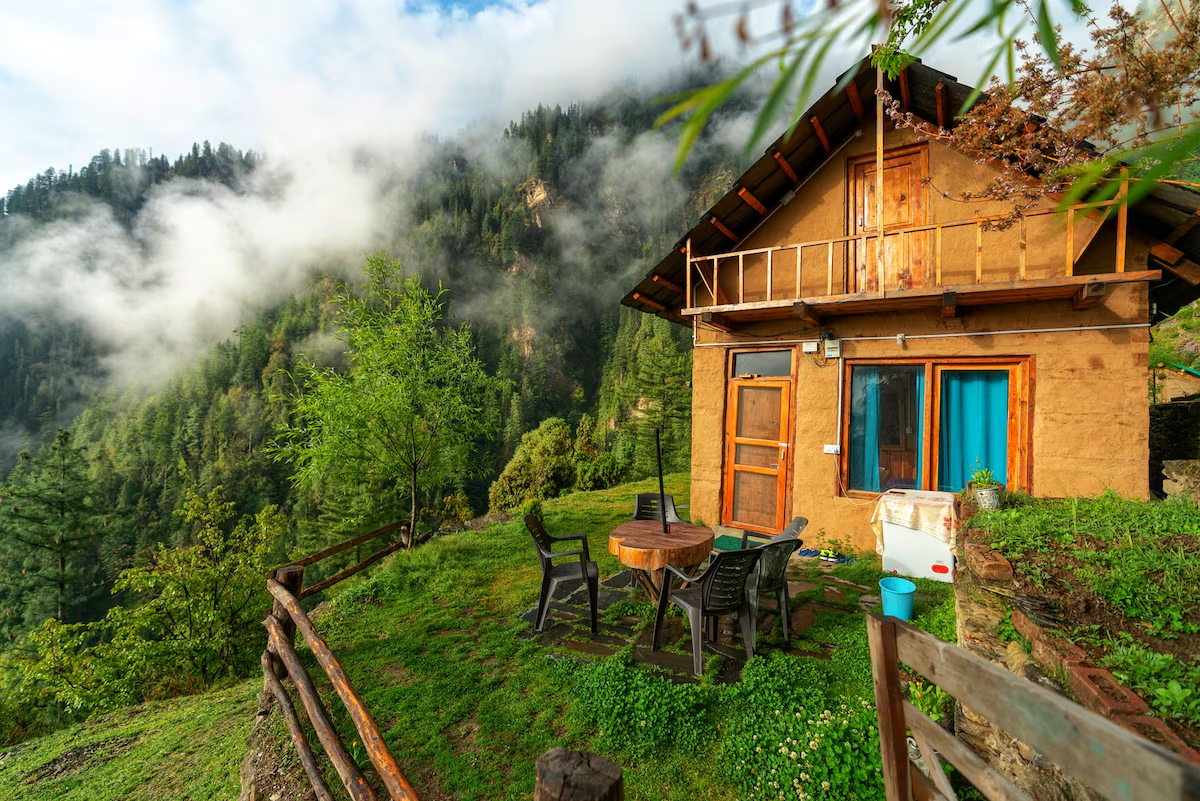
Traditional homestays in Jibhi offer the most authentic experience of Himachali village life. These are typically family homes where hosts rent out spare rooms or entire floors. You'll sleep in rooms built with traditional techniques – wood paneling, slate floors, and sometimes even old-fashioned wood-burning bukharis (stoves) for heating. The best part is the connection with local families who treat guests like extended family members.
Homestays usually include home-cooked meals prepared with locally sourced ingredients. Your host might invite you to help harvest vegetables from their garden or teach you to make traditional dishes like siddu (steamed bread) or kullu trout. The warmth and genuine hospitality of Jibhi's homestay hosts create memories that last long after you've returned home.
Wooden Cottages
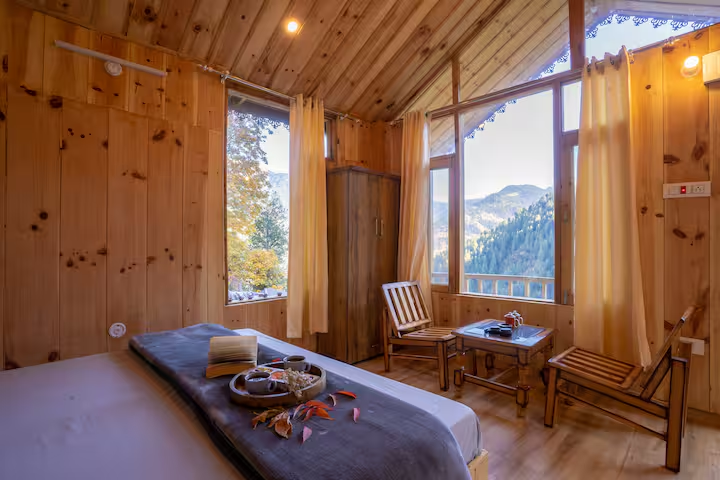
Wooden cottages are Jibhi's specialty and arguably its most popular accommodation type. These standalone structures are built from locally sourced cedar wood, featuring traditional architecture with modern amenities. Most cottages have large windows framing mountain or river views, private balconies, wood-burning stoves, and sometimes even small kitchenettes for self-catering.
The aesthetic of these cottages is Instagram-worthy – wooden interiors, colorful Tibetan textiles, rustic furniture, and flower-filled balconies. Many have glass roofs or skylights for stargazing from bed. Cottages range from budget rooms to luxury suites with attached bathrooms and heating. The romance of staying in a wooden cottage in the Himalayas is hard to overstate.
Modern Apartments
For travelers who prefer contemporary amenities with their mountain views, Jibhi has several modern apartment-style accommodations. These are often part of newly constructed buildings designed to blend with traditional architecture. You'll find features like large glass windows, western-style bathrooms with 24-hour hot water, comfortable beds with high-quality linens, and often even WiFi and entertainment systems.
Modern apartments in Jibhi typically cost more than homestays but offer predictable comfort and amenities similar to city hotels. These are particularly good for families who need multiple rooms, older travelers who might struggle with steep stairs or cold bathrooms, and anyone planning an extended stay who needs reliable connectivity and creature comforts.
Camping and Glamping Options
For adventure seekers, Jibhi offers camping experiences ranging from basic tent setups to luxurious glamping with comfortable beds, proper toilets, and even heating. These are typically located in the most scenic spots – riverbanks, meadows with wildflowers, or hilltops with 360-degree valley views. Camping in Jibhi allows you to sleep under stars so bright they feel close enough to touch.
Glamping options include luxury tents with proper bedding, sometimes even wooden floors, and attached bathroom facilities. Camping experiences often include bonfires, barbecue dinners, and guided nature walks. Basic camping is significantly more budget-friendly and perfect for backpackers or those seeking a more rugged adventure.
Price Range and What to Expect
Budget Stays (₹600-₹1,500 per night)
Budget travelers will find several options in Jibhi, particularly in shared rooms and basic homestays. At this price point, expect clean but simple accommodations with essential amenities. Rooms might be small, bathrooms possibly shared, and heating basic (or non-existent during shoulder seasons). However, budget options in Jibhi still offer the spectacular mountain scenery and warm hospitality that make the village special.
For ₹600-1,500, you'll typically get a comfortable bed, clean bedding, and access to shared bathroom with hot water. Some budget homestays include meals prepared by your host. The value proposition is excellent – you're waking up in the Himalayas for the price of a budget hotel room in a city.
Mid-Range Options (₹1,500-₹3,500 per night)
The mid-range category represents excellent value in Jibhi. These accommodations typically include private rooms with attached bathrooms, wood-burning stoves for heating, and often spectacular views. Many mid-range properties are wooden cottages or well-maintained homestays with rooms featuring balconies or sitting areas. Amenities usually include WiFi, reliable hot water, and sometimes even kitchenettes.
This price range is where most travelers find their sweet spot in Jibhi. You get authentic Himalayan ambiance with enough comfort to relax after a day of trekking. Many mid-range Airbnbs include breakfast or can arrange home-cooked meals at additional cost. The hosts at this price point are typically very helpful with local information and can arrange activities like fishing or guided hikes.
Luxury Stays (₹3,500-₹7,000+ per night)
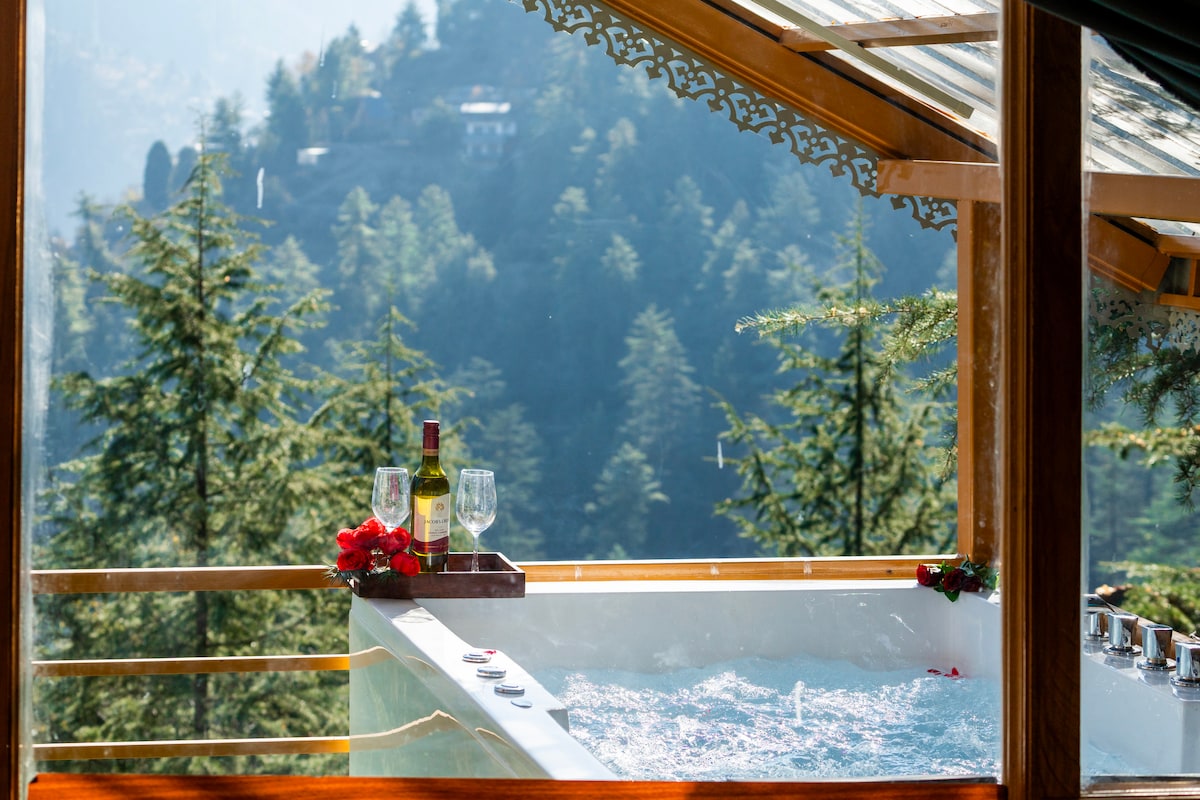
Luxury accommodations in Jibhi include premium wooden cottages, glamping setups, and modern villas with exceptional views and amenities. At this price point, expect spacious rooms or entire cottages, premium linens, excellent heating, western-style bathrooms with luxury fixtures, and often stunning locations. Some luxury properties feature glass roofs, private decks, meditation spaces, and even personal chefs or butlers.
Luxury stays in Jibhi are perfect for honeymoons, anniversaries, or anyone wanting to splurge on a special mountain retreat. Despite the luxury price tag, these properties maintain Jibhi's rustic charm – you're not getting a generic luxury hotel room but rather a premium version of traditional Himalayan living. Many luxury hosts offer additional services like spa treatments, private yoga sessions, or customized trekking itineraries.
Best Time to Visit and Booking Tips
Summer (April-June)
Summer is Jibhi's peak season, offering pleasant weather, clear skies, and excellent trekking conditions. Daytime temperatures are comfortable (15-25°C), though nights can be chilly. This is when the valley is greenest, wildflowers are blooming, and the river is at its most inviting for fishing. Prices are highest during summer, and availability becomes limited, especially for well-reviewed properties.
Book at least 2-3 months in advance for summer stays. The advantage of visiting during peak season is excellent weather, maximum activity options, and a vibrant traveler community. However, popular spots near Jibhi will have more tourists compared to off-season periods.
Monsoon (July-September)
The monsoon season transforms Jibhi into a lush green paradise, though heavy rainfall can disrupt travel plans. Landslides occasionally block roads, and trekking trails become slippery. However, this is when Jibhi is least crowded, and many hosts offer significant discounts. If you don't mind rain and love the mountains in their greenest avatar, monsoon can be magical.
Book properties with good road access during monsoon, as some isolated cottages become difficult to reach. Carry rain gear and waterproof clothing. The plus side is waterfalls are spectacular, everything is incredibly green, and you'll likely have entire viewpoints to yourself.
Autumn (October-November)
Autumn might be Jibhi's best-kept secret. Post-monsoon, the air is crystal clear, views are spectacular, and temperatures are pleasant. October offers golden light perfect for photography, while November brings crisp mornings and clear skies ideal for stargazing. This season offers great value with shoulder season pricing before winter rates kick in.
Book 4-6 weeks ahead for autumn stays. Weather is generally stable, though occasional rain can occur in October. This is an excellent time for photography, trekking, and generally enjoying Jibhi's natural beauty without peak season crowds.
Winter (December-March)
Winter in Jibhi brings cold temperatures (often below freezing at night) and occasional snowfall. The valley looks magical with snow-capped peaks, and the winter sky is incredibly clear. Many properties offer cozy wood-burning stoves, warm blankets, and hot water bottles. Winter is perfect for travelers seeking silence, solitude, and stunning winter scenery.
Check that your accommodation has proper heating and hot water before booking for winter. Some properties might close temporarily during deep winter. Road access can occasionally be disrupted by snow, though Jibhi is generally accessible year-round. Winter is the most affordable season, and hosts often offer discounts for extended stays.
Essential Amenities to Look For
Given Jibhi's mountain location and weather conditions, certain amenities are non-negotiable. Heating is essential from October to March – look for wood-burning bukharis, room heaters, or proper insulation. Even in summer, nights can be chilly, so at minimum ensure warm blankets are provided. Hot water is absolutely necessary – mountain water is freezing cold, and there's nothing worse than a cold shower in winter.
Reliable electricity is important as power cuts occur. Ask if your property has power backup or at least solar-powered lights. WiFi availability is increasingly common, but don't count on high-speed internet – if connectivity is crucial, verify with your host and perhaps carry a Jio SIM for better connectivity. Kitchen facilities are useful for long-term stays, though most hosts can prepare meals at reasonable cost.
Parking is essential if you're driving your own vehicle, as road access can be tricky. Mountain views are worth paying extra for – waking up to Himalayan vistas is Jibhi's primary appeal. If you're planning to cook, confirm kitchen equipment availability. For winter stays, check that rooms are properly insulated – cold drafts can make sleep difficult even with heating.
Local Experiences and Host Specialties
The best Airbnb hosts in Jibhi offer much more than just accommodation – they provide experiences that create lasting memories. Many hosts can arrange trout fishing trips to the Tirthan River, with equipment and guidance provided. Some offer guided treks to hidden waterfalls, through cedar forests, or to viewpoints that most tourists never discover.
Cooking experiences are particularly special – learn to make traditional Himachali dishes like rajma madra, chana madra, or local trout prepared over a wood fire. Some hosts organize bonfire evenings with music, local stories, and stargazing sessions. Fishing enthusiasts should ask hosts about the best spots and gear rental – the Tirthan Valley is famous for trout fishing.
Photography tours can be arranged through knowledgeable hosts who know the best viewpoints and lighting conditions. Yoga and meditation sessions on your cottage balcony, surrounded by mountains, offer profound wellness experiences. Some hosts have connections with local artisans and can arrange visits to see traditional handicrafts being made.
Transportation and Getting There
Reaching Jibhi requires planning, as it's not as easily accessible as major hill stations. The nearest major town is Aut, about 25 kilometers away. From Aut, you'll need to take a taxi or shared vehicle to Jibhi (approximately 1 hour on winding mountain roads). The nearest railway station is Joginder Nagar (narrow gauge) or Kiratpur Sahib (broad gauge), both requiring significant road travel afterward.
Most travelers reach Jibhi via bus from Delhi or Chandigarh to Aut, then taxi onward. Some hosts can arrange pickup from Aut or even from larger cities like Manali or Shimla. If you're driving yourself, be prepared for narrow, winding roads – though the drive through the Tirthan Valley is spectacular. Once in Jibhi, most accommodations are within walking distance of each other, though some forest cottages require short hikes.
Dining and Food Options
While Jibhi isn't a foodie destination with numerous restaurants, your Airbnb host can ensure you eat well. Many homestays include home-cooked meals, typically simple but delicious Himachali cuisine. Dal, rice, local vegetables, and occasionally trout or chicken feature prominently. Breakfast often includes paratha, curd, and locally made jam.
Some properties have their own cafes or restaurants serving travelers. Jibhi village has a handful of eateries serving basic meals, momos, and sometimes even continental food. For self-catering, small shops sell basics, though selection is limited – don't expect fancy ingredients. If you have dietary restrictions, inform your host in advance – they can usually accommodate vegetarian, vegan, or other preferences with advance notice.
Activities and Attractions Near Jibhi
Jibhi's location makes it an excellent base for exploring Tirthan Valley. The Great Himalayan National Park, a UNESCO World Heritage Site, is accessible from Jibhi and offers incredible trekking and wildlife viewing opportunities. Jalori Pass (3,120m) is about 12 kilometers from Jibhi – the drive offers spectacular views, and the pass area has several lakes perfect for day hikes.
The charming village of Shoja, about 5 kilometers from Jibhi, offers additional accommodation and dining options plus access to Serolsar Lake. Jibhi itself has several waterfalls within walking distance – ask your host for directions to hidden cascades. Fishing enthusiasts will find the Tirthan River excellent for trout, and gear is often available through hosts or local shops.
For those seeking relaxation, simply reading on your cottage balcony, practicing yoga with mountain views, or walking through cedar forests can fill your days perfectly. Jibhi isn't about rushing between attractions – it's about slowing down and absorbing Himalayan tranquility.
Booking Tips and Best Practices
When booking an Airbnb in Jibhi, read recent reviews carefully, paying attention to comments about cleanliness, heating reliability, and host responsiveness. Contact hosts before booking if you have specific requirements – good hosts in Jibhi are responsive and helpful. For winter stays, explicitly confirm heating and hot water availability.
Book well in advance for peak seasons (May-June, October). For long-term stays, negotiate directly with hosts – many offer significant monthly discounts. Clarify the exact location using the map feature – some properties listed as Jibhi might be several kilometers away in remote locations requiring hiking. Check cancellation policies, as mountain weather can disrupt travel plans.
Verify road access conditions, especially for monsoon or winter. Ask about meal options – many hosts can include meals at very reasonable cost. Confirm WiFi speed if reliable internet is crucial – mountain internet can be unpredictable. Most importantly, go with the flow – mountain life operates at a different pace, and flexibility is key to enjoying Jibhi.
Conclusion
Jibhi offers exactly what modern travelers increasingly seek – an authentic Himalayan experience without crowds, commercialization, or cookie-cutter hotels. Airbnb has made it possible to stay in traditional wooden cottages, riverside homestays, and forest retreats that connect you deeply with Jibhi's natural beauty and warm local culture. Whether you're seeking a romantic escape, a creative retreat, or simply a break from urban chaos, Jibhi delivers in ways that more developed destinations cannot.
The combination of stunning scenery, genuine hospitality, and the opportunity to disconnect from modern stresses makes Jibhi special. As you sip morning tea watching mist rise from the valley, fall asleep to the sound of the river, and share stories with your host family, you'll understand why travelers who discover Jibhi often return year after year. In an age of overtourism, Jibhi remains refreshingly unspoiled – but that won't last forever. Visit now, while it's still the hidden gem that feels like your own private Himalayan paradise.
Location
Frequently Asked Questions
Q1.What is the average price of Airbnb in Jibhi?
Q2.Which area is best to stay in Jibhi?
Q3.Is Jibhi safe for solo travelers and couples?
Q4.What amenities should I look for in Jibhi Airbnb?
Q5.How do I reach Jibhi from Delhi?
Q6.What is the best time to visit Jibhi?
Q7.Do Jibhi Airbnbs provide food?
Q8.What activities can I do from Jibhi?
Recommended For You
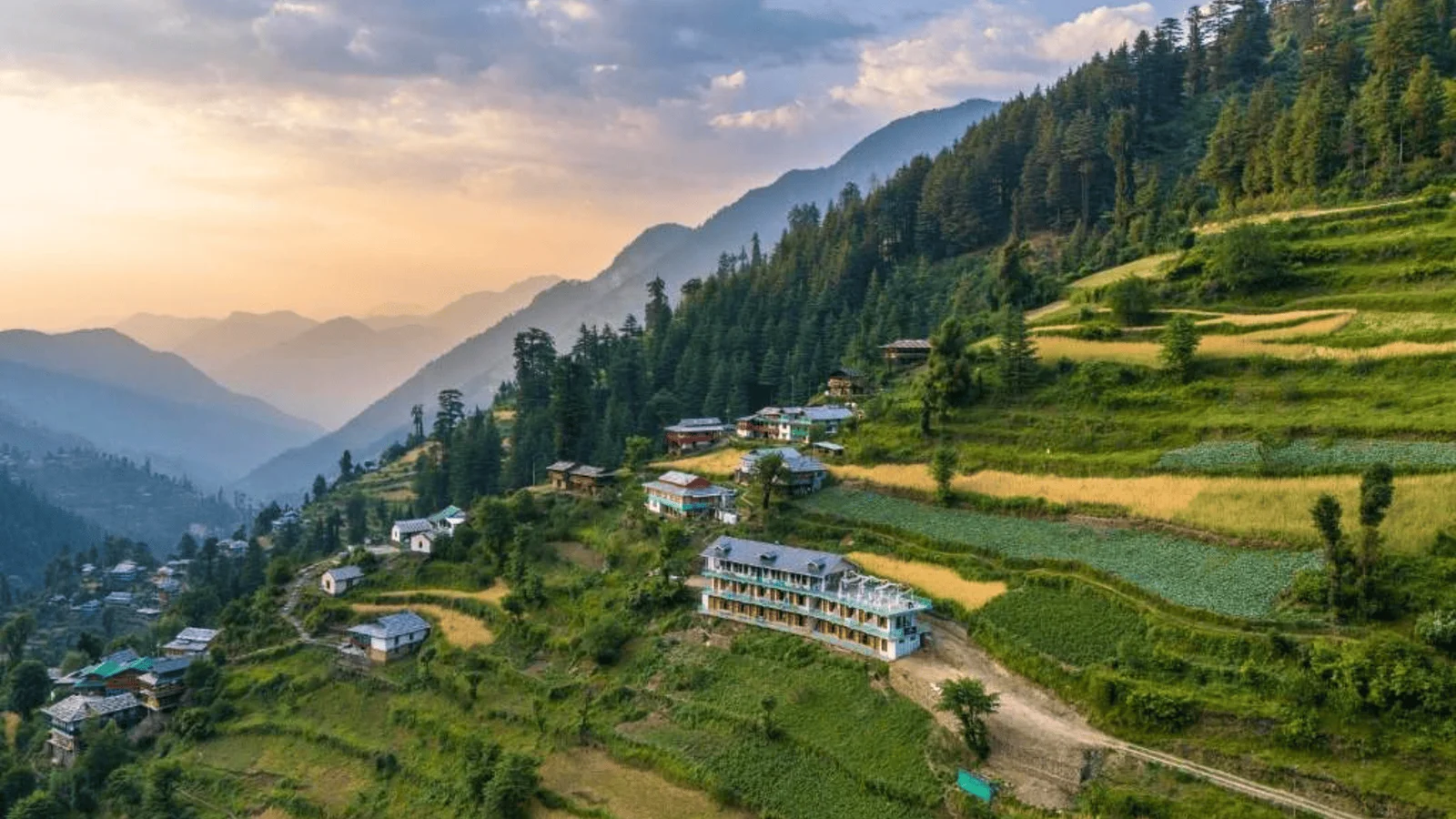
Shoja Himachal: Offbeat Stays, Waterfalls & Scenic Trails
Explore Shoja Himachal with offbeat-stay planning, season-aware route tips, and practical mountain pacing guidance.
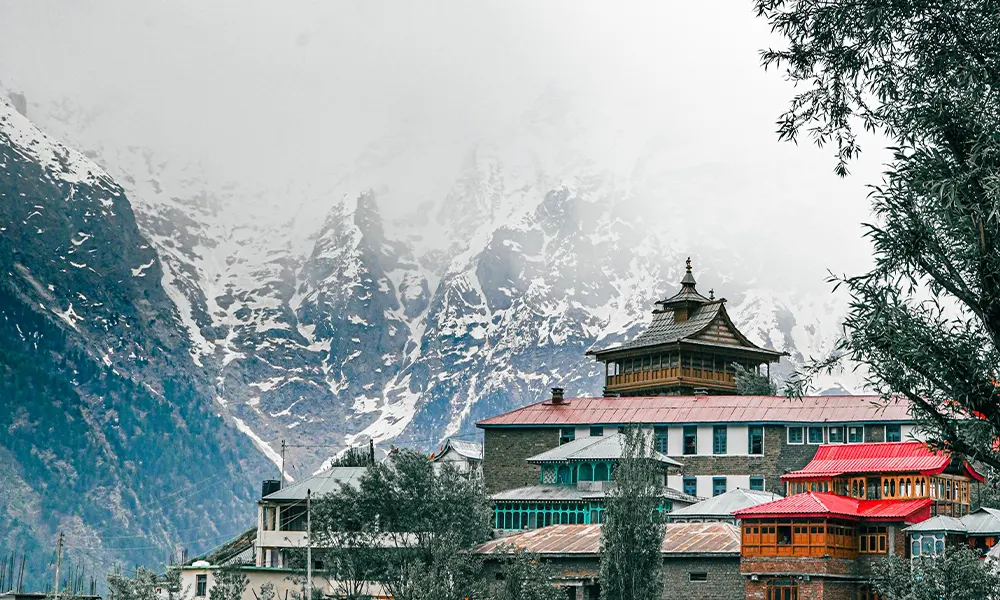
Best Places to Visit in Himachal Pradesh: Regions, Routes & Seasons
Discover the best places to visit Himachal Pradesh: Shimla Mall Road, Manali adventure, Spiti Valley, Dharamshala, Bir Billing, Dalhousie Khajjiar, and more with complete travel guide.
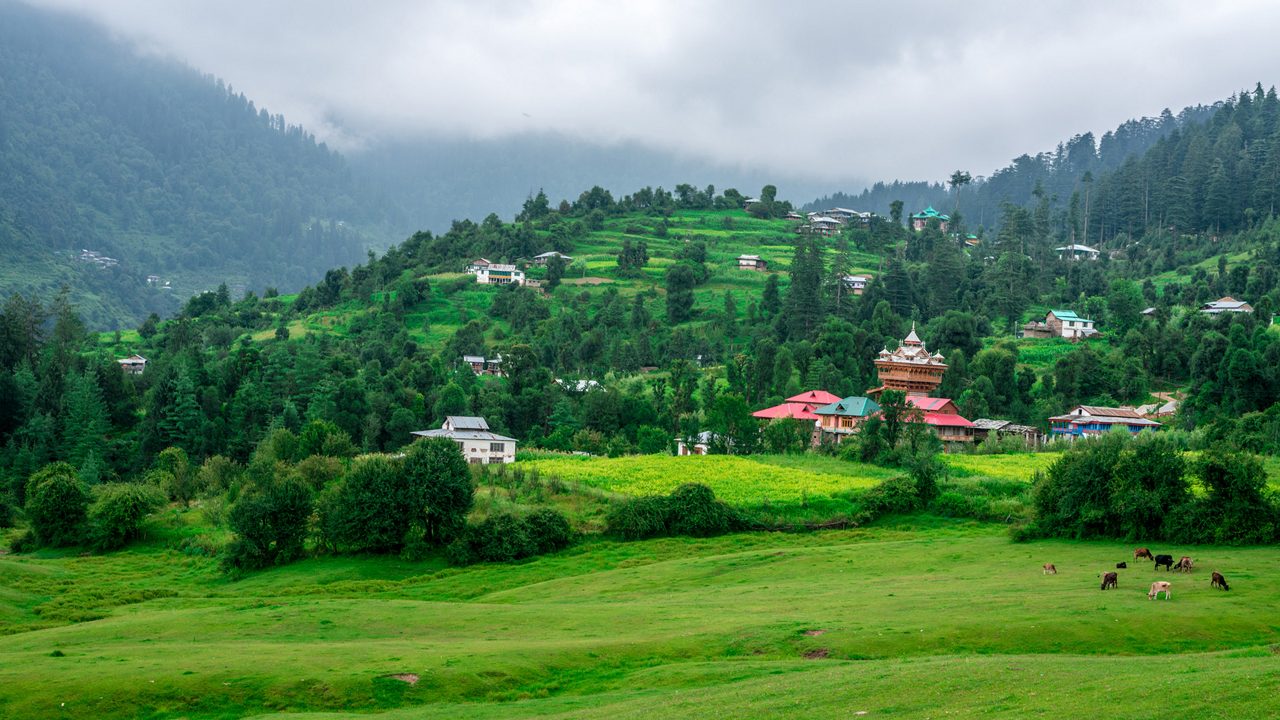
Great Himalayan National Park: Trek Routes, Permits & Wildlife
Explore Great Himalayan National Park (GHNP): UNESCO World Heritage Site in Kullu. Complete guide to trekking routes, wildlife spotting, permits, best time to visit, and accommodation.
Never Miss an Adventure
Get the latest trekking guides, travel tips, and exclusive offers delivered straight to your inbox.
