
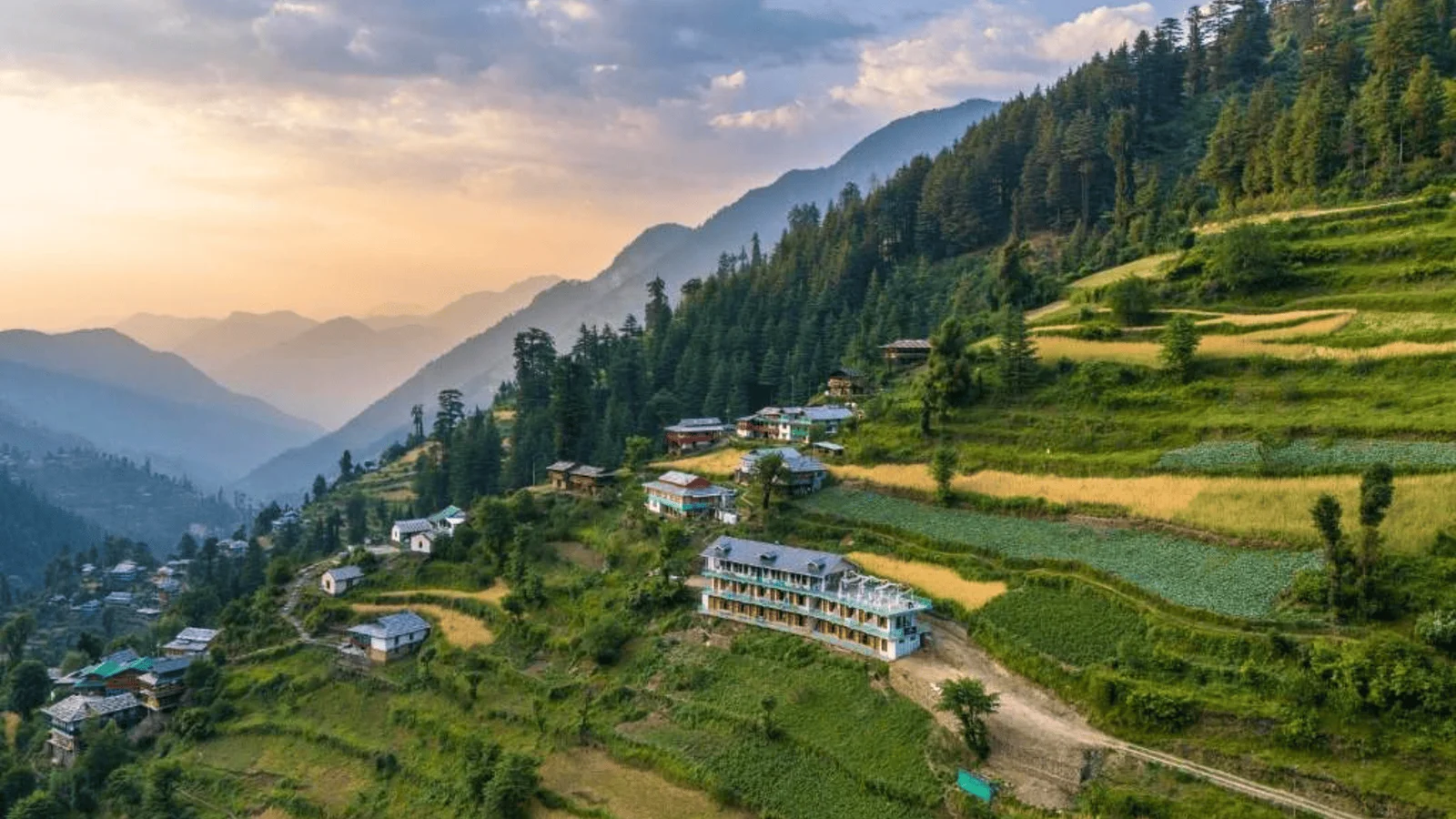
Shoja Himachal: Offbeat Stays, Waterfalls & Scenic Trails
Rohit Verma
December 24, 2025
Explore Shoja Himachal with offbeat-stay planning, season-aware route tips, and practical mountain pacing guidance.
Shoja Himachal Pradesh: Offbeat Mountain Stay Guide
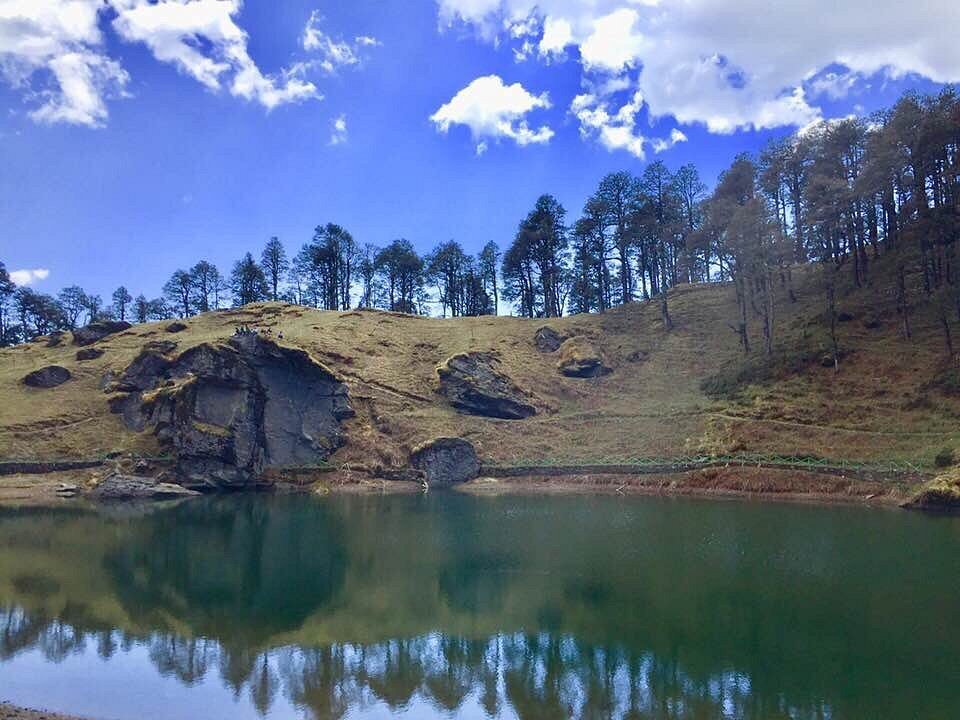
Shoja is one of Himachal’s quieter highland villages and works best for travelers who want slower mountain days instead of crowded hill-town markets. Located near Jalori Pass corridors, Shoja offers forested slopes, valley views, and access to short treks like Serolsar-side routes. It is a strong choice for couples, solo writers, and small groups looking for low-noise mountain stays.
This guide focuses on practical planning: season fit, route clarity, stay selection, and day structure. For broader routing, pair with Serolsar Lake Himachal, nearby destination context from places to visit Kasauli, and trip pacing support via weekend getaways from Chandigarh.
Why Shoja Feels Different
Shoja does not offer the high-density commercial setup of major hill stations. Instead, it gives you a forest-valley environment where the day rhythm is slower and nature-led. This is its biggest strength, but also why expectation setting matters. If you want nightlife and large shopping strips, Shoja may feel limited. If you want silence, short trails, and views, it performs very well.
Trip quality depends on whether your expectations match the destination style.
Best Time to Visit Shoja
Season choice in Shoja should align with your travel objective. Clear-weather windows support panoramic viewpoints and easier drives. Monsoon can make greenery dramatic but may affect road confidence. Winter can be beautiful, though cold and route-sensitive for some travelers.
| Season Window | What You Get | Planning Note |
|---|---|---|
| Spring / Early Summer | Pleasant weather and active trails | Best for mixed walk + stay itineraries |
| Monsoon | Lush landscapes and misty views | Keep buffer for road conditions |
| Autumn / Early Winter | Clear skies and stronger visibility | Carry warm layers for evenings |
Always check current road conditions before departure days.
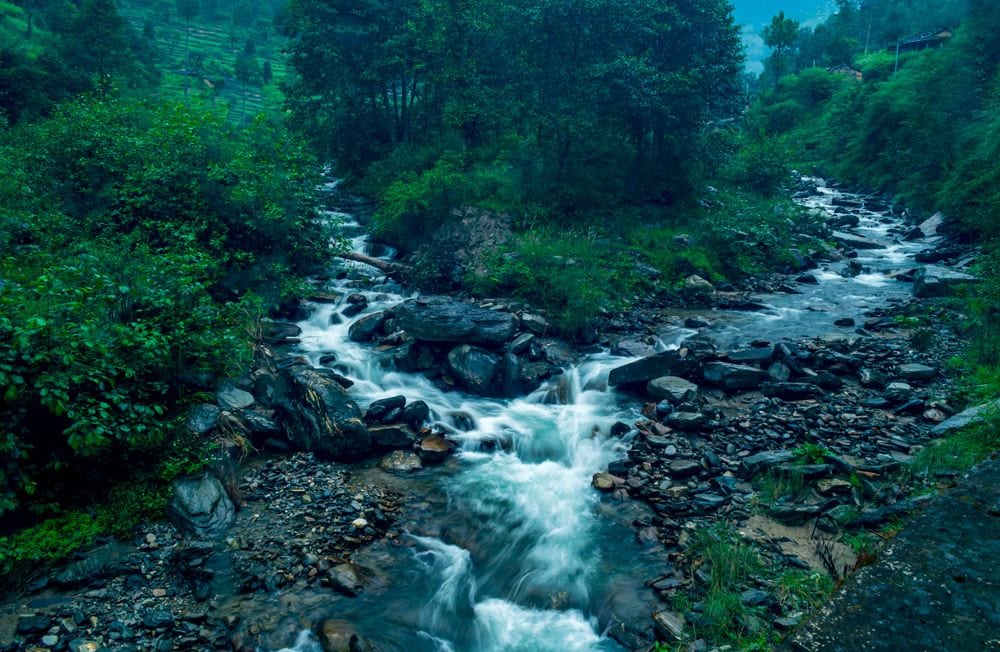
Where to Stay and How to Choose
Shoja stay options are usually homestays, small guesthouses, and limited boutique properties. Pick by objective, not only by photos: view quality, road approach, backup heating, and meal timing reliability. In offbeat destinations, host responsiveness matters as much as room aesthetics.
- For quiet work trips: choose stable internet and power backup.
- For couples: prioritize view-facing rooms and warm dining options.
- For groups: confirm parking and early breakfast availability.
- For winter stays: verify heating and hot water windows.
Good stay selection protects the full trip experience.
Top Experiences Around Shoja
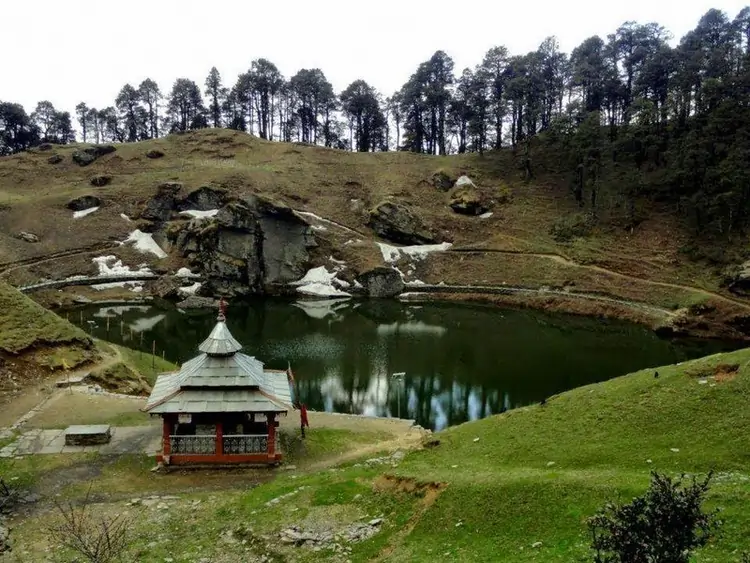
Shoja works best as a “few strong experiences” destination rather than a long attraction checklist. Popular choices include short valley walks, viewpoint halts, and planned trail days toward Serolsar-linked regions depending on weather and fitness. Keep one main activity block and one lighter block per day.
If conditions are uncertain, reduce movement and prioritize local nature walks near your stay. Offbeat mountain trips reward flexibility more than rigid scripts.
How to Reach and Route Planning
Most travelers approach Shoja via road from major Himachal gateways. The final sections can be winding, so avoid late-night unfamiliar driving when possible. Start early, keep fuel and essentials sorted, and build realistic transfer buffers. Map distance is less important than mountain road timing.
If this is your first offbeat Himachal drive, keep one alternate stop ready in case weather changes your plan.
Food, Weather Gear, and Day Comfort
Mountain comfort depends on basics: hydration, layered clothing, predictable meal timing, and conservative movement in low-light hours. Do not overpack day plans before confirming weather windows. A simple two-block day structure works best: morning activity + afternoon recovery or scenic pause.
In cool months, wind-proof layers and warm evening clothing are essential even when daytime feels mild.
Common Mistakes and Better Alternatives
Common mistakes include arriving too late, overestimating local infrastructure, and forcing long trail plans in uncertain conditions. Better alternatives are early check-in, one priority activity per day, and weather-aware decision-making each morning.
Shoja is not a race destination. Travelers who slow down usually report better scenery, better sleep, and better overall satisfaction.
Suggested 2-Night Shoja Plan
For a short offbeat break, day one should focus on arrival and local acclimatized walks. Day two can hold one main activity such as a trail or viewpoint block with long recovery time. Day three should remain light and departure-friendly. This structure gives the calm experience travelers usually seek in Shoja.
Trying to overfill two nights with long-distance side trips often defeats the purpose of visiting Shoja. Keep the core village rhythm central and use nearby add-ons only when conditions are favorable.
Remote-Travel Readiness Essentials
Carry basic medicines, layered clothing, offline maps, and backup cash for service variability. Confirm meal timings with your host in advance, especially in low-season periods. When weather shifts, adapt quickly instead of forcing the original plan.
Offbeat mountain comfort comes from preparation and flexibility, not from perfect forecasts. Travelers who plan for uncertainty usually enjoy Shoja more deeply.
Final Offbeat Travel Rule for Shoja
Plan for calm days, not packed days. Shoja is best when you allow time for weather changes, long viewpoints, and quiet recovery. If your itinerary starts to feel rushed, reduce movement and keep one scenic anchor for the day.
That single adjustment usually turns the trip from tiring to memorable.
Remote Route Control and Exit Planning
One overlooked part of offbeat travel is exit planning. Confirm your next-day departure window, fuel status, and weather forecast the previous evening so you are not making urgent decisions in the morning. This matters in Shoja where mountain conditions and road pacing can alter departure comfort.
Keep one backup route decision ready if weather or traffic shifts. Predictable exits are part of a good offbeat itinerary, and they help preserve the calm rhythm that makes Shoja worth visiting.
Final Comfort Rule
Keep one quiet evening with no fixed outing so your mountain stay remains restorative and not schedule-heavy.
Note
Start early and travel light.
Final Tip
Keep one flexible backup plan.
Conclusion
Shoja Himachal Pradesh is ideal for offbeat mountain travel when planned with realistic transfers, season-aware pacing, and low-density expectations. Keep your itinerary simple, stay flexible with weather, and prioritize quality over quantity. With that approach, Shoja becomes one of the most peaceful highland escapes in Himachal.
Location
Frequently Asked Questions
Q1.Where is Shoja located in Himachal?
Q2.How far is Shoja from Manali?
Q3.What is the best time to visit Shoja?
Q4.Does it snow in Shoja?
Q5.What is Shoja's altitude?
Q6.How to reach Shoja from Delhi?
Q7.Are there good hotels in Shoja?
Q8.Is Shoja safe for families?
Recommended For You
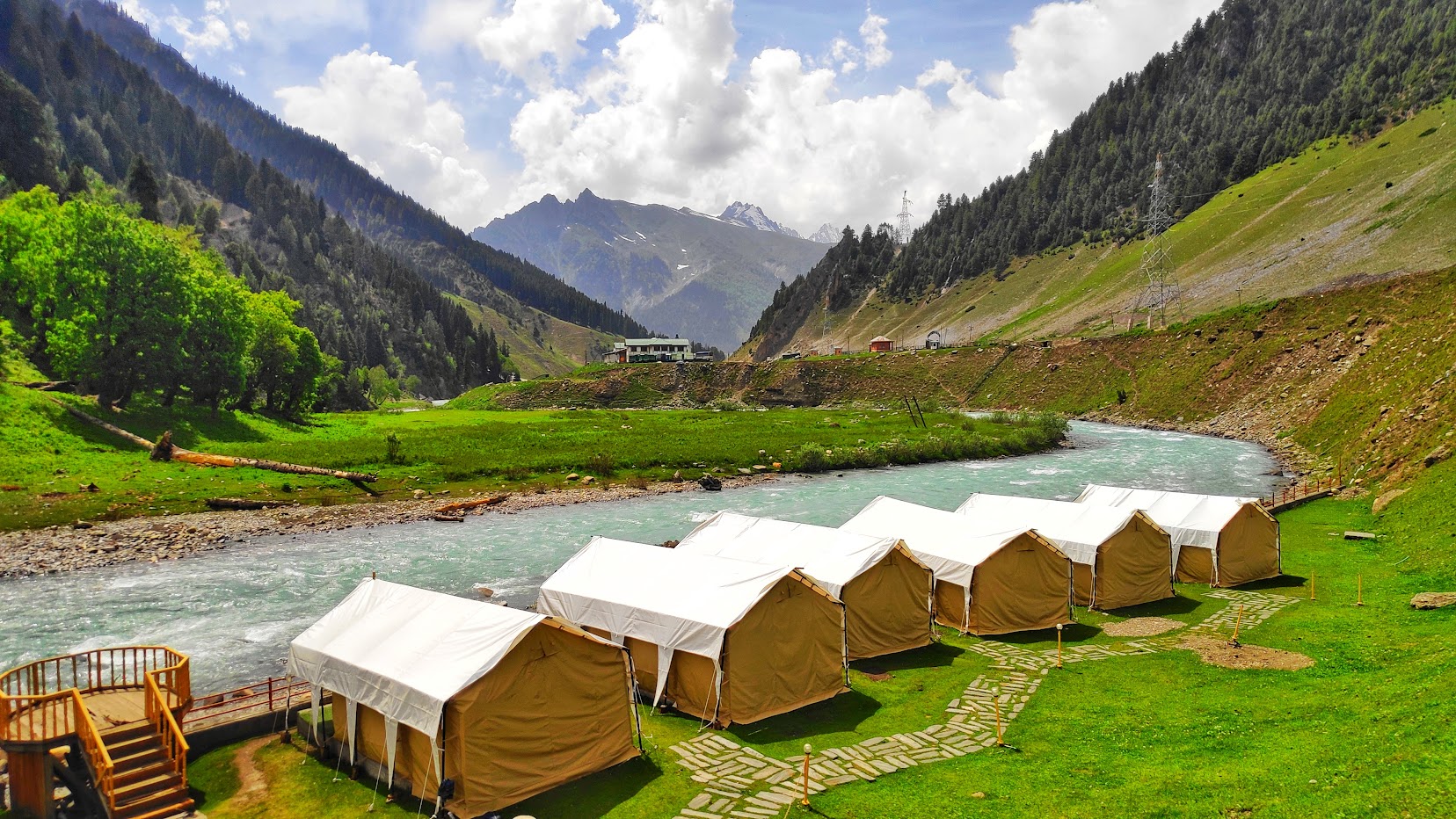
Camping at Sonmarg Kashmir: Campsites, Weather & Essentials
Experience camping at Sonmarg, Kashmir's meadow of gold. Complete guide to campsites, tents, best time, trekking routes, costs, and safety tips for an unforgettable Himalayan camping adventure.
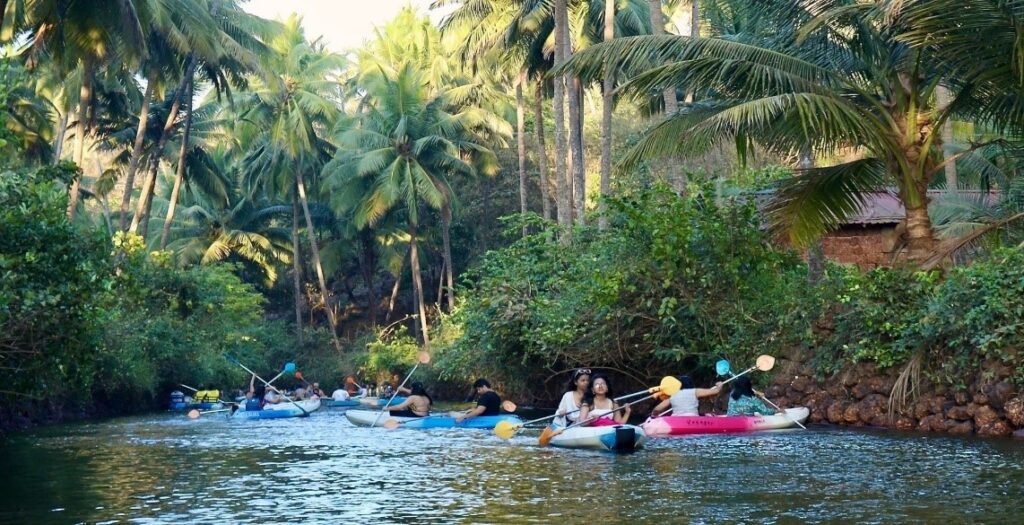
Kayak in Goa: Routes, Best Spots, and Essential Tips
Discover kayaking in Goa with comprehensive route guides, best spots, safety tips, and operator recommendations for all skill levels.
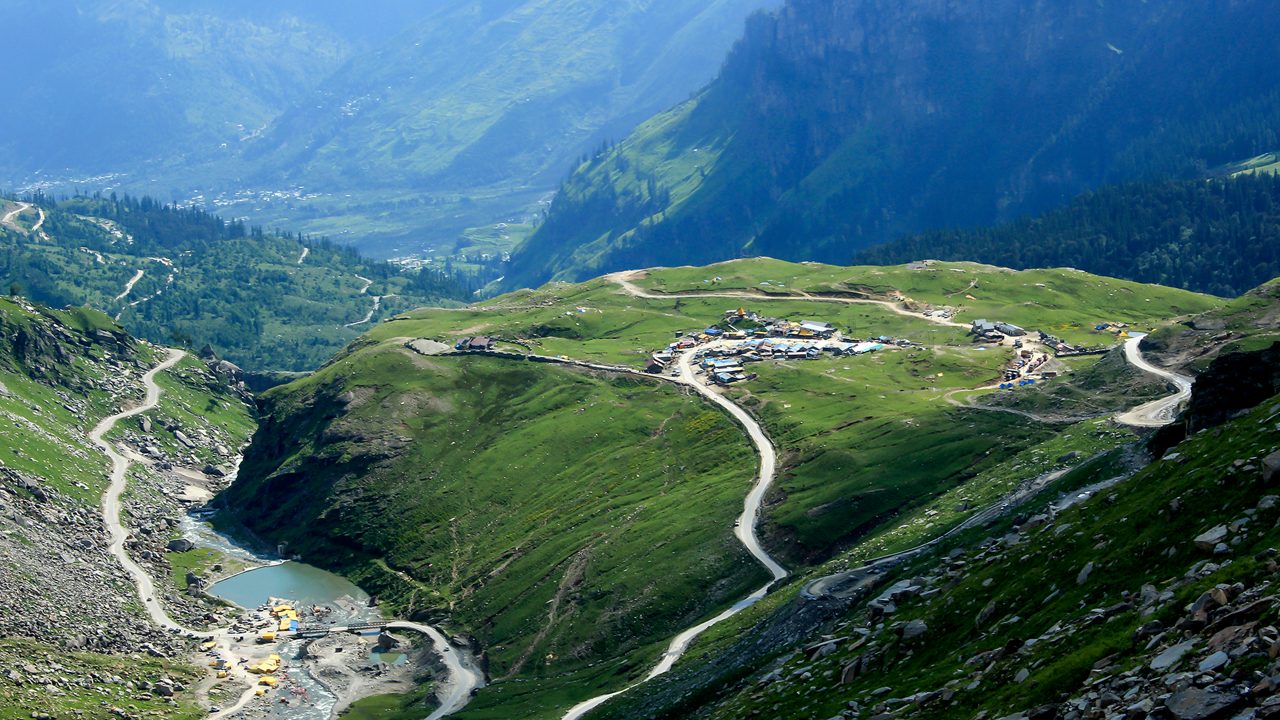
Rohtang Pass Manali: Complete Guide to Himalayan Adventure
Complete Rohtang Pass Manali guide: permits, best time, activities, costs & safety tips. Experience the Himalayas at 3,978 meters.
Never Miss an Adventure
Get the latest trekking guides, travel tips, and exclusive offers delivered straight to your inbox.
