
Great Himalayan National Park: Trek Routes, Permits & Wildlife

Priya Mehta
February 18, 2026
Explore Great Himalayan National Park (GHNP): UNESCO World Heritage Site in Kullu. Complete guide to trekking routes, wildlife spotting, permits, best time to visit, and accommodation.
Introduction: A UNESCO Wilderness Paradise
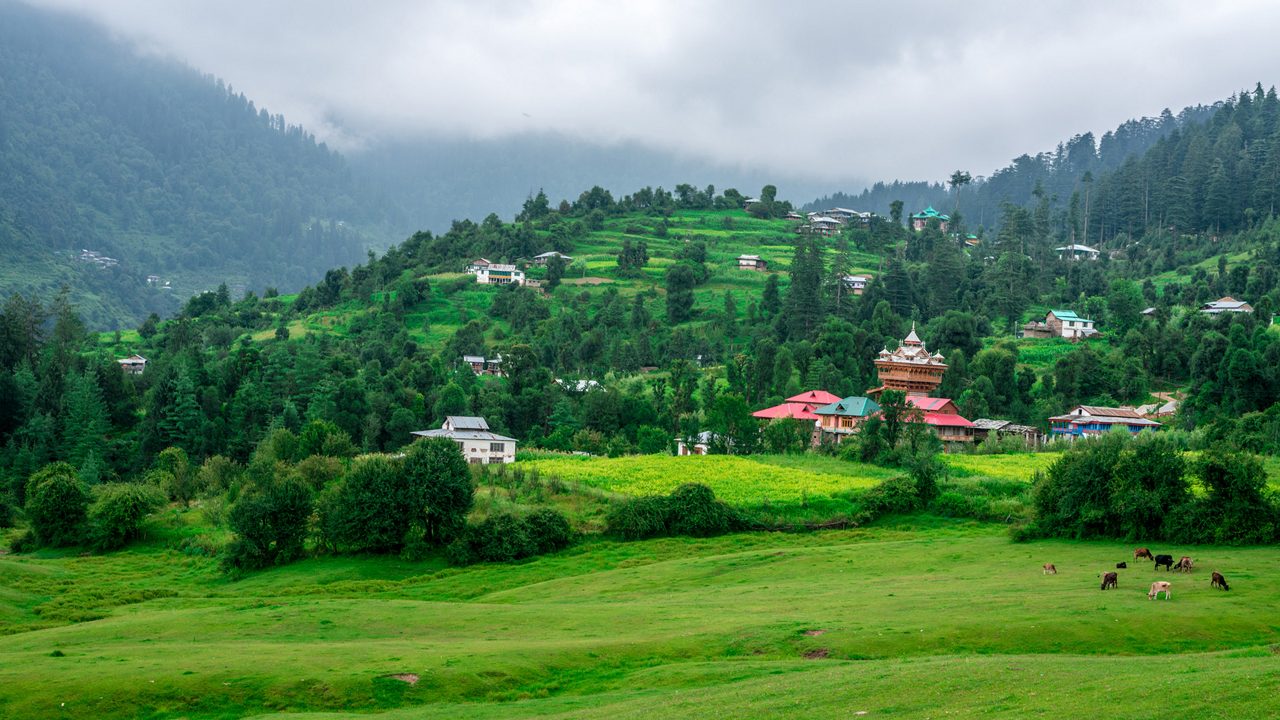
Nestled in the majestic Kullu district of Himachal Pradesh, the Great Himalayan National Park (GHNP) stands as one of India's most pristine protected areas. Established in 1984 and bestowed with UNESCO World Heritage Site status in 2014, this 1,171 square kilometer wilderness represents the very best of Himalayan biodiversity and unspoiled mountain landscapes. Combine your visit with Manali for a complete Himachal experience.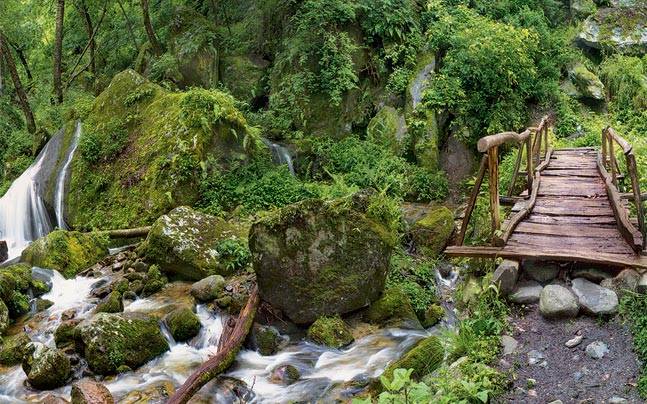 Unlike the crowded tourist hubs of Manali and Kullu, GHNP remains a sanctuary for those seeking authentic wilderness experiences. The park encompasses four distinct valleys—Tirthan, Sainj, Jiwa Nal, and Parvati—each offering unique trekking routes, diverse ecosystems, and opportunities to witness some of the Himalayas' most elusive wildlife.
For adventure enthusiasts, nature photographers, and wildlife lovers, GHNP presents an unparalleled opportunity to explore the Western Himalayas' rich ecological heritage. From the elusive snow leopard to the vibrant Western Tragopan, from ancient oak forests to alpine meadows bursting with wildflowers, this national park is a living museum of Himalayan biodiversity.
Unlike the crowded tourist hubs of Manali and Kullu, GHNP remains a sanctuary for those seeking authentic wilderness experiences. The park encompasses four distinct valleys—Tirthan, Sainj, Jiwa Nal, and Parvati—each offering unique trekking routes, diverse ecosystems, and opportunities to witness some of the Himalayas' most elusive wildlife.
For adventure enthusiasts, nature photographers, and wildlife lovers, GHNP presents an unparalleled opportunity to explore the Western Himalayas' rich ecological heritage. From the elusive snow leopard to the vibrant Western Tragopan, from ancient oak forests to alpine meadows bursting with wildflowers, this national park is a living museum of Himalayan biodiversity.
Why Visit Great Himalayan National Park?
The Great Himalayan National Park offers a unique proposition in the Indian Himalayan tourism landscape. While other mountain destinations have succumbed to commercialization and overdevelopment, GHNP has maintained its wild character and ecological integrity through strict conservation policies and limited tourism infrastructure.Unspoiled Wilderness Experience
What sets GHNP apart is its relative isolation and commitment to preservation. There are no hotels, restaurants, or souvenir shops within the park boundaries. Instead, visitors experience raw, unfiltered nature—dense forests of deodar and oak, crystal-clear mountain streams, and meadows that seem to stretch endlessly toward snow-capped peaks. The park's elevation ranges from 1,500 meters to over 6,000 meters, creating an incredible diversity of habitats. Within a single trek, you might traverse temperate forests, sub-alpine zones, and high-altitude deserts, each with its own unique flora and fauna adapted to the challenging conditions.Biodiversity Hotspot
GHNP is home to an astounding 375 species of fauna, including 31 mammals, 181 birds, and numerous reptiles, amphibians, and insects. The park's significance in Himalayan conservation cannot be overstated—it protects the entire upper catchment of the Tirthan and Sainj rivers, ensuring the preservation of critical watersheds and ecosystems. The park is particularly renowned for its pheasant population, with four of the six Himalayan pheasant species found here. Birdwatchers from around the world come hoping to catch a glimpse of the Western Tragopan, often called the "king of birds" for its spectacular plumage and elusive nature.Biodiversity: Flora and Fauna of GHNP
The Great Himalayan National Park's diverse elevation gradient creates a remarkable variety of ecosystems, each supporting unique communities of plants and animals. This biological diversity is among the highest of any protected area in the Western Himalayas.Mammals of the Himalayan Wilderness
The park's most famous resident is undoubtedly the snow leopard, the elusive apex predator that roams the high-altitude zones above 3,500 meters. While sightings are extremely rare (and require exceptional luck and persistence), the knowledge that these magnificent cats share the landscape adds an element of excitement to every high-altitude trek. For better snow leopard sightings, consider visiting Hemis National Park in Ladakh.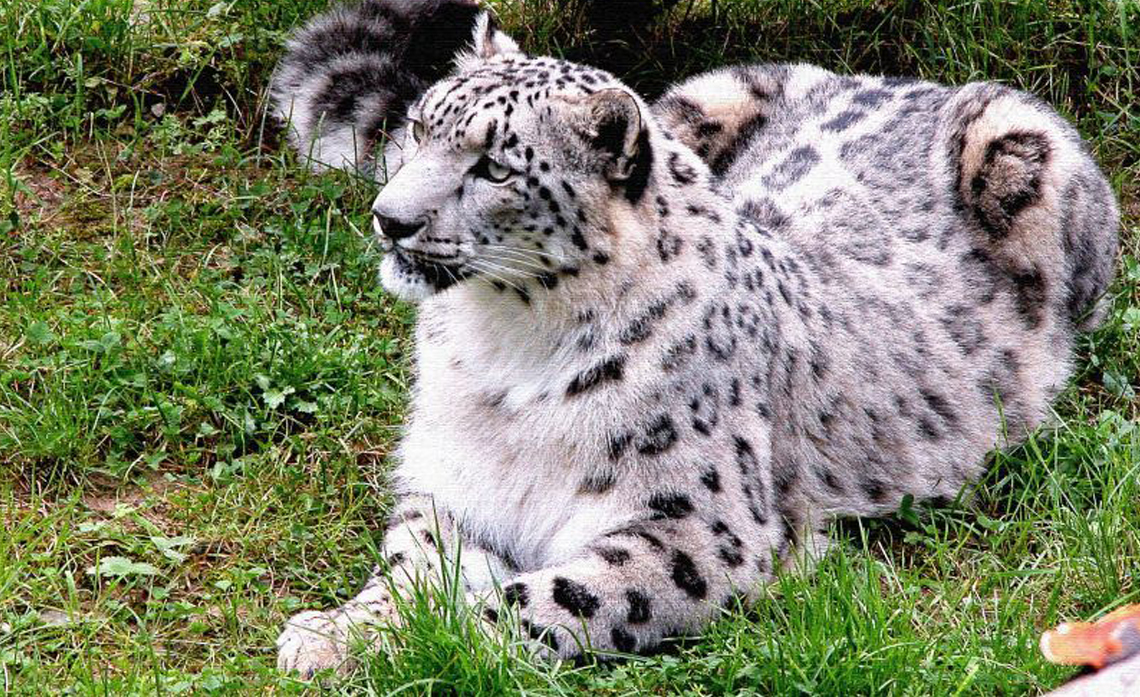 More commonly encountered are the Himalayan musk deer, known for their distinctive tusks and valued musk pods. These shy, solitary animals inhabit the sub-alpine forests and are sometimes spotted during early morning or evening treks. The blue sheep, or bharal, are another highlight—these agile climbers navigate seemingly impossible rocky terrain with apparent ease, and their encounters, while not guaranteed, are treasured by wildlife enthusiasts.
Other notable mammal species include the Himalayan brown bear (primarily in higher elevations), Himalayan tahr, leopard, red fox, and numerous smaller mammals including the Himalayan weasel, yellow-throated marten, and Royle's pika. The park's varied habitats support an incredible density of wildlife, making every trek a potential wildlife-watching opportunity.
More commonly encountered are the Himalayan musk deer, known for their distinctive tusks and valued musk pods. These shy, solitary animals inhabit the sub-alpine forests and are sometimes spotted during early morning or evening treks. The blue sheep, or bharal, are another highlight—these agile climbers navigate seemingly impossible rocky terrain with apparent ease, and their encounters, while not guaranteed, are treasured by wildlife enthusiasts.
Other notable mammal species include the Himalayan brown bear (primarily in higher elevations), Himalayan tahr, leopard, red fox, and numerous smaller mammals including the Himalayan weasel, yellow-throated marten, and Royle's pika. The park's varied habitats support an incredible density of wildlife, making every trek a potential wildlife-watching opportunity.
Avian Wonders: Birdwatcher's Paradise
GHNP is internationally recognized as an Important Bird Area, and birdwatching here is exceptional year-round. The park's avian crown jewel is undoubtedly the Western Tragopan, a spectacular pheasant with brilliant crimson plumage and distinctive facial markings. This endangered species is found only in the Western Himalayas, and GHNP protects one of its largest remaining populations. Equally magnificent is the Himalayan monal, the state bird of Himachal Pradesh, with its iridescent plumage that seems to contain every color of the rainbow. These stunning birds are relatively common in the park's coniferous forests, particularly during the breeding season when males display their spectacular feathers. Other pheasant species include the koklass, with its distinctive call that echoes through the forests, and the kaleej pheasant. Birds of prey are also well-represented, with golden eagles, lammergeiers (bearded vultures), and Himalayan griffons frequently spotted soaring above the valleys.Flora: From Oak Forests to Alpine Meadows
The park's botanical diversity is equally impressive. Lower elevations feature dense forests of ban oak, rhododendron, and horse chestnut, their canopies creating cool, shaded corridors along stream banks. As elevation increases, these give way to mixed conifer forests of deodar, blue pine, fir, and spruce—trees that can grow to enormous heights and live for centuries. Above the tree line, approximately 3,500 meters, the landscape transforms into alpine meadows or "bugyals" as they're locally known. These high-altitude grasslands burst into color during spring and summer, carpeted with wildflowers including gentians, primulas, anemones, and the legendary blue poppy. The park protects over 1,000 plant species, many of which have medicinal value and are used in traditional Himalayan healing systems.Popular Trekking Routes in GHNP
Trekking in the Great Himalayan National Park offers an authentic Himalayan wilderness experience, far removed from the commercialized trails of more popular destinations. The park's varied terrain provides options for everyone from beginners to experienced mountaineers, though all treks require proper planning, fitness, and respect for the mountains.Gushaini to Rolla Hut: Beginner-Friendly Introduction
This one-day trek from Gushaini to Rolla Hut is perfect for those new to Himalayan trekking or with limited time. The approximately 9-kilometer trail follows the Tirthan River through dense forests of oak and pine, with multiple stream crossings that add excitement to the journey. Discover more Himachal Pradesh trekking routes for your adventure.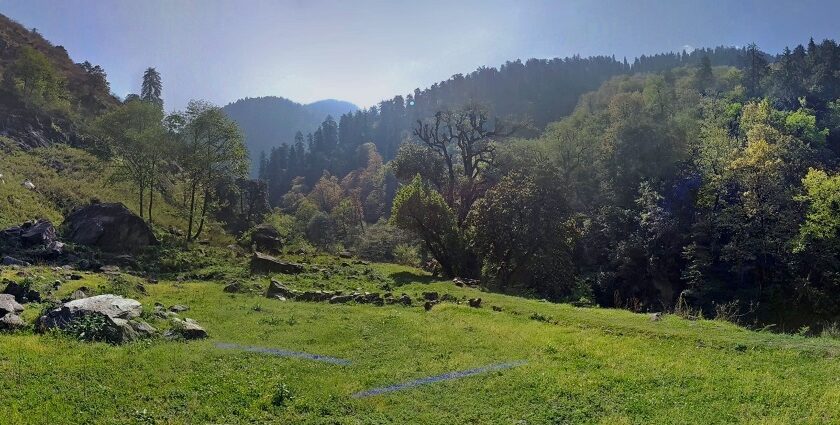 Rolla Hut, at an elevation of 2,100 meters, provides basic accommodation and serves as a base for short nature walks. The area around Rolla is excellent for birdwatching, and lucky visitors might spot Himalayan langurs or various pheasant species. This trek serves as an excellent introduction to the park's beauty and can be completed as a day hike or an overnight camping experience.
Rolla to Shilt Hut: Moderate Forest Trek
For those seeking a more immersive experience, the 2-3 day trek from Rolla to Shilt Hut offers deeper penetration into the park's wilderness. The approximately 10-kilometer trail climbs steadily through changing vegetation zones, from temperate forests to sub-alpine landscapes. Shilt Hut, situated at 3,100 meters, provides spectacular views of the surrounding peaks and valleys. The climb is challenging but rewarding, with opportunities to observe wildlife and experience the changing ecosystems. The hut offers basic facilities, and camping nearby allows for sunrise views over the mountains.Trek to Tirath: The Ultimate Wilderness Experience
The 7-8 day trek to Tirath, the source of the Tirthan River, is GHNP's premier expedition and recommended only for experienced trekkers in excellent physical condition. This challenging journey reaches elevations over 4,000 meters and traverses some of the park's most remote and spectacular landscapes. The trail passes through incredible diversity—from dense forests to alpine meadows, past glacial lakes, and over high passes with panoramic views. This is the real deal in terms of Himalayan trekking: isolation, challenge, and pristine wilderness. Due to the trek's difficulty and remote nature, hiring a qualified local guide is mandatory, and comprehensive preparation is essential.Sainj Valley Treks: Cultural and Natural Riches
The Sainj Valley offers an alternative entry point to GHNP with its own unique character and trekking routes. The Ropa to Shakti village trek is particularly rewarding, passing through traditional villages where ancient Himalayan lifestyles continue largely unchanged. This moderate 2-3 day trek combines natural beauty with cultural immersion. Trekkers pass through terraced fields, ancient temples, and traditional wooden houses, gaining insight into how local communities have lived in harmony with this harsh environment for centuries. The Shangarh meadows, with their expansive grasslands and views of snow-capped peaks, are a particular highlight.Jiwa Nal Trek: Advanced High-Altitude Adventure
For the most experienced trekkers, the Jiwa Nal trek presents the ultimate GHNP challenge. This very difficult expedition involves crossing high-altitude passes, often exceeding 4,500 meters, with technical terrain and genuine wilderness isolation. The trek traverses some of the park's most spectacular and least-visited landscapes, including remote valleys, pristine glaciers, and hidden lakes. Due to the technical difficulty, altitude, and isolation, this trek requires comprehensive mountaineering experience, specialized equipment, and must be undertaken with professional guides. It's an expedition for those seeking true adventure in the heart of the Himalayas.How to Obtain Permits for GHNP
Unlike many Indian national parks where entry tickets can be purchased at the gate, visiting GHNP requires proper planning and permit acquisition. The park's commitment to conservation means that access is controlled, and all visitors must register and obtain appropriate permissions.Permit Application Process
All visitors to GHNP must obtain permits from the park's range offices. The main offices are located at Sai Ropa (for Tirthan Valley entry) and Neuli (for Sainj Valley entry). Foreign nationals and Indian nationals have different fee structures, but all must provide valid identification and complete the necessary paperwork. The permit application requires you to specify your entry and exit points, trek route, duration of stay, and details of your guide (who is mandatory for most treks). The process is straightforward but can take time, especially during peak trekking seasons, so it's advisable to apply at least a day in advance.Fee Structure
Permit fees for GHNP are structured to balance conservation needs with accessibility. Indian nationals pay approximately ₹100 per day for park entry, while foreign nationals pay approximately ₹400-500 per day. Additional fees apply for camera equipment (professional cameras require special permits), camping, and guide services. It's worth noting that these fees contribute directly to the park's conservation efforts and support local communities through eco-tourism initiatives. The park's management authority has worked hard to ensure that tourism benefits local residents while protecting the ecosystem.Why Guides Are Mandatory
For all but the easiest trails near the ecozone, hiring a local guide is not just recommended—it's mandatory. This policy serves multiple purposes: it ensures visitor safety in challenging terrain, provides employment for local communities, and helps monitor and protect the park's resources. Local guides are invaluable sources of knowledge about the park's ecology, wildlife behavior, and cultural history. They know the best places to spot wildlife, can identify birds by their calls, and share stories about the mountains that would otherwise remain unknown to visitors. Their expertise significantly enhances the trekking experience while ensuring that tourism remains sustainable and low-impact.Best Time to Visit Great Himalayan National Park
Timing your visit to GHNP is crucial for getting the experience you're looking for. The park is accessible for only part of the year, and each season offers a different experience. Understanding these seasonal variations will help you plan your trek effectively.| Season | Months | Best For | Challenges |
|---|---|---|---|
| Spring | April - June | Trekking, wildlife, flowering meadows | Variable weather, occasional rain |
| Monsoon | July - September | Vegetation, fewer crowds | Heavy rain, leeches, trail conditions |
| Autumn | October - November | Clear views, pleasant trekking conditions | Cold nights, book accommodations early |
| Winter | December - March | Snow landscapes, ecozone visits | Snow blocks access to higher elevations |
Spring: April to June
Spring is arguably the best time to visit GHNP, offering excellent trekking conditions and fantastic wildlife viewing opportunities. As winter snow melts, the park comes alive with new growth, and animals become more active as they move to lower elevations following the retreating snowline. Temperatures are pleasant during the day (15-25°C) though nights remain cold, especially at higher elevations. This is the prime season for birdwatching, as pheasants and other birds engage in courtship displays. The alpine meadows begin to bloom in late spring, creating carpets of wildflowers that contrast spectacularly with the snow-capped peaks.Autumn: October to November
Autumn is equally spectacular, with clear skies offering excellent visibility and mountain views. After the monsoon rains, the landscape is lush and green, and the waterfalls are at their most dramatic. Temperatures are comfortable for trekking, though increasingly cold at night as winter approaches. This season offers excellent photography opportunities with crisp air, clear light, and mountain views unobscured by haze or clouds. Wildlife is also active as animals prepare for winter, and this is traditionally considered one of the best times for wildlife sightings, particularly in the ecozone.Monsoon Considerations
While the monsoon season (July-September) transforms the park into a lush green paradise, trekking becomes challenging. Heavy rainfall can make trails slippery and dangerous, river crossings hazardous, and leeches abundant in lower elevations. However, for dedicated naturalists and photographers willing to endure the challenges, monsoon offers rewards: dramatic clouds, spectacular waterfalls, incredible greenery, and fascinating amphibian and insect life. If visiting during monsoon, choose shorter, lower-elevation treks and come prepared with proper rain gear.Winter: A Different Experience
Winter brings heavy snowfall to GHNP, and most of the park becomes inaccessible to all but the most experienced mountaineers. However, the ecozone—the buffer areas surrounding the core park—remains accessible and offers a completely different, snow-covered experience. Winter visits to the ecozone can be magical, with snow-draped forests and crisp mountain air. It's an excellent time for short walks, photography, and experiencing traditional Himalayan village life. Just be prepared for very cold conditions and ensure you have appropriate winter clothing and equipment.How to Reach Great Himalayan National Park
Getting to GHNP is part of the adventure, requiring travel through some of Himachal Pradesh's most scenic landscapes. The park's location in Kullu district means it's relatively accessible from major cities, though the final approaches involve mountain roads that can be slow and winding.By Air: Bhuntar Airport
The nearest airport to GHNP is Bhuntar (Kullu) Airport, approximately 50 kilometers from the Tirthan Valley entrance. Bhuntar is connected to Delhi by regular flights, though flight schedules can be weather-dependent due to the challenging terrain.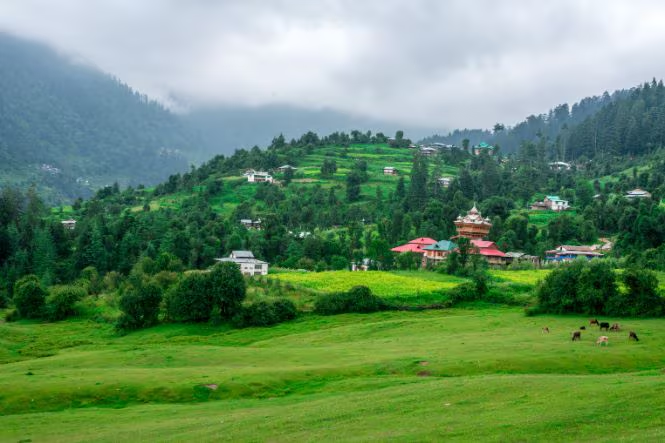 From Bhuntar airport, taxis are available to Gushaini (the main access point for Tirthan Valley) or Neuli (for Sainj Valley). The journey takes approximately 2-3 hours and follows scenic mountain roads along river valleys, offering beautiful views of the Kullu region.
By Road: From Delhi and Chandigarh
Most travelers reach GHNP by road, either through public transport or private vehicles. The journey from Delhi is approximately 500 kilometers and typically takes 12-14 hours, depending on road and traffic conditions. The route follows NH21 to Aut, a small town on the Kullu-Manali highway. From Aut, take the road toward Larji and then branch off to either Gushaini (Tirthan Valley) or Neuli (Sainj Valley), depending on your planned trek entry point. Regular bus services operate from Delhi to Aut, including both Himachal Road Transport Corporation (HRTC) buses and private operators. From Aut, local buses or shared taxis can complete the journey to the park entrance points.By Rail: Nearest Railway Stations
The nearest railway station is Joginder Nagar, a narrow-gauge station approximately 145 kilometers from GHNP. However, most travelers prefer to use Chandigarh or Kalka as their railhead, as these are broad-gauge stations with better connections to the rest of India. From Chandigarh, the road journey to GHNP takes approximately 8-10 hours. While longer than the Delhi route by road, Chandigarh can be a convenient option for those coming from other parts of India by train.Where to Stay: Tirthan and Sainj Valleys
Accommodation within GHNP is limited to basic forest rest houses and camping, but the surrounding areas offer a range of options from homestays to comfortable guest houses. Staying in local communities supports eco-tourism initiatives and provides cultural immersion experiences.Gushaini: Tirthan Valley Hub
Gushaini serves as the main access point for Tirthan Valley treks and has developed a selection of accommodation options. Riverside homestays and guest houses offer comfortable rooms and home-cooked meals, often featuring local Himachali cuisine. Explore more Himachal Pradesh destinations for your trip planning. Many of these properties are run by local families who have lived in the region for generations. Staying here provides an opportunity to learn about traditional Himalayan life, try local dishes like siddu and chha gosht, and get insider tips about the park from people who know it intimately.Sai Ropa: Forest Rest House
The Forest Rest House at Sai Ropa offers government-run accommodation with basic facilities. Booking in advance is essential, especially during peak seasons. The location is convenient for accessing the park, and the setting is peaceful, surrounded by forest. For those interested in conservation, Sai Ropa also has a small information center where you can learn about the park's ecology, conservation efforts, and rules before beginning your trek.Sainj Valley: Shangarh and Beyond
The Sainj Valley offers accommodation in traditional villages, particularly around Shangarh. The Shangarh meadows area has several homestays that provide spectacular mountain views and easy access to Sainj Valley trekking routes. Staying in Sainj Valley feels more offbeat and less developed than Tirthan Valley, appealing to travelers seeking a quieter, more authentic experience. The traditional architecture, slate-roofed houses, and terraced fields create a picture-perfect Himalayan village scene.Travel Tips and Responsible Tourism
Visiting GHNP requires preparation and a commitment to responsible travel practices. The park's conservation success depends on visitors minimizing their impact and respecting the fragile ecosystem.Eco-Tourism Guidelines
GHNP operates under strict eco-tourism principles designed to protect its unique environment. All non-biodegradable waste must be carried back out—there are no trash cans or collection services within the park interior. This includes plastic bottles, food wrappers, and any other non-organic waste. Respect wildlife by maintaining distance and not disturbing animals. Never feed wildlife, as this alters natural behaviors and can create dangerous situations. Stick to designated trails to avoid damaging fragile vegetation and causing soil erosion.Essential Trekking Gear
Proper equipment is essential for a safe and enjoyable trek. Quality trekking shoes with good grip and ankle support are non-negotiable—the trails can be rocky, slippery, and steep. Layer your clothing to accommodate changing temperatures and weather conditions, and always carry rain gear, as mountain weather can change rapidly. Other essentials include a comfortable backpack, water bottle (with purification tablets or filter), sunscreen, sunglasses, hat, basic first-aid kit, headlamp, and trekking poles. For overnight treks, you'll need a warm sleeping bag rated for sub-zero temperatures and a tent if you're not staying in forest huts.Physical Preparation
Even the easier treks in GHNP require a reasonable level of fitness. Prepare by doing regular cardiovascular exercise and hiking with a weighted pack to simulate trekking conditions. If you're planning any of the more challenging treks, consider undertaking a training regimen well in advance. Altitude can affect anyone, regardless of fitness level. Allow time for acclimatization, stay hydrated, and be aware of symptoms of altitude sickness. The park's elevation profile means that even moderate treks can involve significant altitude gain.Support Local Communities
One of the best ways to support conservation is to support the local communities who live alongside the park. Hire local guides, stay in homestays, and purchase locally-made products. The eco-tourism model in GHNP is designed to ensure that tourism provides economic benefits that incentivize conservation. Your guide fees, homestay payments, and local purchases directly support families who have chosen to coexist with wildlife and protect forests. This economic relationship is crucial for the park's long-term sustainability.Conclusion: A Wilderness Worth Protecting
The Great Himalayan National Park represents everything that's special about the Himalayas: breathtaking scenery, incredible biodiversity, traditional cultures, and genuine wilderness. Its UNESCO World Heritage status recognizes not just its natural values but also the successful conservation model that balances protection with sustainable use. For visitors willing to make the effort to reach GHNP and trek its challenging trails, the rewards are immense: pristine forests, spectacular mountain views, possible wildlife sightings, and the satisfaction of experiencing one of India's last great wilderness areas. The park remains a reminder of what the Himalayas were like before mass tourism—and why these landscapes are worth protecting. Whether you're spotting pheasants in the Tirthan Valley, trekking to the source of a river, or simply sitting in a mountain meadow surrounded by peaks that seem to touch the sky, GHNP offers experiences that stay with you forever. In an increasingly developed world, such places are rare and precious—visit respectfully, tread lightly, and carry the spirit of these mountains home with you.Location
Frequently Asked Questions
Q1.Where is the Great Himalayan National Park located?
Q2.Do we need a permit to enter GHNP?
Q3.How to reach Tirthan Valley from Delhi?
Q4.Is GHNP suitable for beginners?
Q5.Which animals can be seen in GHNP?
Q6.Can we see snow leopards in GHNP?
Q7.What is the state bird of Himachal Pradesh found here?
Q8.What is the best time to visit GHNP?
Recommended For You
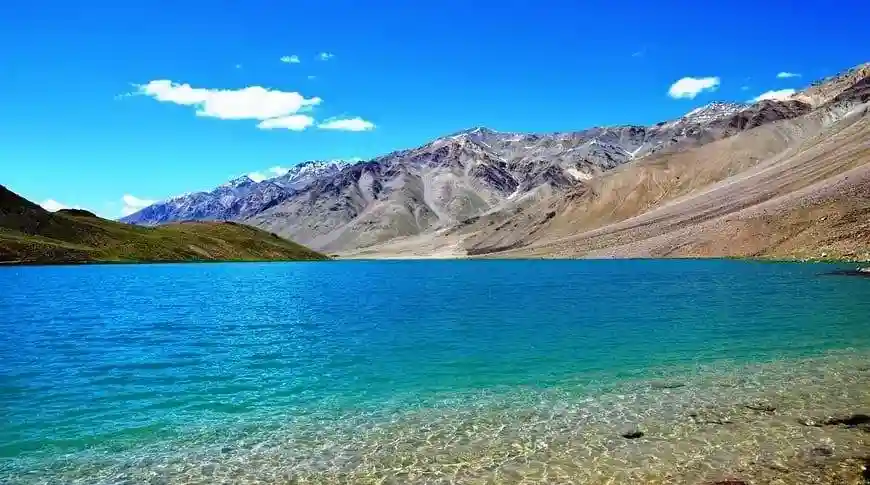
Things to Do in Spiti Valley: Monasteries, Villages & Routes
Discover the top 15 things to do in Spiti Valley including Key Monastery, Chandratal Lake, Pin Valley, ancient villages, and high-altitude adventures. Complete guide with itineraries, costs, and travel tips.
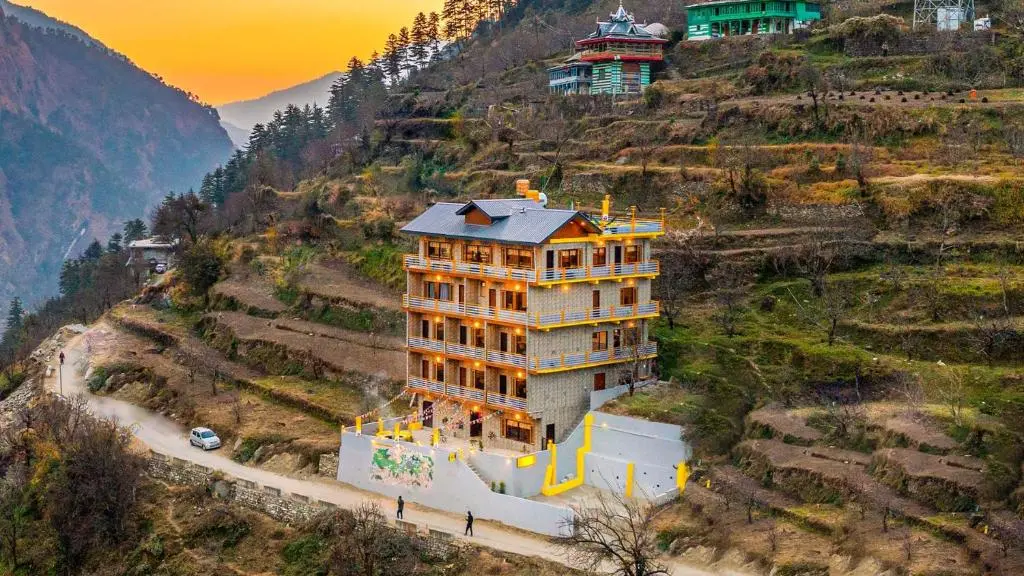
Best Tirthan Valley Hotels & Resorts
Find the best hotels and resorts in Tirthan Valley with practical advice on stay areas, pricing, amenities, and booking decisions for every budget.
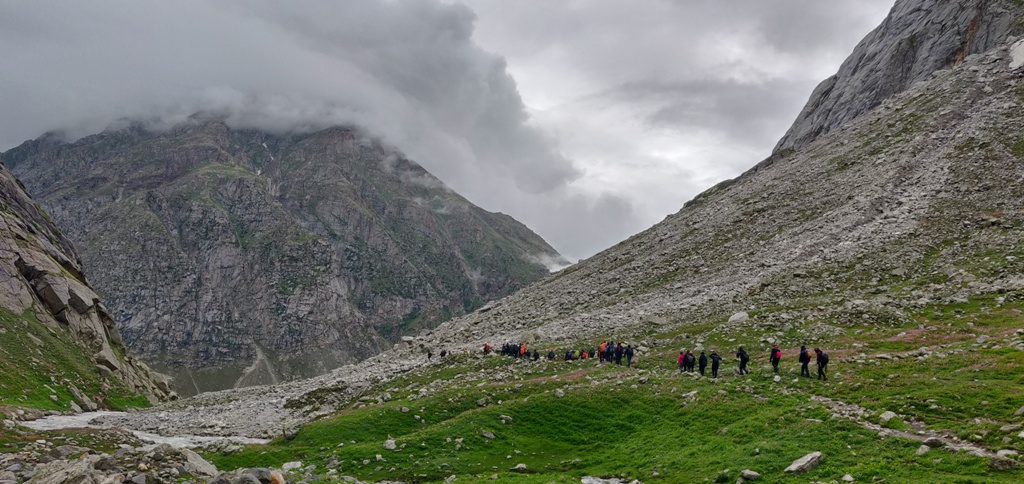
Treks in Manali: Best Routes, Camps & Difficulty Levels
Explore the best treks in Manali with difficulty-wise options, season planning, fitness prep, and practical trekking tips.
Never Miss an Adventure
Get the latest trekking guides, travel tips, and exclusive offers delivered straight to your inbox.
