Select date
Alpather Lake Trek Kashmir: Route, Difficulty & Weather
Adventure

Alpather Lake Trek Kashmir: Route, Difficulty & Weather

Ananya Sharma

Ananya Sharma

February 19, 2026

5 min read3,402 views

Complete guide to Alpather Lake trek in Gulmarg Kashmir. Difficulty, route, best time, how to reach & detailed trekking guide from Kongdori.

Introduction

Alpather Lake trek Kashmir is one of the most compelling high-altitude day adventures linked to Gulmarg. The route is known for dramatic mountain views, shifting terrain, and the rewarding final approach to an alpine lake basin near Apharwat. Most travelers discover this trek while searching for experiences beyond gondola sightseeing, and the common questions are practical: how hard is the trek, when is the lake accessible, how far is it from Gulmarg, and whether a guide is necessary.

This guide answers those questions with planning clarity. You will find route structure, altitude and distance context, seasonal timing, prep strategy, gear essentials, and nearby add-ons for a stronger Kashmir adventure plan. If you are building a broader Gulmarg circuit, pair this with Gulmarg Gondola and Apharwat Peak Gulmarg for better acclimatized pacing.
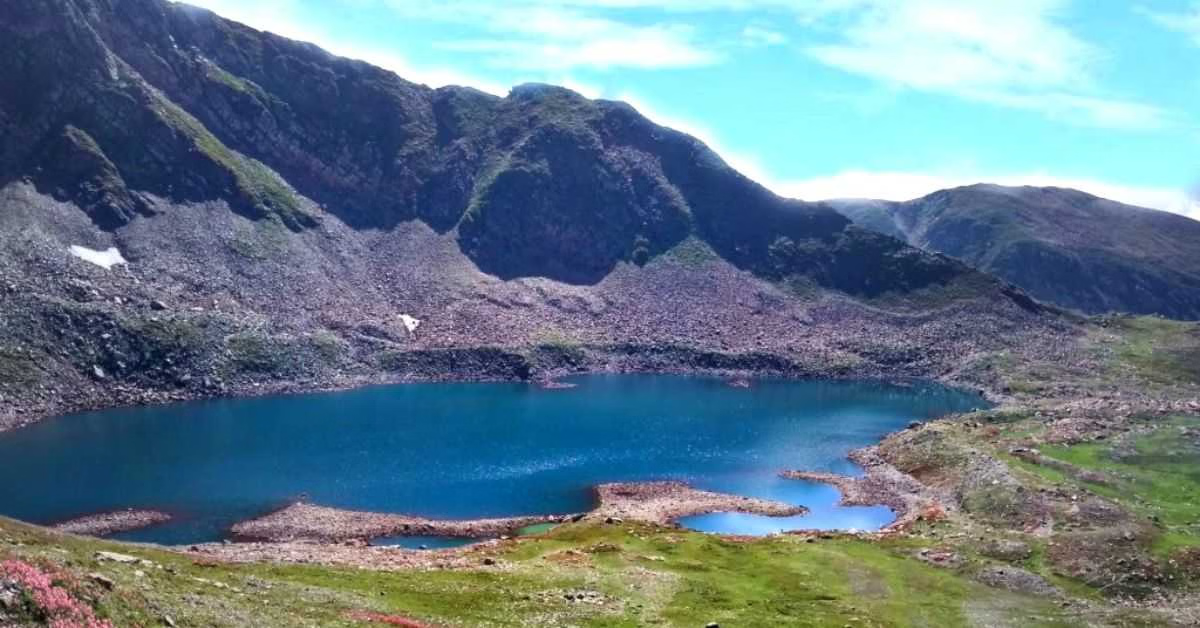
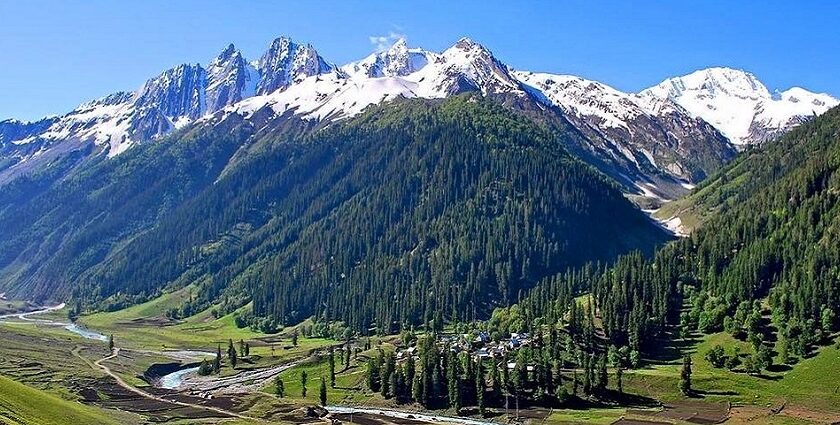
Panoramic view on Alpather Lake trek route
The trek rewards steady pacing with wide mountain panoramas before the final lake approach.

About Alpather Lake: Location, Height, and Character

Alpather Lake lies in the high mountain zone associated with Gulmarg and Apharwat. It is typically described as a glacial or snow-fed alpine lake area where seasonal ice and melt conditions can dramatically change the visual experience. Search queries around alpather lake gulmarg height and distance from gulmarg reflect the same planning need: this is not a casual city walk and should be treated as a high-altitude outing.

Terrain can include meadow stretches, rocky sections, and snow patches depending on month and weather. Even when the route is open, conditions can change quickly. For this reason, hikers should prioritize readiness over speed and keep their schedule flexible.
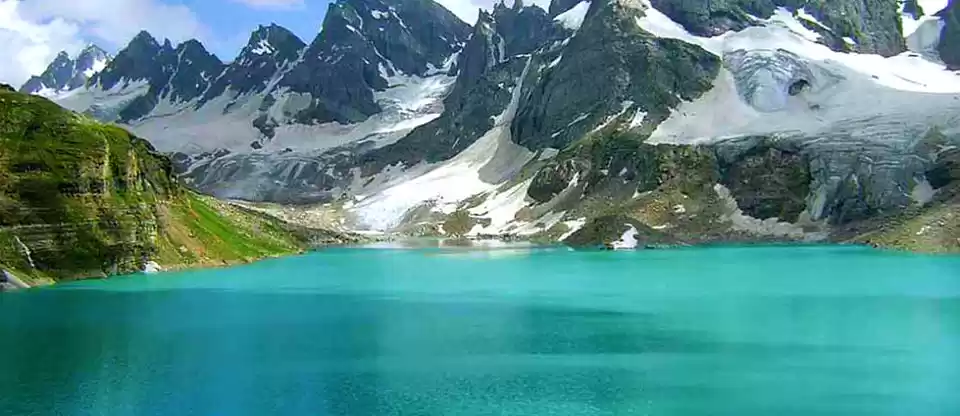
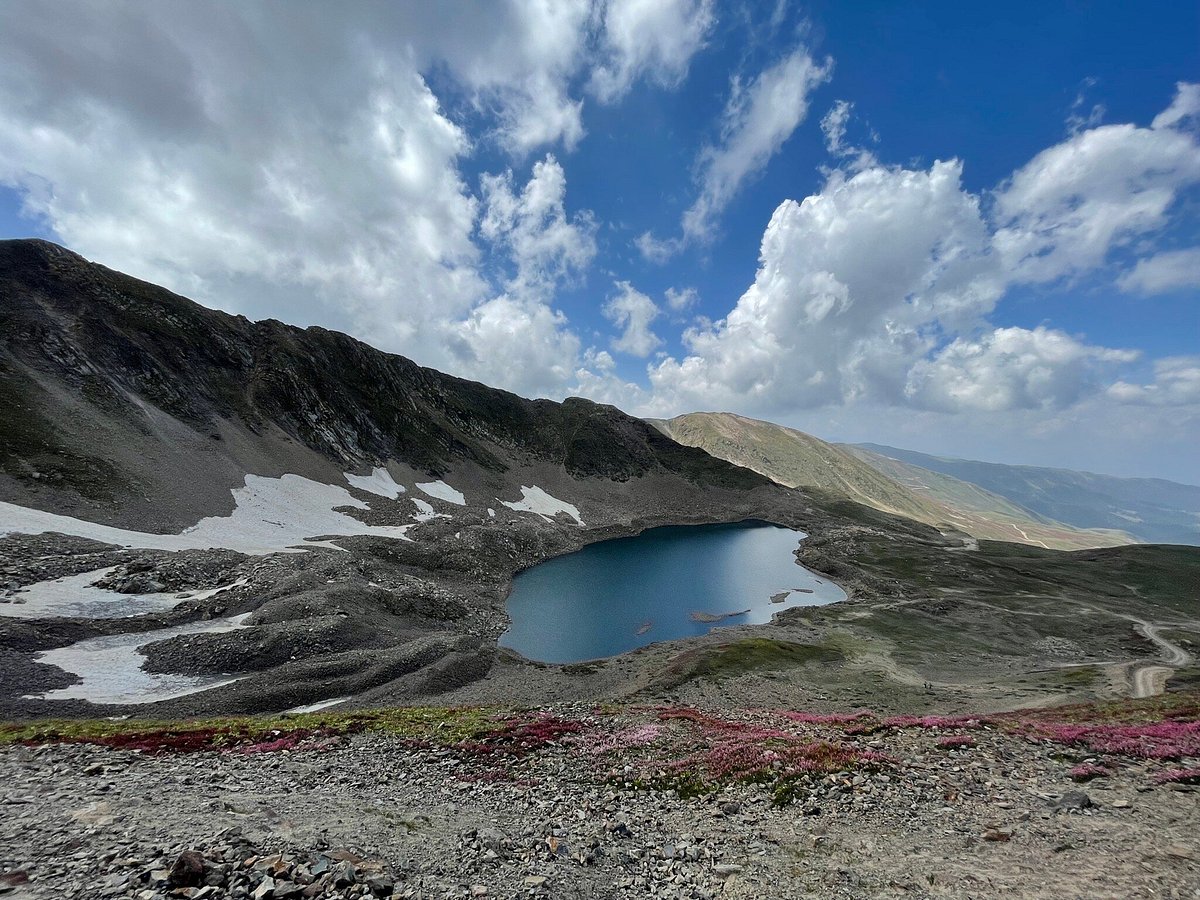
Alpather Lake high-altitude basin in Kashmir
Lake conditions vary by season; some periods show open water while others retain snow and ice.

Best Time to Visit

The best season for most trekkers is when routes are clear enough for safe progress and lake visibility is strong. Mid-to-late summer through early autumn usually offers the most practical balance of accessibility and scenery. Early season can include partial snow and challenging footing, while deeper winter typically makes the route significantly harder or inaccessible for casual trekkers.

Weather matters more than calendar labels. Always check local conditions close to your trek date. Wind, fresh snow, and cloud cover can alter pace and safety. Start early so you have buffer time for both ascent and return before light drops.
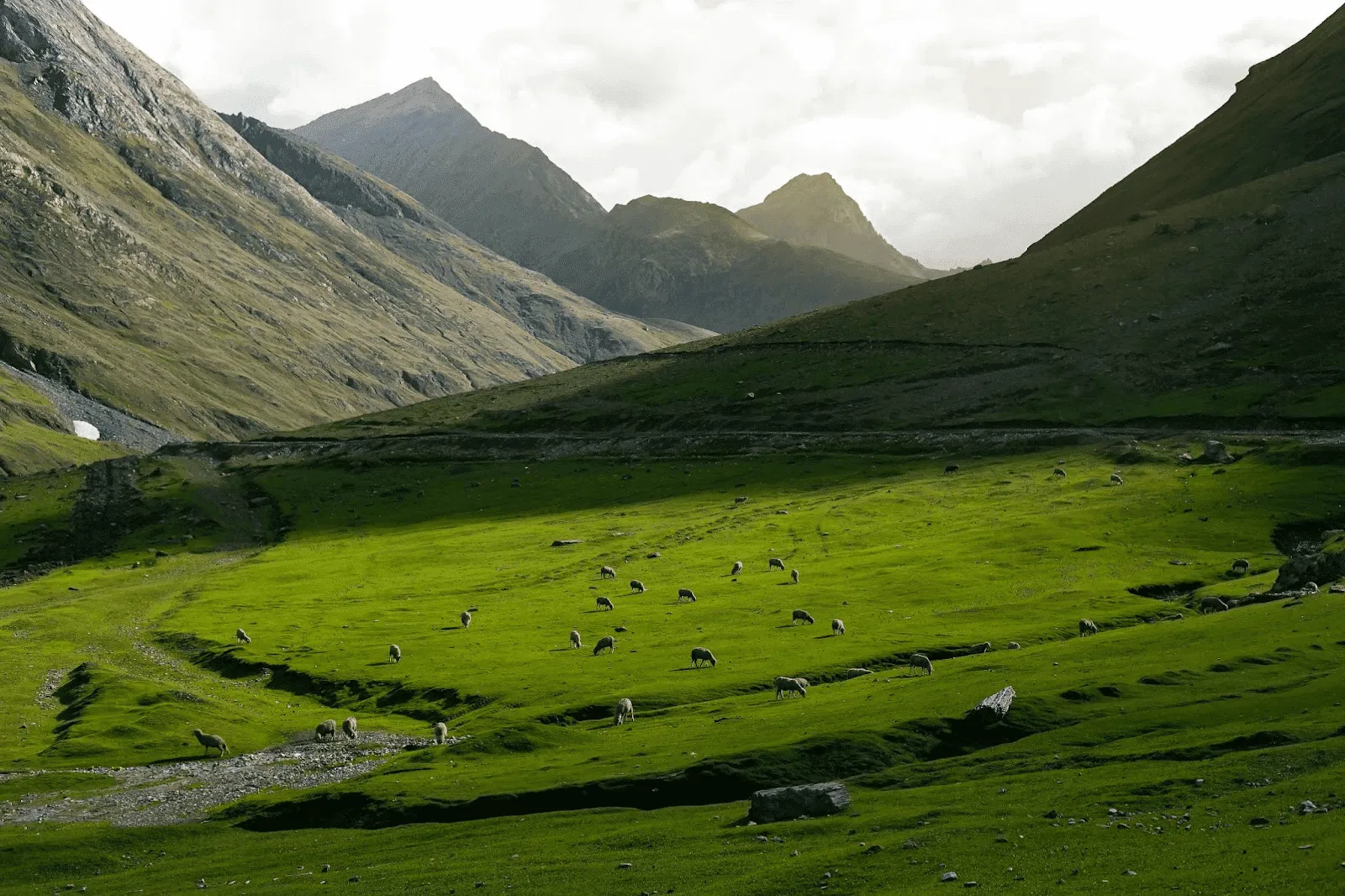
Weather conditions on Alpather Lake trek
Morning starts improve weather margins and give safer return windows in mountain terrain.

How to Reach Gulmarg Base

Most trekkers begin from Gulmarg after traveling from Srinagar. Road transfer is straightforward, but travel time can vary with traffic and seasonal road factors. Build at least one acclimatization day in Gulmarg if your recent travel involved rapid ascent from lower altitude zones.

Depending on trek strategy, some hikers use gondola-assisted positioning to reduce initial effort before route progression, while others prefer a full-ground approach. Choose based on fitness, timing, and weather. If this is your first Kashmir high-altitude trek, conservative planning is better than aggressive scheduling.
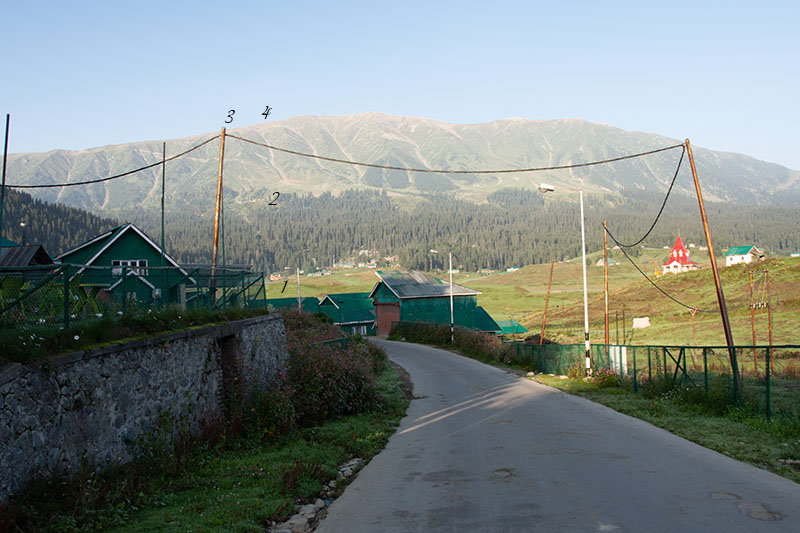
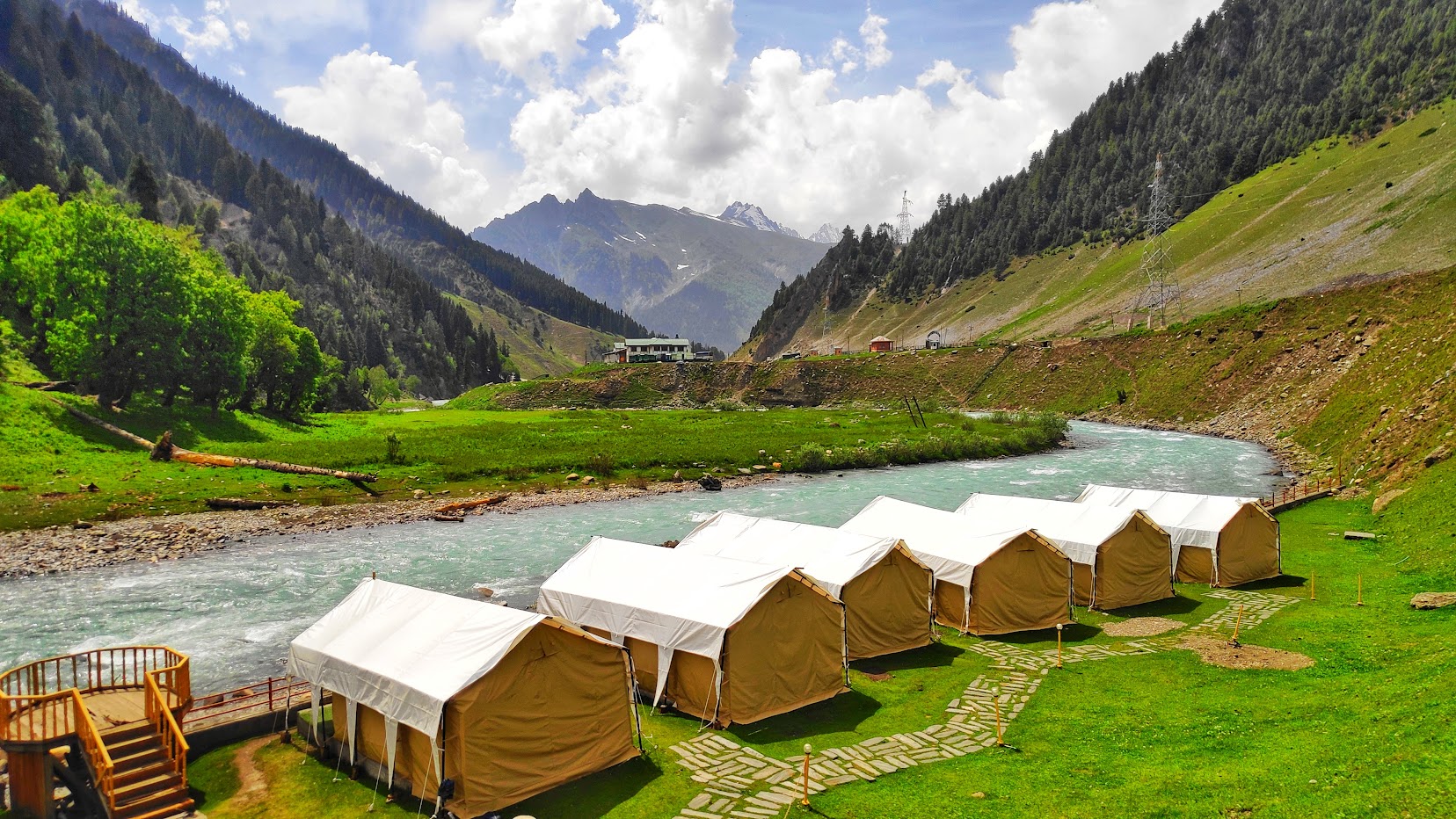
Starting point near Gulmarg for Alpather trek
A calm, well-planned start from Gulmarg sets the tone for a safer and more enjoyable trek day.

Trek Details: Route, Difficulty, Duration

The alpather lake trek difficulty is generally rated moderate to challenging for average travelers, mainly due to altitude, variable terrain, and weather exposure rather than technical climbing sections. Fit hikers with mountain-walk experience often complete it as a day outing, but pace and stop frequency should be tailored to group capacity.

FactorTypical ExpectationPlanning Advice
DifficultyModerate to challengingTrain with uphill walking before trip
DurationFull day for most trekkersStart early and keep return buffer
TerrainMixed: trails, rocks, possible snowUse proper trekking shoes with grip
Altitude StressHigh for unacclimatized visitorsAdd acclimatization day in Gulmarg

Do not race to the lake. Controlled pacing lowers exhaustion and improves decision quality on return sections.
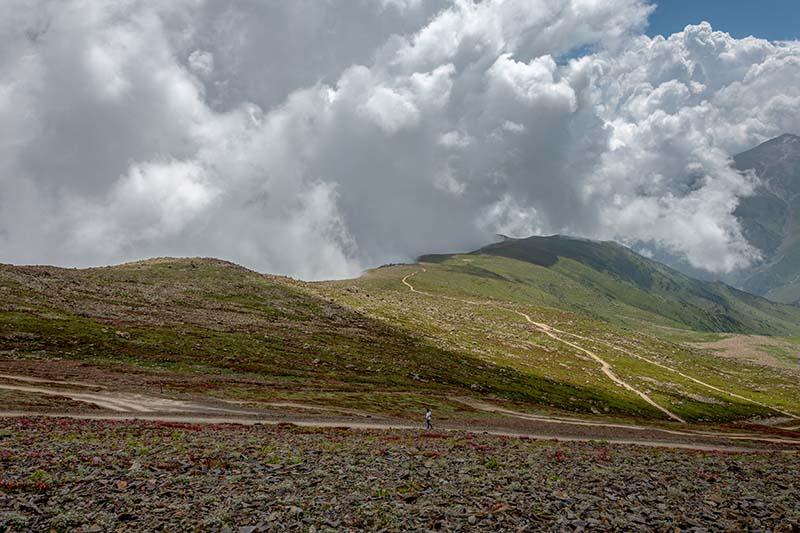
Mixed terrain on the Alpather Lake trek
Terrain variation is the main reason this trek demands preparation even for active travelers.

Trek Experience and Highlights

The route experience is a blend of changing gradients, evolving valley views, and strong visual payoff near the upper basin. The final segment often feels remote and high-mountain in character, which is exactly why this trek appears in serious Kashmir adventure lists. Photographers especially value the contrast between meadow sections, rock bands, and snow-lined backgrounds.

Take deliberate breaks, hydrate consistently, and avoid overextending at the lake zone if weather is shifting. Many trek setbacks happen on descent due to fatigue and late starts. Keep enough energy for safe return.
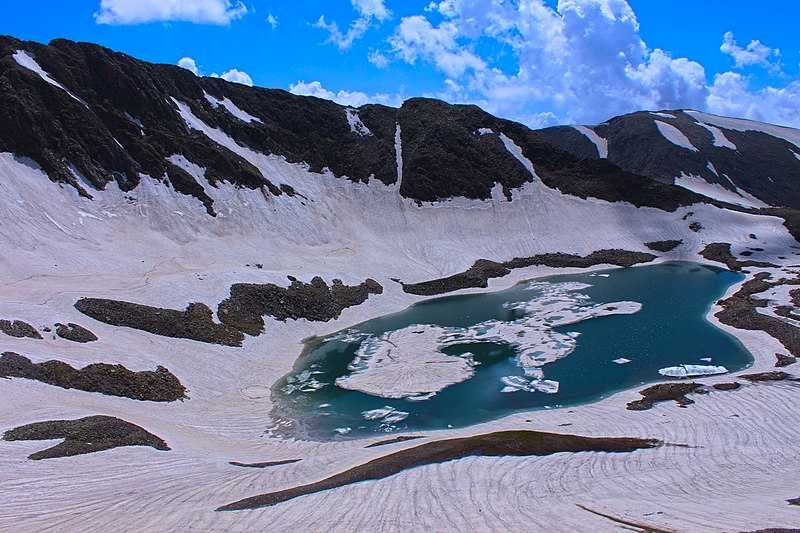
Photography point on Alpather Lake route
Use short stops for photos instead of long halts that cool the body too quickly at altitude.

Preparation and What to Carry

  • Footwear: trekking shoes with reliable grip and ankle support.
  • Layering: base layer, insulating mid-layer, windproof outer shell.
  • Hydration: carry enough water; altitude dehydration is common.
  • Nutrition: compact snacks that are easy to consume while moving.
  • Sun and weather protection: cap, sunglasses, sunscreen, rain/wind cover.
  • Navigation support: local guide or verified route awareness for first-timers.

For many groups, hiring a local guide is a smart safety decision, especially when snow patches or low visibility are possible. This is less about route complexity and more about risk control in changing mountain conditions.
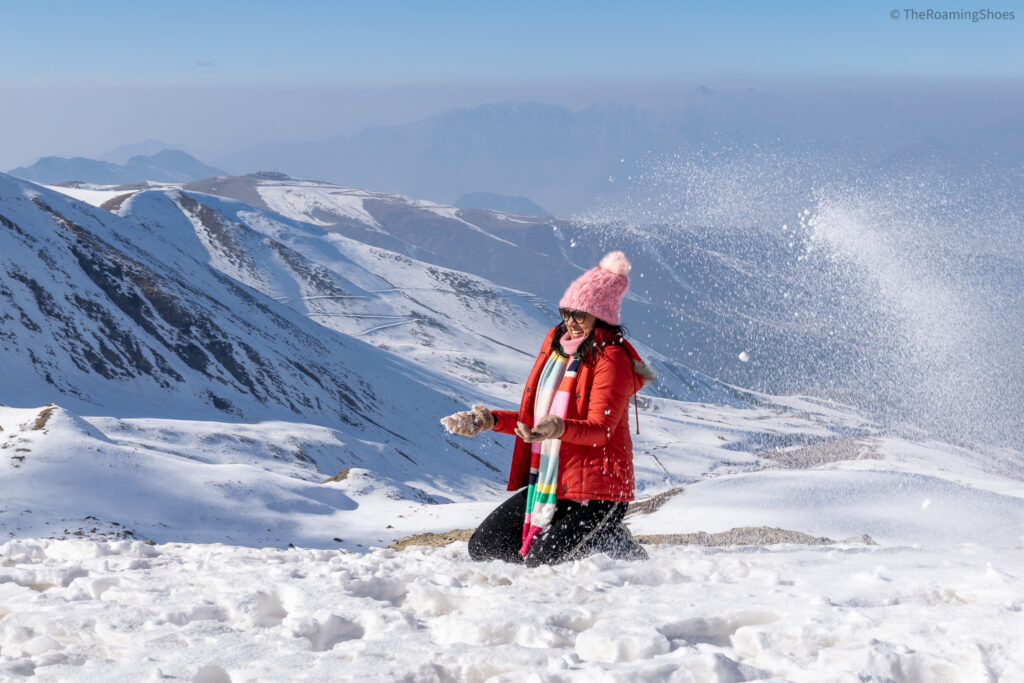
Essential trekking gear for Alpather Lake
Good layering and grip-focused footwear are non-negotiable for this trek.

Nearby Attractions and Itinerary Pairing

Alpather Lake is best paired with one or two Gulmarg-area experiences rather than many scattered transfers. A balanced model is acclimatization and gondola-focused day first, trek day second, and optional recovery day with light sightseeing after. This reduces cumulative fatigue and keeps decision-making safer.

Useful reads for combination planning include how to reach Gulmarg from Srinagar, places to visit in Gulmarg, and season-specific planning from best time to visit Kashmir. If you structure pace carefully, Alpather Lake trek Kashmir becomes a standout high-altitude day with strong scenery and manageable risk.
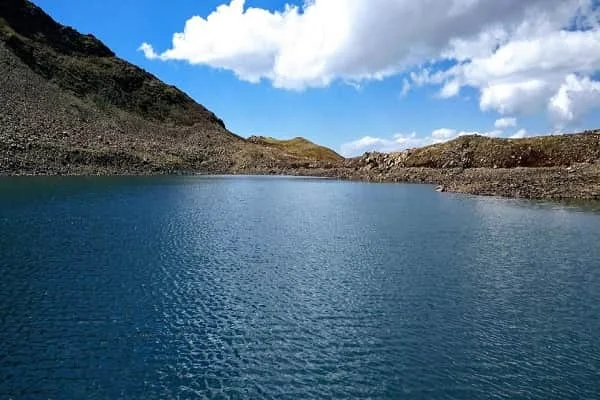
Nearby Gulmarg attractions after Alpather trek
Keep post-trek plans light so recovery and mountain safety are not compromised.

Location

Frequently Asked Questions

Q1.How difficult is the Alpather Lake trek?

The Alpather Lake trek is considered moderate difficulty, suitable for reasonably fit individuals with basic cardiovascular fitness. The 5 km one-way trek from Kongdori (3,100m) to the lake (4,390m) involves an altitude gain of 1,290 meters and takes 4-5 hours each way. The main challenges are high altitude (oxygen levels are 55-60% of sea level at the lake), variable terrain (meadows, rocky moraine, snowfields in early summer), and exposure to mountain weather. Previous trekking experience is helpful but not mandatory. The trek is not suitable for people with heart conditions, respiratory problems, or significant fear of heights. Children should be 12+ years old. Good preparation includes 2-3 weeks of cardio exercise and leg strength training. Most people with average fitness can complete this trek by pacing themselves and taking regular breaks.

Q2.What is the distance and duration of Alpather Lake trek?

The Alpather Lake trek covers approximately 5 kilometers one way from Kongdori Station, making the total round trip distance 10 kilometers. The trek typically takes 4-5 hours to ascend one way and 3-4 hours to descend, making the total trek duration 8-10 hours including time spent at the lake. Most trekkers start early morning (9:00-9:30 AM from Kongdori after taking the first gondola) to reach the lake by early afternoon (1:00-2:00 PM). After spending 1-2 hours at the lake for lunch, rest, and photography, they begin the descent, typically returning to Kongdori by 6:00-7:00 PM. While the distance might seem manageable, the high altitude (reaching 4,390 meters) and varied terrain make it more physically demanding than similar distances at lower elevations. The trek requires a full day commitment with an early start from Gulmarg (6:30-7:00 AM) to catch the first gondola to Kongdori.

Q3.What is the best time to visit Alpather Lake?

The best time to visit Alpather Lake is from June to September when the trail is accessible and conditions are favorable. July-August (peak summer) offers the classic experience with the lake fully melted displaying turquoise-blue waters, meadows carpeted with wildflowers, and pleasant temperatures (10-18°C during day). September is considered ideal by many trekkers—weather is stable, skies are clear, crowds have thinned, and visibility is exceptional. June offers a unique experience with the lake still partially frozen and early wildflowers, but temperatures are colder (5-12°C) and snow patches remain on the trail. October is possible but cold (0-10°C) with risk of early snowfall. November to May the lake is not accessible due to deep snow, extreme cold, and gondola Phase 2 closure. Start your trek early morning (9:00 AM) to avoid afternoon weather and ensure enough time to complete the trek before dark.

Q4.How do I reach the starting point of Alpather Lake trek?

The Alpather Lake trek starts from Kongdori Station, which you reach via the Gulmarg Gondola (Phase 1). First, reach Gulmarg: By air - fly to Srinagar Airport (56 km), then taxi to Gulmarg (2-3 hours, ₹2,000-₹3,000). By road - from Srinagar (56 km, 2 hours via Tangmarg, taxi ₹2,000-₹3,000 or shared taxi ₹500-₹800). Once in Gulmarg, take the Gulmarg Gondola Phase 1 from Gulmarg Base Station to Kongdori Station. Gondola details: Distance 2.5 km, duration 10 minutes, elevation 2,650m to 3,100m, ticket price ₹700 (Indians) or ₹1,000 (foreigners). Gondola operates 9:00 AM-5:00 PM (winter) or 10:00 AM-4:00 PM (summer), departing every 10-15 minutes. Buy tickets at Gulmarg Gondola ticket counter near the children's park. Arrive by 7:00 AM to catch the first gondola (9:00 AM) for your trek. Note: You only need Phase 1 tickets—Phase 2 (to Apharwat Peak) is not necessary for Alpather Lake trek.

Q5.What should I carry for the Alpather Lake trek?

Essential items for Alpather Lake trek: Good hiking boots with grip (broken in before trek), 2-3 liters water per person (hydration pack or bottles), high-energy snacks (energy bars, dry fruits, nuts, dark chocolate), layered clothing (synthetic base layer, fleece mid-layer, windproof/water-resistant jacket), warm hat and sun hat, sunglasses with UV protection, SPF 50+ sunscreen and lip balm, trekking poles (highly recommended for rocky sections), basic first aid kit (including blister tape, painkillers, Diamox for AMS if prescribed by doctor), camera with extra batteries (cold drains battery faster), and power bank. Wear synthetic/wool socks (not cotton). Carry everything in a comfortable day pack—keep total weight under 5-6 kg. For June/September treks, add light gloves and an extra warm layer. Avoid carrying valuables, heavy items you don't need, or cotton clothing. Most importantly, don't forget sun protection and water—the UV at 4,390 meters is 40% stronger than at sea level.

Q6.Is a guide required for Alpather Lake trek?

A guide is not mandatory for the Alpather Lake trek as the trail is generally well-defined and visible for most of the route. However, hiring a guide is recommended for first-time high-altitude trekkers, solo trekkers, or anyone trekking in early season (June) when snow patches remain on the trail. Guides cost approximately ₹1,500-₹2,500 per day and can be arranged through hotels in Gulmarg or at the gondola station. Advantages of having a guide: they know the best route (especially important when snow patches exist or visibility is poor), can pace you appropriately to prevent AMS, carry emergency supplies, recognize altitude sickness symptoms early, share fascinating information about the region's culture, geography, and wildlife, and provide safety backup for solo trekkers. For experienced trekkers comfortable with navigation and high-altitude conditions, going without a guide is fine. For beginners, solo trekkers, or those wanting a richer, safer experience, a guide adds significant value.

Q7.Is Alpather Lake trek safe for beginners?

The Alpather Lake trek is accessible to beginners who are reasonably fit and well-prepared, but it's not an easy nature walk. The trek is considered moderate difficulty due to high altitude (reaching 4,390 meters where oxygen levels are 55-60% of sea level), variable terrain (meadows, rocky moraine, possible snowfields), and a full-day commitment (8-10 hours). Beginners who have prepared with 2-3 weeks of cardio exercise, have properly acclimatized (spent 1-2 nights in Gulmarg), and are in good cardiovascular health can attempt this trek successfully. The trek is NOT suitable for complete beginners who are very unfit, people with heart/respiratory conditions without doctor approval, children under 10 years old, anyone with significant fear of heights (some sections have exposure), or pregnant women. If you're a first-time high-altitude trekker, consider hiring a guide. Start slowly, pace yourself, take frequent breaks, and turn back if you feel unwell. Proper preparation, good equipment, and listening to your body make this trek achievable for most reasonably fit beginners.

Q8.What is the altitude of Alpather Lake and how to prevent AMS?

Alpather Lake is situated at an altitude of 4,390 meters (14,403 feet) above sea level. The trek starts from Kongdori Station at 3,100 meters, meaning you climb 1,290 meters during the trek. At this altitude, oxygen levels are approximately 55-60% of sea level, which is why proper acclimatization is crucial. To prevent Acute Mountain Sickness (AMS): Spend at least 1-2 nights in Gulmarg (2,650m) before attempting the trek to acclimatize. Take the gondola to Kongdori (3,100m) the day before your trek for a short visit to help your body adapt. During the trek: pace yourself slowly (don't rush), take frequent breaks, drink 4-5 liters of water (dehydration accelerates AMS), eat high-energy food regularly, avoid alcohol and smoking, and listen to your body. Mild AMS symptoms (headache, nausea, dizziness, fatigue) are common at this altitude—rest, hydrate, and take Diamox if prescribed. Severe symptoms (severe headache, vomiting, confusion, breathlessness at rest) require immediate descent. Never ascend with severe symptoms. If unsure about your fitness, consult a doctor familiar with high-altitude travel before attempting the trek.

Never Miss an Adventure

Get the latest trekking guides, travel tips, and exclusive offers delivered straight to your inbox.

WhatsAppSay Hi on WhatsApp
Alpather Lake Trek Gulmarg: Route, Difficulty & Tips 2026