
Nature
Apharwat Peak Gulmarg: Gondola Phases, Snow Season & Activities
Rohit Verma
January 28, 2026
22 min read4,205 views
Explore Apharwat Peak in Gulmarg at 4,390m. Complete guide to gondola ride, best time to visit, skiing tips, trekking information & nearby Alpathar Lake in Kashmir.
Introduction: The Summit of Gulmarg
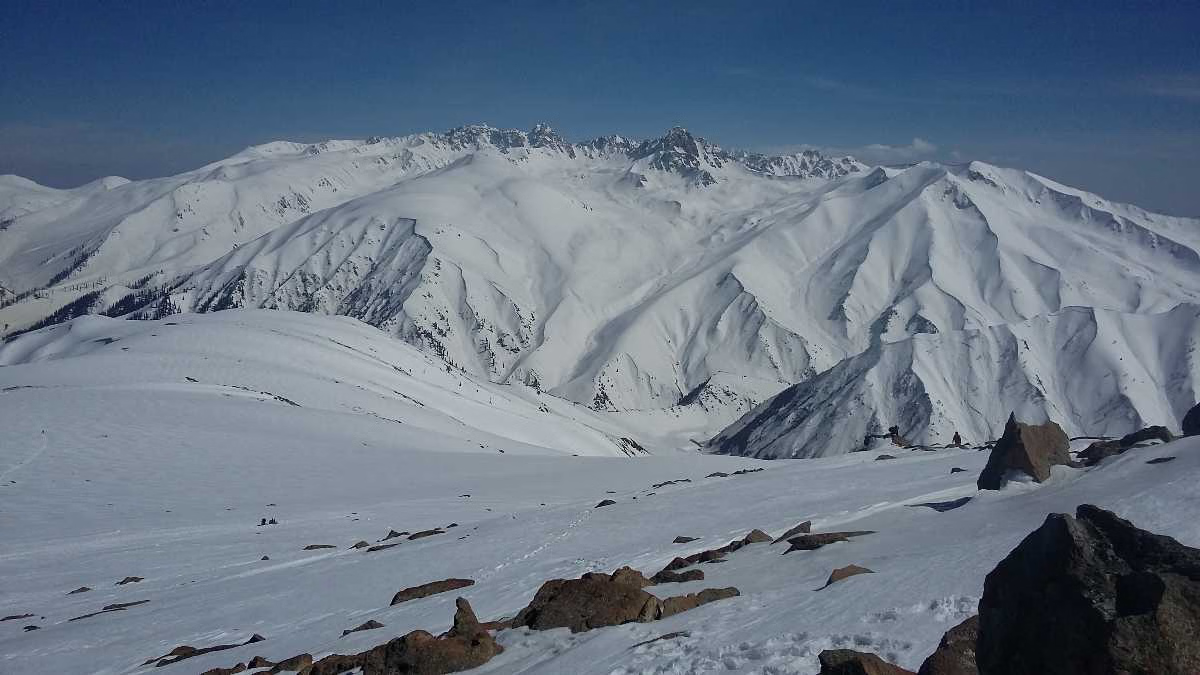
Nestled in the majestic Pir Panjal range of Jammu and Kashmir, Apharwat Peak stands as the crown jewel of Gulmarg, offering breathtaking panoramic views that stretch across the Kashmir Valley and beyond. At an impressive elevation of 4,390 meters above sea level, this magnificent peak represents the highest point in Gulmarg and serves as a gateway to some of the most spectacular alpine experiences in India. What makes Apharwat Peak truly special is not just its impressive height, but the incredible journey to reach it. The peak is accessed via the Gulmarg Gondola, one of the highest cable car systems in the world, which treats visitors to mesmerizing views as it ascends through the clouds. Whether you're an adventure enthusiast seeking world-class skiing opportunities, a nature lover craving pristine mountain landscapes, or simply a traveler looking to experience the unparalleled beauty of Kashmir, Apharwat Peak promises an unforgettable experience. The peak's strategic location offers unobstructed views of the surrounding Himalayan ranges, including the stunning Nanga Parbat on clear days. The area around Apharwat Peak is home to the beautiful Alpathar Lake, a pristine alpine lake that remains frozen for much of the year and adds to the region's ethereal beauty. For those planning to explore Kashmir's incredible landscape, Apharwat Peak serves as an essential destination that showcases the region's most dramatic mountain scenery.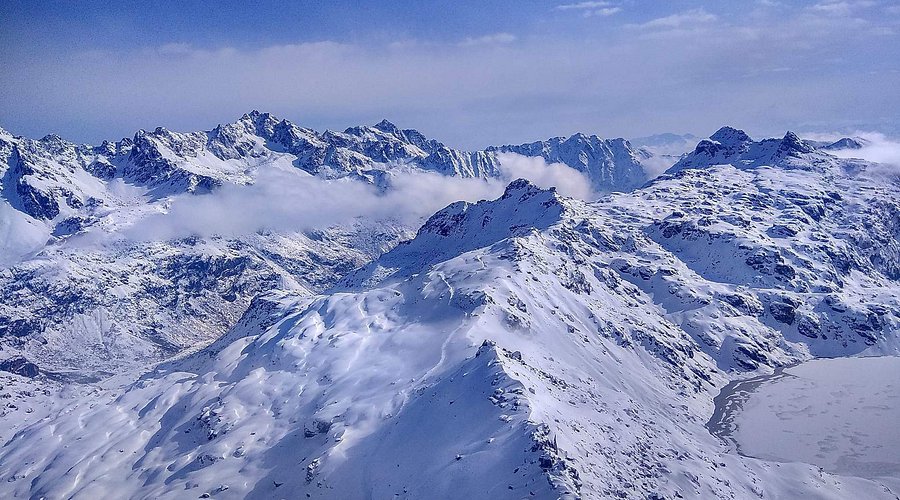
About Apharwat Peak
Apharwat Peak, standing tall at 4,390 meters (14,403 feet) above sea level, dominates the landscape around Gulmarg and forms part of the magnificent Pir Panjal range in the western Himalayas. This impressive mountain is located approximately 12 kilometers from the main town of Gulmarg and serves as a natural border between the Kashmir Valley and the surrounding mountain ranges. The peak's geological composition consists primarily of rugged rock formations that have been shaped by millions of years of glacial activity and tectonic movements. During winter, Apharwat Peak transforms into a winter wonderland, with thick blankets of snow covering its slopes and creating perfect conditions for winter sports. In summer, the lower slopes reveal patches of green alpine meadows, while the summit remains snow-capped year-round. One of the most fascinating aspects of Apharwat Peak is its role as a watershed for the region. The melting snow from its slopes feeds numerous streams and eventually joins the larger river systems that sustain the Kashmir Valley. The area around the peak is home to diverse flora and fauna, including rare Himalayan species that have adapted to the harsh alpine conditions. The summit offers 360-degree panoramic views that are nothing short of spectacular. On clear days, visitors can see across the entire Kashmir Valley, with views extending to the distant Zanskar range and even the famous Nanga Parbat peak in Pakistan-administered Kashmir. The dramatic interplay of light and shadow on the surrounding peaks creates a constantly changing landscape that photographers find endlessly captivating.Alpathar Lake: The Hidden Gem
Located near the base of Apharwat Peak lies Alpathar Lake, one of Kashmir's most beautiful high-altitude lakes. This pristine body of water sits at approximately 4,100 meters and remains frozen for much of the year, creating a stunning natural ice skating rink that reflects the surrounding peaks like a mirror. The lake is accessible via a moderate trek from the Phase 2 gondola station and is particularly beautiful during the summer months when the ice begins to melt, revealing crystal-clear waters surrounded by alpine flowers. The journey to Alpathar Lake takes you through some of the most scenic landscapes in Gulmarg, with stunning views of the surrounding peaks and valleys. Local legends speak of the lake's spiritual significance, and it remains a sacred site for the indigenous Gujjar and Bakarwal tribes who migrate through these high-altitude pastures with their livestock. The lake's remote location and pristine condition make it a perfect destination for those seeking solitude and natural beauty away from the more crowded tourist areas.Gulmarg Gondola Ride Experience
The Gulmarg Gondola is not merely a means of transportation – it's an attraction in itself and holds the distinction of being one of the highest cable car systems in the world. This engineering marvel consists of two phases that transport visitors from Gulmarg town to the slopes of Apharwat Peak, offering spectacular views at every stage of the journey.Phase 1: Gulmarg to Kongdori
The first phase of the gondola ride takes you from Gulmarg town (2,650 meters) to Kongdori (3,080 meters), covering a distance of approximately 2.5 kilometers. This phase offers stunning views of the Gulmarg golf course – one of the highest green golf courses in the world – and the surrounding pine forests. As you ascend, you'll notice the landscape transforming from the manicured gardens of Gulmarg to wilder, more rugged terrain. The Kongdori station serves as a popular destination for beginners and intermediate skiers, with excellent ski slopes and facilities. Many visitors choose to spend their entire day here, enjoying various activities and taking in the spectacular views.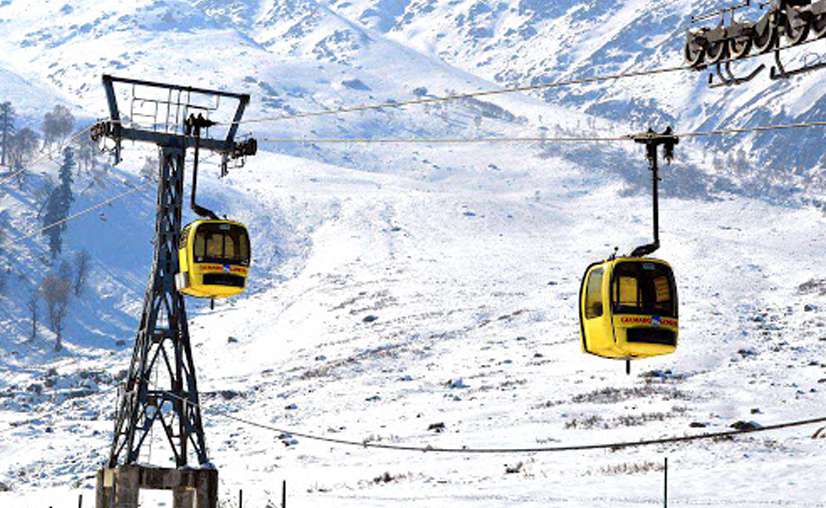
Phase 2: Kongdori to Apharwat Peak
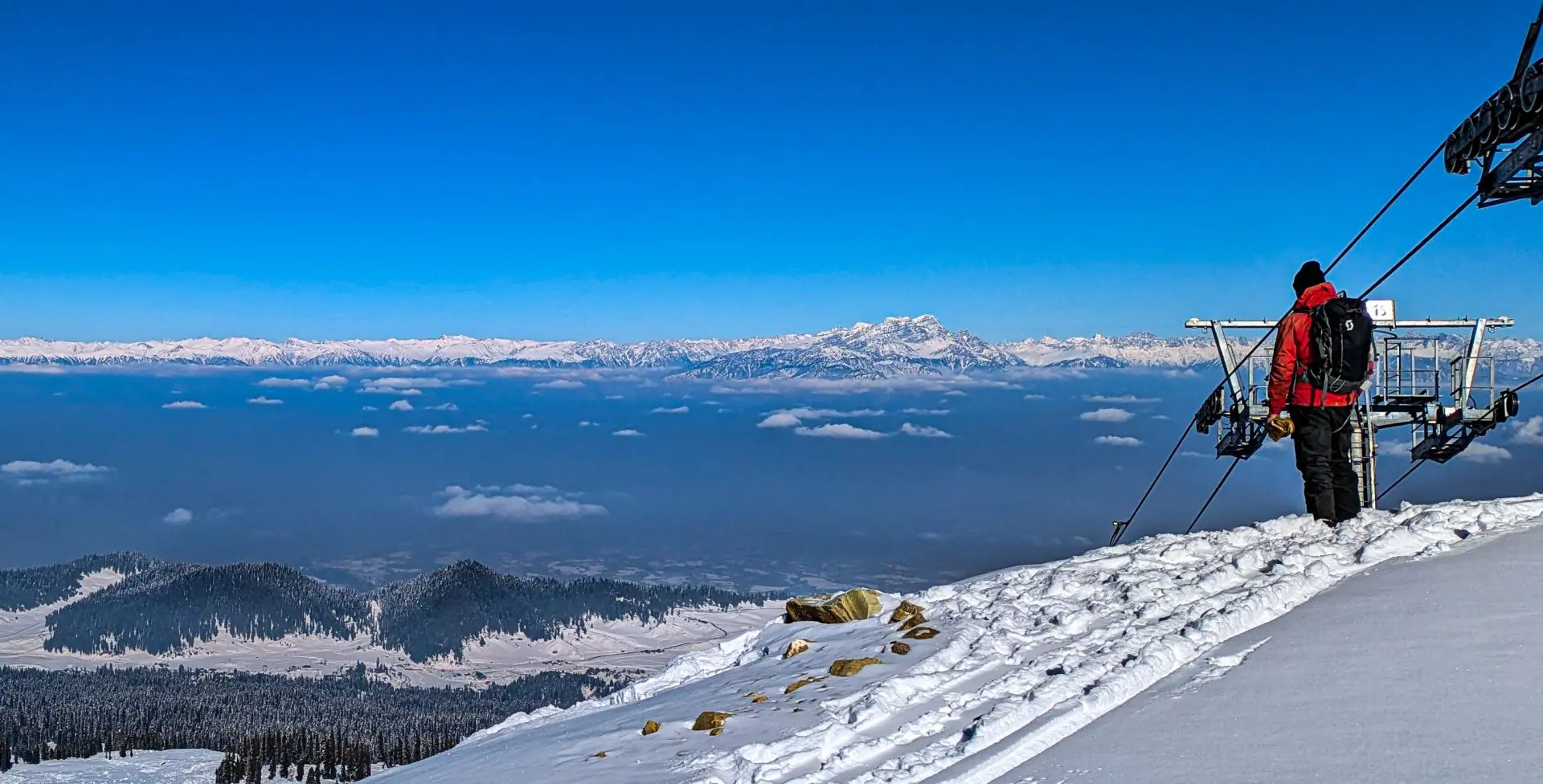
The second phase is where the real adventure begins. From Kongdori, the gondola continues its ascent to Apharwat Peak (4,390 meters), covering another 2.5 kilometers. This phase offers increasingly dramatic views as you rise above the tree line and enter the alpine zone. The views from Phase 2 are truly spectacular. You'll see snow-covered peaks stretching endlessly in all directions, deep valleys carved by ancient glaciers, and if you're lucky, wildlife such as Himalayan musk deer or golden eagles soaring on the thermal currents. The air becomes noticeably thinner and crisper as you ascend, adding to the sense of having entered a different world. The entire gondola ride takes approximately 30 minutes round trip, though most visitors spend several hours at the top exploring, taking photographs, and enjoying various activities. The gondola operates weather permitting, and it's essential to check conditions before planning your visit, especially during winter when high winds can occasionally disrupt operations.Practical Information for the Gondola Ride
The Gulmarg Gondola has a capacity of approximately 600 people per hour, making it relatively efficient even during peak tourist seasons. However, queues can be long during holidays and weekends, particularly in winter when ski enthusiasts flock to the region. Booking tickets in advance is highly recommended, especially during the peak winter season (December to February) and summer holidays. The gondola has strict safety regulations, and all passengers must comply with safety instructions provided by the staff. Children under a certain height may require adult supervision, and those with health conditions affected by high altitude should consult a doctor before attempting the journey.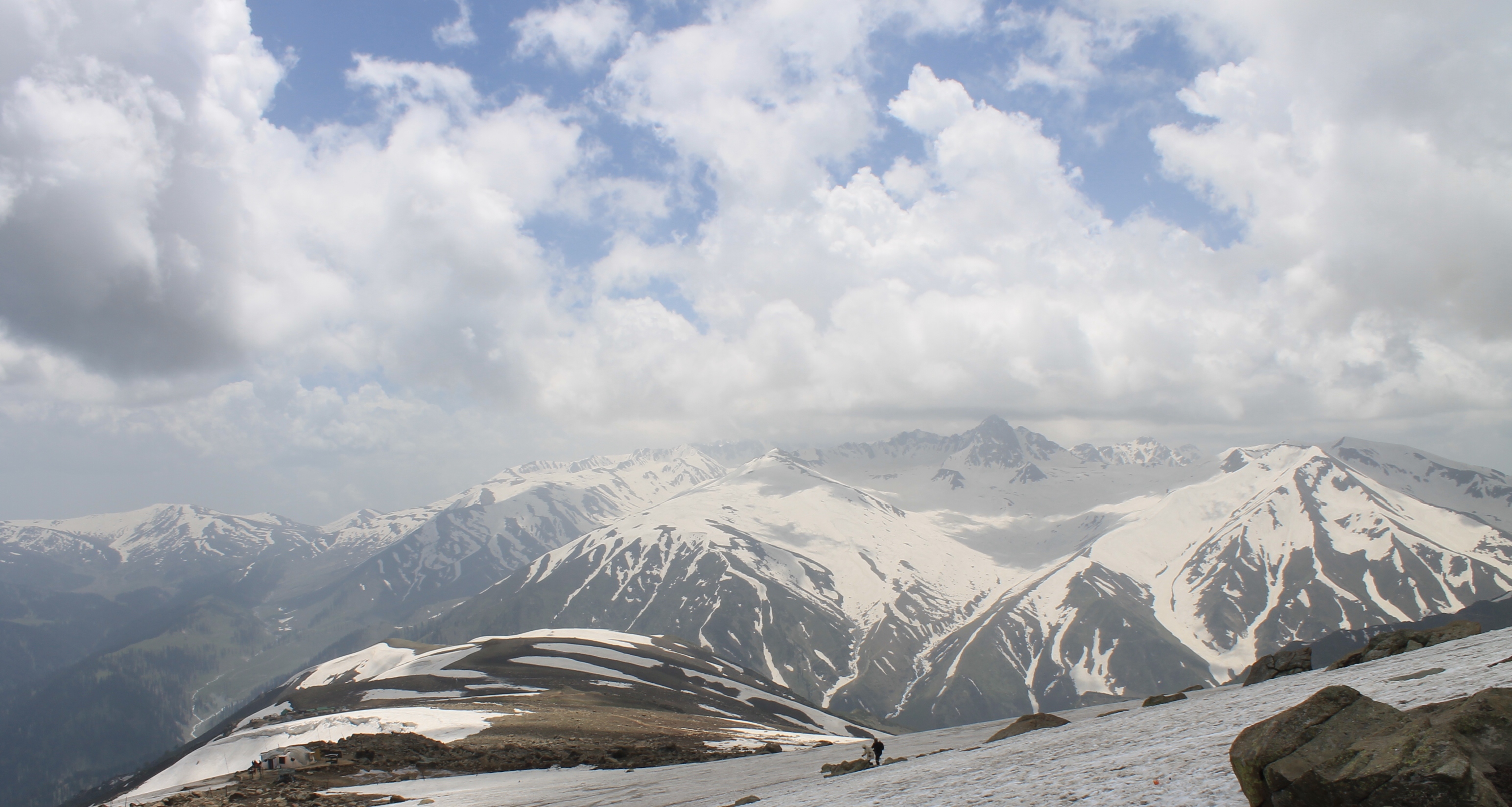
Best Time to Visit Apharwat Peak
Choosing the right time to visit Apharwat Peak depends largely on what kind of experience you're seeking. The peak offers dramatically different experiences depending on the season, each with its own unique charm and advantages.Winter Season (December - March): Prime Skiing Season
Winter is undoubtedly the most popular time to visit Apharwat Peak, especially for skiing enthusiasts. During these months, the region receives heavy snowfall, transforming the entire area into a winter sports paradise. The slopes around Apharwat Peak offer some of the best skiing in India, with powder snow that rivals famous international ski resorts. The temperature during winter ranges from -2°C to -12°C, and the entire landscape is blanketed in pristine white snow. This is when Gulmarg comes alive with winter sports enthusiasts from around the world. The gondola operates extensively during this period, and the atmosphere is festive and energetic. However, winter also brings challenges. The extreme cold requires proper winter gear, and visibility can sometimes be reduced due to snowstorms or fog. It's essential to check weather conditions and avalanche warnings before attempting any activities beyond the designated ski areas.Summer Season (April - June): Clear Views and Trekking
For those who prefer milder weather and want to explore the area on foot, summer is an excellent time to visit Apharwat Peak. During these months, the snow begins to melt on the lower slopes, revealing green alpine meadows carpeted with wildflowers. The temperature is pleasant during the day, ranging from 10°C to 20°C, though it can still get quite cold at higher elevations. The clear skies offer excellent visibility for photography, and the views of the surrounding valleys are particularly spectacular during this time. Summer is ideal for trekking, camping, and exploring the natural beauty of the region without the extreme cold of winter. The trek to Alpathar Lake is particularly rewarding during these months, as the lake is accessible and the surrounding landscape is lush and green.Monsoon Season (July - September): Limited Visibility
The monsoon season brings occasional rainfall to the region, though significantly less than other parts of India. Cloud cover can reduce visibility, and the gondola operations may be affected by weather conditions. However, this is also when the landscape is at its greenest, with wildflowers blooming across the meadows. If you visit during monsoon, be prepared for unpredictable weather and possible disruptions to your plans. The advantage is fewer crowds and lower prices for accommodation and activities.Autumn (October - November): Crisp Weather and Golden Landscapes
Autumn is arguably the most underrated time to visit Apharwat Peak. The weather is stable and crisp, with clear skies offering excellent visibility. The landscape begins to transform as the vegetation changes color, creating beautiful golden and amber tones across the hillsides. This is an excellent time for photography, with the soft autumn light creating stunning images. The temperatures start to drop, hinting at the approaching winter, but are still manageable with proper clothing. The crowds are thinner compared to peak summer and winter seasons, allowing for a more peaceful experience.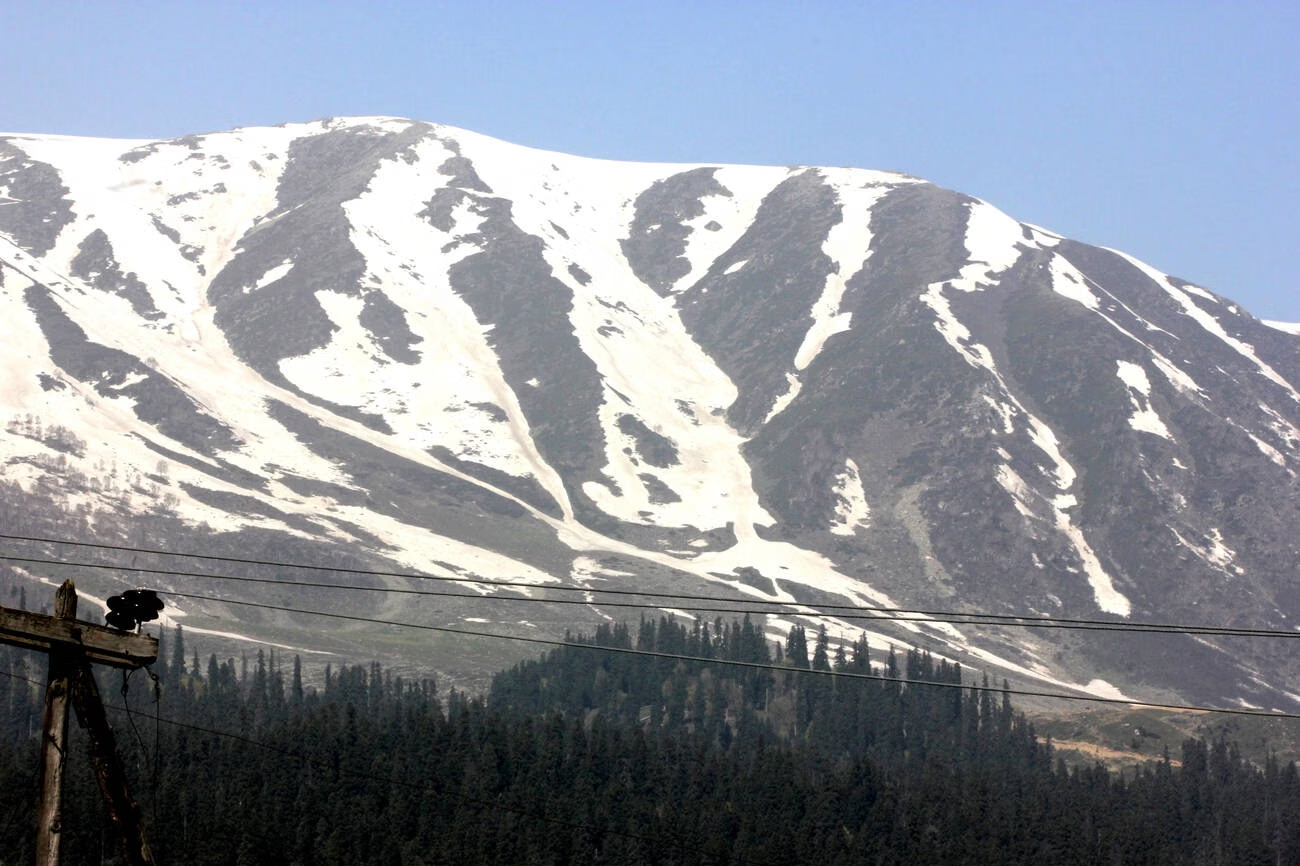
Activities at Apharwat Peak
Apharwat Peak offers a diverse range of activities that cater to different interests and skill levels, from adrenaline-pumping adventure sports to peaceful nature experiences.Skiing and Snowboarding
Skiing is undoubtedly the most popular activity at Apharwat Peak, and for good reason. The region offers some of the best skiing terrain in Asia, with runs suitable for everyone from complete beginners to expert skiers. The powder snow quality here is exceptional, and the variety of terrain means you'll never run out of new challenges. For beginners, Gulmarg offers excellent ski schools with certified instructors who can help you master the basics. The gentler slopes around Kongdori are perfect for learning, and you can progress to more challenging runs as your confidence grows. Intermediate and advanced skiers will find plenty to love about Apharwat Peak. The famous Apharwat Peak run offers an incredible descent of over 2,000 vertical meters, making it one of the longest ski runs in Asia. The backcountry skiing opportunities are equally impressive, though it's essential to hire a local guide and carry proper safety equipment when venturing off-piste.Snow Sledging
For those who want to experience the thrill of sliding down snow-covered slopes without the technical skill required for skiing, snow sledging is a fantastic option. Local operators offer sledges and guides who can take you on exciting rides down designated slopes. Sledging is particularly popular with families and children, providing a fun and safe way to enjoy the snow. It's also more affordable than skiing and requires no previous experience or training.Photography Opportunities
Apharwat Peak is a photographer's paradise, offering endless opportunities to capture stunning mountain landscapes. The dramatic interplay of light and shadow on the peaks, the pristine snowfields, and the panoramic views of the Kashmir Valley create truly spectacular images. Golden hour – the hours shortly after sunrise and before sunset – offers the most magical light for photography. The soft, golden illumination transforms the landscape, creating images that seem almost otherworldly. Winter provides stark contrasts between the white snow and blue skies, while summer offers rich greens and colorful wildflowers as foreground elements. Don't forget to photograph the journey itself – the gondola ride offers unique perspectives that you can't get from the ground. The views from the cable car, especially during Phase 2, are spectacular and provide excellent photo opportunities.Trekking to Alpathar Lake
During the summer months, the trek from Apharwat Peak to Alpathar Lake is one of the most rewarding experiences in the region. The trek takes you through pristine alpine meadows, past cascading streams, and offers ever-changing views of the surrounding peaks. The trek is moderately challenging and takes approximately 2-3 hours round trip, depending on your fitness level and how often you stop for photographs. The trail is generally well-marked, but hiring a local guide is recommended for safety and to learn more about the region's ecology and cultural significance.Pony Rides
For those who want to experience the beauty of Apharwat Peak without the physical exertion of trekking, pony rides are available from the Phase 2 station. Local operators offer ponies that can take you on scenic rides through the meadows and to viewpoints that offer spectacular vistas. Pony rides are particularly popular with families and older visitors who may find the trekking challenging. The ponies are well-cared for and accustomed to the terrain, making this a safe and enjoyable way to explore the area.How to Reach Apharwat Peak
Reaching Apharwat Peak requires a journey through some of Kashmir's most beautiful countryside, and getting there is part of the adventure.By Air: Srinagar Airport
The nearest airport to Gulmarg is Srinagar Airport (Sheikh ul-Alam International Airport), located approximately 56 kilometers away. The airport is well-connected to major Indian cities including Delhi, Mumbai, Bangalore, and Chandigarh, with regular flights operated by various airlines. From Srinagar Airport, you can hire a taxi or take a pre-booked cab to Gulmarg. The journey takes approximately 2-3 hours, depending on road conditions and traffic. The route from Srinagar to Gulmarg is scenic, passing through beautiful countryside and offering glimpses of rural life in Kashmir.By Road: Taxi from Srinagar
The most common way to reach Gulmarg is by road from Srinagar. Taxis are readily available in Srinagar, and you can either hire one for a day trip or arrange for a multi-day tour that includes Gulmarg and other attractions in Kashmir. The road journey from Srinagar to Gulmarg takes you through several picturesque towns and villages, including the famous town of Tangmarg, which serves as the gateway to Gulmarg. The road is generally in good condition, though it can get winding and narrow in some sections. During winter, the road may be affected by snow, and it's essential to check conditions before traveling.From Gulmarg Town to Apharwat Peak
Once you reach Gulmarg town, the journey to Apharwat Peak is via the Gulmarg Gondola. The gondola station is located in the main market area of Gulmarg and is easily accessible on foot from most hotels in the town. You can purchase tickets at the station or book them in advance online, which is highly recommended during peak seasons. The gondola operates from morning until late afternoon, with specific timings that vary by season.Trekking from Gulmarg to Apharwat Peak
For the adventurous, it's possible to trek from Gulmarg town to Apharwat Peak, though this is a challenging endeavor that requires good fitness, proper equipment, and ideally, a local guide. The trek takes approximately 5-6 hours one way and involves significant elevation gain. The trekking route takes you through beautiful pine forests, alpine meadows, and rocky terrain. Along the way, you'll pass through Kongdori and can stop at various viewpoints to rest and take in the spectacular scenery. This trek is best attempted during the summer months when the snow has melted and the trail is clearly visible.Trekking Information
For those seeking a more intimate connection with the mountains, trekking to Apharwat Peak offers an incredibly rewarding experience that takes you through some of the most beautiful landscapes in Kashmir.Trekking Difficulty
The trek from Gulmarg to Apharwat Peak is rated as moderate to challenging, primarily due to the significant elevation gain – from 2,650 meters in Gulmarg to 4,390 meters at the summit. This means you'll be gaining approximately 1,740 meters over the course of the trek, which is substantial and requires good cardiovascular fitness. The trail itself is well-defined in most sections, though it can be rocky and uneven in places. During summer, portions of the trail may be muddy or wet from melting snow, requiring careful footing. The thin air at higher elevations can make the trek more challenging, especially for those not accustomed to high-altitude trekking.Trekking Duration
The trek from Gulmarg to Apharwat Peak typically takes 5-6 hours one way, making it a full-day expedition when you factor in rest stops, photography breaks, and the return journey. Most trekkers start very early in the morning to ensure they have enough time to complete the trek before dark. For those wanting to take a more leisurely pace, it's possible to camp overnight at Kongdori or other suitable locations along the route. This requires proper camping equipment and careful planning, but it allows you to experience the mountains at sunrise and sunset – truly magical moments.Best Season for Trekking
The best time to trek to Apharwat Peak is from June to September when the snow has melted from the trail and the weather is relatively stable. During these months, the trail is clearly visible, and the alpine meadows are lush and green, often filled with colorful wildflowers. Trekking during winter is extremely challenging and is recommended only for experienced mountaineers with proper equipment and training. The deep snow, extreme cold, and risk of avalanches make winter trekking dangerous for those without specialized skills.Required Equipment and Permits
For a successful and safe trek to Apharwat Peak, you'll need:- Proper Footwear: Sturdy, waterproof trekking boots with good ankle support are essential.
- Clothing: Layered clothing including a waterproof jacket, warm fleece, thermal wear, and a hat and gloves.
- Navigation: A map, compass, and ideally a GPS device. Download offline maps as a backup.
- Water and Food: Carry sufficient water (2-3 liters) and high-energy snacks for the trek.
- Sun Protection: At high altitudes, UV radiation is strong. Bring sunglasses, sunscreen, and a wide-brimmed hat.
- First Aid Kit: Include basic medications, blister treatment, and any personal medications.
- Emergency Shelter: A lightweight emergency blanket or bivy sack can be lifesaving if weather changes unexpectedly.
Hiring a Guide
While it's possible to trek independently, hiring a local guide is highly recommended for several reasons. Local guides know the terrain intimately and can navigate safely through changing conditions. They're also knowledgeable about the local flora, fauna, and culture, adding depth to your experience. Perhaps most importantly, local guides are aware of weather patterns and can help you avoid dangerous situations. They know which areas to avoid due to unstable terrain or wildlife activity. Many guides are also trained in basic first aid and emergency response, providing an additional layer of safety.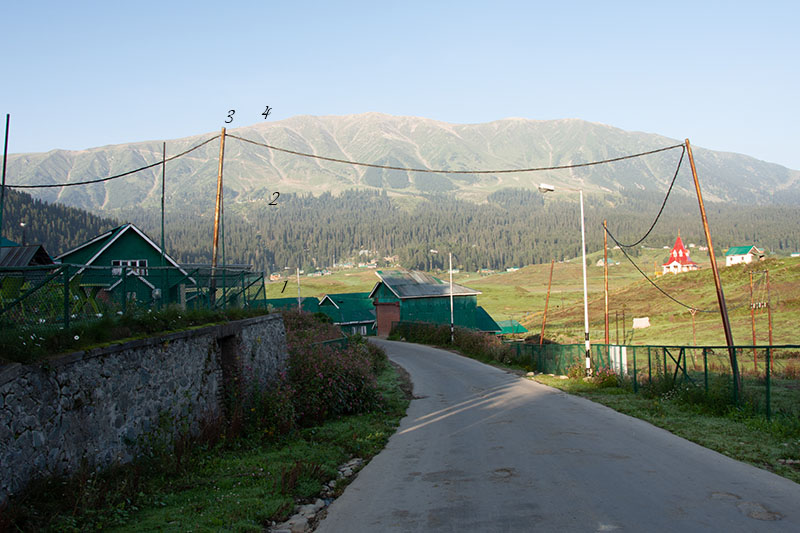
Nearby Attractions
While Apharwat Peak is undoubtedly the highlight of any visit to Gulmarg, the surrounding area offers numerous other attractions that are well worth exploring during your visit.Gulmarg Golf Course
Located in the heart of Gulmarg town, the Gulmarg Golf Course is one of the highest green golf courses in the world, sitting at an elevation of 2,650 meters. Originally built by British colonists in the early 20th century, this 18-hole course offers a unique golfing experience surrounded by stunning mountain scenery. Even if you're not a golfer, the golf course is worth visiting for a stroll. The meticulously maintained fairways and greens contrast beautifully with the rugged peaks in the background, creating a surreal landscape. The clubhouse offers refreshments and a chance to relax after exploring the higher elevations.St. Mary's Church
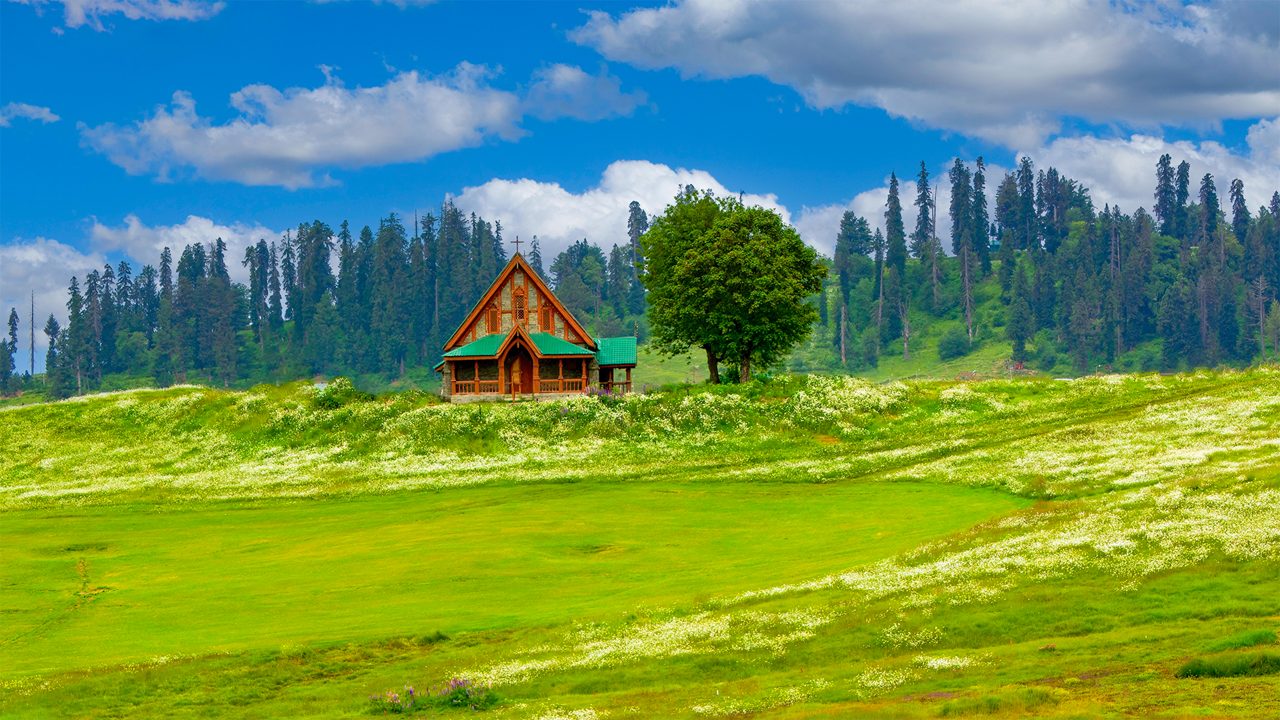
This historic church, built in 1902, is a beautiful example of colonial architecture and serves as a reminder of Gulmarg's history as a British hill station. The church's small size and simple design are charming, and the interior features beautiful stained glass windows. The church is still in use and holds regular services. Visitors are welcome to explore the grounds and, when services are not in progress, the interior. The surrounding cemetery contains the graves of British officials and their families who lived in Gulmarg during the colonial era.Maharani Temple
Also known as the Rani Temple, this historic Hindu temple is dedicated to Lord Shiva and is another reminder of Gulmarg's rich history. The temple dates back to the early 20th century and was frequented by Dogra royalty who used to visit Gulmarg during the summer months. The temple is set amidst beautiful surroundings and offers panoramic views of the valley. It's a peaceful spot for reflection and provides insight into the religious and cultural diversity of the Kashmir region.Ningle Nallah
For those interested in exploring Kashmir's beautiful streams, Ningle Nallah is a must-visit attraction near Gulmarg. This picturesque mountain stream flows through beautiful meadows and is surrounded by pine forests, making it a perfect spot for a picnic or a peaceful walk. The stream is particularly beautiful during the summer months when the surrounding vegetation is lush and green. The clear, cold water is fed by melting snow from the surrounding peaks and is incredibly refreshing. Local legends speak of the stream's medicinal properties, and many visitors enjoy dipping their feet in the icy water.Gulmarg Biosphere Reserve
Nature enthusiasts will appreciate a visit to the Gulmarg Biosphere Reserve, which is home to a diverse range of flora and fauna. The reserve encompasses the forests and meadows around Gulmarg and provides habitat for species such as the Himalayan musk deer, red fox, and numerous bird species including the colorful monal pheasant. The reserve is particularly beautiful during spring and summer when wildflowers carpet the meadows. It's an excellent place for birdwatching, nature photography, and quiet walks through pristine Himalayan forests.Baba Reshi Shrine
Located approximately 5 kilometers from Gulmarg, this historic shrine is dedicated to Baba Reshi, a renowned Muslim saint who served in the court of King Zain-ul-Abidin in the 15th century. The shrine is an important pilgrimage site and attracts devotees from all faiths. The architecture of the shrine is beautiful, featuring intricate wooden carvings and traditional Kashmiri design elements. The peaceful atmosphere and stunning mountain setting make it a worthwhile visit even for those not on pilgrimage.Accommodation Options
Gulmarg offers a range of accommodation options to suit different budgets and preferences, from luxury hotels to budget guesthouses.Luxury Hotels
For those seeking comfort and luxury, Gulmarg has several high-end hotels that offer spectacular views, excellent service, and modern amenities. Many luxury hotels are located in prime positions with panoramic views of the surrounding peaks. These hotels typically feature heated rooms (essential during winter), on-site restaurants serving both local and international cuisine, and often have facilities like spas, game rooms, and equipment rental for winter sports.Budget and Mid-Range Options
Gulmarg also has numerous budget and mid-range hotels, guesthouses, and homestays that offer comfortable accommodation at more affordable prices. Many of these are family-run establishments that provide a warm, personal touch and often serve delicious home-cooked Kashmiri food. Staying in a homestay can be a great way to experience local culture and hospitality. Many hosts are happy to share insights about the region and help you plan your activities.Tips for Visitors
To make the most of your visit to Apharwat Peak and ensure a safe, enjoyable experience, keep these practical tips in mind:- Acclimatize Properly: The rapid ascent to 4,390 meters can cause altitude sickness. Take it easy, stay hydrated, and consider spending a day in Gulmarg before heading to the peak.
- Dress in Layers: Weather conditions can change rapidly at high altitudes. Dressing in layers allows you to adjust your clothing as needed.
- Wear Sunscreen: UV radiation is much stronger at high altitudes, even on cloudy days. Apply sunscreen regularly and wear UV-protective sunglasses.
- Stay Hydrated: The dry mountain air and physical exertion can lead to dehydration. Drink plenty of water throughout your visit.
- Carry Cash: While some establishments accept cards, many small vendors and facilities are cash-only. ATMs are limited in Gulmarg.
- Book in Advance: During peak seasons, gondola tickets and accommodation can sell out. Book well in advance, especially if visiting during winter holidays.
- Respect Local Culture: Kashmir is a conservative region. Dress modestly and be respectful of local customs and traditions.
- Check Weather Conditions: Mountain weather can be unpredictable. Check forecasts and heed warnings from local authorities.
- Hire Certified Instructors: If skiing or attempting other activities, use certified instructors and guides. Safety should never be compromised.
- Travel Insurance: Ensure you have comprehensive travel insurance that covers high-altitude activities and emergency evacuation if needed.
Location
Frequently Asked Questions
Q1.What is the height of Apharwat Peak?
Apharwat Peak stands at an impressive elevation of 4,390 meters (14,403 feet) above sea level, making it the highest point in Gulmarg. Located in the Pir Panjal range of the western Himalayas, the peak offers spectacular 360-degree views of the Kashmir Valley and surrounding mountain ranges.
Q2.How do I reach Apharwat Peak?
The most popular and convenient way to reach Apharwat Peak is via the Gulmarg Gondola, one of the highest cable car systems in the world. The gondola has two phases: Phase 1 takes you from Gulmarg to Kongdori (3,080m), and Phase 2 continues from Kongdori to Apharwat Peak (4,390m). Alternatively, you can trek from Gulmarg, which takes 5-6 hours and requires good fitness and proper equipment.
Q3.What is the best time to visit Apharwat Peak?
The best time depends on your interests. For skiing and winter sports, December to March is ideal with excellent snow conditions. For clear views, trekking, and exploring Alpathar Lake, April to June offers pleasant weather and beautiful landscapes. September to November provides crisp weather, fewer crowds, and excellent visibility for photography.
Q4.How long is the Gulmarg Gondola ride?
The complete Gulmarg Gondola ride from Gulmarg town to Apharwat Peak takes approximately 30 minutes round trip, including both phases. Phase 1 (Gulmarg to Kongdori) covers 2.5 km, and Phase 2 (Kongdori to Apharwat Peak) covers another 2.5 km. However, most visitors spend several hours at the top enjoying activities and views.
Q5.Is the gondola ride safe in winter?
Yes, the Gulmarg Gondola is considered safe and operates under strict safety protocols. The cable car system is well-maintained and designed to handle harsh winter conditions. However, operations may be suspended during extreme weather such as heavy snowfall or high winds. It's important to check weather conditions and follow all safety instructions provided by the staff.
Q6.Can beginners ski at Apharwat Peak?
While Apharwat Peak offers challenging terrain for advanced skiers, beginners can still enjoy skiing in Gulmarg. The Kongdori area (Phase 1 of the gondola) offers excellent slopes suitable for beginners and intermediates. Gulmarg has certified ski instructors and ski schools where beginners can learn proper techniques before attempting more advanced runs on Apharwat Peak.
Q7.What should I wear for Apharwat Peak?
Due to the high altitude (4,390m) and potentially extreme weather, layering is essential. In winter, bring heavy winter gear including insulated jackets, thermal wear, waterproof pants, gloves, and warm hats. In summer, wear layered clothing including a waterproof jacket, warm fleece, and comfortable trekking pants. Always bring sunscreen, sunglasses (UV protection), and sturdy, waterproof footwear.
Q8.Are there food facilities at Apharwat Peak?
Food facilities at Apharwat Peak are very limited. There may be small snack stalls or tea shops at the Phase 2 gondola station, but options are basic and expensive. It's highly recommended to carry your own snacks, water, and packed lunch from Gulmarg. For a full meal, plan to return to Gulmarg town where you'll find restaurants and cafes serving Kashmiri and other cuisine.
Recommended For You
Adventure
Alpather Lake Trek Kashmir: Route, Difficulty & Weather
Complete guide to Alpather Lake trek in Gulmarg Kashmir. Difficulty, route, best time, how to reach & detailed trekking guide from Kongdori.
Feb 19Read More
Adventure
Skiing in Gulmarg: Complete Guide, Prices & Best Season 2026
Complete skiing Gulmarg guide featuring gondola prices, best season, lessons, equipment rental, accommodation, and travel tips for 2026.
Feb 20Read More
Travel
Best Time to Visit Kashmir: Month-by-Month Weather & Activities
Plan the best time to visit Kashmir with month-by-month weather, snow and bloom seasons, and practical guidance for sightseeing, honeymoon, and family travel.
Feb 19Read More
Never Miss an Adventure
Get the latest trekking guides, travel tips, and exclusive offers delivered straight to your inbox.
