
Amed Beach Bali: Diving Spots, Shipwreck Sites & East Coast Highlights

Neha Kapoor
February 19, 2026
Discover Amed Beach Bali, a diver's paradise with the famous Japanese Shipwreck, coral gardens, and authentic fishing village atmosphere on East Bali's coast.
Introduction
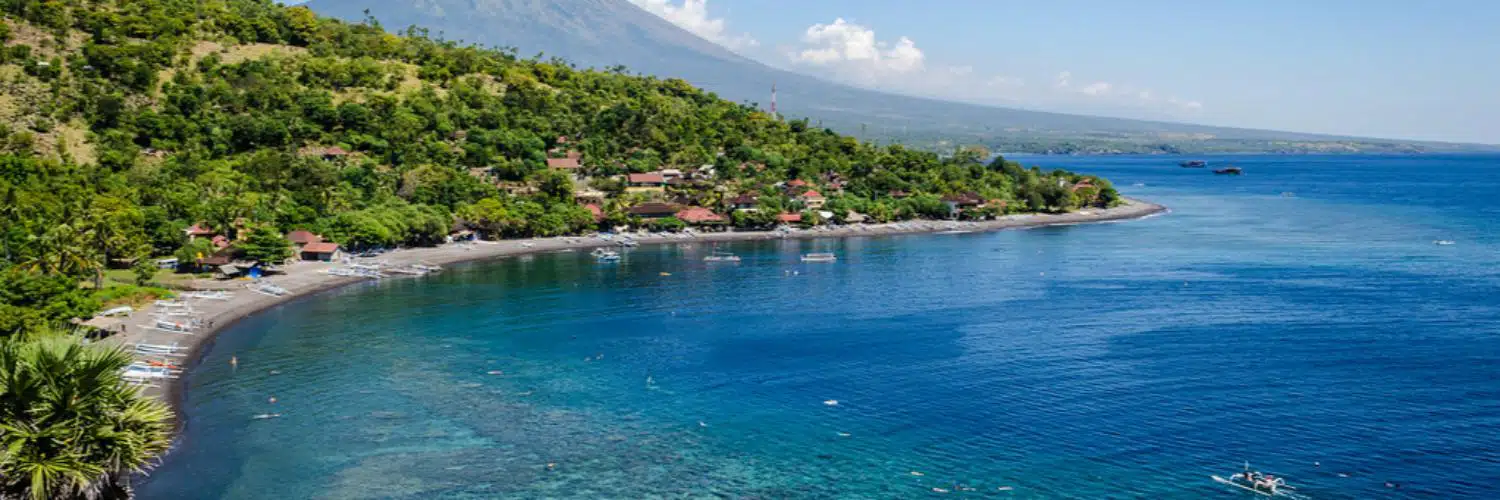
Amed Beach Bali stretches along Bali's picturesque east coast, offering a refreshing escape from the tourist crowds of Kuta and Seminyak. This traditional fishing village region has transformed into one of Bali's most authentic diving and snorkeling destinations, where volcanic black sand beaches meet crystal-clear waters teeming with marine life.
Unlike many of Bali's southern beaches, Amed offers a slower, more traditional pace of life. The region encompasses several bays and fishing villages, each with its own character and charm. From the famous Japanese Shipwreck at Lipah Beach to the vibrant coral gardens of Jemeluk Bay, Amed provides world-class underwater experiences just steps from traditional salt farms and colorful jukung fishing boats.
This comprehensive guide covers everything you need to know about diving in Amed, exploring the Japanese Shipwreck, finding the best accommodation, and planning your visit to this beautiful corner of East Bali. Combine this East Bali adventure with Lempuyang Temple and Tirta Gangga Water Palace for a complete cultural and natural exploration of Bali's eastern region.
Why Amed Beach is Special
Amed's unique character stems from its geographical position on Bali's dry east coast, sheltered by Mount Agung's massive presence. The region receives less rainfall than southern Bali, creating ideal conditions for diving and outdoor activities year-round. The beaches here feature distinctive black volcanic sand, a dramatic contrast to the white sands found elsewhere on the island.
The underwater world is Amed's true crown jewel. The coral reef begins directly from the shore in many places, making it accessible to snorkelers and divers without requiring boat trips. This easy access, combined with excellent visibility and abundant marine life, has earned Amed its reputation as one of Bali's premier diving destinations.
What truly sets Amed apart is its authenticity. The villages here maintain their traditional fishing culture, and you'll see local fishermen heading out at dawn in their colorful outrigger canoes. Salt production remains an important cottage industry, and you'll observe the traditional salt-drying methods along the shoreline. This genuine Balinese atmosphere, combined with natural beauty and world-class diving, creates a uniquely rewarding destination.
| Feature | Highlight | Best For |
|---|---|---|
| Shore Diving | Coral reef from beach entry | All experience levels |
| Japanese Shipwreck | Advanced divers | |
| Snorkeling | Coral gardens in shallow water | Families and beginners |
| Atmosphere | Cultural immersion |
The Japanese Shipwreck Dive Site
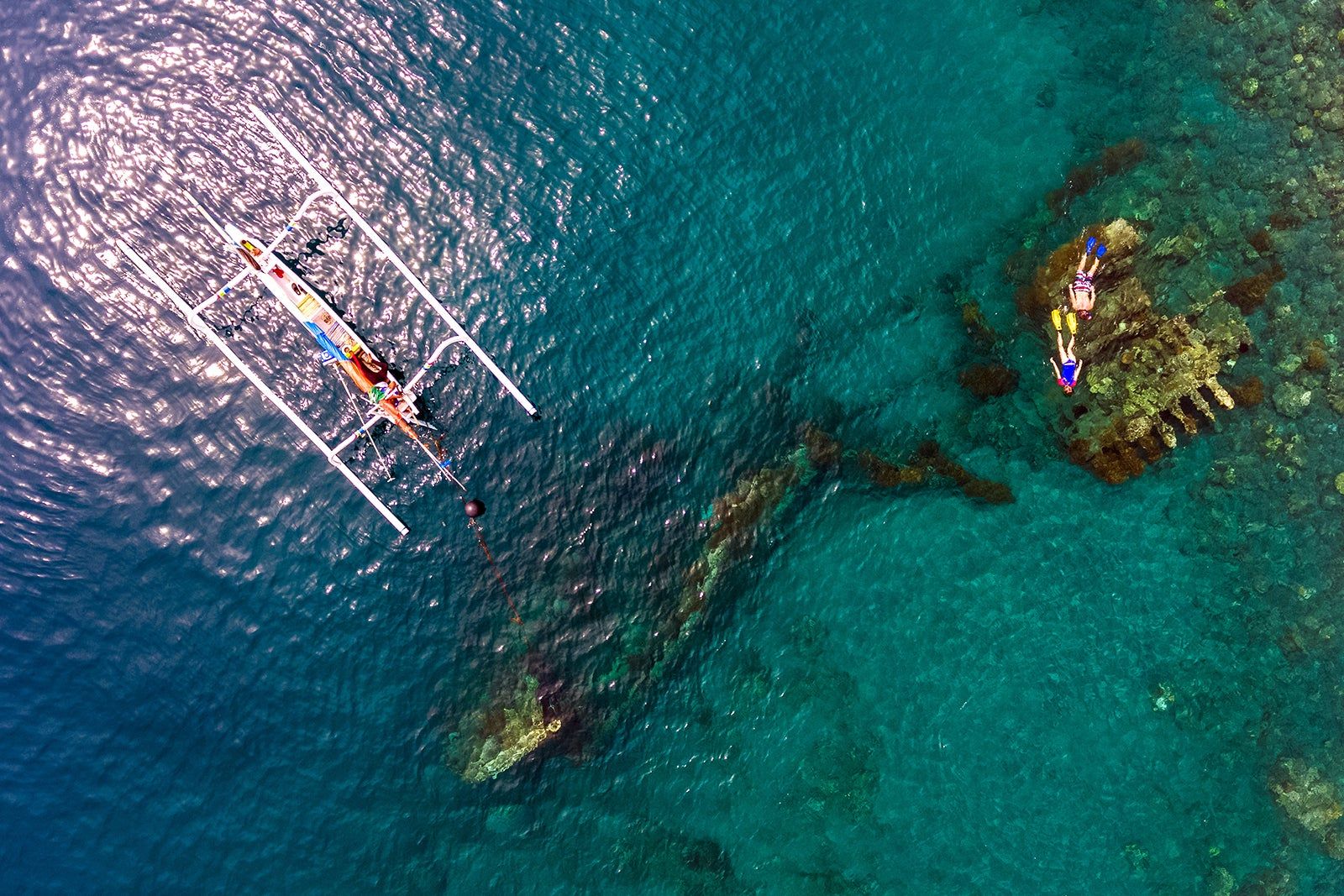
The Japanese Shipwreck is undoubtedly Amed's most famous dive site and a major draw for divers from around the world. Located just off Lipah Beach, this steel cargo ship sank in 1963 and has since transformed into a thriving artificial reef. The wreck lies at depths ranging from 6 to 25 meters, making it accessible to various certification levels while offering challenges for experienced divers.
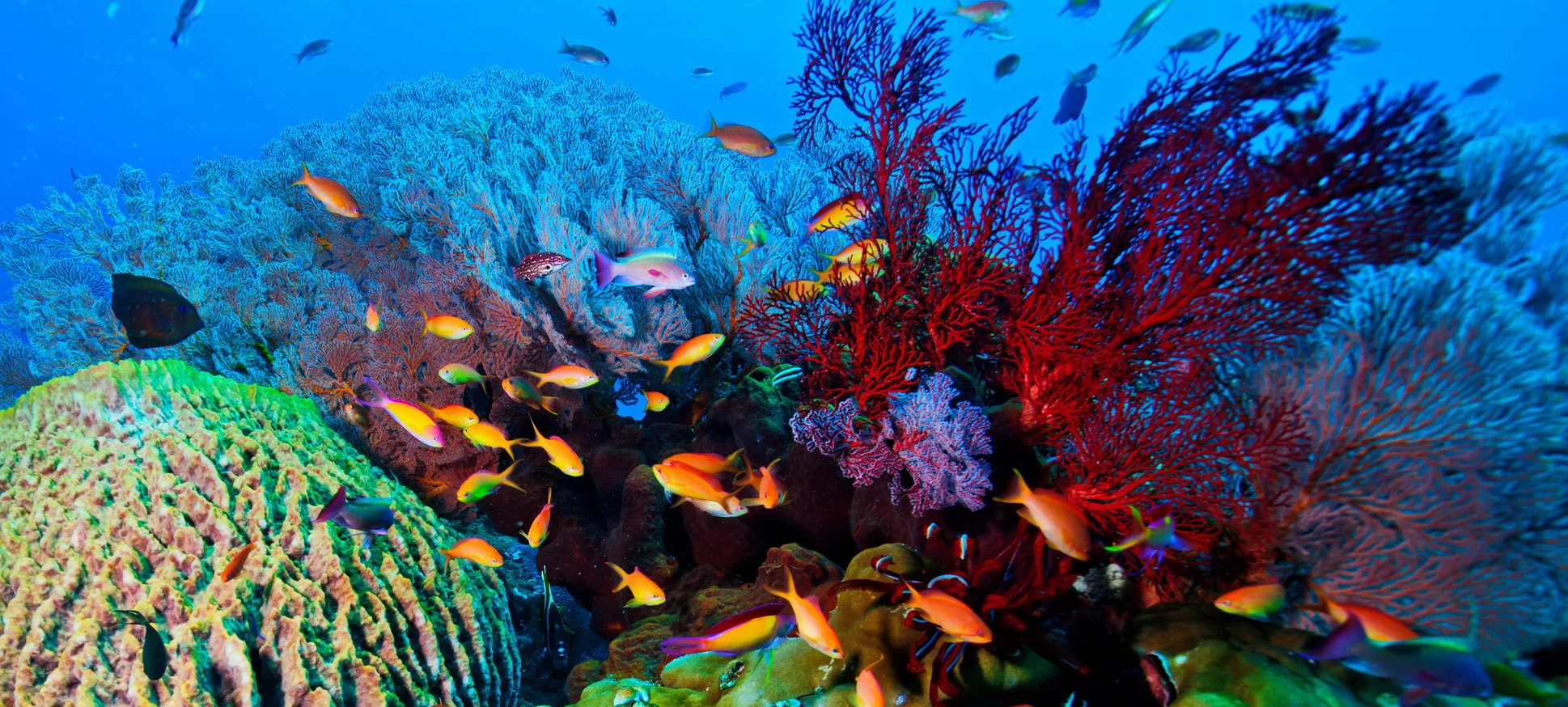
The shipwreck is now encrusted with soft corals, sponges, and gorgonians, creating a colorful underwater ecosystem. Schools of fusiliers, trevally, and snapper swarm around the structure, while leaf scorpionfish, ghost pipefish, and nudibranchs hide among the coral growth. Lucky divers might spot reef sharks patrolling the perimeter or Napoleon wrasse cruising by in the deeper sections.
The wreck is easily accessible from the shore, making it a cost-effective dive site. Local dive shops in Amed offer guided dives to the shipwreck, and many include it as part of their dive packages. Visibility is generally excellent, often exceeding 20 meters, allowing for clear views of this impressive artificial reef and its marine inhabitants.
For photographers, the Japanese Shipwreck offers fantastic opportunities. The contrast between the ship's steel structure and vibrant coral growth creates compelling compositions. Macro photographers will find plenty of subjects among the nooks and crannies, while wide-angle photographers can capture the schooling fish against the silhouette of the wreck.
World-Class Diving and Snorkeling Spots
Beyond the famous shipwreck, Amed offers numerous dive sites and snorkeling areas, each with unique characteristics and marine life. The region's dive sites are concentrated around several bays, each offering different underwater terrain and conditions.
Jemeluk Bay features arguably the easiest shore diving access in Amed. The coral reef begins just a few meters from the shore, dropping gradually to a sandy bottom at around 25 meters. The shallow sections are perfect for snorkelers, with healthy hard coral formations and abundant reef fish. As you go deeper, you'll encounter impressive coral walls and bommies where larger fish congregate. The bay is protected from currents, making it ideal for beginners and check-out dives.
Lipah Beach, home to the Japanese Shipwreck, also offers excellent reef diving along its extensive coral garden. The shallow reef here is particularly colorful, with a high density of soft corals and sponges. It's an excellent site for night dives, when octopus, cuttlefish, and crustaceans emerge from their daytime hiding spots.
Bunutan offers diving for more experienced adventurers. This site features a steeper slope and is known for occasional currents that bring in larger pelagic species. Bunutan is the place to spot reef sharks, eagle rays, and schools of barracuda. The coral here is pristine, with massive gorgonian sea fans and healthy hard coral formations.
Pyramids is an artificial reef project consisting of underwater pyramid structures designed to promote coral growth. These structures, placed at various depths, have become home to diverse marine life and offer an interesting alternative diving experience. The site demonstrates local efforts in reef conservation and provides habitat for reef fish and invertebrates.
For snorkelers, Jemeluk Bay and Lipah Beach offer the most rewarding experiences. The shallow reefs here are easily accessible from the beach and teem with colorful reef fish, sea turtles, and healthy coral formations. Many hotels in Amed provide snorkeling gear, or you can rent from local dive shops.
Best Time to Visit for Diving
Amed enjoys favorable diving conditions year-round, but understanding the seasonal patterns can help you plan the optimal time for your visit. The east coast's location creates a microclimate that differs from Bali's southern regions.
The dry season, from April to October, generally offers the best diving conditions. During these months, rainfall is minimal, and the ocean tends to be calmer with excellent visibility. August and September are particularly popular, with water temperatures around 28°C and visibility often exceeding 30 meters. However, these months also see the highest tourist numbers, so book accommodations and dive packages in advance.
The wet season, from November to March, brings more rainfall to Bali, but the east coast receives significantly less precipitation than the south. Diving remains excellent during these months, and you'll encounter fewer tourists. Water temperatures are slightly warmer, and while visibility can be reduced after heavy rain, it usually clears quickly. The wet season can be an excellent time to visit if you prefer quieter dive sites and better rates on accommodation.
Water temperatures in Amed range from 26°C to 29°C throughout the year. Most divers are comfortable in a 3mm wetsuit, though some prefer extra protection for multiple dives per day. The east coast is generally sheltered from strong currents, making diving accessible even for beginners during most conditions.
Traditional Fishing Village Atmosphere
Amed's authentic character is one of its most appealing qualities. Unlike many of Bali's tourist areas, Amed has maintained its traditional village life, and visitors here experience genuine Balinese culture rather than a manufactured tourist experience.
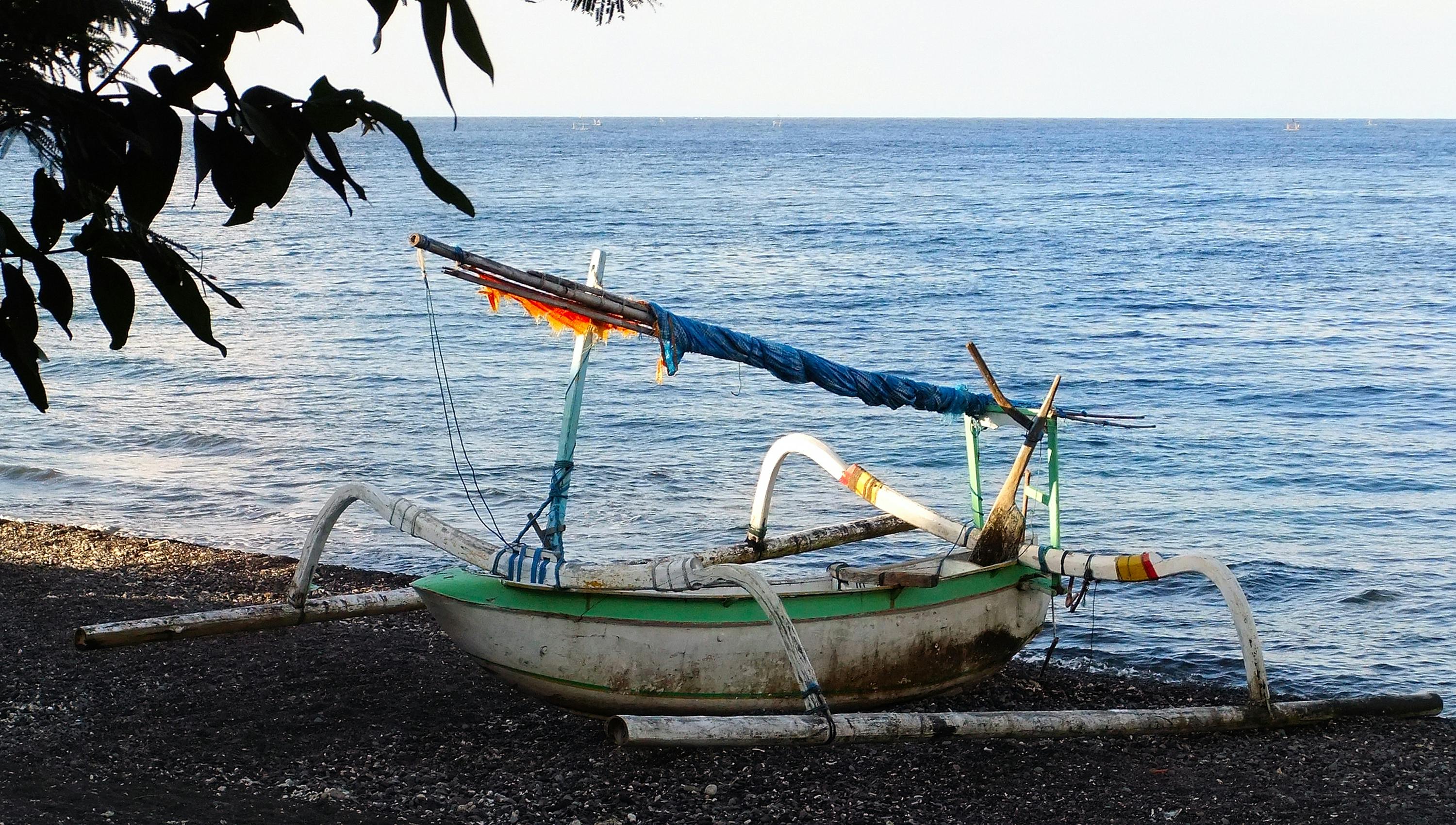
The coastline is dotted with traditional jukung, the colorful outrigger canoes used by local fishermen. At dawn, you'll watch fishermen heading out to sea in these distinctive boats, returning later in the morning with their catch. Many hotels and restaurants offer the opportunity to buy fresh fish directly from returning fishermen, guaranteeing the freshest seafood for your dinner.
Salt production remains an important traditional industry in Amed. Along the shoreline, you'll see the distinctive salt-drying platforms where seawater is evaporated to produce traditional Balinese salt. The process involves raking salt crystals by hand in the hot sun, a labor-intensive practice that has continued for generations. You can observe this process and often purchase the high-quality mineral-rich salt as a unique souvenir.
The villages in Amed are laid-back and friendly. There's no nightlife scene here beyond casual beach bars and relaxed restaurants. The pace of life is slow, and evenings are spent watching the sunset over the Lombok Strait, enjoying fresh seafood, and listening to the gentle sounds of the waves. This tranquil atmosphere makes Amed perfect for travelers seeking relaxation and authenticity rather than parties and crowds.
Accommodation Options in Amed
Amed offers a range of accommodation options to suit various budgets and preferences, from simple homestays to comfortable resorts. The development here has been relatively low-key, preserving the area's village atmosphere while providing necessary tourist infrastructure.
Homestays and Guesthouses are the most budget-friendly option and offer an authentic experience. Many local families open their homes to guests, providing simple but comfortable rooms with fans or air conditioning. Staying in a homestay allows you to connect with local families, learn about Balinese culture firsthand, and often enjoy home-cooked meals. Prices typically range from $15 to $30 per night, and many homestays are located directly on the beachfront.
Mid-Range Hotels and Bungalows offer more amenities while maintaining reasonable rates. These properties typically feature air-conditioned rooms, private bathrooms, swimming pools, and on-site restaurants. Many are positioned on the beachfront, offering direct access to the ocean and stunning views across the water to Mount Agung. Prices generally range from $40 to $80 per night, with discounts available for extended stays during low season.
Resorts and Luxury Villas cater to travelers seeking premium amenities and services. These properties offer spacious rooms or private villas, often with private pools, fine dining restaurants, spa services, and comprehensive dive facilities. Several high-end resorts in Amed specialize in diving holidays, offering packages that include accommodation, meals, and guided dives. Prices start around $150 per night and can exceed $300 for luxury properties.
When choosing accommodation in Amed, consider which bay best suits your preferences. Jemeluk Bay offers excellent snorkeling from the shore, Lipah Beach is close to the Japanese Shipwreck, and the northern bays provide quieter settings and stunning sunset views. Most hotels can arrange diving, snorkeling, and transportation services.
Restaurants and Local Food
Amed's restaurant scene is casual and focused on fresh, locally sourced food. Given the region's fishing heritage, seafood is a specialty, and you'll find excellent grilled fish, prawns, and calamari at most restaurants.
Warungs, traditional Indonesian eateries, offer affordable and authentic local cuisine. These simple restaurants serve dishes like nasi goreng (fried rice), mie goreng (fried noodles), satay (grilled skewers), and fresh seafood caught that morning. Warung meals typically cost between $3 and $7, making dining out very affordable. Don't miss the opportunity to try bebek betutu (Balinese-style duck) or ikan bakar (grilled fish) at a local warung.
Beachfront Restaurants are scattered along the coast, offering romantic settings for sunset dinners. Many restaurants display their fresh catch of the day, allowing you to choose your fish and specify how you'd like it prepared. Grilled fish with Balinese spices, served with rice, vegetables, and sambal, is a signature dish. These restaurants also serve international cuisine to cater to varied tastes.
Cafes have started appearing in Amed, offering healthier options, fresh juices, and excellent coffee. Many cater to the diving crowd, serving hearty breakfasts and energy-boosting snacks perfect for fueling a day of diving. Smoothie bowls, avocado toast, and fresh fruit platters are popular choices.
How to Reach Amed from Candidasa and Bali
Amed is located in East Bali's Karangasem Regency, approximately 3 hours drive from Ngurah Rai International Airport and 1.5 hours from Candidasa. The journey takes you through some of Bali's most beautiful scenery, making the drive part of the experience.
From the Airport, you'll head east on the main coastal road, passing through Sanur, then turning inland toward Gianyar and Klungkung before reaching the east coast. The route is scenic but can be slow due to traffic through towns. Most travelers arrange private airport transfers, which cost between $40 and $60 and take approximately 3 hours depending on traffic.
From Candidasa, Amed is a straight drive north along the scenic coastal road. The journey takes about 1.5 hours and offers beautiful views of the coastline and rice terraces. You can arrange a private driver for approximately $25 one way, or rent a scooter if you're confident riding on Bali's roads. The road from Candidasa to Amed is relatively quiet and in good condition, making it a pleasant drive.
From Ubud, the journey takes approximately 2.5 to 3 hours. The route passes through Klungkung and follows the coastal road north. Many travelers combine Ubud and Amed in their Bali itinerary, spending a few days in the cultural center before heading to the east coast for diving and relaxation.
From South Bali (Kuta, Seminyak, Canggu), allow 3 to 3.5 hours for the journey. Traffic can be heavy through the southern regions, so start your journey early to avoid rush hours. Private drivers are recommended as they know the best routes and can stop for breaks and photos along the way.
Once in Amed, the best way to get around is by rented scooter, which costs approximately $5 to $7 per day. The region is spread out over several kilometers, and having your own transport gives you the flexibility to explore different bays and restaurants. Alternatively, you can arrange transportation through your hotel or use local transport services.
Diving Packages and Courses
Amed's dive industry is well-developed, with numerous dive shops offering courses, guided dives, and snorkeling trips. The region's reputation for excellent diving attracts high-quality instructors from around the world, ensuring professional and safe diving experiences.
Introductory Dives are perfect for beginners who want to experience scuba diving without completing a full certification course. These programs include a theory session, basic skill practice in shallow water, and a guided dive with an instructor. The Japanese Shipwreck is sometimes too deep for introductory divers, but Jemeluk Bay offers ideal conditions for first dives with shallow depths and excellent visibility.
Open Water Courses are available from several dive shops in Amed. The 3-4 day course includes theory, confined water training, and four open water dives. Amed's calm conditions and easy shore access make it an excellent place to learn diving. Course prices typically range from $350 to $450, including equipment, certification, and instruction.
Fun Diving Packages offer the best value for certified divers. Most dive shops offer packages of multiple dives, with prices decreasing per dive for larger packages. A typical 5-dive package might cost between $150 and $200, including tanks, weights, and guide. Equipment rental is available for a small additional charge if you don't have your own gear.
Specialty Courses are available for divers seeking advanced training. Underwater photography, drift diving, and deep diving specialties are particularly relevant to Amed's dive conditions. Many divers also complete their Advanced Open Water certification in Amed to take advantage of the varied dive sites and conditions.
When choosing a dive shop, look for PADI or SSI certification, well-maintained equipment, and small group sizes. Most dive shops in Amed maintain high standards of safety and professionalism, and many have been operating in the region for years.
Practical Tips for Your Amed Visit
Cash is essential in Amed. While some hotels and restaurants accept cards, many establishments are cash-only. ATMs are available in the main areas, but they can run out of cash on weekends, so withdraw sufficient funds before arriving or carry backup cash.
Sun Protection is crucial. The east coast is dry and sunny, and you'll likely spend considerable time in or on the water. Bring high-SPF sunscreen, a hat, and protective clothing. The tropical sun is stronger than many visitors expect, especially when reflected off the water's surface.
Dive Insurance is highly recommended. While dive shops in Amed maintain high safety standards, diving carries inherent risks. Consider purchasing dive insurance that covers hyperbaric treatment and medical evacuation. DAN (Divers Alert Network) offers comprehensive dive insurance policies.
Respect Local Customs when exploring villages and religious sites. Dress modestly when away from the beach, and always ask permission before photographing people or religious ceremonies. The Balinese are welcoming and hospitable, and showing respect for their culture enhances your experience.
Conclusion
Amed Beach Bali offers a perfect blend of world-class diving, authentic Balinese culture, and relaxed village atmosphere. Whether you're an experienced diver seeking the famous Japanese Shipwreck, a snorkeler exploring vibrant coral gardens, or simply a traveler looking to escape the tourist crowds, Amed delivers a uniquely rewarding Bali experience.
The region's combination of easy shore diving, rich marine life, traditional fishing culture, and stunning natural beauty creates a destination that appeals to diverse travelers. By day, explore the underwater world; by evening, watch the sunset over Mount Agung while enjoying fresh seafood. This is Bali at its most authentic and peaceful.
Plan to spend at least 3-4 days in Amed to fully experience its diving opportunities and relaxed pace. Combine your visit with East Bali's cultural attractions like Lempuyang Temple and Tirta Gangga for a comprehensive East Bali adventure. Amed may be far from Bali's tourist centers, but this distance is precisely what makes it special.
If you're extending this trip, Lempuyang Temple (Gates of Heaven) Bali is worth adding to your plan. Many travelers also pair this with Uluwatu Temple Bali for a fuller itinerary. It's worth reading up on Kuta Beach Bali before you finalize your plans.
Location
Frequently Asked Questions
Q1.Where is Amed Beach located in Bali?
Q2.Do I need diving certification to explore the Japanese Shipwreck?
Q3.What is the best time of year to visit Amed for diving?
Q4.Is Amed Beach suitable for families with children?
Q5.How deep is the Japanese Shipwreck dive site?
Q6.Are there ATMs and banks in Amed?
Q7.Can I learn to dive in Amed?
Q8.What type of beaches are in Amed?
Recommended For You
Bali: Complete Travel Plan Places And Weather
Complete Bali travel guide with 7-day itinerary, best time to visit, cost breakdown, top attractions, transport options & insider tips for first-time visitors to Indonesia's Island of Gods.
Beachfront Resorts Bali: Areas, Budget and Stay Tips
Find the best beachfront resorts in Bali with area-first planning, budget strategy, and practical booking tips for a smoother coastal stay.
Best Time to Visit Bali: Season Guide and Travel Tips
Plan the best time to visit Bali with weather-wise strategy, route planning, and practical tips for smoother island travel.
Never Miss an Adventure
Get the latest trekking guides, travel tips, and exclusive offers delivered straight to your inbox.
