

Best Jungle Camps in Nagarhole National Park: Eco Stays & Safari Lodges

Neha Kapoor
August 22, 2026
Explore the best jungle camps and eco-lodges bordering Nagarhole National Park. Discover top stays like Machaan Nagarhole and The Kings Sanctuary with safari gate guides.
The Wilderness Heart of the Western Ghats: Staying in Nagarhole
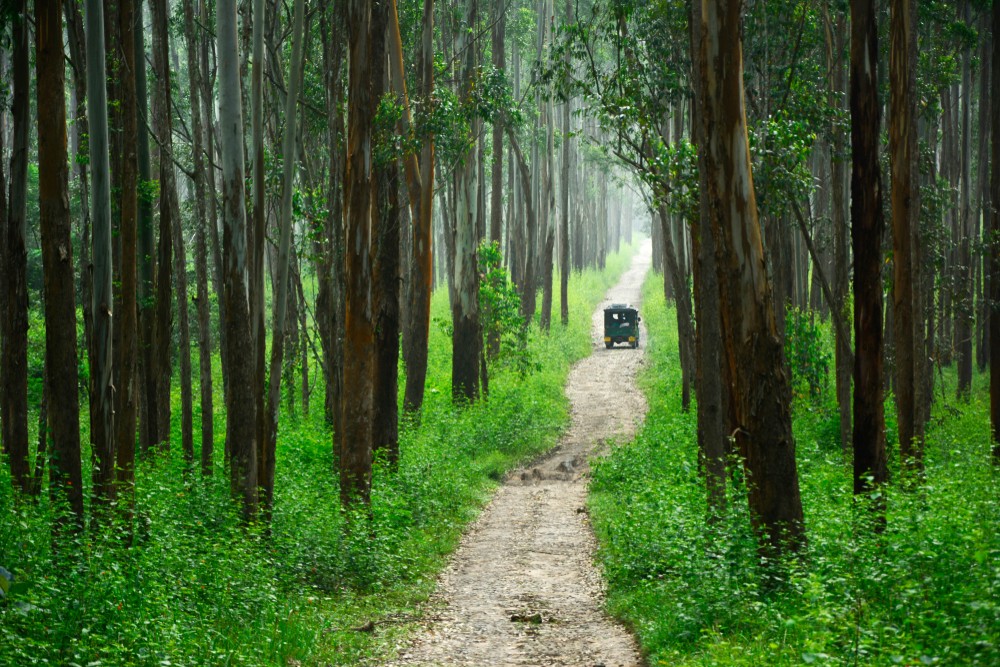
Covering an expansive 643 square kilometres across Kodagu (Coorg) and Mysore districts, Nagarhole National Park — officially designated as the Rajiv Gandhi National Park — represents one of India's richest wildlife sanctuaries. Blessed with high annual precipitation, undulating streams, towering teak canopies, and dense bamboo brakes, Nagarhole sustains an extraordinary prey base of spotted deer, sambar, and wild boar, which in turn supports one of the highest densities of Royal Bengal tigers and leopards in the world. To prepare for the park's administrative safari gates and vehicle entry rules, start by reviewing our comprehensive Nagarhole National Park safari booking guide.
While the southern boundary along the Kabini backwaters is world-famous for river safaris, the northern and western gates near Kutta, Srimangala, Veeranahosahalli, and Hunsur offer a distinctly wild, untouched, and unhurried jungle camp experience. Bordered by the emerald coffee and spice plantations of South Coorg on one side and continuous forest corridors leading into Wayanad on the other, staying at an eco-camp here gives you front-row access to early morning forest drives, guided estate walks, and authentic Kodava hospitality. Travelers exploring broader region itineraries can also consult our detailed Coorg travel guide for local waterfalls, viewpoints, and coffee heritage.
1. Machaan Nagarhole: Low-Impact Eco-Camp on the Coffee-Forest Frontier
Perched on the boundary of the Nagarhole forest near Kutta in South Coorg, Machaan Nagarhole is a thoughtfully designed eco-resort that blends coffee plantation tranquility with the thrills of the wilderness. Set amidst a working Robusta coffee and black pepper estate, Machaan offers elevated luxury cottages and modern machans designed to minimize ground footprint while maximizing canopy immersion.
What makes Machaan unique is its strict adherence to sustainable hospitality: rainwater harvesting, organic compost management, and solar thermal heating. The property sits within walking distance of the forest buffer line, where hornbills, emerald doves, and giant Malabar squirrels frequent the shade trees. Machaan's naturalists lead morning plantation trails and birding walks, followed by easy access to the Forest Department's Kutta and Nanachi safari check-posts for morning and afternoon open-top Gypsy safaris into Nagarhole's deep interior.
2. The Kings Sanctuary, Nagarhole (Near Hunsur Gate)
Located on the northern fringe of Nagarhole near Veeranahosahalli and Hunsur, The Kings Sanctuary is spread across 40 acres of lush mango orchards, teak woods, and landscaped water bodies. Ideal for families and nature enthusiasts seeking spacious comfort, the property features adobe-style cottages, executive suites, and private cluster villas crafted with natural brick and locally sourced granite.
The Kings Sanctuary is strategically positioned for quick access to the northern gates of Nagarhole, where open grassland clearings and waterholes frequently host large herds of gaur, wild elephants, and solitary male leopards. The resort features a swimming pool, children's outdoor obstacle courses, an archery range, and an in-house naturalist centre that conducts wildlife educational workshops and evening stargazing sessions.
3. Jungle Lodges & Resorts (JLR) Camps around Nagarhole Periphery
Jungle Lodges & Resorts operates premier eco-tourism properties around the Nagarhole tiger landscape. Guests staying at authorized JLR properties enjoy seamless integration with Karnataka Forest Department safari vehicles. JLR naturalists possess encyclopedic knowledge of forest tracks, predator territory boundaries, and animal acoustics, ensuring that every 4x4 drive provides rich educational insights into Western Ghats ecology.
Accommodations in JLR forest camps emphasize rustic authenticity, featuring sturdy stone cottages, canvas safari tents with en-suite bathrooms, and open-sided dining gazebos (Gol Ghars) where wholesome regional buffet meals are served beside communal campfires. JLR's deep ties with local tribal forest trackers provide guests with unparalleled tracking expertise during game drives.

Safari Logistics: Kutta, Nanachi, and Veeranahosahalli Gates
Unlike the single-point access in smaller reserves, Nagarhole's vast territory is accessed through multiple distinct forest ranges:
- Nanachi / Kutta Gate (Kodagu Side): Located on the southwestern border near Kutta. This gate leads into moist deciduous and evergreen forest zones characterized by towering rosewood trees, bamboo groves, and lush valleys. It is prime territory for tracking leopards, barking deer, and large elephant family herds.
- Veeranahosahalli Gate (Hunsur Side): Positioned on the northern border, entering through dry-deciduous and mixed scrub forest. This range offers vast open meadows and artificial waterholes where Bengal tigers and dhole packs are frequently photographed during morning hours.
- Antharasanthe / Dammanakatte Gate (Kabini Side): Positioned along the southeastern border, leading directly into the backwater grassland zones.
For visitors exploring multi-day wildlife circuits, Nagarhole connects seamlessly with other prime habitats. You can pair your Nagarhole camp stay with a visit to the nearby Dubare Elephant Camp in Coorg for river-based elephant interactions, or continue south across the Kerala border into the rich forests of the Wayanad Wildlife Sanctuary. Those driving down from Karnataka's capital should refer to our Bangalore to Coorg road trip guide for the most picturesque scenic highways.
Best Season for Nagarhole Jungle Camps
Planning your trip according to seasonal wildlife patterns ensures the best wilderness encounters:
- October to February (Post-Monsoon & Winter): The entire reserve is emerald green, streams are flowing, and temperatures hover pleasantly between 14°C and 28°C. This is the ultimate period for birding, with hundreds of migratory species roosting across the canopy.
- March to May (Summer Wildlife Congregration): As undergrowth thins and smaller forest streams dry up, animals gather around major waterholes, forest check-dams, and river stretches. Sighting probabilities for tigers, leopards, and herds of over 50 elephants are at their yearly peak.
- June to September (Monsoon Splendor): Nagarhole receives heavy monsoon showers. While some interior dirt trails become slushy, the lush atmosphere, misty canopy vistas, and swollen forest rivers provide a magical retreat for nature lovers seeking peace and solitude.
Essential Guidelines for Staying in Nagarhole Forest Eco-Camps
To enjoy an ethical and stress-free stay, keep the following guidelines in mind:
- Gate Proximity: Ensure your eco-camp is located close to the specific safari gate (e.g., Kutta vs. Hunsur) where your permits have been issued, as driving between different park gates can take 1.5 to 2 hours around the forest perimeter.
- Zero Plastic & Noise Discipline: Nagarhole is an eco-sensitive zone. Loud music, disposable plastic bottles, and late-night outdoor shouting are strictly forbidden by district administration and forest eco-tourism guidelines.
- Binoculars & Camera Gear: Dense foliage requires good optical light gathering. Carry binoculars with 42mm or 50mm objective lenses and cameras capable of high ISO performance for low-light morning forest canopies.
Conclusion: Immersion in Pristine Forest Wilderness
A stay at the eco-camps and jungle lodges bordering Nagarhole National Park offers a profound reconnection with India's wild heritage. From the aromatic coffee aromas mingling with the forest morning mist to the thrill of locking eyes with a wild tiger emerging from ancient bamboo thickets, Nagarhole delivers an authentic, ethical, and deeply memorable wilderness escape.
Location
Frequently Asked Questions
Q1.Which safari gates in Nagarhole are closest to South Coorg eco-camps?
Q2.What is the difference between staying near Kutta versus staying near Hunsur in Nagarhole?
Q3.Can eco-camps in Nagarhole arrange morning and afternoon jeep safaris?
Q4.How far is Nagarhole National Park from Madikeri and Bangalore?
Q5.What wildlife can you expect to spot in Nagarhole?
Recommended For You

Bangalore to Coorg Road Trip: The Complete Highway & Route Guide
Complete guide for a road trip from Bangalore to Coorg (255 km). Explore the Bangalore-Mysore Expressway, Bylakuppe Golden Temple, Madikeri hills, and Kodava food.

7 Best Coffee Estate Homestays in Coorg: Kodava Hospitality & Plantation Walks
Discover the 7 best coffee estate homestays in Coorg for authentic Kodava hospitality, home-cooked Pandi curry, guided plantation walks, and fresh morning roasts.
Wayanad Wildlife Sanctuary: Safari Timings, Zones & Travel Tips
Complete travel guide to Wayanad Wildlife Sanctuary Kerala - safari booking, timings, best time to visit, wildlife, and accommodation.
Never Miss an Adventure
Get the latest trekking guides, travel tips, and exclusive offers delivered straight to your inbox.
