
Wayanad Wildlife Sanctuary: Safari Timings, Zones & Travel Tips

Priya Mehta
February 19, 2026
Complete travel guide to Wayanad Wildlife Sanctuary Kerala - safari booking, timings, best time to visit, wildlife, and accommodation.
Introduction: Kerala's Second Largest Wildlife Sanctuary
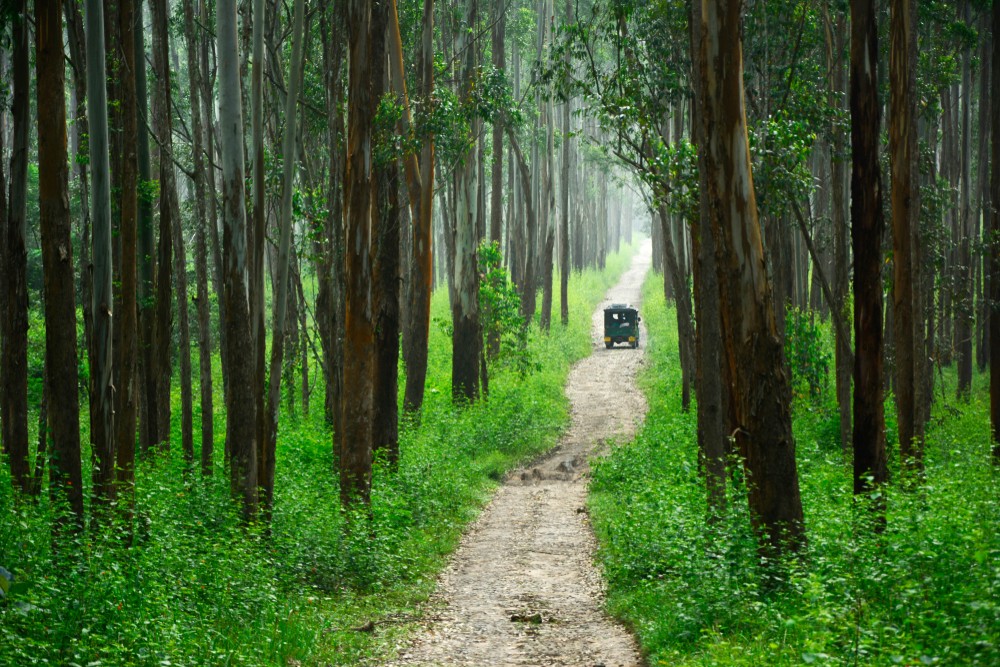
Wayanad Wildlife Sanctuary, part of the Wayanad district in Kerala, is among South India's most accessible yet richly diverse protected areas. Connected to the larger Nilgiri Biosphere Reserve, this sanctuary offers travelers a chance to experience tropical forests, grassland pockets, and significant wildlife density without needing extreme remote travel logistics.
What makes Wayanad special is its variety of safari zones, each offering distinct habitat experiences. From dense forest sections to open edges where animals gather, the sanctuary caters to serious wildlife enthusiasts as well as families seeking a nature holiday with realistic wildlife sighting potential.

About Wayanad Wildlife Sanctuary
Established in 1973 and later declared a Project Elephant site, Wayanad Wildlife Sanctuary covers over 344 square kilometers of forested terrain. The sanctuary is divided into four ranges: Muthanga, Tholpetty, Kurichiat, and Sulthan Bathery. Each range offers different safari experiences and wildlife encounter probabilities.
The area is part of the Nilgiri Biosphere Reserve, which includes Bandipur, Nagarhole, and Mudumalai. This connectivity allows wildlife movement across regions, supporting healthy populations of elephants, tigers, leopards, and various herbivores. For travelers, this means higher chances of quality sightings compared to isolated forest patches.
Key Safari Zones Explained
The two main safari zones accessible to tourists are Muthanga and Tholpetty. Understanding their differences helps in planning better wildlife experiences.
| Zone | Distance from Sulthan Bathery | Best For |
|---|---|---|
| Muthanga | ~15 km | Elephant herds, birdwatching, morning safaris |
| Tholpetty | ~60 km | Tiger and leopard probability, quieter forest experience |
Best Time to Visit Wayanad Wildlife Sanctuary
The sanctuary remains open from October to May, with each season offering distinct advantages. Summer months generally provide better visibility and animal movement near water sources, while post-monsoon offers lush landscapes and pleasant weather.
| Season | Conditions | Sighting Quality |
|---|---|---|
| October-February | Pleasant weather, green landscapes | Good for general wildlife, comfortable safaris |
| March-May | Drier forest, animals near water | Best for elephant herds and big cats |
| June-September | Closed for monsoon | NA (sanctuary remains closed) |
Wildlife You Can Spot
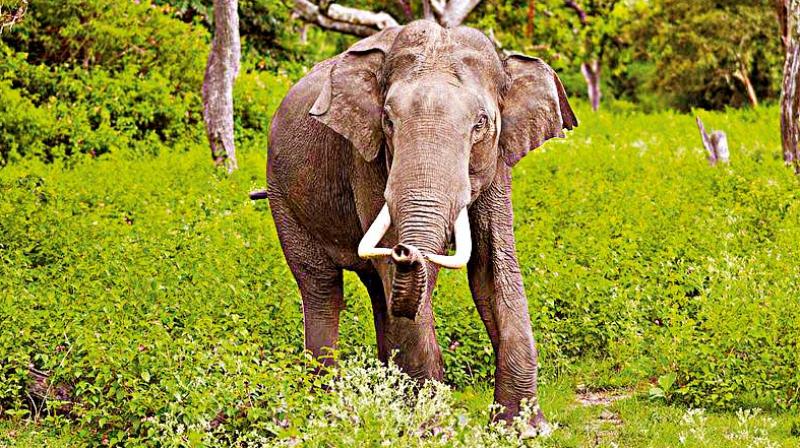
Wayanad Wildlife Sanctuary hosts a impressive diversity of species. The flagship attraction remains the Asian elephant, with the region supporting one of Kerala's largest populations. Large herds are frequently sighted, especially during summer mornings when they gather around waterholes.
Besides elephants, the sanctuary is home to tigers, leopards, sloth bears, wild dogs (dhole), and various deer species including sambar, spotted deer, and barking deer. Reptile enthusiasts may encounter pythons, cobras, and monitor lizards. The birdlife is equally rich, with peacocks, hornbills, woodpeckers, and numerous forest birds commonly sighted during safari drives.
Safari Booking and Timings
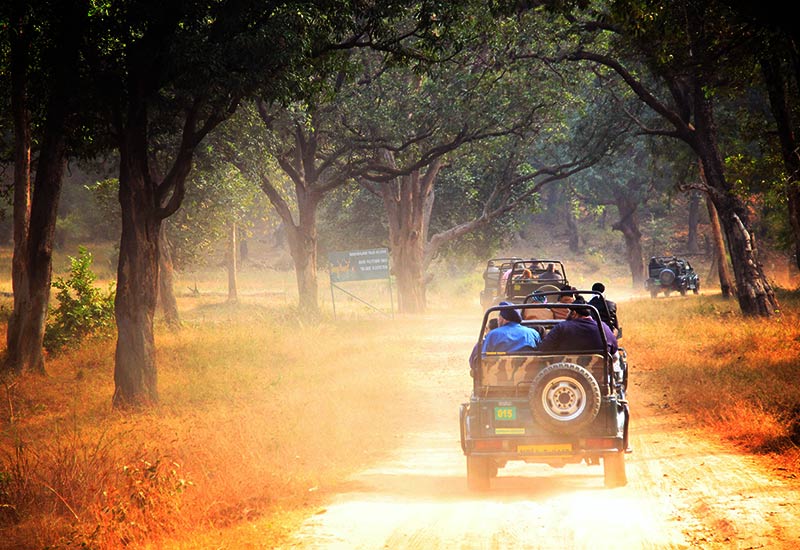
Booking safaris in advance is strongly recommended, especially for weekend slots and peak summer months. Both zones offer jeep safaris accompanied by trained forest guides. The morning safari slot generally provides better wildlife activity compared to evening slots.
- Morning Safari: 7:00 AM to 9:00 AM (highest animal movement)
- Evening Safari: 3:00 PM to 5:00 PM (cooler temperatures, but less activity)
- Advance Booking: Available online through Kerala Forest Department portal
- Spot Booking: Subject to availability, arrive by 6:30 AM for morning slots
How to Reach Wayanad Wildlife Sanctuary
The sanctuary is well-connected by road through Kerala and Karnataka. Most travelers access Wayanad via Kozhikode (Calicut) or Mysore airports. The road journey itself offers scenic views through plantation country and forest edges.
- From Kozhikode: ~100 km, 3-hour drive via NH766
- From Mysore: ~120 km, 3.5-hour drive via Nagarhole route
- From Bangalore: ~280 km, 6-7 hour drive via Mysore road
- Nearest Railway: Kozhikode station (97 km away)
Where to Stay Near Wayanad Wildlife Sanctuary
Accommodation options range from forest department properties to private resorts and homestays. Staying closer to Sulthan Bathery provides easy access to both Muthanga and other Wayanad attractions.
- Forest Rest Houses: Basic accommodation within sanctuary limits (requires advance booking)
- Private Resorts: Mid-range to luxury options in surrounding areas
- Homestays: Budget-friendly options with local hospitality experience
Safari Tips and Guidelines
Maximize your wildlife experience with proper preparation. Safaris involve early starts, bumpy forest tracks, and periods of waiting in silence. Comfort and patience are both equally important.
- Wear neutral-colored clothing (khaki, olive, brown)
- Carry binoculars for better viewing without disturbance
- Bring sufficient water and light snacks
- Apply insect repellent, especially in morning hours
- Maintain silence during safari for better animal approach
- Follow guide instructions strictly for safety
- Carry a light jacket for early morning chill
Photography Guidelines
Wildlife photography requires specific approaches to avoid disturbance while capturing quality images. Use telephoto lenses when possible to maintain distance from animals. Avoid flash photography as it startles wildlife and creates risky situations. Remember that certain zones within the sanctuary may restrict photography or require additional permissions.
Combining Wayanad Wildlife with Other Attractions
A complete Wayanad trip can combine wildlife safaris with other natural and cultural attractions. The region offers waterfalls, caves, historic sites, and plantation experiences that pair well with forest visits.
Consider visiting Edakkal Caves for ancient petroglyphs, Meenmutty Waterfalls for scenic waterfall experience, or exploring tea and coffee plantations. For extended trekking, trekking options in Wayanad provide deeper forest immersion opportunities.
Responsible Wildlife Tourism
As a protected area, Wayanad Wildlife Sanctuary requires responsible visitor behavior. Avoid littering, maintain silence during animal sightings, never feed wildlife, and respect forest boundaries. Plastic use within the sanctuary is restricted, so carry reusable water bottles and minimize waste generation.
Family and Children Considerations
Wayanad Wildlife Sanctuary works well for families with children above age 6. The safari experience is educational and exposure-building for young travelers, provided they understand basic safari discipline. Morning slots are generally better for children as temperatures are cooler and animals more active.
Budget Planning for Wayanad Wildlife Trip
| Expense Category | Budget Range | Notes |
|---|---|---|
| Safari Tickets | ₹300-600 per person | Varies by zone and vehicle type |
| Accommodation | ₹800-5000 per night | From homestays to resorts |
| Transport | Variable | Self-drive or hired cab |
| Food | ₹300-800 per meal | Local restaurants to resort dining |
Common Mistakes to Avoid
- Booking only one safari slot and expecting guaranteed tiger sightings
- Choosing midday slots with low animal activity
- Visiting during weekends without advance booking
- Ignoring weather forecasts and monsoon closure dates
- Carrying bright-colored clothes or strong perfumes on safari
Safety Information
While guided safaris are generally safe, remember that you are in a wild environment. Never exit the vehicle during safari, keep all body parts inside the vehicle, and maintain calm if animals approach the jeep. Follow guide instructions immediately during close encounters. Emergency contact numbers are usually provided during briefing.
Extending Your Wayanad Experience
After wildlife safaris, explore Wayanad's diverse attractions including Pookode Lake, Thirunelli Temple, and spice plantation tours. Each offers a different facet of Wayanad's natural and cultural heritage, creating a balanced travel experience.
Conclusion
Wayanad Wildlife Sanctuary offers one of Kerala's most accessible yet rewarding wildlife experiences. With proper planning, reasonable expectations, and respect for forest guidelines, visitors can enjoy memorable encounters with some of South India's most magnificent wildlife in their natural habitat.
Location
Frequently Asked Questions
Q1.What is the best time to visit Wayanad Wildlife Sanctuary?
Q2.How can I book safari tickets for Wayanad Wildlife Sanctuary?
Q3.What wildlife can I spot at Wayanad Wildlife Sanctuary?
Q4.What are the safari timings at Wayanad Wildlife Sanctuary?
Q5.Is Wayanad Wildlife Sanctuary safe for families with children?
Q6.How do I reach Wayanad Wildlife Sanctuary?
Recommended For You
Eravikulam National Park: Entry Tickets, Nilgiri Tahr Spotting & Timings
Complete guide to Eravikulam National Park Kerala - Nilgiri Tahr, tickets, timings, best time to visit, and how to reach.
National Parks in Kerala: Wildlife Zones, Safari Types & Travel Tips
Explore Kerala's national parks with this complete wildlife travel guide featuring Eravikulam, Periyar, Silent Valley, and more with practical planning tips.
Periyar Wildlife Sanctuary Thekkady: Boating Safari & Entry Details
Complete guide to Periyar Wildlife Sanctuary Thekkady - boat safari booking, timings, best time to visit, elephants, and accommodation.
Never Miss an Adventure
Get the latest trekking guides, travel tips, and exclusive offers delivered straight to your inbox.
