
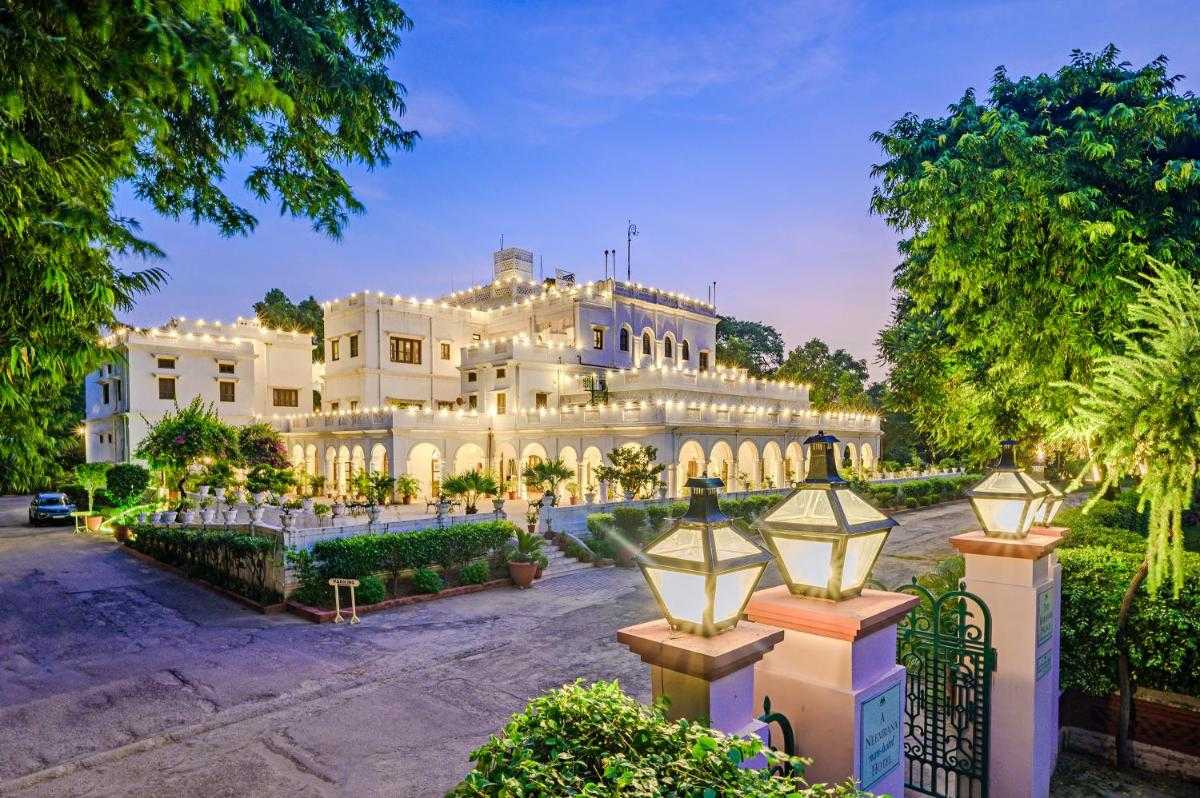
Best Places to Visit in Patiala: Royal Landmarks & Cultural Spots

Ananya Sharma
January 19, 2026
Discover the best places to visit in Patiala. Explore Qila Mubarak, Sheesh Mahal, Baradari Gardens & taste royal Patiala cuisine. Complete Punjab travel guide.
Royal City of Punjab
Patiala, once the capital of the princely state of Patiala, stands as one of Punjab's most culturally rich cities, offering visitors a fascinating blend of royal heritage, architectural grandeur, and vibrant Punjabi culture. Known for its distinctive Patiala Shahi turban, the famous "Patiala Peg," and a legacy of artistic patronage, this city invites travelers to step into a world where royalty and tradition merge seamlessly. Whether you're a history enthusiast, architecture lover, or simply seeking to experience authentic Punjabi culture, Patiala's attractions provide an enriching journey through Punjab's regal past.
The city's golden age came under Maharaja Bhupinder Singh, a ruler known for his extravagant lifestyle and patronage of arts and sports. His legacy lives on in the magnificent palaces, beautiful gardens, and cultural institutions that dot the cityscape. Unlike many other Indian cities where modern development has erased historical character, Patiala maintains its royal charm, with wide boulevards, imposing gates, and stunning architecture that transport visitors to an era of princely splendor.
Beyond its historical attractions, Patiala offers a culinary experience that's fit for royalty. The city's famous cuisine, including specialties like Punjabi royal dishes, reflects the opulence of its royal courts. From bustling markets where you can shop for traditional Punjabi footwear (juttis) and embroidered textiles (phulkari) to quiet gardens perfect for afternoon reflection, Patiala offers diverse experiences that capture the essence of Punjab's cultural heartland.

Qila Mubarak Complex
The Qila Mubarak (Fortified Castle) stands as Patiala's most iconic landmark and the heart of the city's historical core. This impressive fort complex, constructed in 1763 by Baba Ala Singh, the founder of the Patiala dynasty, served as the royal residence and administrative center for generations of rulers. The complex showcases a fascinating architectural blend, combining elements of Mughal and Rajasthani styles that reflect the diverse cultural influences on the region.
As you enter through the imposing gates, you'll find yourself in a world of courtyards, chambers, and halls that once echoed with the decisions that shaped the region's destiny. The Durbar Hall, where the Maharaja held court, impresses with its high ceilings, decorative elements, and the aura of royal authority that still permeates the space. The royal apartments, where the Maharaja and his family resided, offer insights into the opulent lifestyle of Punjab's royalty, with displays of personal artifacts, photographs, and period furnishings.
The complex houses several museums that showcase different aspects of Patiala's royal heritage. One section displays weapons and armor, including ornate swords, shields, and firearms that tell stories of battles and military prowess. Another museum features decorative arts, including textiles, ceramics, and personal items that belonged to the royal family. The Medal Gallery is particularly interesting, displaying medals and honors awarded to the rulers of Patiala over the centuries.

Timing: 9:00 AM - 5:00 PM (closed on Mondays)
Entry Fee: ₹15 for Indians, ₹100 for foreigners
Time Needed: 2-3 hours
Best For: History, architecture, photography
Sheesh Mahal
Located behind the Moti Bagh Palace, the Sheesh Mahal (Mirror Palace) lives up to its name with stunning mirror work and frescoes that create a dazzling visual experience. Built during the reign of Maharaja Narendra Singh in the 19th century, this palace was designed as a pleasure retreat for the royal family, featuring intricate craftsmanship that exemplifies the artistic heights achieved during Patiala's golden age.
The palace gets its name from the elaborate mirror work that adorns its walls and ceilings. Thousands of small mirror pieces, arranged in intricate patterns, reflect light to create a shimmering effect that makes the entire space feel magical. This mirror work is complemented by beautiful frescoes depicting scenes from Indian mythology, particularly stories of Lord Krishna, hunting expeditions, and courtly life. The combination of mirror and fresco work creates a unique visual style that's rarely seen in other Indian palaces.
Today, portions of the Sheesh Mahal house an impressive art gallery and museum. The collection includes paintings from different schools of Indian art, including Kangra, Rajasthan, and Company School paintings. Particularly notable are the portraits of the rulers of Patiala, which provide visual history of the dynasty and their evolving fashion and ceremonial regalia. The medal collection housed here is among the finest in India, displaying orders and decorations from around the world.
Photography enthusiasts will find the Sheesh Mahal particularly rewarding, though the low light conditions created by the mirror work require some technical skill to capture properly. The interplay of light and reflection changes throughout the day, creating different photographic opportunities depending on when you visit. Morning light tends to be soft and diffuse, creating gentle reflections, while afternoon sun can create more dramatic, though sometimes harsh, lighting conditions.
Timing: 10:00 AM - 5:00 PM (closed on Mondays)
Entry Fee: ₹20 for Indians, ₹150 for foreigners
Time Needed: 1-2 hours
Best For: Photography, art, architecture
Baradari Gardens
The Baradari Gardens, built around the palace of the same name, offer a peaceful retreat from the bustle of city life and provide insight into how royalty enjoyed leisure time. The name "Baradari" literally translates to "12 doors," referring to the twelve-door pavilion that was once used for royal gatherings and celebrations. Today, these beautifully landscaped gardens serve as a popular spot for locals and tourists alike, offering green space in the heart of the city.
The gardens feature lush lawns, flower beds, and walking paths that wind through carefully maintained landscaping. Old trees provide welcome shade, making this an ideal spot for morning walks or afternoon relaxation. The central pavilion, with its twelve doors allowing cross-ventilation, stands as a beautiful example of functional architecture that also serves aesthetic purposes. Families often gather here for picnics, while photographers find numerous opportunities for capturing both nature and architectural elements.
Scattered throughout the gardens are royal cenotaphs (chhatris) that memorialize members of the ruling family. These architectural features, with their distinctive domed roofs and carved pillars, add historical depth to the gardens and serve as reminders of the human stories behind the royal legacy. The combination of living gardens and memorials creates a space that feels both vibrant and contemplative.

The evening atmosphere at Baradari Gardens is particularly magical. As the sun sets, the temperature drops and locals gather for evening strolls. The soft light of golden hour creates beautiful reflections on the pavilion's architecture, and the gentle sounds of conversation and children playing create a warm, welcoming ambiance. This is when the gardens truly come alive as community space.
Timing: 6:00 AM - 8:00 PM (all days)
Entry Fee: Free
Time Needed: 1 hour
Best For: Picnics, morning walks, photography
Moti Bagh Palace
The Moti Bagh Palace, Pearl Garden Palace, represents the grandeur of Patiala's royal architecture and continues to serve as the residence of the current royal family. While portions of the palace remain private, other sections have been converted into a museum that's open to the public, offering glimpses into royal life and the artistic patronage that characterized Patiala's golden age.
The palace architecture displays an interesting blend of styles, with elements of Rajput, Mughal, and colonial European design all incorporated into the structure. This architectural fusion reflects the cosmopolitan outlook of Patiala's rulers, who traveled widely and incorporated diverse influences into their capital. The facade features intricate jali work (perforated stone screens), decorative cornices, and imposing arches that create visual interest from every angle.
The museum sections showcase a fascinating collection that includes royal costumes, textiles, weapons, and personal items. Particularly interesting are the displays of royal ceremonial objects, including howdahs (elephant seats), palanquins, and ornate carriages that were used for royal processions. These items help visitors imagine the grand spectacles that would have marked royal appearances and celebrations.
The surrounding Rose Garden, laid out in the palace grounds, adds to the beauty of the complex. While not as extensive as some famous rose gardens in India, it provides a pleasant space for walking and contemplation. The combination of palace architecture and garden landscaping creates a serene environment that feels removed from the busy city streets just beyond the palace walls.
Photography Note: While photography is generally allowed in the museum sections, certain areas may have restrictions, particularly where current royal family members' private spaces are nearby. Always ask permission and respect any restrictions posted. The palace exterior and gardens offer excellent photography opportunities without restrictions.
Timing: 10:00 AM - 5:00 PM (closed on Mondays)
Entry Fee: ₹25 for Indians, ₹200 for foreigners
Time Needed: 1-2 hours
Best For: Royal heritage, museum, architecture
Punjab Agriculture University
The Punjab Agriculture University in Patiala might seem like an unusual tourist attraction, but its beautiful campus and unique museum make it worth a visit, particularly for those interested in rural life and agricultural heritage. The campus features well-maintained gardens, tree-lined avenues, and buildings that combine modern functionality with aesthetic considerations.
The university's Museum of Rural Life provides fascinating insights into traditional Punjabi village culture. The collection includes everyday objects used in rural households—agricultural implements, cooking utensils, textiles, and decorative items—that document ways of life that are rapidly changing. For visitors unfamiliar with rural Punjab, this museum offers valuable context for understanding the agricultural traditions that form the foundation of Punjabi culture.
The Rose Garden on the university campus is one of Patiala's most beautiful green spaces. Featuring numerous varieties of roses and other flowering plants, the garden is particularly spectacular during the winter blooming season (December-February). Students, faculty, and local residents all use this space for recreation and relaxation, making it a lively spot where academic and community life intersect.
Visitors should note that this is an active educational institution, so certain areas may have restricted access. The museum and Rose Garden are generally accessible to visitors, but it's always polite to check with security or information desks before exploring extensively on campus.
Timing: 9:00 AM - 5:00 PM (closed on Sundays and university holidays)
Entry Fee: Free to museum, nominal fee for Rose Garden during special events
Time Needed: 1-2 hours
Best For: Rural culture, gardens, peaceful walks
Bahadurgarh Fort
Located approximately 6 kilometers from the main city, Bahadurgarh Fort offers historical significance and architectural interest for visitors willing to venture slightly beyond Patiala's core attractions. Built in the 17th century and later expanded and renovated by Maharaja Karam Singh of Patiala in the 19th century, the fort has served various purposes over its long history, from military stronghold to royal residence.
The fort's architecture reflects the changing needs and styles across different periods of its use. The original construction shows characteristics of 17th-century military architecture, with thick walls and strategic positioning for defense. Later renovations added more decorative elements and residential quarters, reflecting the fort's transition from purely military use to royal residential purposes.
Today, portions of the fort house a government training facility, which means access is somewhat limited. However, the exterior is still impressive and worth viewing, particularly for those interested in military architecture. The surrounding area offers views of the Patiala countryside, providing perspective on how the fort was strategically positioned to control approaches to the city.
Visitors interested in Bahadurgarh Fort should plan transportation carefully, as it's not within easy walking distance of the main tourist area. Auto-rickshaws or taxis are the most practical options for reaching the fort. Combine your visit to Bahadurgarh Fort with other sightseeing in the area to make the most of the journey.
Timing: Viewable exterior anytime; interior access restricted
Entry Fee: No fee for exterior viewing
Time Needed: 30-45 minutes
Best For: Military architecture, history
Local Food and Shopping
No visit to Patiala is complete without experiencing its famous culinary traditions and shopping for local handicrafts. The city's food culture reflects the opulence of its royal heritage, with rich, flavorful dishes that have been perfected over generations.
Famous Dishes: The Patiala Shahi Thali offers a royal feast that typically includes butter chicken, dal makhani, sarson ka saag with makki ki roti (seasonal), and various vegetable preparations. The Patiala Peg, a measure of liquor that's larger than standard measures, originated here and has become synonymous with generous hospitality throughout India. Don't miss trying Patiala-style fish, a local specialty that reflects the region's love of robust flavors.
Sweets: Patiala is famous for its traditional sweets, particularly Pateesa (a sweet made from gram flour and sugar syrup). Local sweet shops throughout the city offer this and other traditional Punjabi sweets. The panjiri made here during winter months is particularly renowned.
Shopping: Patiala offers excellent shopping for traditional Punjabi items. Phulkari (embroidered textiles) and Paranda (colorful tassels used to braid hair) are traditional handicrafts that make beautiful souvenirs. Patiala Juttis (traditional embroidered footwear) are famous throughout Punjab and available in various shops around Adalat Bazaar and Sirhind Gate areas. The Patiala salwar style of trousers originated here and remains a popular fashion item.
Markets: Adalat Bazaar is the main shopping area, offering everything from textiles to handicrafts to street food. Sirhind Gate area has traditional shops that have been operating for generations. For modern shopping, the Mall Road area offers contemporary retail options alongside traditional establishments.

Best Time to Visit
Choosing the right season for your Patiala visit significantly impacts your experience, as weather in Punjab can be extreme. Winter (October to March) offers the most pleasant weather, with daytime temperatures ranging from comfortable to mildly cool. This is the peak tourist season, when the weather is ideal for exploring outdoor attractions like gardens and palaces. December and January can get quite chilly, particularly in the early morning and evening, so pack accordingly if visiting during these months.
Summer (April to June) brings extreme heat, with temperatures regularly exceeding 40°C. This is not an ideal time for sightseeing, as the heat makes outdoor exploration uncomfortable and potentially unsafe. However, if you must visit during summer, plan activities for early morning or late afternoon, seek shade during midday hours, and stay well-hydrated.
Monsoon (July to September) brings relief from the heat but also humidity that can make walking outdoors uncomfortable. The upside is that the gardens and countryside become lush and green, creating beautiful scenery. If you don't mind occasional rain showers and humid conditions, monsoon can be a rewarding time to visit with fewer crowds and beautiful landscapes.
Festival Seasons: Visiting during traditional Punjabi festivals can add cultural depth to your visit. Basant (spring festival, usually February) brings yellow celebrations with kite flying. Lohri (January 13) marks the end of winter with bonfires and traditional celebrations. Baisakhi (April 13) celebrates the harvest and is one of Punjab's most important festivals.
Practical Travel Tips
Transportation within City: Auto-rickshaws are the most convenient way to get around Patiala. Fares should be negotiated before starting the journey, or insist on using the meter. Cycle rickshaws are available for shorter distances and are cheaper but slower. App-based cab services (Uber, Ola) operate in Patiala and offer air-conditioned comfort, particularly valuable in summer months.
Dress Code for Palaces: While there's no strict dress code for visiting palaces and museums, modest dress is recommended out of respect for the cultural and religious significance of some sites. Shoulders and knees should be covered, and very revealing clothing should be avoided. This is particularly important when visiting religious sites that may be part of your itinerary.
Photography Permissions: Most attractions allow photography, but some museums may have restrictions or require additional fees for camera use. Always ask permission before photographing people, particularly in religious contexts or when photographing locals in markets. Drone photography may be restricted near government buildings and military installations.
Language: Punjabi is the primary language, but Hindi is widely understood and spoken. English works in hotels, restaurants serving tourists, and at major attractions. Learning a few basic Punjabi phrases (like "Sat Sri Akal" for greeting) will be appreciated and can enhance your interactions with locals.
Budget Estimates: Patiala is relatively affordable compared to major Indian tourist destinations. Budget travelers can manage on ₹800-1,500 per day (guesthouse, local food, public transport). Mid-range travelers should budget ₹2,500-4,500 per day (comfortable hotel, restaurant meals, auto-rickshaws). Luxury options are limited but available for ₹5,000+ per day.
Patiala offers a unique opportunity to experience Punjab's royal heritage in a city that retains its distinctive character. Whether you're exploring magnificent palaces, shopping for traditional handicrafts, or savoring royal cuisine, this city provides an authentic taste of Punjabi culture and hospitality. The warmth of the people, the richness of the culture, and the grandeur of the architecture all combine to make Patiala a memorable destination that captures the essence of Punjab's royal legacy.
Location
Frequently Asked Questions
Q1.How many days needed for Patiala?
Q2.What is Patiala famous for?
Q3.Is Patiala worth visiting?
Q4.What is the entry fee for Qila Mubarak?
Q5.What can I buy in Patiala?
Q6.What is the famous food of Patiala?
Q7.How to reach Patiala from Chandigarh?
Q8.Best time to visit Patiala?
Recommended For You
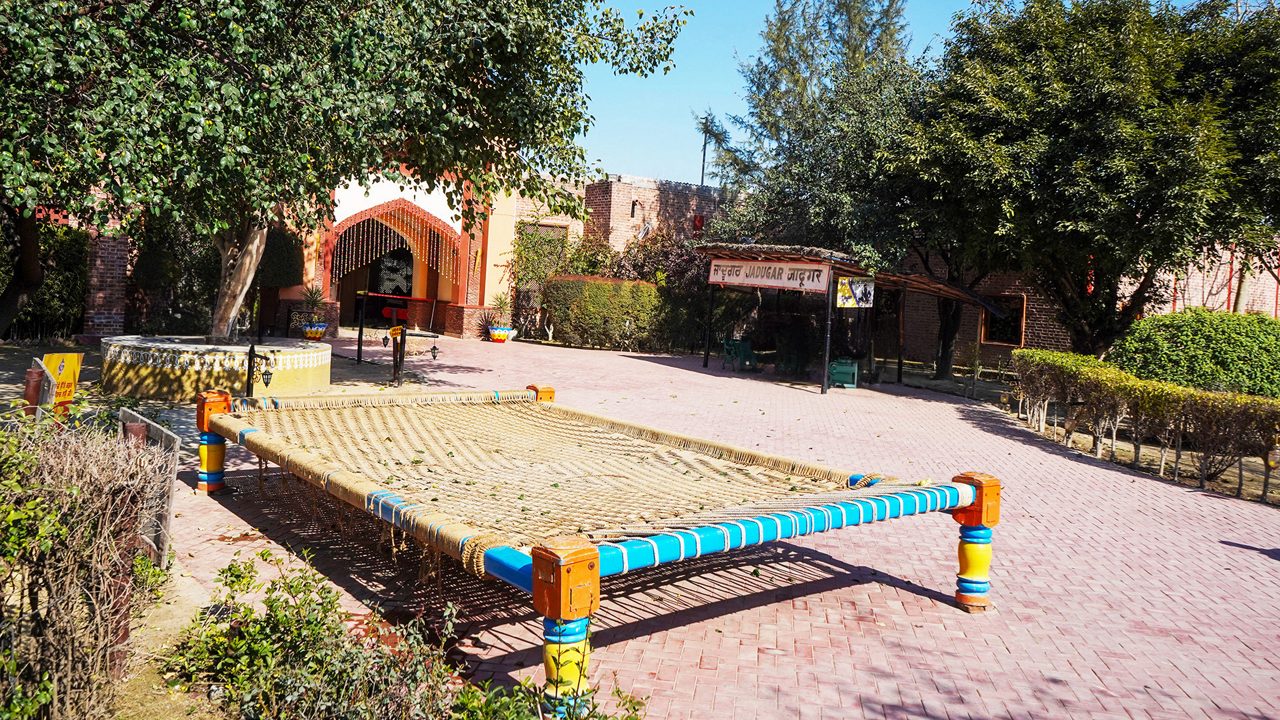
Sadda Pind Amritsar: Punjabi Village Experience
Experience authentic Punjabi village culture at Sadda Pind Amritsar. Traditional activities, folk dances, authentic food, and immersive cultural experiences await in this 12-acre recreated village.
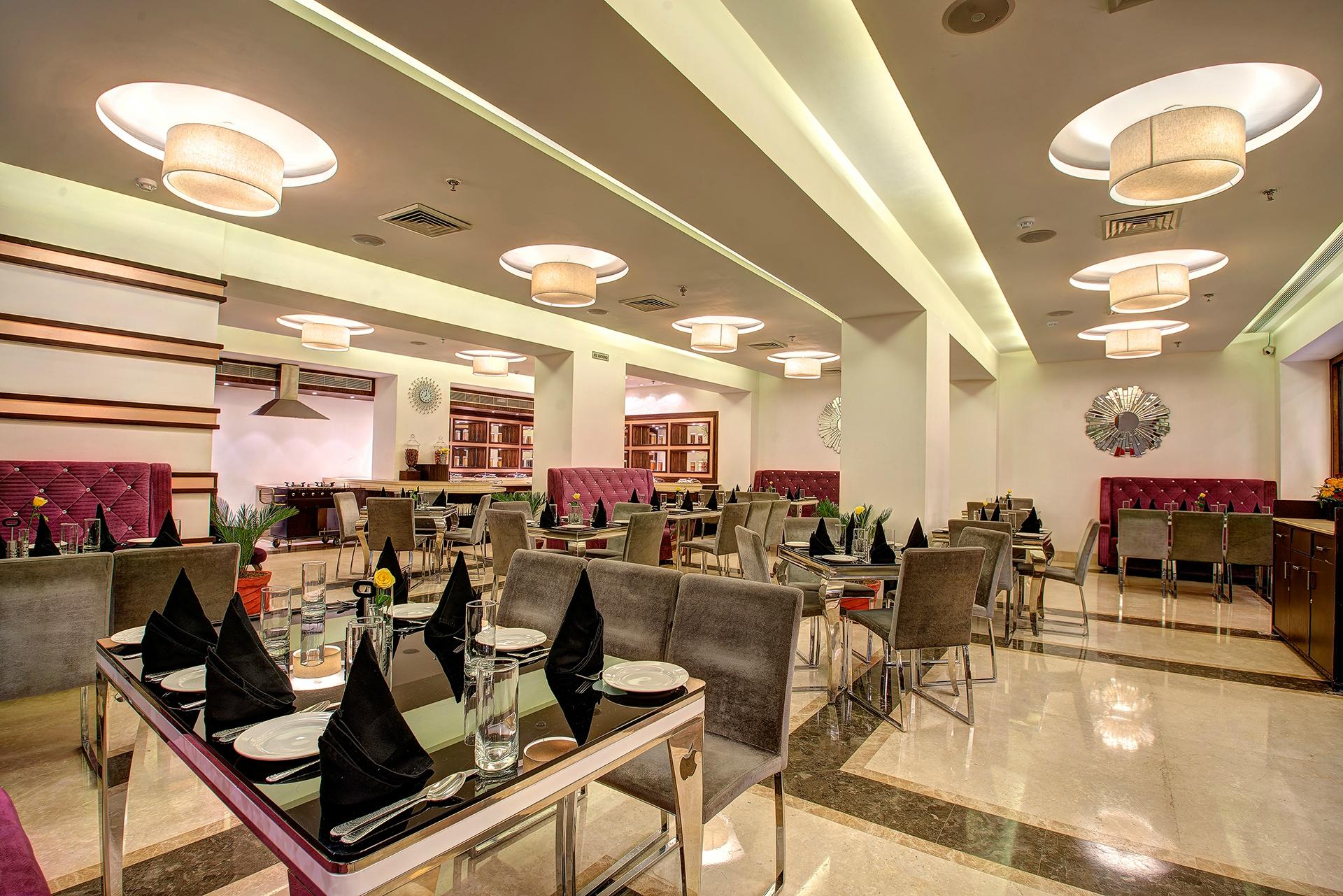
Best Restaurants in Bathinda: Punjabi Meals, Cafes & Dinner Spots
Explore the best restaurants in Bathinda Punjab. From fine dining to street food. Complete food guide with cuisine types, prices & locations.
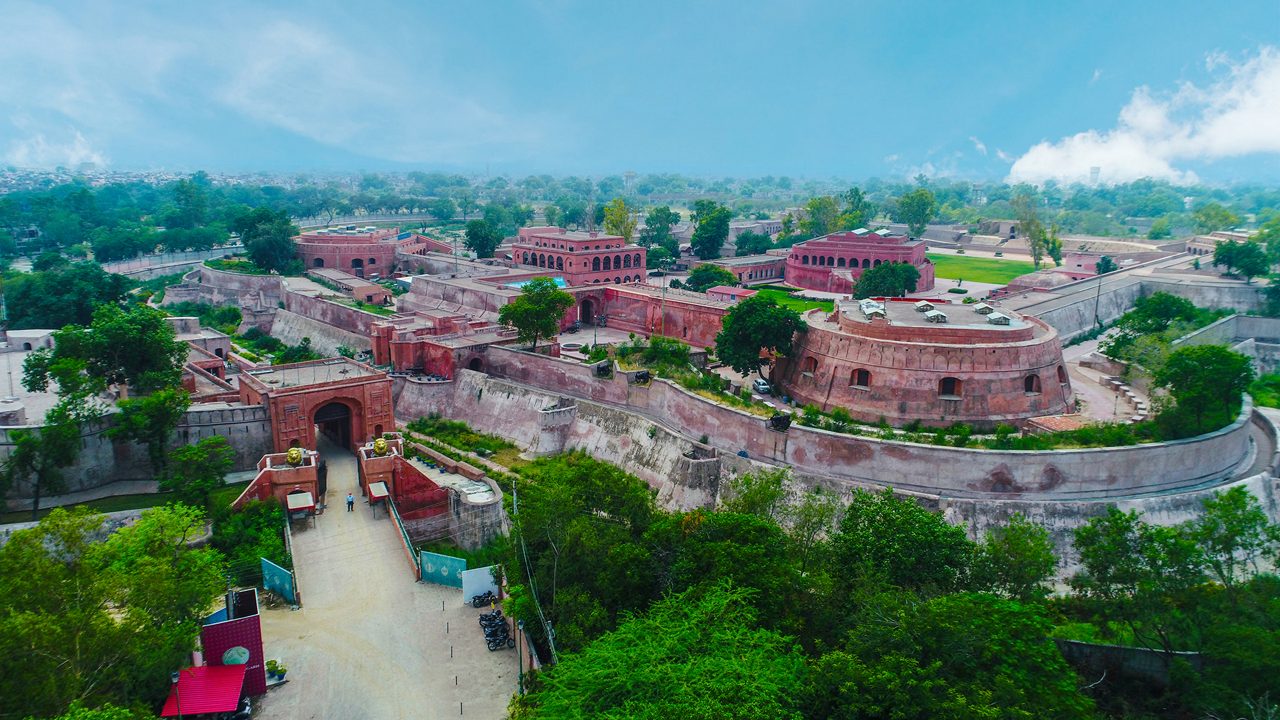
Photography Spots in Amritsar: Best Angles, Timings & Landmark Views
Capture the best photography spots in Amritsar with route planning, timing tips, low-light guidance, and respectful shooting practices.
Never Miss an Adventure
Get the latest trekking guides, travel tips, and exclusive offers delivered straight to your inbox.
