
Aga Khan Palace Pune: History, Timings & Visit Guide 2026

Rohit Verma
February 19, 2026
Explore Aga Khan Palace Pune with its freedom-movement history, key exhibits, timings, entry details, and visitor tips.
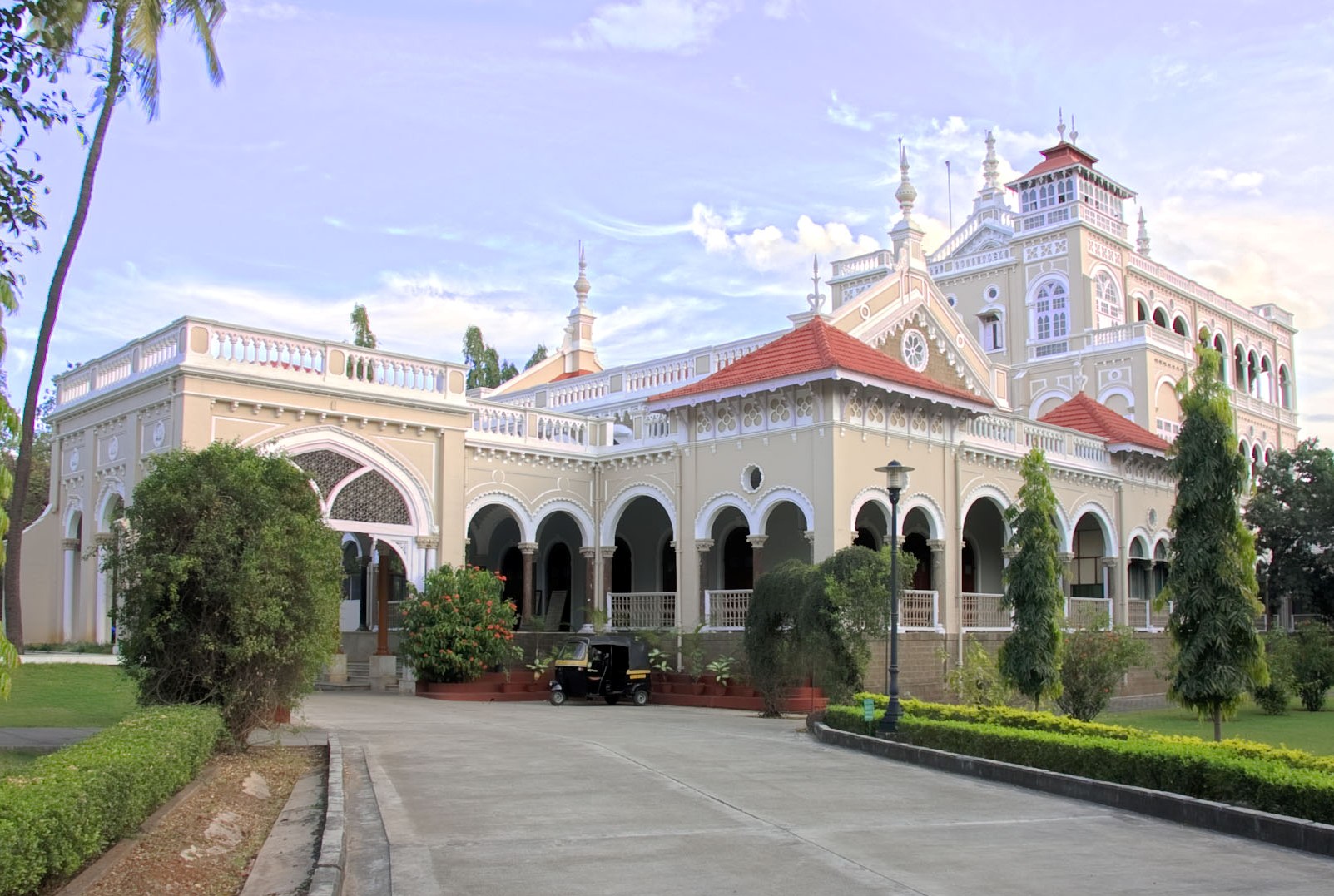
Aga Khan Palace in Pune is one of the rare monuments where architecture and national memory meet with full emotional force. Visitors come for the elegant arches and gardens, but they leave with a deeper understanding of India’s freedom struggle. The site is closely linked to Mahatma Gandhi, Kasturba Gandhi, and Mahadev Desai, making it much more than a sightseeing stop. If you are planning a city circuit, begin with this Pune travel guide and place Aga Khan Palace in your first half-day.
For first-time visitors, the experience is best when approached in three layers: historical context, museum spaces, and open grounds. This structure helps you absorb both the political significance and the architectural beauty of the property without rushing through either.
Why Aga Khan Palace Is Historically Important
The palace became a major landmark in modern Indian history during the Quit India Movement. Gandhi and several close associates were detained here by British authorities. During this period, Kasturba Gandhi and Mahadev Desai passed away, and their memorials remain inside the complex. These spaces are central to the emotional atmosphere of the site and should be visited respectfully and without haste.
This historical layer distinguishes Aga Khan Palace from many other heritage buildings. It is not only about design and age; it is about ideas, sacrifice, and political transformation. Visitors interested in broader context should also explore this list of World Heritage sites in India to compare how different monuments preserve memory in different ways.
Architecture and Spatial Experience
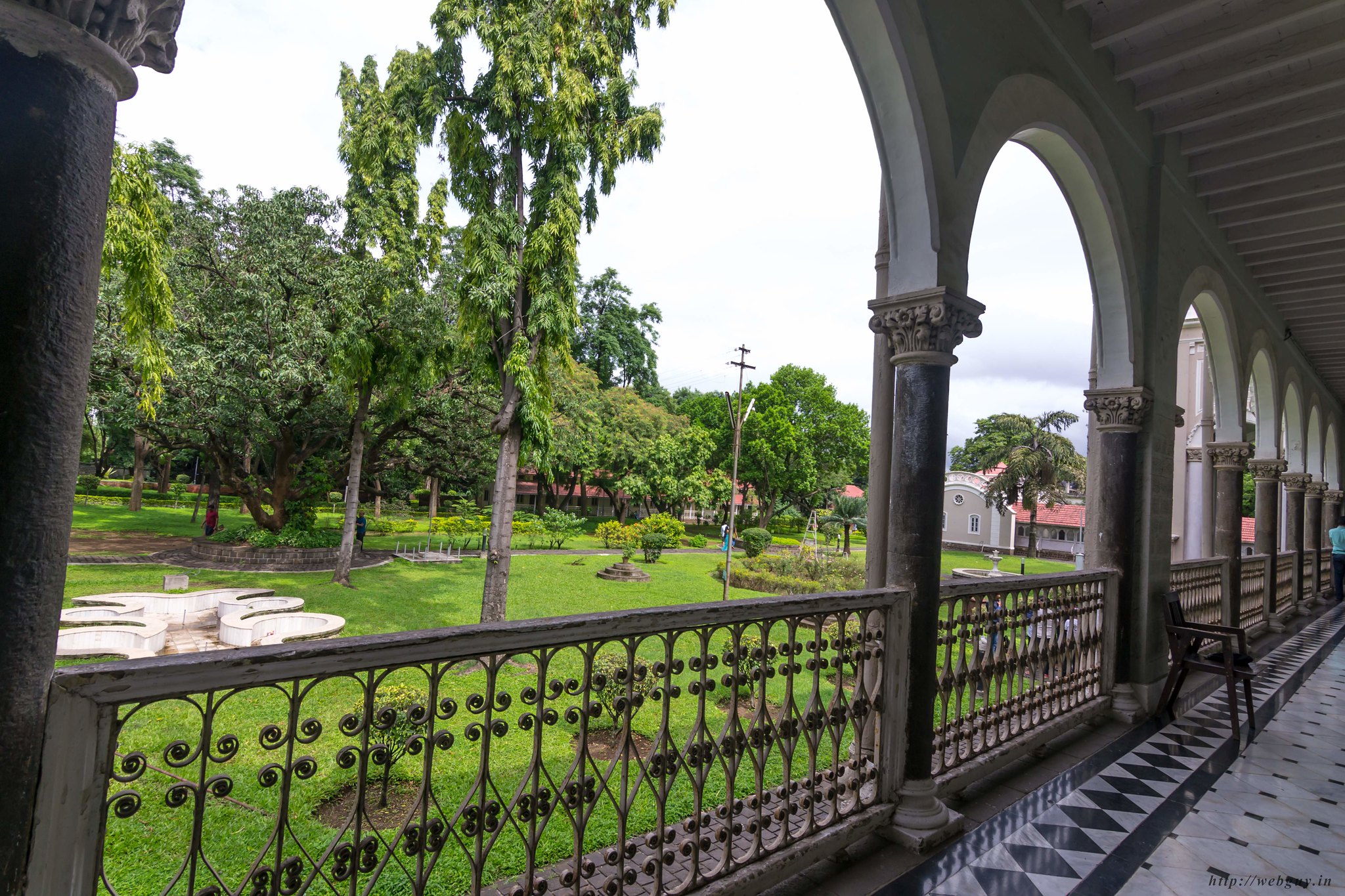
The building is known for its elegant Italian-style arches, long corridors, and generous proportions. High ceilings and deep verandahs create natural ventilation, which makes interior movement comfortable even in warmer months. The symmetry of the facade and the calm spread of surrounding lawns give the site a measured, reflective quality.
Architecture enthusiasts often appreciate how the palace balances scale and simplicity. It does not rely on excessive ornamentation; instead, it uses proportion, light, and repetition of arches to create impact. If you enjoy heritage structures in Maharashtra, pair this visit with nearby references from this guide to places to visit in Maharashtra.
Inside the Museum: What to Focus On
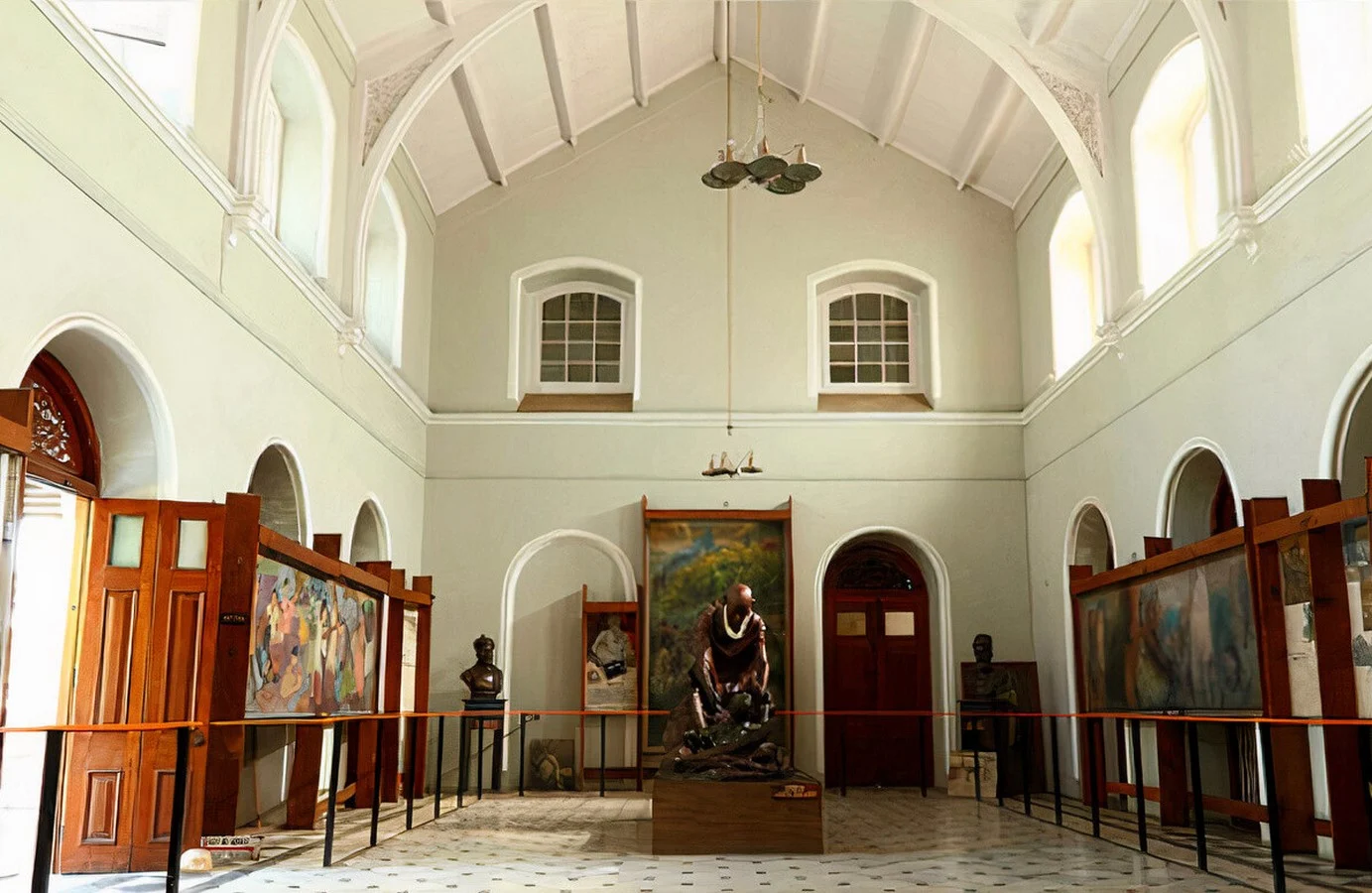
The museum section includes photographs, documents, and personal artifacts connected to Gandhi and the freedom movement. Do not treat it as a quick pass-through. Read exhibit notes carefully, especially in sections that explain detention years and communication between national leaders. Even short captions provide useful context for understanding the period.
A practical approach is to spend at least 40-60 minutes indoors before moving to gardens and memorial areas. This sequencing helps the outdoor spaces feel more meaningful because you already know the events linked to each part of the premises.
Samadhi Area and Visitor Conduct
The samadhi area of Kasturba Gandhi and Mahadev Desai is one of the most significant parts of the visit. Keep noise low, avoid casual posing, and maintain respectful distance while observing. This section is often peaceful, and that silence is a part of the experience.
Families traveling with children can use this zone to discuss freedom history in simple terms. Schools and educational groups regularly visit for this reason. The site is a strong learning environment when handled with sensitivity and preparation.
Best Time to Visit and How Long to Spend
October to February offers the most comfortable weather for walking through the full complex. Early morning and late afternoon are best for photography and lower heat. Weekdays are usually less crowded than weekends, allowing better museum pacing and quieter time in the gardens.
Plan 2-3 hours minimum for a meaningful visit. If you include detailed reading, photography, and nearby attractions, keep a half day. Rushing through in under one hour usually results in missing either the museum depth or the reflective garden walk.
Entry, Access, and Practical Planning
The palace is accessible from major Pune points by cab and local transport. Keep moderate buffer time in your itinerary, especially during office commute hours. Carry drinking water, light sun protection, and comfortable footwear. While the grounds are easy to navigate, heritage surfaces and open walking stretches are best managed with stable shoes.
Before your trip, combine this stop with key city landmarks from this list of places to visit in Pune. Smart clustering helps avoid unnecessary cross-city travel and keeps your day efficient.
Suggested Half-Day Itinerary
Start at Aga Khan Palace in the morning, complete museum and memorial sections first, and then continue to another heritage or cultural stop. Two practical pairings are Pataleshwar Cave Temple Pune and Raja Dinkar Kelkar Museum Pune, depending on whether you want spiritual architecture or artifact-heavy curation next.
If you prefer a softer ending after historical sites, include a relaxed walk at Saras Baug Pune in the evening. This sequence gives emotional depth, educational value, and a balanced pace in one day.
Photography Notes
The palace offers strong composition opportunities: arches, corridor depth, facade symmetry, and seasonal garden textures. Early daylight gives cleaner shadows and softer contrast for architecture photography. For respectful visual storytelling, avoid intrusive framing near memorial zones and prioritize environmental shots over posed crowd scenes.
If you are creating travel content, focus on narrative order: exterior context, museum highlights, memorial reflection, and garden closure. This mirrors real visitor flow and helps audiences understand the place beyond a single postcard image.
Why This Site Matters in Modern Travel
Many itineraries prioritize entertainment-heavy stops, but Aga Khan Palace adds historical perspective that improves your understanding of Pune and modern India. It is especially valuable for travelers who want more than checklist tourism. The monument links politics, architecture, and memory in a way that few sites can.
Its continued relevance comes from this combination: accessible location, preserved heritage, and educational depth. Whether you are a solo traveler, family, student, or history enthusiast, the palace offers a layered experience that remains meaningful long after the visit.
Final Take
Aga Khan Palace Pune deserves a dedicated, unhurried visit. Come prepared with context, spend real time in the museum, walk the memorial gardens respectfully, and connect the site with nearby cultural stops for a fuller day. Done this way, the palace is not just another monument on the map; it becomes one of the most important and memorable heritage experiences in Pune.
If you are extending your route, use this guide to places to visit near Pune and plan your next day around forts, temples, or nature escapes.
Educational Value for Students and Researchers
Aga Khan Palace is especially useful for students studying modern Indian history, political movements, and heritage conservation. The site offers physical context that textbooks cannot provide. Reading about the Quit India period is one thing; standing in the space where key leaders lived through detention creates a stronger historical connection. Educators can turn this visit into a structured field session by assigning pre-readings, on-site observation tasks, and post-visit reflection notes.
Researchers and content creators can also use the palace as a case study in adaptive heritage usage, where a historical residence now functions as a museum and memorial space. This layered use supports public education while preserving built history.
Final Practical Checklist
Carry water, wear comfortable footwear, maintain respectful behavior near memorials, and keep at least 2-3 hours in your plan. Visit during cooler parts of the day, and combine nearby heritage spots only if time allows. Following this simple checklist ensures a smoother and more meaningful experience.
Location
Frequently Asked Questions
Q1.Why is Aga Khan Palace famous?
Q2.What are the timings of Aga Khan Palace?
Q3.What is the entry fee for Aga Khan Palace?
Q4.Where is Aga Khan Palace located in Pune?
Q5.What can we see at Aga Khan Palace?
Q6.What is the best time to visit Aga Khan Palace?
Q7.How much time is needed to visit Aga Khan Palace?
Q8.Is photography allowed inside Aga Khan Palace?
Recommended For You
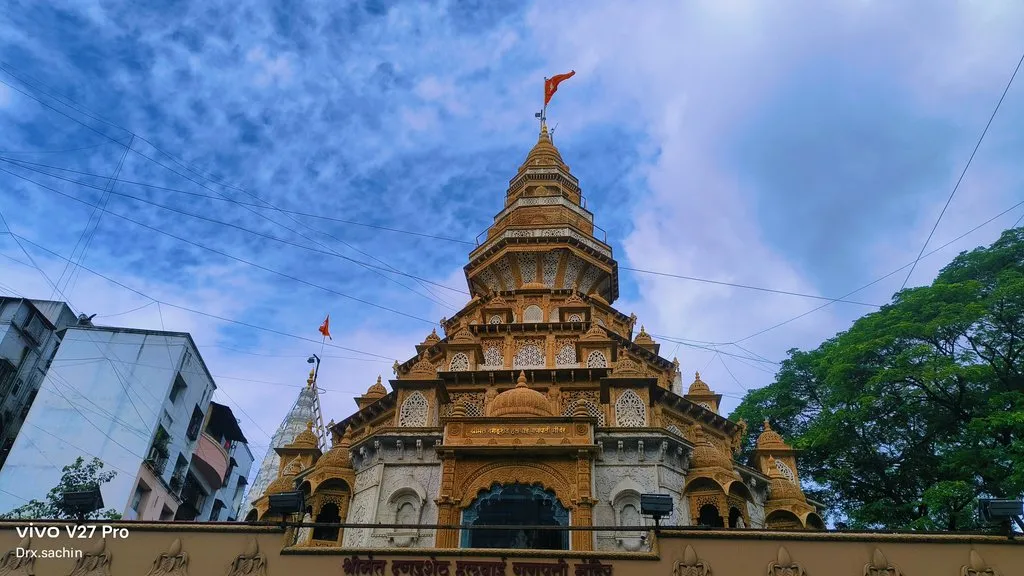
Dagadusheth Halwai Ganpati Temple Pune: Darshan Timings & Festival Details
Plan your visit to Dagadusheth Halwai Ganpati Temple Pune with history, darshan guidance, festival insights, route tips, and nearby attractions.
Places to Visit in Pune: Forts, Museums, Cafes & Weekend Spots
Explore top places to visit in Pune including Shaniwar Wada, Aga Khan Palace, temples, museums, gardens, and nearby hill getaways.
UNESCO World Heritage Sites in India: Full List, States & Highlights
Explore all 40 UNESCO World Heritage Sites in India. Complete guide to Taj Mahal, Red Fort, Ajanta Ellora, Kaziranga, and more with visit planning tips.
Never Miss an Adventure
Get the latest trekking guides, travel tips, and exclusive offers delivered straight to your inbox.
