
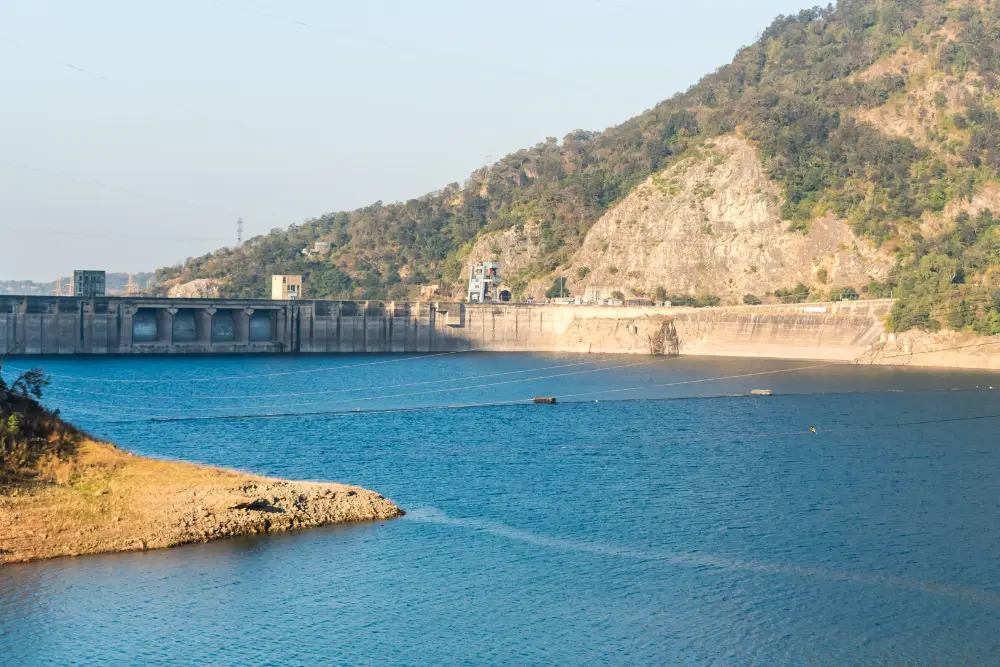
Bhakra Nangal Dam: History, Access and Visitor Tips

Rohan Malhotra
February 18, 2026
Visit Bhakra Nangal Dam with engineering context, seasonal planning, route strategy, and practical safety-first travel tips.
Bhakra Nangal Dam Guide: Engineering Legacy, Views, and Visitor Planning
Bhakra Nangal Dam is one of India's most iconic engineering landmarks and a major symbol of post-independence infrastructure ambition. It is often described through scale, but the real value of visiting lies in understanding how the project shaped irrigation, power generation, and regional development. A well-planned trip balances technical curiosity with practical on-ground execution.
You can place this destination inside a north-India road circuit by pairing nearby city support points such as places to visit in Chandigarh, short-break options from weekend getaways from Chandigarh, and food/logistics stops like best restaurants in Chandigarh. Structured sequencing is important because transfer time can expand quickly.
Historical Background and National Importance
Bhakra Nangal Dam emerged in the early decades of modern India and became a flagship project in the national development imagination. It represented not only concrete and turbines, but a policy vision around water security, energy generation, and large-scale planning. That broader context is what makes this site meaningful even for non-technical travelers.
When visiting, spend a few minutes understanding the timeline: planning phase, construction effort, and long-term operational impact. This turns the trip from a viewpoint-only stop into an educational experience.
Key Technical Facts to Know Before You Visit
The dam's scale, structure type, and reservoir system are central to its identity. Visitors are often interested in height and power metrics, but the operating ecosystem matters too: river management, downstream regulation, and seasonal water-level variation all influence what you see on site.
| Technical Aspect | Visitor Relevance | Planning Tip |
|---|---|---|
| Dam Height and Structure | Defines visual impact and engineering interest | Use one dedicated observation block |
| Reservoir Dynamics | Seasonal water levels change appearance | Check seasonal context before travel |
| Power and Irrigation Role | Explains long-term national significance | Read historical background in advance |
This quick framework helps first-time visitors read the site with clarity.

Gobind Sagar Context and Scenic Experience
Gobind Sagar reservoir contributes heavily to the visual identity of the region and adds a landscape layer to an otherwise engineering-focused trip. Depending on season and conditions, the scenery can shift from dramatic high-volume vistas to calmer wide water surfaces. Keep expectations flexible and weather-aware.
If your goal includes photography, allocate separate blocks for structure-focused frames and wide reservoir compositions. Trying to do everything in one short stop usually compromises both outcomes.
Best Time to Visit Bhakra Nangal Dam
Cooler months are usually more comfortable for viewpoint observation and road travel. In warmer periods, prioritize morning schedules and carry hydration. Rain or variable weather can affect road conditions and visual clarity, so check local updates before departure.
For day trips, start early and avoid arriving too late in the afternoon, especially if your return route includes long driving. Time discipline is the biggest factor in trip quality for this destination.
How to Reach and Day-Plan Strategy
Most visitors approach from nearby urban hubs through road routes. The success of your visit depends on route design more than route availability. Keep one primary objective for the day: either technical sightseeing at the dam with nearby viewpoints, or a broader regional circuit with one additional stop. Avoid overloading both.
- Fix departure time early and keep return buffer.
- Carry both digital and cash payment options.
- Avoid stacking too many secondary detours.
- Keep weather and daylight in planning assumptions.
Simple plans perform better than ambitious multi-stop schedules in this corridor.
Visitor Etiquette, Safety, and On-Ground Conduct
As with all infrastructure-sensitive zones, follow local guidelines strictly. Do not enter restricted sections, and avoid risky photography positions for dramatic angles. Safety is not optional, particularly around high structures and water-control environments.
If traveling with family, define meeting points and movement boundaries before stepping into crowded viewpoints. Clear group coordination reduces confusion and improves comfort.

Nearby Add-Ons for a Balanced Trip
If time permits, combine the dam visit with one light urban stop on the way back rather than two or three extra attractions. A food pause or short city walk often works better than another major site after a long technical visit day. For cafe-focused wind-down options, you can refer to best cafes in Chandigarh.
The goal is to end the day steady, not rushed. Prioritize recovery, route safety, and clear return timing.
Common Planning Mistakes and Better Alternatives
Common mistakes include late starts, unrealistic detour stacking, and ignoring seasonal travel conditions. Another frequent issue is treating the dam only as a photo point without understanding significance. Better alternatives are early departures, one clear day objective, and short pre-read on project history.
Even thirty minutes of background preparation can dramatically improve what you notice and remember on site.

Suggested 2-Block Day Itinerary
A reliable way to structure this trip is to split the day into two blocks: primary engineering-site visit and controlled return segment with one optional stop. Start early, complete the dam-focused section first, and avoid adding unpredictable detours before your core objective is done.
After the primary block, choose either a food break or a short city add-on, not both if daylight is limited. This prevents late return pressure and keeps road safety priorities intact.
Photography Planning for Infrastructure Sites
Infrastructure photography works best with intentional framing. Capture one establishing wide shot, one scale-reference frame, and one contextual reservoir frame. Avoid risky positions and never cross restricted boundaries for dramatic shots. Safety-first photography still produces high-quality results.
If weather haze is present, focus on structural details instead of far-distance panoramas. Adaptation gives better output than forcing one preplanned visual style.
Practical Checks Before Departure
Before starting, review route fuel status, weather forecast, and same-day local advisories. Keep emergency contact points and offline maps ready in case of network variation on road segments. These steps are small but reduce uncertainty during long day travel.
For group travel, assign one person to navigation and one to schedule tracking. Clear role ownership keeps movement steady and reduces avoidable decision delays throughout the trip.
Conclusion
Bhakra Nangal Dam is more than a large structure; it is a landmark of modern Indian engineering vision and regional transformation. Plan with timing discipline, route realism, and safety-first behavior. Blend technical curiosity with practical logistics, and your visit will be both informative and comfortable. With the right approach, this destination becomes one of the most meaningful infrastructure experiences in the country.
Location
Frequently Asked Questions
Q1.Why is Bhakra Nangal Dam significant?
Q2.Is this suitable for educational travel?
Q3.Should I check access updates first?
Q4.Can I combine with Chandigarh routes?
Q5.How much time should I keep?
Q6.Is family travel possible?
Q7.What improves visit quality?
Q8.Should I keep a backup stop?
Recommended For You
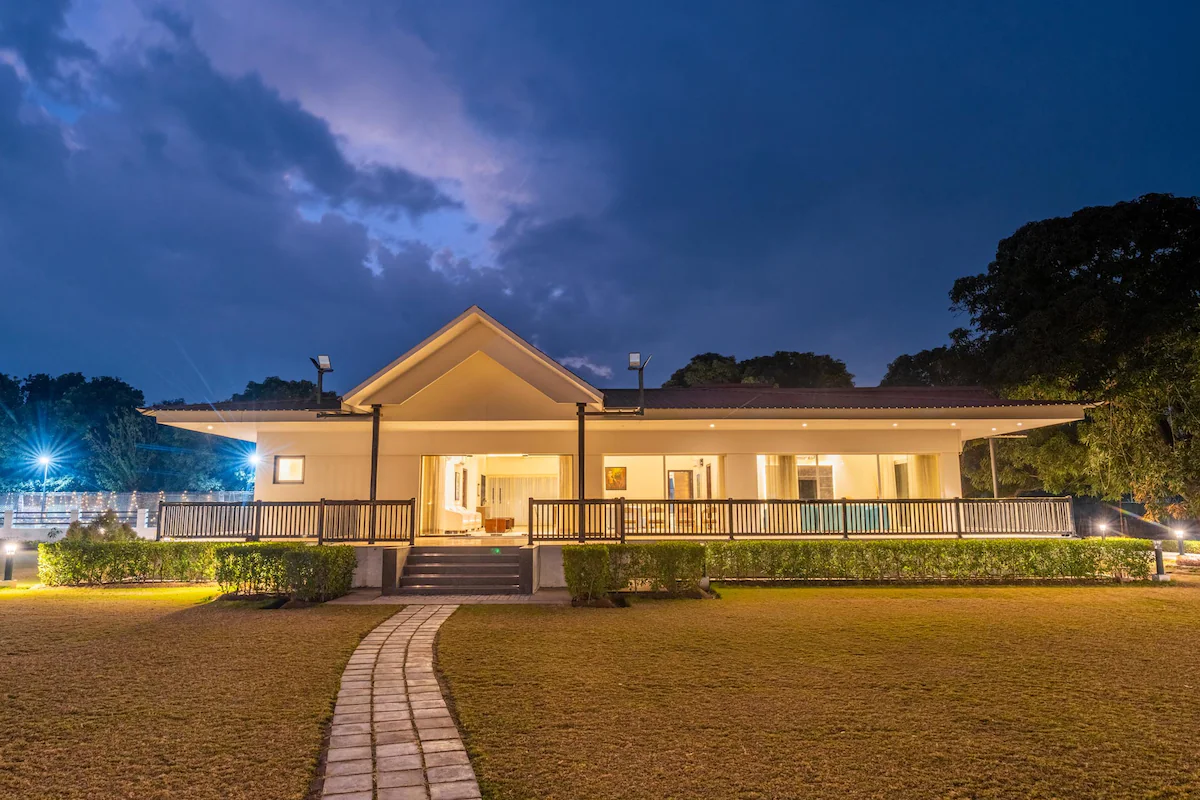
Best Airbnbs in Chandigarh: Areas, Budget and Tips
Find the best Airbnbs in Chandigarh with area-first planning, cost clarity, and practical booking-safety tips for a smoother stay.
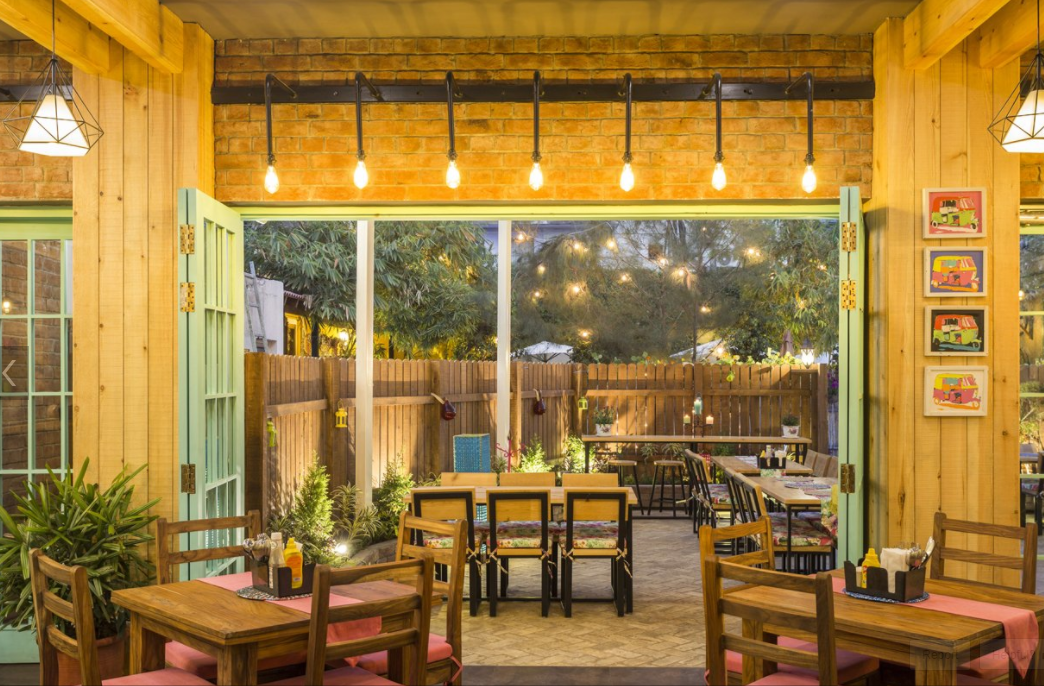
Best Cafes in Chandigarh: Area Guide, Timing and Tips
Best cafes in Chandigarh guide with sector-wise planning, timing strategy, budget control, and practical one-day cafe route templates.

Best Parks and Gardens Chandigarh: Guide and Tips
Explore Chandigarh parks and gardens with route planning, best-time guidance, and practical tips for a smoother city nature day.
Never Miss an Adventure
Get the latest trekking guides, travel tips, and exclusive offers delivered straight to your inbox.
