
Dal Lake Srinagar: Shikara Rides, Houseboats & Stay Planning

Rohan Malhotra
December 15, 2025
Plan your Dal Lake Srinagar visit with practical shikara timing, houseboat stay tips, nearby attractions, and route-smart travel advice. Experience the jewel of Kashmir with our comprehensive guide.
Dal Lake Overview for First-Time Visitors
Dal Lake is Srinagar's crown jewel and often called the "Jewel in the crown of Kashmir." Spread across 18 square kilometers, this urban lake is not just a scenic attraction but a living ecosystem. Unlike most lakes you've visited, Dal Lake has its own floating gardens, markets, and even a post office that operates from a shikara.
What makes Dal Lake unique is its dual character - it's both a tourist attraction and a functioning community. Over 50,000 people depend on this lake for their livelihood, from shikara owners to houseboat operators and vegetable growers. The lake is divided into three basins: Nagin Basin (known for clearer waters), Hazratbal Basin (near the famous shrine), and the main Dal Basin where most tourist activities are concentrated.
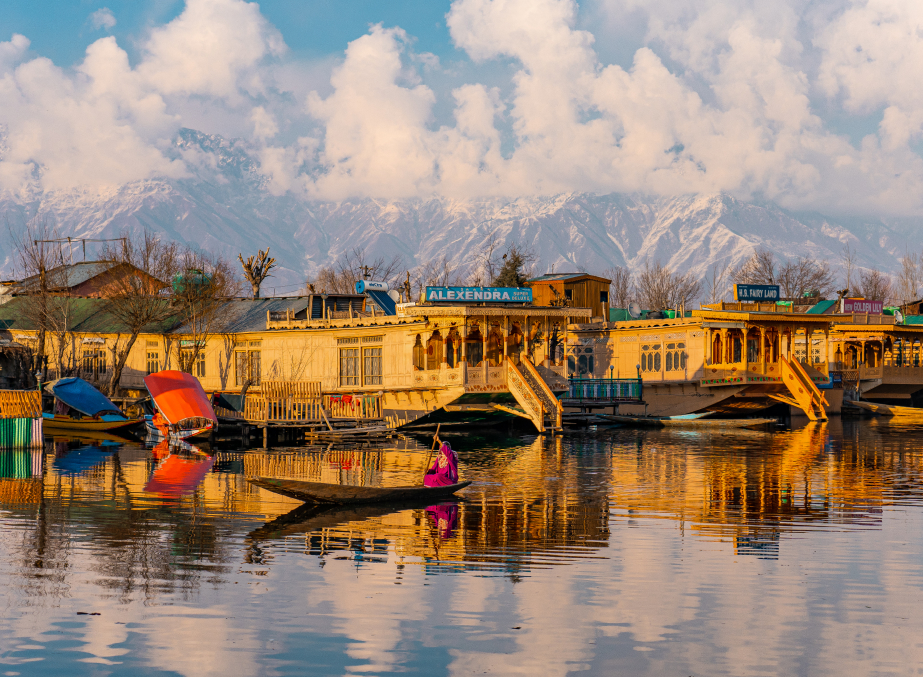
For first-time visitors, the lake can feel overwhelming. There's no single entry point, and different areas offer different experiences. Boulevard Road runs along the southern shore and is the main tourist access point with ghats (boarding points) for shikaras. The northern side is quieter with more houseboat clusters. Understanding this layout helps you plan better.
Top Things to Do at Dal Lake
Shikara Ride
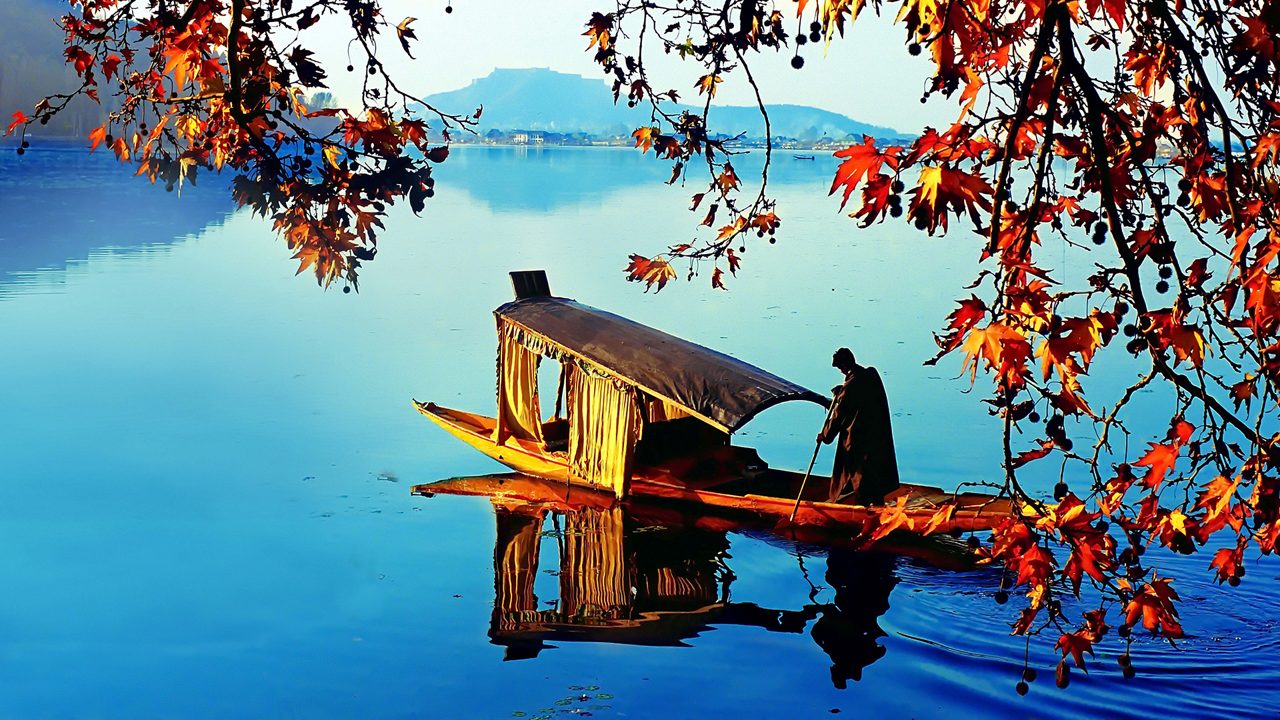
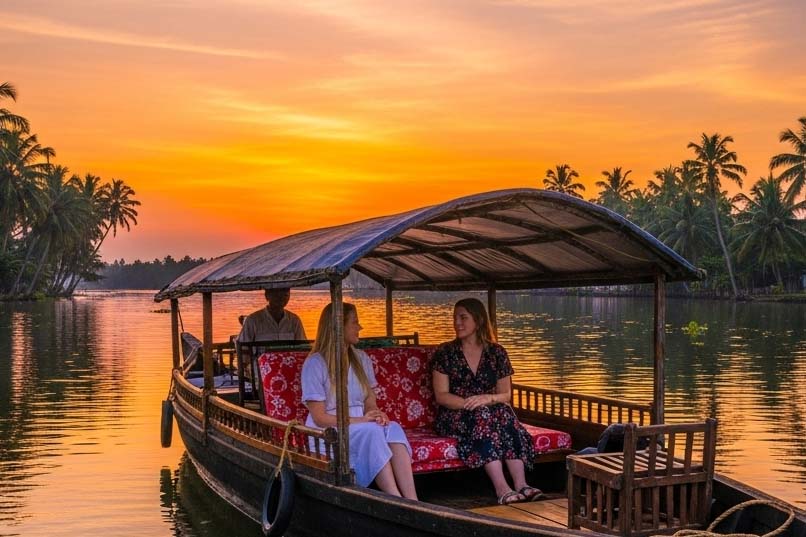
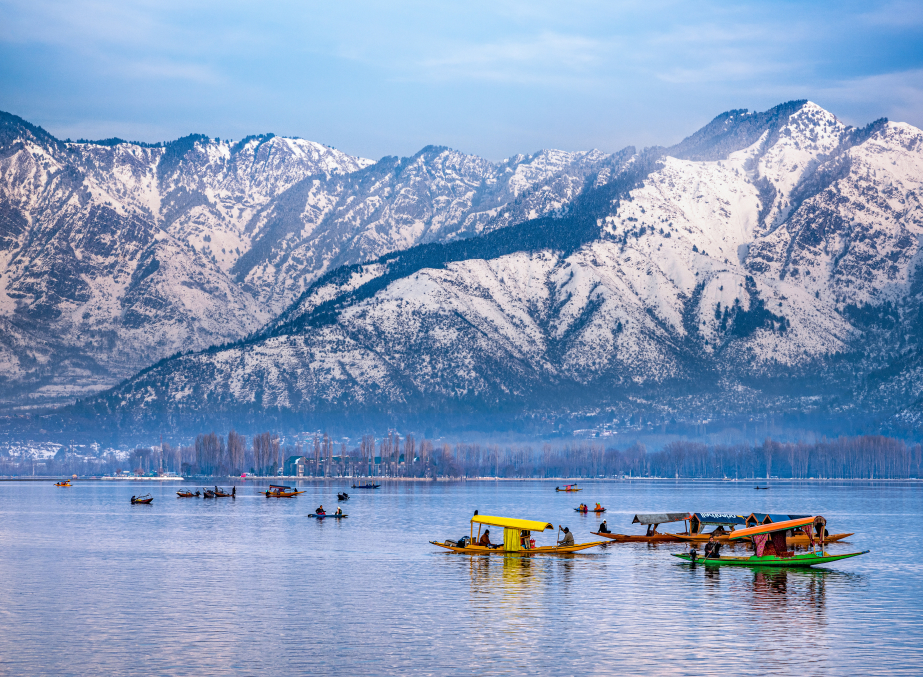
A shikara ride is the quintessential Dal Lake experience. These traditional wooden boats, similar to Venetian gondolas but with a distinct Kashmiri design, are your primary mode of exploration on the lake. Standard rides last 1-2 hours and cover the main market areas, gardens, and floating points of interest.
During the ride, you'll see floating vegetable gardens built on reed mats - an ingenious farming technique unique to Kashmir. The shikara will pass through narrow canals lined with willow and poplar trees, giving you a glimpse into the lake's residential areas. Most shikaras can accommodate 4-5 passengers comfortably, and the boats come with comfortable cushions and blankets during colder months.
Houseboat Stay
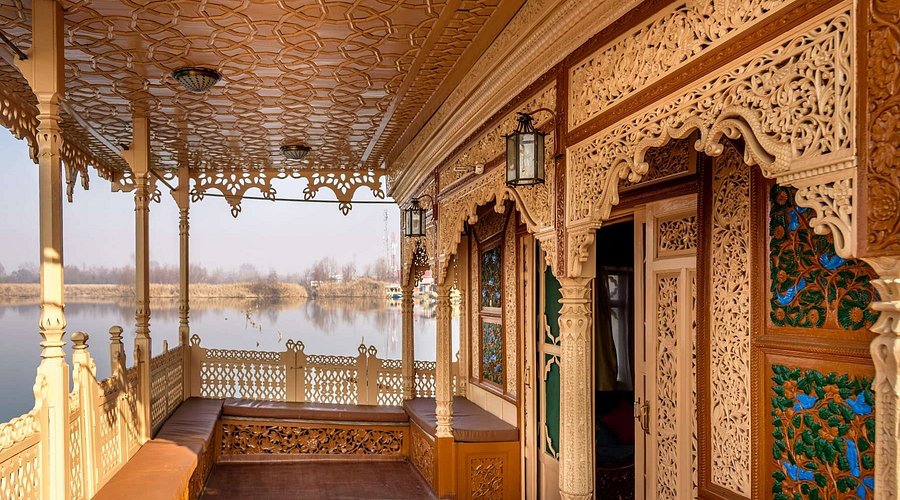
Staying on a houseboat is often described as living on water but with all hotel comforts. These beautifully crafted wooden boats range from basic to luxury categories, with rooms featuring carved woodwork, Kashmiri carpets, and modern amenities. Most houseboats are moored in quieter sections of the lake, particularly around Nagin Basin and the eastern shores.
A typical houseboat stay includes all meals prepared by the onboard crew, who serve authentic Kashmiri cuisine. The experience is especially magical at night when the lake reflects the moon and the surrounding mountains are silhouetted against the sky. Houseboats range from 1-5 bedrooms, making them suitable for couples as well as families.
Floating Market Visit
The floating vegetable market on Dal Lake operates primarily in the early morning hours, usually between 5 AM and 7 AM. Farmers from surrounding areas bring fresh produce in their shikaras, creating a colorful marketplace right on the water. This is not a tourist market but a functional trading point where locals buy and sell vegetables, flowers, and other produce.
Visiting the floating market requires an early start, but it offers an authentic glimpse into lake life that most tourists miss. The sight of dozens of shikaras loaded with lotus stems, tomatoes, leafy greens, and flowers against the morning light is one of Kashmir's most photogenic scenes.
Other Experiences
Beyond the main attractions, Dal Lake offers several smaller experiences worth considering. You can visit the floating flower gardens, take a sunset photography tour, or even try your hand at kayaking in the quieter Nagin Basin. During winter, parts of the lake freeze, creating opportunities for unique ice experiences.
The lake also has several historical points of interest, including the floating post office (one of the few in the world) and several old mosques and shrines along the shores. Some shikara operators specialize in cultural tours that include these lesser-known sites.
Half-Day and Full-Day Itinerary Options
Half-Day Morning Itinerary (4-5 hours)
Start your day early at 5:30 AM to catch the floating market. Board a shikara from any ghat along Boulevard Road - most operators know the market location. Spend 1.5 hours navigating through the market, watching farmers trade fresh produce.
Return to your hotel or houseboat for breakfast. Around 9:30 AM, start your main shikara tour. This 2-hour ride should cover the floating gardens, Char Chinari (four Chinar trees on an island), and the Hazratbal view point. The morning light is excellent for photography, and the lake is calmer before afternoon winds pick up.
| Time | Activity | Duration |
|---|---|---|
| 5:30 AM | Floating market visit | 1.5 hours |
| 7:00 AM | Breakfast break | 1 hour |
| 9:30 AM | Main shikara tour | 2 hours |
| 12:00 PM | Lunch at Boulevard Road | - |
Full-Day Itinerary
Combine the morning itinerary with an afternoon exploration of nearby attractions. After lunch, visit the Mughal Gardens (Nishat Bagh and Shalimar Bagh) located within 15 minutes from the lake. These terraced gardens offer a different perspective on Kashmir's landscaping traditions.
Return to Dal Lake by 4:30 PM for a sunset shikara ride. The evening light creates dramatic reflections on the water, and the lake is less crowded. Some shikara operators offer shorter 45-minute sunset rides specifically for photography. End your day with dinner at a restaurant overlooking the lake or on your houseboat.
If you're staying overnight on a houseboat, the evening usually includes a traditional Kashmiri dinner followed by tea on the deck under the stars. The silence of the lake at night, broken only by distant sounds from the city, is an experience in itself.
Shikara and Houseboat Planning Tips
Shikara Booking Strategy
Shikara prices are not fixed and depend on negotiation, duration, and season. Standard rates range from INR 500-1500 per hour per boat, depending on whether you want a basic ride or a specialized tour (photography, market visit, etc.). Always negotiate upfront and clarify what's included - some operators quote "per person" rates while others quote for the entire boat.
For the best experience, book through your hotel or houseboat owner. They usually have reliable operators and can help avoid touts. Avoid booking at random ghats without negotiation, as prices can be inflated. Early morning and late afternoon rides are priced higher due to demand but offer the best lighting and fewer crowds.
Houseboat Selection Guide
Houseboats are categorized from Deluxe to Luxury based on room size, woodwork quality, and service standards. A luxury houseboat typically features carved cedar paneling, traditional Kashmiri embroidery work, and en-suite bathrooms with modern fixtures. Prices range from INR 3,000-10,000 per night including meals.
When booking, clarify what's included: all meals (breakfast, lunch, dinner, tea), airport transfers, and shikara rides to and from the houseboat. Most houseboats are not motorized and require a shikara transfer from the main ghats - this is usually included but worth confirming.
Location matters - houseboats in Nagin Basin have cleaner water and are quieter but farther from the main market. Houseboats near Boulevard Road offer easy access to restaurants and shops but can be noisier. For first-timers, the Nagin Basin offers a more peaceful experience.
Seasonal Considerations
Spring (April-May) brings blooming gardens and pleasant temperatures, making it ideal for photography. Summer (June-August) is peak season with daytime temperatures reaching 30°C - book houseboats well in advance. Autumn (September-November) offers clear skies and the famous Chinar tree colors.
Winter (December-March) transforms Dal Lake completely. Parts of the lake freeze, and shikara routes become limited. However, the snow-covered landscape creates a different kind of beauty. Houseboats operate year-round with heating facilities, but some activities like the floating market may be disrupted.
Best Season and Time of Day to Visit
The best time to visit Dal Lake depends on what you want to experience. April to October is the main tourist season with all activities operational. December to March offers a winter experience but with limited access and fewer operators.
For shikara rides, early morning (6-8 AM) and late afternoon (4-6 PM) are ideal. The lake is calmer, lighting is better for photography, and it's less crowded. Midday rides can be hot in summer with choppy water due to wind. The floating market only operates in early morning, so plan accordingly.
If you're interested in photography, the golden hours around sunrise and sunset offer the most dramatic lighting. The reflection of mountains on still morning water is particularly stunning. Winter sunrises are later, making it easier to catch both the morning light and the floating market.
Budget and Local Movement Strategy
| Expense | Cost Range (INR) | Notes |
|---|---|---|
| Shikara ride (per hour) | 500-1500 | Depends on season and negotiation |
| Houseboat stay (per night) | 3000-10000 | Includes meals for most houseboats |
| Transfer to houseboat | 200-400 | Usually included in houseboat booking |
| Meals at local restaurants | 300-800 per meal | Boulevard Road has many options |
| Auto-rickshaw in Srinagar | 100-300 per ride | Negotiable, depends on distance |
For budget travelers, a day visit to Dal Lake without staying on a houseboat is entirely feasible. Book a morning shikara ride, explore the Mughal Gardens (INR 50-100 entry), and have lunch at a mid-range restaurant on Boulevard Road. Total cost for the day would be approximately INR 1500-2500 per person including transport within Srinagar.
Getting around Srinagar is relatively straightforward. Auto-rickshaws are the most common mode of local transport and are easily available near Dal Lake. Taxis can be hired for day trips to Gulmarg, Pahalgam, or Dachigam National Park. The city is compact, and most attractions are within 30 minutes of Dal Lake.
If you plan a day trip to the meadows, riding the Gulmarg Gondola pairs well with an early shikara session, since both are best experienced before midday crowds build up. If you're planning to explore multiple places in Kashmir, consider staying in Srinagar and using it as a base. Hotels in Srinagar offer good connectivity, and you can do day trips to Gulmarg, Sonmarg, and Pahalgam. This is more economical than changing hotels every two days.
Common Mistakes to Avoid
Many first-time visitors make predictable mistakes that affect their Dal Lake experience. The most common is booking activities through random touts instead of reliable operators. Always book shikaras and houseboats through your hotel or verified operators - it costs the same or less, and you get better service.
Another mistake is cramming too much into one day. Dal Lake deserves time. Trying to combine the floating market, Mughal Gardens, shopping, and a shikara ride all in one rushed day leaves no time to actually absorb the experience. The lake is best enjoyed at a slow pace.
Don't skip negotiation. Many visitors accept the first price quoted, which can be 2-3 times the actual rate. Have a rough idea of prices before negotiating, and don't be afraid to walk away. However, avoid excessive bargaining - fair compensation ensures operators maintain their boats well.
Weather preparation is often overlooked. Even in summer, evenings on the lake can be chilly due to wind. Always carry a light jacket or sweater. In winter, layering is essential as temperatures can drop below freezing. Sun protection is equally important - the UV index is high at this altitude.
Finally, don't limit yourself to Dal Lake. While it deserves significant time, Kashmir has much more to offer. Consider combining your Srinagar stay with visits to Sonmarg, Gulmarg, or Pahalgam for a complete Kashmir experience. The valley's diverse landscapes - from lakes to meadows to glaciers - deserve more than just a city-centric trip.
Location
Frequently Asked Questions
Q1.What are the top things to do at Dal Lake in Srinagar?
Q2.Is houseboat stay better than a day visit?
Q3.What is the best time for a shikara ride on Dal Lake?
Q4.How much budget is needed for Dal Lake activities?
Q5.Can Dal Lake be covered in half a day?
Q6.Is Dal Lake suitable for family travel?
Q7.Which nearby places can be combined with Dal Lake?
Q8.What mistakes should travelers avoid while planning Dal Lake visit?
Recommended For You
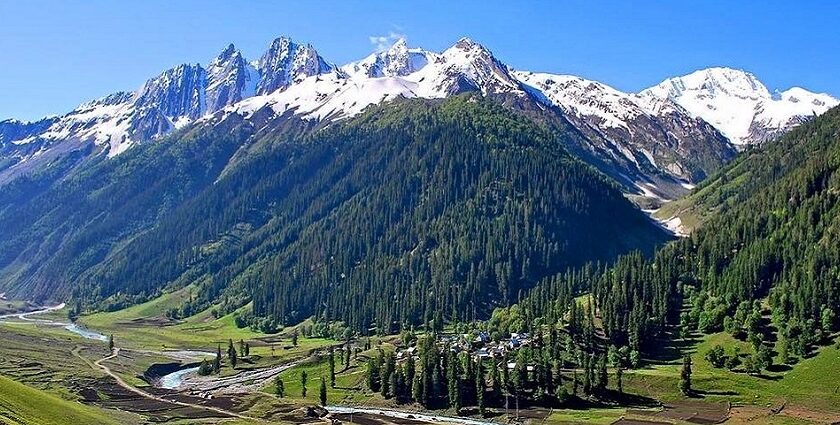
Things to Do in Sonmarg: Glacier Walks, Pony Rides & Adventure
Discover top things to do in Sonmarg with glacier routes, Zero Point planning, camping options, and practical altitude-aware itinerary guidance.
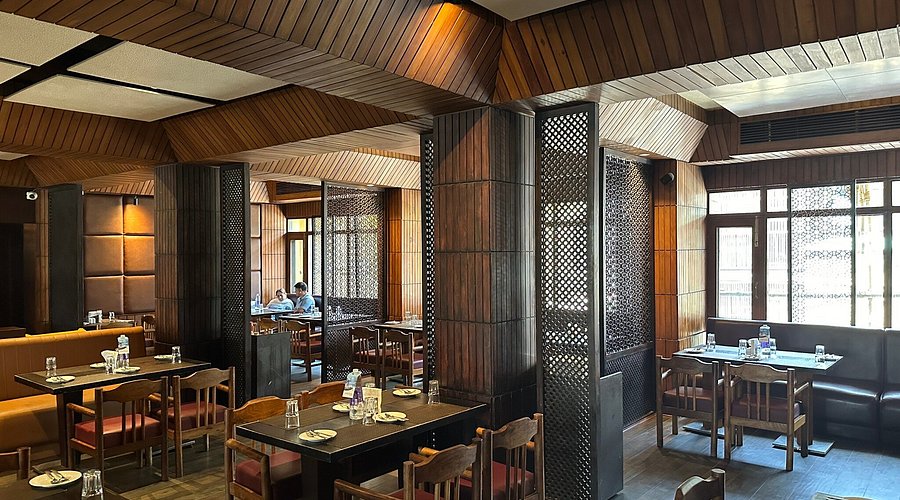
Ahdoos Restaurant Srinagar: A Culinary Legend
Experience authentic Kashmiri cuisine at Ahdoos Restaurant Srinagar, operating since 1918. Discover royal Wazwan, heritage ambiance, and century-old culinary traditions in Kashmir's most iconic restaurant.
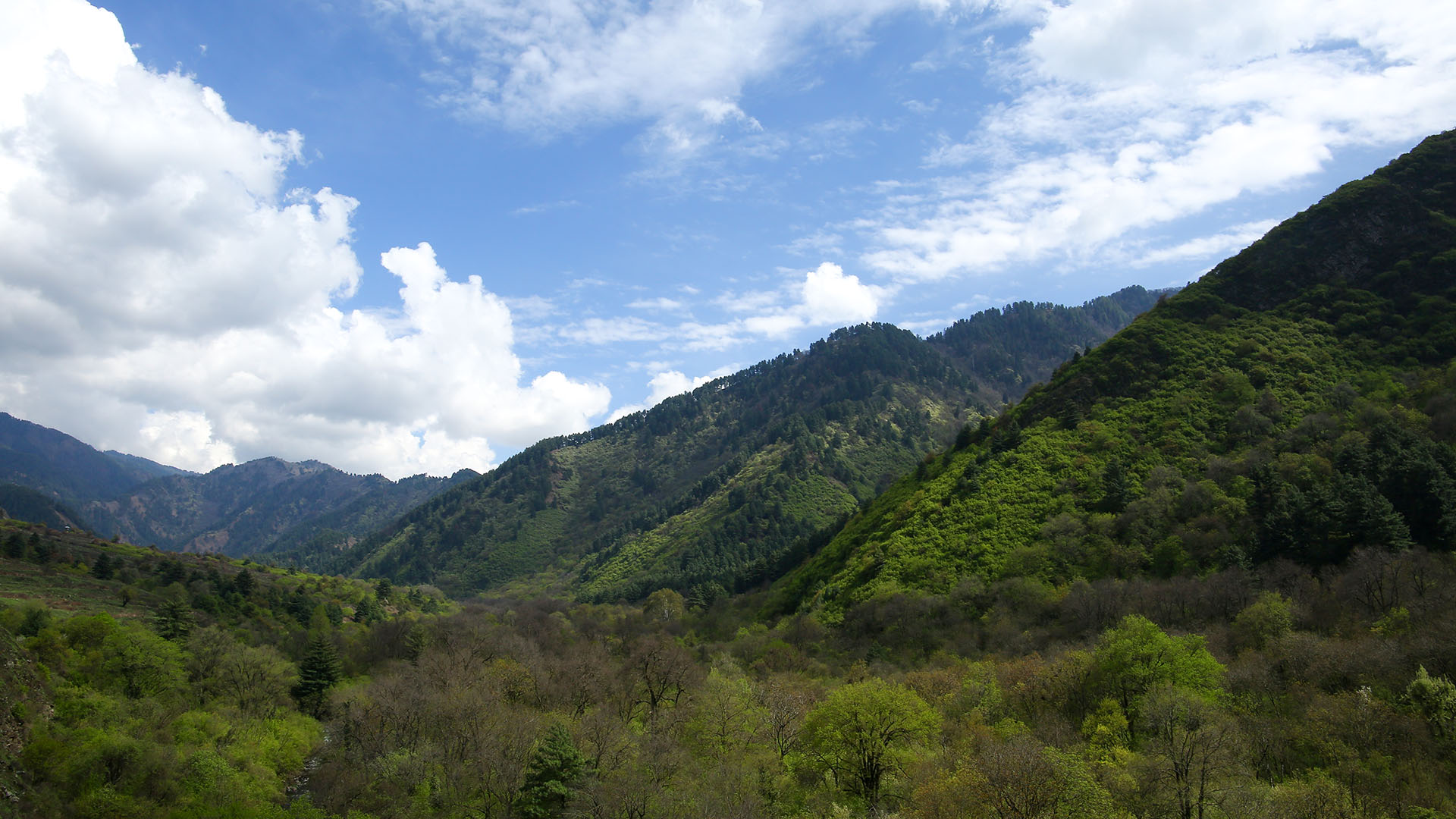
Dachigam National Park: Kashmir's Hidden Wildlife Paradise
Explore Dachigam National Park in Kashmir - home to the endangered Hangul. Discover wildlife, safari tips, permits, timings & how to reach this Himalayan paradise.
Never Miss an Adventure
Get the latest trekking guides, travel tips, and exclusive offers delivered straight to your inbox.
