
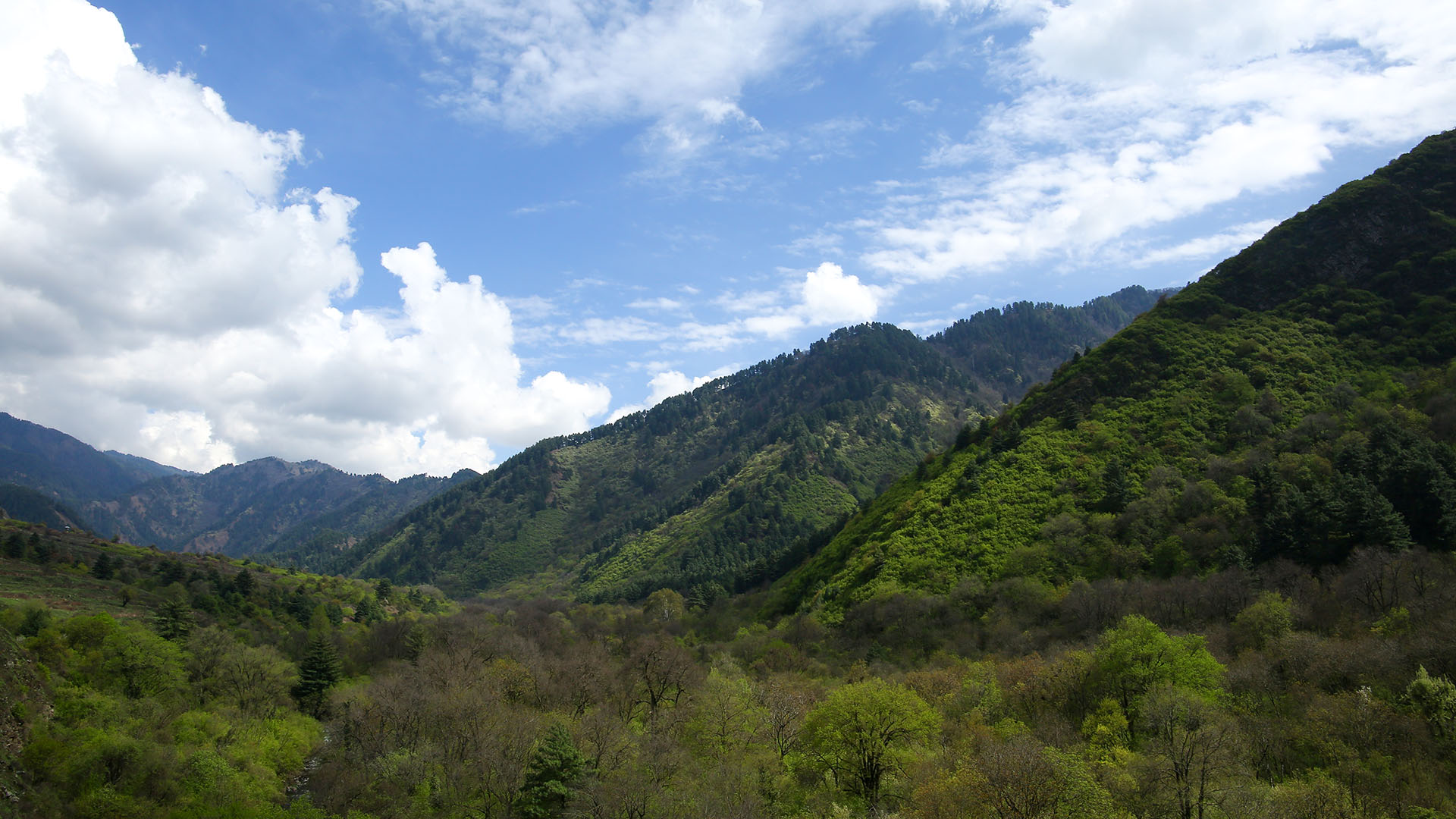
Dachigam National Park: Kashmir's Hidden Wildlife Paradise
Rohit Verma
January 29, 2026
Explore Dachigam National Park in Kashmir - home to the endangered Hangul. Discover wildlife, safari tips, permits, timings & how to reach this Himalayan paradise.
Introduction: The Emerald Jewel of Kashmir
Dachigam National Park, located just 22 kilometers from Srinagar in the union territory of Jammu and Kashmir, is one of India's most pristine and ecologically significant protected areas. Spread over 141 square kilometers of breathtaking Himalayan terrain, this national park is home to the critically endangered Hangul or Kashmir stag - one of the rarest deer species in the world. The park's name literally translates to "ten villages," referencing the ten villages that were relocated to create this protected sanctuary in 1910.
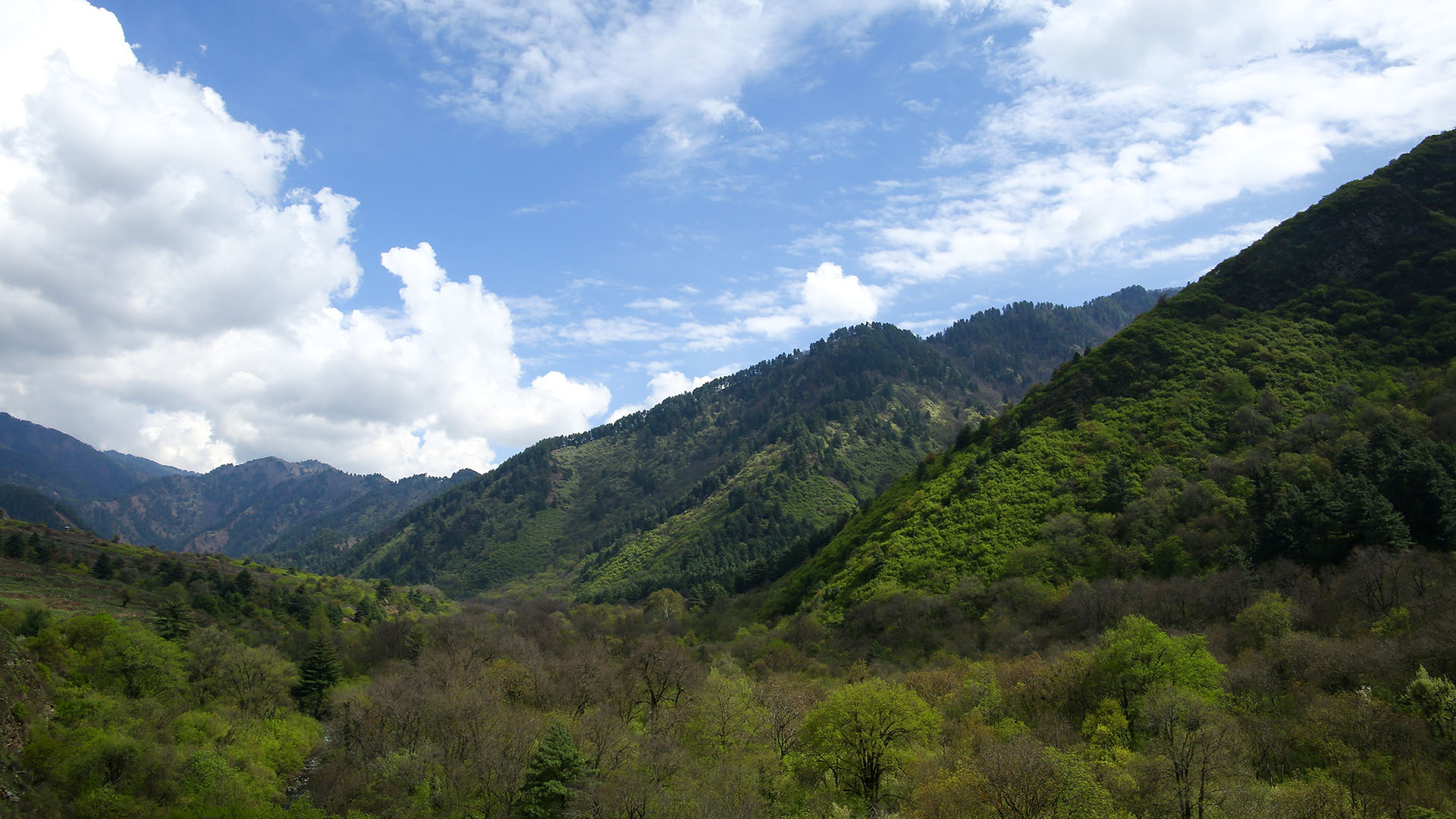
What makes Dachigam truly special is its incredible biodiversity despite its relatively small size. The park spans an altitudinal range of 1,700 to 4,300 meters above sea level, encompassing two distinct biomes - the lower Dachigam with its pine forests and grassy meadows, and the upper Dachigam with its alpine pastures and rocky cliffs. This dramatic variation in altitude creates diverse ecosystems that support an astonishing variety of flora and fauna, many of which are found nowhere else on Earth.
For wildlife enthusiasts, nature photographers, and those seeking to experience the raw beauty of Kashmir beyond its famous gardens and lakes, Dachigam National Park offers an unforgettable adventure. The park remains relatively less visited compared to other Indian national parks, which means you can often have the trails to yourself, creating intimate wildlife encounters in some of the most stunning scenery the Himalayas have to offer. Explore more of Kashmir's stunning destinations.
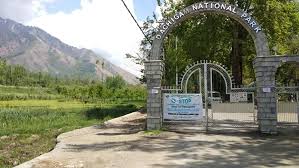
About Dachigam National Park
History and Establishment
Dachigam's history as a protected area dates back to 1910 when the Maharaja of Jammu and Kashmir designated it as a game sanctuary. The area was initially created to protect the hunting grounds and ensure the preservation of the Hangul population, which even then was recognized as a unique and valuable species. In 1981, Dachigam was upgraded to a national park status, providing it with the highest level of protection under Indian wildlife laws.
The park's creation involved the relocation of ten villages (hence the name Dachigam) from the area, making it one of the earliest examples of conservation-driven relocation in India. This decision, while controversial at the time, has proven crucial for the park's ecological health and the survival of its wildlife, particularly the Hangul.
Today, Dachigam is managed by the Jammu and Kashmir Wildlife Protection Department, which works tirelessly to balance conservation goals with the needs of local communities who live in the buffer zones around the park. The park has faced numerous challenges over the decades, including periods of conflict in Kashmir, but has emerged as a remarkable success story in wildlife conservation.
Geography and Terrain
Dachigam National Park is characterized by dramatic variations in altitude and terrain:
- Lower Dachigam (1,700-2,500 meters): Dominated by pine forests, cedar trees, and grassy slopes. This area has gentle hills, streams, and the Dagwan River flowing through it. The terrain is relatively accessible and most wildlife sightings occur here.
- Upper Dachigam (2,500-4,300 meters): Features alpine meadows, rocky cliffs, glacial valleys, and snow-capped peaks. The terrain becomes rugged and challenging, with steep ascents and thin air. This area is critical summer grazing ground for the Hangul.
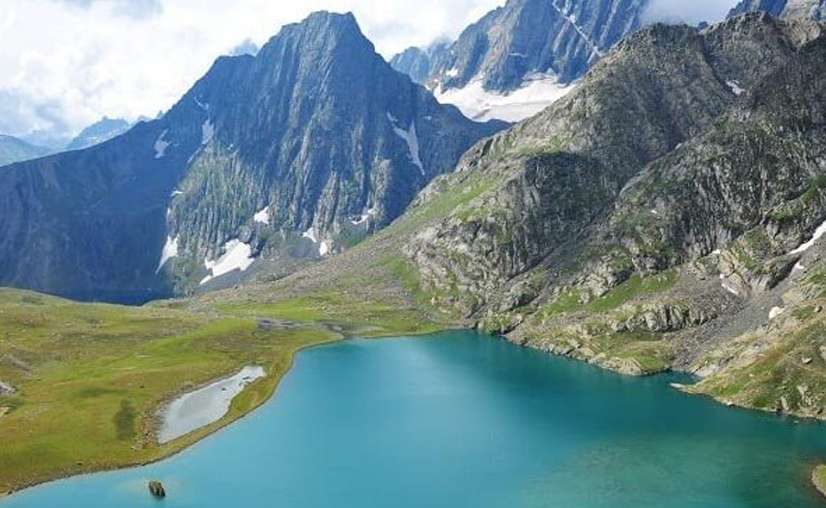
The park's most prominent feature is the Marsar Lake, a stunning high-altitude lake located in the upper reaches. This lake, surrounded by snow-capped peaks and alpine meadows, is the source of the Dagwan River and creates a landscape so beautiful it seems otherworldly.
Climate and Best Time to Visit
Dachigam experiences a distinct mountain climate with four seasons:
- Spring (April-May): Pleasant weather with blooming wildflowers. Excellent for birdwatching.
- Summer (June-August): Mild days (15-25°C) and cool nights. Best season for wildlife sightings as animals come to lower elevations.
- Autumn (September-October): Crisp, clear weather with beautiful fall colors. Excellent for photography.
- Winter (November-March): Heavy snowfall, extremely cold. Upper Dachigam is inaccessible. Good for sighting wildlife in lower areas.
The best time to visit depends on your interests:
- For Hangul Sightings: September-November (rutting season) when they come to lower Dachigam
- For General Wildlife: April-October when the park is fully accessible
- For Birdwatching: March-May (spring migration)
- For Snow Leopards: Winter months (extremely challenging, special permits required)
Wildlife at Dachigam
The Hangul - Kashmir's Pride
The Hangul or Kashmir stag (Cervus hanglu hanglu) is Dachigam's most famous resident and the primary reason for the park's establishment. This majestic deer, with its impressive antlers that can span up to 1.2 meters, is found only in Kashmir and parts of Himachal Pradesh. The Hangul population has fluctuated dramatically over the decades, from over 5,000 in the 1940s to fewer than 150 in the 1970s, to approximately 200-250 today.
The park's conservation efforts have been crucial in preventing the Hangul's extinction. During the rutting season (autumn), the stags engage in dramatic battles for dominance, their bellows echoing through the valleys. Witnessing this magnificent display of nature is one of the most incredible wildlife experiences in India. The best place to spot Hangul is in the lower Dachigam meadows, particularly early in the morning or late afternoon.
Other Mammals
Beyond the Hangul, Dachigam is home to diverse mammalian species:
- Snow Leopard: The elusive "ghost of the mountains" inhabits the upper reaches. Extremely rare to spot, with only a few dozen in the park.
- Leopard & Common Leopard: More frequently sighted in the lower regions, particularly in the forests.
- Himalayan Black Bear: Found in both lower and upper Dachigam, often seen foraging in fruit trees during autumn.
- Himalayan Brown Bear: A critically endangered subspecies, rarely seen in the upper alpine areas.
- Musk Deer: Shy, solitary deer found in the higher altitudes.
- Serow: A goat-antelope found in rocky areas.
- Himalayan Marmot: Large ground squirrels common in alpine meadows, often seen sunbathing on rocks.
- Red Fox: Frequently sighted throughout the park.
- Langur Monkeys: Common in lower Dachigam, often seen in troops.
Birdlife
Dachigam is a birdwatcher's paradise with over 150 species recorded:
- Himalayan Monal: The stunningly colorful pheasant, state bird of Jammu & Kashmir.
- Koklass Pheasant: Beautiful pheasants found in the forests.
- Himalayan Griffon: Massive birds of prey often seen soaring above the valleys.
- Bearded Vulture (Lammergeier): Rare vultures with impressive wingspans.
- Golden Eagle: Apex predators of the Himalayan skies.
- Tibetan Snowcock: High-altitude partridges found in upper Dachigam.
- Streaked Laughingthrush: Noisy, social birds common in the undergrowth.
- Ultramarine Flycatcher: Beautiful small birds found in forests.
- Orange Bullfinch: Endemic to the region.
- Kashmir Flycatcher: Another regional specialty.
The park is particularly rich in pheasant species, making it a prime destination for birdwatchers seeking these elusive, colorful birds. Spring is excellent for resident birds, while summer brings migratory species.
Flora
Dachigam's flora varies dramatically with altitude:
- Lower Dachigam: Himalayan pine, blue pine, deodar cedar, oak, walnut, elm, willow, and poplar trees. The forest floor is covered with ferns, mushrooms, and wildflowers including primroses, anemones, and orchids.
- Upper Dachigam: Birch, juniper, and rhododendrons give way to alpine meadows carpeted with wildflowers in summer - gentians, poppies, primulas, and edelweiss.
Safari Experience
Jeep Safari
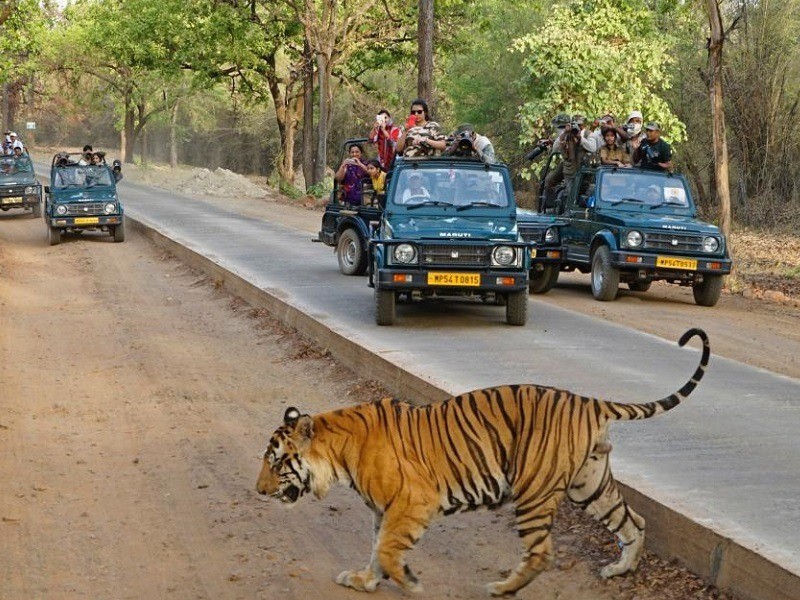
The most common way to explore Dachigam is by jeep safari. Vehicles are allowed only in designated areas, and you must be accompanied by a mandatory forest department guide. The jeep safari covers the lower Dachigam area, following trails along the Dagwan River and through the pine forests.
Duration: 2-4 hours depending on trail chosen
Timings: Morning (6-10 AM) and Evening (3-6 PM). Morning safaris offer the best wildlife sightings.
Cost: Approximately ₹1500-2500 per vehicle (4-6 people) plus guide fees
Nature Walks and Trekking
For the more adventurous, guided nature walks offer a deeper connection with the forest:
- Lower Dachigam Trails: Gentle walks through pine forests and meadows. Suitable for most fitness levels.
- Upper Dachigam Trek: Challenging full-day trek to Marsar Lake. Requires excellent fitness and proper preparation.
Trekking in Dachigam is strictly controlled and requires special permits from the wildlife department. The upper areas are not accessible without special permission, especially during winter.
Photography
Dachigam offers incredible opportunities for wildlife and landscape photography:
- Wildlife: Hangul in autumn, bears in fruit trees, birds in spring
- Landscapes: Dramatic mountain vistas, alpine meadows, river scenes
- Macro: Wildflowers in spring and summer, fungi, insects
Photography permits are required and can be obtained with the park entry permit. Carry a telephoto lens for wildlife and wide-angle for landscapes.
Tickets and Permits
Entry Fees
- Indians: Approximately ₹100-150 per person
- Foreigners: Approximately ₹500-600 per person
- Vehicle Entry: ₹200-500 depending on vehicle type
- Camera Fee: ₹200-500 (professional photography may cost more)
- Guide Fee: ₹500-800 per safari (mandatory)
- Jeep Hire: ₹1500-2500 per vehicle per safari
Fees are subject to change. Check with the Jammu & Kashmir Wildlife Protection Department for current rates.
Permit Requirements
All visitors require permits, which can be obtained:
- At the Park Gate: Permits available at Dachigam entrance (subject to availability)
- In Advance: From the Wildlife Warden's Office in Srinagar (recommended, especially in peak season)
- Online: Through the J&K Forest Department website (limited availability)
You'll need to provide:
- ID proof (Aadhaar, passport, etc.)
- Number of visitors and vehicle details
- Proof of age for senior citizen discounts (if applicable)
For upper Dachigam trekking, additional permits are required and must be obtained well in advance from the Chief Wildlife Warden in Srinagar.
How to Reach Dachigam National Park
By Air
The nearest airport is Srinagar Airport (SXR), approximately 30 km from Dachigam. Srinagar is well connected to major Indian cities including Delhi, Mumbai, Bangalore, and Jammu with daily flights. From the airport, hire a taxi to the park entrance (₹800-1200, 45 minutes to 1 hour).
By Road
Dachigam is easily accessible by road from Srinagar:
- From Srinagar City: 22 km, approximately 1 hour drive via Harwan Road
- From Srinagar Airport: 30 km, approximately 1 hour
- From Gulmarg: 60 km, 2-2.5 hours
- From Pahalgam: 95 km, 3-3.5 hours
The road to Dachigam passes through beautiful countryside and offers views of the Zabarwan Range. The last few kilometers to the park entrance are through forest areas and are quite scenic.
By Train
The nearest railway station is Jammu Tawi (JAT), approximately 300 km away. From Jammu, you can:
- By Taxi: ₹5000-7000, 7-8 hours to Srinagar, then 1 hour to Dachigam
- By Bus: JKSRTC and private operators run overnight buses to Srinagar
The Jammu-Srinagar highway offers beautiful scenery but can be slow due to traffic and road conditions.
Accommodation Options
Forest Rest Houses
The park has forest rest houses within its boundaries, offering the most immersive experience:
- Dachigam FRH: Located in lower Dachigam, basic but comfortable rooms. ₹1000-2000 per night
- Upper Dachigam FRH: Basic accommodation at higher altitude. Only for experienced trekkers
Booking must be done well in advance through the Wildlife Warden's Office in Srinagar. Facilities are basic - expect simple rooms, shared bathrooms, and no heating (carry warm clothes!). Meals can be arranged with prior notice.
Hotels in Srinagar
Most visitors stay in Srinagar and do day trips to Dachigam. Consider staying in a traditional houseboat on Dal Lake for an authentic Kashmiri experience.
- Luxury: Taj, Lalit Grand Palace, The Khyber Himalayan Resort - ₹8000-15000 per night
- Mid-Range: Hotel Broadway, Shahanshah Port, Kasbah Chinese - ₹3000-6000 per night
- Budget: Houseboats on Dal Lake, guesthouses - ₹1500-3000 per night
Staying in Srinagar allows you to combine Dachigam visits with other Kashmir attractions like Dal Lake, Mughal Gardens, and Gulmarg.
Homestays
Several homestays are available in villages near the park entrance, offering authentic Kashmiri hospitality:
- Prices range from ₹1500-3000 per night including meals
- Experience traditional Kashmiri culture and cuisine
- Support local communities
Travel Tips
Before You Go
- Book in Advance: Permits and accommodation should be booked well ahead, especially for peak season (April-October)
- Check Weather: Mountain weather can change rapidly. Check forecasts and be prepared
- Hire a Good Guide: A knowledgeable naturalist guide transforms the experience
- Respect Wildlife: Maintain distance, don't feed animals, follow all park rules
What to Carry
- Clothing: Layered clothing - warm jacket for mornings/evenings, lighter clothes for day
- Footwear: Comfortable walking shoes with good grip
- Binoculars: Essential for wildlife viewing
- Camera: With telephoto lens for wildlife
- Sun Protection: Sunscreen, sunglasses, hat
- Insect Repellent: Especially in summer
- Water & Snacks: Limited options inside the park
- First Aid: Basic medical kit
Health and Safety
- Altitude: Upper Dachigam is high altitude. Acclimatize properly if trekking
- Weather: Be prepared for sudden changes
- Wildlife: Maintain safe distance from all animals, especially bears
- Communication: Mobile network is unreliable in the park. Inform someone of your plans
- Follow Guide: Always stay with your guide, don't wander off alone
Photography Tips
- Early morning and late afternoon offer the best light and wildlife activity
- Be patient - wildlife sightings require time and silence
- Use a tripod or bean bag for stability in jeeps
- Carry extra batteries - cold drains them faster
- Respect wildlife - don't disturb animals for photographs
Responsible Tourism
- Don't litter - carry everything back
- Don't pluck plants or flowers
- Don't play loud music or make excessive noise
- Don't feed wildlife
- Don't use flash photography on animals
- Support local communities by buying local products
Nearby Attractions
Srinagar City
Explore the beautiful city of Srinagar with its famous Dal Lake, Mughal Gardens (Shalimar, Nishat, Chashme Shahi), Shankaracharya Temple, and historic old city markets.
Gulmarg
A stunning hill station 60 km away, famous for its gondola ride, skiing in winter, and beautiful meadows in summer.
Pahalgam
A scenic town 95 km away, serving as the base for the Amarnath Yatra and offering beautiful valleys, rivers, and trekking opportunities.
Sonamarg
Known as the "Meadow of Gold," this beautiful high-altitude area is 80 km from Srinagar and offers stunning Himalayan scenery.
Mughal Gardens
Visit the stunning Mughal gardens around Srinagar - Nishat Bagh, Shalimar Bagh, Chashme Shahi, and Pari Mahal.
Why Visit Dachigam National Park
Dachigam National Park represents the best of Himalayan wilderness - pristine forests, spectacular mountain scenery, and incredible wildlife, all just a short drive from Srinagar. It's a place where you can disconnect from the modern world and immerse yourself in nature, where the only sounds are the wind in the pines, the rushing of the Dagwan River, and perhaps the distant call of a Hangul stag. Discover more Himalayan destinations for your next adventure.
The park's relative obscurity compared to more famous Indian parks is actually its greatest strength. Here, you won't find crowds of safari vehicles jostling for position. Instead, you'll have peaceful trails, intimate wildlife encounters, and the feeling of having discovered a secret corner of the Himalayas.
For wildlife enthusiasts, the chance to see the critically endangered Hangul in its natural habitat is a privilege that few get to experience. For birdwatchers, the diversity of pheasants and other Himalayan birds is a dream come true. For nature lovers, the simple act of walking through pristine pine forests or sitting by a mountain stream is restorative for the soul.
What makes Dachigam truly special is its authenticity. This isn't a managed wildlife experience where animals are habituated to human presence. This is real wilderness, where nature operates on its own terms and every sighting feels like a gift. The park's commitment to conservation, particularly of the Hangul, makes every visit meaningful - you're not just seeing wildlife, you're supporting efforts to protect some of the planet's most vulnerable species.
Visiting Dachigam is also an opportunity to experience the incredible beauty of Kashmir beyond its famous gardens and lakes. The park showcases the wild, untamed side of this paradise on Earth, reminding us that Kashmir's greatest treasures aren't just man-made gardens but natural ecosystems that have thrived for millennia.
Whether you're tracking Hangul through autumn meadows, searching for pheasants in spring forests, or simply breathing in the crisp mountain air while gazing at snow-capped peaks, Dachigam National Park offers experiences that stay with you long after you've returned home. It's a reminder of why we fight to protect wild places - not just for the species that depend on them, but for the human spirit that needs them.
Location
Frequently Asked Questions
Q1.Where is Dachigam National Park located?
Q2.What is the best time to visit Dachigam National Park?
Q3.How can I see the Hangul at Dachigam?
Q4.Do I need permits to visit Dachigam National Park?
Q5.What wildlife can I see at Dachigam?
Q6.How do I reach Dachigam from Srinagar?
Q7.Is it possible to stay inside Dachigam National Park?
Q8.Is Dachigam safe to visit?
Recommended For You
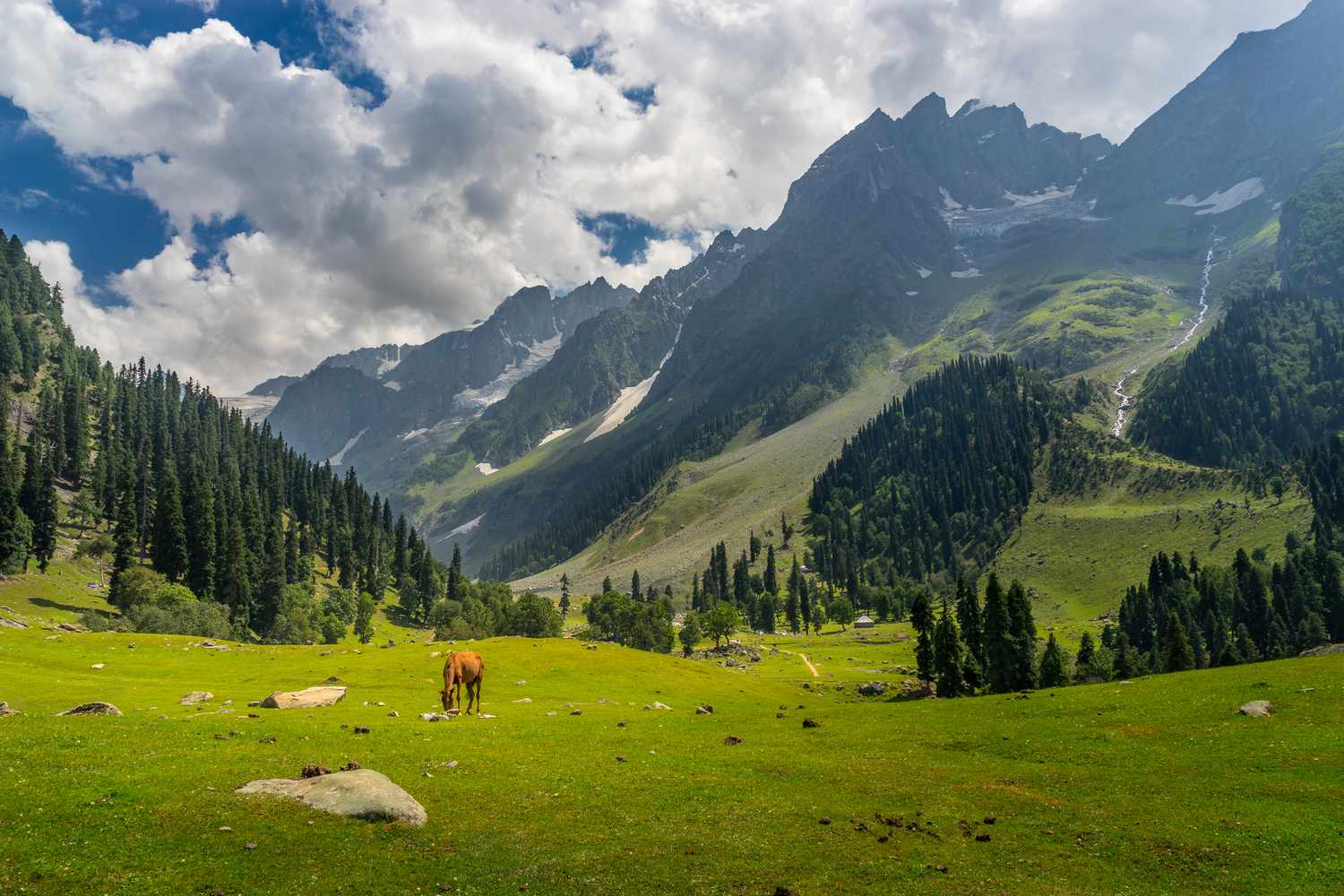
Valleys in Kashmir: 10 Scenic Valleys You Must Visit
Explore 10 beautiful valleys in Kashmir with practical travel planning, best season, route logic, and valley-by-valley guidance for first-time and repeat trips.
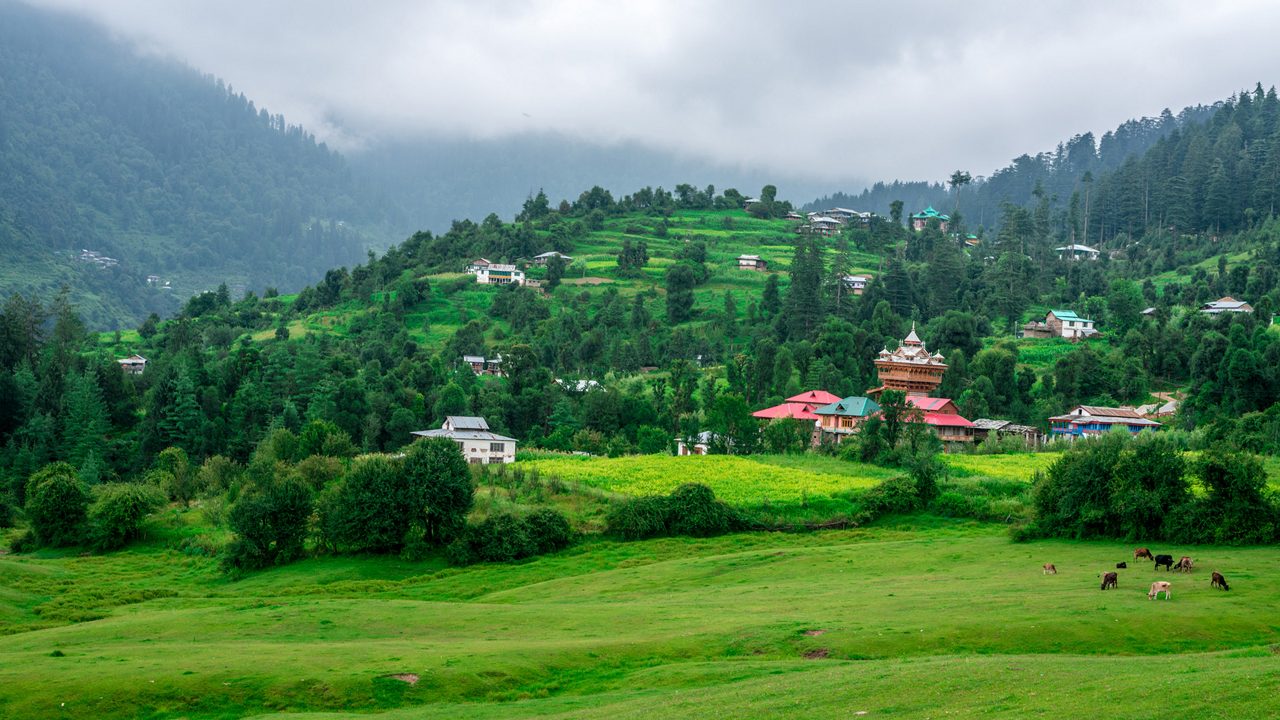
Great Himalayan National Park: Trek Routes, Permits & Wildlife
Explore Great Himalayan National Park (GHNP): UNESCO World Heritage Site in Kullu. Complete guide to trekking routes, wildlife spotting, permits, best time to visit, and accommodation.
Hemis National Park Ladakh: Snow Leopard Tracking & Travel Info
Explore Hemis National Park Ladakh, home to the world's highest density of snow leopards. Discover wildlife, trekking & tracking in this Himalayan paradise.
Never Miss an Adventure
Get the latest trekking guides, travel tips, and exclusive offers delivered straight to your inbox.
