
Diu Museum: Timings, Entry Fee & Heritage Highlights

Priya Mehta
February 20, 2026
Explore Diu Museum with history, collections, timings, entry guidance, route planning, and nearby heritage-beach attractions in one practical guide.
Introduction: Why Diu Museum Deserves a Place in Your Itinerary
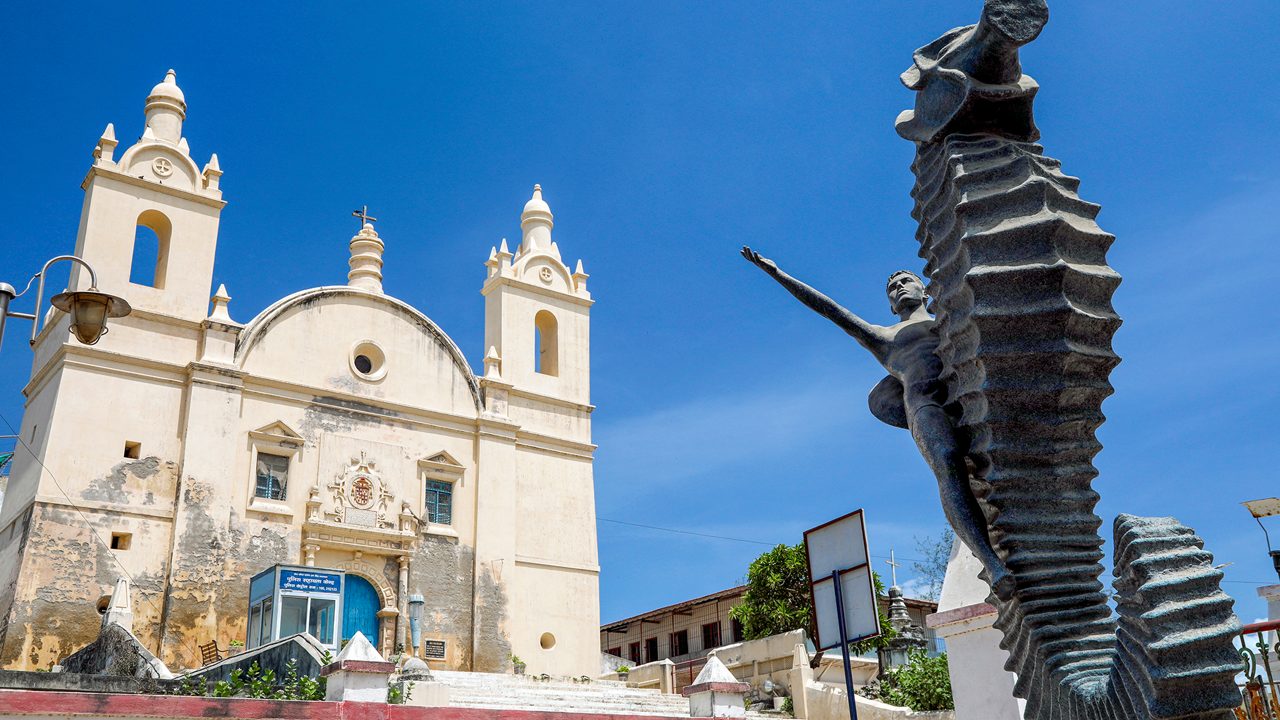
Diu Museum is one of the most useful stops for travelers who want to understand the island beyond beaches. While Diu is often marketed for coastal relaxation and fort viewpoints, its museum layer adds historical depth by connecting Portuguese colonial influence, religious art traditions, and regional heritage memory. For first-time visitors, this is the place that helps make other attractions in Diu more meaningful.
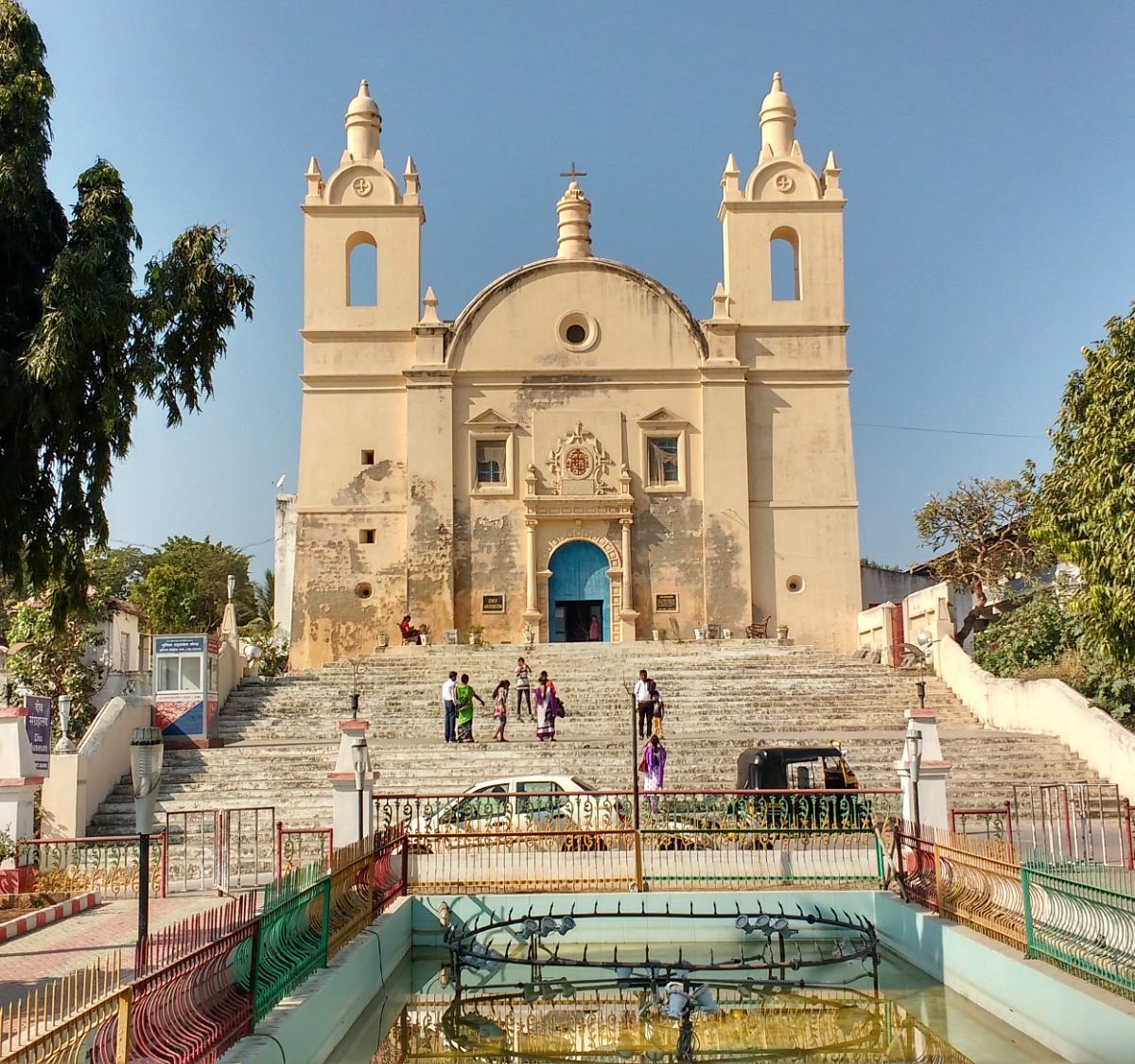
The museum experience is usually compact and manageable, which makes it ideal as a half-day cultural segment in a larger Diu plan. Instead of spending all travel time at beach points, adding this stop gives you context for architecture, settlements, and old ecclesiastical influence in the region. This guide covers history, collections, timing and entry planning, route access, best season, and nearby attractions so you can build a balanced Diu circuit. For broader planning, pair this with places to visit in Daman and Diu, St. Paul Church Diu, and beaches in Diu.
History and Background of Diu Museum
Diu Museum is commonly associated with the island's colonial and religious heritage narrative. Public travel references typically describe the museum as a curated heritage space containing artifacts, inscriptions, and cultural objects linked with different phases of Diu's past.
Why It Matters Historically
- Provides context for Diu's Portuguese-era layers.
- Preserves cultural memory through objects and records.
- Helps visitors interpret old churches and fort architecture nearby.
Even short museum time can significantly improve your understanding of Diu's built heritage.
Museum Architecture and Site Character
One of the key attractions is the setting itself. Visitors often note a historical building environment with colonial-era design influences and ecclesiastical character. This architectural context contributes as much to the experience as the display collection.
What to Observe
- Structural style and historical conversion use.
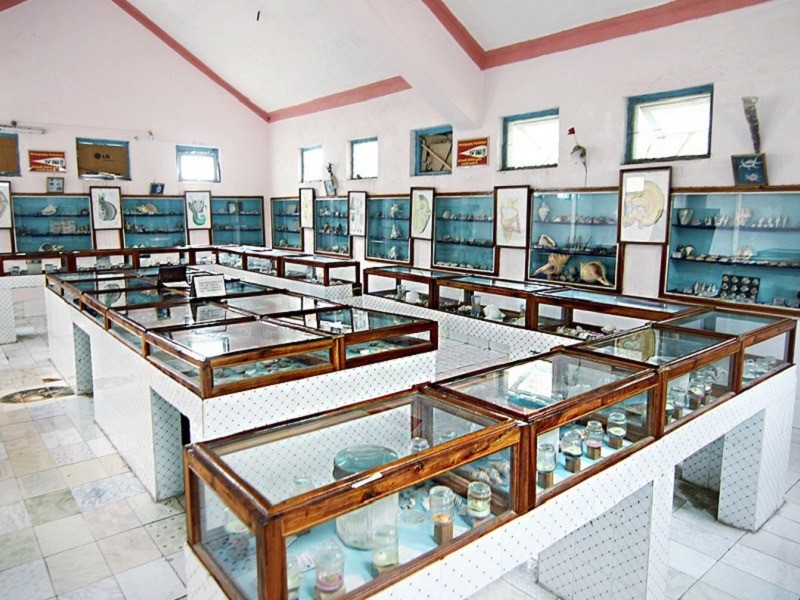
- Interior hall character and display arrangements.
- How museum atmosphere differs from open-air fort/beach sites.
If you enjoy heritage photography, this stop can be visually rewarding with respectful interior behavior.
Collections and Exhibits: What You May See
Specific exhibit rotations can vary by maintenance and curation cycles, but common travel descriptions mention heritage objects and interpretive materials relevant to Diu's past.
Common Exhibit Themes
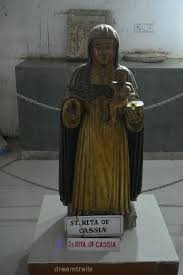
- Religious sculptures and devotional artifacts.
- Historical inscriptions and stone elements.
- Colonial-era objects and lifestyle references.
- Regional cultural memory items tied to Diu identity.
This is not a giant national museum scale experience. It is a focused cultural stop designed to contextualize local history.
| Exhibit Category | Experience Value | Who Benefits Most |
|---|---|---|
| Religious artifacts | High cultural context | Heritage-focused travelers |
| Inscriptions/stone items | Historical continuity insight | History enthusiasts |
| Colonial objects | Everyday past-life perspective | General visitors and families |
Diu Museum Timings and Entry Fee
Museum timings and ticket details can change by season, maintenance, and local administration decisions. Online listings sometimes conflict, so always verify same-day at the site or through local tourism information channels.
Practical Timing Advice
- Treat web-listed timings as indicative, not absolute.
- Check closure day pattern before long transit.
- Visit earlier in the day for quieter exploration.
Entry Fee and Photography
Entry model is usually straightforward, but fee and camera policy can vary. Keep small cash and ask staff before shooting inside restricted zones.
How to Reach Diu Museum
Diu's compact size makes local transfers manageable. Most travelers reach the museum through auto, cab, rented two-wheeler, or private car depending on trip style.
Common Access Patterns
- From central Diu stay clusters: short local transfer.
- From major heritage sites: easy multi-stop loop planning.
- From airport side: direct cab transfer with pre-arranged return.
| Mode | Convenience | Best For |
|---|---|---|
| Auto/Cab | High | Families and first-time visitors |
| Scooter rental | Medium to high | Couples and flexible travelers |
| Private car | High | Multi-stop heritage + beach day plans |
If you are doing multiple attractions, keep one route loop rather than repeated backtracking.
Best Time to Visit Diu Museum
Diu weather influences comfort, especially when combining museum visits with outdoor attractions.
- October to March: most comfortable period for full-day sightseeing.
- Summer: museum stop can be useful as mid-day indoor break.
- Monsoon: scenic mood improves, but plan for rain-related travel adjustments.
For best pacing, combine indoor museum slot with evening beach or fort viewpoints.
Nearby Attractions You Can Combine
- St. Paul Church Diu for architecture and heritage continuity.
- Diu beaches for post-museum relaxation.
- Dinosaur Park Diu for family-oriented add-on.
- Places to visit near Diu for extended routing.
- Things to do in Daman and Diu for full itinerary planning.
This combination creates a balanced culture + leisure itinerary.
Sample Half-Day Heritage Plan
| Time Slot | Plan | Why |
|---|---|---|
| 9:30 AM - 11:00 AM | Diu Museum exploration | Cooler hours and focused experience |
| 11:30 AM - 1:00 PM | Church/heritage extension | Strong historical continuity |
| Lunch break | Town-side meal | Comfort reset |
| Evening | Beach or fort viewpoint | Best use of light and weather |
This structure works well for families and short-stay travelers.
Travel Tips for a Better Museum Visit
- Confirm opening status before departing.
- Read display labels slowly to gain context.
- Respect no-photo zones.
- Keep modest attire in heritage-religious spaces.
- Carry water and light essentials for combined day plans.
Simple preparation improves both learning and comfort.
Common Mistakes to Avoid
- Treating Diu only as a beach destination.
- Skipping timing verification and reaching on closure hours.
- Rushing through exhibits without context reading.
- Overloading too many attractions in one tight schedule.
Balanced pacing gives a much better cultural outcome.
Conclusion
Diu Museum is a valuable heritage stop that helps travelers understand the island's deeper historical identity. It works best as part of a thoughtfully planned circuit with churches, beaches, and local attractions rather than as a standalone rushed visit.
Plan with timing verification, combine nearby points smartly, and keep one flexible buffer in your day. Continue with Daman and Diu itinerary ideas, Diu church guide, and best beaches in Diu.
Entry Fees and Practical Visitor Information
Entry costs at Diu Museum are typically modest compared to larger state-run heritage museums, and fee structures can change with local administrative updates, so it is worth confirming current rates at the ticket counter rather than relying on older online listings. Camera or phone photography charges, where applicable, are usually separate from the base entry fee, so budget a small buffer if documentation is a priority for your visit.
The museum is generally staffed with local caretakers who can offer basic context on featured exhibits, though detailed English-language interpretation may be limited. Visitors who want deeper historical background benefit from reading a short overview of Diu's Portuguese colonial period before arrival, since this makes the connections between displayed objects and the island's broader history much clearer during the actual visit.
How Diu Museum Fits Into a Multi-Day Diu Trip
For travelers spending two to three days in Diu, the museum works best on a day that also includes indoor or shaded activities, since pairing it with a hot midday beach stretch creates an uneven pacing rhythm. A common and effective structure is to treat the first day as a coastal and fort-focused day, and dedicate part of the second day to the museum, church circuit, and old town walking lanes, saving beach relaxation for the cooler evening hours.
Solo travelers and photographers often find the museum most rewarding on a weekday morning, when footfall is lower and there is more room to spend unhurried time with individual exhibits. Families traveling with children may want to keep the museum segment shorter and pair it with a more active follow-up stop, since younger visitors typically engage better with hands-on or outdoor elements than static museum displays.
Location
Frequently Asked Questions
Q1.Where is Diu Museum located?
Q2.What is Diu Museum famous for?
Q3.What are Diu Museum timings?
Q4.Is there an entry fee at Diu Museum?
Q5.How much time should I keep for Diu Museum?
Q6.Can I combine Diu Museum with other places in one day?
Q7.Is photography allowed inside Diu Museum?
Q8.What is the best season to visit Diu Museum?
Recommended For You
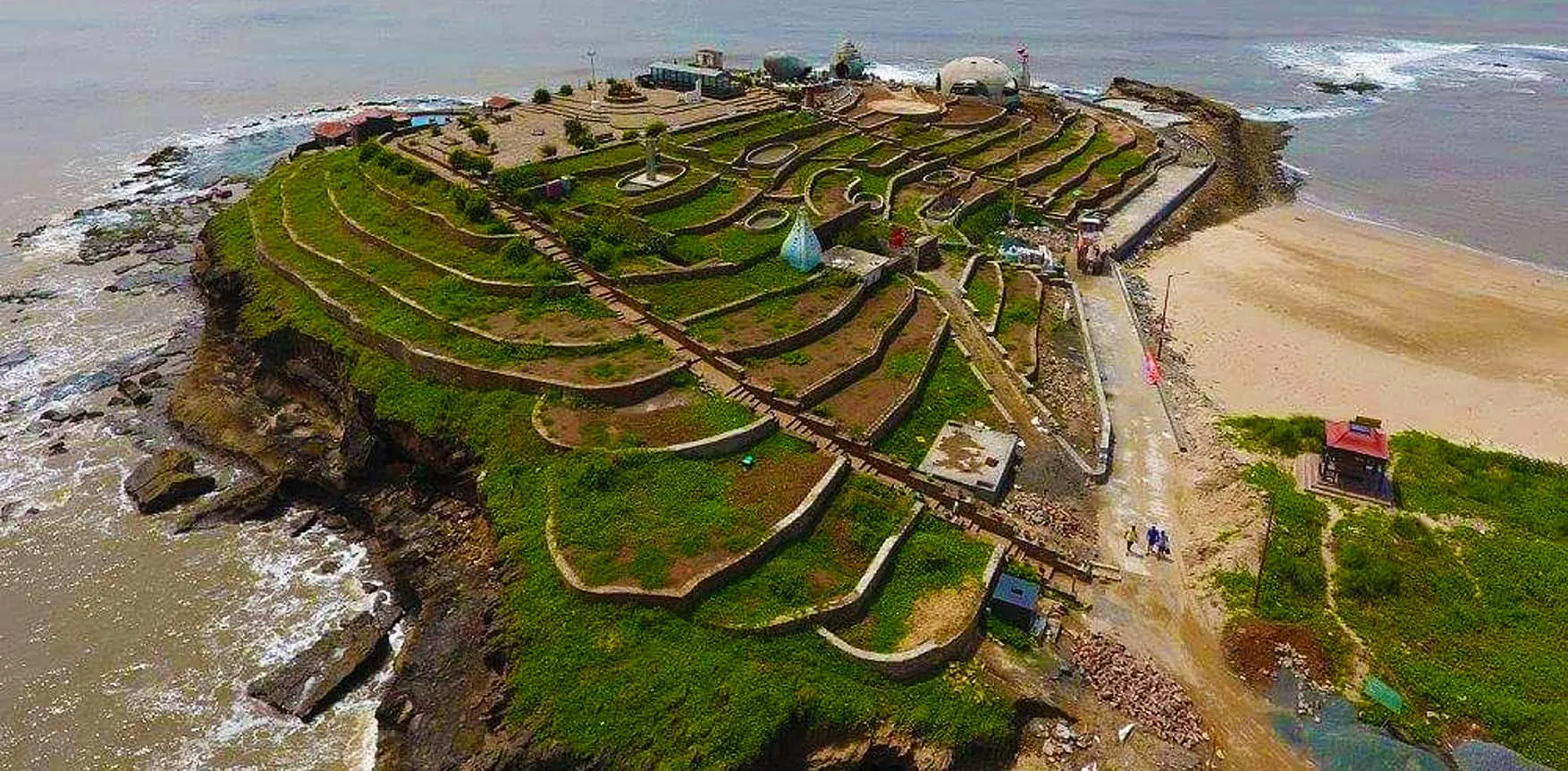
Places to Visit Near Diu: 15 Best Spots
Explore top 15 places to visit near Diu. From beaches to heritage sites, discover perfect getaways within 100 km of Diu island.

Things to Do in Daman Diu: Coastal Activities, Beaches & Family Fun
Explore things to do in Daman Diu with beaches, forts, water sports, heritage circuits, and practical two or three-day itinerary planning tips.
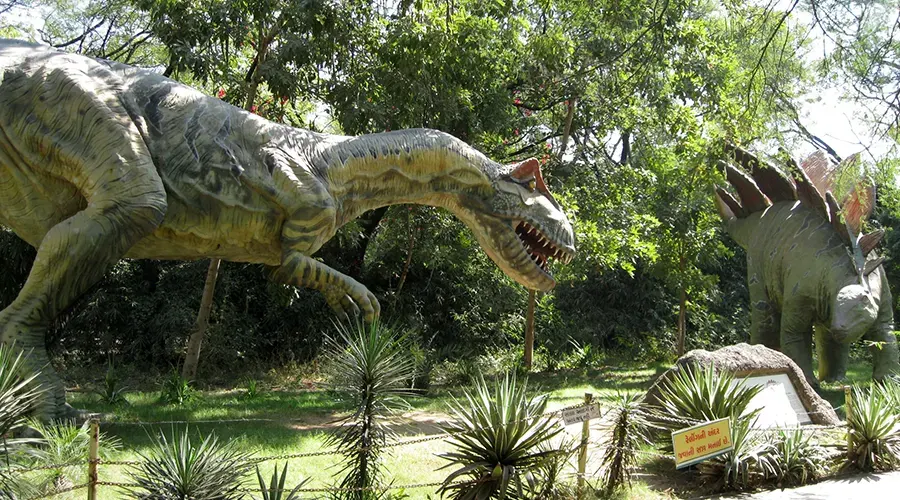
Dinosaur Park Diu: Timings, Entry Fee & Family Activity Tips
Plan your Dinosaur Park Diu visit with realistic expectations, timing guidance, family tips, route options, and nearby attractions for a complete Diu day plan.
Never Miss an Adventure
Get the latest trekking guides, travel tips, and exclusive offers delivered straight to your inbox.
