
Things to Do in Daman Diu: Coastal Activities, Beaches & Family Fun

Rohit Verma
February 20, 2026
Explore things to do in Daman Diu with beaches, forts, water sports, heritage circuits, and practical two or three-day itinerary planning tips.
Introduction
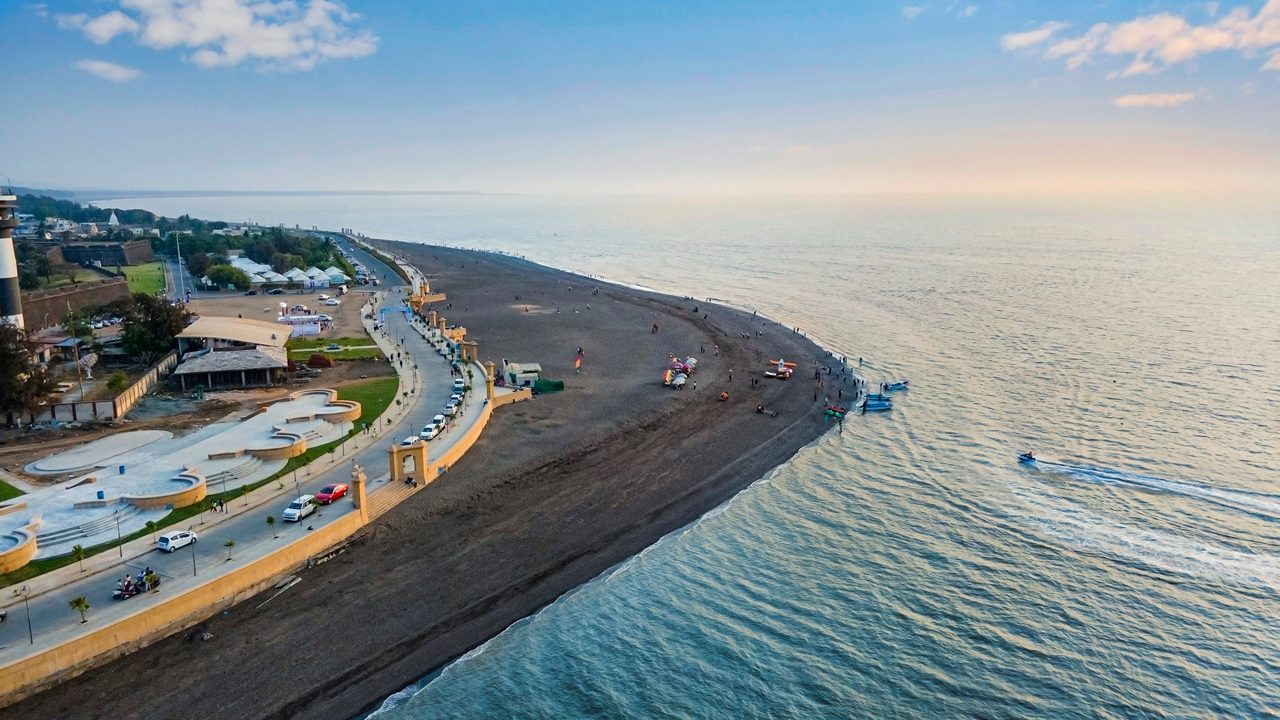
Daman and Diu offer a coastal mix of beaches, forts, Portuguese-era architecture, and easy leisure activities that work well for short vacations. If you are planning things to do in Daman Diu, the best strategy is to treat the destination as two complementary experiences: Daman for relaxed beach-town rhythm and Diu for stronger heritage and activity variety. This makes your route more meaningful than random spot-hopping.
This guide is designed for families, couples, and road-trip travelers looking for practical planning, not just attraction lists. You will find day structures, beach use tips, activity sequencing, and realistic time expectations. For more location-specific planning, also see Daman Diu activities and places to visit in Daman and Diu.
Daman Beaches and Fort Zones
Daman is good for unhurried beach sessions and short heritage stops. Jampore and Devka are commonly visited, but each should be treated differently based on time of day and tide conditions. Early morning and sunset windows usually provide the best comfort for walking and shoreline activities.
Forts and old-town structures add historical context and are useful for mid-day sightseeing when beach heat is higher. If you enjoy architecture and photography, reserve one full heritage block in Daman before moving onward.
Avoid planning all beach activity in noon hours. Heat and crowd pressure can reduce experience quality significantly.
Diu Beaches and Landmark Circuit
Diu generally offers stronger activity depth with beaches, fort visits, and scenic points in manageable driving distance. Nagoa Beach is often the busiest and suitable for action-led sessions, while quieter stretches can work better for couples or low-crowd travelers.
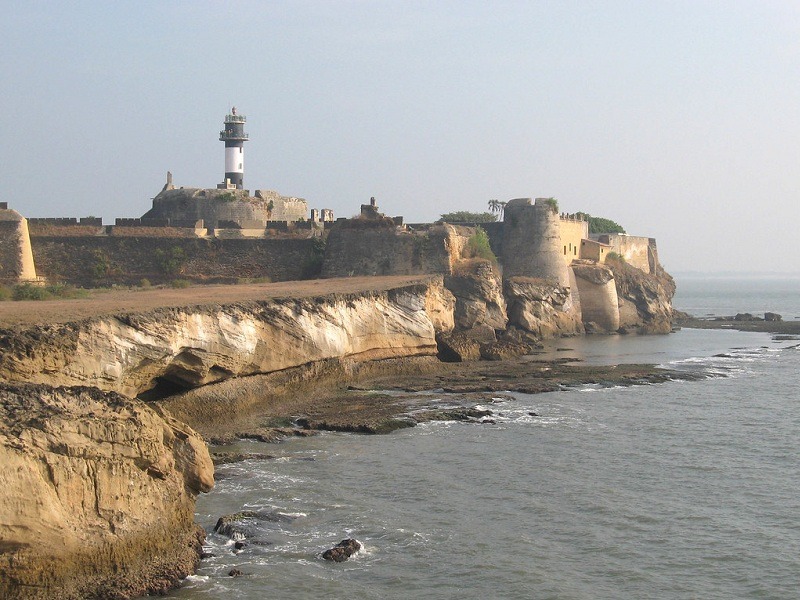
Diu Fort and associated viewpoints are must-do stops for first-time visitors. Allocate enough time for exploration and photography, not just gate-level photos. Naida Caves and temple points in the area can be added for a balanced day.
Water Sports and Beach Activities
Water activities in Diu can include jet ski, banana rides, parasailing windows, and other seasonal options based on operator availability. Always verify safety gear, ride duration, and inclusions before payment. Lower pricing without clarity can lead to poor value.
Families with children should keep one controlled activity window instead of multiple back-to-back rides. For group travel, split high-intensity and low-intensity slots to keep everyone comfortable. Hydration and sun care are essential throughout coastal days.
Portuguese Heritage and Cultural Stops
Portuguese influence is visible across churches, fortifications, and some settlement architecture. These are not only visual stops but also valuable for understanding local history and identity. Add one church visit and one fort/museum style stop in your route for context beyond beaches.
If culture is a priority, combine heritage points with local food exploration in nearby town centers. This pairing gives a more complete destination experience.
Temples and Spiritual Places
Regional temples and spiritual stops around Daman-Diu offer quiet breaks between activity blocks. These spaces are usually best visited in cooler hours. Follow local etiquette for dress and photography, and keep visits respectful and low-noise.
Spiritual stops can also work as low-fatigue alternatives when beach conditions are windy or crowded.
Food, Cafes, and Local Markets
Food in Daman-Diu can be split into seafood-focused meals, Gujarati-influenced options, and comfort dining for mixed groups. A practical approach is to keep one destination-specific meal each day and use lighter meals around beach activities.
For shopping, expectations should stay realistic. Local market browsing is more about souvenirs and small regional purchases than major retail. Use evenings for food and market walks after sun exposure hours.
Best Time to Visit Daman and Diu
Post-monsoon to winter is usually the most comfortable period for beach and outdoor activity planning. Summer travel is possible with early/late day scheduling and stronger hydration planning. Monsoon can offer greenery but may reduce water-sport reliability.
Check local updates for activity availability if your itinerary depends heavily on marine rides.
2-Day and 3-Day Itinerary Model
| Duration | Suggested Plan |
|---|---|
| 2 Days | Day 1 Daman beaches + fort, Day 2 Diu fort + beach + caves |
| 3 Days | Add water sports block, heritage depth, and slower food evening |
Keep transfer buffers between Daman and Diu segments, especially if traveling with family.
Budget and Planning Tips
- Budget day: INR 1,800-3,200 with local stays and basic sightseeing
- Mid-range day: INR 3,500-6,500 with activity add-ons and better transport
- Premium day: INR 7,500+ with curated stays and private movement
Total cost depends on intercity transfers, activity count, and stay category. Book high-demand weekends early.
Common Mistakes to Avoid
One common error is overfocusing on beaches and skipping heritage points that define destination identity. Another is poor sun-time management, leading to fatigue and shorter active windows. Plan activity-heavy segments in morning or late afternoon.
Also avoid tight same-day transfers between distant points without accounting for road and check-in delays.
Daman and Diu Split Planning: What to Do First
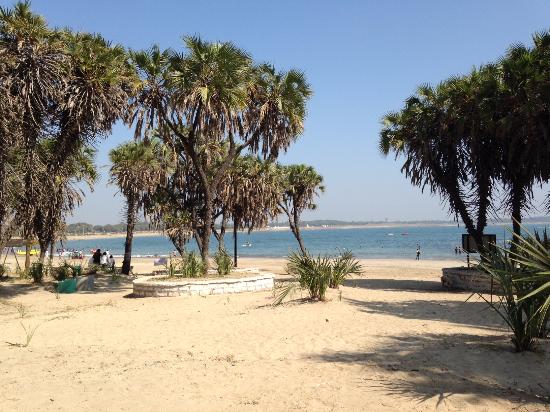
A common planning problem is trying to treat Daman and Diu as one compact walking destination. In practice, they work better as two linked but distinct segments. Start with Daman if you want a relaxed opening with beach promenades and fort views, then transition to Diu for deeper sightseeing and activity variety. This order keeps energy high and avoids ending the trip with rushed logistics.
If you have only two days, keep one full day in each zone. If you have three days, use the third day for either Diu activity depth or slower coastal recovery time in Daman based on your travel style. Couples often prefer sunset and dining-heavy schedules, while family groups tend to benefit from morning activity and afternoon downtime patterns.
Beach-Time Management for Better Experience
Not all beach hours are equally useful. Midday can be harsh, crowded, and less enjoyable for long exposure. Plan core beach sessions in morning or late afternoon and shift heritage or meal blocks to noon. This simple timing adjustment improves comfort, photography quality, and activity capacity across the day.
For water sports, book one high-priority activity first and keep alternatives as optional add-ons. If weather or sea conditions shift, your day remains functional without stress. Always verify operator inclusions and avoid making same-day decisions under time pressure in crowded zones.
Food, Night Rhythm, and Recovery
Coastal trips are better when meals are strategically placed around activity windows. Keep pre-activity meals light, add hydration through the day, and reserve one relaxed evening meal for local seafood or regional specialties. Avoid heavy back-to-back dining and late-night mobility on unfamiliar stretches.
A short post-sunset walk in a safe and active zone is usually more satisfying than forcing another major attraction. Daman-Diu travel rewards pacing and repetition of quality moments over aggressive coverage.
3-Day Compact Model
Day 1: Daman beach + fort + evening local dining.
Day 2: Diu Fort + Naida area + Nagoa sunset.
Day 3: Water sports or slow coastal day + market and departure prep.
This model balances heritage, beach, and leisure without excessive transitions.
Coastal Comfort Strategy for Better Trip Quality
Daman-Diu itineraries improve when comfort planning is treated as seriously as sightseeing. Heat, sun, and repeated beach movement can reduce energy quickly, especially for families. Keep hydration, shade breaks, and light meals integrated throughout the day. This preserves your ability to enjoy late-afternoon and evening windows, which are often the most scenic and social.
Road-trip travelers should verify fuel, parking options, and check-in timelines before beach blocks. Small logistic oversights can consume valuable sunset hours. Couples and solo travelers can optimize by picking one signature sunset point and one high-quality dinner each day rather than hopping between multiple average spots.
If you are visiting during high-demand weekends, pre-book stays and primary activities early. Last-minute decisions in coastal zones often reduce both quality and value. A simple pre-trip checklist for transport, activity windows, and meal anchors can make the destination feel much smoother.
Family-Friendly Planning Notes
Daman-Diu works well for family trips when each day has one major activity and one lighter scenic block. Children usually enjoy short beach windows, controlled water activities, and open evening walks. Seniors often prefer fort viewpoints, temple stops, and quieter coastal stretches during cooler hours.
Keep your itinerary adaptable and avoid long midday movement in peak heat. If your group is mixed-age, assign a central rest location and rotate optional activities around it. This model avoids fatigue and keeps coordination easy.
A paced, comfort-first approach typically delivers better memories than high-density sightseeing in coastal conditions.
If you are driving between zones, schedule one fixed refuel and refresh halt. Small planned pauses reduce stress and keep beach and heritage sessions enjoyable through the day.
For best results, treat Daman-Diu as a coastal reset, not a race. Keep mornings active and evenings scenic, with midday reserved for heritage or meal breaks. This simple structure improves comfort and keeps your group engaged through the trip. If you are traveling with friends, pre-assign planning roles: one person for transport, one for activities, one for meals. Role clarity reduces confusion on busy beach days. In shoulder season, always keep a backup indoor or low-wind option so weather does not waste your day. The destination rewards flexible, comfort-led travel far more than rigid schedules.
Conclusion
The best things to do in Daman Diu come from combining beaches, marine activities, heritage structures, and realistic movement planning. When you treat Daman and Diu as complementary zones, the trip feels richer and less repetitive.
Use a two- or three-day structure, choose one signature activity each day, and keep seasonal flexibility for a smooth and enjoyable coastal itinerary. For more travel inspiration, see our guide on Nani Daman. For more travel inspiration, see our guide on Diu's beaches. For longer stays near the coast, villa stays in Daman is worth considering as an alternative to standard hotel bookings.
Location
Frequently Asked Questions
Q1.How many days are enough for Daman and Diu?
Q2.What are top things to do in Daman and Diu?
Q3.Which beaches are best in Diu?
Q4.Is Daman and Diu good for families?
Q5.When is the best time to visit Daman and Diu?
Q6.Can we do water sports in Diu?
Q7.Is there heritage sightseeing beyond beaches?
Q8.How should I split Daman and Diu in one trip?
Recommended For You
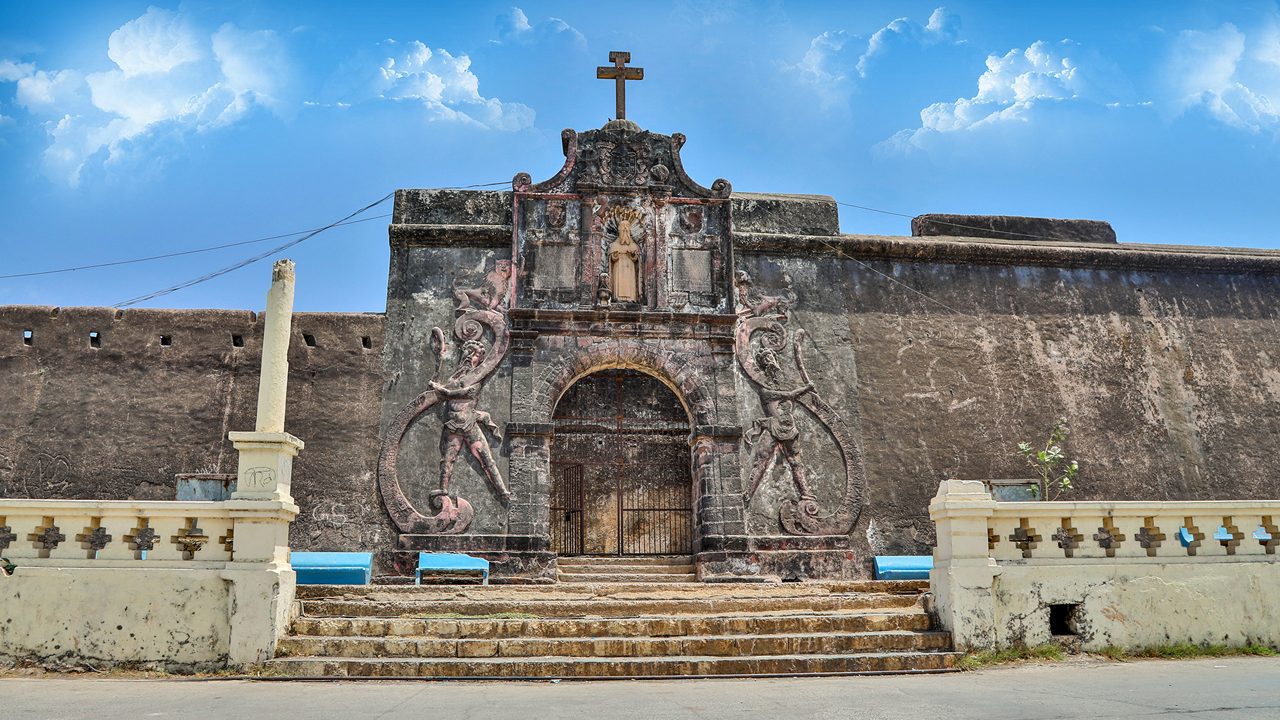
St Jerome Fort Daman: History, Timings & How to Visit
Explore St Jerome Fort in Daman with complete details on history, architecture, timings, how to reach, and nearby attractions for a practical heritage visit.
Nightlife in Daman and Diu: Complete Nightlife Guide 2026
Complete nightlife guide to Daman and Diu - beaches, bars, parties, casino, beach dining & practical tips. Compare Daman vs Diu nightlife scenes.

St Paul Church Diu: Complete Guide to Timings, History & Mass
Detailed St Paul Church Diu guide covering Portuguese history, architecture, service timings, visiting rules, and nearby attractions.
Never Miss an Adventure
Get the latest trekking guides, travel tips, and exclusive offers delivered straight to your inbox.
