
St Paul Church Diu: Complete Guide to Timings, History & Mass

Neha Kapoor
February 18, 2026
Detailed St Paul Church Diu guide covering Portuguese history, architecture, service timings, visiting rules, and nearby attractions.
Introduction: Diu's Most Iconic Historic Church
St Paul Church in Diu is one of the most visually striking reminders of Portuguese ecclesiastical heritage on India's western coast. Travelers searching for this church generally want accurate timing details, historical context, and practical visit guidance. The church delivers on all three fronts: spiritual relevance, architectural value, and easy inclusion in Diu sightseeing plans.
Unlike many heritage structures that function only as monuments, St Paul Church remains closely tied to living religious practice. This blend of active faith and preserved design is what makes it a must-visit in Diu.
History and Heritage Context
St Paul Church emerged during the Portuguese colonial period and reflects Jesuit missionary influence in Diu. Over centuries, it has remained a religious anchor while also becoming a heritage attraction for architecture and history enthusiasts. The church is frequently cited among the most important colonial-era religious structures in the region.
Its historical value lies not only in age but in continuity. The church has remained relevant to worshipping communities while surviving shifting political and urban landscapes.
Architecture and Design Highlights
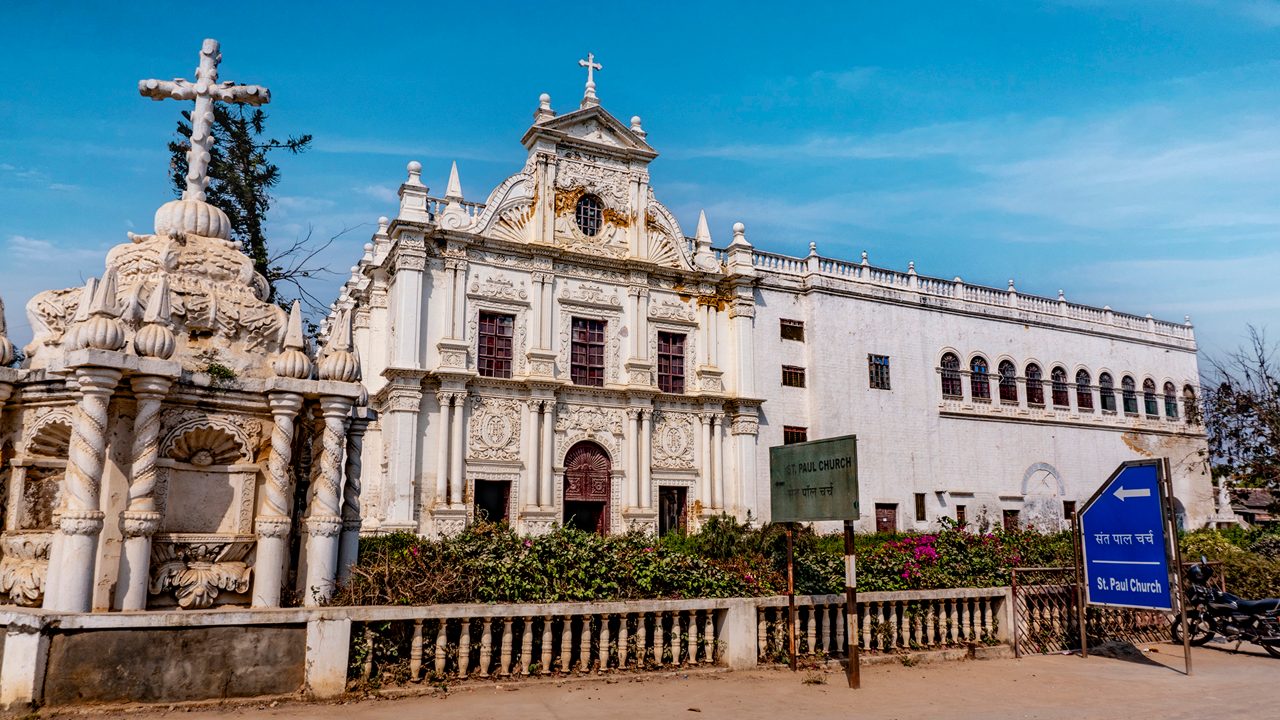
The architecture of St Paul Church is celebrated for ornate detailing, baroque influence, and distinctive facade treatment. Visitors often focus on the exterior first, but the interior craftsmanship is equally important.
| Architectural Element | What to Notice | Significance |
|---|---|---|
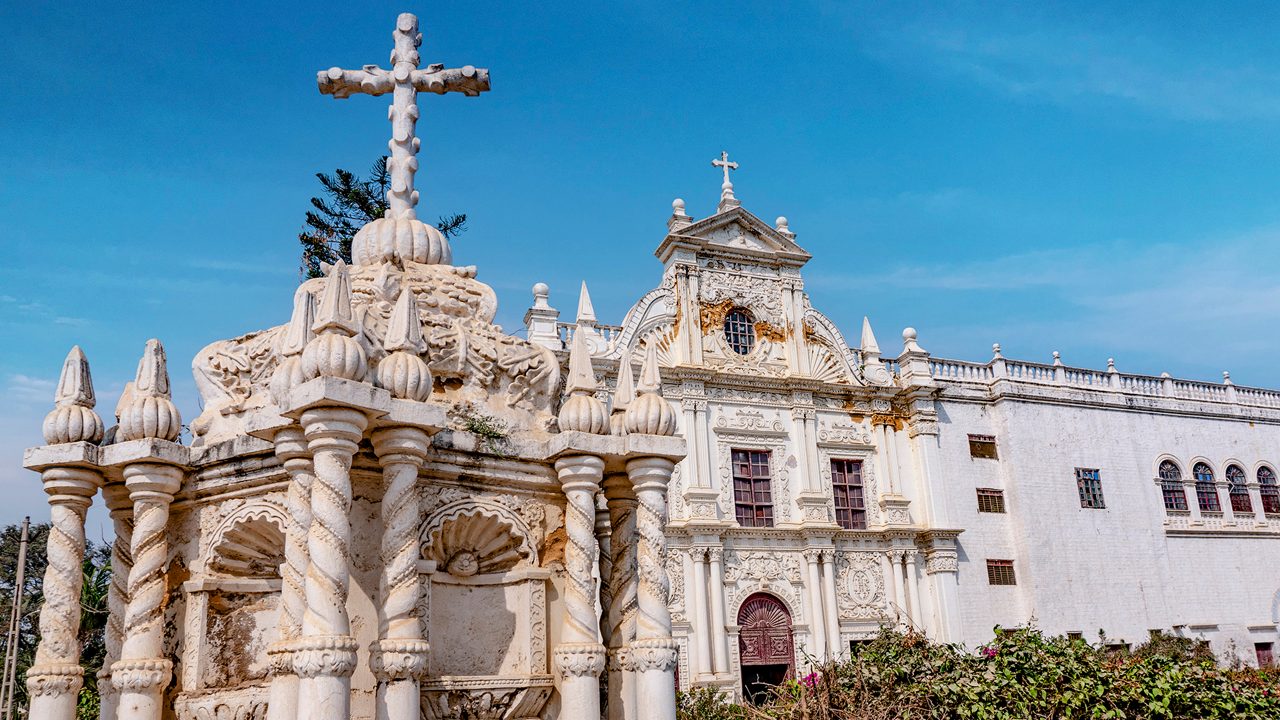
| Facade ornamentation | Layered decorative treatment and sculptural motifs | Classic Indo-Portuguese church identity |
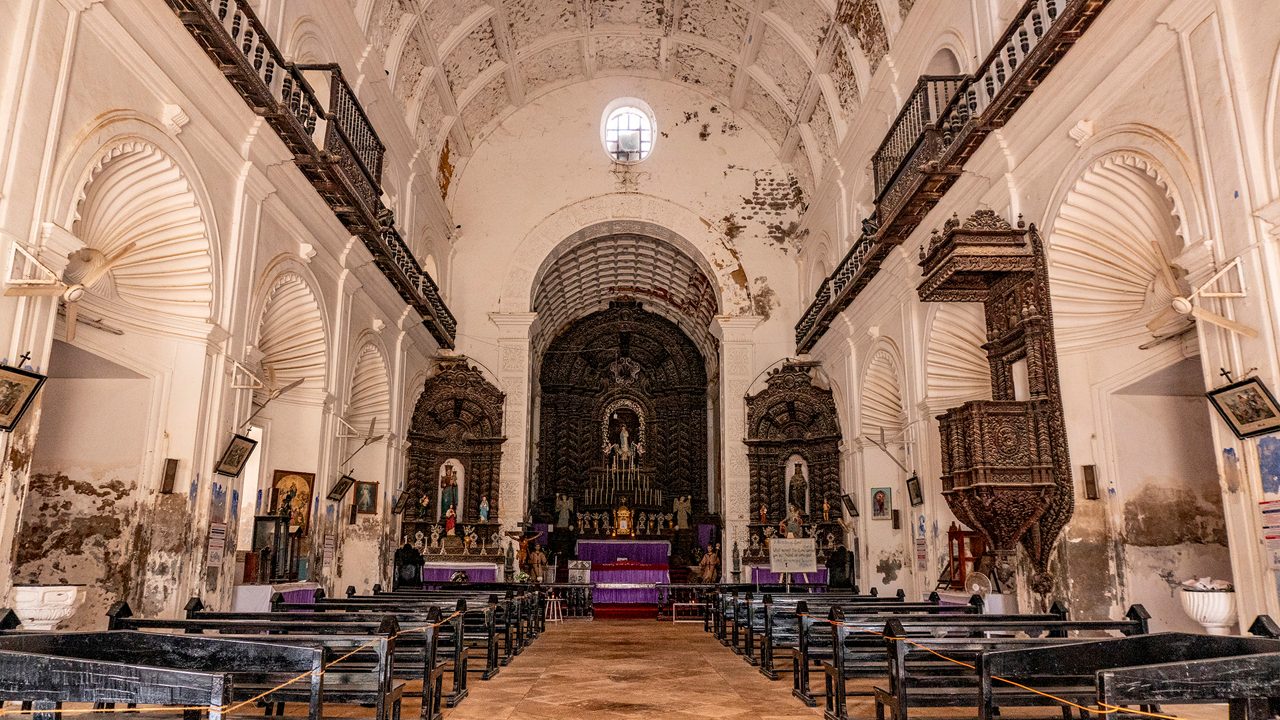
| Interior altar zone | Detailed carving and sacred focal design | Liturgical and artistic value |
| Vault and arches | Spatial rhythm supporting worship acoustics | Functional + aesthetic balance |
| White exterior profile | Strong visual contrast in coastal light | Distinctive heritage character |
Photographers should plan for softer morning light to capture facade depth without harsh shadow flattening.
Interior Artwork and Spiritual Atmosphere
The interior includes devotional art, carved sections, and prayer-oriented layout that encourages quiet reflection. Even for non-religious visitors, the space is deeply atmospheric. This is not a hurried stop; it is best experienced slowly, with time for observation and silence.
- Carved altar and decorative sacred elements
- Traditional pew-based prayer arrangement
- Natural light patterns that enhance contemplative mood
- Living worship context, not only museum value
Religious Services and Mass Timings
Mass schedules can vary with season and church calendar. Sundays and festival periods usually have stronger attendance. If you plan to attend service, verify timing locally before travel and arrive early to avoid disrupting prayer flow.
| Service Window | Typical Pattern | Visitor Guidance |
|---|---|---|
| Sunday service | Primary weekly congregation | Arrive early and dress modestly |
| Weekday prayers | Lower footfall | Good for calm visits |
| Festival services | Higher participation | Confirm exact schedule beforehand |
Tourists can usually enter respectfully. Silence and decorum are expected during active services.
Visiting Information: Entry, Etiquette, and Planning
St Paul Church is generally easy to visit and can be combined with broader Diu circuits in the same day. Keep attire modest, avoid loud behavior, and follow photo restrictions where indicated.
- Entry rules may vary by event or service timing
- Keep phone silent inside prayer zones
- Avoid flash during service periods
- Respect restricted areas and liturgical arrangements
If you want a larger heritage-church route, combine with churches in Daman and Diu and Dominican Monastery Daman.
How to Reach St Paul Church in Diu
Local transport access in Diu is straightforward via cabs, auto options, and rented two-wheelers. Most travelers include the church in city touring loops that also cover fort and beach points.
- Use local taxi/auto for direct access
- Two-wheeler rental works well for flexible schedules
- Keep buffer for service-time crowd movement
Nearby Attractions and Suggested Circuit
You can combine St Paul Church with key Diu points in one compact route.
- Diu Fort
- Local coastal viewpoints
- places to visit in Daman and Diu
For religious architecture comparisons beyond Diu, see St Thomas Cathedral Mumbai.
Final Take
St Paul Church Diu is one of the most rewarding faith-and-heritage visits in the region. It offers architectural richness, living spiritual practice, and easy travel accessibility. Plan respectfully, verify service timings, and spend enough time inside to appreciate both art and atmosphere.
Colonial Context and Regional Identity
To fully appreciate St Paul Church Diu, place it within the broader Indo-Portuguese coastal history of western India. Diu's strategic location made it a key maritime and religious contact point, and churches here reflect a layered exchange of faith, administration, and architecture. St Paul Church stands out because it preserved both liturgical identity and artistic character through changing historical eras.
Unlike purely museumized monuments, the church remains embedded in living community memory. This continuity gives visitors a rare chance to experience history not as a static exhibit but as a still-functioning sacred environment.
How to Read the Church Architecture During Visit
Most visitors photograph the facade and leave quickly. A better strategy is to spend time on design transitions: exterior ornament rhythm, doorway composition, altar framing, and material treatment in interior surfaces. These details reveal craftsmanship and theological symbolism that are easy to miss in quick walkthroughs.
- Observe facade depth in morning side-light.
- Compare interior carving style with exterior restraint.
- Read spatial movement from entrance to altar.
- Note how natural light shapes sacred focus.
If you enjoy heritage architecture, this site deserves at least 45-60 minutes of attentive exploration.
Attending Mass: Practical and Respectful Participation
Visitors interested in attending mass should confirm current schedule locally and arrive early enough to avoid movement during key prayer moments. Keep behavior quiet, avoid casual tourism gestures during liturgy, and follow instructions from church staff or parish volunteers. Even non-Christian visitors are generally welcome when respectful decorum is maintained.
Festival periods and special observances can draw larger congregations, so buffer time and patience are important. If your priority is interior photography, choose non-service windows.
Building a Diu Heritage Circuit Around St Paul Church
A good half-day route includes St Paul Church plus one fort-side heritage stop and one coastal viewpoint. This balances religious history, colonial architecture, and Diu's scenic identity. Keep transit gaps short and avoid mid-afternoon heat for outdoor-heavy segments.
Travelers who prefer church architecture can extend the circuit to additional religious landmarks in the region, while family groups can combine this with beach and promenade windows for a mixed-day plan.
Responsible Visiting and Preservation
Historic religious sites are vulnerable to crowd behavior, especially during peak seasons. Avoid touching carvings, do not lean on fragile structures, and never leave waste in church surroundings. Respecting worship schedules and preservation boundaries helps ensure that St Paul Church remains both spiritually active and architecturally intact for future generations.
Photography Etiquette and Visual Documentation Tips
St Paul Church is highly photogenic, but responsible photography is essential in active worship settings. Use silent mode, avoid blocking pathways, and never direct people during prayer for staged shots. Best visual results usually come from patient framing at side angles rather than standing in the center aisle. If you are documenting details, capture wide composition first, then move to carvings and altar zones where permitted.
During high-attendance service windows, keep camera use minimal and prioritize spiritual decorum. A respectful visit creates a better experience for everyone and helps preserve the church's sanctity.
Visiting with Family and Senior Travelers
Families should plan around cooler hours, carry water, and include short sitting breaks during heritage circuits. Senior travelers often benefit from direct cab drop-offs and fewer back-to-back attraction stops. Keep your church visit paired with one nearby attraction instead of stacking many locations. This improves comfort and allows meaningful time inside the church rather than hurried entry-exit movement.
If your day includes beaches or fort routes, keep the church visit earlier when attention and energy are higher.
Why St Paul Church Remains Culturally Important
St Paul Church is not only a tourist site; it is a continuing symbol of Diu's layered cultural memory. It represents faith continuity, architectural craftsmanship, and coastal historical exchange. Visiting it thoughtfully helps travelers move beyond postcard tourism and engage with deeper local history.
For heritage learners, St Paul Church also offers an accessible case study in how coastal colonial-era religious architecture adapted to local conditions over time. Material choices, maintenance patterns, and community usage all reflect living adaptation rather than frozen museum preservation. This is why the church remains relevant for both pilgrims and architecture students.
If you plan to visit during weekends or holiday periods, arrive early and keep your route flexible. Heritage church visits are most meaningful when you can move slowly, observe details, and participate respectfully in the atmosphere of faith. Build your day around quality engagement rather than quantity of stops, and St Paul Church will stand out as one of the most rewarding cultural experiences in Diu.
To make the visit more meaningful, spend a few extra minutes in silence after your visual walkthrough. This pause often changes how travelers connect with both the spiritual and historical value of the church.
Visitors who combine patience, respect, and curiosity usually experience St Paul Church not just as a monument, but as a living bridge between devotion and history in coastal Diu.
Location
Frequently Asked Questions
Q1.What is St Paul Church in Diu famous for?
Q2.When was St Paul Church Diu built?
Q3.What are the opening hours of St Paul Church?
Q4.Is there an entry fee at St Paul Church Diu?
Q5.Can tourists attend mass at St Paul Church?
Q6.How do I reach St Paul Church in Diu?
Q7.Is photography allowed inside the church?
Q8.What should I wear while visiting St Paul Church?
Recommended For You
Three Kings Church Goa: Local Legend, Feast Date & Route
Explore Three Kings Church in Cansaulim, Goa with its famous legend, Epiphany feast context, route details, nearby attractions, and practical visit tips.
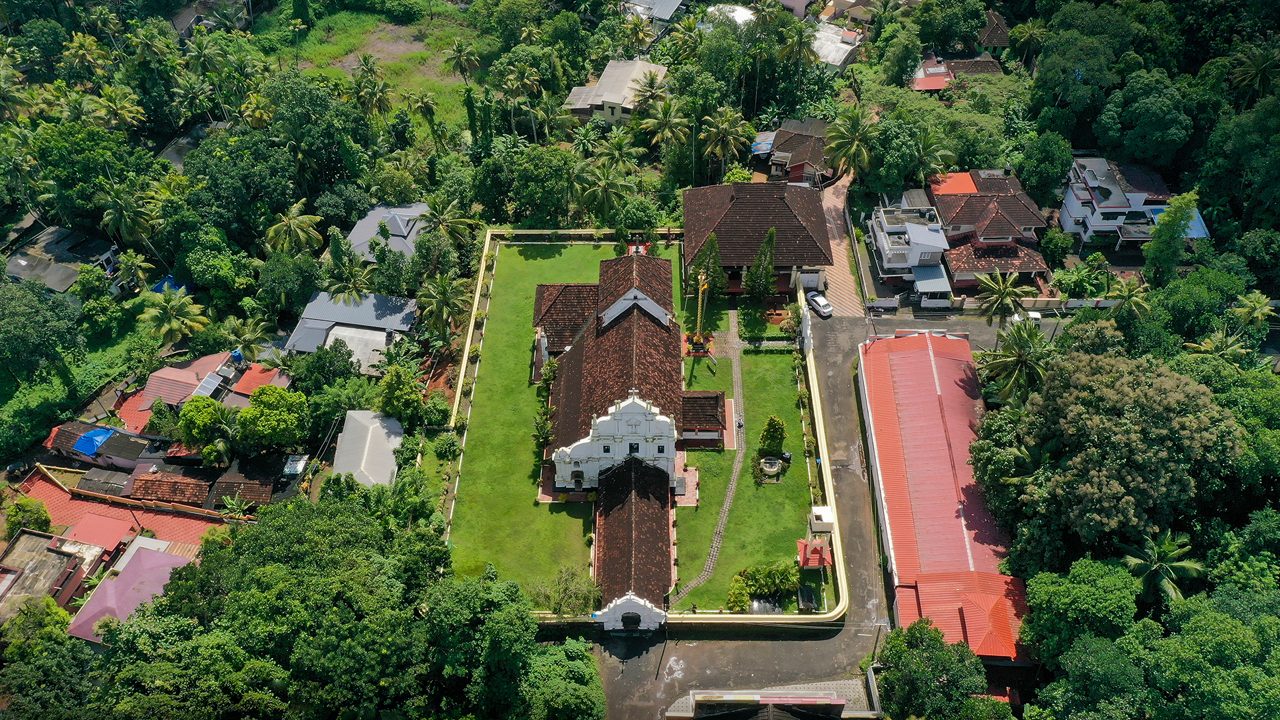
Churches in Kerala: Famous, Historic & Pilgrimage Sites
Explore famous and historic churches in Kerala with spiritual context, route planning, and practical travel etiquette tips.
St Thomas Cathedral Mumbai: Timings, Mass & History
A complete visitor guide to St Thomas Cathedral Mumbai covering history, architecture, mass timings, services, and nearby heritage attractions.
Never Miss an Adventure
Get the latest trekking guides, travel tips, and exclusive offers delivered straight to your inbox.
