
Durga Puja in West Bengal: Major Pandals, Timings & Travel Plan

Priya Mehta
November 15, 2025
Experience Durga Puja in West Bengal - Kolkata pandals, rituals, dates & travel guide. Discover the grandest festival with culture, food & festivities.
Introduction: The Grandest Festival of Bengal
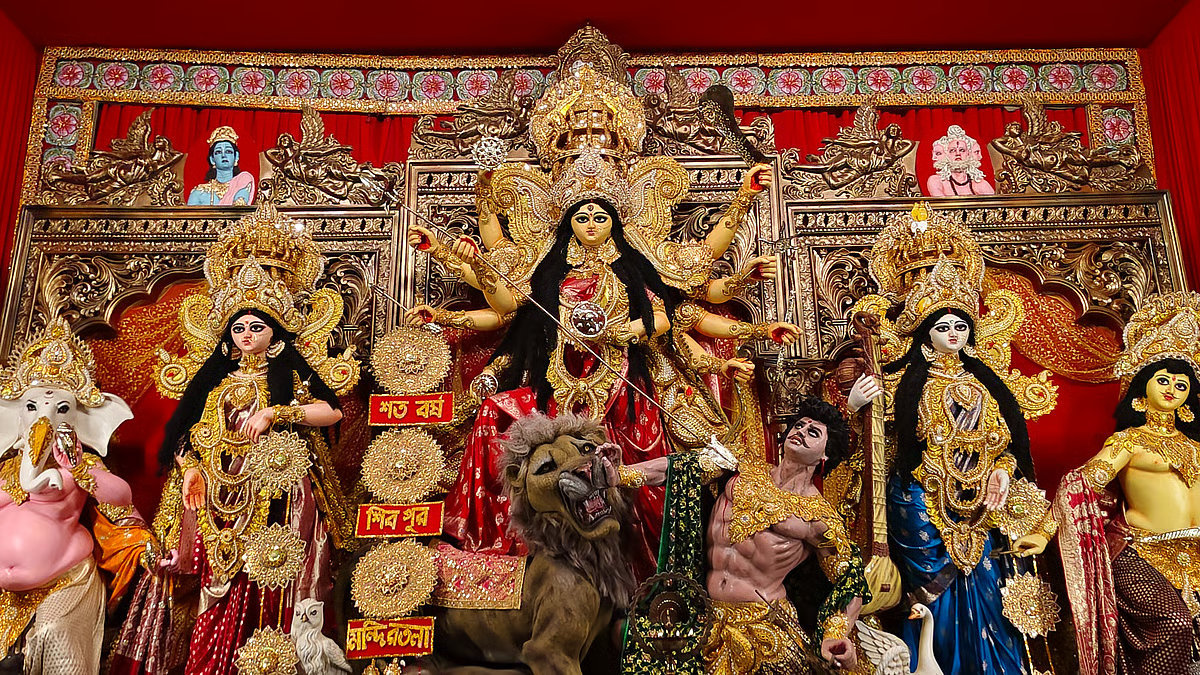
Durga Puja in West Bengal is not merely a religious festival - it is an emotion that defines Bengali identity and culture. Celebrated with unparalleled grandeur and passion, this five-day festival transforms the entire state into an open-air art gallery, a culinary paradise, and a cultural extravaganza. In 2021, UNESCO recognized Durga Puja in Kolkata as part of the Intangible Cultural Heritage of Humanity, cementing its global significance as one of the world's most spectacular cultural celebrations.
What makes Durga Puja in West Bengal truly special is its unique blend of religious devotion, artistic expression, and community bonding. Unlike in other parts of India where Navratri is observed privately at home, in Bengal, Durga Puja is essentially a community celebration where entire neighborhoods come together to create magnificent pandals (temporary temples), organize cultural programs, and welcome the goddess with open hearts. The streets come alive with magnificent pandals, the sound of dhak (traditional drums), the aroma of delicious Bengali cuisine, and millions of people dressed in their finest traditional attire.
About Durga Puja: Significance & History
Durga Puja celebrates the victory of Goddess Durga over the buffalo demon Mahishasura, symbolizing the triumph of good over evil. According to Hindu mythology, the gods created Goddess Durga by combining their divine powers to defeat the invincible Mahishasura who was terrorizing the heavens and earth. Armed with weapons from all gods and riding a lion, she fought the demon for nine days and nights, finally slaying him on the tenth day.
The festival has a rich historical evolution in Bengal. What began as family pujas (bonedi barir pujo) in the homes of wealthy zamindars and merchant families in the late 18th century gradually transformed into community celebrations (sarbojanin puja) by the early 20th century. This shift made Durga Puja more accessible to the masses and became a platform for expressing Bengali cultural identity during the colonial period. Today, while traditional family pujas continue to maintain their heritage charm, community pandals have evolved into spectacular art installations that often convey social messages.
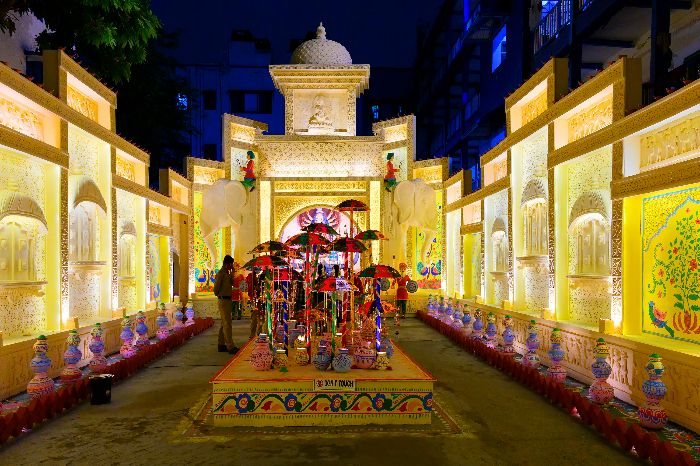
The economic impact of Durga Puja in West Bengal is staggering. The festival generates crores of rupees in revenue, providing employment to thousands of artisans, craftsmen, musicians, caterers, and small businesses. Kumartuli in North Kolkata becomes a hive of activity months in advance as artisans work tirelessly to create exquisite clay idols. Each pandal spends lakhs on decoration, lighting, and organization, contributing to a massive carnival-like atmosphere that engulfs the entire state.
Durga Puja Dates & Schedule
Durga Puja follows the lunar calendar and typically falls in September or October. The festivities begin with Mahalaya, which marks the beginning of Devi Paksha and the invitation to Goddess Durga to descend to Earth. This is followed by the six main days of Puja:
| Day | Name | Significance |
|---|---|---|
| Day 1 | Sasthi | Bodhon (invocation ceremony) - unveiling of the idol face |
| Day 2 | Saptami | First day of formal worship - Kola Bou ritual |
| Day 3 | Ashtami | Most auspicious day - Sandhi Puja and Kumari Puja |
| Day 4 | Navami | Final day of worship - Bhog distribution |
| Day 5 | Dashami | Vijaya Dashami - Sindoor Khela and immersion |
For those planning to visit, the best time to experience Durga Puja is from Saptami to Navami when the celebrations are at their peak. Ashtami is particularly significant with the Sandhi Puja performed at the precise moment when Durga killed Mahishasura. The exact dates change each year based on the lunar calendar, so verify with the Bengali calendar for the current year's schedule.
Best Places to Experience Durga Puja in West Bengal
Kolkata: The Epicenter
Kolkata is undoubtedly the heart of Durga Puja celebrations. The city transforms completely during these five days, with thousands of pandals competing for attention and awards. The city is divided into several regions, each offering a unique experience:
North Kolkata: This is where traditional Bengali culture comes alive. North Kolkata is famous for its bonedi barir pujos - traditional family pujos that have been celebrated for centuries in the ancestral homes of zamindar families. The Hidden Gems of Kolkata include these heritage pujos at houses like Sovabazar Rajbari, Hatkhola Dutta Bari, and Thanthania. The atmosphere here is more intimate, with age-old rituals being followed with precision. The idol craftsmanship in traditional style (ekchala) and the use of sholar work (traditional decoration using sponge wood) make these pandals special.
South Kolkata: Home to some of the most creative theme pandals, South Kolkata is known for pushing artistic boundaries. Areas like Behala, Jadavpur, and Gariahat see pandals that are more like contemporary art installations. These pandals often work on themes ranging from environmental conservation to social issues, using innovative materials like recycled products, metal scraps, and even food items. The competition here is fierce, with pandals spending crores to create something unique that will attract visitors and win awards.
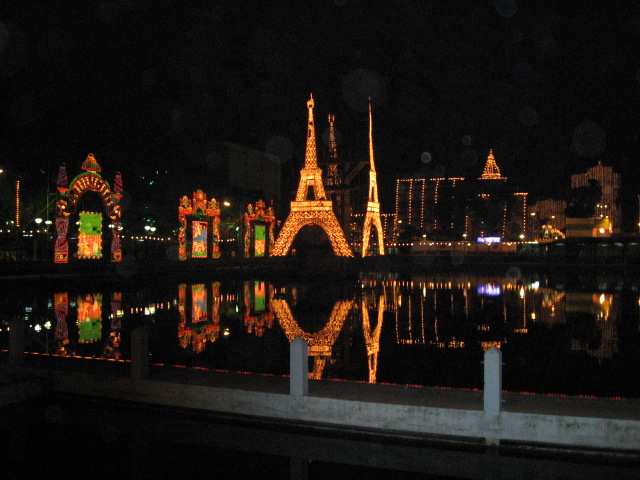
Central Kolkata: The heart of the city sees the largest crowds and some of the most popular pandals. Areas around Mohammad Ali Park, College Square, and Bagbazar attract massive footfalls. College Square is particularly famous for its stunning lighting reflection on the water body, creating a magical atmosphere that draws photographers and visitors alike.
Other Cities in West Bengal
While Kolkata dominates, other cities in West Bengal have their own distinctive Durga Puja character:
Siliguri: The largest city in North Bengal has emerged as a major destination for Durga Puja enthusiasts. Known for its well-organized pandals and excellent crowd management, Siliguri offers a more relaxed experience compared to Kolkata's overwhelming crowds. The pandals here are known for their creativity and often draw inspiration from North Bengal's cultural heritage.
Asansol & Durgapur: These industrial cities in Bardhaman district celebrate Durga Puja with great enthusiasm. The pandals here are known for their grandeur and innovative themes. Asansol's Hirapur area and Durgapur's City Center host some of the most talked-about pandals in the region.
Burdwan: Known for its traditional celebrations, Burdwan maintains old-world charm with several age-old family pujos and traditional sarbojanin pujos. The city's connection to Bengal's royal past is reflected in the grandeur of its celebrations.
Krishnanagar: Famous for being home to the traditional clay artisans who craft many of Kolkata's idols, Krishnanagar's Durga Puja has a distinct artistic flavor. The city's connection to idol-making traditions makes it a fascinating place to visit for those interested in the artistic aspects of the festival.
Chandannagar: Located near Kolkata, Chandannagar is famous for its spectacular immersion processions. The city's unique tradition of beautifully decorated tableaux during immersion attracts visitors from far and wide. The lighting here is particularly noteworthy, with artisans creating magnificent illuminated structures.
Rural Experiences
For a truly authentic experience, venturing into rural Bengal during Durga Puja can be incredibly rewarding. Village pandals offer a more intimate and traditional celebration, far from the commercialization of city pandals. The experience is more community-centered, with everyone in the village participating in the celebrations regardless of their social or economic status.
Famous villages for Durga Puja include Krishnanagar (for its artisans), Kumartuli (the idol-makers' colony), and various villages in the Bardhaman and Birbhum districts. These rural celebrations are budget-friendly and offer a closer connection to Bengali cultural roots. The atmosphere is less chaotic, more intimate, and deeply rooted in tradition.
Kolkata Pandal Hopping Guide
Pandal hopping is the quintessential Durga Puja experience in Kolkata - walking from pandal to pandal, admiring the art, soaking in the atmosphere, and indulging in street food. Here's a guide to making the most of it:
Famous Pandals (Must-Visit)
Sreebhumi Sporting Club: Located in Salt Lake, Sreebhumi has emerged as one of the most visited pandals in recent years. Known for its spectacular themes and grand execution, this pandal attracts lakhs of visitors. Their attention to detail, from the pandal structure to the lighting, makes it worth the visit despite the massive crowds.
Suruchi Sangha: This New Town pandal is famous for its authentic Rajasthani themes. The club members actually travel to Rajasthan to research and recreate authentic architecture and art. The result is stunningly beautiful and educational, offering visitors a glimpse into another Indian state's culture while celebrating a Bengali festival.
College Square: Perhaps the most iconic pandal in Kolkata, College Square is famous for its spectacular lighting reflected on the adjacent water body. The visual effect is magical, especially at night. Located near Presidency University, this pandal has a heritage feel and attracts enormous crowds.
Md. Ali Park: This massive pandal near the central business district is one of Kolkata's biggest crowd pullers. Known for its grandeur and prime location, Md. Ali Park pandal often features innovative themes and impressive scale.
Kumartuli Park: Located near the idol-makers' colony, this pandal pays tribute to the artisans who create the beautiful idols. The connection to the artistic community gives this pandal special significance. Walking through nearby Kumartuli during Puja offers a fascinating glimpse into the idol-making process.
Jodhpur Park: Known for consistently innovative themes, this South Kolkata pandal is a favorite among those looking for creative expression. The themes often carry social messages, and the execution is usually impressive in its attention to detail.
Pandal Hopping Tips
- Start Early: The best time to start pandal hopping is early morning (6-10 AM) when crowds are thinner, and you can appreciate the pandals at leisure. This is particularly good for families with children and elderly members.
- Plan Your Route: Rather than crisscrossing the city, plan a geographically clustered route. Focus on one area - North Kolkata, South Kolkata, or Central - and explore all pandals there before moving to another zone. This saves time and energy.
- Use the Metro: The Kolkata Metro is your best friend during Puja. It's faster than road transport, which gets choked with traffic. Most major pandal locations are within walking distance of a metro station.
- Wear Comfortable Shoes: You'll be walking - a lot. Comfortable footwear is essential. Pandal hopping can easily cover 5-10 kilometers in a day.
- Carry Water: October in Kolkata can still be humid. Stay hydrated by carrying water. While some pandals offer water, it's better to be prepared.
- Keep Cash: While digital payments are accepted, having cash is useful for donations at pandals, street food, and small purchases. ATMs can have long queues during Puja.
- Download Apps: Several apps provide pandal locations, crowd information, and even pandal hopping routes. These can be incredibly useful for navigation.
Timing Strategy
Morning (6-10 AM): The least crowded time, ideal for families and those who want to see pandals without jostling through crowds. The lighting might not be on, but you can appreciate the pandal structure and idol better.
Afternoon (2-5 PM): Moderate crowds. This is a good time to visit if you don't like mornings. Some pandals might have lunch breaks for rituals, but most remain open. The heat can be a factor though.
Night (8 PM-2 AM): Peak time with electric atmosphere. The lighting is spectacular, cultural programs are in full swing, and the energy is infectious. Expect massive crowds though, and be prepared to wait in long queues.
Traditional vs Theme Pandals
One of the fascinating aspects of Durga Puja in West Bengal is the variety of pandal styles. Understanding the difference between traditional and theme pandals can help you appreciate the artistry involved:
Traditional Pandals
Traditional pandals adhere to time-honored conventions and are often associated with heritage family pujos and older community pujos. Key characteristics include:
- Ekchala Idol: The traditional Durga idol where the goddess and her children are depicted in a single frame or backdrop (ekchala). This style dates back centuries and has specific iconographic conventions.
- Sholar Work: Decoration using sponge wood (shola), a traditional material that creates beautiful white, intricate designs. This art form is unique to Bengal and requires immense skill.
- Dhak Music: The rhythmic beating of dhak (traditional drums) is integral to traditional pandals. The dhakis create an infectious rhythm that defines the Puja atmosphere.
- Timeless Appeal: These pandals prioritize tradition over novelty. The focus is on religious rituals and maintaining customs passed down through generations.
- Heritage Bonedi Barir Pujos: The ancestral family pujos of North Kolkata are the epitome of traditional celebrations. These homes have been conducting Puja the same way for centuries, and visiting them is like stepping back in time.
Theme Pandals
Theme pandals are a more recent phenomenon, gaining popularity from the 1980s onwards. These are contemporary art installations that use Durga Puja as a canvas for creative expression:
- Contemporary Art: Many theme pandals are essentially contemporary art installations created by professional artists. They push boundaries and often wouldn't look out of place in a modern art gallery.
- Social Messages: Theme pandals often carry social or political messages. Recent themes have included environmental conservation, women's safety, communal harmony, and various other contemporary issues.
- Creative Materials: From recycled materials to food items, from glass to metal scrap, theme pandals use innovative materials to create their structures. This experimentation is part of their appeal.
- Modern Technology: LED lighting, projection mapping, and sound design are increasingly used to create immersive experiences at theme pandals.
- Competition for Awards: There are several awards for best pandal, and theme pandals compete aggressively for these. This drives innovation and higher standards of execution.
Rituals & Ceremonies
The rituals of Durga Puja are elaborate and deeply meaningful. Understanding these ceremonies can enhance your appreciation of the festival:
Mahalaya: The beginning of Devi Paksha, usually a week before Durga Puja. On this day, the invitation to Goddess Durga is extended through the chanting of hymns (Mahishasura Mardini Stotra). Radio broadcasts of the famous Mahishasura Mardini program have been a Mahalaya tradition in Bengali households for decades.
Bodhon: Performed on Sasthi (the first day), this is the invocation ceremony where the face of the idol is unveiled. This ritual formally welcomes the goddess and marks the beginning of the Puja.
Kola Bou: An important Saptami morning ritual, Kola Bou involves bathing a banana bride (a banana plant draped in a saree) and placing it next to Ganesha. This represents the bride of Ganesha and is believed to be a symbol of fertility and prosperity.
Saptami Puja: The first full day of worship begins with the Kola Bou ritual and continues with formal prayers and offerings throughout the day. The goddess is invoked in various forms through the day.
Ashtami: The most auspicious day of Durga Puja, Ashtami has several special rituals:
- Sandhi Puja: Performed at the precise juncture of Ashtami and Navami (when the goddess killed Mahishasura), this ritual involves the lighting of 108 lamps and offering of 108 flowers. The atmosphere is electric during this time.
- Kumari Puja: Young girls (usually pre-pubescent) are worshipped as manifestations of the goddess. This ritual celebrates the divine feminine in its purest form.
Navami: The final day of worship includes the distribution of bhog (food offered to the goddess) to devotees. Many pandals organize community meals where thousands are fed. Cultural programs reach their peak on this day.
Dashami - Vijaya Dashami: The final day marks the goddess's return to her celestial abode. Key rituals include:
- Sindoor Khela: Married women apply vermilion (sindoor) on each other and the goddess before her immersion. This ritual celebrates the bond between married women and asks for blessings for their husbands' longevity.
- Visarjan (Immersion): The emotional farewell as the idols are immersed in rivers (traditionally the Ganges). Processions to the ghats are elaborate, with drums, dancing, and chanting.
- Vijaya Dashami: After the immersion, people visit elders and seek blessings. This is also a time for mending relationships and starting afresh.
Food During Durga Puja
No discussion of Durga Puja in West Bengal is complete without mentioning the food. The festival is a culinary extravaganza, and eating your way through Puja is an essential part of the experience.
Bhog and Community Meals
Many pandals distribute bhog (food offered to the goddess) to devotees. This typically consists of khichdi (rice and lentil porridge), mixed vegetables, chutney, and payesh (rice pudding). The bhog at some famous pandals like Bagbazar Sarbojanin and College Square has attained legendary status. Some pandals organize full community meals where thousands sit together and eat.
Street Food
The streets around pandals come alive with food stalls selling Bengali street food favorites:
- Puchka (Panipuri): The quintessential Bengali street food - crispy puris filled with spicy tamarind water, potatoes, and chickpeas. Durga Puja is peak season for puchka vendors.
- Jhal Muri: Puffed rice mixed with mustard oil, spices, onions, and chilies. Light, flavorful, and perfect for snacking while pandal hopping.
- Kathi Rolls: Kolkata's gift to the world - skewer-roasted meat wrapped in paratha. Find the best rolls near major pandals.
- Beguni and Phuluri: Fried snacks made from eggplant and gram flour respectively - perfect monsoon favorites.
- Telebhaja: Assorted fried vegetables and fritters - comfort food during the Puja.
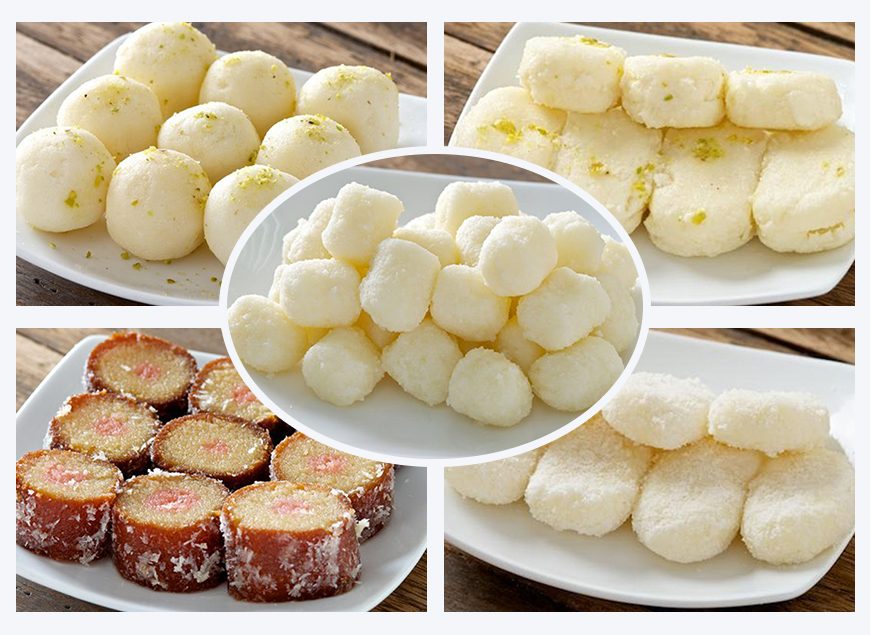
Traditional Bengali Sweets
No Bengali festival is complete without sweets, and Durga Puja is no exception:
- Rosogolla: The quintessential Bengali sweet - soft spongy cheese balls soaked in sugar syrup.
- Sandesh: Delicate sweets made from cottage cheese and sugar, available in countless flavors.
- Mishti Doi: Sweetened fermented yogurt - a Bengali specialty.
- Rasmalai: Cheese dumplings in thickened, sweetened milk.
Famous sweet shops like KC Das, Bhim Nag, Ganguram, and Sen Mahasay create special Puja editions of their sweets. Visiting these historic sweet shops during Puja is a tradition for many Bengali families.
Restaurant Specials
Many restaurants across Kolkata and other cities offer special Puja menus featuring traditional Bengali cuisine. This is the perfect time to try dishes like:
- Luchi-Aloor Dom: Deep-fried breads with spiced potato curry - a Bengali breakfast classic.
- Kosha Mangsho: Slow-cooked mutton curry - the ultimate Bengali comfort food.
- Shorshe Ilish: Hilsa fish in mustard gravy - a seasonal delicacy available during the monsoon and autumn.
- Chingri Malaikari: Prawns in coconut milk curry - a dish influenced by Bengali's coastal heritage.
Travel Tips for Durga Puja in West Bengal
Book Early
Durga Puja is peak tourist season in West Bengal, and prices skyrocket. Here's what you need to book well in advance:
- Flights and Trains: Book 3-4 months ahead for the best prices. Fares can double or triple as Puja approaches.
- Hotels: Accommodation is in high demand, and prices reflect this. Book as early as possible. Consider staying in areas with good metro connectivity for easier pandal hopping.
- Local Transport: If you plan to rent a car with a driver, book early. Reliable drivers are in high demand during Puja.
What to Pack
- Traditional Wear: Durga Puja is the perfect occasion to dress in traditional Indian wear. Men can pack kurta-pajama or dhoti-kurta, while women can pack sarees or salwar suits. Wearing traditional attire helps you blend in and feel part of the celebrations.
- Comfortable Walking Shoes: You'll be walking extensively. Comfortable footwear is non-negotiable.
- Light Rain Gear: October can see occasional rain. A light rain jacket or umbrella is useful.
- Portable Charger: Your phone will get a workout taking photos and navigating. A portable charger is essential.
- Cash: While digital payments are accepted, having cash is always useful, especially during Puja when ATM queues can be long.
Transportation During Puja
Metro: The Kolkata Metro is the most reliable transport during Puja. Special services are often run, and trains run late into the night. Most major pandal locations are within walking distance of metro stations.
Buses: Special Puja bus services are run by the state transport corporation. These can be crowded but are a budget option.
Taxis and Ride-hailing: Taxis are hard to get during Puja due to massive demand and traffic congestion. Uber and Ola are options but expect surge pricing and long wait times.
Walking: For nearby pandals, walking is often the fastest option. The streets are pedestrianized during Puja, making walking pleasant.
Accommodation Tips
- Stay near metro stations for easy connectivity to all parts of the city.
- Consider homestays for a more authentic experience and to see how Bengalis celebrate Puja at home.
- Budget options include guesthouses and budget hotels in areas like Sudder Street and Chowringhee.
- South Kolkata and Salt Lake have good accommodation options and access to excellent pandals.
Photography Tips for Durga Puja
Durga Puja is a photographer's paradise. Here's how to capture the festival beautifully:
Best Time for Photography
- Early Morning: The best time for crowd-free shots of the pandal interiors and idols. The soft morning light is perfect for photography.
- Late Evening: The lighting at pandals is spectacular after sunset. Long exposure shots can capture the magical atmosphere.
- Sandhi Puja: The rituals during Sandhi Puja on Ashtami make for powerful images, especially the 108 lamps ceremony.
What to Photograph
- Crowd Shots: Capture the festive spirit, the energy, and the scale of celebrations.
- Art Details: Close-ups of pandal art, idol craftsmanship, and decorative elements show the skill involved.
- Portrait Shots: People in traditional attire, especially women in sarees and men in dhoti-kurta, make for beautiful portraits (always ask permission).
- Night Photography: Pandal illumination, reflection shots at water bodies like College Square, and the overall fairy-tale atmosphere.
- Rituals: The ceremonies, especially during Sandhi Puja and on Dashami, offer powerful photographic opportunities.
Photography Guidelines
- Respect Rules: Some pandals restrict photography, especially inside the main sanctum. Always respect these rules.
- Camera Passes: Some major pandals require ID for camera entry, especially professional cameras. Carry ID.
- Don't Disrupt: Photography shouldn't disrupt rituals or inconvenience other devotees. Be respectful and mindful.
- Social Media: Use official hashtags when posting. Many pandals have their own hashtags, and using them helps the pandal's visibility.
Durga Puja in West Bengal is more than a festival - it's an emotion, an experience, and a celebration of everything that makes Bengali culture special. From the artistic excellence of pandal makers to the devotion of priests, from the enthusiasm of pandal hoppers to the culinary indulgence, every aspect of this festival contributes to its unique appeal. Whether you're experiencing it for the first time or are a seasoned pandal hopper, Durga Puja in Bengal never fails to captivate and inspire. The festival is a testament to the power of community, art, and faith coming together to create something truly magical.
Location
Frequently Asked Questions
Q1.When is Durga Puja in West Bengal?
Q2.How many days does Durga Puja last?
Q3.Where is the best Durga Puja in West Bengal?
Q4.What happens during Durga Puja?
Q5.What is the significance of Durga Puja?
Q6.Can non-Bengalis participate in Durga Puja?
Q7.How to reach Kolkata during Durga Puja?
Q8.Is it crowded during Durga Puja?
Recommended For You
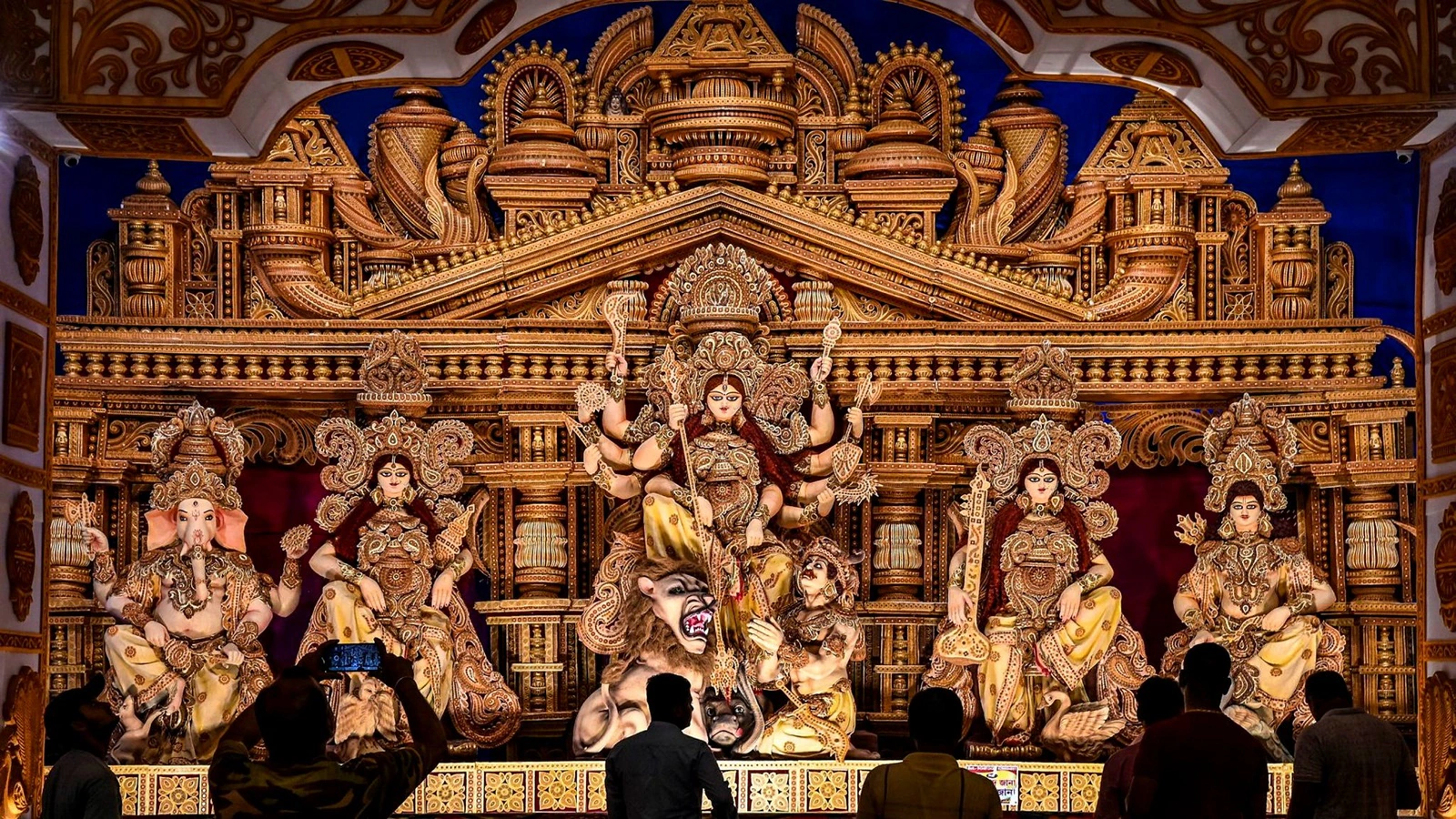
Durga Puja Pandals in Kolkata: 30+ Famous Pandals, Routes & Complete Guide 2026
Explore 30+ famous Durga Puja pandals in Kolkata with routes, timings, photography tips & complete guide. Discover Sreebhumi, College Square, Bagbazar & more for 2026.
New Year Party Kolkata: Park Street Events and Parties
Plan New Year party Kolkata with Park Street events, club and rooftop options, ticket ranges, safety rules, and practical 31st December transport planning.
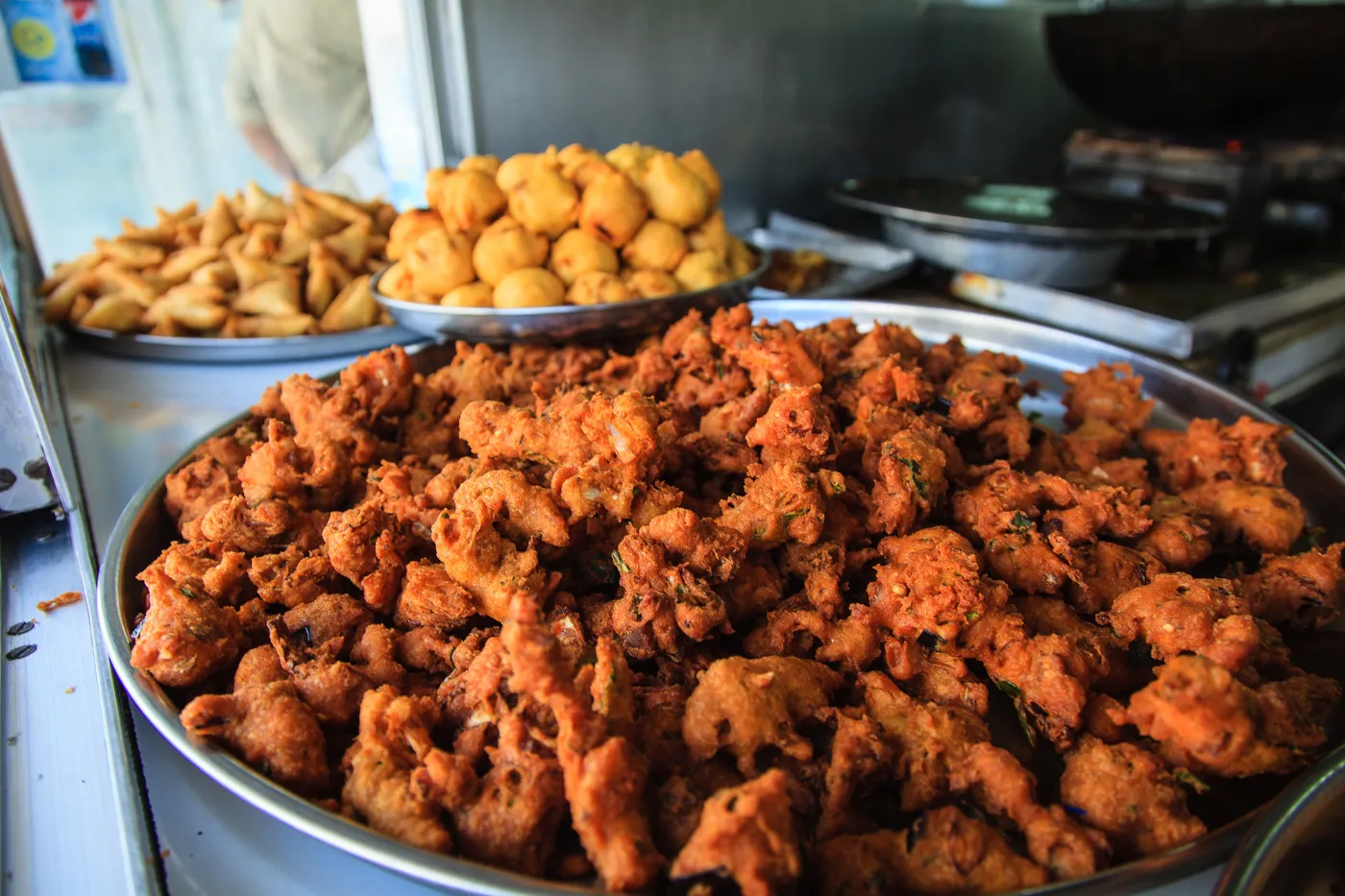
Street Food in Kolkata: 20 Must-Try Dishes & Best Locations
Discover the best street food in Kolkata - from iconic phuchka and aromatic biryani to crispy kathi rolls and delicious Bengali sweets. Explore 20+ must-try dishes, famous food locations, and prices in this comprehensive Kolkata street food guide.
Never Miss an Adventure
Get the latest trekking guides, travel tips, and exclusive offers delivered straight to your inbox.
