
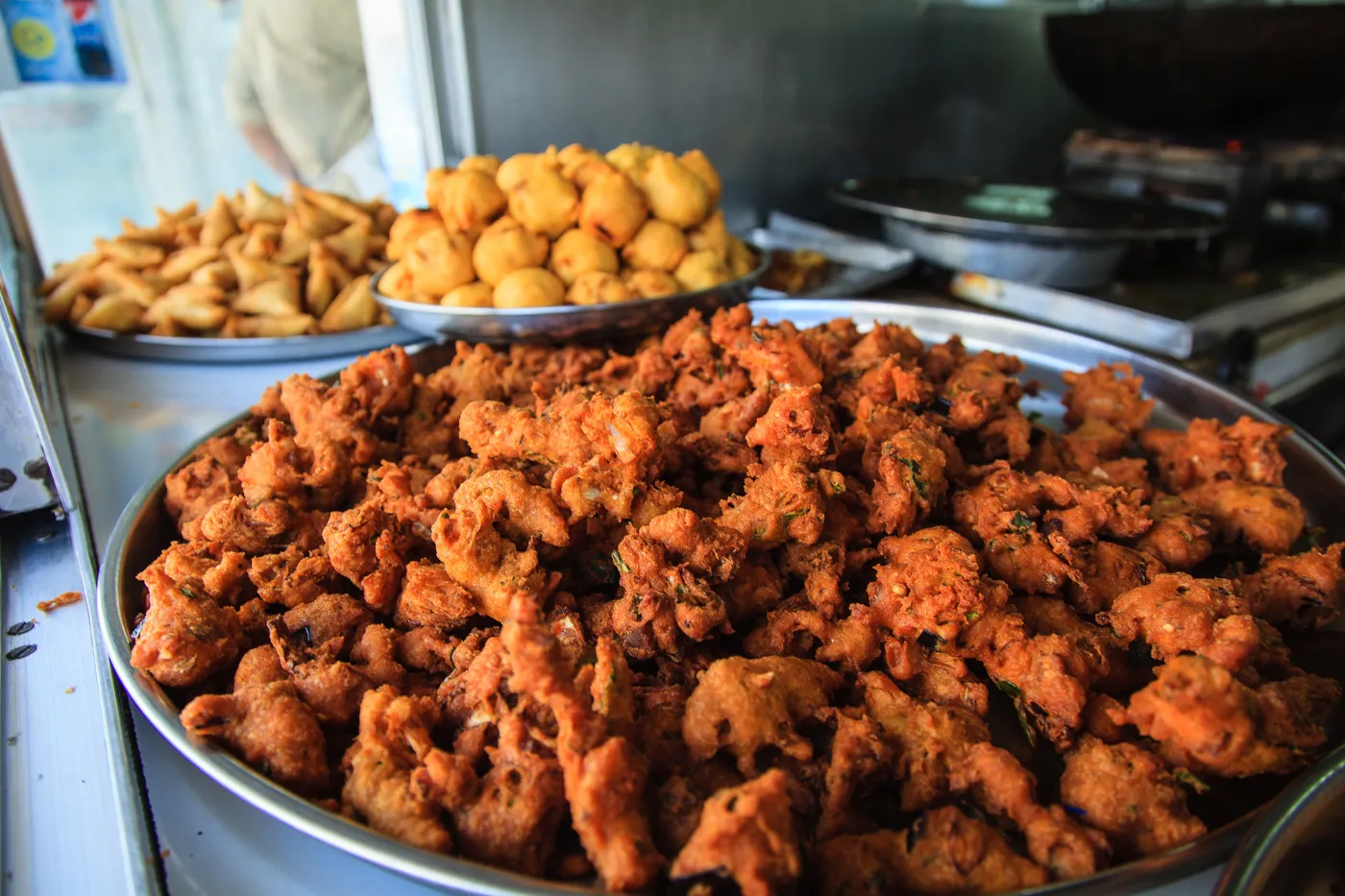
Street Food in Kolkata: 20 Must-Try Dishes & Best Locations

Rahul Garg
February 18, 2026
Discover the best street food in Kolkata - from iconic phuchka and aromatic biryani to crispy kathi rolls and delicious Bengali sweets. Explore 20+ must-try dishes, famous food locations, and prices in this comprehensive Kolkata street food guide.
Introduction: The Culinary Capital of India
Kolkata, the City of Joy, is also undisputedly India's culinary capital. The street food culture here is legendary, shaped by centuries of influences from Bengali, Mughlai, Chinese, and European cuisines. What makes Kolkata's street food truly special is its incredible diversity - you can find everything from crispy fried snacks to aromatic biryanis, from sweet desserts to savory rolls, all within a few hundred meters.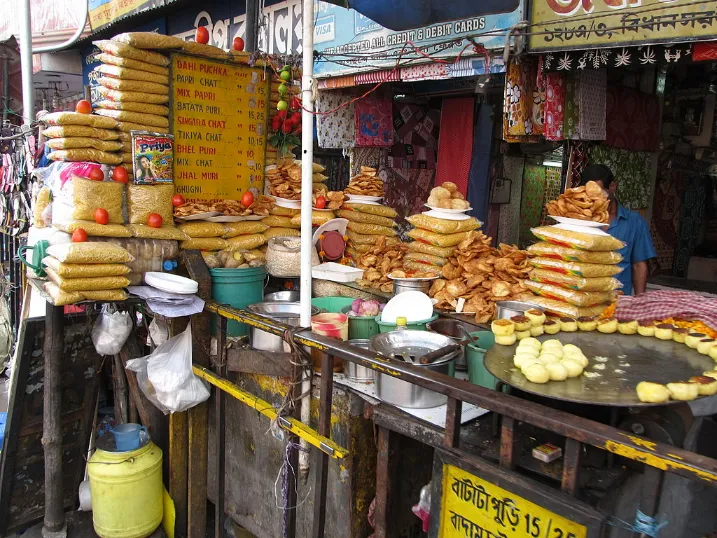 The city's street food scene is deeply rooted in its culture. Kolkatans take their food seriously, and a typical day here revolves around meals - from the morning breakfast of radha ballabi andloor (traditional flatbreads) to evening snacks of phuchka and jhal muri. Unlike many other cities where street food is about quick bites, in Kolkata, street food is an experience to be savored, often shared with friends and family.
What sets Kolkata apart is the quality and authenticity of its street food. Many recipes have been passed down through generations, preserved in family-run establishments that have been operating for decades. The use of fresh ingredients, traditional cooking techniques, and that special touch of Kolkata's hospitality makes the street food here unforgettable.
The city's street food scene is deeply rooted in its culture. Kolkatans take their food seriously, and a typical day here revolves around meals - from the morning breakfast of radha ballabi andloor (traditional flatbreads) to evening snacks of phuchka and jhal muri. Unlike many other cities where street food is about quick bites, in Kolkata, street food is an experience to be savored, often shared with friends and family.
What sets Kolkata apart is the quality and authenticity of its street food. Many recipes have been passed down through generations, preserved in family-run establishments that have been operating for decades. The use of fresh ingredients, traditional cooking techniques, and that special touch of Kolkata's hospitality makes the street food here unforgettable.
Phuchka: The undisputed King of Kolkata Street Food
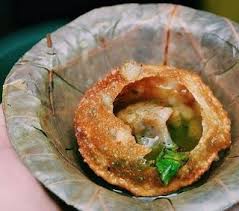
If there's one dish that defines Kolkata's street food, it's phuchka. While known as panipuri or golgappe in other parts of India, phuchka in Kolkata is in a league of its own. What makes it special? The puris are crispier, the filling tastier, and the pani (water) has that perfect balance of spicy and tangy flavors.
A typical phuchka consists of a crispy hollow puri filled with a mixture of mashed potatoes, chickpeas, spices, and sometimes tamarind water. The magic lies in the pani - flavored with mint, coriander, green chilies, black salt, and sometimes raw mango. In Kolkata, you'll find different varieties - the regular tok (sour) jhal (spicy), the sweeter version with jaggery, and even variations with different flavored waters like hing (asafoetida) and jeera (cumin).
The best phuchka in Kolkata can be found at Vivekananda Park, College Street, and numerous neighborhood stalls across the city. What makes the experience unique is how you eat it - standing by the stall, while the vendor hands you one phuchka at a time, perfectly sized to pop into your mouth whole. A plate typically costs ₹20-50 and includes 6-8 pieces. The preparation happens right in front of you, ensuring freshness and hygiene.
Kolkata Biryani: A Legacy of Awadh
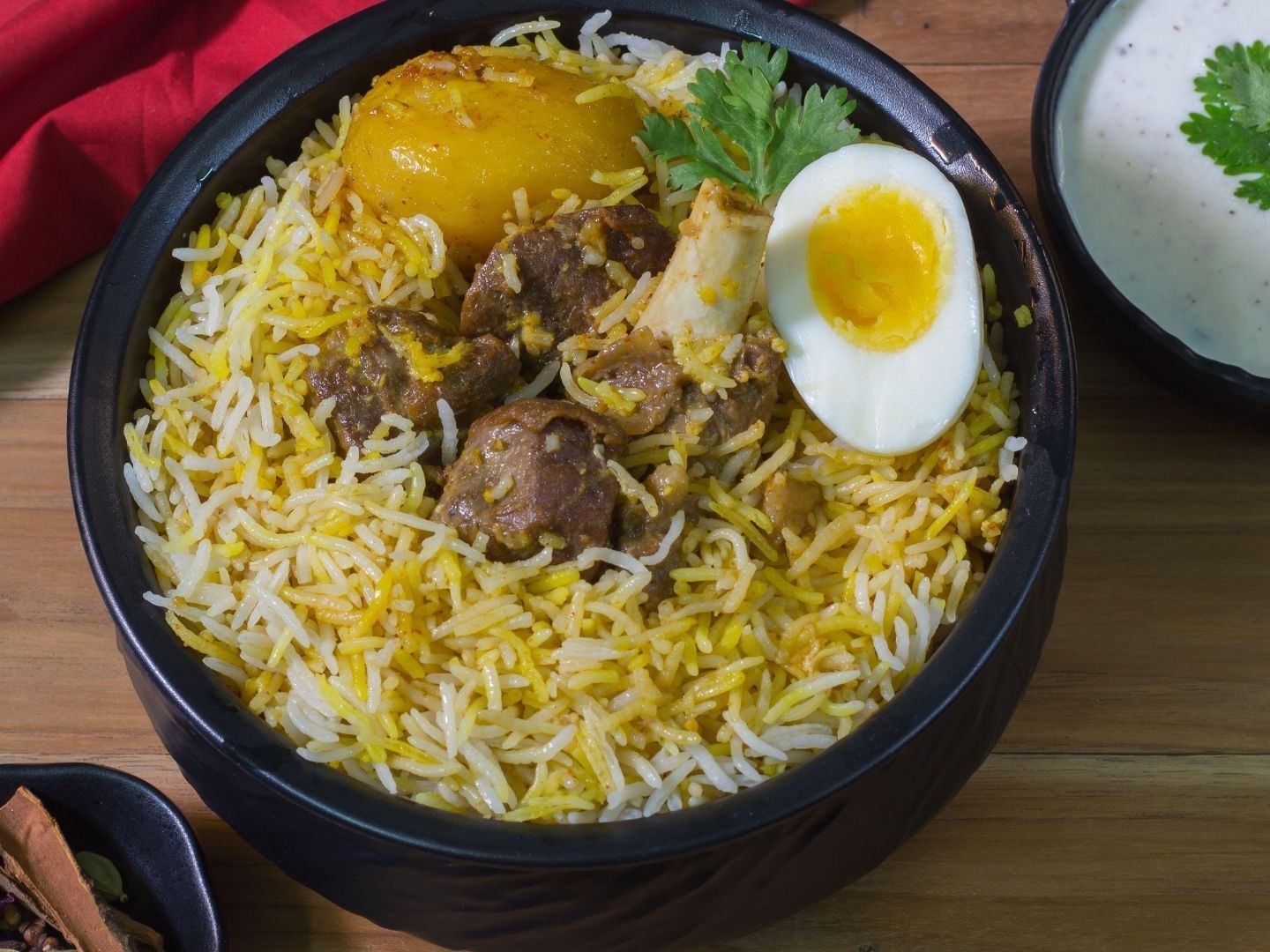
Kolkata biryani is not just a dish; it's an emotion. Unlike the Hyderabadi or Lucknowi varieties, Kolkata biryani has a unique character that comes from its history. When Nawab Wajid Ali Shah of Awadh was exiled to Kolkata in the 1850s, he brought his royal cooks with him. However, meat was expensive in Kolkata, so the ingenious cooks added potatoes and sometimes eggs to the biryani to add bulk without compromising on flavor.
What makes Kolkata biryani special is the subtle use of spices - light on the hand, aromatic, and perfectly balanced. The rice is typically cooked with yogurt, saffron, and a handful of whole spices. The meat (usually mutton or chicken) is incredibly tender, having absorbed all the flavors during the dum (slow cooking) process. The aloo (potato) in the biryani is not an afterthought - it's cooked to perfection, having absorbed all the aromatic spices and meat juices.
Famous places for Kolkata biryani include Arsalan in Park Circus, Shiraz Golden Restaurant, Aminia, and the legendary Royal Hotel. Prices range from ₹250-450 for a generous portion. The biryani is typically served with raita (yogurt side) and salan (a tangy curry). Pro tip: ask for "burhani" - a refreshing salted buttermilk drink that perfectly complements the biryani.
Kathi Roll: Kolkata's Gift to the World
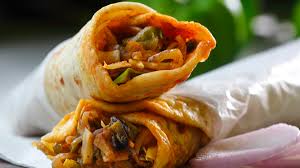
The kathi roll was invented in Kolkata, and today it's loved across India and beyond. The story goes that in the 1930s, a customer at Nizam's restaurant in Kolkata asked for a way to eat kebabs without getting his hands dirty. The ingenious owner rolled the kebabs in a paratha, and the kathi roll was born.
A classic kathi roll consists of a paratha (flaky flatbread) wrapped around a filling of marinated and grilled meat (usually chicken or mutton), onions, and sometimes eggs. The paratha is first cooked on a griddle, sometimes with an egg coating, then filled with the spiced meat and rolled up tight. What makes it special is the balance - the flaky paratha, the juicy spiced meat, the crunch of raw onions, and the tang of the chutney.
The original Nizam's in New Market area still serves some of the best kathi rolls in the city. Other famous places include Kusum Rolls, Hot Kati Roll, and numerous street stalls across Kolkata. Prices range from ₹40-150 depending on the filling. Variations include double egg rolls, chicken tikka rolls, and even vegetarian versions with paneer or mixed vegetables.
Telebhaja: The Monsoon Favorite
Telebhaja literally translates to "fried in oil" and refers to a variety of fritters that are Kolkata's go-to snack, especially during the monsoon. While you can find telebhaja year-round, there's something magical about eating hot, crispy fritters while it rains.
The most popular telebhaja items include peyaji (onion fritters), begun bhaja (fried eggplant), aalu bhaja (fried potato slices), and phulkopir singara (cauliflower fritters). What makes Kolkata's telebhaja special is the batter - a light, seasoned gram flour batter that creates the perfect crispy coating. The vegetables are usually marinated in spices before being dipped in batter and fried to golden perfection.
Telebhaja is typically enjoyed with muri (puffed rice) and a cup of hot chai. The best telebhaja can be found at neighborhood shops called telebhajar dokan - these unassuming establishments have been serving the same recipes for generations. A typical telebhaja snack costs ₹10-30 per piece.
Jhal Muri: The Ultimate Street Snack
Jhal muri is perhaps the most ubiquitous street snack in Kolkata, enjoyed by everyone from school children to office workers. It's a mixture of puffed rice (muri), chopped onions, tomatoes, green chilies, mustard oil, spices, and sometimes tamarind pulp. The name "jhal" comes from the heat - this snack is meant to be spicy.
What makes jhal muri special is the preparation. All ingredients are mixed together in a large vessel, then seasoned with mustard oil, green chilies, and a special spice blend called "jhal masala." The mustard oil is crucial - it gives jhal muri its characteristic flavor and aroma. Some vendors also add peanuts, chanachur (savory mix), and sometimes coconut.
You'll find jhal muri vendors at almost every street corner in Kolkata. They carry their ingredients in large containers, mix everything fresh when you order, and serve it in paper cones made from old newspapers or magazines. A portion costs just ₹10-20, making it an incredibly affordable snack. It's light, flavorful, and perfect for those evening hunger pangs.
Classic Bengali Breakfast Items
Radha Ballabi andloor
Radha ballabi is a stuffed fried bread, similar to kachori but larger and more delicate. It's filled with a spiced lentil mixture, typically urad dal (black gram), flavored with asafoetida, fennel, and other spices. Theloor is a traditional potato curry made with tomatoes, ginger, and a blend of spices that's less spicy than regular aloo dum.
This breakfast combination is a Kolkata classic, especially popular in North Kolkata. The radha ballabi is crispy outside, soft inside, and the mildloor perfectly complements the rich, fried bread. It's typically served with a side of chutney. Famous places include Sharma Tea House in Burrabazar and various breakfast spots in North Kolkata.
Koraishutir Kochuri
Koraishutir kochuri is a winter specialty in Kolkata. These are stuffed fried breads filled with a paste of green peas (koraishuti), ginger, and spices. Unlike regular kachori, the filling here is slightly sweet and has a unique flavor from the green peas.
These kochuris are typically served with aloor dum (spicy potato curry) or chholar dal (Bengal gram lentil curry). The winter season (December-February) is when this dish is most available, and it's a breakfast that Kolkatans wait all year for. The best koraishutir kochuri can be found at traditional sweet shops and breakfast places across Kolkata.
Savory Snacks and Chaat
Ghugni: The Yellow Pea Curry
Ghugni is a popular street food made from dried yellow peas (matar) cooked with onions, tomatoes, ginger, and a blend of spices. What makes Kolkata's ghugni special is the use of coconut and the tempering of spices that gives it a distinctive aroma.
Ghugni can be enjoyed as a snack or a light meal. It's typically served topped with onions, coriander, green chilies, and sometimes tamarind water. Some vendors also serve it with luchi (fried bread) or just as is. The texture should be creamy - the peas should be well-cooked but not mushy.
You'll find ghugni at most street food stalls in Kolkata. It's affordable (₹20-40 per portion), filling, and delicious. Some places serve it with chopped boiled eggs as a topping, taking it to another level.
Mocha and Aloo Posto: Traditional Specialties
While not street food in the traditional sense, these Bengali specialties are often found at street-side eateries. Mocha refers to banana blossom cooked in a coconut-based gravy, while aloo posto is potatoes cooked with poppy seed paste.
Mocha is a delicacy that requires skilled preparation - the banana blossom needs to be cleaned, chopped, and cooked properly to remove any bitterness. When done right, it has a unique texture and flavor that's absolutely delicious. Aloo posto is a classic Bengali dish - the poppy seed paste gives the potatoes a creamy texture and slightly nutty flavor.
These dishes are typically served with rice, making for a complete meal. You'll find them at traditional eateries, especially in areas like North Kolkata and around College Street.
Sweet Treats and Desserts
Roshogolla and Rasamalai
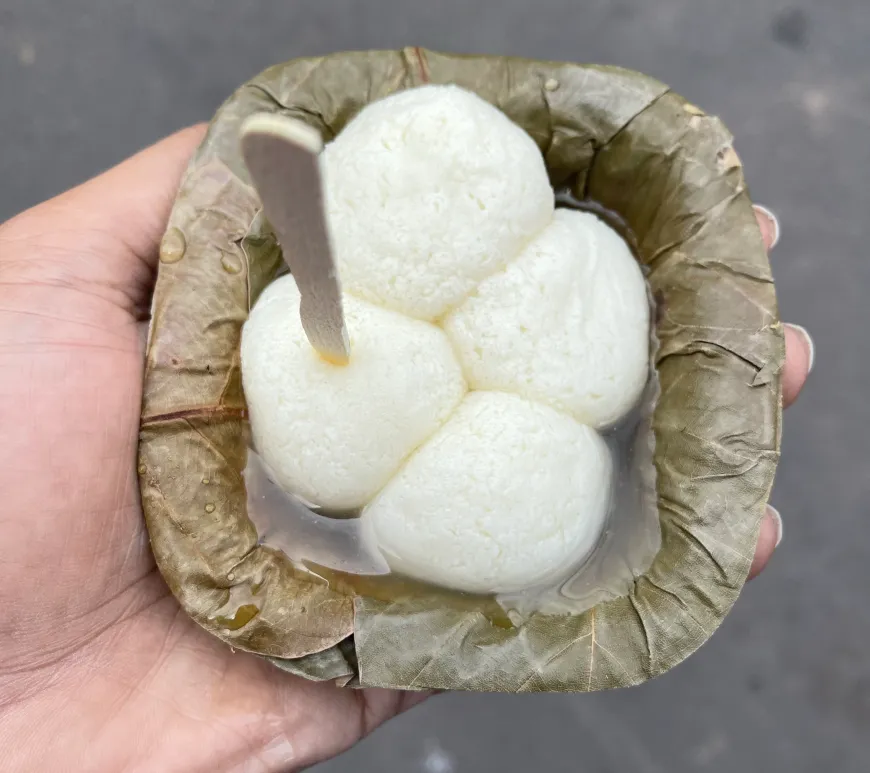
No discussion of Kolkata food is complete without mentioning its famous sweets. Roshogolla, those spongy white syrup-soaked balls, were invented in Kolkata and are now famous worldwide. The best rosogolla can be found at iconic sweet shops like KC Das, Balaram Mullick, and Bhim Nag.
Rasamalai is another Kolkata specialty - it's essentially rosogolla that's squeezed and then soaked in sweetened, thickened milk flavored with cardamom and saffron. The result is a creamy, rich dessert that's absolutely divine. Unlike rosogolla which is light, rasamalai is rich and filling.
Prices range from ₹10-30 per piece. Both these sweets are typically served chilled and are perfect after a spicy meal. What makes Kolkata's sweets special is the use of chhana (fresh cheese) as the base - it gives these sweets their unique texture.
Sondesh and Mishti Doi
Sondesh is another iconic Bengali sweet made from chhana (fresh cheese) and sugar or jaggery, sometimes flavored with cardamom, saffron, or fruits. The texture varies from dry and crumbly to soft and creamy, depending on the preparation method.
Mishti doi is sweetened yogurt, typically served in earthen cups that give it a unique aroma. The yogurt is sweetened with jaggery or sugar and sometimes flavored with cardamom. What makes it special is the texture - thick, creamy, and slightly tangy from the fermentation.
Both these sweets are staples in any Bengali household and are easily available at sweet shops across Kolkata. They're typically eaten as desserts or snacks, and mishti doi in particular is often served after lunch.
Langcha and Ledikeni
Langcha is a sweet from Bardhaman (near Kolkata) that's now popular across the city. It's made from chhana and flour, deep-fried and then soaked in sugar syrup. What makes langcha special is its elongated shape and the slightly caramelized flavor from the frying.
Ledikeni is another Kolkata specialty - it's similar to gulab jamun but made with chhana instead of milk solids. It was named after Lady Canning, the wife of the Governor General during British rule. The result is a sweet that's crispy outside, soft inside, and absolutely delicious.
Street Food by Location
North Kolkata: The Traditional Hub
North Kolkata, especially areas like Burrabazar, Chitpur, and Shobhabazar, is where you'll find the most traditional Bengali street food. This is where you go for radha ballabi, classic telebhaja, and old-school sweet shops. The area has a nostalgic feel, with many establishments operating for generations.
Must-visit places include Sharma Tea House for radha ballabi, various telebhaja shops in Burrabazar, and iconic sweet shops that have been around for over a century. The street food here is authentic, affordable, and deeply rooted in Bengal's culinary traditions.
Central Kolkata: College Street and Vicinity
College Street area is a hub for street food, catering to students and office workers. This is where you'll find some of the best phuchka stalls, jhal muri vendors, and affordable breakfast options. The area around Presidency University and Calcutta University is especially vibrant during lunch hours.
The coffee houses here are legendary - the Indian Coffee House on College Street is an institution where intellectuals, students, and artists have gathered for decades. While not street food per se, it's an essential part of Kolkata's food culture.
South Kolkata: Gariahat and Ballygunge
South Kolkata, especially areas like Gariahat, Ballygunge, and Dhakuria, has a more contemporary street food scene. Here you'll find everything from traditional Bengali snacks to modern fusion food. The area around Gariahat market is particularly famous for its street food.
This is where you'll find newer variations of classic dishes, as well as street food from other parts of India. The crowd here is diverse, and the food scene is constantly evolving.
Park Street: The Modern Face of Street Food
While Park Street is known for its restaurants, the area also has excellent street food options, especially in the evenings. The street food here is slightly more upscale, with vendors offering innovative fusion dishes alongside classics.
The area around New Market is particularly famous for kathi rolls - this is where the original Nizam's is located, after all. In the evenings, the street comes alive with food stalls serving everything from rolls to kebabs to desserts.
Chinese Influence: Indo-Chinese Street Food
Kolkata has a significant Chinatown (around Tiretta Bazaar), and this has influenced the city's street food scene. Indo-Chinese food is incredibly popular here, with street vendors offering their own versions of Chinese dishes adapted to Indian tastes.
Popular items include chicken hakka noodles, veg and chicken fried rice, chilli chicken, and Manchurian. What makes Kolkata's Indo-Chinese special is the use of local spices and sauces. The vendors have perfected the art of cooking Chinese food on street-side carts, with massive woks and fierce flames.
The best Indo-Chinese street food can be found near schools and colleges, as well as in areas like Tangra and Tiretta Bazaar. Prices are affordable (₹80-150 for a filling portion), and the food is incredibly flavorful.
Beverages and Drinks
Lemonade and Sharbat
Kolkata's hot and humid climate makes cold drinks a street food essential. Lemonade vendors are everywhere, offering refreshing drinks made with fresh lime, sugar, salt, and sometimes cumin or other spices.
Sharbat is another popular option - these are sweetened fruit drinks that come in various flavors. Popular sharbats include rooh afza (rose flavor), bel (wood apple), and daab (tender coconut). These drinks are not only refreshing but also have cooling properties, perfect for Kolkata's heat.
Chai: The Essential Companion
Like the rest of India, chai is an essential part of Kolkata's street food culture. However, Kolkata's chai has its own character - it's typically milky, sweet, and sometimes flavored with cardamom or ginger.
Chai stalls are everywhere in Kolkata, from busy street corners to outside offices and colleges. The price is typically ₹10-20 per cup, making it an affordable pick-me-up. Many Kolkatans start their day with chai and telebhaja, and it's common to see people gathering at chai stalls for evening adda (casual conversation).
Seasonal Specialties
Winter Street Food
Winter (December-February) brings special street food items to Kolkata. This is when you'll find koraishutir kochuri (green pea stuffed bread), gajorer halwa (carrot pudding), and nolen gur sweets (made with date palm jaggery available only in winter).
The dates palm jaggery (nolen gur) is a winter specialty that features in various sweets - from sondesh to rosogolla to payesh (rice pudding). The flavor is unique - complex, caramel-like, and absolutely delicious.
Monsoon Specialties
Monsoon in Kolkata means telebhaja and pakoras. The rainy season is when fried snacks taste best, and Kolkatans make the most of it. Street stalls selling various telebhaja items do brisk business during the rains.
Hot beverages like masala chai and ginger tea are also popular during monsoon. There's something deeply satisfying about standing under a shop's awning, watching the rain, and eating hot telebhaja with chai.
Hygiene and Safety Tips
While Kolkata's street food is generally safe and delicious, it's always good to take some precautions. Look for stalls that are busy - high turnover usually means fresh food. Watch how the food is being prepared - if it's cooked fresh in front of you, it's generally safer.
Pay attention to water source - for items like phuchka, prefer vendors who use filtered or bottled water. Avoid raw foods that may have been sitting out. Hot, freshly cooked food is generally safer than cold items that have been sitting around.
If you have a sensitive stomach, start with milder items like rolls and biryani before trying the spicier phuchka and jhal muri. Carry hand sanitizer and use it before eating. Most importantly, trust your instincts - if a place doesn't look clean, it's better to skip it.
Price Guide for Kolkata Street Food
Kolkata's street food is incredibly affordable, making it accessible to everyone. Budget items like jhal muri, basic telebhaja, and single pieces of sweets cost under ₹30. Mid-range options (₹30-100) include plates of phuchka, rolls, ghugni, and most snacks.
Premium street food (₹100-500) includes biryani, larger portions of rolls, and sweets from premium shops. Even the most expensive street food in Kolkata is very affordable compared to restaurant prices.
Best Time to Explore Kolkata Street Food
The best time for street food in Kolkata is evening (4-8 PM) when streets come alive with food stalls. This is when you'll find the most variety, from snacks to sweets to beverages. Breakfast time (7-10 AM) is perfect for traditional breakfast items like radha ballabi and kochuri.
Lunch hours (12-3 PM) are when office areas have street food stalls offering quick meals. Late-night options are more limited in Kolkata compared to Mumbai, but areas around Park Street and some parts of North Kolkata do have vendors operating late.
Street Food Etiquette in Kolkata
When eating phuchka, stand at the stall and let the vendor feed you one piece at a time - that's part of the experience. For rolls and biryani, many places have seating or standing counters. It's acceptable to eat while standing at the counter.
Kolkata's street food is meant to be enjoyed slowly - take your time, savor the flavors, and don't rush. Many Kolkatans treat their street food breaks as social time, chatting with friends while they eat.
Conclusion: The Soul of Kolkata's Culinary Heritage
Kolkata's street food is more than just sustenance - it's a reflection of the city's rich history, diverse culture, and warm hospitality. From the spicy phuchka that wakes up your taste buds to the aromatic biryani that transports you to royal kitchens, from the crispy kathi rolls that are a Kolkata invention to the delicate sweets that showcase Bengal's culinary expertise - every item tells a story.
What makes Kolkata's street food truly special is how it balances tradition with innovation. While many recipes have been preserved for generations, the street food scene continues to evolve, incorporating new influences while staying true to its roots.
Whether you're a local Kolkatan who eats street food daily or a visitor trying it for the first time, Kolkata's street food scene has something to offer everyone. It's affordable, delicious, and deeply satisfying - a true gastronomic adventure that captures the essence of this incredible city. So next time you're in Kolkata, skip the restaurants and head to the streets - that's where the real magic happens.
For more places to visit in Kolkata, check out our comprehensive city guide. And if you're planning to explore more of India's street food scene, don't miss our guides on Mumbai street food and famous food in Kerala.
If you're extending this trip, Places to Visit Kolkata is worth adding to your plan. Many travelers also pair this with Shopping in Kolkata for a fuller itinerary.
Location
Frequently Asked Questions
Q1.What is the most famous street food in Kolkata?
Q2.Where can I find the best phuchka in Kolkata?
Q3.What makes Kolkata biryani different from other biryanis?
Q4.What is kathi roll and where was it invented?
Q5.What are the must-try street foods in Kolkata for first-time visitors?
Q6.Is Kolkata street food spicy?
Q7.Where are the best street food locations in Kolkata?
Q8.How much does street food cost in Kolkata?
Q9.What are the famous sweets of Kolkata?
Q10.What is jhal muri and how is it different from regular bhel?
Q11.Is Kolkata street food safe to eat?
Q12.What is the best time to explore Kolkata street food?
Recommended For You
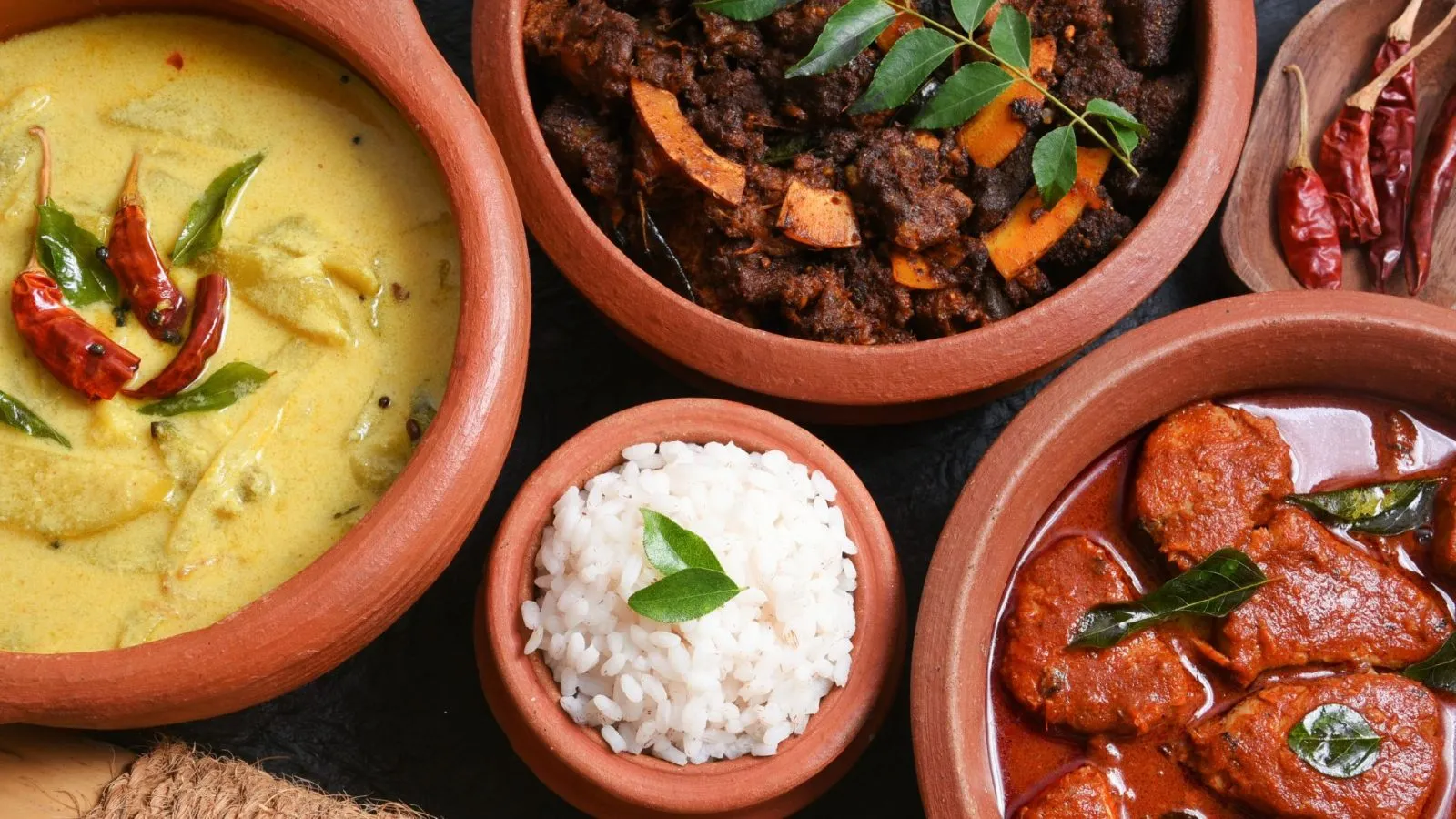
Famous Food in Kerala: 15 Must-Try Dishes
Discover the famous food of Kerala. From Appam & Stew to Karimeen Pollichathu and Sadhya. A culinary journey through God's Own Country with 15 must-try dishes.
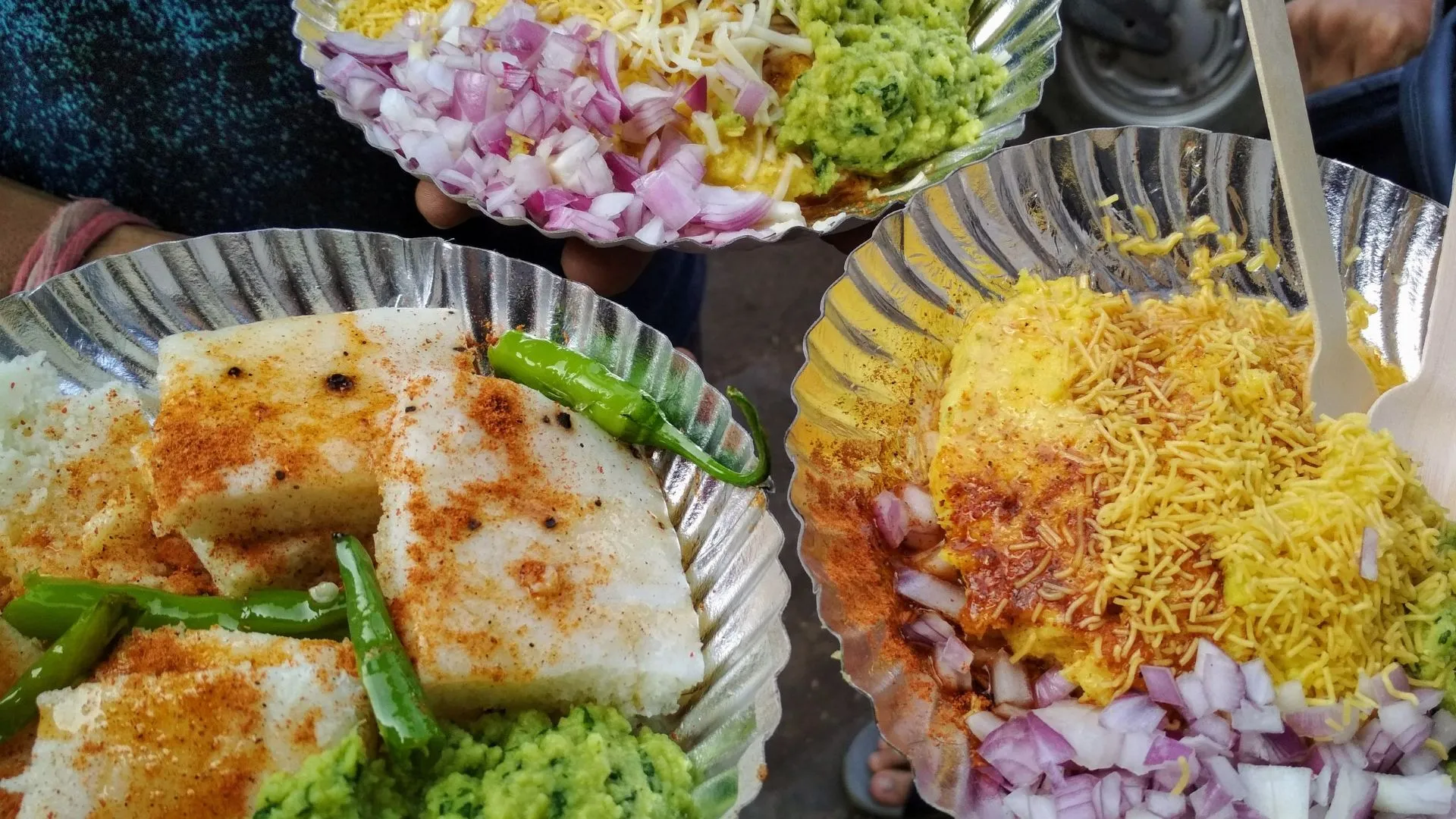
Street Food in Ahmedabad: Must-Try Dishes, Markets & Timings
Discover the best street food in Ahmedabad with must-try dishes, famous eating areas like Manek Chowk and Law Garden, ideal timings, and hygiene tips for travelers.
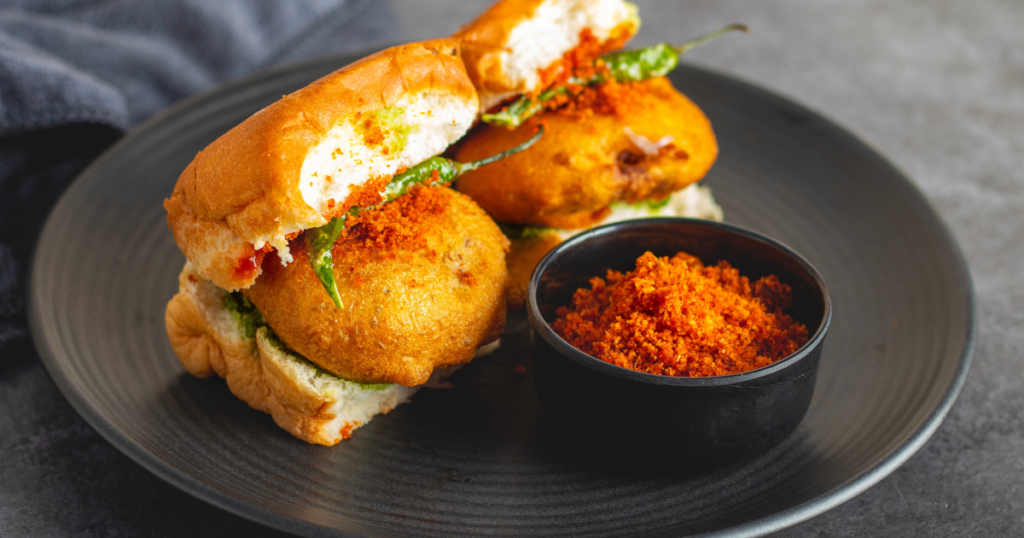
Best Street Food in Mumbai: Top 25 Must-Try Dishes & Locations
Discover the best street food in Mumbai - from iconic vada pav and buttery pav bhaji to spicy misal pav and delicious chaat. Explore 25+ must-try dishes, famous food locations, hygiene tips, and price guides in this comprehensive Mumbai street food guide.
Never Miss an Adventure
Get the latest trekking guides, travel tips, and exclusive offers delivered straight to your inbox.
