
Best Festivals of Ladakh: Calendar, Culture and Tips

Rohan Malhotra
February 18, 2026
Plan Ladakh festivals with timing, altitude-aware travel logic, and practical route tips for a richer cultural experience.
Best Festivals of Ladakh: Calendar, Culture, and Travel Planning
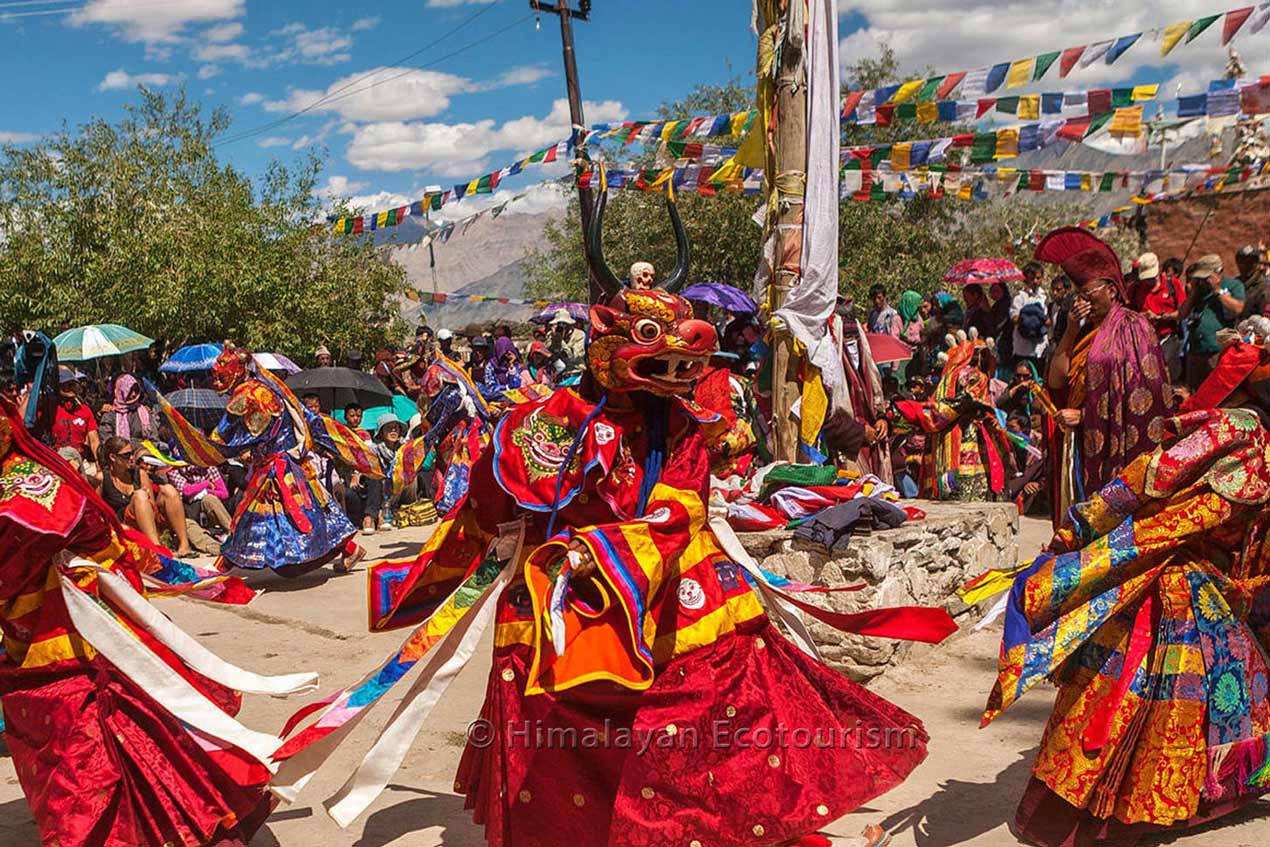
Ladakh festivals are among the strongest cultural experiences in the Indian Himalayas. They combine monastery rituals, masked dances, traditional music, and community gatherings in a high-altitude setting that feels very different from mainstream city festivals. These events are not just performances for tourists. They are living spiritual and cultural traditions, and that is why planning with respect matters.
Festival travel in Ladakh requires more preparation than regular sightseeing. You must account for altitude adaptation, weather variability, road conditions, and festival calendar changes. For route context, use this guide with Ladakh Hemis Festival, best time to visit Ladakh, and monasteries in Ladakh. Together, they help you build a realistic itinerary that gives cultural depth without physical burnout.
Why Festivals in Ladakh Are Special
Ladakh festival experiences are different because the setting, scale, and purpose are distinct. Many events are linked to monasteries and spiritual calendars, so timing follows traditional systems rather than tourist-season convenience. Visitors get to witness ritual movement, symbolic costumes, and monastic participation in spaces where local communities remain central.
The visual appeal is strong, but the deeper value is cultural context. If you attend with patience and basic understanding, you will notice layers of meaning in dance forms, ceremonial structure, and audience behavior. A rushed in-and-out visit usually misses this depth.
Hemis Festival: The Most Known Celebration
Hemis Festival is one of Ladakh's most recognized events and often the first festival travelers plan around. It is known for monastery-ground celebrations, ceremonial masked dances, and strong turnout. Because of popularity, this festival can attract dense crowds and fast-filling accommodation in nearby areas. Early booking is essential if Hemis is your primary goal.
Arrival strategy matters. Reach your base location at least one day before key events so you are not dealing with same-day transit stress. Keep hydration, layering, and pacing disciplined. High excitement plus altitude can drain energy quickly if you underestimate physical load.
Ladakh Festival (Seasonal Cultural Showcase)
The Ladakh Festival window in late season often includes broader cultural elements such as folk performances, local sports demonstrations, and community arts. It can be a good option for travelers who want cultural variety rather than one monastery-focused event. This festival format is also useful for mixed-interest groups where some members want culture while others prefer general sightseeing.
Because program segments may spread across multiple venues, local movement planning is important. Keep one anchor event per day and avoid unnecessary zone-hopping. This improves experience quality and reduces travel fatigue.

Monastery Festivals Beyond Hemis
Many smaller monastery festivals offer deeper and often less crowded experiences than headline events. These can be highly rewarding for travelers interested in ritual authenticity and local engagement. The atmosphere is usually more intimate, and visitors may find it easier to observe ceremonial flow respectfully.
If your priority is cultural understanding over crowd scale, include at least one smaller monastery festival in your route. Keep expectations practical: facilities may be basic, and schedule shifts can happen. Flexibility is part of successful high-altitude cultural travel.
Losar and Winter-Linked Celebrations
Losar, the Tibetan New Year observance, is culturally significant and can offer a different festival tone from peak-season events. Depending on location and year, celebrations may include family, religious, and community elements with regional variation. Winter-linked festival travel in Ladakh requires careful weather planning and stronger logistics discipline, but can be deeply meaningful for those prepared.
If you are considering winter windows, prioritize safety and route reliability over ambitious event stacking. One well-planned celebration is better than multiple rushed attempts in uncertain conditions.
How to Build a Festival Itinerary
A strong Ladakh festival itinerary should include three layers: acclimatization time, one primary event focus, and one backup cultural day. Avoid building your trip around back-to-back long transfers plus festival attendance. That approach increases fatigue and reduces your ability to enjoy ceremonies.
A practical model is to spend initial days adapting in Leh region, then attend your primary festival, followed by one lighter day for recovery and local exploration. Add extra travel only if energy, weather, and logistics remain favorable.
Accommodation, Transport, and Booking Strategy
Festival dates push demand for stays and local vehicles, especially near major monasteries. Book early and reconfirm all segments before departure. Keep written confirmations for stay, transfer, and contingency support. In Ladakh, even small delays can affect full-day plans due to altitude and road variables.
If traveling with family or first-time high-altitude visitors, choose accommodation where food and basic comfort are reliable. This reduces stress on event mornings and helps maintain energy over multiple days.

Cultural Etiquette and Responsible Attendance
- Dress modestly and respectfully in monastery spaces.
- Avoid blocking ritual zones while taking photos.
- Follow local instructions on restricted areas and timing.
- Keep noise low during ceremonial segments.
- Do not treat sacred performances as casual stage shows.
- Support local economy respectfully through approved vendors.
Respectful attendance improves both your own experience and the festival environment for everyone. Ladakh events are shared cultural spaces first, tourism content second.
Common Mistakes to Avoid
- Planning multiple distant festivals in too few days.
- Ignoring acclimatization and hydration needs.
- Booking transport without flexible backup options.
- Arriving on event day with no location buffer.
- Underestimating weather impact on timing and visibility.
Photo and Timing Strategy
Festival visuals are strongest in softer daylight windows. Arrive early to secure respectful viewing angles without blocking ceremonial movement. Keep camera gear compact and stay attentive to monastery guidelines on restricted photography zones.
Pre-Arrival Preparation
Before reaching Ladakh, keep two buffer actions ready: confirm event date windows locally and maintain a conservative first-two-day activity plan for acclimatization. This small preparation improves safety and event readiness.
Health-First Festival Pacing
At high altitude, festival excitement can hide fatigue signals. Keep a deliberate pace, include hydration breaks, and avoid overcommitting to distant locations on the same day. A health-first rhythm helps you enjoy ceremonies fully without unnecessary physical strain.
Final Takeaway
The best festivals of Ladakh are deeply rewarding when planned with calendar awareness, altitude discipline, and cultural respect. Focus on one or two meaningful events, keep route buffers, and prioritize health over speed. With this approach, festival travel in Ladakh becomes more than sightseeing. It becomes a genuine cultural experience connected to place, people, and tradition.
Location
Frequently Asked Questions
Q1.What is the best time for Ladakh festivals?
Q2.Do I need acclimatization for festival trips?
Q3.Should I book early?
Q4.Can I cover many festivals in one trip?
Q5.Are festivals family-friendly?
Q6.Can I combine festivals with sightseeing?
Q7.Why keep buffer days?
Q8.What improves trip quality most?
Recommended For You
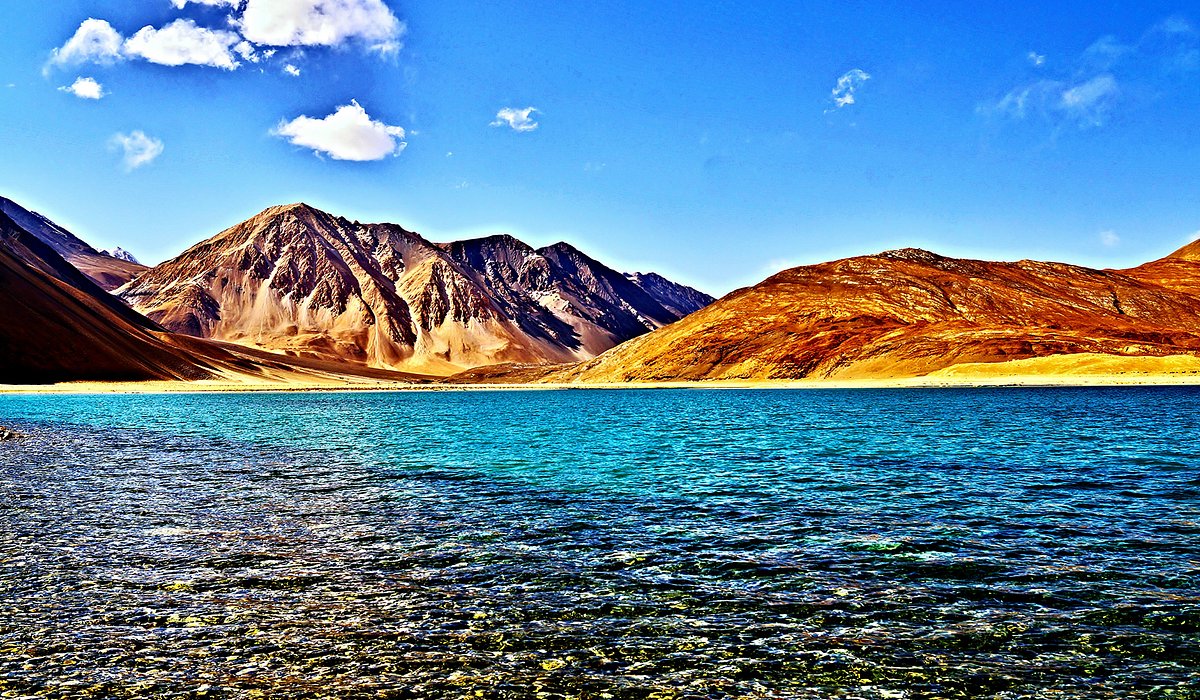
Beautiful Lakes in Ladakh: Best Routes, Guide and Tips
Explore beautiful lakes in Ladakh with route logic, altitude-aware planning, and practical safety tips for a smoother high-altitude trip.
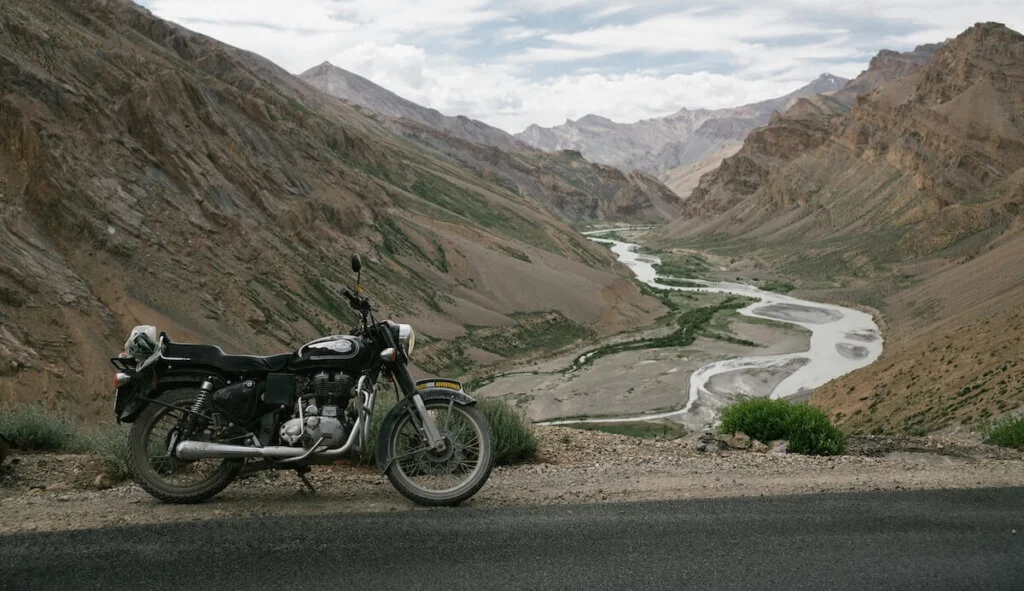
Leh Ladakh Bike Trip: Complete Route And Itinerary Plan
Plan Leh Ladakh bike trip with route choices, itinerary, cost, permits, acclimatization tips, and practical riding prep for a safer high-altitude ride.
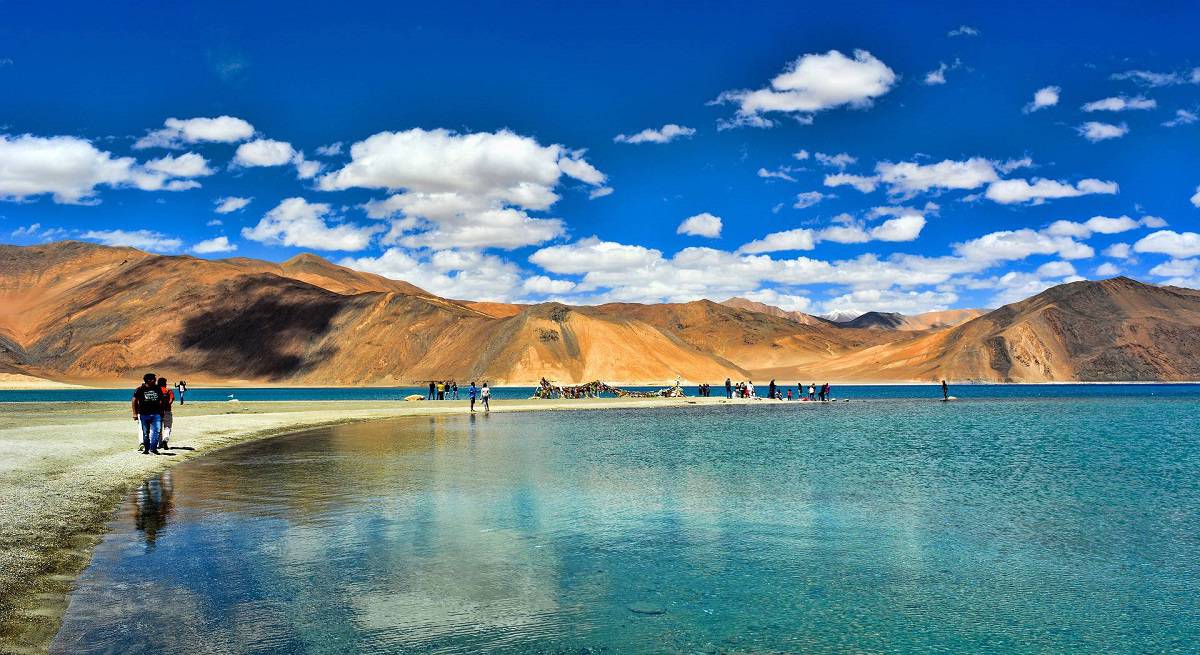
Pangong Lake Ladakh: Best Time, Permit Rules & Stay Options
Complete Pangong Lake guide: best time to visit, permits, how to reach from Leh, stay options & travel tips.
Never Miss an Adventure
Get the latest trekking guides, travel tips, and exclusive offers delivered straight to your inbox.
