
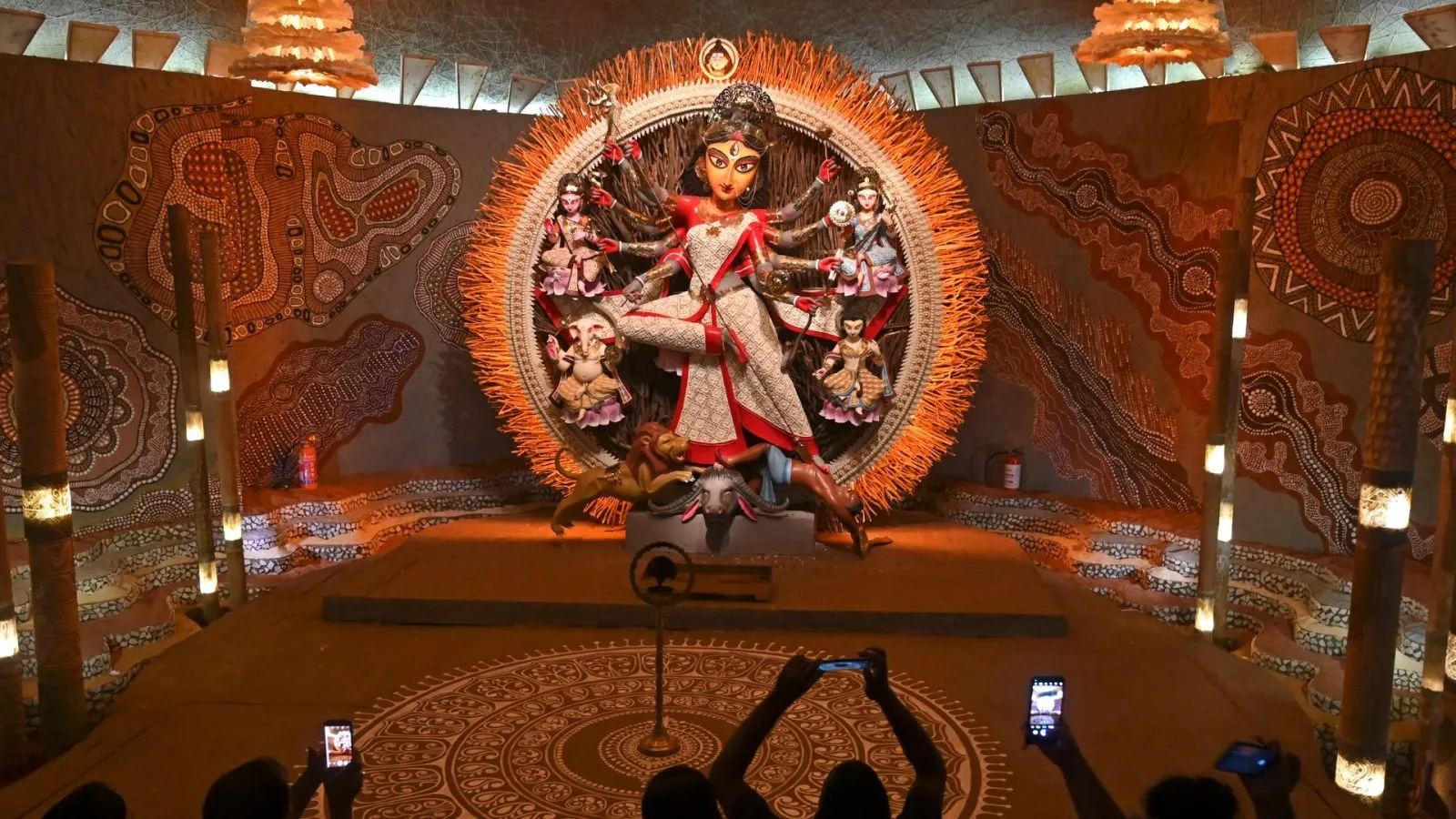
Durga Puja in West Bengal: Major Pandals, Timings & Travel Plan

Ananya Sharma
February 18, 2026
Durga Puja Kolkata planning guide with pandal cluster routes, crowd-smart timing, transport strategy, and practical one-day/two-day festival templates.
Durga Puja Kolkata: What Searchers Actually Need
Durga Puja in Kolkata is not a simple sightseeing festival where you check a few locations and leave. It is a city-wide cultural system that combines ritual, public art, food streets, traffic diversions, and all-night movement across different neighborhoods. Most first-time visitors fail because they plan by random social media reels instead of planning by zone, crowd rhythm, and mobility windows. If your goal is a high-quality experience, you need a strategy for pandal clusters, travel timing, and energy management over multiple nights.
Recent information patterns around this topic also show that serious travelers care about practical details: route flow, expected crowd pressure, police advisories, and realistic night plans. A strong Durga Puja guide must solve those needs first, and only then suggest famous pandals. This is the difference between a useful ranking page and a generic festival article.
How to Plan Pandal Hopping by Zone, Not by Random List
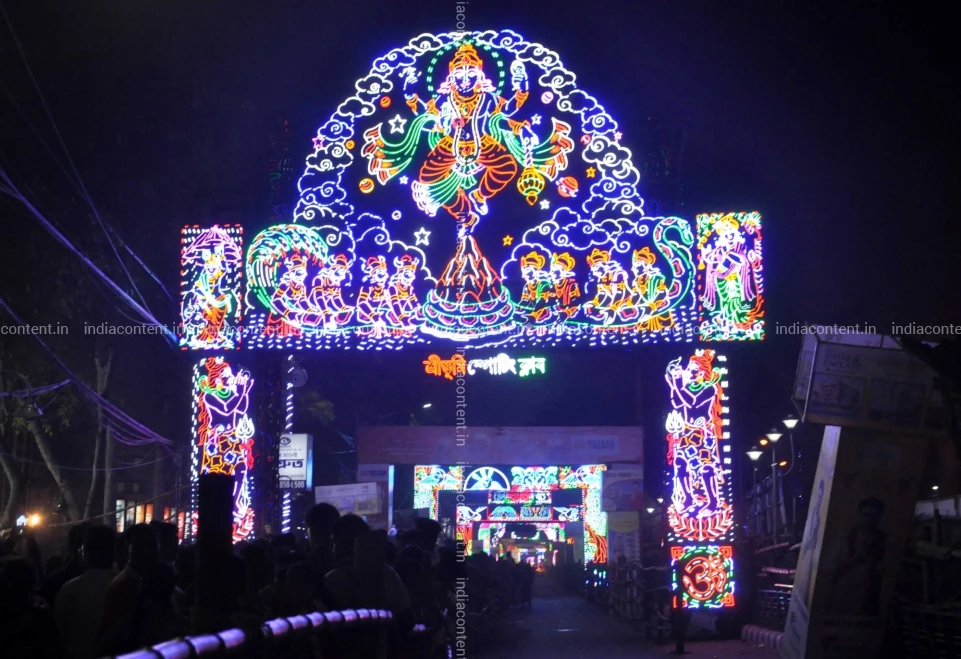
The most reliable method is to divide Kolkata into north, central, and south clusters and assign one cluster per major time block. Do not plan a full-city zig-zag route in one evening. Transit delays and queue pressure will destroy your schedule. Keep one anchor list of must-visit pandals and one backup list nearby. If queue time crosses your limit, move to backup immediately and protect your night outcome.
If this is your first Kolkata trip, use a broader city context from places to visit kolkata so your festival movement is connected to known local zones rather than guesswork. This single step saves significant time across all Puja nights.
Best Time Windows During Puja Nights
Early evening is best for families and visitors who prioritize manageable movement. Late evening and post-midnight are better for lighting photography, cultural energy, and immersive atmosphere, but they require stronger stamina and return planning. Many travelers underestimate walking load and standing hours in dense zones. Build hydration breaks and low-intensity windows into your route from the beginning.
A practical pattern is: one intense pandal block, one recovery break, one medium block, then controlled return. This keeps execution stable and reduces end-of-night fatigue. If your plan depends on ride apps, keep two pickup points per zone because availability can change quickly during peak periods.
Theme Pandals vs Heritage Pujas: Build the Right Mix
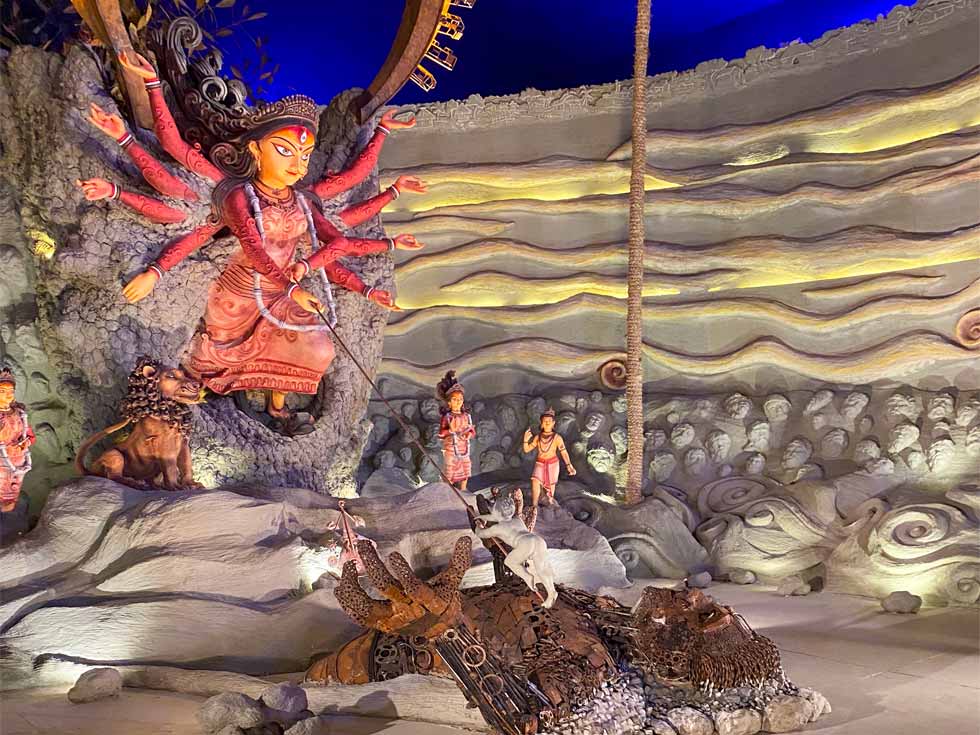
Theme pandals are usually high on design innovation, visual storytelling, and crowd attraction. Heritage pujas are stronger on ritual continuity, local participation, and devotional atmosphere. If you choose only one side, your experience becomes incomplete. First-time visitors should combine both in the same trip, but in separate time windows. Theme-first one night, heritage-first another night works better than mixing high-pressure zones randomly.
For targeted pandal selection and comparison, align your route with durga puja pandals in kolkata. Use it as a routing reference, not a checklist challenge.
Street Food and Break Planning That Actually Works
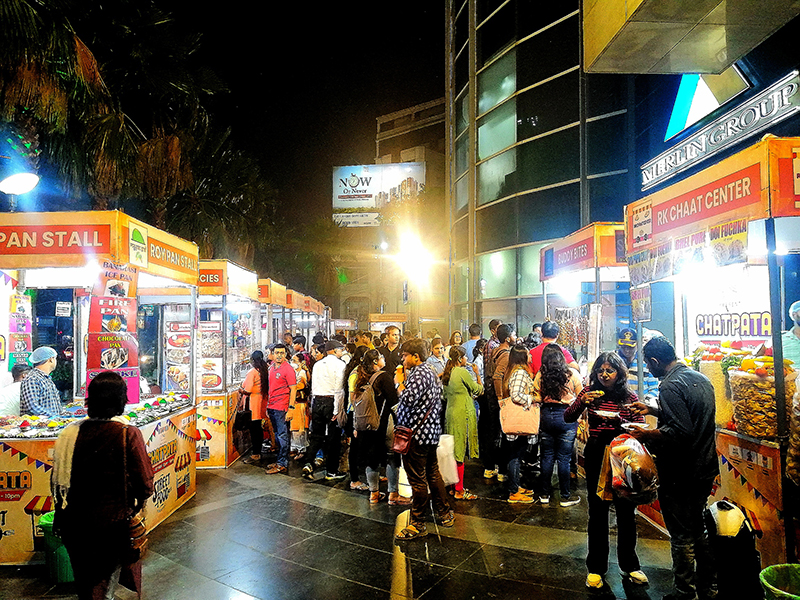
Food is a core part of Durga Puja culture, but unplanned stops can collapse your movement plan. Keep one fixed meal slot and one flexible snack slot in each night route. Choose high-turnover food clusters and avoid long, unstructured waits at peak times. Controlled food timing improves stamina and gives you better output from later pandal windows.
If food discovery is a priority, use street food kolkata to preselect dishes and zones. This prevents unnecessary detours and keeps your festival movement efficient.
Traffic, Crowd Flow, and Safety Management
Puja-week mobility changes daily. Traffic plans can shift, barricading patterns evolve, and walk corridors become one-way during peak hours in some areas. Do not depend on one static map screenshot for all nights. Reconfirm route assumptions every evening. Keep regroup points for your group before entering dense lanes, and define a waiting threshold so no one is stranded when network conditions degrade.
Footwear and carry weight matter more than most visitors expect. Long hours, standing queues, and uneven walking surfaces make lightweight practical gear essential. Keep ID, water, and one compact backup battery only. Overpacking reduces mobility and increases fatigue.
Two Practical Itinerary Models
Model 1: First-Time 2-Night Plan
Night 1: One major south/central theme cluster, controlled food stop, early return.
Night 2: One heritage-heavy north/central cluster, ritual observation, moderate late window.
Model 2: 3-Night Immersive Plan
Night 1: Iconic theme pandals and lighting focus.
Night 2: Heritage pujas and cultural rhythm focus.
Night 3: Mixed route with revisit of one favorite zone and calm closure.
Both models perform better than trying to cover everything in one night.
Budget Control Without Losing Experience Quality
Most overspending happens in unplanned transport hops, repeated long detours, and impulsive premium decisions under crowd pressure. To control budget, keep spend buckets fixed: transport, food, contingency. Plan one or two shopping windows outside peak pandal movement. For this, shopping kolkata helps pre-map viable market stops.
The strongest budget strategy is not cutting experiences. It is sequencing them correctly so travel waste drops and core cultural value rises.
Common Mistakes to Avoid
Do not frontload all major pandals on one night. Do not ignore return logistics. Do not rely on static route assumptions. Do not skip hydration and breaks. Do not judge route speed by one early successful segment. During Puja, conditions can shift within an hour.
If a delay happens, reduce stop count and protect quality. A shorter successful route is better than a long failed route.
Final Night Strategy for Better Closure
The final Puja night should prioritize depth over distance. Revisit one zone you enjoyed, keep your route compact, and spend more time observing rituals, artisan detail, and local participation. This creates stronger memory value than forcing one extra long transfer just to add another famous stop. Most travelers remember atmosphere and flow, not total stop count.
Keep your return route finalized before entering the last high-crowd block. If your group has mixed stamina levels, end with a calm low-pressure segment and finish early enough to protect next-day plans. Durga Puja is best completed with controlled pacing and cultural focus, not late-night fatigue management.
On-Ground Execution Checklist for Each Night
Before leaving, lock four decisions: first pandal cluster, regroup point, food break window, and return method. Keep this checklist short and identical every night. Consistency removes confusion when crowd density rises. Also define one clear cut-off rule: if queue delays cross your threshold, drop optional stops and preserve your main route. This prevents rushed decisions at the worst possible time.
Another useful habit is to split your group rhythm by role. One person tracks movement and time, one handles navigation, and one watches energy levels in the group. Simple role clarity helps especially when traveling with elders, children, or first-time festival visitors. Good coordination improves both safety and enjoyment, and lets you spend more time in cultural moments instead of logistical friction.
At the end of each night, record what worked: transfer reliability, crowd pattern, and best observation windows. Small notes help optimize the next evening immediately. In a multi-night Durga Puja trip, this iterative approach is often the difference between average and exceptional experience quality.
Conclusion
Durga Puja Kolkata is best experienced with a structured plan built on zone logic, timing control, and cultural balance between theme and heritage pujas. Treat each night as a designed experience, not a random chase. When your route, food windows, and safety rules are clear, the festival becomes deeply immersive and memorable instead of exhausting. That is the practical path to experiencing Kolkata’s Puja at its real depth.
Location
Frequently Asked Questions
Q1.What is the best time to visit for Durga Puja in West Bengal: Complete Celebration Guide?
Q2.How much time should I allocate?
Q3.Is it suitable for first-time travelers?
Q4.Should I pre-book anything?
Q5.Are there nearby places to combine?
Q6.Is photography allowed?
Q7.How can I avoid crowds?
Q8.Any key safety tip?
Recommended For You
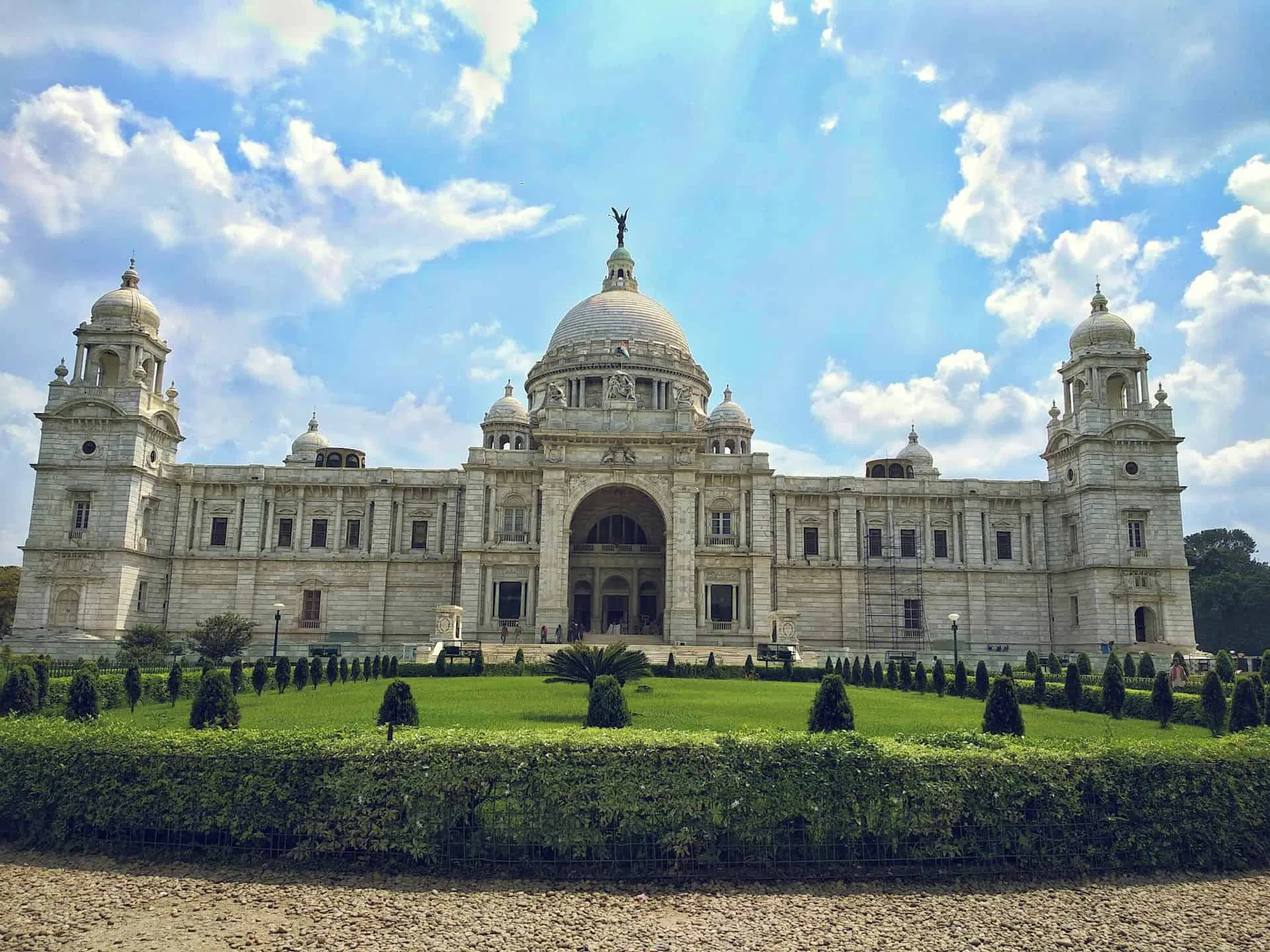
Hidden Gems in Kolkata: Offbeat Lanes, Culture & Local Eats
Explore hidden gems in Kolkata with practical offbeat routes across heritage lanes, local markets, and less-touristy neighborhoods.
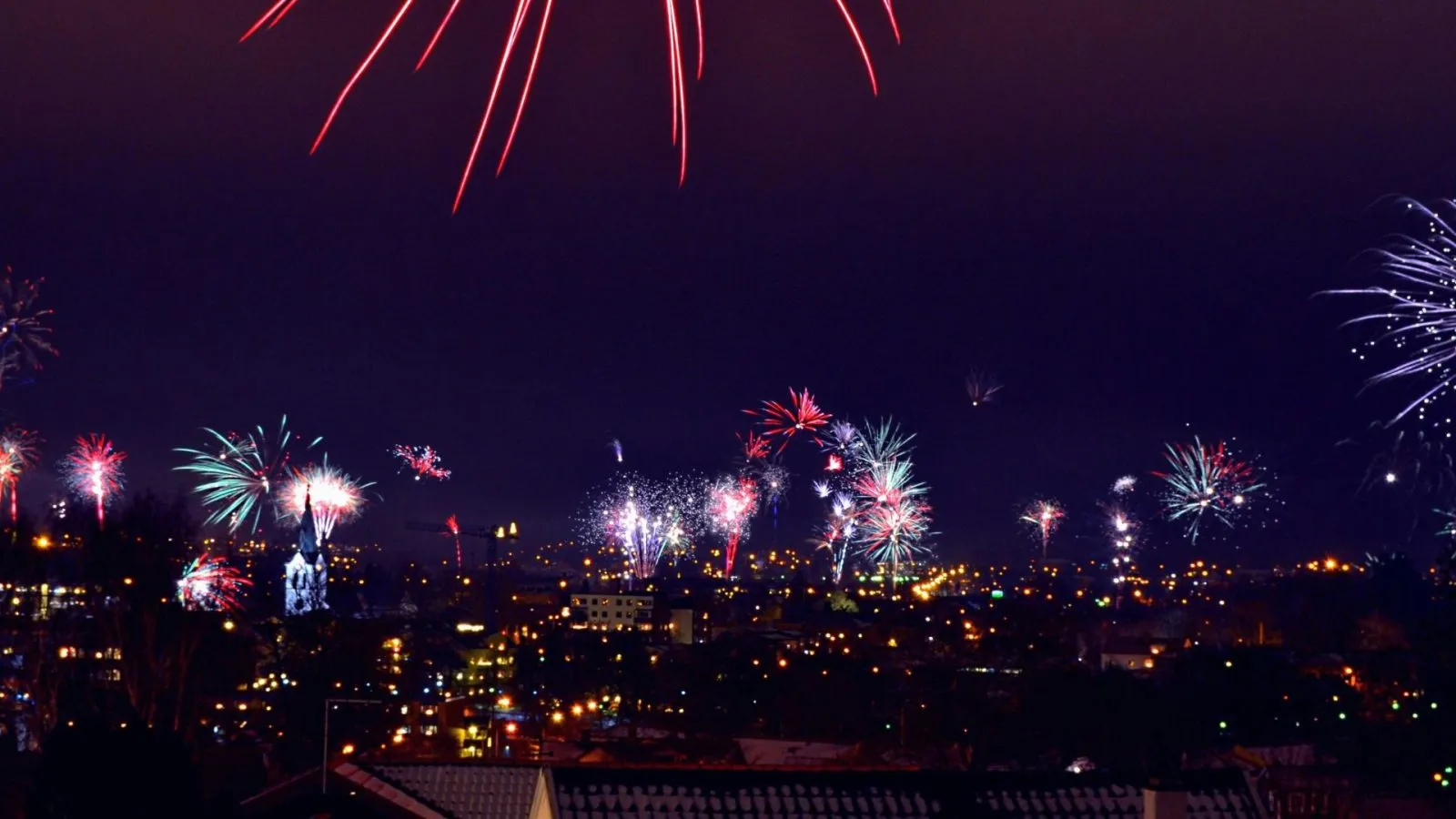
New Year Party Kolkata: Park Street Events and Parties
Plan New Year party Kolkata with Park Street events, club and rooftop options, ticket ranges, safety rules, and practical 31st December transport planning.
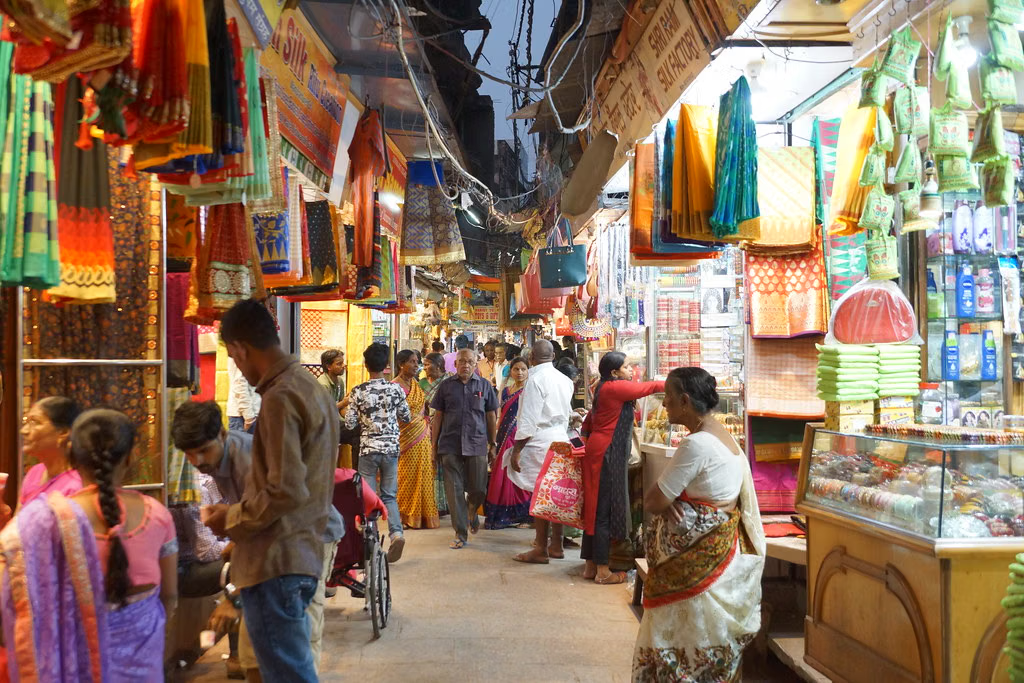
Shopping in Kolkata: New Market, Gariahat, Malls & Cultural Picks
Shopping in Kolkata guide - New Market, College Street books, sarees, Bengali sweets. Complete guide to markets, malls, prices and shopping tips.
Never Miss an Adventure
Get the latest trekking guides, travel tips, and exclusive offers delivered straight to your inbox.
