
Famous Landmarks of Chittoor: Temples, Forts & Local Attractions

Rohit Verma
December 11, 2025
Explore Chittoor's famous landmarks: Tirupati, Horsley Hills & more. Temples, hills & natural attractions with travel tips.
Famous Landmarks of Chittoor: Practical Guide
Chittoor district offers a useful mix of pilgrimage centers, hill landscapes, waterfalls, and fort heritage. That diversity is why travelers often search for famous landmarks of Chittoor instead of one single attraction. A good route starts with places to visit in Chittoor, then narrows into temple, nature, or history themes based on your trip duration.
The district can be explored as a one-day snapshot or a two-day deeper circuit. The key is to avoid excessive transfers and choose a balanced set of stops that match your group type.
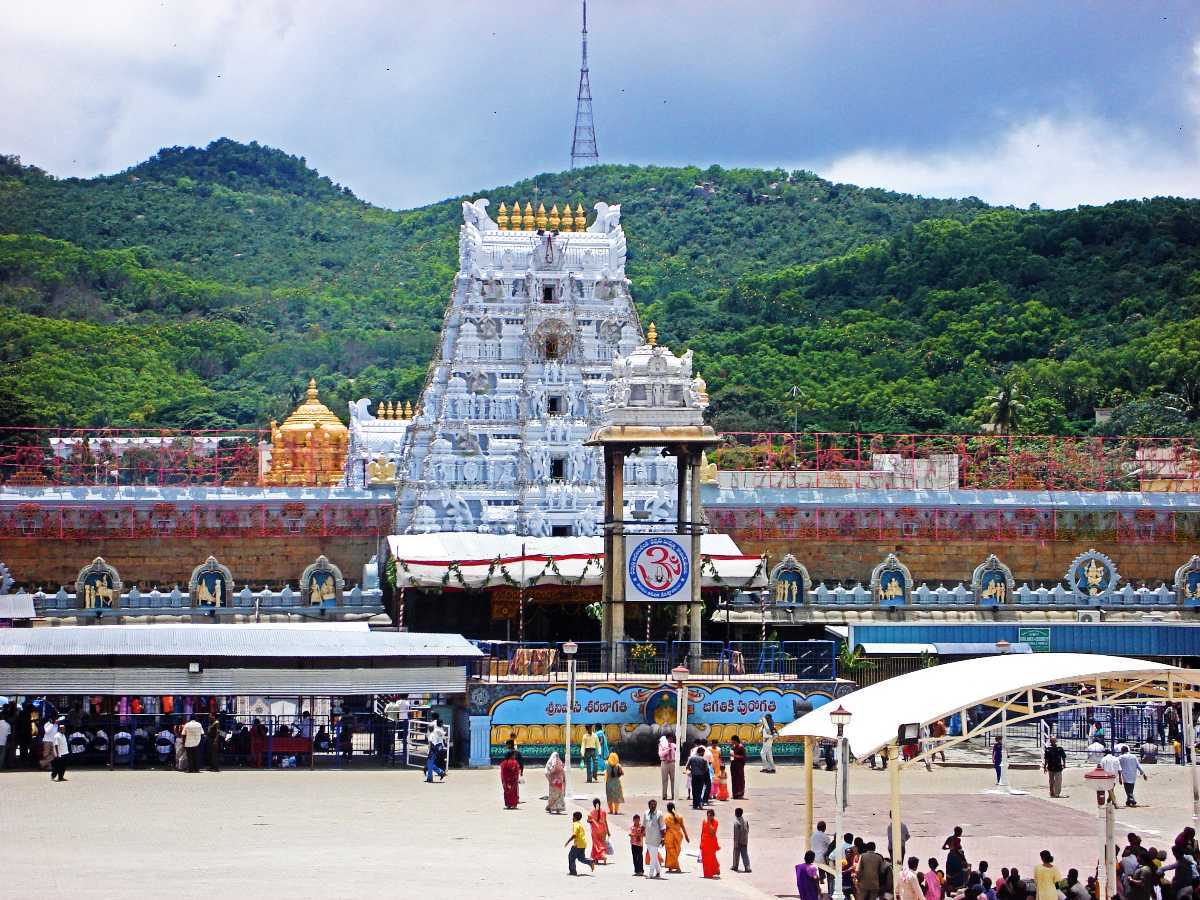
Tirumala Venkateswara Temple Zone
The Tirumala-Tirupati belt is the district's most recognized landmark cluster and one of India's highest-footfall pilgrimage destinations. Planning here depends less on distance and more on darshan logistics, queue windows, and crowd patterns. First-time visitors should pre-check entry format and expected wait time.
If your trip is pilgrimage-first, dedicate maximum time to Tirumala and keep other landmarks lighter. If your trip is mixed-interest, pair Tirumala with one scenic stop so the day does not become purely queue-driven.
Horsley Hills for Scenic Contrast
Horsley Hills provides a cooler, slower mountain segment compared with pilgrimage intensity. It is a good choice for families and couples who want viewpoints and mild walking instead of temple crowd management. Weather and visibility vary by season, so keep expectations flexible.
This stop works best if you are staying overnight nearby or starting early. Try to reach in soft-light windows for better experience and cleaner photography.

Talakona Waterfalls Experience
Talakona is often included for nature-focused travelers and short treks. The waterfall segment can be scenic and refreshing, especially outside peak heat. Footwear, hydration, and time buffer are important because natural sites are less predictable than city attractions.
If you are traveling with elders or very young children, assess walking effort before committing. Route condition can vary with weather and local flow.
Chandragiri Fort and Historical Layer
For visitors interested in political and architectural history, Chandragiri Fort adds a strong heritage dimension to a Chittoor itinerary. The site helps balance temple-and-nature-heavy plans with a built-heritage perspective. Pairing this stop with Tirupati-side movement can be efficient depending on your base.
Spend enough time reading site context. Fort visits become much more meaningful when you understand administrative and military roles rather than treating structures as visual backdrops only.

Suggested One-Day Itinerary
| Time Block | Suggested Focus |
|---|---|
| Morning | Tirupati/Tirumala or Chandragiri depending on priority |
| Midday | Transit + meal + local landmark |
| Evening | Scenic stop or temple closure experience |
You can use a ready one-day itinerary for Chittoor and adjust by crowd and weather on the same day.
How to Reach and Move Smartly
Chittoor is connected by road and rail networks, with nearby city corridors supporting onward transfers. For landmark hopping in limited time, private cab planning usually saves time compared with fragmented local transfers.
If you are extending toward metropolitan routes, Chennai itinerary options are useful. For regional temple-focused travel, temple lists in Chittoor help prioritize by distance and devotional relevance.
Best Time to Visit Chittoor Landmarks
Cooler months are generally easier for multi-stop days. Summers can still work with early starts and light afternoon plans. Monsoon adds greenery but may slow waterfall and hill movement depending on rainfall intensity.
Festival periods increase pilgrimage crowds substantially. If your goal is calm sightseeing, avoid peak devotional windows.

Travel Tips for Better Experience
Keep one anchor attraction per half-day instead of chasing too many locations. Carry water, basic medication, and comfortable footwear. Confirm opening windows for forts, parks, and temple-related counters before travel.
If your group has mixed preferences, choose one spiritual stop, one scenic stop, and one heritage stop. This pattern usually keeps everyone engaged without fatigue.
Common Mistakes to Avoid
Do not build an itinerary based only on map distance. Queue times and road conditions can change actual movement significantly. Another mistake is overcommitting same-day long transfers after heavy temple schedules.
Avoid underestimating weather impact on hill and waterfall zones. Keep backup options within city range for flexibility.
Final Take
Chittoor works well because it offers landmark diversity in a manageable district format. You can shape the trip as devotional, scenic, heritage-led, or mixed without excessive complexity.
Plan with realistic pacing and contextual priority. That is the simplest route to a memorable and low-stress Chittoor experience.
Two-Day Chittoor Landmark Model
Day one can focus on Tirupati-Tirumala priority and nearby heritage add-ons. Day two can focus on nature-led landmarks like Horsley Hills or Talakona depending on weather and group preference. This split reduces fatigue and improves engagement.
Travelers often try to cover every landmark in one day and end up with long transit and low-quality stop time. A two-day model usually gives better memory and lower stress.
Pilgrimage + Leisure Balance Strategy
If your group includes both devotional travelers and leisure-focused members, assign separate micro-windows around temple queues. While one subgroup completes ritual schedules, others can cover nearby short attractions and regroup later.
This flexible model prevents idle waiting and improves group satisfaction without forcing everyone into identical pacing.
Food, Rest, and Transfer Buffers
Keep one fixed meal stop and one fluid tea break in your daily plan. Chittoor routes are more comfortable when you do not schedule continuous movement across long stretches without rest. Heat and queue fatigue can reduce overall trip quality.
For onward travel, you can bridge to Chennai routes or compare with near-Hyderabad short routes depending on direction.
Checklist Before Departure
- Confirm darshan category and expected wait
- Check weather for hills and waterfall segments
- Carry hydration, footwear, and light medical essentials
- Keep identity proof and digital backups
- Avoid overloading same-day long transfers
This checklist helps keep your landmark-focused trip smooth and realistic.
Season-Wise Landmark Prioritization
In hotter months, prioritize temple and fort visits in early hours and shift hill or waterfall segments to weather-friendly windows. In cooler months, you can run longer mixed routes with fewer comfort breaks and better walking endurance.
Festival months require stricter planning because devotional traffic can alter movement patterns significantly. Keep backup options within short transfer distance.
Landmark Selection by Traveler Type
Pilgrimage-first travelers should center Tirumala and select one nearby complement. Nature-focused travelers should prioritize Horsley Hills and Talakona with lighter temple scheduling. History-focused travelers should include Chandragiri and nearby heritage structures with enough interpretation time.
This segmented planning model helps mixed groups avoid conflicts and keeps the trip satisfying for all participants.
Transport and Stay Strategy
If your plan includes early temple windows and late scenic segments, staying near your first major stop can save significant transfer time. Long cross-district movement is the biggest cause of itinerary slippage in Chittoor trips.
Choose accommodation based on your primary landmark cluster, not only price. Better location usually gives better overall trip quality.
Safety and Comfort Checklist for Multi-Stop Days
Carry light rain protection, hydration, identity documents, and a small buffer meal/snack pack. These basics are often overlooked but can stabilize your day when queue times or weather shift unexpectedly.
For family groups, keep one fallback attraction in reserve. A backup option prevents stress if your original plan is delayed by crowd or route issues.
Closing Tip
Keep one flexible buffer block in your Chittoor plan to absorb queue or weather changes without cutting major landmarks.
Location
Frequently Asked Questions
Q1.What is Chittoor famous for?
Q2.What are the best places to visit in Chittoor?
Q3.How far is Tirupati from Chittoor?
Q4.What is the best time to visit Tirumala?
Q5.How to get Tirumala darshan tickets?
Q6.Is Horsley Hills worth visiting?
Q7.How many days are needed to explore Chittoor?
Q8.What is the nearest airport to Chittoor?
Recommended For You
Best Places to Visit in Chennai: Temples, Beaches & City Highlights
Discover the best places to visit in Chennai, South India's cultural capital. From the iconic Marina Beach and ancient Kapaleeshwarar Temple to colonial Fort St. George and sacred San Thome Basilica, explore Chennai's top attractions with practical travel tips, timings, and local insights.

Places Near Hyderabad Within 100 Kms: 25 Top Spots
Explore the best places to visit near Hyderabad within 100 kms with practical one-day routes, distance planning, and family-friendly weekend getaway ideas.

How to Reach Bhutan from Chennai: Flights, Routes & Guide 2026
Complete guide on how to reach Bhutan from Chennai - flights via Kolkata, permit requirements, costs, best time to visit, and travel tips.
Never Miss an Adventure
Get the latest trekking guides, travel tips, and exclusive offers delivered straight to your inbox.
