
Best Places to Visit in Chennai: Temples, Beaches & City Highlights

Ananya Sharma
February 19, 2026
Discover the best places to visit in Chennai, South India's cultural capital. From the iconic Marina Beach and ancient Kapaleeshwarar Temple to colonial Fort St. George and sacred San Thome Basilica, explore Chennai's top attractions with practical travel tips, timings, and local insights.
Introduction: Gateway to South India's Cultural Heart
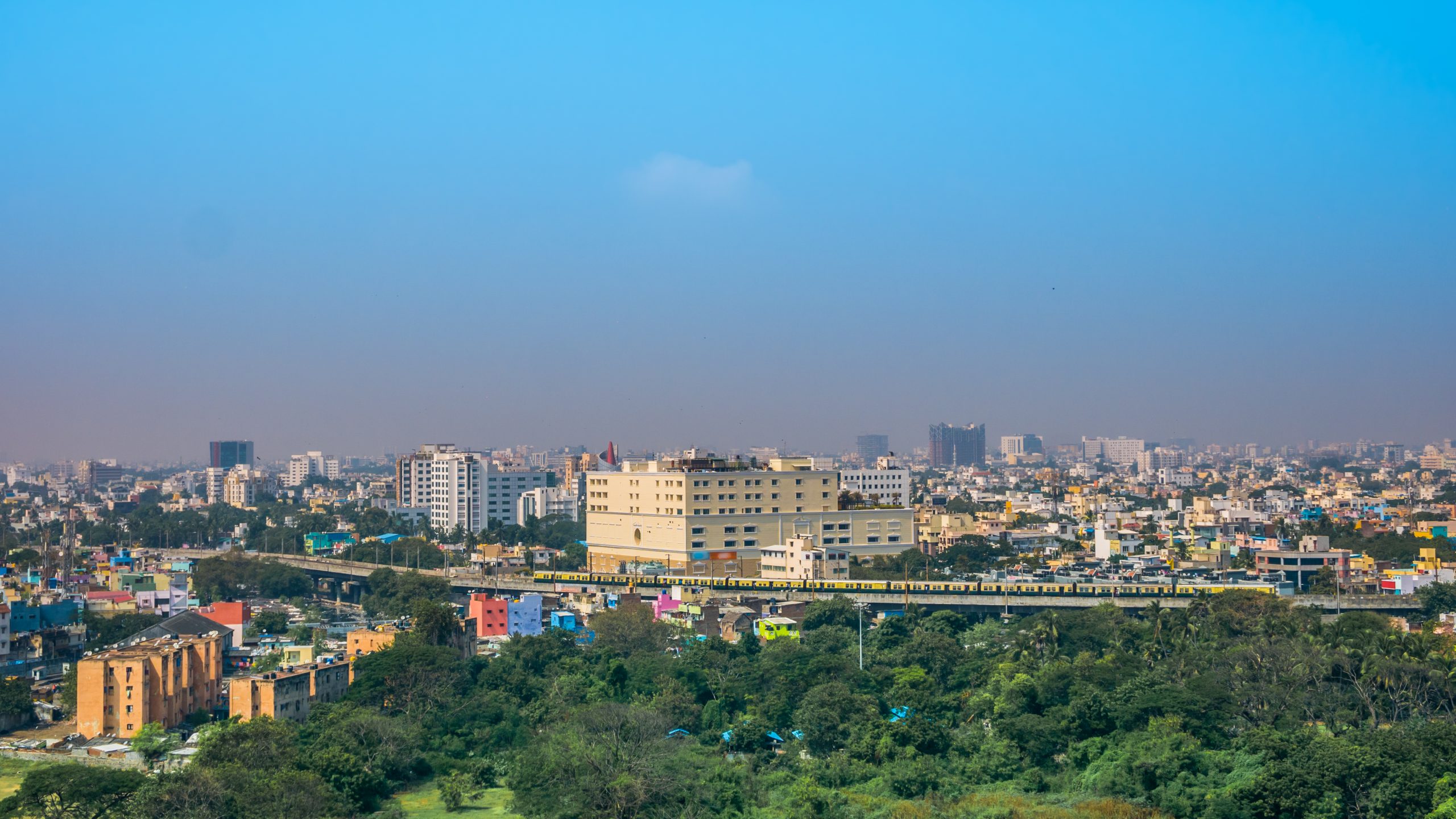
Chennai stands as the cultural capital of South India, a vibrant metropolis where ancient traditions seamlessly blend with modern urban life. As the capital of Tamil Nadu, this coastal city welcomes millions of visitors annually who come to explore its magnificent temples, colonial heritage, and sprawling beaches. Chennai serves as the perfect gateway to understanding South Indian culture, offering travelers an authentic experience that captures the essence of Tamil heritage. The city's unique character emerges from its fascinating history as a British trading post and its earlier role as a major Pallava kingdom center. Unlike many Indian metros that have lost touch with their roots, Chennai maintains a strong connection to traditional Tamil culture while embracing technological advancement. This balance makes it an intriguing destination for culture enthusiasts, history buffs, and beach lovers alike.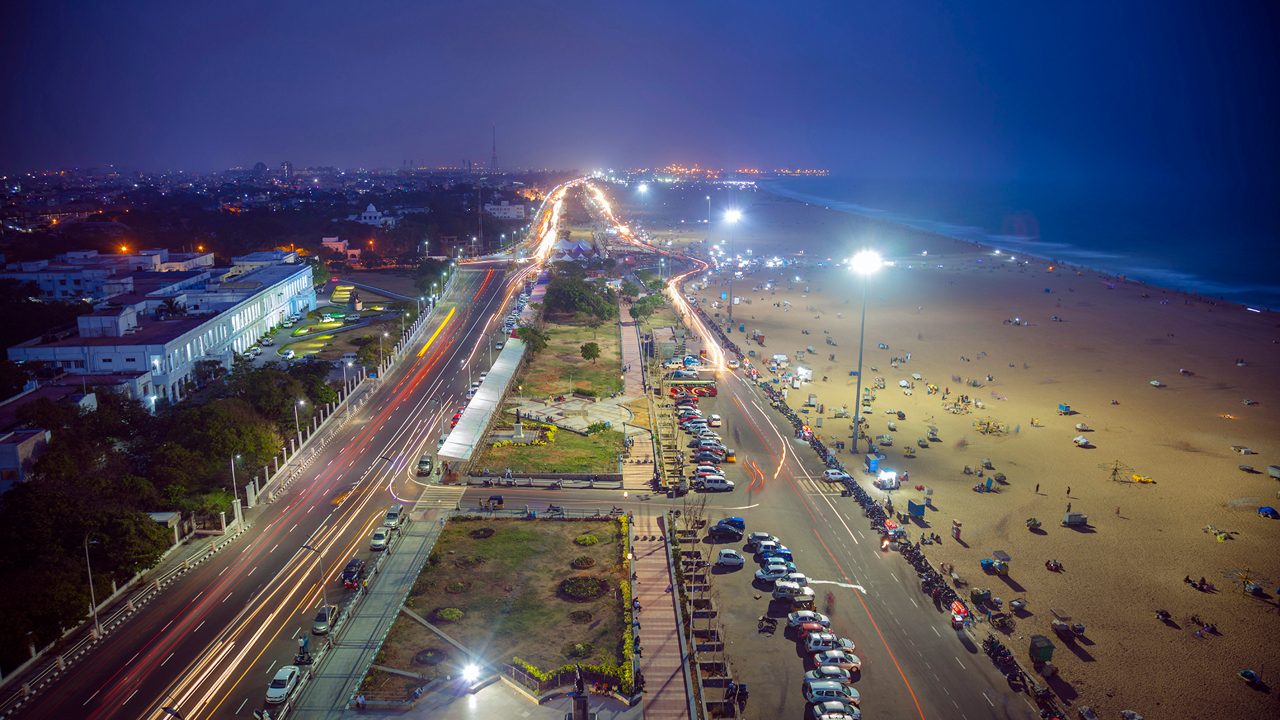
Marina Beach: Pride of Chennai
Marina Beach claims fame as India's longest urban beach and the world's second-longest urban beach, stretching an impressive 13 kilometers along the Bay of Bengal. This iconic Chennai landmark draws millions of visitors annually, from locals seeking morning exercise to tourists marveling at the expansive coastline. The beach's golden sands and rolling waves create a mesmerizing backdrop that has become synonymous with Chennai's identity.Beach Attractions
The Marina Beach Lighthouse stands as one of the most recognizable structures on the coastline. Built in 1977, this 45-meter tall lighthouse offers panoramic views of the city and sea. Visitors can climb to the top during designated hours, gaining a unique perspective on Chennai's coastal geography. The lighthouse operates from 9:30 AM to 1:00 PM and 3:00 PM to 5:00 PM on most days. The Aquarium located near the beach houses an impressive collection of marine life from the Bay of Bengal and beyond. This government-run facility features both freshwater and saltwater species, making it an educational stop for families traveling with children. The aquarium operates from 9:00 AM to 5:00 PM on all days except Monday.Best Times to Visit
Early Morning (5:00 AM to 7:00 AM) offers the most pleasant experience at Marina Beach. The cooler temperatures and fewer crowds create perfect conditions for walking, jogging, or simply watching the sunrise paint the sky in brilliant colors. Local yoga groups practice on the sand, adding to the serene atmosphere. Evening Sunset (4:00 PM to 7:00 PM) transforms Marina Beach into a bustling social hub. Families gather for picnics, children play in the shallow waves, and street food vendors set up stalls selling everything from roasted peanuts to spicy snacks. The sunset views across the Bay of Bengal provide spectacular photo opportunities.Activities & Experiences
Horse Riding along the shoreline remains one of Marina Beach's most popular activities. Guides lead horses up and down the beach, offering short rides to children and adults alike. This simple pleasure has been a Marina tradition for decades and continues to delight visitors. Street Food vendors offer an authentic taste of Chennai's coastal cuisine. Try the sundal (spiced chickpeas), murukku (rice flour snacks), or fresh thenga manga (tender coconut). These local favorites provide energy for beach walks while introducing visitors to Tamil flavors.Important Safety Information
Marina Beach has dangerous undercurrents that make swimming extremely hazardous. The beach is primarily for walking and enjoying the views, not for entering the water. Signs warning against swimming should be taken seriously, as several drownings occur annually when visitors ignore these warnings.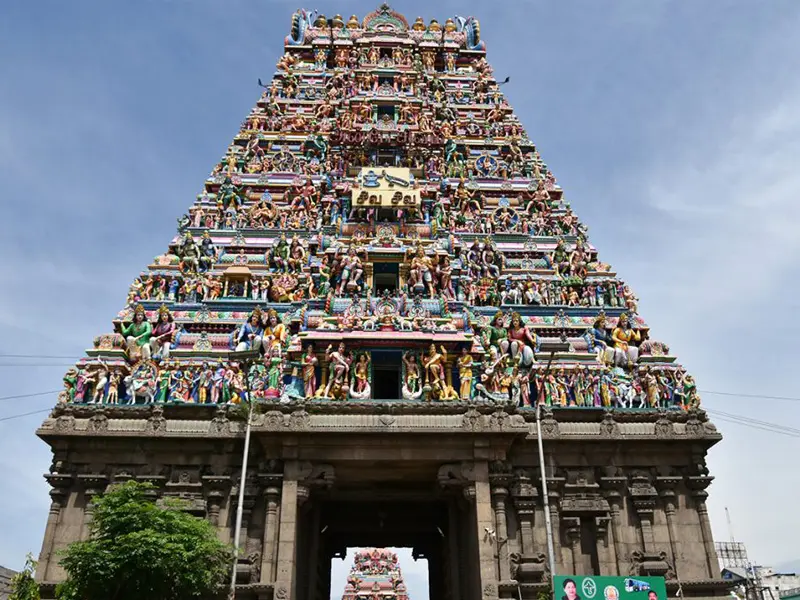
Kapaleeshwarar Temple: Dravidian Architectural Marvel
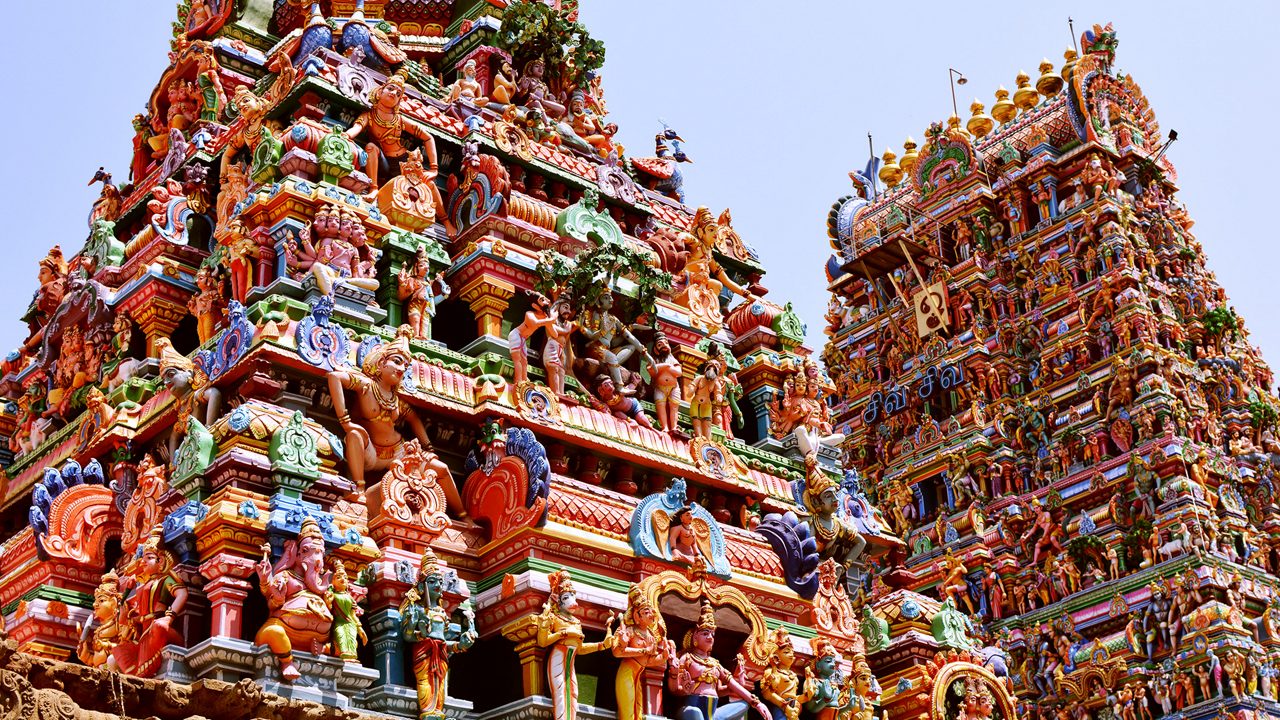
The Kapaleeshwarar Temple stands as one of Chennai's most magnificent examples of Dravidian architecture, dedicated to Lord Shiva. Located in the vibrant Mylapore neighborhood, this temple dates back to the 7th century, though the current structure was rebuilt in the 16th century after the original was destroyed by the Portuguese. The temple's towering gopuram (gateway tower) rises nearly 40 meters, covered in intricate sculptures depicting Hindu mythology.Architectural Highlights
The temple's main gopuram features an extraordinary collection of stucco figures portraying various deities, celestial beings, and mythological scenes. Each level of the tower tells stories from Hindu scriptures, creating a visual narrative that devotees and art historians admire. The level of detail demonstrates the incredible craftsmanship of Tamil artisans from centuries past. The temple tank, known as Pallavaram, sits adjacent to the main shrine. This sacred water body plays an essential role in temple rituals, especially during festivals. The tank's steps lead down to the water, where priests perform ceremonial ablutions. During the float festival, decorated deities are taken on the water in a magnificent procession.Sacred Shrines
The main sanctum houses a Shiva Lingam representing Lord Kapaleeshwarar (a form of Shiva). The shrine's inner sanctum maintains an atmosphere of devotion, with priests conducting multiple pujas (worship ceremonies) throughout the day. Devotees offer bilva leaves, flowers, and prayers to seek blessings. The Karpagambal shrine, dedicated to Goddess Parvati, holds equal importance. Legend states that Goddess Karpagambal worshipped Lord Shiva here in the form of a peacock, giving Mylapore its name (mayil meaning peacock). The shrine's beautiful bronze idol shows the goddess in a standing posture, radiating divine grace.Temple Festivals
The Panguni Peruvizha (March-April) stands as the temple's most important festival, lasting ten days. During this celebration, the temple deities are taken in procession through the streets on decorated mounts. Thousands of devotees participate, pulling the temple chariot and singing devotional songs. The festival's energy and color provide an unforgettable cultural experience. The Arupathumoovar festival honors the 63 Nayanmars (Shaivite saints) associated with Tamil Shaivism. Devotees carry palanquins bearing images of these saints through the temple grounds, accompanied by traditional music. The festival typically occurs in March and draws large crowds.Temple Timings & Practical Information
| Activity | Timings | Duration |
|---|---|---|
| Morning Darshan | 6:00 AM - 1:00 PM | 7 hours |
| Evening Darshan | 4:00 PM - 8:00 PM | 4 hours |
| Special Pujas | 6:00 AM, 10:00 AM, 5:00 PM, 7:00 PM | 30-45 mins each |
| Recommended Visit | Early morning or evening | 1-2 hours |
Fort St. George: Where British India Began
Fort St. George holds the distinction of being the first British fortress in India, marking the birthplace of British colonial presence in the subcontinent. Built in 1644 by the British East India Company, this fortification served as the starting point for what would eventually become the British Raj. Today, the fort houses the Tamil Nadu Legislative Assembly and remains an important historical site that Chennai takes pride in preserving.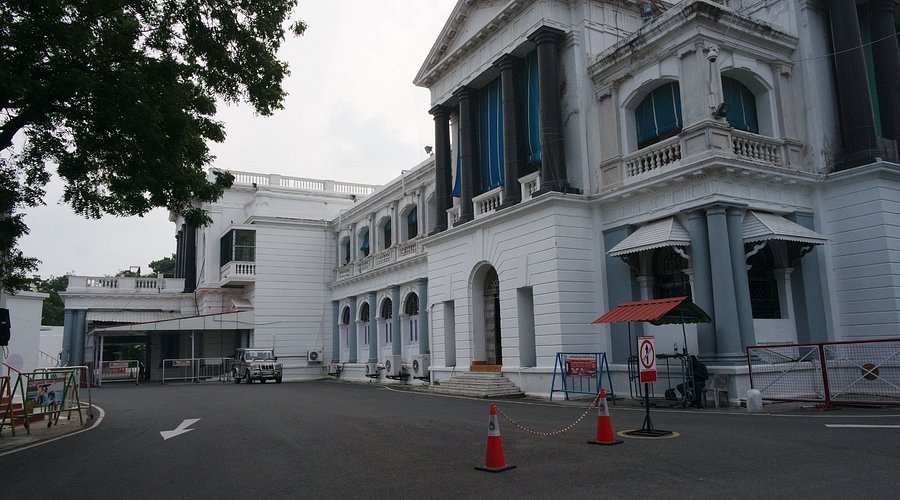
Historical Significance
The fort's construction represented a crucial moment in Indian history. The British East India Company, led by Francis Day and Andrew Cogan, acquired this land from the Vijayanagara king in 1639. The fort provided a secure base for British trading operations, eventually becoming the capital of the Madras Presidency. From these beginnings, British influence expanded across India. The fort's walls witnessed numerous historical events, including battles with French forces, the rise of the British Empire, and India's eventual independence. Walking through the fort gates connects visitors to over three centuries of history, making it an essential stop for anyone interested in India's colonial past.St. Mary's Church
Located within the fort complex, St. Mary's Church holds the distinction of being the oldest Anglican church in Asia. Built in 1678, this church has witnessed marriages, baptisms, and funerals of prominent British figures, including Elihu Yale (after whom Yale University is named). The church's ancient tombstones, inscribed with names and dates from the 17th and 18th centuries, offer a fascinating glimpse into colonial life. The church's interior features original wooden furniture, hand-carved pews, and ancient brass plaques. The altar's simple elegance reflects early Anglican traditions, while stained glass windows cast colorful light across the sanctuary. Visitors often comment on the peaceful atmosphere that permeates this historic space.Fort Museum
The Fort Museum showcases artifacts from the British colonial period, offering insights into the lives of soldiers, administrators, and merchants who lived here. The collection includes uniforms, weapons, coins, medals, and personal items that tell the story of British presence in South India. Notable exhibits include letters written by Robert Clive, the British commander who played a key role in establishing British power in India. The museum also houses portraits of early British governors, maps showing the fort's expansion, and everyday objects that illuminate colonial life. Photography is permitted in most areas, making it possible to capture images of these historical treasures.Visiting Information
The fort is open to visitors from 9:00 AM to 5:00 PM on all days except Fridays and public holidays. Since the fort also houses government offices, some areas may be restricted to visitors. Photography is allowed in most outdoor areas and the museum, but certain sections may prohibit cameras or require special permission.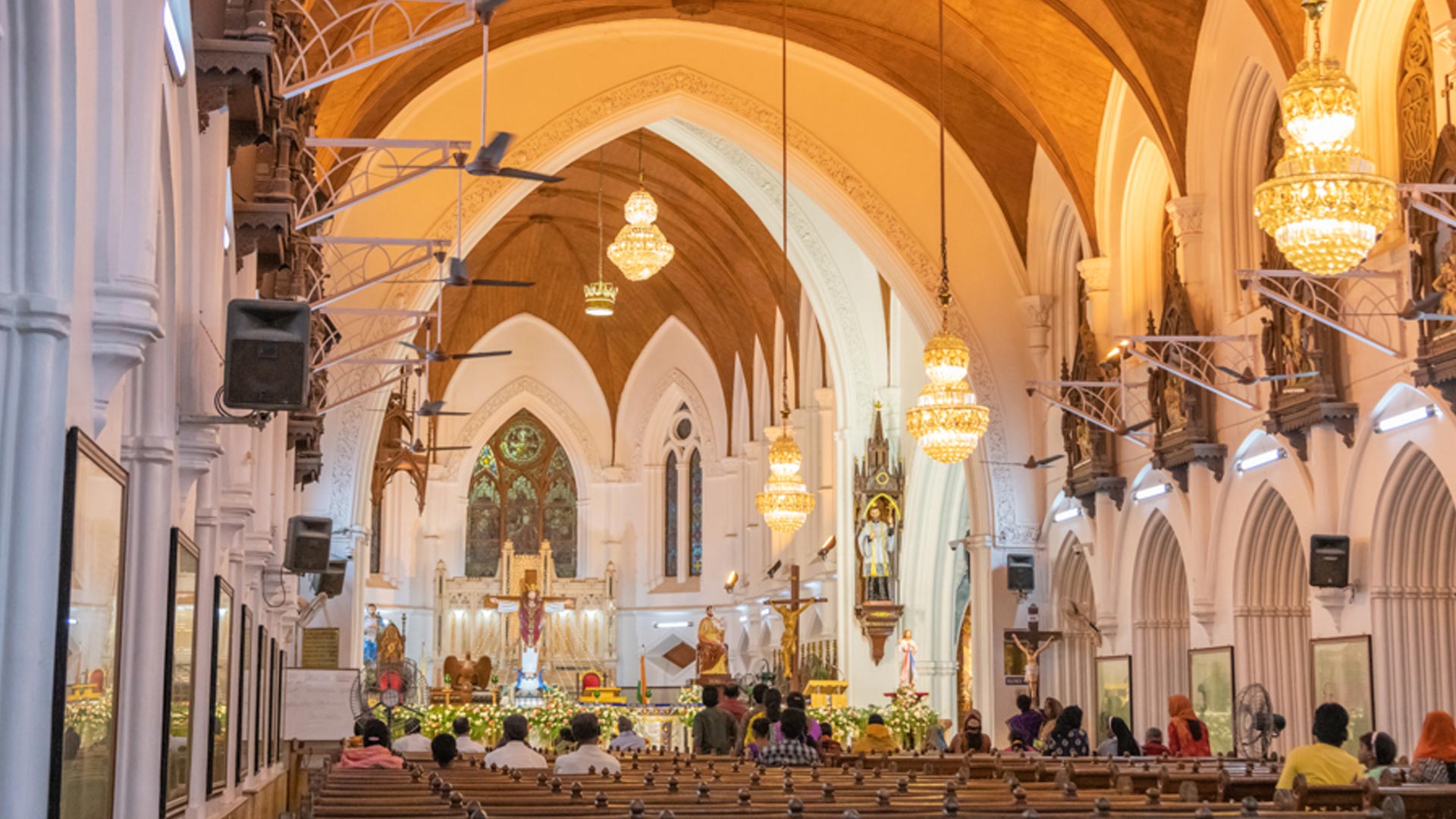
San Thome Basilica: Sacred Christian Heritage Site
The San Thome Basilica stands as one of only three basilicas in the world built over the tomb of an apostle of Jesus Christ. This magnificent church honors St. Thomas the Apostle, who is believed to have arrived in India in 52 AD and preached here until his martyrdom in 72 AD. The current structure, built in neo-Gothic style in 1896, replaces earlier churches that stood on this sacred site.Biblical Significance
According to tradition, St. Thomas (Doubting Thomas from the Bible) traveled to India's southwestern coast and eventually made his way to the Chennai region, then known as Mylapore. Here he preached Christianity, converted local inhabitants, and established a Christian community that has continued unbroken for nearly 2,000 years. The basilica stands over the site where St. Thomas was reportedly martyred - pierced with spears while praying on a hill now known as St. Thomas Mount. The tomb in the church's crypt is believed to contain his remains, making this one of Christianity's most sacred sites outside the Holy Land. Pilgrims from around the world visit to pay respects at this historically significant location.Architectural Beauty
The basilica's neo-Gothic architecture creates an imposing presence with its tall spires, pointed arches, and ribbed vaults. The exterior white stucco contrasts beautifully with the blue Chennai sky, while stained glass windows depict scenes from St. Thomas's life and ministry. The main spire rises 47 meters above the ground, visible from considerable distance. The interior features vaulted ceilings, wooden pews arranged in traditional fashion, and a beautifully carved altar above the tomb. The peaceful atmosphere invites contemplation and prayer, regardless of visitors' religious backgrounds. The Basilica maintains regular Catholic services while welcoming tourists and pilgrims of all faiths.The Tomb & Museum
The underground tomb accessible from the main sanctuary contains the small tomb believed to hold St. Thomas's remains. Pilgrims can descend to this sacred space, touch the tomb, and offer prayers. The tomb's simple design reflects early Christian traditions, with ancient inscriptions marking its significance. A small museum on the premises displays artifacts related to St. Thomas and the history of Christianity in India. The collection includes ancient crosses, manuscripts, paintings, and historical documents that trace the development of the Indian Christian community. Informational panels provide context for visitors unfamiliar with St. Thomas's story.Visiting Information
The basilica remains open from 6:00 AM to 8:00 PM on all days, with mass services conducted at various times throughout the day. The museum typically operates from 9:00 AM to 5:00 PM. Visitors of all faiths are welcome, but modest dress covering shoulders and knees is expected out of respect for the sacred nature of the site.Government Museum: Treasure House of Tamil Heritage
Chennai's Government Museum, established in 1851, ranks among India's oldest and most comprehensive museums. Located in the Egmore area, this magnificent institution houses an incredible collection spanning archaeology, art, anthropology, and numismatics. The museum's buildings themselves represent architectural heritage, constructed during the British colonial period in Indo-Saracenic style.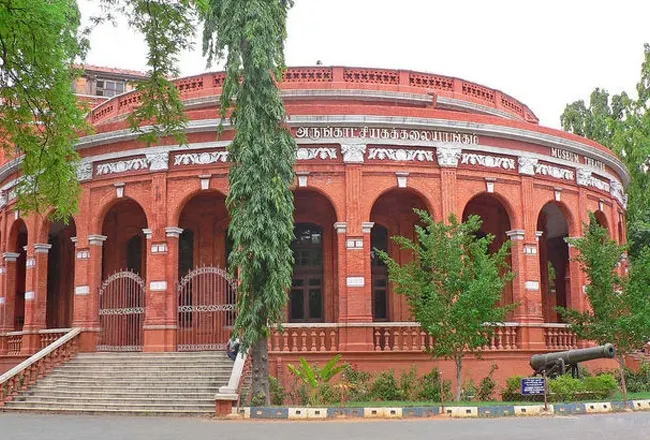
Bronze Gallery
The Bronze Gallery contains one of the world's finest collections of Chola bronze sculptures, showcasing the extraordinary artistic achievements of Tamil craftsmen from the 9th to 13th centuries. These sacred images of Hindu deities, particularly Shiva as Nataraja (Lord of Dance), display remarkable technical mastery and spiritual depth. Each bronze piece was created using the lost-wax technique, a complex process that produces incredibly detailed sculptures. The Nataraja bronzes, depicting Shiva performing the cosmic dance, represent the pinnacle of Chola art. The dynamic pose, with Shiva surrounded by a ring of fire and balancing on the demon of ignorance, captures profound philosophical concepts in metal form.Archaeological Section
The Archaeological Section contains artifacts from Tamil Nadu's ancient civilizations, including items from the Pallava, Chola, Pandya, and Vijayanagara periods. Stone sculptures, copper plate inscriptions, and pottery fragments tell the story of Tamil Nadu's rich historical heritage. Notable exhibits include ancient Tamil-Brahmi inscriptions that provide insights into the development of the Tamil language. The collection also features magnificent stone sculptures from various temples, some dating back over 1,000 years. These pieces demonstrate the artistic sophistication of ancient Tamil kingdoms.Art Gallery
The museum's Art Gallery displays paintings from various Indian schools, including Tanjore paintings, Rajput and Mughal miniatures, and modern Indian art. The Tanjore painting collection is particularly noteworthy, featuring gold-leaf paintings that depict Hindu deities with rich colors and intricate details. The gallery also houses Raja Ravi Varma's works, the famous 19th-century painter who helped revolutionize Indian art. His paintings, which often depicted mythological scenes and Indian women, bridged traditional Indian themes with European techniques.Other Sections
The Anthropology Section displays tribal artifacts from across South India, showcasing the diverse cultures of Tamil Nadu's indigenous communities. The Numismatics Section contains coins from various periods, including rare punch-marked coins from ancient kingdoms. The Botany and Zoology Sections feature preserved specimens and educational displays about South India's flora and fauna.Practical Information
| Detail | Information |
|---|---|
| Opening Days | Tuesday to Sunday |
| Timings | 9:30 AM - 5:00 PM |
| Closed | Fridays and National Holidays |
| Entry Fee | Indians: ₹15, Foreigners: ₹250 |
| Photography | Allowed with additional fee |
| Recommended Time | 2-3 hours |
Valluvar Kottam: Monument to Tamil Wisdom
Valluvar Kottam stands as a modern memorial dedicated to Thiruvalluvar, the legendary Tamil poet-saint who authored the Tirukkural, one of Tamil literature's most revered works. Built in 1976, this monument features an impressive auditorium and a towering stone chariot that has become a Chennai landmark. The memorial celebrates Tamil literary heritage and provides cultural space for performances and events.About Thiruvalluvar
Thiruvalluvar is believed to have lived around the 1st or 2nd century AD, though historical evidence remains limited. His Tirukkural consists of 1,330 couplets organized into 133 chapters, covering ethics, politics, economics, and love. The work's universal wisdom has made it one of the most translated Tamil texts, available in over 60 languages worldwide. What makes the Tirukkural remarkable is its secular nature and practical wisdom. Unlike many ancient texts that focus solely on religious themes, the Kural addresses everyday life, governance, family, and morality in ways that remain relevant across cultures and centuries. Thiruvalluvar's emphasis on virtue, compassion, and wisdom continues to inspire readers today.Monument Architecture
The stone chariot at Valluvar Kottam replicates the temple cars used in Tamil Nadu religious processions. This 39-meter tall structure features intricate carvings and serves as the memorial's centerpiece. The chariot's design incorporates traditional Tamil architectural elements, connecting modern Chennai to its cultural roots. The auditorium within the complex claims fame as one of the largest in Asia, with seating capacity for over 4,000 people. This space hosts cultural programs, music concerts, and theatrical performances, particularly during Tamil festivals and literary events. The acoustically designed hall ensures excellent sound quality for performances. The monument's outer hall features inscriptions of all 1,330 Kurals, allowing visitors to read Thiruvalluvar's wisdom directly from the walls. Each couplet appears in both Tamil script and translation, making the memorial educational for non-Tamil speakers as well.Visiting Experience
The memorial's peaceful atmosphere makes it an excellent place for quiet contemplation. Unlike many Chennai attractions, Valluvar Kottam sees fewer crowds, allowing visitors to explore at their own pace. The monument's surroundings include well-maintained gardens where visitors can rest and enjoy the serene environment. While at Valluvar Kottam, take time to read selected Kurals from the inscriptions. These brief couplets contain profound wisdom that offers insights into Tamil values and philosophy. Many visitors find these ancient verses surprisingly applicable to modern life.Practical Information
Valluvar Kottam is open from 8:00 AM to 6:00 PM on all days. There is no entrance fee, though photography may require permission during events or performances. The monument is located on Kodambakkam High Road in the Nungambakkam area, easily accessible by taxi, auto-rickshaw, or public bus.
Best Time to Visit Chennai
Choosing the right time to visit Chennai significantly impacts your experience of the city. Chennai's tropical climate features hot, humid weather for much of the year, with distinct seasons that affect comfort levels for sightseeing and outdoor activities.Winter Season (November - February)
Winter represents the ideal time to visit Chennai, offering pleasant temperatures that make exploring enjoyable. Daytime temperatures typically range from 20°C to 30°C (68°F - 86°F), with comfortable humidity levels. This weather permits long days of sightseeing without exhaustion from heat. December and January can get slightly cool in the evenings, especially near the coast. Light layers may be useful for early morning beach visits or evening strolls. The Chennai Music Season occurs during December-January, featuring classical music and dance performances throughout the city - a special cultural treat for visitors interested in traditional arts.Summer Season (March - June)
Summer brings intense heat that makes outdoor activities challenging. Temperatures routinely exceed 40°C (104°F), with high humidity levels that make it feel even hotter. Most sightseeing becomes difficult between 10:00 AM and 4:00 PM, when the sun is at its strongest. If you must visit during summer, plan activities for early morning and late afternoon. Carry sun protection, wear lightweight clothing, and stay hydrated. Many Chennai locals escape to hill stations during the peak summer months of April and May.Monsoon Season (July - October)
The northeast monsoon brings rainfall to Chennai from October to December, while the southwest monsoon affects the city from July to September. Rain provides relief from summer heat but can disrupt outdoor plans. Humidity remains high during rainy season. Monsoon has its own charm - Marina Beach looks dramatic under cloudy skies, and the city's vegetation turns lush and green. However, flooding can occur in low-lying areas during heavy rains, and some outdoor attractions may close temporarily. Umbrellas and rain gear become essential items.Weather Tips
| Season | Best For | Cautions |
|---|---|---|
| Winter (Nov-Feb) | Sightseeing, beaches, cultural events | Evenings can be cool |
| Summer (Mar-Jun) | Indoor attractions, shopping malls | Extreme heat, stay hydrated |
| Monsoon (Jul-Oct) | Lovers of rain, green landscapes | Flooding, transportation delays |
How to Reach Chennai
Chennai's excellent connectivity makes it accessible from virtually anywhere in India or the world. Multiple transportation options serve the city, accommodating different budgets and travel preferences.By Air
Chennai International Airport (MAA) serves as the primary air gateway, located about 20 kilometers from the city center. The airport handles both domestic and international flights, connecting Chennai to major Indian cities and destinations across Asia, the Middle East, and Europe. From the airport, prepaid taxis charge approximately INR 400-600 to reach the city center, depending on traffic. The ride takes 45-60 minutes during normal hours but can extend to 90 minutes or more during rush hour. App-based cab services like Ola and Uber also operate from the airport, often providing more reliable pricing.By Train
Chennai Central and Chennai Egmore are the two main railway stations. Chennai Central connects to destinations across India, including Mumbai, Delhi, Kolkata, Bangalore, and Hyderabad. Chennai Egmore primarily serves Tamil Nadu and Kerala destinations. Trains offer an affordable way to reach Chennai, with fares varying based on class of travel. Air-conditioned coaches provide comfort for long journeys, while sleeper classes budget options. The train journey itself can be part of the adventure, offering glimpses of Indian countryside and culture.By Road
Chennai connects to major South Indian cities via well-maintained national highways. Driving from Bangalore takes approximately 6-7 hours (350 kilometers), while the journey from Hyderabad covers about 7-8 hours (620 kilometers). State-run and private bus services operate regular services to Chennai from cities across Tamil Nadu and neighboring states.Getting Around Chennai
Chennai offers multiple options for local transportation, each with advantages and limitations. Understanding these options helps you navigate the city efficiently.Chennai Metro
The Chennai Metro provides fast, affordable transportation along two lines covering major areas of the city. Metro trains run from approximately 4:30 AM to 11:00 PM, with trains arriving every 5-10 minutes during peak hours. The metro's air-conditioned coaches, clean stations, and reliable schedule make it an excellent option for avoiding Chennai's notorious traffic.Auto-Rickshaws
Auto-rickshaws (three-wheeled motorized vehicles) provide door-to-door convenience for short distances. However, be prepared to negotiate prices, as meters are rarely used. Short trips within neighborhoods typically cost INR 30-50, while longer journeys across the city cost INR 100-200 depending on distance.App-Based Cabs
Ola and Uber operate throughout Chennai, offering air-conditioned cars with transparent pricing calculated by distance and time. These services provide reliability and comfort, especially for longer journeys or when traveling with luggage. Peak hour pricing (surge pricing) can increase costs during busy times.Local Buses
Chennai's extensive public bus network covers virtually every part of the city at very affordable rates (typically INR 5-15). However, buses can be extremely crowded during peak hours, and navigation may be challenging for visitors unfamiliar with the city. Bus apps like Chennai MTC help with route planning.Where to Stay in Chennai
Chennai offers accommodation options across all budget ranges, from luxury hotels to budget guesthouses. Choosing the right area to stay depends on your priorities - sightseeing convenience, beach access, or proximity to specific attractions.T. Nagar and Nungambakkam
These central areas provide easy access to shopping, restaurants, and cultural attractions. T. Nagar (Thyagaraya Nagar) is Chennai's premier shopping district, while Nungambakkam houses many upscale hotels and restaurants. Both areas offer good metro connectivity, making it easy to reach other parts of the city. Mid-range and luxury hotels dominate these neighborhoods.Near Marina Beach
Staying near Marina Beach puts you close to one of Chennai's top attractions while providing easy beach access for morning walks or evening sunsets. This area ranges from budget lodges to heritage properties. However, be aware that beach-side areas can be crowded and noisy, especially on weekends.Anna Salai (Mount Road)
This major artery running through Chennai's heart offers numerous hotel options with excellent connectivity to both old and new Chennai. Anna Salai's central location makes it convenient for business travelers and tourists who want to minimize travel time to attractions.Accommodation Budgets
| Category | Price Range (per night) | Typical Amenities |
|---|---|---|
| Budget | ₹800-1,500 | d>Basic room, fan/AC, attached bathroom|
| Mid-Range | ₹1,500-3,500 | AC, TV, Wi-Fi, breakfast, room service |
| Luxury | ₹3,500-8,000+ | All amenities, pool, restaurant, fitness center |
| Heritage | ₹4,000-10,000+ | Historic property, premium amenities, character |
Chennai Travel Tips
Following these practical tips helps ensure a smooth, enjoyable Chennai experience:Cultural Considerations
Chennai tends to be more conservative than some other Indian metros. Dress modestly, especially when visiting religious sites - cover shoulders, knees, and remove shoes when entering temples. Public displays of affection are uncommon and may attract unwanted attention.Language
Tamil is the primary language, but English is widely spoken and understood, especially in business contexts and tourist areas. Hindi is less commonly spoken than in North Indian cities. Learning a few basic Tamil phrases (hello - "vanakkam", thank you - "nandri") is appreciated by locals.Safety
Chennai generally ranks as one of India's safer major cities. However, exercise normal big-city precautions - avoid isolated areas at night, keep valuables secure, and be aware of your surroundings in crowded areas. The city is considered safe for solo female travelers who take basic precautions.Food & Water
Chennai's famous South Indian breakfast items - idli, dosa, vada, sambar - are must-tries. Filter coffee (strong coffee prepared with milk) is a Chennai specialty. However, stick to bottled water even for brushing teeth during your first few days to allow your system to adjust.Shopping
Chennai offers excellent shopping for silk sarees (Kanchipuram silks are particularly renowned), traditional jewelry, handicrafts, and contemporary goods. T. Nagar provides the most intense shopping experience, while areas like Khader Nawaz Khan Road offer upscale boutiques.Beyond Chennai: Day Trips & Excursions
Chennai's location makes it an excellent base for exploring nearby attractions. Consider these day trips to enrich your Tamil Nadu experience:- Mahabalipuram (55 km): Famous for ancient rock-cut temples and sculptures carved from granite. This UNESCO World Heritage site features stunning examples of Pallava architecture, including the famous Shore Temple and Five Rathas. Read our complete guide to Mahabalipuram for detailed information on exploring this historic coastal town.
- Puducherry (160 km): Former French colony offering a unique blend of Tamil and French cultures. The French Quarter's colonial architecture, beaches, and spiritual communities make it a popular getaway. Check our guide on beaches in Puducherry for planning your visit.
- Kanchipuram (75 km): Ancient temple city known for spectacular Dravidian temples and silk sarees weaving. The city's numerous temples and thriving silk industry make it a fascinating day trip for culture and shopping enthusiasts.
Location
Frequently Asked Questions
Q1.What is the best time to visit Chennai?
Q2.How many days are needed to explore Chennai?
Q3.What is Chennai famous for?
Q4.Is Marina Beach safe for swimming?
Q5.Which temples must visit in Chennai?
Q6.What to buy in Chennai?
Q7.How to reach Chennai by air, rail, and road?
Q8.Is Chennai safe for solo female travelers?
Recommended For You
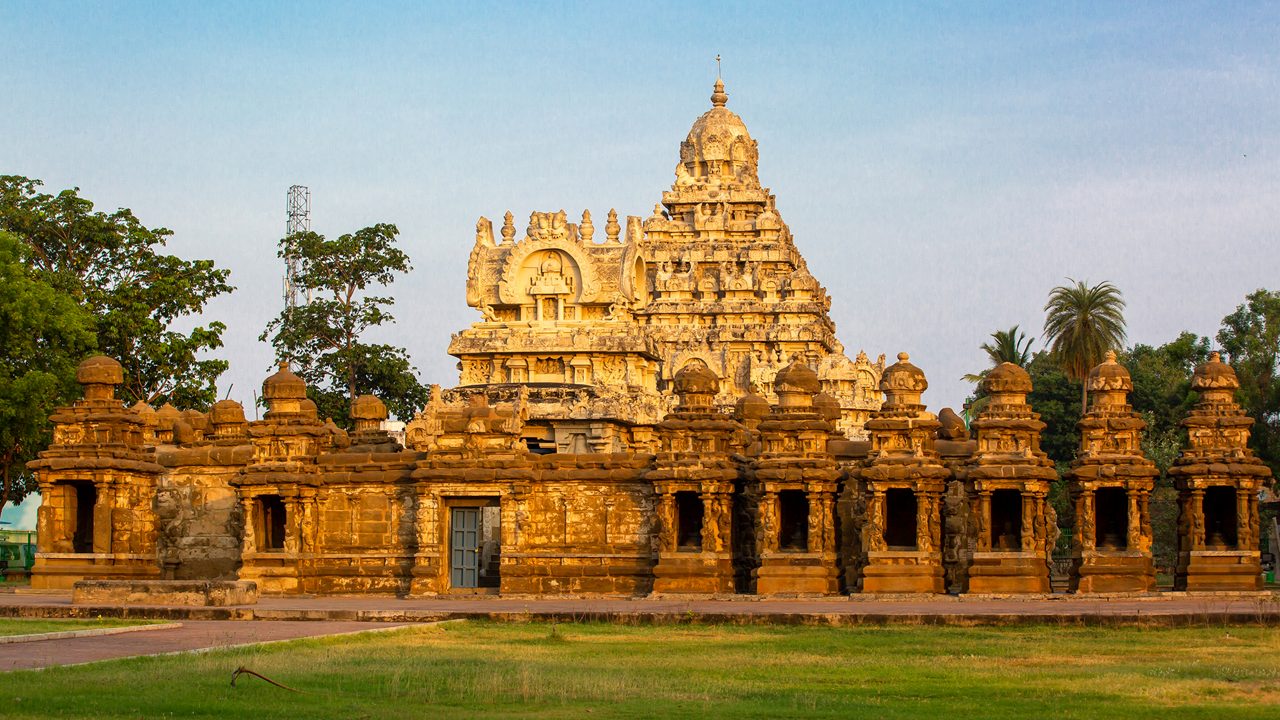
Places to Visit in Kanchipuram: Temples, Silk Streets & Heritage
Discover the best places to visit in Kanchipuram - from ancient temples like Ekambareswarar and Kamakshi Amman to world-famous silk saree shopping. Complete guide with timings, prices, and travel tips.
T Nagar Chennai: Silk Sarees, Jewelry & Shopping Street Map
T Nagar Chennai shopping guide! Pondy Bazaar, silk sarees, gold jewelry & street food. Complete shopping district guide with best stores, timings & local tips.
Meenakshi Temple Madurai: Complete Guide to the Temple City
Explore the magnificent Meenakshi Temple in Madurai - a 7th-century architectural marvel with 12 towering gopurams, musical pillars, and sacred tanks. Discover history, timings, Chittirai festival, travel tips, and nearby attractions in this comprehensive guide.
Never Miss an Adventure
Get the latest trekking guides, travel tips, and exclusive offers delivered straight to your inbox.
