
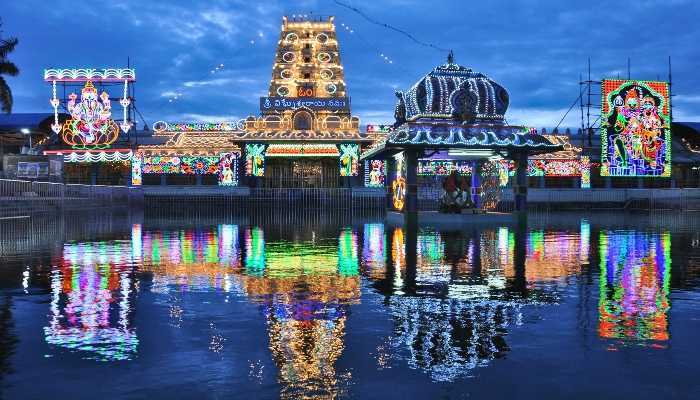
Temples in Chittoor: 12 Sacred Sites

Rohan Malhotra
January 9, 2026
Explore 12 famous temples in Chittoor district. From Tirupati to Srikalahasti, discover sacred Hindu temples.
Introduction: Temple Town of Andhra Pradesh
\nChittoor district in Andhra Pradesh stands as a magnificent temple town, serving as the spiritual gateway to some of India's most revered Hindu shrines. Nestled between the Eastern Ghats and the Nallamala Hills, this region has been a center of devotion and pilgrimage for centuries, attracting millions of devotees annually seeking blessings from ancient deities.
\n\nThe district's strategic location as the gateway to Tirumala makes it an essential stop on any temple circuit in South India. From the world-famous Tirumala Venkateswara Temple to the mystical Srikalahasti Temple dedicated to Lord Shiva, Chittoor offers a diverse spiritual experience that showcases the rich religious heritage of Andhra Pradesh.
\n\nFor travelers planning a comprehensive pilgrimage, exploring temples in Erode provides insights into Tamil Nadu's sacred sites that complement Chittoor's offerings. Similarly, understanding temples in Kerala can help travelers plan a broader South India temple tour.
\n\n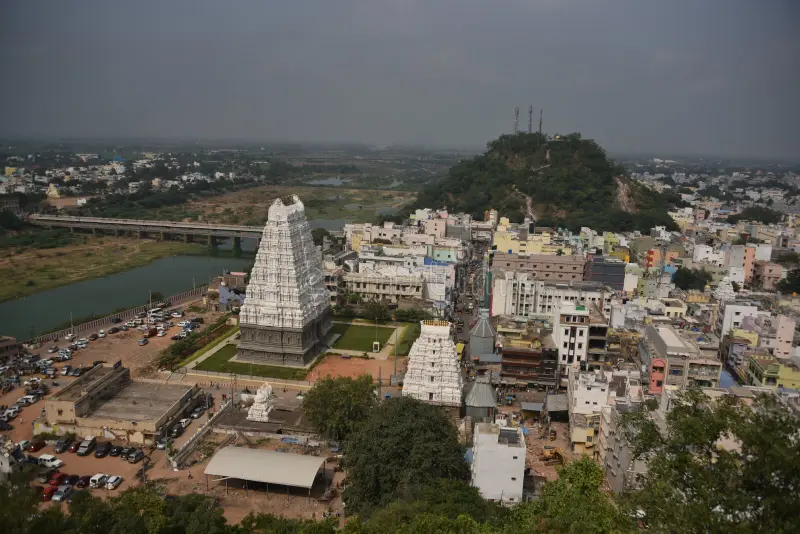 \n\n\n
Tirumala Venkateswara Temple
\nThe Tirumala Venkateswara Temple, located 70 km from Chittoor town on the sacred Tirumala Hills, is the most visited Hindu temple in the world. Dedicated to Lord Venkateswara, an incarnation of Lord Vishnu, this magnificent temple draws over 50 million pilgrims annually, making it one of the richest religious institutions globally.
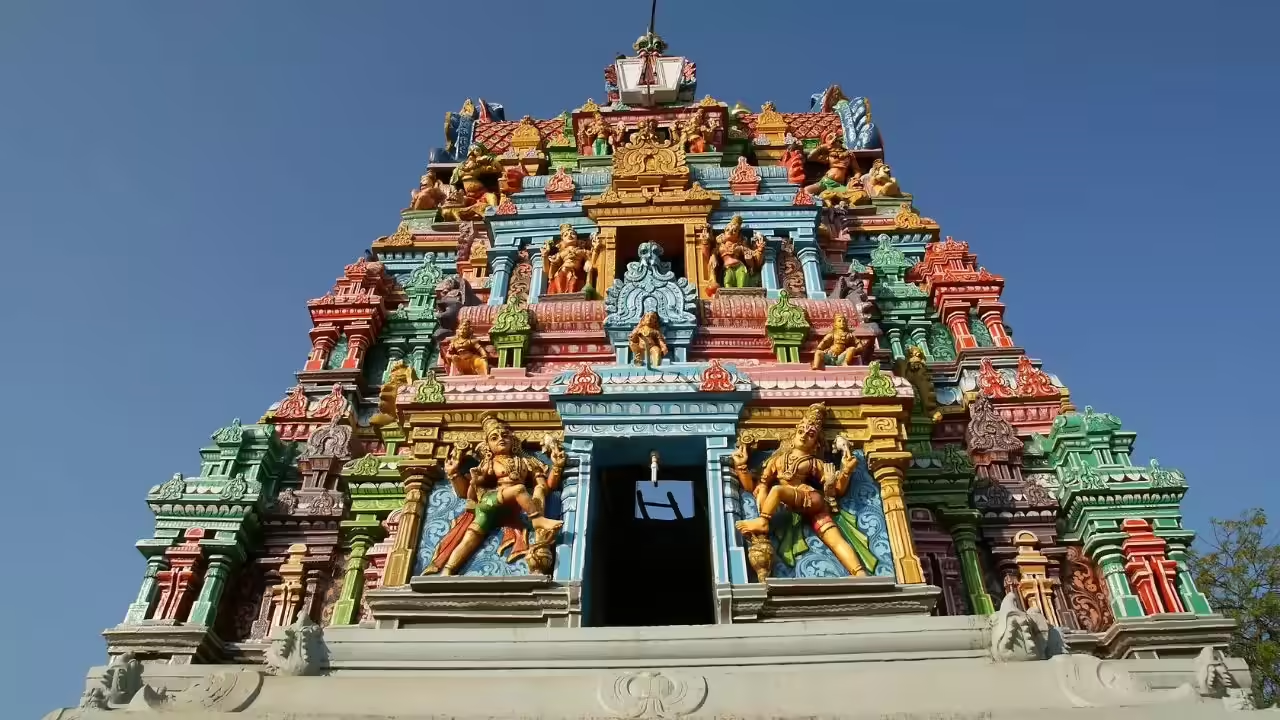
\n\nThe temple's architecture showcases the finest Dravidian style, with its towering gopuram (gateway tower) adorned with intricate carvings depicting scenes from Hindu mythology. The golden vimana (dome) shines brightly against the blue sky, creating a mesmerizing sight for devotees and visitors alike. The temple's sanctum sanctorum houses the self-manifested idol of Lord Venkateswara, believed to fulfill the wishes of sincere devotees.
\n\nThe famous Tirupati Laddu, offered as prasadam, has received GI (Geographical Indication) status for its unique preparation method. Devotees also participate in the sacred ritual of offering their hair, known as tonsuring, which is then sold to support temple operations and charitable activities. The temple operates round the clock with darshan timings from 2:30 AM to 1:30 AM the next day.
\n\n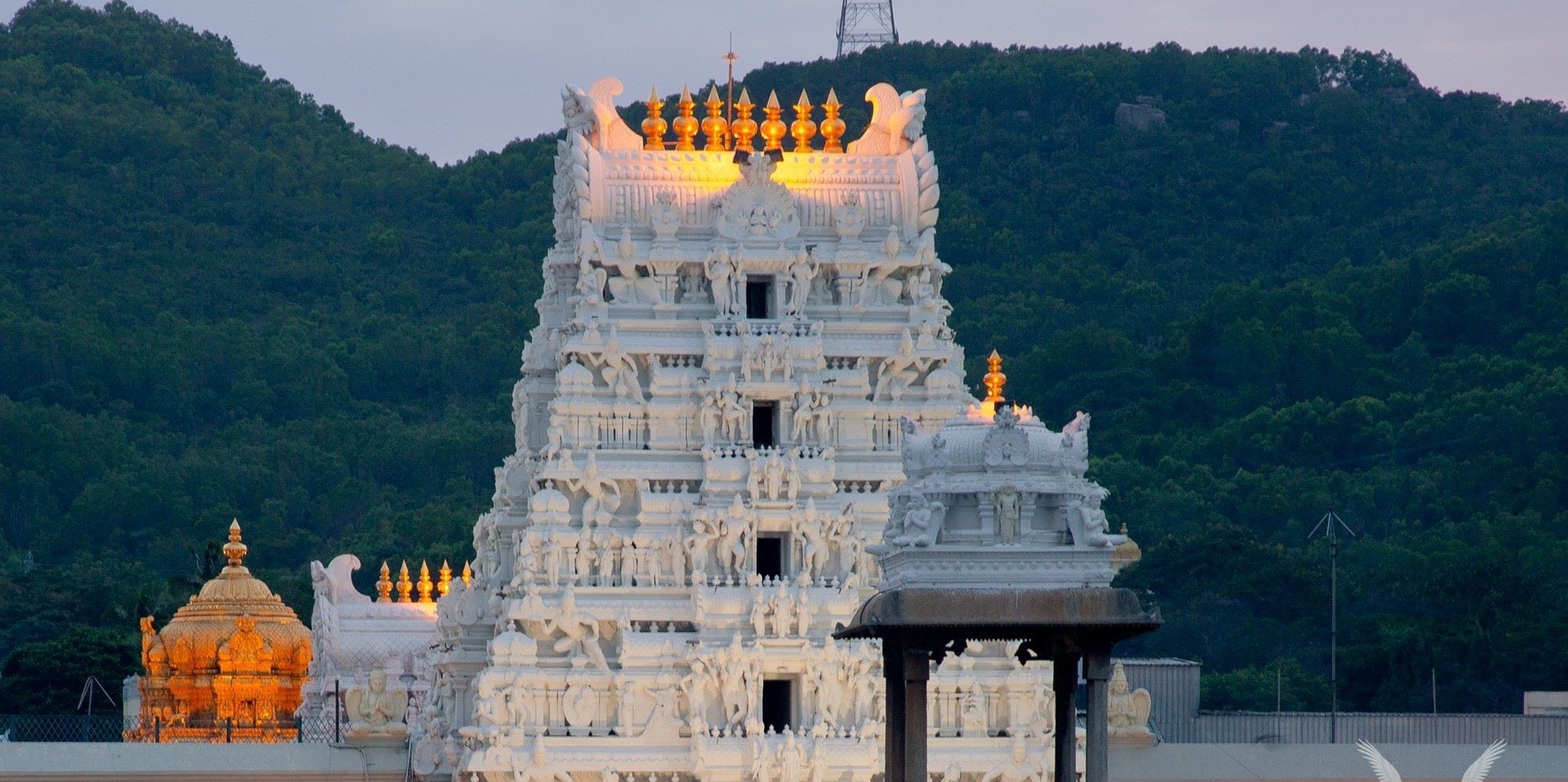 \n\n
\n\nFor visitors planning to explore more temples in the region, temples in Hyderabad offer another spiritual journey through Telangana's rich religious heritage. Each temple in the region has its unique significance and contributes to the broader understanding of South Indian temple architecture and traditions.
\n\nTirumala Hills
\nThe Tirumala Hills comprise seven sacred peaks, collectively known as Seshachalam Hills, believed to be the serpent Adisesha's hood protecting Lord Venkateswara. Each hill has its own name and significance: Seshadri, Neeladri, Garudadri, Anjanadri, Vrushabhadri, Narayandri, and Venkatadri. These hills provide not just spiritual significance but also breathtaking views and opportunities for pilgrimage trekking.
\n\nDevotees often undertake the sacred 14 km foot pilgrimage from Tirupati to Tirumala, following ancient pathways used by saints and devotees for centuries. Along the route, pilgrims visit important sacred spots including Srivari Padalu (Lord's sacred footprints) and the holy Papanasam tank, where devotees take a ritual bath to wash away their sins before darshan.
\n\nThe natural rock formation known as Silathoranam, a natural arch shaped like a hood of a serpent, is believed to be 2.5 billion years old and holds special geological and spiritual significance. Many pilgrims spend additional time exploring these natural wonders while visiting the Tirumala temple.
\n\n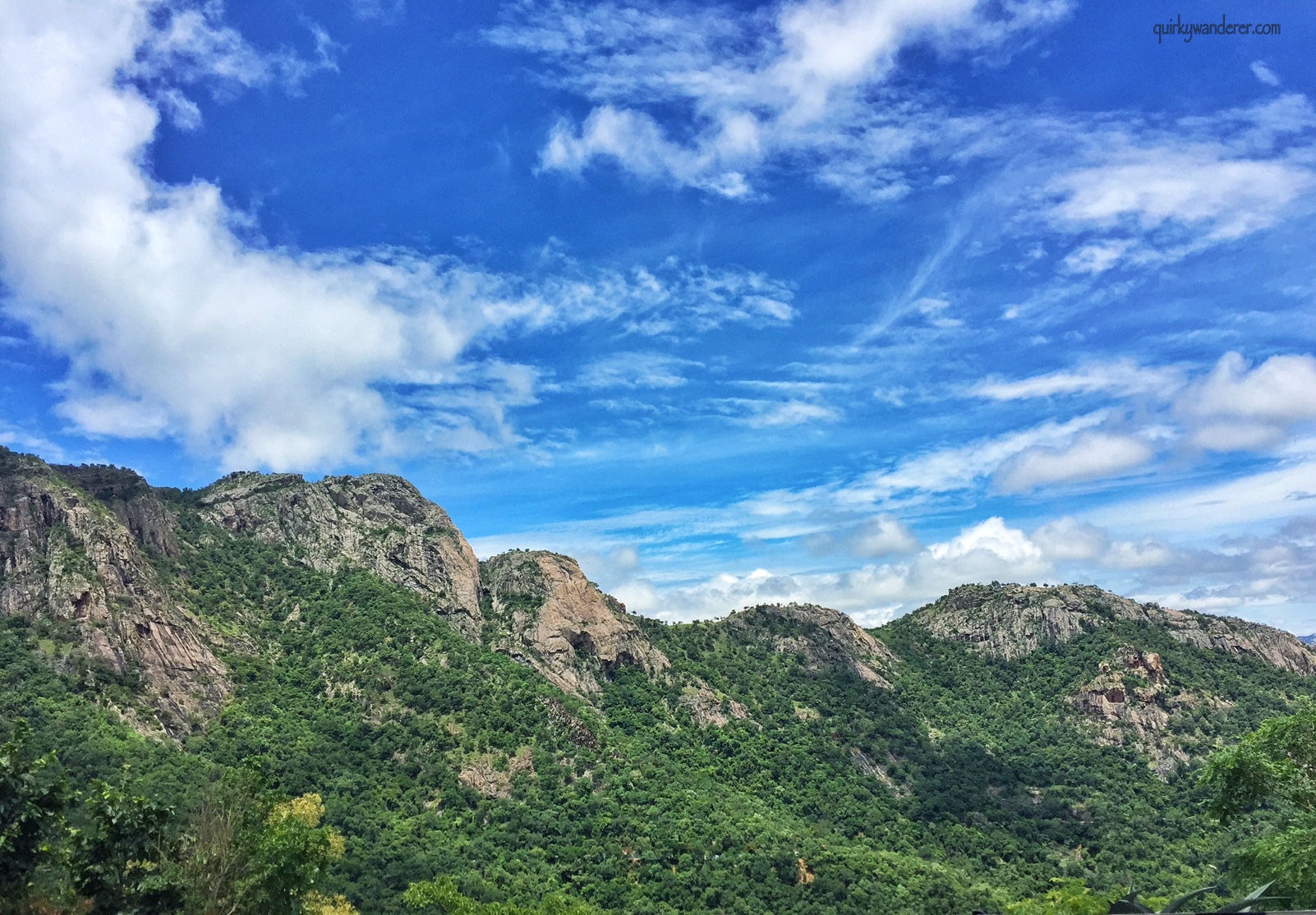 \n\n\n
Srikalahasti Temple
\nLocated 40 km from Chittoor in the town of Srikalahasti, this ancient Shiva temple is renowned for its spiritual potency, particularly for performing Rahu-Ketu dosha nivarana poojas (remedial rituals for planetary afflictions). The temple is one of the Panchabhoota Sthalams, representing the element of air (Vayu), making it one of the most sacred Shiva temples in South India.
\n\nThe temple's architecture follows the ancient Dravidian style, with its massive gopuram and intricate stone carvings showcasing the craftsmanship of Chola and Pallava periods. The main deity is Lord Shiva in the form of Vayu Linga, believed to have been worshipped by the spider (Sri), the serpent (Kala), and the elephant (Hasti), giving the temple its name.
\n\nDevotees from across India visit Srikalahasti specifically for the Rahu-Ketu dosha nivarana pooja, believed to alleviate problems caused by these planets in one's astrological chart. The temple priests perform elaborate rituals with precise timing, and devotees can participate in various offerings ranging from simple archana to elaborate abhishekam ceremonies. The temple remains open from 5:30 AM to 9 PM, with special poojas performed during specific auspicious times.
\n\n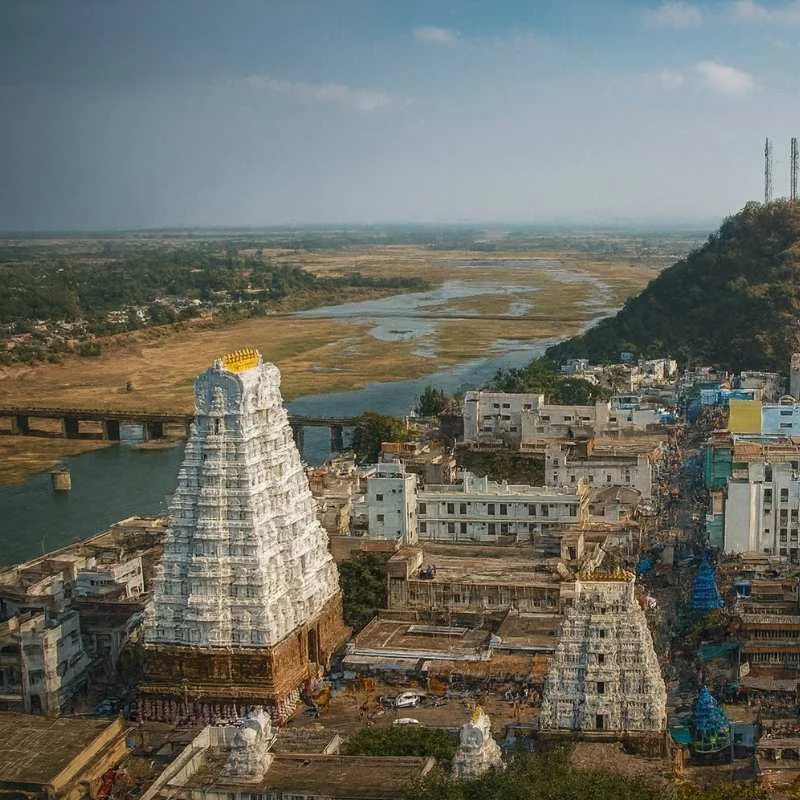 \n\n\n
Kanipakam Vinayaka Temple
\nThe Kanipakam Vinayaka Temple, located 70 km from Chittoor via Tirupati, is famous for its self-manifested idol of Lord Ganesha, believed to be growing in size over time. According to legend, the idol emerged from a well when three brothers with physical disabilities were healed after offering prayers at the site, leading to the temple's establishment in the 11th century.
\n\nThe temple's unique feature is the water-filled chamber around the idol, where devotees can witness the idol's presence through the clear water. Miraculously, the water level remains constant regardless of rainfall or drought, and devotees believe that the idol's size has been gradually increasing, though scientifically unverified. This phenomenon attracts curious visitors and devotees alike.
\n\nThe temple's architecture follows traditional South Indian style, with a modest but spiritually powerful sanctum. Devotees offer various prayers and rituals, especially during Ganesh Chaturthi, when the temple hosts elaborate celebrations. A typical visit lasts 1-2 hours, allowing time for darshan and participation in rituals. The temple is open from 6 AM to 9 PM daily.
\n\n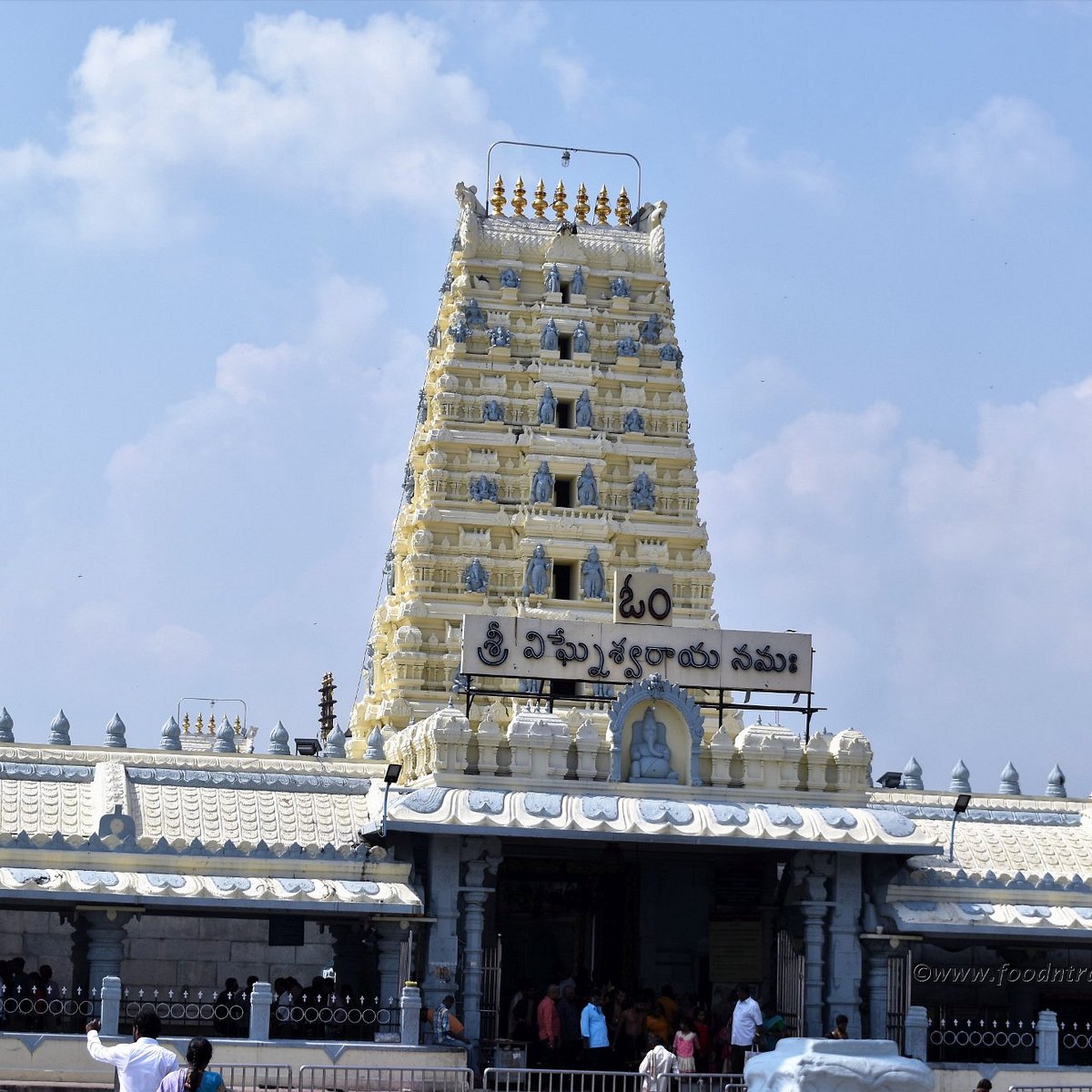 \n\n\n
Horsley Hills Temples
\nLocated 150 km from Chittoor, Horsley Hills is a scenic hill station that also houses the Mallamma Temple, dedicated to a local deity. The temple holds significant importance for the local tribal communities and offers a different spiritual experience from the major pilgrimage sites in Chittoor district.
\n\nThe journey to Horsley Hills takes visitors through winding roads surrounded by dense forests and coffee plantations, providing a refreshing break from temple visits. The cool climate and panoramic views make it an ideal place for relaxation and contemplation. The Mallamma Temple, though modest in size, offers devotees a peaceful atmosphere for worship and meditation.
\n\nBest visited between October and March, Horsley Hills offers activities beyond temple visits, including trekking, nature walks, and bird watching. A half-day visit typically suffices for temple visit and sightseeing. The hill station has basic accommodation options for those wishing to extend their stay.
\n\n\nNagari Hills Temples
\nNagari Hills, situated 30 km from Chittoor town, offers a combination of scenic beauty and spiritual exploration. The hills feature the Nagari Hills Temple, providing devotees with an opportunity for worship while enjoying panoramic views of the surrounding countryside. The trek to the temple is moderate in difficulty, making it accessible to most visitors.
\n\nThe temple's location on the hilltop provides a serene atmosphere, away from the hustle of city life. The climb takes approximately 1-2 hours, depending on pace and weather conditions. Winter months offer the best visiting conditions, with clear skies and pleasant temperatures for the trek. The temple visit and hill exploration typically take 3-4 hours total.
\n\nAccess from Chittoor town is convenient, with local transportation options available. The combination of physical activity, natural beauty, and spiritual experience makes Nagari Hills a unique destination within the Chittoor temple circuit.
\n\n\nOther Notable Temples
\nBeyond the major pilgrimage sites, Chittoor district houses several smaller but spiritually significant temples. The Vedagiri Lakshmi Narasimha Swamy Temple, dedicated to Lord Vishnu in his lion incarnation, attracts devotees seeking blessings for prosperity and protection. The temple's location on a hill provides scenic views and a tranquil environment for worship.
\n\nThe Bojjannakonda site, though primarily a Buddhist monument with ancient stupas, showcases the religious diversity that has existed in the region for over two millennia. The Chandragiri Fort Temple combines historical significance with spiritual importance, offering visitors a glimpse into the region's royal past. The Gurramkonda Fort temples, though lesser-known, provide insight into the architectural and religious traditions of the Vijayanagara period.
\n\n\nTemple Circuit Planning Tips
\nThe best time to explore Chittoor's temples is between September and February, when the weather is pleasant and temple festivals create a vibrant atmosphere. A complete temple circuit covering major sites typically requires 3-4 days, starting from Chittoor town as the base.
\n\nThe recommended route is Chittoor - Tirupati/Tirumala (2 days) - Srikalahasti (1 day) - Kanipakam (half day). Private taxi or personal vehicle is recommended for convenient travel between temples. Accommodation is readily available in Tirupati and Chittoor town, with options ranging from budget guesthouses to luxury hotels. The Tirumala Tirupati Devasthanams (TTD) offers various accommodation options near Tirumala temple.
\n\nDress code requirements at all temples mandate traditional, modest attire. For men, dhoti or pants with shirt is acceptable. Women should wear saris or churidars with a dupatta. Advance booking for Tirupati temple darshan is strongly recommended, especially during festival seasons when queues can extend beyond 12 hours. Food options range from temple prasadam to local restaurants serving Andhra cuisine.
\n\n\nConclusion
\nChittoor district's temple circuit offers a profound spiritual journey through some of India's most sacred Hindu sites. From the world-famous Tirumala Venkateswara Temple to the mystical Srikalahasti, from the miraculous Kanipakam Vinayaka to the serene hill temples, each site contributes uniquely to the region's rich religious tapestry.
\n\nWhether seeking blessings for specific purposes, participating in remedial rituals, or simply experiencing South Indian temple culture and architecture, Chittoor provides diverse spiritual opportunities. The combination of ancient traditions, architectural marvels, and natural beauty creates a pilgrimage experience that leaves lasting impressions on devotees and travelers alike.
\n\nPlan your temple visits with sufficient time for each site, respect local customs and dress codes, and approach each temple with reverence. The spiritual energy of these sacred places, accumulated over centuries of devotion, offers transformation to those who visit with sincere hearts and open minds.
Location
Frequently Asked Questions
Q1.What are the famous temples in Chittoor district?
Q2.How far is Tirupati from Chittoor?
Q3.Can we cover all temples in one day?
Q4.What is special about Srikalahasti Temple?
Q5.How much time needed at Tirumala Temple?
Q6.Are there accommodations near these temples?
Q7.What is the best time to visit Chittoor temples?
Q8.How to reach Kanipakam from Chittoor?
Recommended For You
Temples in Erode: 12 Sacred Sites
Explore 12 famous temples in Erode, Tamil Nadu. From Thindal Murugan to historic Shiva temples, discover spiritual heritage.
Temples in Hyderabad: 20 Sacred Sites
Explore 20 famous temples in Hyderabad. From Birla Mandir to Chilkur Balaji, discover spiritual sites, timings & heritage.
Temples in Kerala: God's Own Country's Sacred Heritage
Explore sacred temples in Kerala. Discover Sabarimala, Guruvayur, Padmanabhaswamy & more with complete travel guide.
Never Miss an Adventure
Get the latest trekking guides, travel tips, and exclusive offers delivered straight to your inbox.
